Taxonomy & Classification
- Kingdom
- Animalia
- Phylum
- Chordata
- Class
- Mammalia
- Order
- Artiodactyla
- Family
- Bovidae
- Genus
- Bos
- Species
- Bos Taurus

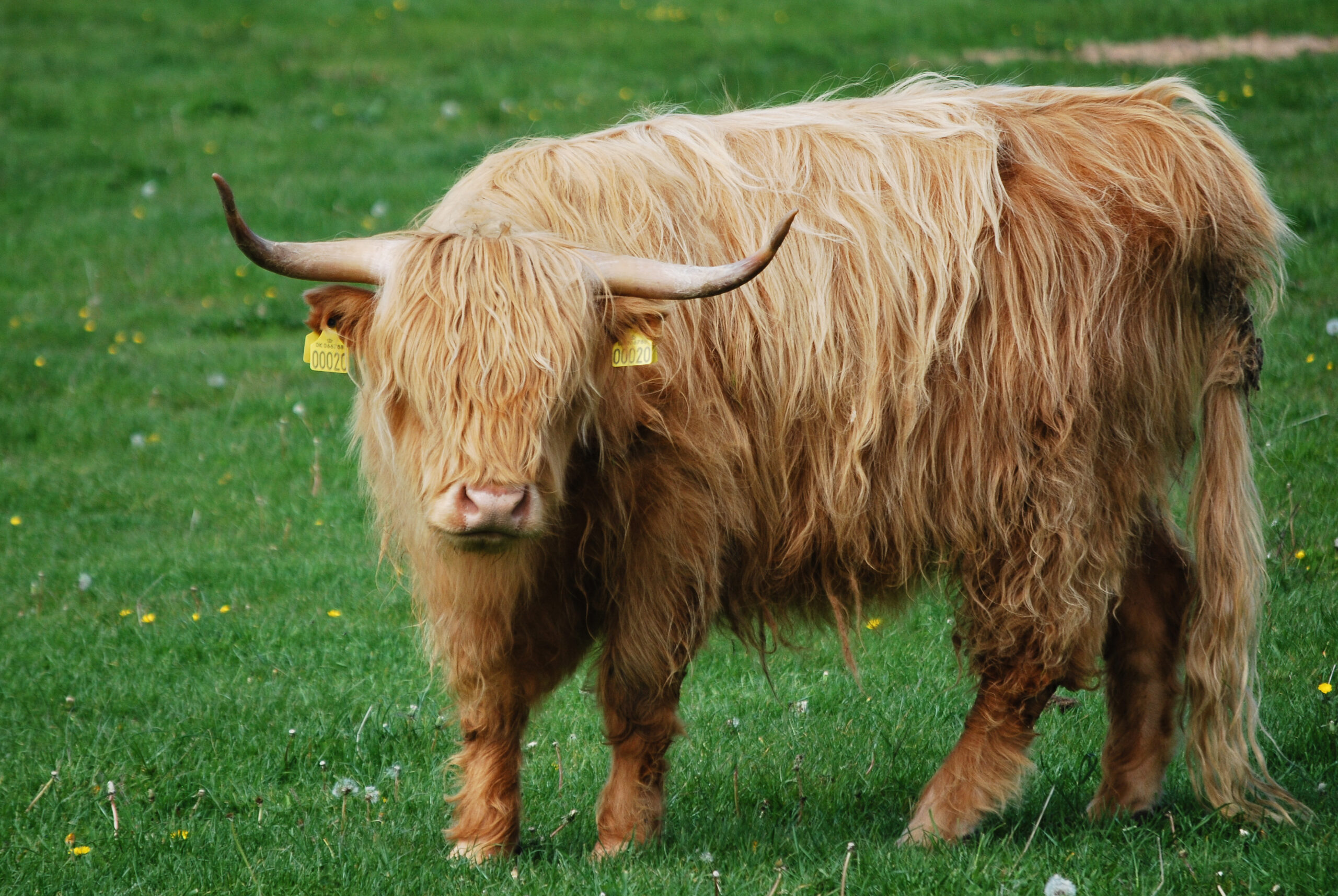 Photo Credit: GRDN711 / Wikimedia Commons
In the misty highlands of Scotland, where the air is crisp and the landscape is a patchwork of rolling hills and vibrant wildflowers, the Highland Cattle roam gracefully. Known scientifically as Bos taurus, these magnificent animals are easily recognized by their long, curved horns and thick, shaggy coats that can range in color from deep red to black. Their striking appearance is not just for show; it serves a purpose. The dense fur keeps them warm in harsh weather, while their sturdy build allows them to thrive in rugged terrains.
Highland Cattle are more than just a pretty face; they are a living testament to resilience and adaptation. These gentle giants have a fascinating evolutionary history, tracing their lineage back to ancient wild cattle. Their unique characteristics have captured the attention of scientists and nature enthusiasts alike, who marvel at how these animals have adapted to their environment over thousands of years. As they graze on the lush grasses of their mountainous habitat, they play a vital role in maintaining the ecosystem, shaping the landscape, and supporting a variety of other species. Join us as we delve deeper into the world of Highland Cattle, exploring their behavior, diet, and the important role they play in the natural world.
Highland Cattle, with their long horns and shaggy coats, hold a special place in the animal kingdom. These sturdy animals belong to the Bovidae family, which includes other hoofed mammals like sheep and goats. What sets Highland Cattle apart is not just their striking appearance but also their adaptability to harsh climates. Originating from the rugged Highlands of Scotland, they are well-equipped to thrive in cold, wet environments. Their thick fur acts as insulation, allowing them to maintain warmth even in the chill of winter. This unique combination of traits makes them a fascinating subject of study in the world of livestock.
| Taxonomic Rank | Scientific Name | Meaning & Significance |
|---|---|---|
| Kingdom | Animalia | This term comes from the Latin word “animalis,” meaning “having breath” or “living being,” highlighting the essence of all living creatures. |
| Phylum | Chordata | Derived from the Greek word “chordē,” meaning “string,” this classification refers to animals with a notochord, a flexible rod that supports the body during development. |
| Class | Mammalia | This name comes from the Latin “mamma,” meaning “breast,” indicating that members of this class nurse their young with milk produced by mammary glands. |
| Order | Artiodactyla | From the Greek “artios,” meaning “even,” and “daktulos,” meaning “finger,” this order includes animals with an even number of toes, like cows and pigs. |
| Family | Bovidae | This name is derived from the Latin “bos,” meaning “cow,” which reflects the family’s primary members, including cattle, bison, and antelopes. |
| Genus | Bos | Also from the Latin word for “cow,” this genus encompasses various species of cattle, emphasizing their domesticated and wild forms. |
Understanding the taxonomic classification of Highland Cattle reveals much about their evolutionary journey. As members of the Bovidae family, they share a common ancestry with other ruminants, which are animals that digest their food in a unique way using a specialized stomach. This evolutionary adaptation allows them to thrive on tough grasses and forage, making them well-suited for their native habitats. Their classification not only highlights their physical characteristics but also underscores their role in agriculture and ecosystems, showcasing the intricate connections within the tree of life.
Highland Cattle have a rich evolutionary history that stretches back thousands of years. These hardy animals are believed to have descended from ancient wild cattle, specifically the aurochs, which roamed Europe and parts of Asia. The domestication of these wild ancestors began around 6,000 years ago, as humans started to cultivate land and raise livestock for food and labor. Over time, Highland Cattle evolved to thrive in the rugged landscapes of Scotland, adapting to the harsh conditions of their environment.
The journey of Highland Cattle is marked by significant evolutionary changes. As they adapted to the cold, wet climate of the Scottish Highlands, their ancestors developed a thick, long coat of hair that provides insulation against frigid temperatures. This shaggy fur is not just for show; it helps keep them warm and dry, allowing them to graze even in snowy conditions. Additionally, their large, curved horns serve multiple purposes. They are used for defense against predators and also help the cattle forage for food by digging through snow or brush.
These adaptations have been crucial for Highland Cattle’s survival in the rugged Scottish Highlands. Their thick coats protect them from the elements, while their horns and strong bodies allow them to access food sources that are often out of reach for other animals. The calm demeanor of these cattle also plays a vital role in their ability to coexist with humans, making them a beloved breed for farmers and ranchers alike. Through the ages, Highland Cattle have not only survived but thrived, showcasing the incredible power of evolution in shaping life on Earth.
Highland Cattle are a striking sight, with their impressive stature and distinctive features. These robust animals have a solid, muscular build that can weigh anywhere from 400 to 1,000 kilograms, or about 882 to 2,204 pounds. Their long, curved horns extend majestically from their heads, framing their expressive faces. The shaggy coat, often a rich reddish-brown, provides a warm and protective layer against the harsh Scottish weather. This combination of size and fur gives them a commanding presence in the landscape, making them look both powerful and endearing.
| Feature | Description |
|---|---|
| Weight | 400-1,000 kg (882-2,204 lbs) |
| Skin Type | Hair, thick and shaggy |
| Color | Primarily reddish-brown, but can also be black or white |
| Horns | Long, curved, and prominent |
The features of Highland Cattle are not just for show; they serve important survival purposes. Their thick, shaggy hair acts as insulation, keeping them warm in cold climates, while their sturdy build allows them to navigate rugged terrains with ease. The long horns are not only striking but also serve as tools for foraging and defense against predators. Together, these characteristics make Highland Cattle well-adapted to thrive in their natural habitats, showcasing the beauty of evolution in action.
Highland Cattle thrive in the rugged beauty of mountainous and wet grasslands. Picture rolling hills adorned with lush, green grasses and wildflowers, where the air is crisp and fresh. These cattle roam freely, often seen grazing on the steep slopes and enjoying the open spaces. Their shaggy coats blend seamlessly with the natural landscape, providing a striking contrast against the vibrant greens and browns of their habitat.
The climate in these regions is typically cool and damp, with plenty of rainfall throughout the year. Highland Cattle are well-suited to this environment, as they can tolerate chilly temperatures and thrive in wet conditions. The grasslands provide ample food, while the mountains offer shelter from harsh winds. This combination of factors creates an ideal setting for these hardy animals to flourish.
Over time, Highland Cattle have developed several adaptations that help them survive in their specific habitats. Their long, thick fur not only keeps them warm during cold winters but also protects them from rain and moisture. Additionally, their strong legs and hooves allow them to navigate rocky terrain with ease. These adaptations ensure that Highland Cattle can thrive in the challenging environments they call home, making them a true symbol of resilience in the natural world.
Highland Cattle lead a daily life that revolves around their natural instincts and the rhythms of their environment. As the sun rises, these gentle giants begin their day by grazing on the lush grasses that blanket their mountainous habitats. They spend several hours munching on vegetation, which is essential for their diet. These cattle are ruminants, meaning they have a special stomach that allows them to break down tough plant materials efficiently. Throughout the day, they alternate between grazing, resting, and socializing, creating a routine that keeps them healthy and content.
Social behavior is a vital part of Highland Cattle life. They are herd animals, which means they thrive in groups. This social structure provides safety in numbers, as there is strength in unity. Within the herd, you can observe a hierarchy, where certain individuals may lead while others follow. Communication among them is rich and varied, involving vocalizations like low moos and body language such as nuzzling or standing close together. These interactions help reinforce bonds and ensure that everyone in the group feels secure and connected.
| Behavior Type | Description |
|---|---|
| Grazing | Highland Cattle spend a significant part of their day eating grass and other vegetation, which is crucial for their energy and health. |
| Resting | After grazing, they often lie down to chew their cud, a process that helps them digest their food more thoroughly. |
| Socializing | They engage in social interactions, such as grooming each other and forming close bonds, which strengthens their herd dynamics. |
| Communication | Vocalizations and body language are key to their interactions, helping them express needs and maintain group cohesion. |
The behaviors of Highland Cattle are not just interesting; they are essential for their survival. By grazing together, they ensure that they have enough food while also keeping an eye out for potential predators. Their social structure provides protection and support, allowing them to thrive in their rugged environments. Through their daily activities, these cattle demonstrate the importance of community and cooperation in the animal kingdom, showcasing how their instincts and behaviors have evolved to help them flourish in the wild.
Highland Cattle are herbivores, which means they primarily eat plants. Their diet mainly consists of grass, leaves, and flowers. These animals are well-adapted to their environment, using their strong tongues to grasp and pull at tough vegetation. They spend a significant part of their day grazing, often moving slowly through their habitat to find the most nutritious plants. This leisurely feeding behavior allows them to select the best food available, ensuring they get the energy they need to thrive in their rugged surroundings.
| Dietary Aspect | Details |
|---|---|
| Diet Type | Herbivore |
| Favorite Foods | Grass, leaves, and flowers |
| Prey Items | None (as they do not hunt) |
| Foraging Strategies | Grazing and selective feeding |
The diet of Highland Cattle plays a crucial role in shaping their ecology and daily routine. By grazing on grasses and other vegetation, they help maintain the health of their grassland habitats. This not only benefits the cattle but also supports a variety of other wildlife that depend on these ecosystems. Their slow and steady feeding habits allow them to coexist peacefully with their environment, making them an integral part of the landscape they inhabit.
Highland Cattle have a fascinating mating behavior that typically occurs in the late summer to early fall. During this breeding season, bulls, or male Highland Cattle, become quite active and vocal, using deep bellows to attract females. The cows, or female Highland Cattle, will show signs of readiness to mate, such as increased interest in the bulls and specific body language. Once a cow is in estrus, which means she is ready to breed, the bull will court her, and if all goes well, mating will take place.
| Reproductive Aspect | Details |
|---|---|
| Gestation Period | Approximately 9 months |
| Litter Size | 1 |
| Age of Maturity | About 2 to 3 years |
| Name of Young | Calf |
Once a calf is born, the mother provides attentive care, ensuring her young one is safe and nourished. Highland Cattle are known for their strong maternal instincts, and the bond between a mother and her calf is vital for the calf’s development. The calf will stay close to its mother, learning essential survival skills and social behaviors. As they grow, calves begin to graze alongside their mothers, gradually transitioning to a diet of grass and other plants. By the time they reach maturity at around two to three years, they are well-prepared to thrive in their rugged environment, continuing the cycle of life in the Highland Cattle community.
Highland Cattle occupy a unique position in the food web, primarily as herbivores that graze on grasses and other vegetation. While they are not at the top of the food chain, they still face various dangers from predators and environmental threats. Their sturdy build and thick coats help them survive in harsh climates, but they must remain vigilant against those who might see them as a meal.
To defend themselves against these threats, Highland Cattle have developed several survival strategies. Their impressive horns can be used for protection, allowing them to fend off predators when necessary. Additionally, their thick fur not only keeps them warm but also provides a layer of defense against harsh weather. Social behavior plays a crucial role too; by staying in groups, they can watch for danger together, making it harder for predators to single out an individual. These adaptations help Highland Cattle thrive in their rugged habitats, showcasing their resilience in the face of challenges.
A keystone species is an organism that plays a crucial role in maintaining the structure of its ecosystem. These species have a disproportionately large impact on their environment relative to their abundance. Highland Cattle, with their unique grazing habits and habitat preferences, can indeed be considered a keystone species in their mountainous and wet grassland ecosystems. Their presence influences not just the vegetation but also the entire community of organisms that share their habitat.
Highland Cattle are herbivores, meaning they primarily eat plants. By grazing on grasses, leaves, and flowers, they help control plant growth and promote biodiversity. Their selective feeding habits can prevent certain plant species from dominating the landscape, allowing a variety of plants to thrive. This diversity is essential for many other species, including insects, birds, and small mammals, which rely on a rich tapestry of vegetation for food and shelter.
Moreover, Highland Cattle contribute to soil health through their grazing. As they move through their habitat, they trample down old plant material, which helps decompose and enrich the soil. This process not only supports the growth of new plants but also enhances the overall fertility of the land. Additionally, their manure acts as a natural fertilizer, providing essential nutrients that benefit the surrounding flora.
The impact of Highland Cattle extends beyond just plants. Their grazing patterns create open spaces in the grasslands, which can be vital for ground-nesting birds and other wildlife. These open areas allow sunlight to reach the ground, encouraging the growth of wildflowers and other plants that attract pollinators like bees and butterflies.
If Highland Cattle were to disappear from their ecosystems, the consequences could be significant. Without their grazing, certain plant species might overgrow, leading to a decline in biodiversity. This could disrupt the balance of the ecosystem, affecting not only the plants but also the animals that depend on them for food and habitat. The loss of these gentle giants would ripple through the food web, potentially leading to a less resilient and less diverse environment. In essence, the absence of Highland Cattle would create a void that could alter the landscape and the intricate relationships within it.
Highland Cattle play a vital role in shaping their ecosystem, particularly in the mountainous and wet grasslands they call home. As herbivores, these shaggy-coated animals graze on a variety of grasses, leaves, and flowers, which helps maintain the health of their environment. By feeding on certain plants, they prevent overgrowth and promote biodiversity, allowing a variety of species to thrive. This grazing behavior creates a balanced ecosystem where different plants and animals can coexist, making Highland Cattle essential players in their habitat.
| Ecosystem Service | Impact |
|---|---|
| Grazing | Controls plant growth and promotes biodiversity |
| Soil Fertilization | Manure enriches the soil, supporting plant life |
| Seed Dispersal | Helps spread seeds through their droppings |
| Habitat Creation | Creates open spaces that benefit other wildlife |
Highland Cattle’s influence on their ecosystem is evident in several specific ways. For instance, their grazing habits help maintain the balance of plant species in their habitat. By selectively eating certain grasses, they allow less dominant plants to flourish, which can attract various insects and birds. Additionally, their manure acts as a natural fertilizer, enriching the soil and promoting healthy plant growth. This not only benefits the grasses they eat but also supports a wide range of other flora and fauna, creating a vibrant and diverse ecosystem.
The broader ecological importance of Highland Cattle cannot be overstated. As a keystone species, their presence helps maintain the structure of their environment, ensuring that it remains healthy and productive. By fostering biodiversity and supporting various life forms, Highland Cattle contribute to the resilience of their ecosystem. This means that when these animals thrive, the entire habitat flourishes, showcasing the interconnectedness of life in the natural world. Their role is a reminder of how every species, no matter how large or small, plays a part in the intricate web of life.
In the intricate web of life, symbiosis refers to the close and often long-term interactions between different species. These relationships can take many forms, including mutualism, where both species benefit, commensalism, where one benefits while the other is neither helped nor harmed, and parasitism, where one species benefits at the expense of the other. Highland Cattle, with their shaggy coats and gentle demeanor, engage in various ecological partnerships that highlight the beauty of nature’s interconnectedness.
| Species/Type | Relationship Type | Description |
|---|---|---|
| Birds (e.g., oxpeckers) | Mutualistic | These birds perch on Highland Cattle, feeding on ticks and parasites found in their fur. In return, the cattle enjoy a cleaner coat and reduced irritation from pests. |
| Insects (e.g., dung beetles) | Commensal | Dung beetles often thrive in the manure left by Highland Cattle. While the cattle are unaffected, the beetles benefit by using the dung as a food source and breeding ground. |
| Plants (e.g., grasses) | Mutualistic | Highland Cattle graze on grasses, which helps maintain the health of the grasslands. In turn, the grasses benefit from the nutrients in the cattle’s manure, promoting growth. |
These relationships have evolved over time, shaped by the needs and behaviors of the species involved. Highland Cattle, as herbivores, play a crucial role in their ecosystem by grazing and promoting plant health, while also providing food and habitat for other organisms. The mutualistic interactions, like those with birds and plants, enhance the well-being of both the cattle and their partners, showcasing the delicate balance of nature. Through these partnerships, Highland Cattle not only thrive but also contribute to the richness of their mountainous and wet grassland habitats.
Highland Cattle are not just any ordinary farm animals; they are a fascinating blend of history, adaptation, and unique traits that make them stand out in the animal kingdom. These shaggy-coated beauties have a lot more to offer than meets the eye.
Highland Cattle have a long and storied relationship with humanity that dates back centuries. Originating in the Scottish Highlands, these hardy animals were first domesticated for their strength and ability to thrive in harsh climates. They became essential to local communities, providing not only meat and milk but also serving as a symbol of Scottish heritage. Their striking appearance, with long horns and shaggy coats, has made them a beloved part of Scottish culture, often featured in art, folklore, and festivals. This deep-rooted connection highlights how Highland Cattle have shaped and been shaped by human history.
Today, the interactions between Highland Cattle and people continue to evolve. Farmers and conservationists recognize their role in sustainable agriculture and land management. By grazing on rough terrain, these cattle help maintain the health of grasslands, promoting biodiversity. However, challenges arise as urban development encroaches on their habitats, leading to conflicts over land use. Domestication has also changed their lifestyle, as many Highland Cattle now live on farms rather than in the wild. This shift raises questions about their welfare and the balance between traditional practices and modern agricultural demands.
As we look to the future, the relationship between Highland Cattle and humanity is poised for further transformation. With growing awareness of environmental issues, there is a renewed interest in sustainable farming practices that benefit both the cattle and the ecosystems they inhabit. By fostering a deeper understanding of these animals and their needs, we can ensure that Highland Cattle continue to thrive alongside us. This partnership not only honors their historical significance but also paves the way for a harmonious coexistence in a rapidly changing world.
Highland Cattle are currently classified as “Least Concern” on the conservation status scale, which means they are not facing immediate threats of extinction. Their population is stable, and they are widely recognized for their hardiness and adaptability to various environments. While specific population estimates can be challenging to pinpoint, Highland Cattle are found in numerous farms and conservation areas, particularly in their native Scotland and beyond. This resilience has allowed them to thrive, but ongoing monitoring is essential to ensure their continued well-being.
| Conservation Factor | Status/Details |
|---|---|
| IUCN Status | Least Concern |
| Population Estimates | Stable, with thousands of individuals worldwide |
| Trend Direction | Stable |
Highland Cattle face several challenges that could impact their future. One of the main threats is habitat loss due to agricultural expansion and urban development. As more land is converted for farming or building, these cattle may lose their grazing areas. Additionally, climate change poses a risk, as shifting weather patterns can affect the availability of food and water. Diseases can also spread more easily in dense populations, making it crucial to maintain healthy herds.
Conservation efforts are underway to protect Highland Cattle and their habitats. Farmers and organizations are working together to promote sustainable farming practices that benefit both the cattle and the environment. By raising awareness about the importance of these animals, they help ensure that Highland Cattle continue to thrive for generations to come. With ongoing support and responsible management, the outlook for Highland Cattle remains positive, allowing them to maintain their place in the rich tapestry of our natural world.
| Question | Answer |
|---|---|
| What is the natural habitat of Highland Cattle? | Highland Cattle thrive in mountainous and wet grasslands. These areas provide them with plenty of grass to graze on and shelter from harsh weather conditions. |
| What do Highland Cattle eat? | Highland Cattle are herbivores, which means they primarily eat plants. Their diet consists mainly of grass, but they also enjoy shrubs and other vegetation found in their natural habitat. |
| How do Highland Cattle behave in herds? | Highland Cattle are social animals that prefer to live in groups, called herds. They communicate with each other through vocalizations and body language, forming strong bonds within their group. |
| How do Highland Cattle reproduce? | Highland Cattle typically reach sexual maturity around 15 months of age. The female, called a cow, usually gives birth to one calf after a gestation period of about nine months, similar to humans. |
| What threats do Highland Cattle face? | While Highland Cattle are currently classified as Least Concern, they can face threats from habitat loss and climate change. Changes in land use and extreme weather can impact their grazing areas and overall health. |
| What are some interesting characteristics of Highland Cattle? | Highland Cattle are known for their long, shaggy coats, which help keep them warm in cold climates. They also have distinctive horns that can grow quite large, making them easily recognizable. |
| How do Highland Cattle adapt to their environment? | Highland Cattle have adapted to their rugged environment with their thick fur and sturdy bodies. Their ability to graze on coarse vegetation allows them to thrive where other animals might struggle. |