Taxonomy & Classification
- Kingdom
- Animalia
- Phylum
- Chordata
- Class
- Aves
- Order
- Bucerotiformes
- Family
- Upupidae
- Genus
- Upupa

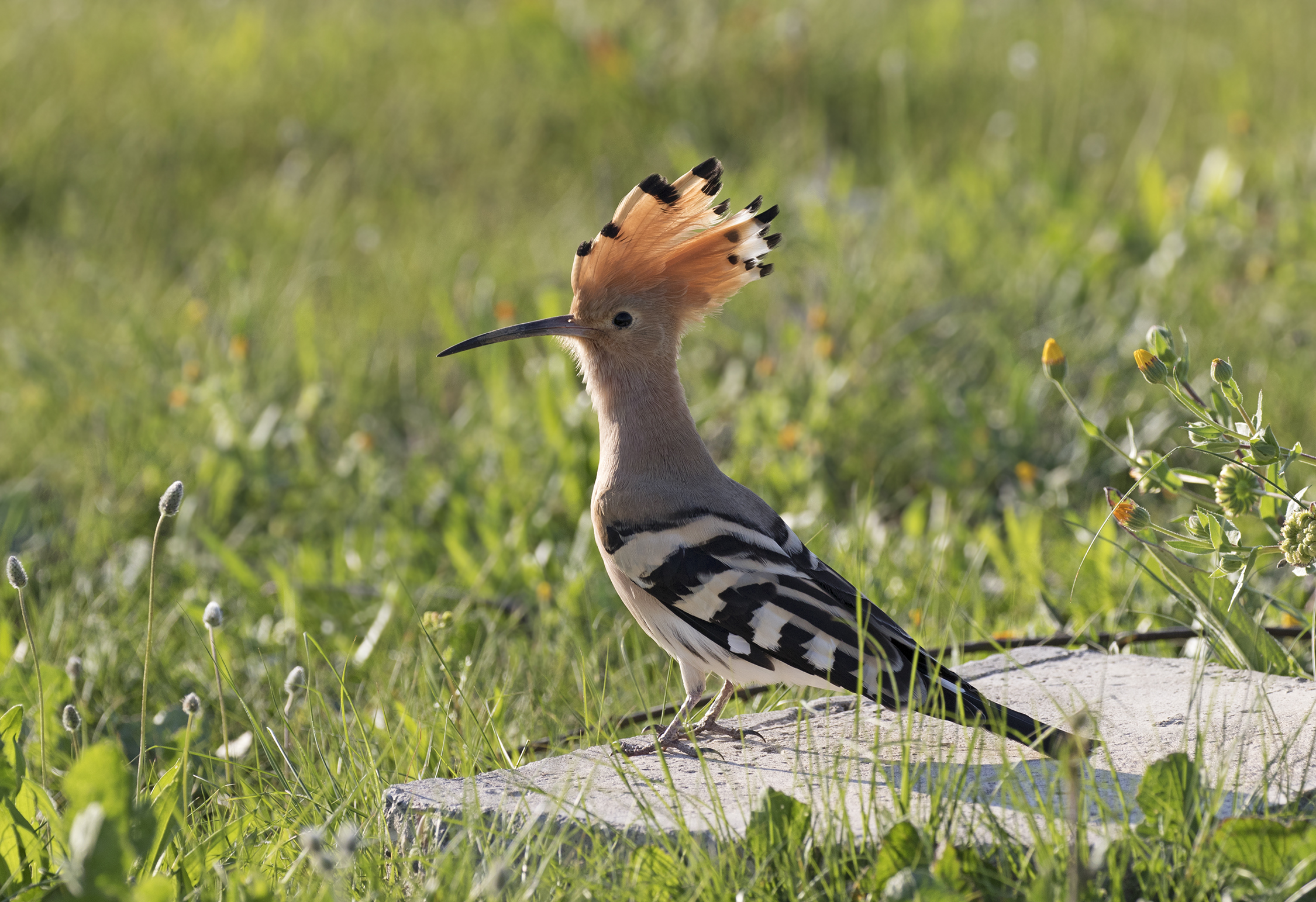 Photo Credit: Zcebeci / Wikimedia Commons
In the sun-drenched corners of Europe, Asia, and Africa, the hoopoe, known scientifically as Upupa epops, flits gracefully through the air, captivating all who catch a glimpse. With its striking crown of feathers that can be raised or lowered like a flamboyant hat, this bird is hard to miss. Its long, curved bill is perfectly designed for probing the ground in search of tasty insects, while its vibrant plumage—rich hues of orange and black—adds a splash of color to the landscape. The hoopoe’s unique call, a series of cheerful “hoo-hoo” sounds, echoes through the trees, inviting curious onlookers to discover more about this enchanting avian.
As you wander through its habitat, imagine the hoopoe perched on a branch, surveying its surroundings with keen eyes. It thrives in a variety of environments, from open woodlands to grassy plains, where it plays a vital role in controlling insect populations. Scientists and nature enthusiasts alike are drawn to the hoopoe not just for its beauty, but also for its fascinating behaviors and ecological importance. This bird’s ability to adapt to different habitats and its intriguing courtship displays during the breeding season make it a subject of study and admiration. Join us as we delve deeper into the world of the hoopoe, exploring its life cycle, diet, and the unique role it plays in the ecosystem.
The hoopoe is a captivating bird that occupies a special place in the tree of life. Scientifically classified within the kingdom Animalia, it belongs to the phylum Chordata, which includes all animals with a backbone. As a member of the class Aves, or birds, the hoopoe is part of the order Bucerotiformes, which is known for its distinctive beaks and unique nesting behaviors. What sets the hoopoe apart is its striking appearance, featuring a crown of feathers that can be raised or lowered, and its beautiful plumage that showcases a mix of warm colors. This bird is not just visually stunning; it also has a fascinating role in its ecosystem, often foraging for insects and other small invertebrates.
| Taxonomic Rank | Scientific Name | Meaning & Significance |
|---|---|---|
| Kingdom | Animalia | The name means “animals” in Latin, highlighting the diverse group of living organisms that share certain characteristics, such as being multicellular and capable of movement. |
| Phylum | Chordata | This term comes from the Greek word “chordē,” meaning “string,” referring to the notochord, a flexible rod that supports the body in the early stages of development in animals with backbones. |
| Class | Aves | Derived from the Latin word for “bird,” this classification emphasizes the unique features of birds, such as feathers, beaks, and the ability to lay eggs. |
| Order | Bucerotiformes | This name combines the Latin “buceros,” meaning “horned,” and “formis,” meaning “shape,” reflecting the horn-like structures found in some birds of this order, like hornbills. |
| Family | Upupidae | The family name comes from the genus name “Upupa,” which is thought to mimic the bird’s call, emphasizing its vocal nature and distinctive sounds. |
| Genus | Upupa | This name is derived from the Latin word for hoopoe, which is believed to imitate the bird’s own call, showcasing its unique vocalizations. |
Understanding the hoopoe’s classification reveals much about its evolutionary journey. As a member of the Bucerotiformes order, it shares a lineage with other birds that have adapted to diverse environments and developed unique feeding strategies. The hoopoe’s striking features and behaviors, such as its elaborate courtship displays and distinctive calls, reflect adaptations that have evolved over millions of years. This classification not only highlights its biological connections but also underscores the rich tapestry of life on Earth, where each species plays a vital role in the ecosystem.
The evolutionary journey of the hoopoe, a striking bird known for its distinctive crown of feathers and unique call, stretches back millions of years. This avian lineage is believed to have diverged from other birds around 60 million years ago, during the Paleocene epoch. As the world transformed, so did the ancestors of the hoopoe, adapting to new environments and challenges.
The hoopoe’s ancestors were likely small, insect-eating birds that roamed the forests and grasslands of ancient Earth. Over time, they developed specialized features that set them apart from their relatives. One major transition was the evolution of their long, curved bill, which allows them to probe into the ground and extract insects and larvae hidden beneath the surface. This adaptation was crucial for survival, as it enabled them to access a food source that many other birds could not reach.
The hoopoe also underwent changes in plumage, evolving striking colors and patterns that serve both as camouflage and as a means of attracting mates. Their vibrant feathers not only help them blend into their surroundings but also play a role in social interactions, especially during courtship displays.
The hoopoe’s ability to produce a variety of calls is another significant evolutionary adaptation. These vocalizations help them communicate with one another, signaling territory and attracting partners. This social behavior is essential for their reproduction and survival in the wild.
These evolutionary adaptations have been vital for the hoopoe’s survival in diverse habitats across Europe, Asia, and Africa. By developing specialized feeding techniques, striking appearances, and effective communication methods, hoopoes have thrived in their environments, showcasing the incredible power of evolution in shaping life on our planet.
The hoopoe is a bird that captures attention with its striking appearance and lively demeanor. With a slender body and a long, curved bill, it stands out in any environment. Its most eye-catching feature is the impressive crest of feathers atop its head, which can be raised or lowered, adding to its charm. The hoopoe’s overall form is graceful yet sturdy, allowing it to navigate through various habitats with ease.
| Feature | Description |
|---|---|
| Weight | 46g – 89g (1.6oz – 3.1oz) |
| Skin Type | Feathers |
| Most Distinctive Feature | Crest of feathers on the head |
The hoopoe’s features work together beautifully to enhance its survival. The lightweight body allows for agile flight, while the long bill is perfect for probing the ground in search of insects and other tasty treats. The colorful feathers, especially the crest, not only make it visually striking but also play a role in communication and attracting mates. In the wild, these adaptations help the hoopoe thrive, showcasing the incredible ways nature equips its creatures for life.
The hoopoe thrives in a variety of habitats that paint a vibrant picture of its life. Imagine walking through sun-drenched forests, open plains, and sprawling savannas, where the air is filled with the sounds of nature. These environments provide the perfect backdrop for the hoopoe’s striking plumage and lively behavior. With its long, curved bill and distinctive crown of feathers, this bird is a delightful sight as it flits from tree to tree or forages on the ground.
The hoopoe prefers climates that are warm and temperate, often found in areas where the sun shines brightly. It enjoys environments that offer a mix of open spaces and scattered trees, allowing it to hunt for insects and other small invertebrates. These birds are adaptable and can thrive in regions with varying rainfall, but they generally favor areas that are not too wet or too dry. This balance helps them find food and build their nests comfortably.
To make the most of its surroundings, the hoopoe has developed several clever adaptations. Its long bill is perfectly designed for probing into the ground or tree bark, helping it uncover tasty treats hidden beneath the surface. The hoopoe’s striking coloration not only makes it a beautiful sight but also provides some camouflage among the leaves and branches, allowing it to blend in while it searches for food. These adaptations enable the hoopoe to thrive in diverse habitats, showcasing its resilience and resourcefulness in the wild.
The hoopoe’s daily life is a blend of foraging, preening, and vocalizing, all set against the backdrop of its diverse habitats. As dawn breaks, this striking bird emerges from its resting place, ready to search for food. With its long, curved bill, the hoopoe probes the ground for insects, worms, and other tasty treats. Throughout the day, it engages in preening, meticulously arranging its feathers to maintain their vibrant colors and aerodynamic shape. The hoopoe is also known for its distinctive call, a series of cooing sounds that echo through its territory, marking its presence and signaling to others.
While hoopoes are primarily solitary, they do exhibit interesting social behaviors during the breeding season. Males often engage in elaborate displays to attract females, showcasing their colorful plumage and performing aerial acrobatics. Once paired, they work together to find a suitable nesting site, usually in tree cavities or old buildings. Communication is key during this time, as they use a variety of calls and body language to strengthen their bond and coordinate their efforts in raising their young.
| Behavior Type | Description |
|---|---|
| Foraging | The hoopoe searches for insects and worms by probing the ground with its long bill. |
| Preening | It spends time grooming its feathers to keep them clean and in good condition. |
| Vocalization | The hoopoe uses a series of cooing calls to communicate with others and establish territory. |
| Breeding Displays | Males perform aerial displays and show off their plumage to attract females during mating season. |
| Nesting Behavior | Pairs work together to find nesting sites, often in tree cavities or old structures. |
These behaviors are essential for the hoopoe’s survival. By foraging effectively, it ensures a steady food supply, while preening helps maintain its health and mobility. The social interactions during breeding not only strengthen pair bonds but also enhance the chances of successfully raising young. Through their unique calls and displays, hoopoes navigate their world, ensuring they thrive in their diverse environments.
The hoopoe is an omnivorous bird, meaning it enjoys a varied diet that includes both plant and animal matter. This adaptability allows it to thrive in different environments. The hoopoe primarily feeds on insects, worms, and small invertebrates, but it also consumes seeds and fruits when the opportunity arises. With its long, curved bill, the hoopoe skillfully probes the ground and decaying leaves to uncover hidden treasures, showcasing its impressive foraging abilities.
| Dietary Aspect | Details |
|---|---|
| Diet Type | Omnivore |
| Favorite Foods | Insects, worms, seeds, and fruits |
| Prey Items | Ants, beetles, caterpillars, and other small invertebrates |
| Hunting/Foraging Strategies | Probing the ground with its long bill, searching through leaf litter, and sometimes catching insects in mid-air |
The hoopoe’s diverse diet plays a crucial role in its ecological niche. By feeding on insects, it helps control pest populations, contributing to the health of its habitat. Its foraging habits also influence its daily routine, as it spends a significant amount of time searching for food, which is essential for its energy needs. This dynamic relationship with its environment not only sustains the hoopoe but also enriches the ecosystems it inhabits.
During the breeding season, which typically occurs in spring, hoopoes engage in elaborate courtship displays. Males perform a series of captivating aerial maneuvers to attract females, showcasing their vibrant plumage and distinctive crest. Once a pair has formed, they seek out a suitable nesting site, often in tree cavities or old buildings. This is a crucial time for hoopoes, as the right location can provide safety and shelter for their future offspring.
| Reproductive Aspect | Details |
|---|---|
| Gestation Period | About 16 days |
| Litter Size | 3 to 7 eggs |
| Age of Maturity | A few months |
| Name of Young | Chicks or hatchlings |
Once the eggs hatch, both parents take on the responsibility of caring for their young. The chicks are born blind and helpless, relying entirely on their parents for food and warmth. As they grow, they develop their feathers and begin to explore their surroundings. The parents are diligent caregivers, bringing insects and other nutritious morsels to feed their growing brood. After several weeks, the young hoopoes are ready to leave the nest, embarking on their journey to adulthood, equipped with the skills they need to thrive in the wild.
The hoopoe plays a vital role in its ecosystem, sitting comfortably in the middle of the food web. As an insectivore, it feasts on a variety of insects, helping to control their populations. However, this beautiful bird is not without its challenges. It faces numerous predators and threats that can impact its survival.
To defend itself against these dangers, the hoopoe has developed several clever strategies. When threatened, it can puff up its feathers to appear larger and more intimidating. It also has a unique ability to blend into its surroundings, using its earthy colors to camouflage itself among leaves and branches. Additionally, the hoopoe is known for its loud, distinctive call, which can serve as a warning to other hoopoes about nearby dangers. By staying alert and using these tactics, the hoopoe increases its chances of survival in a world filled with challenges.
A keystone species is a vital part of its ecosystem, meaning its presence and activities have a significant impact on the environment and other living things. The hoopoe, with its unique feeding habits and role in controlling insect populations, qualifies as a keystone species. By maintaining the balance of its habitat, the hoopoe helps ensure that various plants and animals can thrive.
The hoopoe’s diet primarily consists of insects, which it skillfully hunts using its long, curved bill. By consuming large quantities of insects, the hoopoe helps regulate their populations. This is especially important in areas where insects can become pests, potentially damaging crops and plants. For example, by keeping the numbers of harmful insects in check, the hoopoe indirectly supports the health of vegetation, which in turn provides food and shelter for other wildlife.
Additionally, the hoopoe contributes to soil health through its foraging behavior. As it digs into the ground to find insects, it aerates the soil, allowing water and nutrients to penetrate more easily. This process promotes healthy plant growth, which is essential for the entire ecosystem. Furthermore, the hoopoe’s nesting habits can create opportunities for other species. When it excavates its nesting sites, it may leave behind cavities that other birds or small mammals can use for shelter.
If the hoopoe were to disappear from its ecosystem, the effects could be profound. Without this bird to manage insect populations, certain species could multiply unchecked, leading to crop damage and a decline in plant health. This imbalance could ripple through the food web, affecting not only plants but also the animals that rely on them for food and habitat. The loss of the hoopoe would disrupt the delicate harmony of its environment, showcasing just how crucial this bird is to the health of its ecosystem.
The hoopoe is a fascinating bird that plays a crucial role in its ecosystem. By foraging for insects and other small creatures, it helps maintain the balance of populations in its environment. This bird is often found in forests, plains, and savannas, where it thrives in diverse habitats. Its unique feeding habits not only benefit the hoopoe but also contribute to the health of the ecosystems it inhabits.
| Ecosystem Service | Impact |
|---|---|
| Insect Control | Reduces pest populations, promoting plant health. |
| Soil Aeration | Helps improve soil quality through foraging activities. |
| Seed Dispersal | Assists in spreading plant seeds, aiding plant diversity. |
| Food Source | Provides nourishment for predators, supporting the food web. |
The hoopoe’s influence on its environment is evident in several ways. For instance, by consuming a variety of insects, it helps control pest populations that could otherwise damage crops and plants. This natural pest control is vital for farmers and the overall health of the ecosystem. Additionally, as the hoopoe digs into the ground to find food, it aerates the soil, allowing water and nutrients to reach plant roots more effectively. This process enhances soil quality, which is essential for the growth of healthy vegetation.
The broader ecological importance of the hoopoe cannot be overstated. As a keystone species, its presence supports a diverse range of life forms, from the plants that thrive in healthier soil to the predators that rely on the hoopoe as a food source. By maintaining balance in its ecosystem, the hoopoe ensures that various species can coexist and flourish. This interconnectedness highlights the vital role that each species, including the hoopoe, plays in the intricate web of life on our planet.
In the intricate web of life, symbiosis refers to the close and often long-term interactions between different species. These relationships can take many forms, including mutualism, where both species benefit, parasitism, where one benefits at the other’s expense, and commensalism, where one benefits while the other is neither helped nor harmed. The hoopoe, a striking bird known for its vibrant plumage and unique behaviors, engages in various ecological relationships that highlight the interconnectedness of nature.
| Species/Type | Relationship Type | Description |
|---|---|---|
| Insects (e.g., beetles, ants) | Mutualistic | The hoopoe feeds on insects, helping to control their populations while benefiting from a nutritious food source. |
| Tree cavities | Commensal | Hoopoes often nest in tree cavities, which provide shelter. The trees are not harmed by this, and the hoopoes gain a safe place to raise their young. |
| Parasites (e.g., mites) | Parasitic | Hoopoes can host parasites like mites, which feed on their blood. This relationship is harmful to the hoopoe, as it can lead to health issues. |
These relationships have evolved over time, shaped by the needs and behaviors of the species involved. The mutualistic interactions, such as those with insects, benefit both the hoopoe and the ecosystem by keeping insect populations in check. Meanwhile, the commensal relationships with trees allow hoopoes to thrive without causing harm to their hosts. However, the parasitic connections remind us that not all interactions are beneficial. Understanding these dynamics helps us appreciate the delicate balance of nature and the roles each species plays in maintaining it.
The hoopoe is a bird that captures the imagination with its vibrant colors and unique behaviors. Known for its striking crest of feathers, this fascinating avian species has some surprising traits that even seasoned nature enthusiasts might not know.
Throughout history, the hoopoe has woven itself into the fabric of human culture and mythology. This striking bird, with its flamboyant crest and distinctive call, has been admired and revered across various civilizations. In ancient Egypt, the hoopoe was associated with the goddess Isis and often depicted in art and hieroglyphs. Its presence in folklore and literature, from the Bible to Persian poetry, highlights its significance as a symbol of wisdom and protection. These historical encounters have fostered a deep connection between humans and hoopoes, making them a beloved subject in stories and traditions.
In modern times, the relationship between hoopoes and humanity has evolved, reflecting both harmony and conflict. While many people appreciate these birds for their beauty and ecological role, urbanization and habitat destruction pose significant threats to their populations. Conservation efforts are underway in various regions to protect hoopoe habitats and promote awareness about their ecological importance. However, conflicts can arise when hoopoes forage in gardens or agricultural fields, where they may be seen as pests. Understanding these dynamics is crucial for fostering coexistence and ensuring the survival of this enchanting bird.
Looking ahead, the future of the hoopoe-human relationship hinges on our ability to balance development with conservation. As urban areas expand, it is essential to create green spaces that support hoopoe populations and other wildlife. Education and awareness can help foster appreciation for these birds, encouraging people to protect their habitats. By nurturing this connection, we can ensure that future generations will continue to marvel at the beauty and significance of the hoopoe in our world.
The hoopoe, with its vibrant plumage and distinctive crown, currently holds a conservation status of “Least Concern” according to the International Union for Conservation of Nature (IUCN). This means that, for now, the species is not facing an immediate threat of extinction. Population estimates suggest there are between 5 to 10 million hoopoes worldwide, and while their numbers are stable, ongoing monitoring is essential to ensure they remain abundant in their habitats.
| Conservation Factor | Status/Details |
|---|---|
| IUCN Status | Least Concern |
| Estimated Population Size | 5-10 million |
| Population Trend | Stable |
Despite their current stable status, hoopoes face several threats that could impact their populations in the future. Habitat loss is a significant concern, as urbanization and agricultural expansion reduce the natural environments where these birds thrive. Additionally, pesticide use can diminish their food sources, as hoopoes primarily feed on insects. Climate change also poses a risk, altering the ecosystems that support their survival and breeding.
Conservation efforts are underway to protect the hoopoe and its habitats. Organizations are working to raise awareness about the importance of preserving natural spaces and reducing pesticide use. By promoting sustainable agricultural practices and protecting key habitats, there is hope that the hoopoe will continue to flourish. With ongoing efforts and public support, this striking bird can maintain its place in the skies for generations to come.
| Question | Answer |
|---|---|
| What is the habitat of the Hoopoe? | Hoopoes are found in a variety of habitats, including forests, plains, and savannas. They prefer open areas where they can easily find food and build their nests in tree cavities or even in the ground. |
| What does a Hoopoe eat? | Hoopoes are omnivores, which means they eat both plants and animals. Their diet mainly consists of insects, worms, and small invertebrates, but they also enjoy fruits and seeds when available. |
| How do Hoopoes behave? | Hoopoes are known for their distinctive behavior, including their unique way of foraging for food. They often probe the ground with their long, curved beaks to find hidden insects and are also known for their playful and curious nature. |
| How do Hoopoes reproduce? | During the breeding season, Hoopoes create nests in tree cavities or other sheltered spots. The female typically lays between 4 to 7 eggs, which she incubates for about 15 days, while the male helps by bringing food. |
| What threats do Hoopoes face? | While Hoopoes are currently classified as Least Concern, they still face threats from habitat loss due to deforestation and urbanization. Pesticides can also reduce their food supply, impacting their populations. |
| What is the most distinctive feature of a Hoopoe? | The most striking feature of the Hoopoe is its beautiful crest of feathers on its head. This crest can be raised or lowered, and it plays a role in attracting mates and communicating with other Hoopoes. |
| Are Hoopoes social birds? | Hoopoes are generally solitary or found in pairs, especially during the breeding season. However, they can sometimes be seen foraging in small groups, particularly in areas with abundant food. |