Taxonomy & Classification
- Kingdom
- Animalia
- Phylum
- Arthropoda
- Class
- Insecta
- Order
- Hymenoptera
- Family
- Vespidae
- Genus
- Vespa

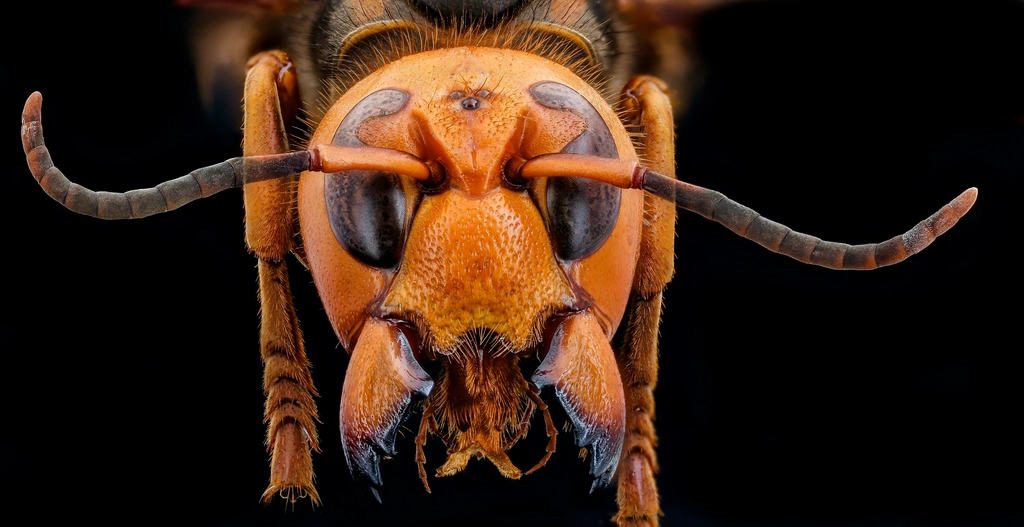 Photo Credit: usgsbee / Rawpixel
In the heart of a sun-dappled forest, the European hornet, known scientifically as Vespa crabro, buzzes with purpose. This striking insect, larger than most wasps, boasts a robust body adorned with bold yellow and brown stripes that shimmer in the light. As it flits from flower to flower, its powerful wings create a distinctive hum, a sound that signals both its presence and its prowess. Scientists and nature enthusiasts alike are captivated by hornets not just for their size, but for their complex social structures and vital roles in the ecosystem.
Nestled in the branches of trees or hidden within shrubs, hornet colonies thrive in a bustling world of activity. These social insects work together to build intricate nests, showcasing their engineering skills. Each hornet plays a specific role, from foragers hunting for food to caretakers nurturing the young. Their omnivorous diet, which includes both plant and animal matter, makes them skilled hunters, helping to control insect populations. This fascinating interplay of behavior and ecology highlights the hornet’s importance in maintaining the balance of its environment, making it a subject of ongoing study and admiration. As we delve deeper into the world of hornets, we will uncover the secrets of their lives, their interactions with other species, and their remarkable adaptations that have allowed them to thrive for millions of years.
Hornets are intriguing members of the animal kingdom, sitting firmly within the vast and diverse tree of life. They belong to the Kingdom Animalia, which includes all animals, and are classified under the Phylum Arthropoda, known for creatures with exoskeletons, segmented bodies, and jointed legs. Within this phylum, hornets fall into the Class Insecta, which encompasses all insects. What sets hornets apart is their social behavior and impressive nesting abilities, as they live in colonies and build intricate paper-like nests. Their classification in the Order Hymenoptera, which includes bees and wasps, highlights their role as pollinators and their complex life cycles.
| Taxonomic Rank | Scientific Name | Meaning & Significance |
|---|---|---|
| Kingdom | Animalia | This name means “animals” in Latin, representing all multicellular organisms that are heterotrophic, meaning they consume organic material for energy. |
| Phylum | Arthropoda | Derived from Greek, meaning “jointed feet,” this name reflects the jointed appendages that characterize this diverse group, including insects, arachnids, and crustaceans. |
| Class | Insecta | This term comes from the Latin word for “cut into sections,” which describes the segmented body structure of insects, including the head, thorax, and abdomen. |
| Order | Hymenoptera | Meaning “membranous wings” in Greek, this name refers to the thin, transparent wings of hornets and their relatives, which are essential for flight. |
| Family | Vespidae | This name is derived from the Latin word for “wasp,” indicating the family that includes hornets and wasps, known for their stinging capabilities. |
| Genus | Vespa | From Latin, meaning “wasp,” this name highlights the characteristics shared by hornets and their close relatives, emphasizing their role in ecosystems as predators and scavengers. |
Understanding the taxonomic classification of hornets reveals much about their evolutionary history. As members of the Hymenoptera order, hornets share a common ancestor with bees and wasps, showcasing a fascinating evolutionary journey that has led to their specialized social structures and behaviors. Their ability to adapt to various environments and their role in ecosystems as both pollinators and predators illustrate the intricate connections within the natural world. This classification not only helps us appreciate their biological significance but also emphasizes the importance of conserving these remarkable insects for the health of our ecosystems.
The evolutionary journey of hornets stretches back millions of years, tracing their lineage to the early wasps that emerged during the Cretaceous period, around 100 million years ago. This time was marked by the rise of flowering plants and the diversification of insects, setting the stage for the complex ecosystems we see today. Hornets, belonging to the genus Vespa, are part of the family Vespidae, which includes various social wasps. Their evolution has been shaped by environmental changes and the need to adapt to new challenges in their habitats.
The ancestors of hornets were solitary wasps, which gradually evolved into social insects. This transition allowed them to form colonies, enhancing their survival through cooperative behaviors. Over time, hornets developed larger body sizes and more robust stingers, which are essential for defending their nests and capturing prey. Their diet shifted as well, with a focus on protein-rich foods, such as other insects, which provided the necessary nutrients for their growing colonies. This adaptation not only supported their own development but also played a crucial role in the ecosystem by controlling pest populations.
These evolutionary adaptations have been vital for hornets’ survival in diverse habitats. Their social structure enables them to defend their nests more effectively and gather food efficiently, while their powerful stingers and size help them fend off predators. By being flexible in their diet, hornets can exploit different food sources, ensuring their colonies remain strong and resilient. This combination of traits has allowed hornets to thrive in ecosystems around the world, showcasing the incredible power of evolution in shaping life.
Hornets are striking insects that command attention with their impressive size and bold appearance. Their bodies are robust and elongated, showcasing a powerful structure that is both intimidating and fascinating. With large heads that house strong mandibles, or jaws, they are equipped for both defense and foraging. Their abdomens are equally notable, often appearing swollen and segmented, which adds to their formidable look. When you spot a hornet, you can’t help but notice how their physical form seems perfectly designed for their role in nature.
| Feature | Description |
|---|---|
| Size | Hornets can grow up to 2 inches long, making them one of the largest wasps. |
| Color | They typically display a striking combination of yellow and black, with some species showing reddish hues. |
| Skin Type | Hornets have a smooth exoskeleton, which is shiny and helps them glide through the air with ease. |
| Head | Their large heads are equipped with powerful mandibles for cutting and chewing food. |
| Abdomen | Hornets possess a swollen abdomen that houses their stinger, a tool for defense and hunting. |
These distinctive features work together to enhance the hornet’s survival in the wild. Their size and coloration serve as both a warning to potential predators and a means of camouflage among foliage. The smooth exoskeleton allows for agile flight, enabling them to navigate through their environments swiftly. With strong mandibles and a potent sting, hornets are not just impressive to look at; they are also formidable hunters and protectors of their nests. Each aspect of their physical form plays a crucial role in their ability to thrive in diverse habitats.
Hornets thrive in a variety of habitats, but they are most commonly found in areas where they can build their nests, known as hives. These hives are often constructed in trees, shrubs, or even man-made structures like attics and eaves. The nests are made from a paper-like material that hornets create by chewing wood fibers mixed with their saliva. This gives their homes a unique, textured appearance, resembling a large, grayish-brown balloon hanging in the branches or tucked away in a corner.
Hornets prefer climates that offer a mix of warmth and moisture, which helps them thrive. They are often found in temperate regions, where the seasons provide a balance of sunny days and rainy spells. These insects are particularly active during the warmer months, as they rely on the availability of food sources like nectar and other insects. The right environmental conditions are crucial for their survival, as they need to maintain their hives and care for their young.
To adapt to their specific habitats, hornets have developed several clever strategies. Their ability to build strong, weather-resistant nests allows them to withstand various environmental challenges, from heavy rain to strong winds. Additionally, hornets are social insects, meaning they work together in colonies to gather food and protect their home. This teamwork not only helps them thrive in diverse locations but also ensures the survival of their species in changing conditions.
Hornets lead a busy life filled with activity and purpose. Each day begins with the sun rising, prompting these industrious insects to emerge from their nests. They spend their time foraging for food, which includes nectar, fruit, and other insects. Hornets are known for their impressive flying skills, allowing them to navigate through their environment with ease. As they buzz around, they are constantly on the lookout for resources to bring back to their colony. This daily routine is essential for the survival of the hive, as it ensures that all members are well-fed and healthy.
Social behavior is a cornerstone of hornet life. These insects live in colonies, which can range from a few dozen to several thousand individuals. Within the colony, there is a clear social structure, with a queen at the top, followed by workers and drones. The workers are responsible for gathering food, building and maintaining the nest, and caring for the young. Communication among hornets is vital; they use a combination of pheromones, which are chemical signals, and body movements to convey messages. This teamwork and coordination help the colony thrive, as each member plays a specific role in the community.
| Behavior Type | Description |
|---|---|
| Activity Patterns | Hornets forage for food, build nests, and care for their young throughout the day, with peak activity during warm weather. |
| Social Structure | Colonies consist of a queen, workers, and drones, each with distinct roles that contribute to the colony’s success. |
| Communication Methods | Hornets communicate using pheromones and body language, allowing them to coordinate activities and alert others to danger. |
The behaviors of hornets are finely tuned to ensure their survival in a competitive world. By working together in a colony, they can gather food more efficiently and protect their nest from predators. Their ability to communicate effectively allows them to respond quickly to threats and changes in their environment. This social structure not only enhances their chances of survival but also fosters a sense of community that is essential for the well-being of the entire hive. In the intricate dance of life that hornets engage in daily, every action contributes to the strength and resilience of their colony.
Hornets are omnivores, which means they eat both plant and animal matter. Their diet primarily consists of other insects, making them skilled hunters in the insect world. Hornets are particularly fond of bees and grasshoppers, which they capture with their powerful mandibles. They are known for their aggressive foraging behavior, often working in teams to hunt down prey. This cooperative strategy not only increases their chances of a successful hunt but also helps them gather food more efficiently for their colony.
| Dietary Aspect | Details |
|---|---|
| Diet Type | Omnivore |
| Favorite Foods | Bees, grasshoppers, and other insects |
| Prey Items | Various insects, including honeybees |
| Hunting/Foraging Strategies | Cooperative hunting and aggressive foraging |
The diet of hornets plays a crucial role in their ecology and daily routine. By preying on other insects, they help control pest populations, contributing to the balance of their ecosystems. Their foraging activities also require them to be active throughout the day, which means they are constantly on the move, searching for food to sustain their colony. This relentless pursuit of nourishment not only shapes their behavior but also influences the dynamics of the environments they inhabit.
Hornets have a fascinating mating ritual that takes place during the warmer months, typically in late spring to early summer. During this breeding season, male hornets engage in elaborate courtship displays to attract females. Once a female selects a mate, they will mate, and the female will begin the process of laying eggs. This is a crucial time for hornets, as the success of their reproduction directly impacts the future of their colony.
| Reproductive Aspect | Details |
|---|---|
| Gestation Period | 2 weeks |
| Litter Size | Varies, typically dozens of eggs |
| Age of Maturity | 1 month |
| Name of Young | Larvae |
After the eggs hatch, the young hornets, known as larvae, are cared for by the adult workers in the colony. These workers feed the larvae a diet of protein-rich food, which helps them grow strong and healthy. As the larvae develop, they undergo a transformation, eventually pupating before emerging as adult hornets. This nurturing phase is vital, as it ensures that the next generation is ready to take on the challenges of life in the wild. The cycle of life continues, with each new generation contributing to the colony’s strength and survival.
Hornets play a crucial role in the food web, acting as both predators and prey. As skilled hunters, they help control insect populations, which can benefit plants and other animals. However, they are not at the top of the food chain. Various creatures see hornets as a tasty meal, and this constant threat shapes their behavior and survival strategies.
To defend themselves against these threats, hornets have developed several clever strategies. They can deliver painful stings, which serve as a strong deterrent to potential predators. When threatened, hornets may also swarm, using their numbers to intimidate attackers. Additionally, they are skilled at building their nests in hard-to-reach places, making it difficult for many predators to access their young. These adaptations help hornets navigate the challenges of their environment, ensuring their survival in a world full of dangers.
A keystone species is an organism that has a disproportionately large impact on its environment relative to its abundance. This means that if it were removed, the ecosystem would change dramatically. Hornets, with their unique role in the food web, can indeed be considered a keystone species. Their presence influences the populations of other insects and even plants, making them vital players in their ecosystems.
Hornets are omnivores, which means they eat both plants and animals. They primarily hunt other insects, helping to keep those populations in check. For example, by preying on caterpillars and aphids, hornets help protect crops and gardens from potential damage. This predatory behavior not only benefits farmers and gardeners but also supports the overall health of the ecosystem by maintaining a balance among various insect species.
In addition to their role as predators, hornets also contribute to pollination. While they are not as efficient as bees, hornets do visit flowers to feed on nectar. This activity can help plants reproduce by transferring pollen from one flower to another. Furthermore, hornets serve as a food source for various animals, including birds and mammals, which rely on them for nutrition. Their presence in the food web supports a diverse range of wildlife.
If hornets were to disappear from their ecosystems, the consequences could be severe. Without these skilled hunters, insect populations could explode, leading to overgrazing of plants and potential crop failures. This imbalance could ripple through the food web, affecting not only other insects but also the animals that depend on them for food. The loss of hornets would disrupt the delicate balance of nature, highlighting just how crucial these insects are to their environments.
Hornets occupy a vital ecological niche as both predators and prey within their environments. These social insects live in colonies, often constructing hives in trees or shrubs. Their presence helps maintain the balance of various ecosystems by controlling insect populations and providing food for other animals. By hunting other insects, hornets play a key role in regulating the numbers of pests that can damage plants, making them essential players in their habitats.
| Ecosystem Service | Impact |
|---|---|
| Predation | Controls populations of other insects, preventing overpopulation and promoting biodiversity. |
| Pollination | While not primary pollinators, hornets can contribute to the pollination of some plants as they forage for food. |
| Food Source | Serves as prey for birds, mammals, and other insects, supporting the food web. |
| Soil Aeration | Their nesting activities can help aerate the soil, improving its health and structure. |
Hornets influence their ecosystems in several specific ways. For instance, by preying on aphids and caterpillars, they help protect crops and gardens from potential damage. This predation not only benefits farmers and gardeners but also supports the overall health of plant communities. Additionally, hornets’ nesting behavior can create habitats for other organisms, as abandoned nests may be used by birds or other insects. Their role in the food web is equally significant, as they provide nourishment for various predators, ensuring a balanced ecosystem.
The broader ecological importance of hornets cannot be overstated. As keystone species, their presence is crucial for maintaining the health and stability of their environments. If hornets were to disappear, the ripple effects would be felt throughout the ecosystem, leading to unchecked insect populations and a decline in plant health. By understanding and appreciating the role of hornets, we can better recognize the intricate connections that sustain life on our planet.
Symbiosis is a captivating concept in nature that describes how different species interact and depend on one another. These relationships can take many forms, including mutualism, where both species benefit, parasitism, where one benefits at the other’s expense, and commensalism, where one benefits while the other is neither helped nor harmed. Understanding these ecological relationships helps us appreciate the intricate web of life that connects all living organisms, including hornets.
| Species/Type | Relationship Type | Description |
|---|---|---|
| Plants (e.g., flowering plants) | Mutualistic | Hornets help pollinate flowers while foraging for nectar, benefiting the plants by aiding in reproduction. |
| Other insects (e.g., aphids) | Parasitic | Hornets prey on aphids, controlling their population and benefiting from a food source. |
| Birds (e.g., certain species of woodpeckers) | Commensal | Woodpeckers may benefit from hornet nests by using them as a source of food, while hornets are unaffected. |
These relationships have evolved over time, shaped by the needs and behaviors of the species involved. Hornets, as social insects, have developed strategies that allow them to thrive in their environments while also interacting with other organisms. The mutualistic relationship with plants enhances their foraging success, while their predatory nature helps keep insect populations in check. Each interaction contributes to a balanced ecosystem, showcasing the beauty of nature’s interconnectedness.
Hornets are not just your average wasps; they are fascinating insects with some surprising traits that make them stand out in the animal kingdom. Here are some intriguing facts that will surely captivate nature enthusiasts of all ages.
Throughout history, hornets have held a complex place in human culture and understanding. Ancient civilizations often viewed these powerful insects with a mix of fear and respect. In some cultures, hornets were seen as symbols of strength and protection, while in others, they were associated with danger and aggression. Their impressive size and potent sting have made them subjects of folklore and cautionary tales. As humans began to study these insects more closely, they recognized their role in ecosystems, leading to a deeper appreciation of their significance beyond mere pests.
In modern times, the relationship between hornets and humanity has evolved, marked by both conflict and cooperation. While many people still fear hornets due to their painful stings, these insects play a crucial role in controlling pest populations, making them valuable allies in agriculture. Conservation efforts have also emerged, focusing on the importance of hornets in maintaining ecological balance. However, urbanization and habitat destruction pose significant threats to their populations, leading to a growing awareness of the need to protect these remarkable insects.
Looking ahead, the future of the relationship between hornets and humanity will depend on our ability to balance coexistence with conservation. As we learn more about these fascinating insects, we can foster a greater understanding of their ecological importance. By promoting awareness and protecting their habitats, we can ensure that hornets continue to thrive alongside us, enriching our environment and contributing to the delicate web of life. Embracing this relationship can lead to a more harmonious existence, where both humans and hornets benefit from each other’s presence.
Hornets, while often misunderstood, currently hold a conservation status of “Least Concern” according to the International Union for Conservation of Nature (IUCN). This means that, overall, they are not facing immediate threats that could lead to extinction. Their populations are stable in many regions, although local fluctuations can occur due to environmental changes or human activities. Understanding their status helps us appreciate their role in ecosystems and the importance of maintaining healthy habitats.
| Conservation Factor | Status/Details |
|---|---|
| IUCN Status | Least Concern |
| Population Estimates | Stable in many regions |
| Trend Direction | Stable |
Hornets face several threats that can impact their populations, even if they are currently classified as “Least Concern.” Habitat loss due to urban development and agricultural expansion can reduce the availability of nesting sites. Additionally, pesticide use poses a significant risk, as these chemicals can harm hornets directly or disrupt their food sources. Climate change also plays a role, altering the ecosystems where hornets thrive and potentially affecting their life cycles and food availability.
Conservation efforts for hornets focus on habitat preservation and promoting awareness about their ecological importance. By protecting natural areas and reducing pesticide use, we can help ensure that hornets continue to thrive. Educating communities about the benefits of these insects, such as their role in pest control, can foster a more positive relationship between humans and hornets. With continued efforts, the outlook for hornets remains hopeful, allowing them to play their vital roles in our ecosystems for years to come.
| Question | Answer |
|---|---|
| Where do hornets live? | Hornets typically build their nests in trees, shrubs, or even in the ground. They create hives that can be quite large, often housing hundreds of individuals. These nests are made from a paper-like material that hornets produce by chewing wood fibers mixed with their saliva. |
| What do hornets eat? | Hornets are omnivores, which means they eat both plants and animals. Their diet includes nectar, fruit, and other insects, making them important for pollination and pest control. They often hunt other insects to feed their larvae, providing a protein-rich diet for their young. |
| How do hornets behave? | Hornets are social insects that live in colonies, working together to build nests and care for their young. They can be aggressive when defending their hive, especially if they feel threatened. However, they also engage in fascinating behaviors like foraging and communicating through pheromones, which are chemical signals. |
| How do hornets reproduce? | Hornet reproduction begins in the spring when a fertilized queen emerges from hibernation. She starts a new colony by laying eggs and raising the first batch of workers. As the season progresses, the colony grows, and new queens and males are produced to mate before winter. |
| What threats do hornets face? | While hornets are currently classified as "Least Concern" in terms of conservation status, they face threats from habitat loss and pesticides. These factors can reduce their populations and disrupt their ecosystems. Additionally, invasive species can compete with hornets for resources. |
| What are some interesting characteristics of hornets? | One of the most distinctive features of hornets is their large heads and abdomens, which help them in hunting and defending their nests. They are also known for their impressive ability to fly at high speeds and navigate through complex environments. Hornets can even recognize individual faces, which is quite rare in the insect world! |