Taxonomy & Classification
- Kingdom
- Animalia
- Phylum
- Arthropoda
- Class
- Insecta
- Order
- Diptera
- Family
- Tabanidae
- Genus
- Tabanus

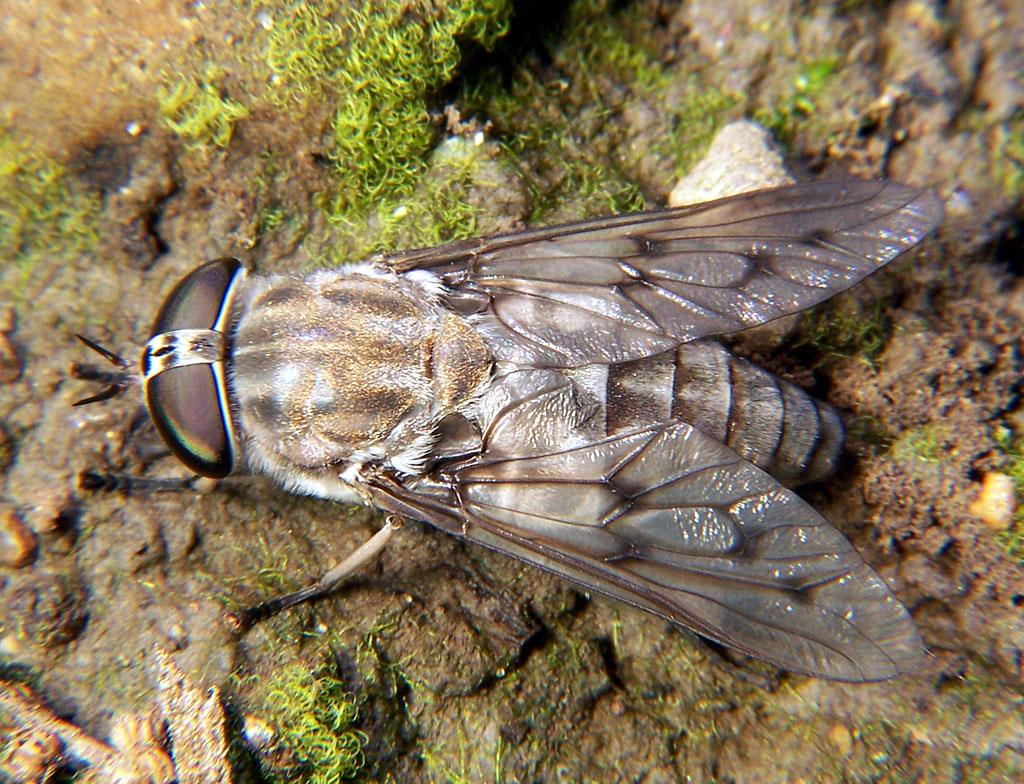 Photo Credit: Siebrand / Wikimedia Commons
In the sun-drenched meadows and lush wetlands of the world, the horsefly, scientifically known as Tabanus, flits about with a purpose. With its stout, muscular body and large, multifaceted eyes, this insect is hard to miss. Horseflies are not just ordinary flies; they are powerful creatures that can seem almost intimidating as they hover in the air, their wings buzzing like miniature helicopters. Their striking appearance and unique behaviors have captivated scientists and nature enthusiasts alike, sparking curiosity about their role in the ecosystem.
As these insects dart from flower to flower, they are on a mission—seeking out the blood of larger mammals to fuel their life cycle. This blood-feeding habit, while often unwelcome to their hosts, plays a crucial role in the balance of nature. Horseflies are omnivores, meaning they also consume nectar and other organic materials, making them versatile players in their habitats. Their presence in diverse environments, from meadows to marshes, highlights their adaptability and importance in the food web. Join us as we explore the fascinating world of horseflies, uncovering their behaviors, life cycles, and the vital roles they play in the ecosystems they inhabit.
Horseflies are intriguing insects that hold a special place in the animal kingdom. They belong to the family Tabanidae, which is known for its blood-feeding habits. These flies are not just ordinary insects; they are part of the order Diptera, which means “two wings.” This classification highlights their unique flying abilities and adaptations. Horseflies are often larger than common houseflies, with some species boasting impressive wingspans. Their sharp mouthparts are designed for piercing skin, allowing them to feed on the blood of mammals, including livestock and humans. This behavior makes them both fascinating and a bit fearsome!
| Taxonomic Rank | Scientific Name | Meaning & Significance |
|---|---|---|
| Kingdom | Animalia | This name signifies that horseflies are part of the vast group of multicellular organisms that are generally motile and consume organic material. |
| Phylum | Arthropoda | Meaning “jointed legs,” this classification highlights the horsefly’s segmented body and jointed appendages, which are characteristic of insects. |
| Class | Insecta | This term refers to the largest group of animals on Earth, emphasizing the horsefly’s six-legged structure and its role in various ecosystems. |
| Order | Diptera | Meaning “two wings,” this classification is significant because it distinguishes horseflies from other insects with more than two wings, showcasing their specialized flying abilities. |
| Family | Tabanidae | This name is derived from the Latin word “tabanus,” which means “to bite,” reflecting the horsefly’s notorious blood-feeding behavior. |
| Genus | Tabanus | This genus name is linked to the horsefly’s size and behavior, as many species within it are known for their large bodies and aggressive feeding habits. |
Understanding the taxonomic position of horseflies reveals much about their evolutionary journey. As members of the Arthropoda phylum, they share common ancestry with other invertebrates, showcasing the incredible diversity of life forms that have adapted to various environments. Their classification within the Diptera order highlights their specialized adaptations for flight and feeding, which have evolved over millions of years. This evolutionary history not only informs us about horseflies but also about the intricate web of life that connects all organisms on our planet.
The evolutionary journey of horseflies stretches back millions of years, tracing their lineage to ancient ancestors that roamed the Earth long before humans appeared. These insects belong to the family Tabanidae, which emerged during the late Cretaceous period, around 100 million years ago. As the world transformed through climate changes and the rise of flowering plants, horseflies adapted to thrive in diverse environments, showcasing their resilience and evolutionary prowess.
The ancestors of horseflies were likely small, non-blood-feeding flies that lived in lush, green habitats. Over time, they developed the ability to feed on the blood of larger animals, a significant shift that allowed them to tap into a rich source of nutrients. This transition to a blood-feeding lifestyle was crucial, as it provided the energy needed for reproduction and growth. As horseflies evolved, they also developed specialized mouthparts, known as sponging mouthparts, which enabled them to pierce the skin of their hosts and access blood more efficiently. This adaptation not only improved their feeding success but also allowed them to exploit a wider range of potential hosts.
These adaptations have been instrumental in the survival of horseflies throughout the ages. By becoming adept at blood-feeding, they secured a reliable food source that supports their life cycle. Their specialized mouthparts and strong flight abilities allow them to navigate their environments effectively, while their camouflage helps them evade predators. Together, these traits have ensured that horseflies remain a successful and enduring group of insects in the ever-changing tapestry of life on Earth.
Horseflies are striking insects that command attention with their robust bodies and powerful presence. With a stout, muscular build, they can appear almost intimidating as they hover in the air. Their large, multifaceted eyes glisten in the sunlight, reflecting a spectrum of colors that can mesmerize anyone who takes a closer look. These flies are built for speed and agility, allowing them to dart quickly away from potential threats while also pursuing their next meal.
| Feature | Description |
|---|---|
| Weight | 12 milligrams |
| Most Distinctive Feature | Its bite |
| Body Structure | Stout and muscular, designed for agility |
| Eyes | Large and multifaceted, capable of seeing a wide range of colors |
| Wings | Long and transparent, allowing for rapid flight |
| Color | Often dark or patterned, providing camouflage in natural settings |
These features work together to enhance the horsefly’s survival in the wild. The stout body and powerful wings enable swift movements, making it easier to evade predators while hunting for blood meals. The large eyes provide excellent vision, helping them spot both threats and potential prey from a distance. Their dark coloration often blends into the environment, offering a layer of protection. Most notably, their bite is not just a nuisance; it is a critical adaptation that allows them to feed on the blood of larger animals, ensuring they get the nutrients they need to thrive.
Horseflies thrive in a diverse range of habitats, often found in areas that provide ample moisture and vegetation. Picture a sun-drenched meadow, where wildflowers sway gently in the breeze, or a lush forest glade, where dappled sunlight filters through the leaves. These insects prefer environments that are rich in plant life, as they rely on these areas for both breeding and feeding. You might spot them buzzing around near ponds, streams, or marshes, where the air is filled with the sounds of nature.
Horseflies are particularly sensitive to climate and environmental conditions. They thrive in warm, humid areas, as these conditions support the growth of the plants they depend on. They are not fond of extreme cold or dry environments, which can limit their food sources and breeding opportunities. Instead, they flourish in regions where temperatures are mild to warm, allowing them to remain active and seek out their preferred habitats.
To survive in these specific environments, horseflies have developed several adaptations. Their strong wings enable them to fly efficiently in search of food and mates, while their keen eyesight helps them navigate through dense vegetation. Additionally, their life cycle is closely tied to the availability of water, as they lay their eggs in moist areas to ensure that their larvae have the right conditions to grow. This connection to their habitat is crucial for their survival, allowing them to thrive in the ecosystems they call home.
Horseflies lead a busy life filled with essential activities that revolve around their need for food and reproduction. As the sun rises, these insects become active, buzzing around in search of hosts to feed on. They are particularly drawn to large mammals, including livestock and humans, using their sharp mouthparts to draw blood. This feeding process is crucial for female horseflies, as they require the nutrients found in blood to develop their eggs. Throughout the day, they can be seen darting through the air, resting on leaves or other surfaces to digest their meals and prepare for the next feeding session.
Socially, horseflies exhibit a mix of solitary and group behaviors. While they are often seen alone, especially when feeding, they can also gather in small groups, particularly in areas where hosts are plentiful. This grouping can be beneficial, as it increases the chances of finding food. Horseflies communicate through various means, including pheromones, which are chemical signals that can attract mates or indicate the presence of food. Their interactions are often brief, focused on feeding or mating, but these moments are vital for their survival and reproduction.
| Behavior Type | Description |
|---|---|
| Feeding | Horseflies feed on the blood of large mammals, using their sharp mouthparts to pierce the skin and draw blood. |
| Social Structure | They can be solitary or form small groups, especially in areas with abundant hosts. |
| Communication | Horseflies use pheromones to attract mates and signal the presence of food, enhancing their chances of survival. |
The behaviors of horseflies are finely tuned to ensure their survival in a challenging environment. By efficiently locating food sources and utilizing chemical signals for communication, they maximize their chances of feeding and reproducing. This adaptability not only helps them thrive in various habitats but also plays a crucial role in maintaining the balance of ecosystems where they reside. Each day is a dance of survival, driven by instinct and the need to continue their lineage.
Horseflies are omnivores, which means they eat a variety of foods, but they are particularly known for their blood-feeding habits. These insects primarily target mammals, using their sharp mouthparts to pierce the skin and draw blood. This feeding behavior is not just about satisfying hunger; it also plays a crucial role in their reproductive cycle, as the nutrients from blood help female horseflies develop their eggs. When they are not feeding on blood, horseflies may also consume nectar and other plant materials, giving them a diverse diet that supports their energetic lifestyle.
| Dietary Aspect | Details |
|---|---|
| Diet Type | Omnivore |
| Favorite Foods | Blood from mammals, nectar from flowers |
| Prey Items | Primarily mammals, including livestock and wildlife |
| Hunting/Foraging Strategies | Using sharp mouthparts to pierce skin and draw blood; also visiting flowers for nectar |
The diet of horseflies significantly influences their role in the ecosystem. By feeding on mammals, they can impact animal populations and even contribute to the spread of diseases. Their need for blood drives them to be active during warm days, buzzing around fields and forests in search of hosts. This constant search for food not only shapes their daily routine but also connects them to the larger web of life, where they serve as both predators and prey in their natural habitats.
Horseflies have a fascinating mating ritual that takes place during the warm months of summer. Males often engage in aerial displays to attract females, showcasing their agility and strength. Once a female is ready to mate, she will accept a male’s advances, and the pair will engage in copulation. After mating, the female horsefly seeks out suitable locations to lay her eggs, typically near water sources where the larvae can thrive.
| Reproductive Aspect | Details |
|---|---|
| Gestation Period | Eggs hatch after six days |
| Litter Size | Varies, often hundreds of eggs |
| Age of Maturity | Immediately after pupating |
| Name of Young | Maggot, larva |
Once the eggs hatch, the young horseflies emerge as larvae, commonly referred to as maggots. These larvae develop in moist environments, feeding on organic matter and growing rapidly. After a period of feeding and growth, they enter a pupal stage, where they undergo transformation into adult horseflies. Interestingly, the young horseflies do not receive any parental care after hatching; they are left to fend for themselves. This independent lifestyle is crucial for their survival, as they must quickly adapt to their environment to become the strong, blood-feeding adults they are destined to be.
Horseflies play a crucial role in the food web, serving as both predators and prey. These insects are often found in habitats rich with life, where they feed on the blood of larger mammals. In turn, they become a meal for various predators, creating a balance in the ecosystem. Their presence helps maintain the health of animal populations, but they also face numerous dangers that threaten their survival.
To defend themselves against these threats, horseflies have developed several survival strategies. Their strong, agile bodies allow them to dart away quickly when danger approaches. Additionally, their large, multifaceted eyes provide excellent vision, helping them spot predators from afar. Some species even have tough exoskeletons that make them less appealing to potential attackers. By staying alert and using their speed, horseflies can navigate the challenges of their environment and continue to thrive in the wild.
A keystone species is an organism that has a disproportionately large impact on its environment relative to its abundance. This means that if it were removed, the ecosystem would change dramatically. Horseflies, while not the most glamorous of insects, do play a significant role in their ecosystems, but they are not typically classified as keystone species. Their influence is notable, yet it does not reach the critical level seen in true keystone species like wolves or sea otters.
Horseflies contribute to their ecosystems in several ways. First, they are important pollinators, helping to fertilize plants as they move from flower to flower in search of food. This activity supports plant reproduction, which is vital for maintaining healthy ecosystems. Additionally, horseflies serve as a food source for various predators, including birds and other insects. Their presence helps sustain these populations, creating a balance in the food web.
Moreover, horseflies are known for their blood-feeding habits, primarily targeting mammals. This behavior can influence the health of their hosts, as they can transmit diseases. While this may seem negative, it can also help control populations of certain mammals, which can prevent overgrazing and promote biodiversity in their habitats.
If horseflies were to disappear from their ecosystems, the effects could ripple through the food web. Many birds and other predators that rely on them for food would struggle to find enough to eat, potentially leading to declines in their populations. Additionally, the plants that depend on horseflies for pollination might see reduced reproduction rates, which could affect the entire plant community. This chain reaction could ultimately disrupt the balance of the ecosystem, highlighting the interconnectedness of all living things.
Horseflies, often overlooked, play a vital role in shaping their ecosystems. As omnivores, they feed on a variety of organic materials, including plant nectar and the blood of larger mammals. This unique dietary habit allows them to influence both plant and animal populations. By feeding on the blood of animals, horseflies can help control the health of their hosts, while their role as pollinators contributes to the reproduction of many flowering plants. In this way, horseflies occupy an ecological niche that connects various elements of their environment.
| Ecosystem Service | Impact |
|---|---|
| Pollination | Horseflies help pollinate plants, aiding in their reproduction. |
| Food Source | They serve as prey for various birds and other predators. |
| Population Control | By feeding on the blood of mammals, they can influence host populations. |
| Decomposition | Horseflies contribute to the breakdown of organic matter in their habitats. |
Horseflies have a significant influence on their surroundings. For instance, when they feed on the blood of livestock, they can affect the health and productivity of these animals. This, in turn, impacts local farming practices and the economy. Additionally, as they flit from flower to flower, horseflies inadvertently transfer pollen, helping plants to produce seeds and fruits. This process is crucial for maintaining biodiversity, as many species depend on these plants for food and shelter.
The broader ecological importance of horseflies cannot be overstated. As keystone species, their presence or absence can lead to dramatic changes in their ecosystems. By supporting both plant and animal life, horseflies help maintain the balance of their habitats. Their role in pollination and as a food source for other animals highlights the interconnectedness of life. Understanding the impact of horseflies encourages us to appreciate even the smallest creatures in our world, reminding us that every species has a part to play in the grand tapestry of nature.
In the intricate web of life, symbiosis refers to the close interactions between different species, which can take on various forms. These relationships can be mutualistic, where both species benefit, parasitic, where one benefits at the other’s expense, or commensal, where one benefits while the other is neither helped nor harmed. Horseflies, with their unique lifestyle and feeding habits, engage in several fascinating ecological relationships that highlight the complexity of nature.
| Species/Type | Relationship Type | Description |
|---|---|---|
| Large mammals (e.g., cattle, horses) | Parasitic | Horseflies feed on the blood of these animals, which can lead to discomfort and stress for the host. |
| Plants (e.g., wildflowers) | Mutualistic | While feeding on nectar, horseflies inadvertently pollinate these plants, aiding in their reproduction. |
| Smaller insects (e.g., other flies) | Commensal | Horseflies may share habitats with smaller insects, benefiting from the same resources without affecting them. |
These relationships have evolved over time, shaped by the needs and behaviors of the species involved. Horseflies have adapted to their environments, developing traits that allow them to thrive while interacting with other organisms. The blood-feeding behavior, while harmful to their hosts, ensures their survival and reproduction. Meanwhile, their role in pollination highlights how interconnected life can be, as they contribute to the health of plant populations. Understanding these dynamics helps us appreciate the delicate balance of ecosystems and the roles each species plays within them.
Horseflies are more than just pesky insects; they are fascinating creatures with surprising traits that can captivate anyone interested in the natural world. Here are some intriguing facts about horseflies that might just change the way you see these buzzing bugs.
Horseflies have danced through the pages of human history, often leaving a mark that is both memorable and sometimes painful. These insects have been part of folklore and cultural tales, symbolizing everything from annoyance to resilience. In many rural communities, horseflies are seen as a sign of summer, buzzing around livestock and people alike. Their presence has inspired stories and even art, reflecting humanity’s complex relationship with nature. While they may not be the most beloved of insects, their role in our lives has been significant, reminding us of the wildness that exists alongside our daily routines.
Today, the interaction between horseflies and humans is a mix of conflict and coexistence. Farmers often view these insects as pests, especially since their bites can cause distress to livestock, leading to decreased productivity. However, horseflies also play a role in the ecosystem, helping to pollinate plants and serving as food for various predators. Conservation efforts are increasingly recognizing the importance of all species, including horseflies, in maintaining healthy ecosystems. As we learn more about their ecological roles, there is a growing understanding that even the most bothersome insects have a place in the natural world.
As we look to the future, the relationship between horseflies and humanity may evolve further. With increasing awareness of biodiversity and the interconnectedness of all species, there is potential for a more harmonious coexistence. By recognizing the ecological roles of horseflies, we can appreciate their contributions while finding ways to mitigate their impacts on livestock and human activities. This shift in perspective could lead to innovative solutions that benefit both people and the natural world, ensuring that horseflies continue to buzz through our lives for generations to come.
The conservation status of horseflies is currently classified as “Least Concern” by the International Union for Conservation of Nature (IUCN). This means that, overall, they are not facing immediate threats that could lead to their extinction. In fact, their population is estimated to be in the millions and is even growing in some areas. This positive trend is encouraging, as it suggests that horseflies are adapting well to their environments and continuing to thrive.
| Conservation Factor | Status/Details |
|---|---|
| IUCN Status | Least Concern |
| Estimated Population Size | Millions, and growing |
| Population Trend | Increasing |
Despite their stable status, horseflies face several threats that could impact their populations in the future. Habitat loss is a significant concern, as urban development and agricultural expansion can reduce the natural environments where these insects thrive. Additionally, climate change poses risks by altering weather patterns and affecting the availability of their preferred habitats. Pesticides used in farming can also harm horseflies, disrupting their life cycles and reducing their numbers.
Conservation efforts for horseflies are not as widely recognized as those for more endangered species, but there are still steps being taken to protect their habitats. Preserving wetlands and meadows, where horseflies are commonly found, is crucial for maintaining their populations. Educating the public about the importance of these insects in ecosystems can also foster a greater appreciation for their role in nature. With continued awareness and conservation actions, the outlook for horseflies remains positive, allowing them to flourish in their natural environments.
| Question | Answer |
|---|---|
| What is the habitat of a horsefly? | Horseflies can be found in a variety of habitats, including wetlands, forests, and grasslands. They prefer areas that are not too high, dry, or cold, as they thrive in warm, moist environments where they can easily find food and mates. |
| What do horseflies eat? | Horseflies are omnivores, which means they eat both plants and animals. Their diet mainly consists of nectar from flowers, but female horseflies also require blood to develop their eggs, making them notorious for their painful bites. |
| How do horseflies behave? | Horseflies are known for their aggressive behavior, especially when it comes to feeding. They are strong fliers and can be quite persistent, often buzzing around their targets before landing to take a bite. |
| How do horseflies reproduce? | Female horseflies lay their eggs in moist areas, often near water sources. After hatching, the larvae develop in the environment, feeding on organic matter until they mature into adult flies. |
| What threats do horseflies face? | Horseflies are generally classified as "Least Concern" in terms of conservation status, meaning they are not currently at risk. However, habitat loss and climate change can pose threats to their populations, as these factors can affect their breeding and feeding grounds. |
| What is an interesting characteristic of horseflies? | One of the most distinctive features of horseflies is their bite, which can be quite painful. Their mouthparts are specially adapted for slicing through skin, allowing them to feed on blood efficiently. |
| Are horseflies dangerous to humans? | While horseflies can deliver a painful bite, they are not typically dangerous to humans. However, their bites can cause allergic reactions in some people, leading to swelling and discomfort. |