Taxonomy & Classification
- Kingdom
- Animalia
- Phylum
- Chordata
- Class
- Aves
- Order
- Passeriformes
- Family
- Fringillidae
- Genus
- Haemorhous
- Species
- Haemorhous mexicanus

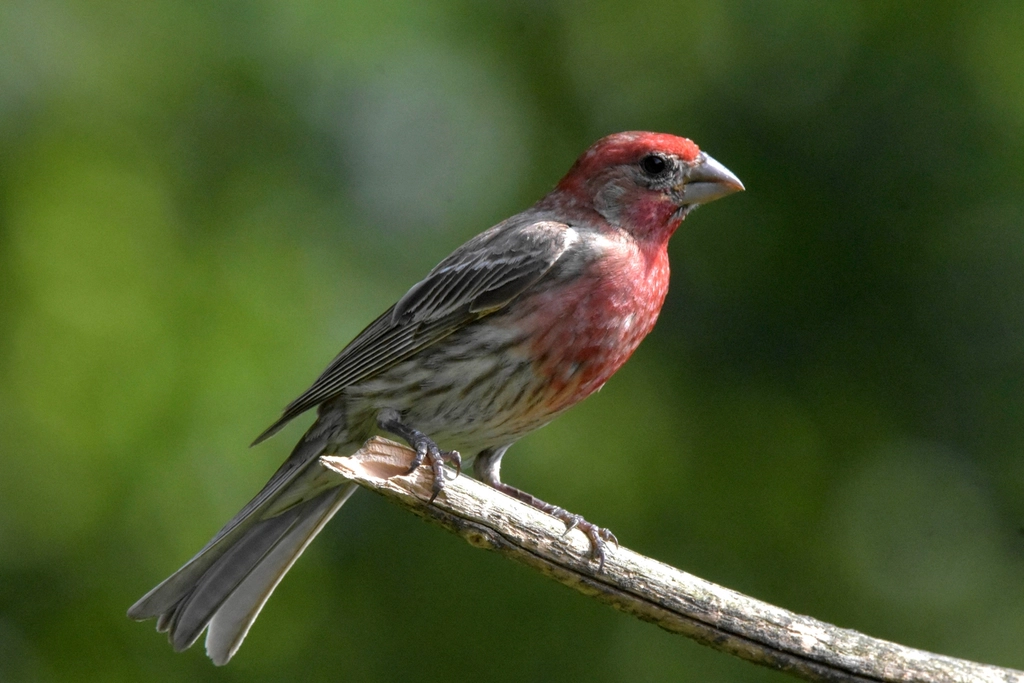 Photo Credit: Rawpixel
In the vibrant world of urban gardens and sunlit parks, the House Finch, known scientifically as Haemorhous mexicanus, flits about with a cheerful energy that captivates all who catch a glimpse. With its striking plumage, the male House Finch showcases a bright red head and chest, contrasting beautifully with its brown-streaked body. This small bird, measuring about six inches in length, is not just a pretty sight; it plays a vital role in its ecosystem, helping to disperse seeds and maintain the health of the plants around it. Scientists and nature enthusiasts alike are drawn to the House Finch for its adaptability and social behavior, making it a delightful subject of study.
Imagine a sunny afternoon where the air is filled with the sweet melodies of chirping birds. The House Finch is often seen perched on a branch, singing its heart out to attract a mate or simply to communicate with its flock. These birds thrive in a variety of habitats, from bustling cities to serene grasslands, showcasing their remarkable ability to adapt to different environments. As they hop from tree to tree, foraging for seeds and fruits, they remind us of the beauty of nature’s resilience and the intricate connections that bind all living things together. Join us as we explore the fascinating life of the House Finch, uncovering its behaviors, diet, and the important role it plays in our world.
The House Finch, a charming little bird often seen flitting about in urban gardens and parks, holds a special place in the tree of life. Taxonomically, it belongs to the Kingdom Animalia, which includes all animals, and is classified under the Phylum Chordata, meaning it has a backbone. This small avian marvel is part of the Class Aves, which encompasses all birds, and it falls within the Order Passeriformes, known as perching birds or songbirds. The House Finch is a member of the Family Fringillidae, which includes finches and their relatives. Its scientific name, Haemorhous, reflects its vibrant plumage and social behavior, making it a delightful subject of study for both birdwatchers and scientists alike.
| Taxonomic Rank | Scientific Name | Meaning & Significance |
|---|---|---|
| Kingdom | Animalia | This name signifies the broadest category of living organisms, encompassing all animals. |
| Phylum | Chordata | Derived from the Greek word “chordē,” meaning string, this refers to animals with a notochord, or backbone. |
| Class | Aves | From the Latin word for bird, this classification includes all feathered creatures. |
| Order | Passeriformes | This name comes from the Latin “passer,” meaning sparrow, highlighting the perching behavior of these birds. |
| Family | Fringillidae | Named after the Latin word “fringilla,” meaning finch, this family is known for its seed-eating habits. |
| Genus | Haemorhous | This name is derived from Greek, meaning “blood,” which may refer to the bright red plumage of male House Finches. |
The classification of the House Finch reveals much about its evolutionary journey. As a member of the Fringillidae family, it shares common ancestry with other finches, showcasing adaptations that have allowed it to thrive in diverse environments, from bustling cities to quiet suburbs. Its ability to adapt to human-altered landscapes speaks to its resilience and versatility, traits that have helped it spread across North America. Understanding its taxonomic position not only highlights its biological relationships but also offers insights into the evolutionary pressures that have shaped its behavior and physical characteristics over time.
The evolutionary journey of the House Finch stretches back millions of years, weaving through the tapestry of time and adaptation. This small bird, known scientifically as Haemorhous mexicanus, is a member of the Fringillidae family, which includes finches and their relatives. The story begins in the arid regions of the western United States, where these birds first emerged, adapting to their environment and eventually spreading across North America.
The ancestors of the House Finch were likely seed-eating birds that thrived in open habitats. Over time, they developed traits that allowed them to exploit a variety of food sources, including fruits and flowers. This flexibility in diet was a significant evolutionary transition, enabling them to adapt to changing environments and human-altered landscapes. As they ventured into urban areas, they began to exhibit behaviors and physical traits that helped them thrive in cities, such as a more varied diet and a tolerance for human presence.
The adaptations of the House Finch have played a crucial role in its survival. Their vibrant colors not only attract mates but also indicate their fitness, ensuring that the strongest genes are passed on. The ability to eat a wide range of foods means they can thrive in both natural and urban settings, making them resilient to environmental changes. Their social behavior and vocal skills further enhance their chances of survival, allowing them to navigate the complexities of life in a bustling world. As a result, the House Finch continues to flourish, a testament to the power of evolution and adaptability.
The House Finch is a delightful sight, often brightening up gardens and cityscapes with its lively presence. This small bird measures about 6 inches in height, making it a compact and approachable member of the avian world. With a sturdy body and a slightly rounded head, the House Finch has a cheerful demeanor that matches its vibrant plumage. The males are particularly eye-catching, showcasing a dazzling array of bright red colors on their heads and chests, while the females sport a more subdued, streaky brown that helps them blend into their surroundings.
| Feature | Description |
|---|---|
| Height | 6 inches |
| Weight | 19g – 22g |
| Most Distinctive Feature | Bright red colors on males |
| Skin Type | Feathers |
The combination of size, weight, and striking coloration plays a crucial role in the House Finch’s survival. The bright red hues of the males are not just for show; they signal health and vitality to potential mates, helping them attract partners during the breeding season. Meanwhile, the females’ earthy tones provide excellent camouflage, allowing them to remain hidden from predators while nesting. Together, these features create a balance that enhances their chances of thriving in both urban and natural environments.
The House Finch thrives in a variety of habitats, showcasing its adaptability and resourcefulness. Picture a sunny day in a bustling city park, where these small birds flit from tree to tree, their cheerful songs filling the air. They are equally at home in the open spaces of grasslands, the arid stretches of deserts, and even the quiet corners of suburban backyards. Whether perched on a telephone wire or foraging for seeds on the ground, House Finches bring a splash of color and life to their surroundings.
These birds are quite adaptable when it comes to climate and environmental conditions. House Finches prefer areas with plenty of food sources, especially seeds and fruits, which are abundant in gardens and parks. They can thrive in both warm and cooler climates, making them a common sight from the sunny southern states to the northern reaches of Canada. Their ability to tolerate a range of temperatures and weather conditions allows them to flourish in diverse environments.
The House Finch has developed several clever adaptations to make the most of its habitats. For instance, their strong beaks are perfectly designed for cracking open seeds, which is a primary food source. They are also social birds, often seen in flocks, which helps them find food and stay safe from predators. Their ability to nest in a variety of locations, from tree branches to building ledges, showcases their ingenuity in urban settings. This adaptability not only helps them survive but also allows them to thrive in the ever-changing landscapes of North America.
The House Finch leads a lively daily life filled with activity and social interaction. As dawn breaks, these small birds begin their day by foraging for seeds, fruits, and even the occasional flower. They are often seen hopping around gardens, parks, and backyards, searching for tasty morsels. Throughout the day, they engage in a variety of behaviors, from singing cheerful melodies to establishing their territories. Their vibrant songs not only attract mates but also communicate their presence to other finches. As the sun sets, they settle into their roosts, often in trees or shrubs, ready to rest and recharge for another busy day.
Social behavior is a key aspect of the House Finch’s life. These birds are known for their gregarious nature, often forming flocks that can range from a few individuals to dozens. Within these groups, they engage in playful interactions, such as chasing each other and preening one another’s feathers. This social structure helps them stay safe from predators, as there is safety in numbers. Communication is vital in these flocks, and House Finches use a variety of chirps and whistles to convey messages. Whether it’s warning others of danger or signaling the discovery of food, their vocalizations play an essential role in maintaining group cohesion.
| Behavior Type | Description |
|---|---|
| Foraging | House Finches search for seeds, fruits, and flowers, often hopping around gardens and parks. |
| Social Interaction | They form flocks, engaging in playful behaviors and preening each other to strengthen bonds. |
| Communication | Using a variety of chirps and whistles, they convey messages about food and potential dangers. |
| Territorial Singing | Males sing to establish territory and attract mates, showcasing their health and vitality. |
The behaviors of the House Finch are not just charming; they are crucial for survival. By foraging in groups, they increase their chances of finding food while also keeping an eye out for predators. Their social interactions help build strong relationships, which can be vital during breeding seasons. Communication through song and calls ensures that they can alert each other to dangers and share information about food sources. Together, these behaviors create a dynamic and resilient community, allowing House Finches to thrive in diverse environments.
The House Finch primarily follows a herbivorous diet, which means it mainly eats plant-based foods. These small birds are particularly fond of seeds, fruits, and flowers, making them a common sight in gardens and parks where such food sources are abundant. Their feeding behavior is quite social; they often forage in groups, chirping and flitting about as they search for their next meal. With their strong, conical beaks, they are well-equipped to crack open seeds and enjoy a variety of tasty treats from the plant world.
| Dietary Aspect | Details |
|---|---|
| Diet Type | Herbivore |
| Favorite Foods | Seeds, fruits, and flowers |
| Prey Items | Primarily plant-based, with occasional insects |
| Hunting/Foraging Strategies | Forages in groups, using strong beaks to crack seeds |
This plant-based diet not only shapes the House Finch’s daily routine but also plays a crucial role in its ecological niche. By feeding on seeds and fruits, these birds help in seed dispersal, which is vital for plant reproduction. Their foraging habits contribute to the health of their habitats, promoting biodiversity. As they flit from one food source to another, they also provide a lively spectacle for nature lovers, reminding us of the interconnectedness of life in our gardens and parks.
As spring arrives, the House Finch begins its courtship rituals, filling the air with cheerful songs and vibrant displays. Males are particularly colorful, showcasing their bright red plumage to attract females. This lively mating behavior typically starts in late winter and can continue through summer, depending on the region. Once a pair has formed, they work together to find a suitable nesting site, often choosing sheltered spots in trees, shrubs, or even on human-made structures.
| Reproductive Aspect | Details |
|---|---|
| Gestation Period | About 12 to 14 days |
| Litter Size | 3 to 6 eggs |
| Age of Maturity | About 5 to 6 months |
| Name of Young | Fledglings |
After the eggs hatch, both parents take on the important role of caring for their young. The fledglings, which are born helpless and covered in downy feathers, rely on their parents for food and protection. The adults tirelessly bring seeds and insects to the nest, ensuring their chicks grow strong and healthy. Within a couple of weeks, the young begin to develop their feathers and learn to fly. By the time they reach maturity, they are ready to explore the world on their own, continuing the cycle of life for the House Finch.
The House Finch occupies a vital role in the food web, serving as both a consumer and prey. These small birds primarily feed on seeds and fruits, helping to disperse plant seeds and maintain healthy ecosystems. However, they are also a food source for various predators, making them an integral part of the balance of nature. Their presence in urban areas means they often encounter both natural and human-related threats.
To defend themselves against these dangers, House Finches have developed several clever survival strategies. They often flock together, which helps them spot predators more easily. Their ability to quickly take flight and seek shelter in dense foliage provides an escape route when danger approaches. Additionally, their varied diet allows them to adapt to changing food availability, ensuring they can thrive even in challenging environments. Through these behaviors, House Finches continue to navigate the complexities of their world, showcasing their resilience and adaptability.
A keystone species is an organism that plays a crucial role in maintaining the structure of its ecosystem. Its presence or absence can significantly impact the environment and the other species that inhabit it. The House Finch, with its adaptable nature and widespread presence, qualifies as a keystone species in many urban and suburban ecosystems. By influencing plant growth and serving as a food source for various predators, this small bird helps shape the ecological landscape around it.
House Finches are primarily herbivores, feeding on seeds, fruits, and flowers. This diet not only sustains them but also plays a vital role in seed dispersal. As they consume fruits and seeds, they help spread plant species across their habitats, promoting biodiversity. For example, when a House Finch eats a berry and later excretes the seeds, it can lead to the growth of new plants in different areas. This process is essential for maintaining healthy plant populations and ensuring that various species can thrive.
Moreover, House Finches contribute to the food web by serving as prey for larger birds and mammals. Their presence supports a variety of predators, including hawks and cats, which rely on them for sustenance. This interdependence highlights the House Finch’s role in the balance of its ecosystem. Additionally, their foraging habits can help control insect populations, as they often consume insects found on the plants they feed on. This natural pest control is beneficial for gardeners and farmers alike.
If House Finches were to disappear from their habitats, the effects would ripple through the ecosystem. Without these birds, many plants would struggle to reproduce and spread, leading to a decline in plant diversity. This, in turn, would affect the animals that rely on those plants for food and shelter. Predators that depend on House Finches for sustenance would also face challenges, potentially leading to a decline in their populations. The balance of the ecosystem would be disrupted, illustrating just how important the House Finch is to its environment.
The House Finch occupies a fascinating ecological niche, thriving in diverse environments from bustling cities to serene grasslands. This adaptable bird plays a significant role in its ecosystem, primarily through its herbivorous diet, which consists of seeds, fruits, and flowers. By foraging in various habitats, the House Finch not only sustains itself but also contributes to the health of the plants it interacts with, making it an essential player in the intricate web of life.
| Ecosystem Service | Impact |
|---|---|
| Seed Dispersal | Helps spread plant species, promoting biodiversity. |
| Pollination | Contributes to the pollination of certain flowering plants. |
| Food Source | Serves as prey for various predators, supporting the food web. |
| Urban Adaptation | Encourages the growth of green spaces in urban areas. |
In urban settings, House Finches are often seen perched on telephone wires or foraging in gardens, where they play a vital role in seed dispersal. As they consume seeds from various plants, they inadvertently drop or excrete seeds in new locations, allowing those plants to grow in different areas. This behavior not only helps maintain plant diversity but also supports the overall health of the ecosystem. Additionally, their presence in cities encourages the cultivation of green spaces, which can enhance urban biodiversity and provide habitats for other wildlife.
The broader ecological importance of the House Finch cannot be overstated. As a keystone species, its activities influence the structure and function of its environment. By aiding in seed dispersal and pollination, these small birds help sustain plant populations, which in turn support a variety of other species. Their adaptability to urban life also highlights the resilience of nature, reminding us of the interconnectedness of all living things. In essence, the House Finch is not just a charming sight in our gardens; it is a vital contributor to the health and balance of our ecosystems.
In the intricate web of nature, symbiosis refers to the close and often long-term interactions between different species. These relationships can take many forms, including mutualism, where both species benefit, parasitism, where one benefits at the expense of the other, and commensalism, where one benefits while the other is neither helped nor harmed. The House Finch, a lively bird often found in urban areas, engages in various ecological relationships that highlight the interconnectedness of life.
| Species/Type | Relationship Type | Description |
|---|---|---|
| Various flowering plants | Mutualistic | House Finches feed on seeds and nectar, helping to pollinate flowers and disperse seeds, which benefits the plants. |
| House Sparrows | Commensal | House Finches often share feeding areas with House Sparrows, benefiting from the same food sources without affecting the sparrows. |
| Brood parasites (like Brown-headed Cowbirds) | Parasitic | While not a direct relationship, House Finches can be affected by brood parasites that lay their eggs in their nests, leading to competition for resources. |
These relationships have evolved over time, shaped by the needs and behaviors of the species involved. The mutualistic bond between House Finches and flowering plants is particularly beneficial, as it promotes plant reproduction while providing food for the birds. Meanwhile, the commensal relationship with House Sparrows allows both species to thrive in shared environments. Understanding these connections not only highlights the adaptability of the House Finch but also emphasizes the importance of biodiversity in maintaining healthy ecosystems.
The House Finch is a delightful little bird that brings color and cheer to our gardens and city parks. But did you know there are some surprising facts about this charming avian friend?
The House Finch has woven itself into the fabric of human culture for centuries. Originally native to the western United States, these birds have expanded their range dramatically, thanks to their adaptability and the influence of humans. In many cultures, House Finches symbolize joy and happiness, often appearing in art and folklore. Their cheerful songs and vibrant colors have made them a beloved presence in gardens and urban areas alike, where they are often seen as harbingers of spring.
Today, the relationship between House Finches and humans is multifaceted. While many people enjoy their presence, these birds can also create challenges. House Finches are known to nest in human-made structures, which can lead to conflicts, especially when they choose to build nests in inconvenient places. On the conservation front, their adaptability has allowed them to thrive in urban environments, but it also raises questions about the impact of human activity on their natural behaviors. As they become more accustomed to human presence, some House Finches have even developed a taste for bird feeders, showcasing a fascinating example of domestication in action.
As we look to the future, the relationship between House Finches and humanity is likely to evolve further. With ongoing urbanization and climate change, these birds may continue to adapt in surprising ways. Their ability to thrive in human-dominated landscapes suggests that they will remain a common sight in our lives. By fostering a deeper understanding of their behaviors and needs, we can ensure that this delightful bird continues to bring joy and color to our surroundings for generations to come.
The House Finch is currently classified as “Least Concern” by the International Union for Conservation of Nature (IUCN). This means that, overall, the species is not facing immediate threats to its survival. With an estimated population size ranging from 20 million to 40 million individuals, House Finches are thriving in various environments, particularly in urban areas where they have adapted well to human presence. Their population trend appears stable, indicating that these cheerful little birds continue to flourish across their range.
| Conservation Factor | Status/Details |
|---|---|
| IUCN Status | Least Concern |
| Estimated Population Size | 20 million – 40 million |
| Population Trend | Stable |
Despite their current stable status, House Finches face several challenges that could impact their populations in the future. One of the main threats is habitat loss, as urban development continues to encroach on their natural environments. Additionally, these birds can be susceptible to diseases, such as mycoplasmal conjunctivitis, which affects their eyesight and overall health. Predation by cats and other urban predators also poses a risk, especially for fledglings and nesting adults.
Conservation efforts for the House Finch focus on habitat preservation and public awareness. By maintaining green spaces in urban areas and promoting bird-friendly practices, communities can help ensure that these vibrant birds continue to thrive. The outlook for the House Finch remains positive, as their adaptability and resilience allow them to navigate the challenges of a changing world. With continued support and awareness, we can enjoy the cheerful songs and lively presence of House Finches for generations to come.
| Question | Answer |
|---|---|
| What is the habitat of the House Finch? | House Finches are incredibly adaptable birds. They can be found in a variety of environments, including grasslands, deserts, forests, cities, and suburbs. This flexibility allows them to thrive in many different areas where food and shelter are available. |
| What do House Finches eat? | House Finches are herbivores, which means they primarily eat plant-based foods. Their diet consists of seeds, fruits, and flowers, making them important for pollination and seed dispersal in their habitats. |
| How do House Finches behave? | House Finches are social birds that often gather in flocks. They are known for their cheerful songs and lively interactions, which can include playful chases and displays of courtship. Their friendly nature makes them a common sight in urban areas. |
| How do House Finches reproduce? | House Finches typically breed in the spring and summer. The female builds a nest, usually in a sheltered spot, and lays about 2 to 6 eggs. Both parents help care for the chicks once they hatch, ensuring they are fed and protected. |
| What threats do House Finches face? | While House Finches are currently classified as Least Concern, they do face threats from habitat loss and predation by cats and other animals. Additionally, harsh weather conditions can impact their survival, especially during breeding season. |
| What are some interesting characteristics of House Finches? | One of the most distinctive features of House Finches is their bright red coloration, especially in males. This vibrant color is a sign of health and vitality, attracting potential mates. They are also known for their ability to thrive in urban environments, often seen at bird feeders. |
| How long do House Finches live? | House Finches can live for several years in the wild, with an average lifespan of about 3 to 5 years. However, some individuals have been known to live up to 11 years, especially when they have access to abundant food and safe nesting sites. |