Taxonomy & Classification
- Kingdom
- Animalia
- Phylum
- Chordata
- Class
- Aves
- Order
- Sphenisciformes
- Family
- Spheniscidae
- Genus
- Spheniscus
- Species
- Spheniscus humboldti

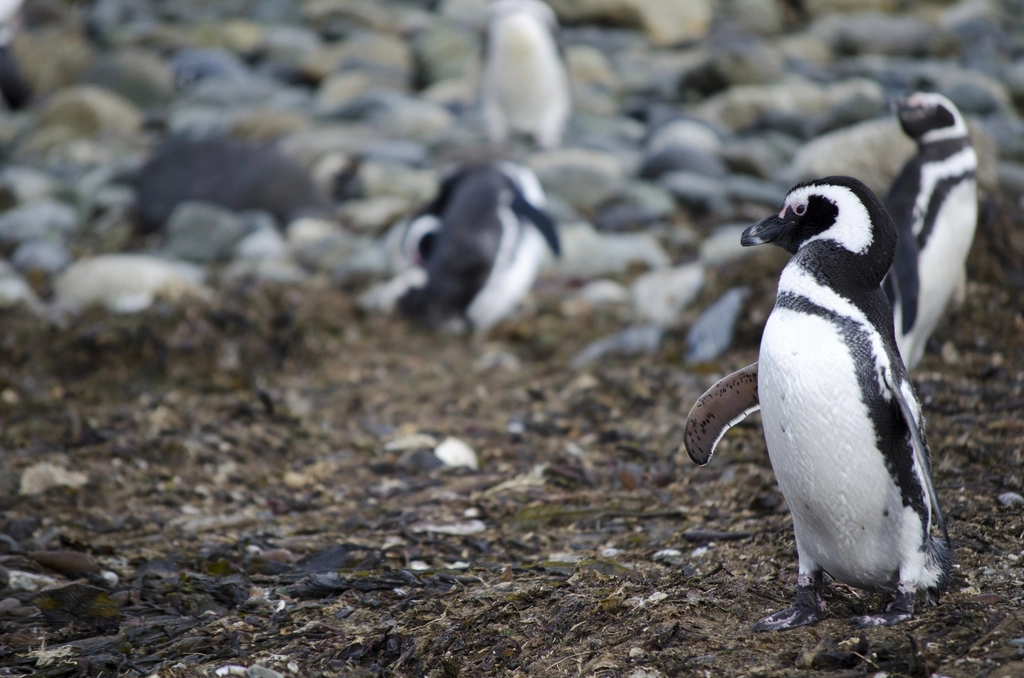 Photo Credit: Rawpixel
In the sun-drenched coastal regions of South America, the Humboldt Penguin, scientifically known as Spheniscus humboldti, makes its home among the rocky shores and sandy beaches. With its striking black and white plumage, this charming bird stands about two feet tall, resembling a tuxedo-clad swimmer ready for a grand adventure. The distinctive black stripe that runs across its chest and the bright pink patch around its eyes add to its unique appearance, making it a favorite among birdwatchers and nature enthusiasts alike. Scientists are captivated by the Humboldt Penguin not only for its adorable looks but also for its fascinating behaviors and vital role in the marine ecosystem.
Imagine a bustling colony of these playful penguins, diving gracefully into the cool, blue waters of the Pacific Ocean, where they hunt for small fish and crustaceans. Their sleek bodies are perfectly designed for swimming, allowing them to dart through the water with ease. As they emerge from the waves, shaking off droplets like tiny water balloons, they gather on the rocky shores to socialize, preen their feathers, and care for their young. The Humboldt Penguin’s lively antics and social nature provide endless opportunities for observation, drawing people into their world and highlighting the importance of protecting their coastal habitats. As we explore the life of the Humboldt Penguin, we will uncover the challenges it faces and the efforts being made to ensure its survival in a changing environment.
The Humboldt Penguin holds a special place in the animal kingdom, nestled within the intricate web of life. This charming bird is part of the class Aves, which includes all birds, and is specifically classified under the order Sphenisciformes, the group that encompasses all penguins. What sets the Humboldt Penguin apart is its striking black and white plumage, which not only makes it visually captivating but also serves a purpose. This coloration, known as countershading, helps it blend into the ocean depths, protecting it from predators both above and below. Found primarily along the coasts of Peru and Chile, these penguins are well-adapted to their marine environment, showcasing the incredible diversity of life on our planet.
| Taxonomic Rank | Scientific Name | Meaning & Significance |
|---|---|---|
| Kingdom | Animalia | This name signifies that the Humboldt Penguin is part of the vast group of multicellular organisms that are primarily heterotrophic, meaning they consume other organisms for energy. |
| Phylum | Chordata | Chordata refers to animals that have a notochord, a flexible rod that supports the body. In penguins, this structure is present during their early development. |
| Class | Aves | Aves is the class that includes all birds, characterized by feathers, beaks, and the ability to lay eggs. The Humboldt Penguin, like all birds, has feathers that help with insulation and buoyancy. |
| Order | Sphenisciformes | This order is specific to penguins, which are flightless birds adapted to life in the water. The name reflects their unique adaptations for swimming rather than flying. |
| Family | Spheniscidae | Spheniscidae is the family that includes all penguins. The name comes from the Greek word “sphen,” meaning wedge, which describes the shape of their bodies that aids in swimming. |
| Genus | Spheniscus | The genus name Spheniscus means “little wedge,” highlighting the compact body shape of these penguins, which is ideal for their aquatic lifestyle. |
The classification of the Humboldt Penguin reveals much about its evolutionary journey. As a member of the Spheniscidae family, it shares a common ancestor with other penguin species, showcasing the adaptations that have allowed these birds to thrive in marine environments. Their unique physical traits, such as their streamlined bodies and specialized flippers, illustrate how evolution has shaped them for life in the water. Understanding where the Humboldt Penguin fits in the tree of life not only highlights its biological significance but also emphasizes the interconnectedness of all living things on Earth.
The evolutionary journey of the Humboldt Penguin stretches back millions of years, tracing its lineage to ancient ancestors that roamed the Earth long before modern birds took flight. This captivating story begins in the late Cretaceous period, around 70 million years ago, when the first penguin-like birds began to emerge. These early avians were not quite like the penguins we know today, but they laid the groundwork for the diverse family of flightless birds that would follow.
The ancestors of the Humboldt Penguin belonged to a group of birds known as Sphenisciformes, which includes all penguins. Over time, these birds adapted to life in the water, developing features that would help them thrive in their aquatic environment. One major transition occurred when these birds lost the ability to fly, a change that allowed them to become more streamlined and efficient swimmers. Their wings transformed into flippers, perfect for propelling them through the ocean with grace and speed.
As the climate and ecosystems evolved, so did the Humboldt Penguin. This species, specifically part of the Spheniscus genus, adapted to the cold waters of the Humboldt Current off the coasts of Peru and Chile. These adaptations not only helped them survive but also allowed them to flourish in a niche that few other birds could occupy.
These evolutionary adaptations have been crucial for the survival of the Humboldt Penguin. By becoming expert swimmers and developing social structures, they have thrived in their coastal habitats. Their unique features not only help them evade predators but also enhance their ability to find food and raise their young in a challenging environment. As they continue to navigate the waters of the Pacific, the Humboldt Penguin stands as a testament to the power of evolution and adaptation in the natural world.
The Humboldt Penguin is a delightful sight, standing at about two feet tall, with a body that is both sleek and sturdy. Its rounded shape is perfectly designed for life in the water, allowing it to glide gracefully through the waves. With a weight ranging from four to eleven pounds, this penguin is light enough to swim swiftly but heavy enough to withstand the ocean’s currents. Its striking black and white plumage creates a stunning contrast, making it look like it’s dressed in a tuxedo, ready for a formal event.
| Feature | Description |
|---|---|
| Height | 60cm – 68cm (24in – 27in) |
| Weight | 2kg – 5kg (4.4lbs – 11lbs) |
| Skin Type | Feathers |
The combination of its size and coloration serves important purposes in the wild. The black feathers on its back help it blend into the dark ocean depths when viewed from above, while the white belly camouflages it against the bright surface when seen from below. This clever design helps protect the Humboldt Penguin from predators, allowing it to thrive in its coastal habitat. Its lightweight body and streamlined shape make it an agile swimmer, perfectly adapted for catching fish and navigating the rocky shores of its home.
The Humboldt Penguin thrives in a stunning coastal environment characterized by rocky ocean islands. These islands, often adorned with rugged cliffs and sandy beaches, provide the perfect backdrop for these playful birds. The crashing waves and salty air create a lively atmosphere, while the surrounding waters teem with fish, making it an ideal hunting ground. Picture a sun-drenched landscape where the penguins waddle along the shore, diving into the cool, blue ocean to catch their meals.
Humboldt Penguins prefer a climate that is mild and temperate, with cool ocean currents that help regulate the temperature. They thrive in areas where the weather is not too hot or too cold, typically enjoying temperatures ranging from 50 to 70 degrees Fahrenheit. The presence of nutrient-rich waters, thanks to the Humboldt Current, supports a diverse marine ecosystem, providing the penguins with plenty of fish to eat. These conditions are essential for their survival, as they rely on the ocean for food and the rocky shores for nesting.
To adapt to their specific habitats, Humboldt Penguins have developed several clever traits. Their sleek bodies and strong flippers make them excellent swimmers, allowing them to navigate the ocean with ease. The penguins also have a unique feather structure that helps keep them warm and dry, even in cooler waters. Their social behavior, often seen in large colonies, provides safety in numbers, while their ability to communicate through vocalizations helps them stay connected with their mates and chicks. These adaptations ensure that they not only survive but thrive in their rocky island homes.
The daily life of a Humboldt Penguin is a lively mix of activities that revolve around their coastal habitat. These charming birds typically start their day with a refreshing swim in the cool ocean waters. They dive and glide gracefully, using their wings like flippers to navigate through the waves. After a good swim, they often gather on the rocky shores to bask in the sun, preening their feathers to keep them waterproof and in top condition. As the day unfolds, they engage in foraging for fish and other marine delicacies, showcasing their skillful hunting techniques.
Social behavior is a cornerstone of life for Humboldt Penguins. They are highly social animals that thrive in colonies, often numbering in the hundreds. Within these groups, they establish strong bonds, often seen huddling together for warmth or protection. Communication is key in their interactions; they use a variety of vocalizations, from braying calls to softer coos, to express their feelings and maintain group cohesion. This social structure not only helps them find mates but also enhances their ability to spot predators and share information about food sources.
| Behavior Type | Description |
|---|---|
| Swimming | Humboldt Penguins are excellent swimmers, using their wings to propel themselves through the water while hunting for fish. |
| Preening | They spend time grooming their feathers to keep them clean and waterproof, which is essential for insulation and buoyancy. |
| Foraging | These penguins dive underwater to catch fish and other marine life, showcasing their agility and hunting skills. |
| Vocal Communication | They communicate through various sounds, including brays and coos, to express emotions and maintain social bonds. |
| Colony Living | Humboldt Penguins live in large colonies, which provide safety in numbers and help them find mates and share resources. |
The behaviors of Humboldt Penguins are not just fascinating; they are vital for their survival. By living in colonies, they benefit from the protection of numbers against predators, while their social interactions help them thrive in their environment. Their ability to communicate effectively ensures that they can alert each other to dangers and coordinate during foraging. All these activities work together to create a vibrant community, allowing Humboldt Penguins to flourish in their coastal homes.
The Humboldt Penguin is a dedicated carnivore, meaning it primarily eats meat. Its diet mainly consists of small marine creatures, which it skillfully hunts in the chilly waters of the Pacific Ocean. These penguins are expert divers, using their streamlined bodies to chase after fish, shrimp, and krill. With their keen eyesight and agile swimming abilities, they can spot and catch their favorite foods with impressive precision.
| Dietary Aspect | Details |
|---|---|
| Diet Type | Carnivore |
| Favorite Foods | Fish, shrimp, and krill |
| Prey Items | Small fish, crustaceans, and other marine invertebrates |
| Hunting/Foraging Strategies | Dives to chase prey, using speed and agility |
The diet of the Humboldt Penguin plays a crucial role in its daily life and the broader ecosystem. By feeding on fish and other marine life, these penguins help maintain the balance of their ocean habitat. Their hunting activities also influence the populations of their prey, ensuring that the marine food web remains healthy. As they dive and forage, they not only satisfy their hunger but also contribute to the vibrant life of the coastal waters they call home.
As the breeding season approaches, Humboldt Penguins engage in a captivating courtship ritual. Males often perform a series of displays, including bowing and vocalizing, to attract a mate. These charming birds typically mate for life, forming strong bonds that help them navigate the challenges of parenting together. The breeding season usually occurs between March and September, coinciding with the cooler months when food is more abundant, ensuring that both parents can provide for their young.
| Reproductive Aspect | Details |
|---|---|
| Gestation Period | About 38 to 42 days |
| Litter Size | 2 |
| Age of Maturity | About 2 to 3 years |
| Name of Young | Chick |
Once the eggs hatch, both parents take on the important role of caring for their chicks. Humboldt Penguin chicks are born covered in soft down feathers and are completely dependent on their parents for warmth and food. The parents take turns feeding the chicks regurgitated fish, which is packed with nutrients essential for their growth. As the chicks grow, they begin to develop their adult feathers and learn to swim, eventually becoming independent. This nurturing process is vital, as it helps the young penguins gain the skills they need to thrive in their oceanic home.
The Humboldt Penguin occupies a vital role in its coastal ecosystem, sitting near the middle of the food web. As a carnivore, it primarily feeds on small fish and crustaceans, making it an important predator in its environment. However, this charming bird also faces various threats that can impact its survival and the balance of its habitat.
To defend themselves against these dangers, Humboldt Penguins have developed several survival strategies. They often nest in rocky crevices or burrows, providing shelter from predators. When threatened, they can quickly dive into the water, using their agile swimming skills to evade danger. Additionally, their social behavior helps them stay alert; by living in colonies, they can watch for threats together, ensuring that more eyes are on the lookout. These clever adaptations help them navigate the challenges of their environment and continue to thrive in the wild.
A keystone species is an organism that plays a critical role in maintaining the structure of its ecosystem. This means that its presence and activities significantly influence the environment and other species within it. The Humboldt Penguin qualifies as a keystone species due to its unique position in the coastal ecosystems of South America, where it helps regulate the populations of various marine life.
Humboldt Penguins primarily feed on small fish and crustaceans, making them important predators in their habitat. By controlling the populations of these prey species, they help maintain a balance in the marine food web. For instance, if the penguins were to decline in number, the fish and crustacean populations could explode, leading to overgrazing of algae and other marine plants. This imbalance could disrupt the entire ecosystem, affecting not only the penguins but also other species that rely on the same resources.
Additionally, Humboldt Penguins contribute to nutrient cycling in their environment. When they excrete waste, it enriches the surrounding waters with nutrients, promoting the growth of phytoplankton and other marine plants. These plants are the foundation of the food web, supporting a variety of marine life, from tiny fish to larger predators. The penguins’ nesting activities also create habitats for other species, as their burrows can be used by various invertebrates and even other birds.
If Humboldt Penguins were to disappear from their ecosystem, the consequences would be profound. The unchecked growth of their prey species could lead to overgrazing, which would harm the marine vegetation that supports the entire food web. This could result in a decline of other marine animals, including those that rely on the same plants for survival. Ultimately, the loss of Humboldt Penguins would not only disrupt their immediate environment but could also trigger a cascade of changes that would affect the entire coastal ecosystem.
The Humboldt Penguin plays a vital role in its coastal ecosystem, particularly in the rocky ocean islands of South America. As a carnivore, it helps regulate the populations of small fish and crustaceans, which are essential components of the marine food web. By preying on these species, Humboldt Penguins maintain a balance that supports the health of their environment. Their presence not only influences the dynamics of their immediate habitat but also contributes to the overall biodiversity of the region.
| Ecosystem Service | Impact |
|---|---|
| Population Control | Regulates the numbers of small fish and crustaceans, preventing overpopulation. |
| Nutrient Cycling | Contributes to nutrient distribution through their waste, enriching the marine environment. |
| Habitat Formation | Creates nesting sites that can benefit other species, promoting biodiversity. |
| Indicator Species | Reflects the health of the marine ecosystem, signaling changes in environmental conditions. |
Humboldt Penguins influence their ecosystem in several specific ways. For instance, their feeding habits help control the populations of small fish, which, in turn, affects the availability of food for other marine animals. When these penguins dive into the ocean to hunt, they stir up sediments, which can help distribute nutrients in the water. This nutrient cycling is crucial for the growth of phytoplankton, the tiny plants that form the base of the marine food web. Additionally, the nesting sites they create in rocky crevices can be used by other birds and marine life, fostering a diverse community of species.
The broader ecological importance of the Humboldt Penguin cannot be overstated. As a keystone species, their presence is essential for maintaining the balance of their ecosystem. When populations of Humboldt Penguins thrive, it often indicates a healthy marine environment, which benefits countless other organisms. Conversely, declines in their numbers can signal environmental issues, such as overfishing or pollution. By understanding and protecting these charming birds, we also safeguard the intricate web of life that depends on them, ensuring a vibrant and resilient ecosystem for generations to come.
In the intricate tapestry of nature, symbiosis refers to the close and often long-term interactions between different species. These relationships can take many forms, including mutualism, where both species benefit, parasitism, where one benefits at the expense of the other, and commensalism, where one benefits while the other is neither helped nor harmed. The Humboldt Penguin, with its charming demeanor and lively antics, engages in various ecological partnerships that highlight the interconnectedness of life in its coastal habitat.
| Species/Type | Relationship Type | Description |
|---|---|---|
| Sea Lions | Commensal | Humboldt Penguins often share their rocky islands with sea lions. While the sea lions bask in the sun, the penguins benefit from the protection offered by their presence, as the larger mammals can deter potential predators. |
| Fish (like sardines) | Mutualistic | When hunting for fish, Humboldt Penguins can stir up schools of sardines, making it easier for both species to find food. The penguins benefit from the easier catch, while the fish may escape predators in the chaos. |
| Ticks | Parasitic | Humboldt Penguins can host ticks, which feed on their blood. This relationship is harmful to the penguins, as it can lead to health issues, but it provides sustenance for the ticks. |
These relationships have evolved over time, shaped by the needs and behaviors of the species involved. The mutualistic interactions, like those with fish, showcase how species can work together for survival, while the commensal relationship with sea lions highlights the benefits of living in a shared environment. On the other hand, the parasitic relationship with ticks serves as a reminder of the challenges that come with living in close quarters with other organisms. Understanding these connections helps us appreciate the delicate balance of ecosystems and the roles each species plays in maintaining it.
The Humboldt Penguin is a captivating bird that brings a splash of personality to the rocky shores of South America. With its charming waddle and playful nature, this species has some surprising traits that make it truly special.
The Humboldt Penguin has a rich history intertwined with human culture, particularly in the coastal regions of South America where it resides. Indigenous peoples have long recognized these birds, often incorporating them into their folklore and traditions. The penguins’ striking black and white plumage and playful behavior have made them symbols of the vibrant marine life found along the Pacific coast. As explorers and naturalists began to document the species in the 18th and 19th centuries, the Humboldt Penguin became a subject of fascination, leading to its representation in art and literature. This connection has fostered a sense of wonder and respect for these charming birds, highlighting their significance in both natural and cultural landscapes.
Today, the relationship between Humboldt Penguins and humans is complex, marked by both conservation efforts and challenges. As climate change and human activities threaten their habitats, various organizations are working tirelessly to protect these penguins and their coastal environments. Conservation programs focus on habitat restoration, pollution reduction, and monitoring populations to ensure their survival. However, conflicts can arise, particularly when human development encroaches on their nesting sites. While domestication is not a part of their story, the penguins have become popular in zoos and aquariums, where they help educate the public about marine ecosystems and the importance of conservation.
As we look to the future, the relationship between Humboldt Penguins and humanity holds both promise and responsibility. With continued efforts in conservation and education, there is hope for a thriving population of these delightful birds. By fostering a deeper understanding of their ecological role and the challenges they face, we can work together to ensure that future generations will not only admire the Humboldt Penguin but also actively participate in its preservation. The journey ahead is one of collaboration, where humans and wildlife can coexist harmoniously, celebrating the beauty of nature together.
The Humboldt Penguin is currently classified as Vulnerable, indicating that its population is at risk of decline. Recent estimates suggest that there are between 12,000 and 20,000 individuals remaining in the wild. While this number may seem significant, the population trend is concerning, as it has been decreasing over the past few decades due to various environmental and human-induced factors.
| Conservation Factor | Status/Details |
|---|---|
| IUCN Status | Vulnerable |
| Population Estimates | 12,000 to 20,000 individuals |
| Trend Direction | Decreasing |
One of the main threats to the Humboldt Penguin is climate change, which affects their food supply and breeding habitats. Rising ocean temperatures can lead to a decline in fish populations, making it harder for these penguins to find enough to eat. Additionally, human activities such as overfishing and pollution further exacerbate these challenges. Habitat destruction from coastal development also poses a significant risk, as it reduces the safe nesting sites available for these birds.
Conservation efforts are underway to help protect the Humboldt Penguin and its habitat. Organizations are working to establish marine protected areas, which safeguard critical feeding and breeding grounds. Public awareness campaigns aim to educate communities about the importance of preserving these charming birds and their environment. With continued efforts and support, there is hope that the population of Humboldt Penguins can stabilize and even recover in the future, allowing these delightful birds to thrive once more in their coastal homes.
| Question | Answer |
|---|---|
| Where do Humboldt Penguins live? | Humboldt Penguins are found along the rocky coastlines of South America, particularly in countries like Peru and Chile. They prefer rocky ocean islands where they can nest and find shelter from predators. |
| What do Humboldt Penguins eat? | These penguins are carnivores, meaning they primarily eat meat. Their diet mainly consists of fish, squid, and crustaceans, which they catch while swimming in the ocean. |
| How do Humboldt Penguins behave in the wild? | Humboldt Penguins are social animals that often live in large colonies. They communicate with each other through a variety of vocalizations and body language, and they enjoy swimming and diving together in the ocean. |
| How do Humboldt Penguins reproduce? | During the breeding season, which typically occurs from March to September, Humboldt Penguins form monogamous pairs. They build nests in burrows or under rocks, where the female lays two eggs that both parents take turns incubating. |
| What threats do Humboldt Penguins face? | Humboldt Penguins are classified as vulnerable, facing threats from habitat loss, climate change, and overfishing. Pollution and human activities also pose significant risks to their populations. |
| What are some interesting characteristics of Humboldt Penguins? | Humboldt Penguins are known for their distinctive black and white markings, which help them blend into their rocky surroundings. They are also unique among penguins for their ability to tolerate warmer temperatures, thanks to their coastal habitat. |
| How do Humboldt Penguins stay warm? | Despite living in warmer climates, Humboldt Penguins have a layer of blubber and dense feathers that help keep them warm. They also engage in behaviors like sunbathing and swimming in cooler waters to regulate their body temperature. |