Taxonomy & Classification
- Kingdom
- Animalia
- Phylum
- Chordata
- Class
- Mammalia
- Order
- Carnivora
- Family
- Canidae
- Genus
- Canis
- Species
- Canis lupus

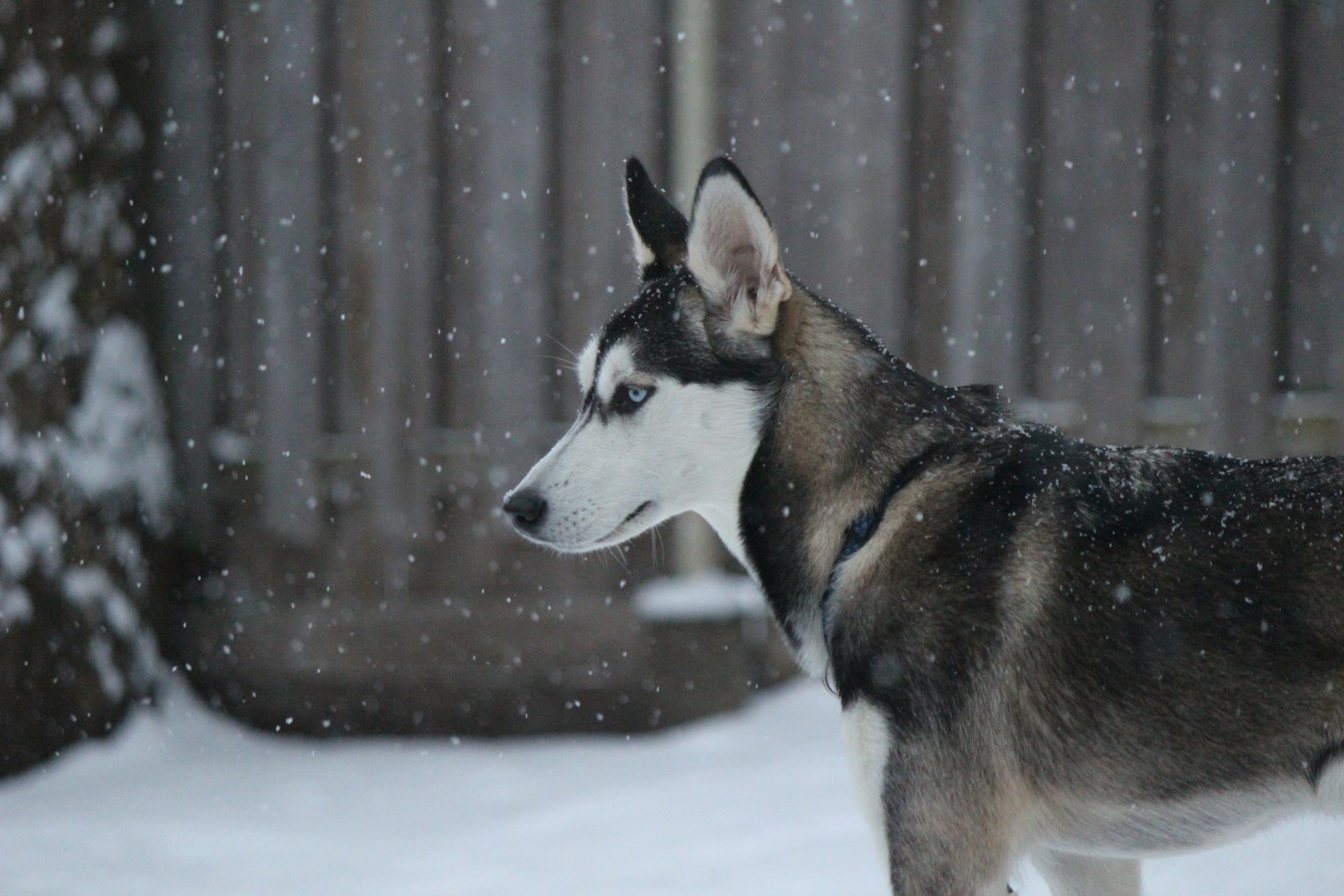 Photo by amanda panda on Unsplash
Meet the Husky, scientifically known as Canis lupus familiaris, a breed that captures the hearts of many with its striking appearance and spirited personality. Picture a snowy landscape, where the sun barely peeks over the horizon, casting a soft glow on the endless white terrain. Here, in the Arctic and sub-Arctic regions, these remarkable dogs thrive, their thick double coats shimmering against the backdrop of frost and ice. With their piercing blue or multi-colored eyes and erect ears, Huskies are not just beautiful; they are built for endurance and adventure, making them perfect companions for the harshest of climates.
Huskies are more than just a pretty face; they are a living testament to the bond between humans and animals. Bred by the Chukchi people thousands of years ago, these dogs were essential for transportation and companionship in the frigid wilderness. Their friendly demeanor and boundless energy make them a favorite among families and outdoor enthusiasts alike. Scientists and nature lovers are drawn to Huskies not only for their captivating looks but also for their fascinating history and adaptability. As we explore the world of the Husky, we will uncover the secrets of their behavior, diet, and the vital role they play in their ecosystems, revealing why these dogs are truly extraordinary.
The Husky, a beloved and energetic breed, holds a special place in the animal kingdom. Taxonomically, it belongs to the Kingdom Animalia, which includes all animals, and is classified under the Phylum Chordata, known for animals with a backbone. As a member of the Class Mammalia, Huskies share traits like warm-bloodedness and fur with other mammals. They are part of the Order Carnivora, which includes meat-eating animals, and belong to the Family Canidae, the group that encompasses dogs, wolves, and foxes. What makes Huskies particularly interesting is their close relationship to wolves, showcasing their wild ancestry while also being cherished companions to humans.
| Taxonomic Rank | Scientific Name | Meaning & Significance |
|---|---|---|
| Kingdom | Animalia | The name comes from the Latin word “animalis,” meaning “having breath” or “living.” This reflects the vibrant life and diversity found within this kingdom. |
| Phylum | Chordata | Derived from the Greek word “chordē,” meaning “string” or “cord,” this name highlights the presence of a notochord, a flexible rod that supports the body during development, a key feature in animals like Huskies. |
| Class | Mammalia | This term comes from the Latin “mamma,” meaning “breast,” referring to the mammary glands that allow females to nurse their young, a defining characteristic of all mammals. |
| Order | Carnivora | From the Latin “carnivorus,” meaning “meat-eating,” this classification emphasizes the dietary habits of Huskies and their relatives, which often include hunting and consuming other animals. |
| Family | Canidae | Originating from the Latin word “canis,” meaning “dog,” this family includes all dog-like mammals, showcasing the close genetic ties between Huskies and their wild ancestors. |
| Genus | Canis | This name also comes from the Latin word for “dog,” and it groups together species that share similar traits, including social behavior and vocalizations, which are evident in Huskies. |
Understanding the Husky’s classification reveals much about its evolutionary journey. As a member of the Canidae family, Huskies share a lineage with wolves, indicating that they have inherited traits that make them excellent hunters and pack animals. Their classification within the Carnivora order highlights their carnivorous diet and hunting instincts, while their mammalian characteristics connect them to a broader group of warm-blooded animals. This rich tapestry of taxonomy not only illustrates the Husky’s physical and behavioral traits but also tells a story of adaptation and survival in diverse environments alongside humans.
The story of the Husky begins thousands of years ago, tracing back to the Arctic regions where early humans relied on dogs for companionship and assistance. These dogs were not just pets; they were essential partners in survival, helping with hunting, herding, and transportation. The timeline of the Husky’s evolution is intertwined with the history of human civilization, showcasing a remarkable journey of adaptation and resilience.
Ancestral forms of the Husky can be linked to ancient wolves, specifically the gray wolf, which roamed the vast landscapes of Eurasia. Over time, as humans migrated and settled in colder climates, they began to domesticate these wolves. This process led to significant evolutionary changes, as the dogs adapted to the harsh Arctic environment. The transition from wild wolves to the domesticated Husky involved not only physical changes, such as a thicker coat for insulation but also behavioral adaptations that made them more sociable and trainable.
These adaptations have been vital for the Husky’s survival in extreme environments. Their thick fur keeps them warm during frigid winters, while their endurance allows them to travel great distances in search of food or during sledding activities. The pack mentality not only fosters strong social bonds but also enhances their ability to work alongside humans, making them invaluable partners in exploration and adventure. As a result, the Husky has not only survived but thrived, becoming a beloved breed around the world.
The Husky is a strikingly beautiful dog, known for its athletic build and captivating appearance. With a sturdy frame and a well-proportioned body, these dogs exude strength and agility. Their thick fur, often adorned with a mix of colors, adds to their charm, while their expressive eyes—often blue or brown—seem to hold a spark of adventure. Huskies are medium to large in size, standing tall and proud, ready to take on the world.
| Feature | Description |
|---|---|
| Weight | 60 lb |
| Skin Type | Hair |
| Fur Color | Varies, commonly black, gray, red, and agouti |
| Eye Color | Blue, brown, or one of each (heterochromia) |
| Body Structure | Well-muscled, with a strong back and powerful legs |
These physical features are not just for show; they serve important purposes in the Husky’s life. Their thick fur acts as insulation against the harsh Arctic cold, keeping them warm during frigid temperatures. The strong, muscular build allows them to pull sleds over long distances, showcasing their endurance and strength. Their keen eyesight, especially in varying colors, helps them navigate their snowy environments. Together, these traits make the Husky a remarkable companion and a skilled worker, perfectly adapted to thrive in challenging conditions.
The Husky calls the cold, rugged landscapes of the Arctic and sub-Arctic regions its home. Imagine vast expanses of snow-covered terrain, where the sun barely rises in winter and shines brightly during the long summer days. These dogs thrive in environments that are both challenging and breathtaking, from icy tundras to mountainous areas. The scenery is often dotted with frozen lakes and dense forests, creating a stunning backdrop for these energetic animals.
Huskies are well-suited to cold climates, where temperatures can plummet well below freezing. They flourish in environments that experience harsh winters, with snow and ice as a constant presence. These dogs require plenty of space to run and play, as they are highly active and need to burn off energy. The crisp, clean air of their habitats is essential for their health and well-being, allowing them to engage in their natural behaviors.
To survive in such extreme conditions, Huskies have developed several remarkable adaptations. Their thick double coat acts as insulation, keeping them warm in frigid temperatures while also protecting them from wind and moisture. Their paws are designed to navigate snowy terrain, with fur between their toes that provides extra warmth and traction. Additionally, Huskies are known for their endurance, allowing them to travel long distances in search of food and companionship, making them perfectly suited for life in the wild and as working dogs.
A typical day in the life of a Husky is filled with energy and excitement. These dogs thrive on activity, often starting their mornings with a burst of enthusiasm. After a hearty breakfast, they are ready to explore their surroundings, whether it’s a brisk walk in the park or a playful romp in the backyard. Huskies are known for their endurance, so they enjoy long runs and play sessions that keep them physically fit and mentally stimulated. As the day unfolds, they might take a few naps, but they are always alert and ready for the next adventure.
Social behavior is a key aspect of a Husky’s daily life. These dogs are pack animals, which means they naturally seek companionship and thrive in social settings. They often form strong bonds with their human families and other pets, displaying loyalty and affection. Huskies communicate through a variety of vocalizations, including howls, barks, and whines, each serving a different purpose. Their playful nature encourages interaction, and they often engage in games that involve chasing or tugging, reinforcing their social ties and group dynamics.
| Behavior Type | Description |
|---|---|
| Activity Patterns | Huskies require regular exercise, often engaging in running, playing, and exploring their environment. They are known for their stamina and love for outdoor activities. |
| Social Structure | As pack animals, Huskies thrive in groups, forming strong bonds with their human families and other dogs. They enjoy companionship and often display affectionate behaviors. |
| Communication Methods | Huskies use a range of vocalizations, including howls, barks, and whines, to express their needs and emotions. Body language, such as tail wagging and playful postures, also plays a significant role in their communication. |
The behaviors of Huskies are not just for fun; they play a crucial role in their survival. Their need for social interaction helps them form strong packs, which can be essential for protection and cooperation. Their high energy levels and love for exercise keep them healthy and agile, allowing them to adapt to various environments. By engaging in playful activities and maintaining strong social bonds, Huskies ensure they are not only happy but also well-equipped to thrive in their surroundings.
Huskies are omnivores, which means they eat a variety of foods, including both plants and animals. Their diet is quite flexible, allowing them to adapt to different environments and available resources. In the wild, they often hunt small mammals and scavenge for food, while domesticated Huskies enjoy a mix of kibble, meat, and vegetables. This adaptability in their feeding behavior helps them thrive in various conditions, whether they are pulling sleds in the snow or lounging at home.
| Dietary Aspect | Details |
|---|---|
| Diet Type | Omnivore |
| Favorite Foods | Meat, fish, vegetables, and specially formulated dog food |
| Prey Items | Small mammals like rabbits and rodents |
| Hunting/Foraging Strategies | Huskies may hunt in packs, using teamwork to chase down prey, or scavenge for leftovers in their environment |
The diet of a Husky plays a crucial role in shaping its ecology and daily routine. Their omnivorous nature allows them to be resourceful, whether they are foraging for food in the wild or enjoying meals prepared by their human companions. This flexibility not only supports their energetic lifestyle but also influences their social behavior, as they often work together in packs to find food. By understanding their dietary habits, we can appreciate how these remarkable dogs have adapted to thrive in both wild and domestic settings.
When it comes to reproduction, Huskies have a fascinating mating ritual that typically occurs once a year, usually in late winter or early spring. During this time, female Huskies go into heat, a period when they are fertile and can conceive. Males are drawn to the scent of a female in heat, and they may engage in playful and competitive behaviors to win her affection. This courtship can be quite lively, filled with playful barks and excited movements, as they establish their bond before mating.
| Reproductive Aspect | Details |
|---|---|
| Gestation Period | Approximately 63 days |
| Litter Size | Typically 4 to 6 puppies |
| Age of Maturity | About 6 to 12 months |
| Name of Young | Puppies |
Once the puppies are born, the mother Husky takes on the role of a dedicated caregiver. She provides warmth, nourishment, and protection to her young, ensuring they are safe and healthy. The puppies are born blind and deaf, relying entirely on their mother for care. As they grow, they begin to open their eyes and ears, exploring their surroundings with curiosity. The mother teaches them essential skills, such as socializing with their littermates and learning how to interact with the world around them. By the time they reach maturity, these young Huskies are ready to embrace their adventurous spirits, just like their parents.
In the intricate web of life, Huskies occupy a unique position. As domesticated dogs, they are not at the top of the food chain, but they still face various dangers in their environment. While they are often seen as loyal companions to humans, they can encounter threats from both wild animals and human-related activities. Understanding these dangers helps us appreciate the resilience and adaptability of these spirited dogs.
To defend themselves against these threats, Huskies rely on their keen instincts and social behaviors. They are known for their strong pack mentality, which means they often work together with other dogs for safety. Huskies are also quite vocal, using barks and howls to communicate danger to their human companions. Additionally, their thick fur provides insulation against cold temperatures, allowing them to thrive in harsh climates. With their agility and intelligence, Huskies can navigate challenging environments, making them well-equipped to face the dangers that come their way.
A keystone species is an organism that plays a critical role in maintaining the structure of an ecosystem. Its presence or absence can significantly impact the environment and the other species that live there. While Huskies are beloved companions and have a rich history with humans, they do not qualify as a keystone species in the traditional ecological sense. Instead, they are domesticated animals that primarily serve human needs rather than shaping their ecosystems in the wild.
Despite not being a keystone species, Huskies can still influence their surroundings in various ways. For instance, their role as working dogs in Arctic communities has historically helped humans hunt and transport goods across icy terrains. This partnership has allowed for the sustainable use of resources in these harsh environments, indirectly supporting local wildlife by managing human impact. Additionally, their omnivorous diet means they can adapt to different food sources, which can help control certain plant populations in their vicinity.
Huskies also contribute to the social dynamics of their human communities. Their energetic nature encourages outdoor activities, promoting a connection between people and nature. This interaction can lead to increased awareness of local ecosystems and the importance of conservation efforts. Furthermore, as they engage in activities like sledding, they can help maintain trails that other wildlife may use, creating a shared space for both humans and animals.
If Huskies were to disappear from their environments, the effects would ripple through their communities. The loss of these dogs would mean a decline in traditional practices like sledding and hunting, which could lead to overexploitation of local resources. Additionally, the absence of Huskies might reduce human engagement with the natural world, potentially diminishing conservation efforts. While they may not be keystone species, their presence enriches both human lives and the ecosystems they inhabit.
The Husky, with its lively spirit and strong build, plays a vital role in its ecosystem, particularly in the Arctic and sub-Arctic regions. As a domesticated breed, it interacts closely with human communities, but it also influences the natural world around it. Huskies are omnivores, meaning they eat both plants and animals, which allows them to adapt to various food sources. Their presence helps maintain a balance in the ecosystem, as they contribute to the dynamics of predator and prey relationships, even if they are not wild animals.
| Ecosystem Service | Impact |
|---|---|
| Predation | Huskies can help control populations of small mammals, which can prevent overgrazing of vegetation. |
| Scavenging | They often scavenge, which helps recycle nutrients back into the soil and supports plant growth. |
| Human Companionship | By working alongside humans, Huskies enhance the relationship between people and nature, promoting conservation efforts. |
| Transportation | In harsh environments, Huskies have historically assisted in transportation, helping humans access remote areas. |
Huskies influence their environment in several specific ways. For instance, their role as scavengers means they often consume leftover food from human activities, which helps reduce waste. Additionally, when they run through the snow, they can create paths that other animals may use, facilitating movement across the icy terrain. Their playful nature also encourages interaction with local wildlife, which can lead to a greater understanding of the ecosystem’s health. By participating in these activities, Huskies contribute to a balanced environment, even as they rely on humans for care and companionship.
The broader ecological importance of Huskies cannot be overstated. As a keystone species, their presence helps maintain the structure of their ecosystem. They connect human communities with the natural world, reminding us of the delicate balance that exists in nature. By understanding and appreciating the role of Huskies, we can foster a deeper respect for all living beings and the environments they inhabit. This connection is essential for promoting conservation and ensuring that ecosystems remain vibrant and healthy for generations to come.
In the natural world, many species form partnerships that help them survive and thrive. These relationships can be classified into three main types: mutualism, where both species benefit; commensalism, where one species benefits while the other is neither helped nor harmed; and parasitism, where one species benefits at the expense of the other. Understanding these ecological connections is essential for appreciating how life on Earth is interwoven, creating a complex tapestry of interactions that support diverse ecosystems.
| Species/Type | Relationship Type | Description |
|---|---|---|
| Huskies and Humans | Mutualistic | Huskies assist humans in transportation and hunting, while humans provide food, shelter, and companionship. |
| Huskies and Other Dogs | Commensal | Huskies often socialize with other dog breeds, benefiting from companionship without significantly affecting the other dogs. |
| Huskies and Parasites (like fleas) | Parasitic | Fleas feed on Huskies’ blood, benefiting themselves while causing discomfort and potential health issues for the dogs. |
These relationships have evolved over time, shaped by the needs and behaviors of the species involved. For instance, the bond between Huskies and humans has deep roots, dating back to when these dogs were first domesticated. This partnership has allowed Huskies to thrive in human environments, while humans benefit from their loyalty and assistance. Meanwhile, interactions with other species, whether friendly or parasitic, highlight the delicate balance of nature. Each relationship plays a role in the ecosystem, demonstrating how interconnected life truly is.
Huskies are not just adorable companions; they are also fascinating animals with a rich history and unique traits that make them stand out. Here are some surprising facts about these incredible dogs that will surely captivate nature enthusiasts of all ages.
The bond between Huskies and humans stretches back thousands of years, rooted in the icy landscapes of the Arctic. These remarkable dogs were bred by the Chukchi people, who relied on them for transportation, hunting, and companionship. Huskies became more than just working animals; they became integral to the culture and survival of the communities that nurtured them. Their striking appearance and friendly demeanor have made them symbols of endurance and loyalty, celebrated in stories and folklore across various cultures.
Today, the relationship between Huskies and humans continues to evolve. While many Huskies serve as beloved family pets, they also play vital roles in conservation efforts, helping researchers study wildlife in harsh environments. However, this relationship is not without its challenges. As urbanization encroaches on their natural habitats, conflicts can arise, leading to misunderstandings about their needs and behaviors. Domestication has transformed Huskies into affectionate companions, yet their strong instincts and high energy levels require responsible ownership and understanding.
As we look to the future, the relationship between Huskies and humanity holds great promise. With increased awareness of their needs and the importance of responsible pet ownership, we can ensure that these spirited dogs continue to thrive alongside us. By fostering a deeper understanding of their instincts and behaviors, we can create a harmonious coexistence that honors their rich heritage while embracing the joy they bring to our lives. Together, we can build a future where Huskies remain cherished companions and vital partners in our shared adventures.
The conservation status of Huskies is quite different from that of many wild species. As domesticated dogs, they do not have a formal conservation status like those listed by the International Union for Conservation of Nature (IUCN). Instead, their population trends are influenced by human breeding practices and demand for the breed. Currently, Huskies are popular pets around the world, and their numbers are stable, though they can face challenges related to overbreeding and abandonment.
| Conservation Factor | Status/Details |
|---|---|
| IUCN Status | Not assessed |
| Population Estimates | Stable, with millions of Huskies worldwide |
| Trend Direction | Stable |
Despite their popularity, Huskies face several threats that can impact their well-being. One of the main issues is overbreeding, which can lead to health problems and genetic disorders. Additionally, many Huskies are abandoned or surrendered to shelters when their owners realize that these energetic dogs require a lot of exercise and mental stimulation. This can lead to overcrowding in animal shelters, where many Huskies wait for new homes.
Conservation efforts for Huskies focus primarily on responsible breeding and adoption practices. Organizations and breeders are working to ensure that Huskies are bred for health and temperament rather than just appearance. Many shelters and rescue groups are dedicated to finding homes for abandoned Huskies, promoting awareness about the breed’s needs. With continued efforts in education and responsible ownership, the outlook for Huskies remains positive, allowing these spirited dogs to thrive alongside their human companions.
| Question | Answer |
|---|---|
| What is the natural habitat of Huskies? | Huskies are originally from the cold, snowy regions of Siberia. They thrive in environments with low temperatures, which is why they have thick fur coats to keep them warm. |
| What do Huskies eat? | Huskies are omnivores, meaning they eat both plants and animals. Their diet can include meat, vegetables, and grains, which helps them maintain their energy levels for running and playing. |
| How do Huskies behave? | Huskies are known for their friendly and energetic nature. They are social animals that enjoy being around people and other dogs, making them great companions for active families. |
| How do Huskies reproduce? | Huskies typically breed once a year, with the female going into heat for about three weeks. After mating, the gestation period lasts around 63 days, after which the female gives birth to a litter of puppies. |
| What threats do Huskies face? | While Huskies are generally healthy, they can face threats from overbreeding and poor living conditions. Additionally, they can be at risk from predators if they are not properly cared for in the wild. |
| What are some interesting characteristics of Huskies? | Huskies are famous for their striking blue or multi-colored eyes, which can be quite captivating. They are also known for their incredible stamina and ability to pull sleds over long distances, a skill that has made them legendary in cold climates. |
| Can Huskies live in warm climates? | While Huskies can adapt to warmer climates, they are not ideally suited for them. Their thick fur can make them uncomfortable in heat, so it's important to provide plenty of water and shade if they live in a warmer area. |