Taxonomy & Classification
- Kingdom
- Animalia
- Phylum
- Chordata
- Class
- Mammalia
- Order
- Proboscidea
- Family
- Elephantidae
- Genus
- Elephas
- Species
- Elephas maximus indicus

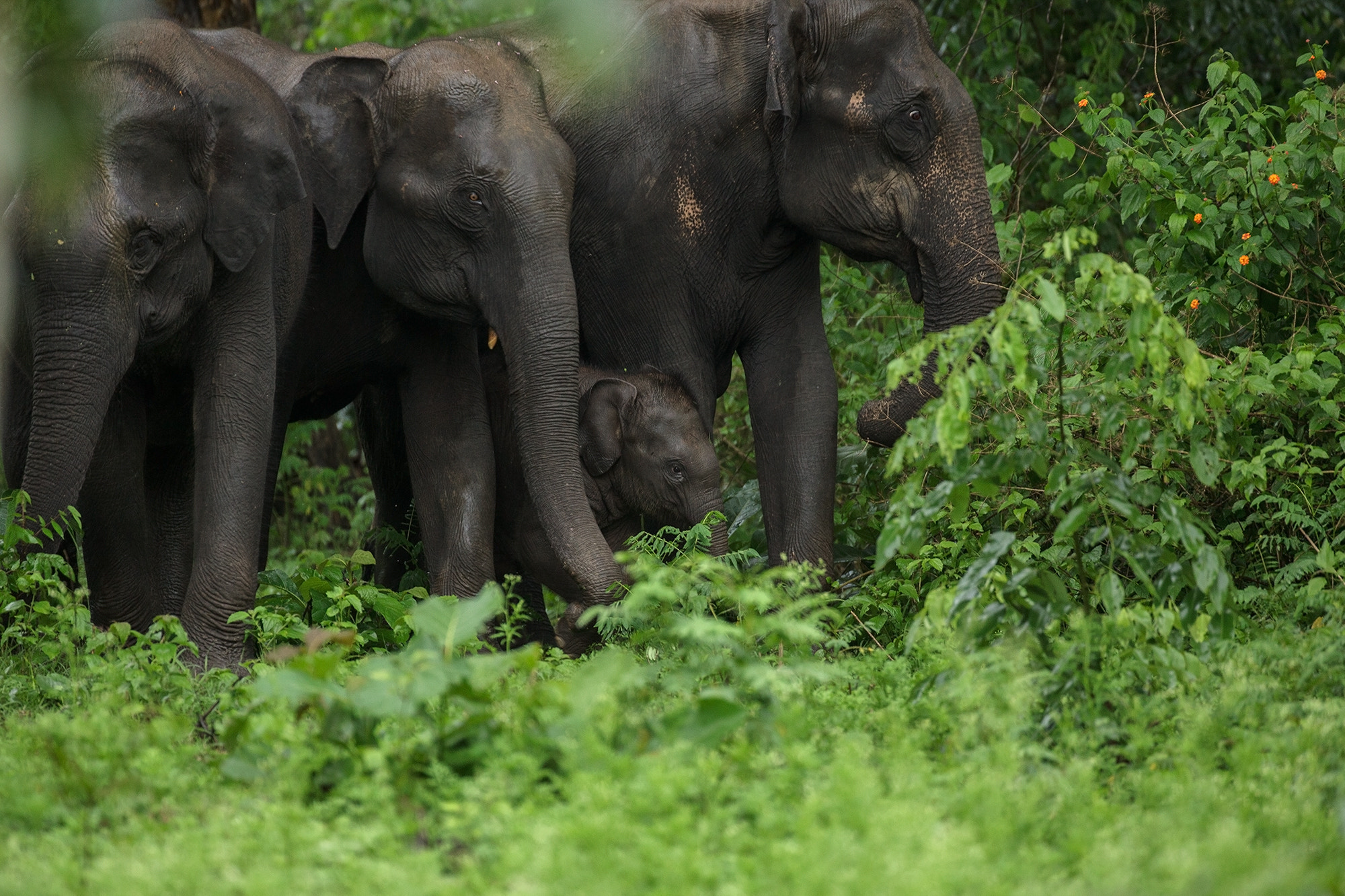 Photo Credit: Rohit Varma / Wikimedia
In the heart of India’s lush forests, the Indian elephant, scientifically known as Elephas maximus indicus, roams majestically through its vibrant habitat. Picture a gentle giant, standing up to three meters tall, with large, flapping ears that help keep it cool in the warm tropical sun. Its skin, a textured gray, is often adorned with patches of mud, which not only provide a natural sunscreen but also serve as a way to keep pesky insects at bay. With its long trunk, a versatile tool for feeding, drinking, and socializing, the Indian elephant captivates both scientists and nature lovers alike, drawing them into its world of complex social structures and rich emotional lives.
As these magnificent creatures wander through dense jungles and open grasslands, they play a vital role in their ecosystem. Their foraging habits help shape the landscape, allowing new plants to grow and creating habitats for other species. This keystone species, meaning it has a significant impact on its environment, is not just a sight to behold; it is a crucial player in maintaining the balance of its ecosystem. With their strong family bonds and intricate communication methods, Indian elephants remind us of the deep connections that exist in the natural world, inviting us to explore and understand the wonders of wildlife.
The Indian elephant, a majestic symbol of the Asian wilderness, holds a special place in the tree of life. Taxonomically, it belongs to the Kingdom Animalia, which includes all animals, and is classified under the Phylum Chordata, known for animals with a backbone. This gentle giant is part of the Class Mammalia, meaning it shares characteristics like warm-bloodedness and fur or hair with other mammals. Within the Order Proboscidea, which is defined by long trunks, the Indian elephant stands out as a member of the Family Elephantidae, the group that encompasses all elephants. Its scientific name, Elephas maximus, reflects its grandeur and significance in both nature and culture.
| Taxonomic Rank | Scientific Name | Meaning & Significance |
|---|---|---|
| Kingdom | Animalia | This name signifies the broadest category of living organisms, encompassing all animals. |
| Phylum | Chordata | Derived from the Greek word “chordē,” meaning “string,” it refers to animals with a notochord, or backbone. |
| Class | Mammalia | From the Latin “mamma,” meaning “breast,” this class includes animals that nurse their young with milk. |
| Order | Proboscidea | This term comes from the Greek “proboskis,” meaning “trunk,” highlighting the defining feature of these animals. |
| Family | Elephantidae | Named after the Greek word “elephas,” meaning “ivory,” this family is known for its large size and tusks. |
| Genus | Elephas | This genus name also comes from the Greek “elephas,” emphasizing the elephant’s significance in ancient cultures. |
Understanding the Indian elephant’s classification reveals much about its evolutionary journey. As a member of the Proboscidea order, it shares a common ancestor with other elephants and their relatives, which once roamed the Earth in diverse forms. This lineage showcases how these magnificent animals have adapted over millions of years, developing their iconic trunks and social behaviors. The Indian elephant’s place in the animal kingdom not only highlights its biological traits but also underscores its role in ecosystems and human culture, making it a vital part of our natural heritage.
The evolutionary journey of the Indian elephant stretches back millions of years, weaving through a rich tapestry of change and adaptation. This magnificent animal, part of the Elephantidae family, has evolved from ancient ancestors that roamed the Earth during the late Miocene epoch, around 10 million years ago. Over time, these early relatives transformed, leading to the distinct species we recognize today.
The story begins with the emergence of the genus Elephas, which includes the Indian elephant. These early elephants were smaller and had different features compared to their modern descendants. As the climate and environment shifted, so did their physical characteristics. For instance, the Indian elephant developed larger ears, which help regulate body temperature in the warm climates of South Asia. This adaptation was crucial for survival, allowing them to thrive in diverse habitats, from grasslands to forests.
The adaptations of the Indian elephant have played a pivotal role in its survival. Their large ears not only help with temperature control but also enhance their hearing, allowing them to communicate over long distances. The trunk’s versatility enables them to interact with their environment in complex ways, from foraging to social bonding. Living in family groups led by wise matriarchs ensures that younger elephants learn essential survival skills. Together, these traits have allowed the Indian elephant to navigate the challenges of their habitats, making them a resilient and enduring species in the animal kingdom.
The Indian elephant stands as a grand testament to nature’s artistry, with its impressive stature and gentle demeanor. Towering between 2 to 3 meters tall—about the height of a basketball hoop—this magnificent animal can weigh anywhere from 3,000 to 5,000 kilograms, which is roughly the weight of a small car. Its body is robust and powerful, supported by thick, pillar-like legs that give it stability and strength. The Indian elephant’s large ears, shaped like a fan, help regulate its body temperature, while its long trunk, a versatile tool, serves many purposes from feeding to social interaction.
| Feature | Description |
|---|---|
| Height | 2m – 3m (7ft – 10ft) |
| Weight | 3,000kg – 5,000kg (6,500lbs – 11,000lbs) |
| Skin Type | Leather |
The Indian elephant’s physical features are not just for show; they play crucial roles in its survival. The thick, leathery skin helps protect it from the harsh sun and potential injuries in the wild. Its large ears act like natural air conditioners, dissipating heat and keeping the elephant cool in the warm climates of India. The trunk, a marvel of evolution, is not only a tool for grasping food but also a means of communication and social bonding. Together, these characteristics create a harmonious blend of form and function, allowing the Indian elephant to thrive in its environment while captivating the hearts of those who encounter it.
The Indian elephant roams through lush rainforests and tropical woodlands, where the air is thick with the scent of damp earth and vibrant greenery. These habitats are alive with the sounds of chirping birds, rustling leaves, and the distant calls of other wildlife. Towering trees provide shade, while dense underbrush offers a rich tapestry of plants for these gentle giants to forage. The interplay of sunlight filtering through the canopy creates a magical atmosphere, making these environments not just homes, but thriving ecosystems.
To thrive in these habitats, Indian elephants require a warm and humid climate, typical of tropical regions. They prefer areas with abundant rainfall, which supports the lush vegetation they depend on for food. These elephants are also sensitive to seasonal changes, as they need access to water sources during the dry months. The combination of a stable climate and rich biodiversity allows them to flourish, ensuring they have enough resources to sustain their large bodies.
Adaptation is key to the survival of the Indian elephant in its natural habitat. With their strong trunks, they can reach high branches for leaves and pull down grasses, while their large ears help regulate body temperature in the heat. Their social structures, often consisting of matriarchal herds, allow them to share knowledge about food and water sources, enhancing their chances of survival. These adaptations not only help them navigate their environment but also play a crucial role in maintaining the health of their ecosystems.
The daily life of an Indian elephant is a blend of foraging, socializing, and nurturing. As the sun rises, these gentle giants begin their day by searching for food. They are herbivores, meaning they primarily eat plants, and their diet includes grasses, leaves, fruits, and bark. An adult Indian elephant can consume up to 300 pounds of food in a single day! After a hearty breakfast, they often take a leisurely stroll to water sources, where they drink and bathe, enjoying the coolness of the water. Throughout the day, they engage in various activities, from playing in the mud to resting under the shade of trees, all while keeping a watchful eye on their surroundings.
Social behavior is a cornerstone of the Indian elephant’s life. These animals are highly social and live in matriarchal herds, which means that the oldest female leads the group. The bonds between family members are incredibly strong, and they communicate through a range of vocalizations, body language, and even low-frequency sounds that can travel long distances. Young elephants learn essential survival skills from their mothers and other herd members, such as finding food and navigating their environment. This close-knit social structure not only provides protection from predators but also fosters a nurturing environment for the young.
| Behavior Type | Description |
|---|---|
| Foraging | Indian elephants spend a significant part of their day searching for food, consuming a variety of plants, including grasses, leaves, and fruits. |
| Social Structure | They live in matriarchal herds led by the oldest female, with strong family bonds that ensure cooperation and protection. |
| Communication | Elephants use vocalizations, body language, and low-frequency sounds to communicate with each other, often over long distances. |
| Play | Young elephants engage in playful activities, which help them develop social skills and strengthen bonds within the herd. |
| Resting | After a busy day, elephants often rest under trees or in shaded areas, allowing them to conserve energy for the next day’s activities. |
These behaviors are not just fascinating; they are vital for the survival of Indian elephants. By foraging together, they ensure that everyone in the herd has enough to eat. Their strong social bonds provide safety in numbers, helping to protect against predators. Communication allows them to coordinate activities and alert each other to dangers. Through play, young elephants learn important life skills that will help them thrive as adults. In this way, the daily life of an Indian elephant is a beautiful dance of cooperation, learning, and survival in the wild.
The Indian elephant primarily thrives on a herbivorous diet, which means it eats only plant-based foods. These gentle giants are known for their impressive foraging skills, using their strong trunks to reach high branches or dig into the ground for roots. Their feeding behavior is not just about satisfying hunger; it also plays a crucial role in their social interactions and daily routines. As they graze, they often gather in groups, sharing their favorite foods and reinforcing social bonds within their herds.
| Dietary Aspect | Details |
|---|---|
| Diet Type | Herbivore |
| Favorite Foods | Grass, fruits, and roots |
| Prey Items | None (as they do not eat meat) |
| Foraging Strategies | Using trunks to reach high foliage and digging for roots |
The diet of the Indian elephant significantly shapes its ecology and daily life. By consuming vast amounts of vegetation, these elephants help maintain the health of their habitats. Their foraging habits promote the growth of new plants and create pathways through dense forests, which benefits other wildlife. Additionally, their social feeding behavior fosters strong family ties, making their daily routines not just about survival, but also about community and connection in the wild.
Mating among Indian elephants is a captivating process that showcases their complex social structures. Breeding typically occurs during the monsoon season, when food is abundant and the environment is lush. Males, known as bulls, engage in a series of displays to attract females, or cows. These displays can include vocalizations, physical posturing, and even the scent of pheromones, which are chemical signals that convey readiness to mate. Once a female is receptive, the pair may mate multiple times over several days to ensure successful reproduction.
| Reproductive Aspect | Details |
|---|---|
| Gestation Period | Approximately 22 months |
| Litter Size | 1 |
| Age of Maturity | 10-15 years |
| Name of Young | Calf |
Once a calf is born, the journey of growth and development begins. Indian elephants are known for their strong family bonds, and the mother plays a crucial role in nurturing her young. The calf stays close to its mother, learning essential survival skills through observation and imitation. Other members of the herd, often including older siblings and aunts, also contribute to the calf’s upbringing, providing protection and guidance. As the calf matures, it gradually becomes more independent, but the bonds formed during these early years remain strong, ensuring that the young elephant is well-prepared to thrive in the wild.
The Indian elephant plays a crucial role in its ecosystem, acting as a keystone species. This means that its presence helps maintain the structure of the environment. By foraging on trees and shrubs, Indian elephants help shape the landscape, allowing other plants and animals to thrive. They are not at the top of the food web, but their size and strength make them formidable. However, they face various dangers that threaten their survival.
Despite these challenges, Indian elephants have developed impressive defensive behaviors and survival strategies. They often travel in herds, which provides safety in numbers. When threatened, they can display aggression by trumpeting loudly and charging at potential dangers. Their thick skin and large size deter many predators, while their intelligence allows them to navigate complex environments and find safe routes. By using their strong social bonds, they protect their young and ensure the survival of their species in a rapidly changing world.
A keystone species is an animal that has a disproportionately large impact on its environment relative to its abundance. The Indian elephant certainly qualifies as a keystone species. Its presence is vital for maintaining the health and balance of its ecosystem, particularly in the rainforests and tropical woodlands it inhabits. By influencing the structure of these habitats, Indian elephants play a crucial role in supporting a wide variety of other species.
One of the most significant ways Indian elephants impact their ecosystem is through their foraging behavior. As herbivores, they consume vast amounts of vegetation, including trees and shrubs. This feeding habit helps to shape the landscape, creating clearings that allow sunlight to reach the forest floor. These clearings encourage the growth of new plants, which in turn supports a diverse array of wildlife. Additionally, by uprooting trees, elephants create habitats for smaller animals and plants that thrive in the sunlight.
Moreover, Indian elephants are known to disperse seeds through their dung. When they eat fruits and plants, they often pass the seeds through their digestive systems, which can help to spread these plants across large areas. This seed dispersal is essential for maintaining plant diversity and ensuring that various species can thrive in their habitats. Without the Indian elephant, many of these plants might struggle to reproduce and spread.
Another fascinating aspect of their role is their impact on water sources. Elephants are known to dig waterholes in dry riverbeds, which can provide vital water access for other animals during droughts. These waterholes become essential lifelines for many species, showcasing how the actions of a single species can ripple through the ecosystem.
If Indian elephants were to disappear, the consequences would be profound. The balance of their ecosystems would be disrupted, leading to overgrown vegetation and a decline in plant diversity. Many species that rely on the habitats shaped by elephants would struggle to survive, potentially leading to a cascade of extinctions. The loss of these gentle giants would not only affect the flora and fauna but also the health of the entire ecosystem, highlighting just how interconnected life truly is.
The Indian elephant plays a vital role in shaping its ecosystem, acting as a keystone species that influences the environment in numerous ways. These gentle giants are not just magnificent to behold; they are also essential for maintaining the health and balance of their habitats. By foraging for food and moving through the dense forests and woodlands, Indian elephants help to create pathways that other animals can use. Their activities promote biodiversity, which is crucial for a thriving ecosystem.
| Ecosystem Service | Impact |
|---|---|
| Seed Dispersal | Elephants consume fruits and then excrete the seeds, helping new plants to grow in different areas. |
| Habitat Modification | By uprooting trees and trampling vegetation, they create open spaces that allow sunlight to reach the forest floor. |
| Water Source Creation | When elephants dig in riverbeds or create wallows, they help to form water holes that benefit other wildlife. |
| Soil Aeration | Their movement through the soil helps to aerate it, improving its quality and promoting plant growth. |
One striking example of the Indian elephant’s influence is its role in seed dispersal. When these elephants munch on fruits, they often swallow the seeds whole. Later, when they excrete the seeds, they are deposited in new locations, allowing plants to grow far from their parent trees. This process not only helps maintain plant diversity but also supports the entire food web, as many animals rely on these plants for food and shelter. Additionally, as elephants move through their habitats, they create clearings by uprooting trees and trampling underbrush. These clearings allow sunlight to reach the forest floor, encouraging the growth of smaller plants and flowers, which in turn attract various insects and birds.
The broader ecological importance of the Indian elephant cannot be overstated. As a keystone species, their presence is crucial for the health of their ecosystems. Without them, the balance of plant and animal life would be disrupted, leading to a decline in biodiversity. By shaping their environment, Indian elephants help to sustain the intricate web of life that depends on healthy forests and woodlands. Their majestic presence is not just a symbol of beauty; it is a reminder of the interconnectedness of all living things and the vital roles that each species plays in the grand tapestry of nature.
In the intricate web of life, symbiosis refers to the close relationships between different species that can benefit one or both parties involved. These ecological partnerships can take various forms, including mutualism, where both species gain advantages, commensalism, where one benefits while the other is neither helped nor harmed, and parasitism, where one species benefits at the expense of another. The Indian elephant, a magnificent herbivore, engages in several fascinating relationships with other species, showcasing the interconnectedness of nature.
| Species/Type | Relationship Type | Description |
|---|---|---|
| Birds (e.g., oxpeckers) | Mutualistic | These birds perch on the elephants, eating ticks and parasites from their skin. The elephants benefit from pest removal, while the birds get a meal. |
| Termites | Commensal | Elephants often knock down trees, creating openings in the forest. This allows termites to thrive in the decaying wood, benefiting from the new habitat without affecting the elephants. |
| Fungi | Mutualistic | Elephants help disperse fungal spores through their dung, which provides nutrients for the fungi. In return, the fungi can help decompose organic matter, enriching the soil. |
These relationships have evolved over time, shaped by the needs and behaviors of the species involved. The Indian elephant’s role as a keystone species enhances its environment, creating opportunities for other organisms to thrive. By interacting with various species, elephants not only support their own health and well-being but also contribute to the rich tapestry of life in their habitats. This interconnectedness highlights the importance of preserving these majestic animals and their ecosystems for future generations.
The Indian elephant is a captivating creature that holds many secrets within its gentle demeanor and impressive size. Here are some surprising facts that reveal just how extraordinary these animals truly are.
The Indian elephant has long been intertwined with human history, serving as a powerful symbol in various cultures across the Indian subcontinent. From ancient times, these majestic animals have been revered in art, religion, and folklore. They are often depicted in Hindu mythology, where they are associated with wisdom and strength, most notably represented by the deity Ganesha, who has the head of an elephant. Historical encounters between humans and Indian elephants have ranged from admiration to conflict, as these gentle giants have roamed the same landscapes that people have inhabited for centuries.
Today, the relationship between Indian elephants and humanity is complex and multifaceted. On one hand, conservation efforts are underway to protect these magnificent creatures from habitat loss and poaching. Organizations work tirelessly to create wildlife corridors that allow elephants to migrate safely between fragmented habitats. On the other hand, conflicts arise when elephants venture into agricultural areas, leading to crop damage and sometimes dangerous encounters with farmers. Additionally, domestication has played a role in this relationship, with elephants being used in traditional ceremonies and as working animals in logging and tourism, showcasing their intelligence and strength.
As we look to the future, the relationship between Indian elephants and humanity holds both promise and challenges. With increasing awareness of conservation needs, there is hope for a more harmonious coexistence. Education and community involvement are key to fostering respect for these animals and their habitats. By working together, humans can ensure that Indian elephants continue to thrive in the wild while also celebrating their cultural significance. The journey ahead will require understanding, compassion, and a commitment to preserving the delicate balance between nature and human development.
The Indian elephant is currently classified as endangered, a status that reflects the serious challenges this magnificent species faces. Population estimates suggest that there are between 25,000 to 30,000 individuals remaining in the wild. While some regions have seen slight increases in numbers due to conservation efforts, the overall trend remains concerning, as habitat loss and human-wildlife conflict continue to threaten their survival.
| Conservation Factor | Status/Details |
|---|---|
| IUCN Status | Endangered |
| Population Estimates | 25,000 to 30,000 individuals |
| Trend Direction | Overall declining, with some local increases |
The main threats to the Indian elephant are primarily linked to human activities. As urban areas expand, forests are cleared for agriculture and development, leading to habitat fragmentation. This means that elephants find it harder to roam freely and access the resources they need. Additionally, conflicts arise when elephants wander into human settlements in search of food, often resulting in dangerous encounters. Poaching for ivory and other body parts also poses a significant risk, despite international bans.
Conservation efforts are underway to protect the Indian elephant and its habitat. Various organizations and governments are working together to create wildlife corridors, which are safe passages that allow elephants to move between fragmented habitats. Education programs are also being implemented to raise awareness about the importance of elephants in ecosystems and to promote coexistence between humans and wildlife. With continued dedication and support, there is hope that the Indian elephant can thrive once more in its natural environment.
| Question | Answer |
|---|---|
| What is the natural habitat of Indian Elephants? | Indian Elephants primarily live in rainforests and tropical woodlands. These lush environments provide them with plenty of food and shelter, allowing them to thrive in their natural surroundings. |
| What do Indian Elephants eat? | As herbivores, Indian Elephants have a diet that consists mainly of grasses, leaves, fruits, and bark. They can consume up to 300 pounds of food in a single day, which helps them maintain their large size and energy levels. |
| How do Indian Elephants behave in the wild? | Indian Elephants are known for their strong social bonds, often living in family groups led by a matriarch, the oldest female. They communicate using a variety of sounds and body language, showcasing their intelligence and emotional depth. |
| How do Indian Elephants reproduce? | Female Indian Elephants typically reach maturity around 10 to 12 years of age. After a gestation period of about 22 months, which is one of the longest in the animal kingdom, they give birth to a single calf, which they care for intensely. |
| What are the main threats to Indian Elephants? | Indian Elephants face several threats, including habitat loss due to deforestation and human encroachment. Additionally, poaching for ivory and conflicts with farmers can lead to dangerous situations for these majestic animals. |
| What are some interesting characteristics of Indian Elephants? | Indian Elephants have smaller ears compared to their African relatives, which helps them retain body heat in their tropical habitats. They also have a unique trunk that is incredibly versatile, used for feeding, drinking, and even social interactions. |
| What is the conservation status of Indian Elephants? | Indian Elephants are classified as endangered, meaning their populations are declining and they face a high risk of extinction in the wild. Conservation efforts are crucial to protect their habitats and ensure their survival for future generations. |