Taxonomy & Classification
- Kingdom
- Animalia
- Phylum
- Chordata
- Class
- Reptilia
- Order
- Squamata
- Family
- Pythonidae
- Genus
- Python
- Species
- Python molurus

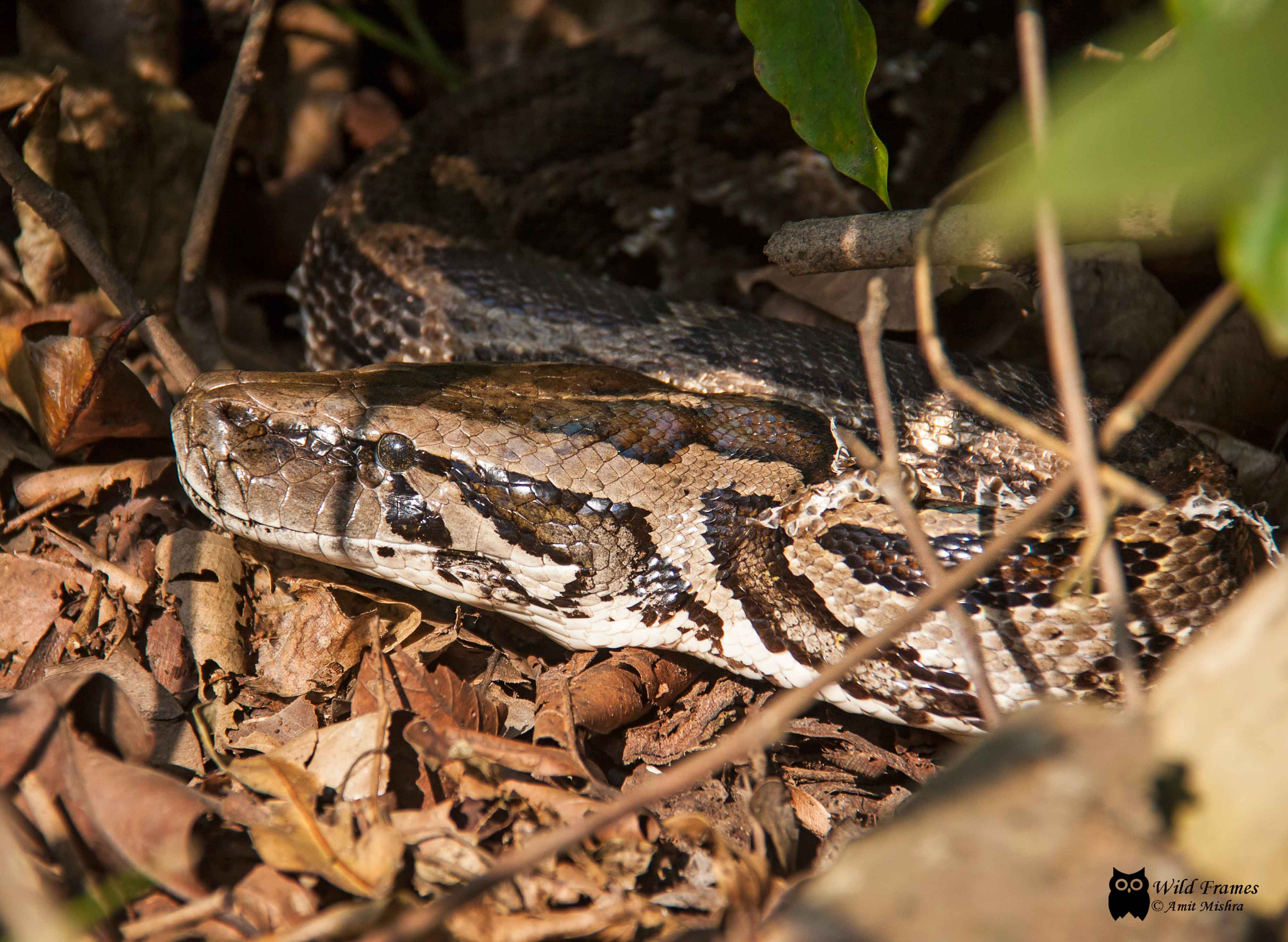 Photo Credit: Rodrigo.Argenton / Wikimedia Commons
In the heart of the Indian subcontinent, the Indian python, scientifically known as Python molurus, glides silently through the dense underbrush of its tropical habitat. Picture a sun-drenched jungle, where the air is thick with the scent of damp earth and vibrant foliage. Here, this magnificent serpent, with its striking patterns of yellow and brown, blends seamlessly into the dappled shadows, showcasing nature’s incredible artistry. With the ability to grow up to 20 feet long, the Indian python is not just one of the largest snakes in the world; it is also a master of camouflage, making it a fascinating subject for scientists and nature lovers alike.
What captivates observers about the Indian python is not just its size but its remarkable adaptations. This powerful constrictor has evolved to thrive in a variety of environments, from lush forests to open grasslands. As a nocturnal hunter, it comes alive under the cloak of darkness, using its keen senses to detect prey. The Indian python plays a vital role in its ecosystem, helping to maintain the balance of animal populations. With its impressive hunting skills and unique behaviors, this snake continues to intrigue researchers, who study its life cycle, diet, and interactions with other species. Join us as we explore the world of the Indian python, uncovering the secrets of its life and the challenges it faces in a rapidly changing environment.
The Indian python, a magnificent serpent found in the lush landscapes of the Indian subcontinent, holds a special place in the tree of life. This impressive reptile belongs to the kingdom Animalia, which encompasses all animals, and is classified under the phylum Chordata, indicating it has a backbone. As a member of the class Reptilia, it shares traits with other reptiles, such as scaly skin and cold-blooded metabolism. The Indian python is part of the order Squamata, which includes lizards and snakes, and it belongs to the family Pythonidae, known for its non-venomous constrictors. Its genus, Python, highlights its close relatives, showcasing the evolutionary connections that bind these fascinating reptiles together.
| Taxonomic Rank | Scientific Name | Meaning & Significance |
|---|---|---|
| Kingdom | Animalia | This name comes from the Latin word for “animal,” emphasizing that all members are living organisms that can move and respond to their environment. |
| Phylum | Chordata | Derived from the Greek word “chordē,” meaning “string,” this term refers to the notochord, a flexible rod that supports the body, found in all members during some stage of development. |
| Class | Reptilia | This classification comes from the Latin word “reptilis,” meaning “creeping,” which describes the way these animals move and their often ground-dwelling habits. |
| Order | Squamata | From the Latin “squamatus,” meaning “scaled,” this term highlights the scaly skin that is a defining feature of snakes and lizards. |
| Family | Pythonidae | This name is derived from the genus name “Python,” which is thought to come from the Greek mythological serpent, emphasizing the size and strength of these snakes. |
| Genus | Python | The name “Python” is linked to the legendary serpent in Greek mythology, symbolizing the powerful constricting ability of these snakes. |
Understanding the Indian python’s classification reveals much about its evolutionary journey. As a member of the Pythonidae family, it shares a lineage with other large constrictors, showcasing adaptations that have allowed these snakes to thrive in diverse environments. The Indian python’s ability to blend into its surroundings and its impressive hunting skills are traits that have evolved over millions of years, making it a successful predator. This classification not only highlights its biological connections but also underscores the intricate web of life that connects all species on our planet.
The Indian python, a member of the Pythonidae family, has a rich evolutionary history that stretches back millions of years. This lineage can be traced to the late Cretaceous period, around 100 million years ago, when the first snakes began to emerge. Over time, these early serpents adapted to various environments, leading to the diverse range of snakes we see today, including the Indian python.
Ancestral forms of the Indian python were likely smaller and more agile, resembling the early snakes that thrived in forested areas. As the climate and habitats changed, these snakes underwent significant evolutionary transitions. They developed larger bodies and powerful constricting abilities, allowing them to take down larger prey. This shift was crucial for survival, as it enabled them to exploit a wider range of food sources. The Indian python’s ability to thrive in both terrestrial and arboreal (tree-dwelling) environments also reflects its adaptability, showcasing a remarkable evolutionary journey.
These adaptations have been vital for the Indian python’s survival in the wild. Their impressive size and strength allow them to hunt effectively, while their camouflage helps them avoid detection by both prey and predators. The ability to sense heat gives them an edge in locating food, and their temperature regulation strategies enable them to inhabit diverse environments. Together, these traits illustrate the Indian python’s successful evolutionary path, making it a resilient and formidable predator in its ecosystem.
The Indian python is a stunning example of nature’s artistry, showcasing a body that is both powerful and graceful. With a length that can reach up to 20 feet, this snake is one of the largest in the world. Its robust, muscular form is designed for strength and flexibility, allowing it to navigate through dense forests and swamps with ease. The Indian python’s head is distinctively triangular, tapering into a long, slender neck, which leads to a thick body covered in beautiful patterns. These patterns not only add to its allure but also serve a vital purpose in its survival.
| Feature | Description |
|---|---|
| Size | Can grow up to 20 feet long |
| Color | Typically a mix of yellow, brown, and black, with intricate patterns |
| Skin Type | Covered in smooth, overlapping scales |
| Body Structure | Muscular and elongated, allowing for powerful movements |
The Indian python’s striking coloration and scale-covered skin play crucial roles in its survival. The patterns on its body act as camouflage, helping it blend seamlessly into the dappled light of its forest habitat. This stealthy appearance allows the python to ambush unsuspecting prey, which can include birds, mammals, and even larger animals. Its muscular build not only aids in constricting its catch but also enables it to navigate through various terrains, from thick underbrush to rocky outcrops. Together, these features make the Indian python a master of its environment, perfectly adapted to thrive in the wild.
The Indian python thrives in a variety of habitats across the Indian subcontinent, where it weaves through dense forests, swamps, and grasslands. Imagine a sun-dappled jungle, where the air is thick with the scent of wet earth and the sounds of chirping birds fill the canopy. Here, the Indian python can often be found coiled around tree branches or basking on warm rocks, blending seamlessly into its surroundings with its beautiful, patterned scales. This environment provides both shelter and hunting grounds, making it an ideal home for this magnificent snake.
The Indian python prefers warm, humid climates, which are essential for its survival. These snakes thrive in areas where temperatures range from 75 to 90 degrees Fahrenheit (24 to 32 degrees Celsius). They are often found near water sources, such as rivers and lakes, which provide hydration and a rich supply of prey. The lush vegetation in these regions offers excellent camouflage, allowing the python to ambush unsuspecting animals that wander too close.
Adaptation is key to the Indian python’s success in its diverse habitats. With its ability to remain motionless for long periods, it can effectively hunt by surprise, capturing prey with its powerful constricting grip. The python’s coloration, which varies from light yellow to dark brown, helps it blend into the forest floor or among the branches, making it a master of stealth. These adaptations not only enhance its hunting skills but also ensure it can thrive in the varied environments of the Indian subcontinent.
The Indian python leads a life that is both intriguing and essential to its survival. As a nocturnal creature, it comes alive under the cover of darkness, slithering through its habitat in search of food. During the day, it often finds a cozy spot to rest, coiled up in the shade of trees or hidden among rocks. When night falls, this magnificent snake embarks on its nightly hunt, using its keen sense of smell to detect prey. Its diet mainly consists of small mammals and birds, which it captures with a powerful constricting embrace.
While Indian pythons are primarily solitary, they do exhibit interesting social behaviors during the mating season. Males will often engage in a fascinating ritual of combat, where they wrestle each other to establish dominance and attract females. This display of strength is not just about winning a mate; it also showcases the health and vitality of the male. Outside of this breeding period, these pythons prefer to keep to themselves, enjoying the peace and quiet of their surroundings.
| Behavior Type | Description |
|---|---|
| Activity Patterns | Nocturnal hunting, resting during the day, and using camouflage to blend into surroundings. |
| Social Structure | Primarily solitary, with interactions mainly during mating season. |
| Communication Methods | Body language during mating rituals and scent marking to establish territory. |
These behaviors are crucial for the Indian python’s survival. By being nocturnal, it avoids the heat of the day and reduces the risk of predators. Its solitary nature allows it to conserve energy and remain undetected while hunting. The brief social interactions during mating season ensure genetic diversity, which is vital for the health of the population. Each aspect of its daily life is finely tuned to help this magnificent snake thrive in its environment.
The Indian python is an omnivorous predator, meaning it eats both plants and animals, but it primarily focuses on a diet rich in meat. This impressive snake has developed a variety of feeding behaviors that help it capture and consume its prey. With its keen sense of smell and excellent camouflage, the Indian python patiently waits for unsuspecting animals to wander too close. Once the moment is right, it strikes with incredible speed, using its powerful body to constrict and subdue its catch.
| Dietary Aspect | Details |
|---|---|
| Diet Type | Omnivore |
| Favorite Foods | Small deer, rabbits, mice, rats, and occasionally leopards |
| Prey Items | Small mammals and sometimes larger animals |
| Hunting Strategies | Ambush predator, using camouflage and patience to catch prey |
The diet of the Indian python plays a crucial role in its ecological niche. By preying on various small mammals, it helps control their populations, which in turn supports the balance of its habitat. This snake’s feeding habits also influence its daily routine, as it spends much of its time resting and conserving energy, only to become active during the night when it hunts. This nocturnal lifestyle allows the Indian python to thrive in its environment, showcasing the intricate connections between diet, behavior, and ecology in the natural world.
The Indian python’s mating season typically occurs during the warmer months, when temperatures rise and food becomes more abundant. During this time, males engage in a fascinating courtship ritual, which often involves wrestling with one another to establish dominance and attract females. Once a male successfully impresses a female, they mate, and the female will begin the process of developing her eggs. This breeding behavior is crucial for ensuring the continuation of their species in the wild.
| Reproductive Aspect | Details |
|---|---|
| Gestation Period | Approximately 60-90 days |
| Litter Size | 20-100 eggs |
| Age of Maturity | 2-3 years |
| Name of Young | Hatchling, snakelet |
After laying her eggs, the female Indian python exhibits remarkable parental care. She coils around her eggs to protect them from predators and to maintain a warm temperature, which is vital for the developing embryos. Once the eggs hatch, the young, known as hatchlings or snakelets, emerge fully formed and ready to face the world. They are independent from the moment they hatch, relying on their instincts to hunt and survive. As they grow, these young pythons will gradually develop into the impressive adults that roam their habitats, continuing the cycle of life in the wild.
The Indian python plays a crucial role in its ecosystem, sitting near the top of the food web as a formidable predator. This large snake helps control populations of various animals, including rodents and birds, which in turn supports the balance of its habitat. However, despite its impressive size and strength, the Indian python faces several dangers that threaten its survival.
To defend itself against these threats, the Indian python employs a range of survival strategies. When faced with danger, it can remain perfectly still, blending into its surroundings thanks to its camouflaged scales. This ability to hide helps it avoid detection by both predators and humans. Additionally, if threatened, the python can strike with incredible speed, using its powerful muscles to constrict and overpower its prey or potential threats. By adapting to its environment and using its natural instincts, the Indian python continues to navigate the challenges of its world.
A keystone species is a vital part of its ecosystem, one that has a disproportionately large impact on its environment relative to its abundance. The Indian python qualifies as a keystone species due to its role as a top predator in its habitat. By regulating the populations of various prey species, this magnificent snake helps maintain the balance of its ecosystem, ensuring that no single species dominates and that biodiversity thrives.
The Indian python’s ecological impact is profound. As a predator, it primarily feeds on mammals, birds, and reptiles, which helps control their populations. For instance, by preying on rodents, the Indian python reduces the number of these small mammals, which can otherwise overpopulate and lead to the depletion of vegetation. This balance is crucial, as too many rodents can damage crops and disrupt the local flora. Additionally, the python’s presence can influence the behavior of other animals, creating a ripple effect throughout the food web.
Moreover, the Indian python contributes to nutrient cycling in its environment. When it consumes prey, it helps break down organic matter, returning nutrients to the soil through its waste. This process supports plant growth, which in turn provides habitat and food for countless other species. The python’s role in the ecosystem is not just about predation; it also fosters a healthy environment for a diverse array of life.
If the Indian python were to disappear from its ecosystem, the consequences could be severe. Without this top predator, populations of small mammals like rodents could explode, leading to overgrazing and a decline in plant diversity. This imbalance would not only affect the plants but also the many species that rely on them for food and shelter. The loss of the Indian python would create a domino effect, disrupting the intricate web of life that depends on its presence, ultimately threatening the health of the entire ecosystem.
The Indian python is a key player in its ecosystem, acting as both predator and prey. This large snake helps maintain the balance of various animal populations, ensuring that no single species dominates the environment. By controlling the numbers of rodents and other small mammals, the Indian python indirectly supports the health of plant life, as fewer herbivores mean less overgrazing. This intricate web of interactions highlights the python’s ecological niche, where it thrives in the shadows of the Indian subcontinent’s diverse habitats.
| Ecosystem Service | Impact |
|---|---|
| Population Control | Regulates numbers of small mammals, preventing overpopulation. |
| Prey for Larger Predators | Serves as a food source for birds of prey and larger mammals. |
| Soil Health | Contributes to nutrient cycling through its predation and waste. |
| Habitat Structure | Influences the distribution of other species by its presence. |
The Indian python’s influence can be seen in various ways. For instance, by preying on rodents, it helps keep their populations in check, which in turn protects crops and other vegetation from being overbrowsed. Additionally, when the python consumes larger prey, it can affect the behavior and movement of those species, leading to changes in their habitats. This ripple effect showcases how the Indian python’s role extends beyond its immediate actions, impacting the entire ecosystem.
Understanding the broader ecological importance of the Indian python reveals its status as a keystone species. This means that its presence is crucial for maintaining the structure and health of its environment. Without the Indian python, the balance of predator and prey would be disrupted, potentially leading to overpopulation of certain species and a decline in biodiversity. By safeguarding this magnificent snake, we help protect the intricate web of life that thrives in its habitat, ensuring a vibrant ecosystem for generations to come.
In the intricate web of life, symbiosis plays a vital role in shaping the relationships between different species. Symbiosis refers to the close interactions between organisms, which can be beneficial, harmful, or neutral. These ecological relationships can take many forms, such as mutualism, where both species gain from the interaction, parasitism, where one benefits at the expense of the other, and commensalism, where one species benefits while the other is neither helped nor harmed. The Indian python, a magnificent serpent of the Indian subcontinent, engages in various symbiotic relationships that highlight the complexity of its ecosystem.
| Species/Type | Relationship Type | Description |
|---|---|---|
| Birds (e.g., Indian mynas) | Commensalism | These birds often follow Indian pythons to scavenge on the leftovers of their meals, benefiting from the snake’s hunting success without affecting the python. |
| Ticks | Parasitism | Ticks can latch onto Indian pythons, feeding on their blood. This relationship harms the python, as it can lead to health issues if the infestation is severe. |
| Small mammals (e.g., rodents) | Mutualism (indirect) | While not a direct partnership, the presence of small mammals in the ecosystem can help maintain a balanced food web, indirectly benefiting the python by ensuring a steady food supply. |
The evolution of these relationships is a testament to nature’s adaptability and resilience. Over time, species have developed ways to coexist, often leading to intricate dependencies that enhance survival. For the Indian python, these partnerships not only provide opportunities for feeding and reproduction but also contribute to the overall health of its habitat. By understanding these connections, we gain insight into the delicate balance of ecosystems and the importance of every species, no matter how small, in maintaining the harmony of life on Earth.
The Indian python is a captivating reptile that showcases the wonders of nature through its unique adaptations and behaviors. Here are some surprising facts that will intrigue both seasoned nature enthusiasts and curious young explorers alike.
The Indian python has long been intertwined with human culture and history, captivating the imagination of people across the Indian subcontinent. In ancient texts and folklore, this majestic snake is often depicted as a symbol of strength and mystery. Many cultures have revered the Indian python, associating it with deities and spiritual beliefs. Historical encounters between humans and these serpents have ranged from admiration to fear, as their impressive size and stealthy nature evoke both awe and caution.
Today, the relationship between Indian pythons and humanity is complex and multifaceted. While these snakes are often seen as a threat due to their size and predatory nature, they also play a crucial role in maintaining ecological balance. Conservation efforts are underway to protect their habitats, as urbanization and deforestation threaten their populations. However, conflicts can arise when pythons venture into human settlements in search of food, leading to misunderstandings and sometimes harmful encounters. In some regions, there are even attempts to domesticate or keep these snakes as exotic pets, which raises questions about their welfare and the ethics of such practices.
As we look to the future, the relationship between Indian pythons and humanity holds both challenges and opportunities. With increased awareness and education, there is potential for a more harmonious coexistence. By understanding the vital role these snakes play in their ecosystems, we can foster respect and appreciation rather than fear. Conservation efforts, combined with community engagement, can help ensure that Indian pythons continue to thrive alongside humans, enriching our shared environment for generations to come.
The Indian python is currently classified as Near Threatened, indicating that this magnificent snake faces significant challenges in its natural habitat. While exact population numbers are difficult to determine, experts believe that the population is decreasing. This decline is concerning, as it suggests that the Indian python’s future may be at risk if conservation efforts are not strengthened.
| Conservation Factor | Status/Details |
|---|---|
| IUCN Status | Near Threatened |
| Estimated Population Size | Unknown, but decreasing |
| Population Trend | Decreasing |
One of the main threats to the Indian python is habitat loss, primarily due to human activities such as deforestation and urbanization. As forests are cleared for agriculture and development, these snakes lose their homes and hunting grounds. Additionally, poaching poses a serious risk, as the skins of Indian pythons are highly valued in illegal wildlife trade. This combination of habitat destruction and illegal hunting has led to a worrying decline in their numbers.
Conservation efforts are underway to protect the Indian python and its habitat. Various organizations are working to raise awareness about the importance of this species and the ecosystems it supports. Protected areas are being established to safeguard their natural environments, and anti-poaching initiatives are being implemented to combat illegal hunting. With continued efforts and public support, there is hope that the Indian python can thrive once again in the wild, ensuring that future generations can marvel at its beauty and ecological significance.
| Question | Answer |
|---|---|
| What is the habitat of the Indian python? | The Indian python is commonly found in a variety of habitats, including forests, grasslands, and swamps. They prefer areas near water sources, such as rivers and lakes, where they can easily hunt and stay hydrated. |
| What does the Indian python eat? | As an omnivore, the Indian python has a diverse diet that includes small mammals, birds, and even reptiles. They are known for their ability to swallow prey whole, thanks to their flexible jaws. |
| How does the Indian python behave? | Indian pythons are primarily nocturnal, meaning they are most active at night. They are excellent climbers and swimmers, often using these skills to hunt or escape from predators. |
| How do Indian pythons reproduce? | During the breeding season, female Indian pythons lay between 20 to 100 eggs. After laying her eggs, the female coils around them to protect them and keeps them warm until they hatch, which can take about two to three months. |
| What are the threats to Indian pythons? | Indian pythons face several threats, including habitat loss due to deforestation and human encroachment. They are also hunted for their skin and are sometimes captured for the pet trade, which has contributed to their near-threatened status. |
| What are some interesting characteristics of the Indian python? | One fascinating feature of the Indian python is its ability to sense heat, which helps it locate warm-blooded prey. Additionally, they can grow quite large, with some individuals reaching lengths of over 20 feet! |
| How do Indian pythons adapt to their environment? | Indian pythons have several adaptations that help them survive, such as their camouflaged skin, which allows them to blend into their surroundings. This helps them ambush prey and avoid detection by predators. |