Taxonomy & Classification
- Kingdom
- Animalia
- Phylum
- Chordata
- Class
- Mammalia
- Order
- Carnivora
- Family
- Canidae
- Genus
- Canis
- Species
- Canis Lupus

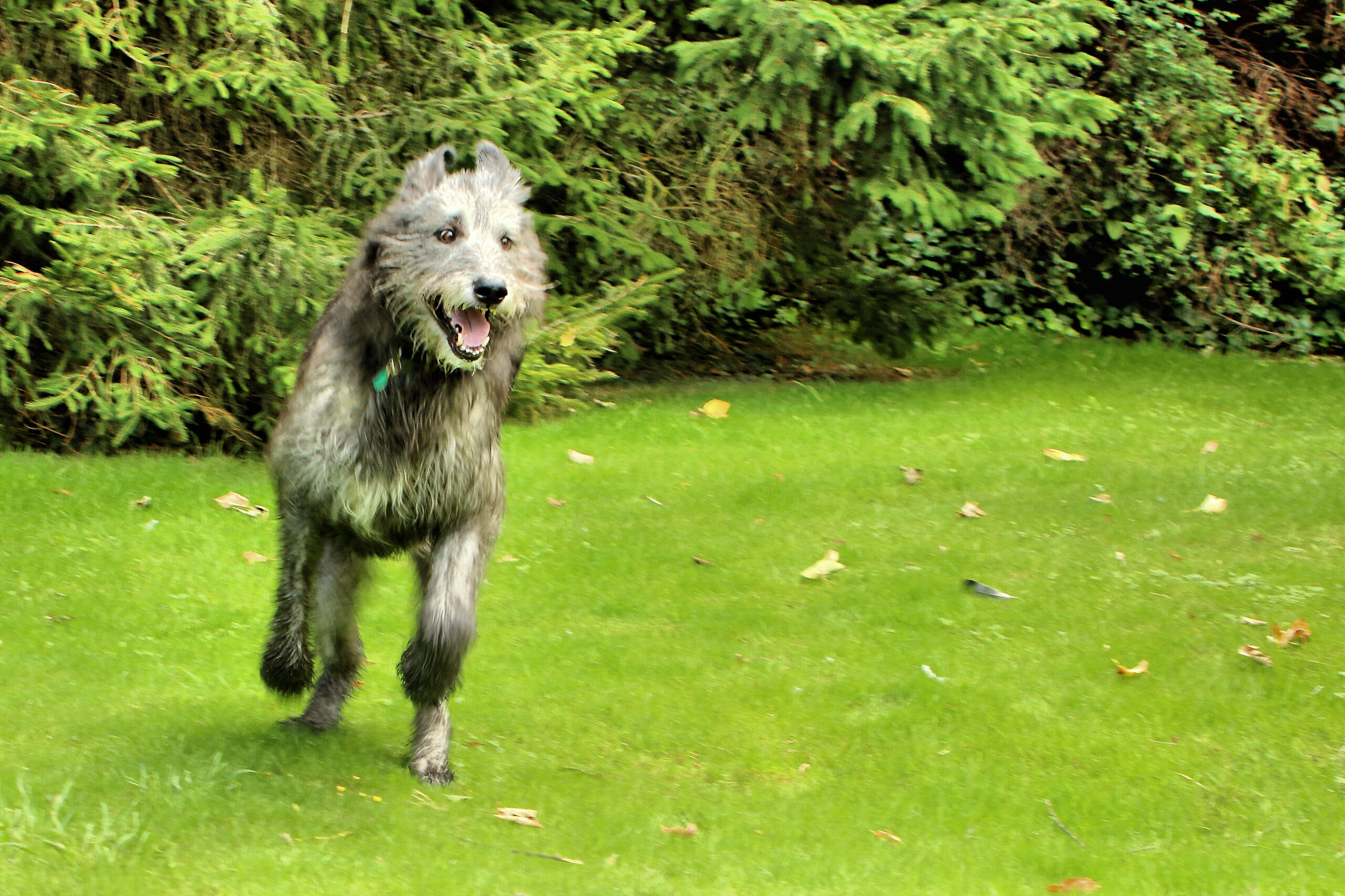 Photo Credit: Airwolfhound / Wikimedia
In the rolling green hills of Ireland, the Irish Wolfhound, or Canis lupus familiaris, stands as a majestic symbol of strength and grace. With its towering height and long, powerful body, this gentle giant captures the imagination of all who encounter it. Its shaggy coat, often a mix of gray, brindle, or fawn, sways softly in the breeze, blending seamlessly with the lush landscape. As the sun sets, casting a golden hue over the fields, the Irish Wolfhound can be seen galloping with effortless elegance, a sight that leaves both scientists and nature enthusiasts in awe.
What makes the Irish Wolfhound particularly captivating is not just its impressive stature but also its rich history and gentle demeanor. Once bred for hunting wolves, these dogs have evolved into loyal companions, known for their affectionate nature and calm temperament. Their keen intelligence and adaptability allow them to thrive in various environments, making them beloved pets around the world. As we explore the life of the Irish Wolfhound, we will uncover the secrets of its evolutionary journey, its role in the ecosystem, and the deep bond it shares with humans, revealing why this noble breed continues to enchant us today.
The Irish Wolfhound is a majestic breed that holds a special place in the animal kingdom. Taxonomically, it belongs to the Kingdom Animalia, which includes all animals, and it is classified under the Phylum Chordata, meaning it has a backbone. As a member of the Class Mammalia, it shares traits like warm-bloodedness and fur with other mammals. The Irish Wolfhound is part of the Order Carnivora, which includes meat-eating animals, and it falls under the Family Canidae, the group that encompasses dogs, wolves, and foxes. This breed is particularly notable for its impressive size and gentle temperament, making it a beloved companion and a symbol of nobility in Irish culture.
| Taxonomic Rank | Scientific Name | Meaning & Significance |
|---|---|---|
| Kingdom | Animalia | This name comes from the Latin word “animalis,” meaning “having breath” or “living.” It signifies all living creatures that breathe and move. |
| Phylum | Chordata | Derived from the Greek word “chordē,” meaning “string,” this term refers to animals with a notochord, a flexible rod that supports the body, which in vertebrates becomes the backbone. |
| Class | Mammalia | This name comes from the Latin “mamma,” meaning “breast.” It highlights the defining feature of mammals: females possess mammary glands that produce milk for their young. |
| Order | Carnivora | From the Latin “carnivorus,” meaning “meat-eating,” this classification includes animals that primarily consume meat, showcasing their adaptations for hunting. |
| Family | Canidae | This name is derived from the Latin “canis,” meaning “dog.” It encompasses all dog-like mammals, emphasizing their shared ancestry and characteristics. |
| Genus | Canis | Also from the Latin word for “dog,” this genus includes wolves, domestic dogs, and other closely related species, highlighting their evolutionary connections. |
| Species | Canis lupus familiaris | This scientific name indicates that the Irish Wolfhound is a domesticated subspecies of the gray wolf (Canis lupus), reflecting its lineage and domestication history. |
The classification of the Irish Wolfhound reveals much about its evolutionary journey. As a domesticated subspecies of the gray wolf, it shares a common ancestor with wild canids, showcasing the remarkable adaptability and bond between humans and dogs. This breed’s size and gentle nature reflect the selective breeding practices that have shaped it over centuries, emphasizing its role as a loyal companion and protector. Understanding its taxonomic position not only highlights its biological traits but also connects us to the rich tapestry of life on Earth, reminding us of the intricate relationships that exist within the animal kingdom.
The Irish Wolfhound’s evolutionary journey stretches back thousands of years, intertwining with the history of humans and the development of dog breeds. This noble giant is believed to have descended from ancient hunting dogs that roamed the British Isles and beyond. As humans began to settle and form communities, these early canines adapted alongside them, evolving traits that would make them invaluable companions and hunters.
The ancestors of the Irish Wolfhound were likely large, powerful dogs used for hunting wolves and other game. Over time, selective breeding emphasized size, strength, and a gentle temperament, leading to the breed we recognize today. These dogs were not just fierce hunters; they also became symbols of loyalty and nobility, often accompanying warriors into battle. The breed’s evolution was shaped by both natural selection, where the strongest and most capable survived, and artificial selection, where humans chose specific traits to enhance.
The adaptations of the Irish Wolfhound have played a crucial role in its survival and success as a breed. Their impressive size and strength allowed them to fulfill their original purpose as hunters, while their gentle disposition made them beloved family pets. As they evolved alongside humans, their ability to adapt to different environments and situations ensured they remained relevant and cherished companions throughout history. Today, the Irish Wolfhound stands as a testament to the bond between humans and dogs, showcasing how evolution can shape not just a species, but also its relationship with the world around it.
The Irish Wolfhound is an awe-inspiring sight, towering over many other dog breeds with its impressive stature. This gentle giant boasts a long, powerful body that is both graceful and muscular. Its height can reach up to 32 inches at the shoulder, giving it a commanding presence. With a deep chest and strong legs, the Irish Wolfhound is built for speed and endurance, making it a remarkable hunter and companion. Its noble head, adorned with a wiry coat, adds to its dignified appearance, while its expressive eyes reveal a kind and gentle spirit.
| Feature | Description |
|---|---|
| Weight | 54 kg (120 lbs) |
| Height | Up to 32 inches at the shoulder |
| Skin Type | Hair |
| Coat Texture | Wiry and rough |
| Color | Varies, including gray, brindle, red, and fawn |
These physical features work together to create a breed that is not only striking but also well-suited for its historical role as a hunter. The Irish Wolfhound’s long legs allow for swift movement across rugged terrain, while its deep chest provides ample lung capacity for stamina during long chases. The wiry coat helps protect it from harsh weather, making it resilient in various environments. Together, these characteristics make the Irish Wolfhound a perfect blend of beauty and functionality, embodying the spirit of a loyal companion and a skilled hunter.
The Irish Wolfhound, known for its towering height and gentle demeanor, typically calls the lush, rolling hills of Ireland its home. This breed thrives in open landscapes where it can roam freely, surrounded by green pastures and ancient stone walls. The picturesque countryside, dotted with quaint villages and rugged coastlines, provides the perfect backdrop for these noble dogs. Their history is deeply intertwined with the land, as they were originally bred to hunt wolves and protect livestock in these expansive terrains.
Irish Wolfhounds flourish in temperate climates, which means they enjoy mild weather without extreme heat or cold. They are well-suited to environments that offer a mix of sunshine and shade, allowing them to stay comfortable while they play or rest. These dogs appreciate a good amount of space to stretch their long legs, making open fields and parks ideal for their exercise needs. While they can adapt to various conditions, they prefer areas where they can enjoy the outdoors and engage in physical activity.
Over time, Irish Wolfhounds have adapted beautifully to their habitats. Their thick, wiry coats help protect them from the chill of the Irish winds and rain, while their strong, agile bodies are built for running across the countryside. These dogs have developed a keen sense of awareness, making them excellent guardians of their homes. Their gentle nature and loyalty to their families make them not just protectors but also beloved companions, perfectly suited to the landscapes they inhabit.
The daily life of an Irish Wolfhound is a blend of activity and relaxation, reflecting its noble heritage and gentle nature. These dogs typically start their day with a good stretch and a hearty breakfast, often followed by a leisurely walk. Their long legs allow them to cover ground quickly, making them excellent companions for outdoor adventures. Throughout the day, they enjoy periods of play, whether chasing a ball or simply frolicking in the yard. However, they also appreciate their downtime, often curling up in a cozy spot for a nap, recharging for the next round of fun.
Socially, Irish Wolfhounds are known for their friendly and affectionate demeanor. They thrive in family settings and often form strong bonds with their human companions. These dogs are not just solitary creatures; they enjoy the company of other pets and can be quite playful with them. Their gentle nature makes them excellent with children, and they often act as gentle giants, watching over the little ones with care. Communication among Irish Wolfhounds is subtle yet effective, relying on body language and soft vocalizations to express their feelings and needs.
| Behavior Type | Description |
|---|---|
| Activity Patterns | Irish Wolfhounds enjoy a mix of vigorous exercise and relaxation, requiring daily walks and playtime to stay healthy and happy. |
| Social Structure | These dogs are pack-oriented, thriving in family environments and forming strong bonds with both humans and other pets. |
| Communication Methods | They communicate through body language, such as wagging tails and relaxed postures, as well as soft barks and whines to express their needs. |
The behaviors of Irish Wolfhounds are not just charming; they play a crucial role in their survival and well-being. Their social nature helps them integrate into family life, ensuring they receive the love and attention they need. By engaging in regular exercise and play, they maintain their physical health, which is vital for a breed of their size. Their gentle communication style fosters strong relationships, allowing them to thrive in a supportive environment. In essence, these behaviors ensure that Irish Wolfhounds remain not only beloved companions but also healthy and happy members of the family.
The Irish Wolfhound is an omnivore, which means it enjoys a varied diet that includes both plant and animal foods. This breed has a hearty appetite and thrives on a balanced mix of proteins, carbohydrates, and fats. While they can eat a range of foods, their diet is often rich in meat, reflecting their historical role as hunters. These gentle giants are known for their strong jaws and keen sense of smell, which help them locate food in their environment.
| Dietary Aspect | Details |
|---|---|
| Diet Type | Omnivore |
| Favorite Foods | Meat, vegetables, grains |
| Prey Items | Small to medium-sized game, such as deer and rabbits |
| Hunting/Foraging Strategies | Utilizes speed and agility to chase prey; scavenges for food when necessary |
The diet of the Irish Wolfhound not only fuels its impressive size and strength but also shapes its daily activities and social interactions. As a breed that has historically hunted alongside humans, their ability to forage and adapt to different food sources has allowed them to thrive in various environments. This adaptability is key to their role in both wild and domestic settings, making them not just companions but also partners in the adventure of life.
The mating behavior of the Irish Wolfhound is as grand as the breed itself. These gentle giants typically breed once a year, with the breeding season occurring in the spring. During this time, males will often display their interest through playful antics and vocalizations, while females may exhibit changes in behavior, signaling their readiness to mate. This courtship dance is not just about attraction; it’s a vital part of ensuring the continuation of this noble breed.
| Reproductive Aspect | Details |
|---|---|
| Gestation Period | Approximately 63 days |
| Litter Size | Typically 6 to 8 puppies |
| Age of Maturity | About 18 to 24 months |
| Name of Young | Puppies |
Once the puppies are born, the Irish Wolfhound parents take their roles seriously. The mother, or dam, provides warmth and nourishment, nursing her young for about eight weeks. During this time, the puppies grow rapidly, developing their strength and social skills. The father, or sire, may not be as directly involved in nurturing, but he plays a crucial role in the family dynamic, often protecting the den and teaching the young about their environment. As the puppies mature, they begin to explore the world around them, learning from their parents and each other, eventually growing into the majestic adults they are destined to be.
The Irish Wolfhound, a noble giant of the canine world, occupies a unique position in the food web. While they are not apex predators, meaning they are not at the top of the food chain, they do play an important role as hunters and protectors. Their size and strength allow them to fend off smaller predators, but they still face threats from larger animals and human activities.
To survive these dangers, Irish Wolfhounds rely on their impressive speed and agility, which can help them escape from threats. They are also known for their keen senses, allowing them to detect danger from afar. Additionally, their strong social bonds with humans and other dogs provide a layer of protection, as they often work together to ward off potential threats. With their gentle nature and protective instincts, these magnificent dogs have developed a variety of strategies to navigate the challenges of their environment.
A keystone species is an organism that has a disproportionately large impact on its environment relative to its abundance. This means that if a keystone species were to disappear, the entire ecosystem could change dramatically. While the Irish Wolfhound is a magnificent breed known for its size and gentle nature, it does not qualify as a keystone species. Instead, it plays a more subtle role in its ecosystem, primarily as a companion animal and a part of human culture rather than a critical ecological player.
Irish Wolfhounds, with their impressive stature and friendly demeanor, have historically been used for hunting large game, such as deer and wolves. This hunting behavior helped regulate populations of these animals, which in turn affected the vegetation in their habitats. By keeping herbivore numbers in check, they indirectly supported the growth of various plant species, contributing to a balanced ecosystem. However, in modern times, their role has shifted more towards companionship, and they are less involved in hunting.
Despite their reduced ecological role today, Irish Wolfhounds still influence their surroundings in other ways. Their presence can encourage outdoor activities and promote a connection between humans and nature. Additionally, as they roam in open spaces, they can help disperse seeds through their fur and droppings, aiding in plant propagation. Their gentle nature also makes them excellent therapy dogs, fostering emotional well-being in people, which can lead to increased appreciation for wildlife and conservation efforts.
If Irish Wolfhounds were to disappear from our world, the effects would ripple through both human society and the ecosystems they inhabit. While they may not be a keystone species, their absence would still be felt. The loss of these gentle giants could lead to an increase in large herbivore populations, potentially resulting in overgrazing and a decline in plant diversity. Furthermore, the emotional support they provide to people would be sorely missed, diminishing the bond between humans and the natural world. In essence, while they may not hold the title of a keystone species, Irish Wolfhounds contribute to the fabric of our ecosystems and communities in meaningful ways.
The Irish Wolfhound plays a significant role in shaping its ecosystem, acting as a bridge between various species and their environments. As a large, omnivorous dog, it influences the balance of its habitat through its dietary habits and social interactions. By roaming the open landscapes of Ireland, these gentle giants help maintain the health of their surroundings, ensuring that both flora and fauna thrive. Their presence can affect the behavior of other animals, creating a dynamic interplay that supports biodiversity.
| Ecosystem Service | Impact |
|---|---|
| Predation | Helps control populations of smaller mammals, preventing overgrazing and promoting plant diversity. |
| Seed Dispersal | As they roam, they may inadvertently spread seeds through their fur or feces, aiding plant growth in new areas. |
| Soil Aeration | Their movement through the landscape can help aerate the soil, improving water absorption and nutrient availability for plants. |
| Social Structure | Influences the behavior of other species, including smaller predators and prey, creating a balanced ecosystem. |
The Irish Wolfhound’s impact on its environment can be seen in various ways. For instance, by preying on smaller mammals, they help keep these populations in check. This is crucial because if these animals were to multiply unchecked, they could overgraze vegetation, leading to habitat degradation. Additionally, as they wander through their territory, they may carry seeds from one place to another, promoting plant diversity and helping new growth flourish. Their large size and movement also contribute to soil health, allowing water and nutrients to penetrate deeper, which benefits the entire ecosystem.
The broader ecological importance of the Irish Wolfhound cannot be overstated. As a keystone species, their presence supports a web of life that includes plants, animals, and even microorganisms in the soil. If these magnificent dogs were to disappear, the balance of their ecosystem could be disrupted, leading to unforeseen consequences for many other species. By understanding the role of the Irish Wolfhound, we gain insight into the intricate connections that sustain our natural world, reminding us of the importance of every creature, no matter how large or small.
In the intricate web of life, symbiosis refers to the close interactions between different species, which can take many forms. These relationships can be mutualistic, where both species benefit, parasitic, where one benefits at the other’s expense, or commensal, where one benefits while the other is neither helped nor harmed. The Irish Wolfhound, with its gentle nature and impressive stature, engages in various ecological relationships that highlight the interconnectedness of life. Understanding these partnerships not only enriches our knowledge of the Irish Wolfhound but also reveals the delicate balance of ecosystems.
| Species/Type | Relationship Type | Description |
|---|---|---|
| Humans | Mutualistic | Irish Wolfhounds have been companions to humans for centuries, providing protection and companionship while receiving care and affection in return. |
| Small mammals (like rabbits) | Parasitic | While not a direct parasite, the hunting behavior of Irish Wolfhounds can impact small mammal populations, as they may hunt these animals for sport or food. |
| Birds (like crows) | Commensal | Birds may follow Irish Wolfhounds to scavenge leftovers from their meals, benefiting from the dog’s presence without affecting the dog. |
The evolution of these relationships showcases the adaptability and social nature of the Irish Wolfhound. Over time, these partnerships have developed as both the dogs and the species they interact with have adapted to their environments. The mutualistic bond with humans has been particularly significant, as it has shaped the breed’s role in society. Meanwhile, the interactions with other animals illustrate the dynamic nature of ecosystems, where each species plays a part in maintaining balance. By understanding these connections, we can appreciate not only the Irish Wolfhound but also the broader tapestry of life that surrounds us.
The Irish Wolfhound is not just a gentle giant; it is a breed steeped in history and unique traits that make it truly special. Here are some surprising facts that will intrigue nature enthusiasts of all ages.
The Irish Wolfhound has long been a symbol of strength and loyalty, deeply woven into the fabric of Irish culture and history. These magnificent dogs were once used as hunting companions, particularly for tracking down wolves and other large game. Their impressive size and keen instincts made them invaluable to ancient warriors and nobility. Over the centuries, the Irish Wolfhound has appeared in literature and folklore, often depicted as a noble guardian and a loyal friend. This cultural significance has helped to shape the breed’s identity, making it a cherished part of Ireland’s heritage.
Today, the relationship between Irish Wolfhounds and humans continues to evolve. As society shifts towards urban living, these gentle giants are often found in homes as beloved pets rather than working animals. While they are no longer used for hunting, their calm demeanor and affectionate nature make them excellent companions. However, challenges remain, such as ensuring their health and well-being in a domesticated environment. Responsible breeding practices and awareness of their specific needs are crucial for their conservation. Additionally, as more people become aware of the breed’s history, there is a growing interest in preserving their lineage and promoting their welfare.
As we look to the future, the bond between Irish Wolfhounds and humanity is likely to deepen. With increased awareness of their needs and the importance of responsible ownership, more people will appreciate these gentle giants. As they continue to capture hearts around the world, Irish Wolfhounds will remain not just companions but also ambassadors of their rich history and cultural significance. Together, humans and Irish Wolfhounds can forge a path that honors the past while embracing a harmonious future.
The Irish Wolfhound, a breed known for its towering height and gentle nature, currently holds a conservation status of “Not Listed” according to the International Union for Conservation of Nature (IUCN). This means that, as of now, there are no immediate threats to the population that would warrant special conservation measures. However, the overall population trends indicate a stable presence, with dedicated enthusiasts and breeders working to maintain the breed’s health and vitality.
| Conservation Factor | Status/Details |
|---|---|
| IUCN Status | Not Listed |
| Population Estimates | Stable, with no specific numbers available |
| Trend Direction | Stable |
Despite the current stability, the Irish Wolfhound faces several challenges that could impact its future. One of the main threats is the decline in breeding numbers, as fewer people are familiar with the breed and its needs. Additionally, health issues such as hip dysplasia and heart conditions can arise in large breeds, making responsible breeding practices essential. The loss of habitat and changes in lifestyle can also affect the breed’s ability to thrive, as they require space to roam and exercise.
Conservation efforts for the Irish Wolfhound focus on responsible breeding and education about the breed’s needs. Organizations dedicated to the breed work tirelessly to promote health screenings and responsible ownership. By raising awareness and encouraging best practices among breeders and owners, these groups aim to ensure that the Irish Wolfhound remains a cherished part of our lives for generations to come. With continued commitment, the outlook for this noble giant remains bright, allowing it to maintain its place in both our hearts and homes.
| Question | Answer |
|---|---|
| What is the habitat of the Irish Wolfhound? | Irish Wolfhounds are adaptable and can thrive in various environments, but they prefer open spaces where they can run and play. Originally bred in Ireland, they were used for hunting wolves and deer, so they enjoy areas with plenty of room to roam. |
| What do Irish Wolfhounds eat? | Irish Wolfhounds are omnivores, which means they eat both plants and animals. A balanced diet for them typically includes high-quality dog food, meat, vegetables, and grains to ensure they get all the nutrients they need to stay healthy. |
| What is the behavior of Irish Wolfhounds? | Irish Wolfhounds are known for their gentle and friendly nature. They are often described as calm and affectionate, making them great companions for families. Despite their large size, they are usually very good with children and other pets. |
| How do Irish Wolfhounds reproduce? | Like most dogs, Irish Wolfhounds reproduce through mating between a male and a female. The female typically has a litter of 6 to 8 puppies after a gestation period of about 63 days. The puppies grow quickly and are usually ready for adoption around 8 weeks old. |
| What threats do Irish Wolfhounds face? | While Irish Wolfhounds are not currently listed as endangered, they can face threats from health issues due to their large size, such as heart problems and bloat. Additionally, they may be at risk from overbreeding and loss of habitat, which can affect their quality of life. |
| What are some interesting characteristics of Irish Wolfhounds? | Irish Wolfhounds are one of the tallest dog breeds, often standing over 30 inches at the shoulder! They have a unique double coat that helps protect them from the elements, and their gentle demeanor makes them beloved by many dog lovers around the world. |
| How much exercise do Irish Wolfhounds need? | Irish Wolfhounds require regular exercise to stay healthy and happy. Daily walks and playtime in a secure area are essential, but they are not as high-energy as some other breeds, so moderate activity is usually sufficient to keep them fit. |