Taxonomy & Classification
- Kingdom
- Animalia
- Phylum
- Chordata
- Class
- Aves
- Order
- Ciconiiformes
- Family
- Ciconiidae
- Genus
- Jabiru
- Species
- Jabiru mycteria

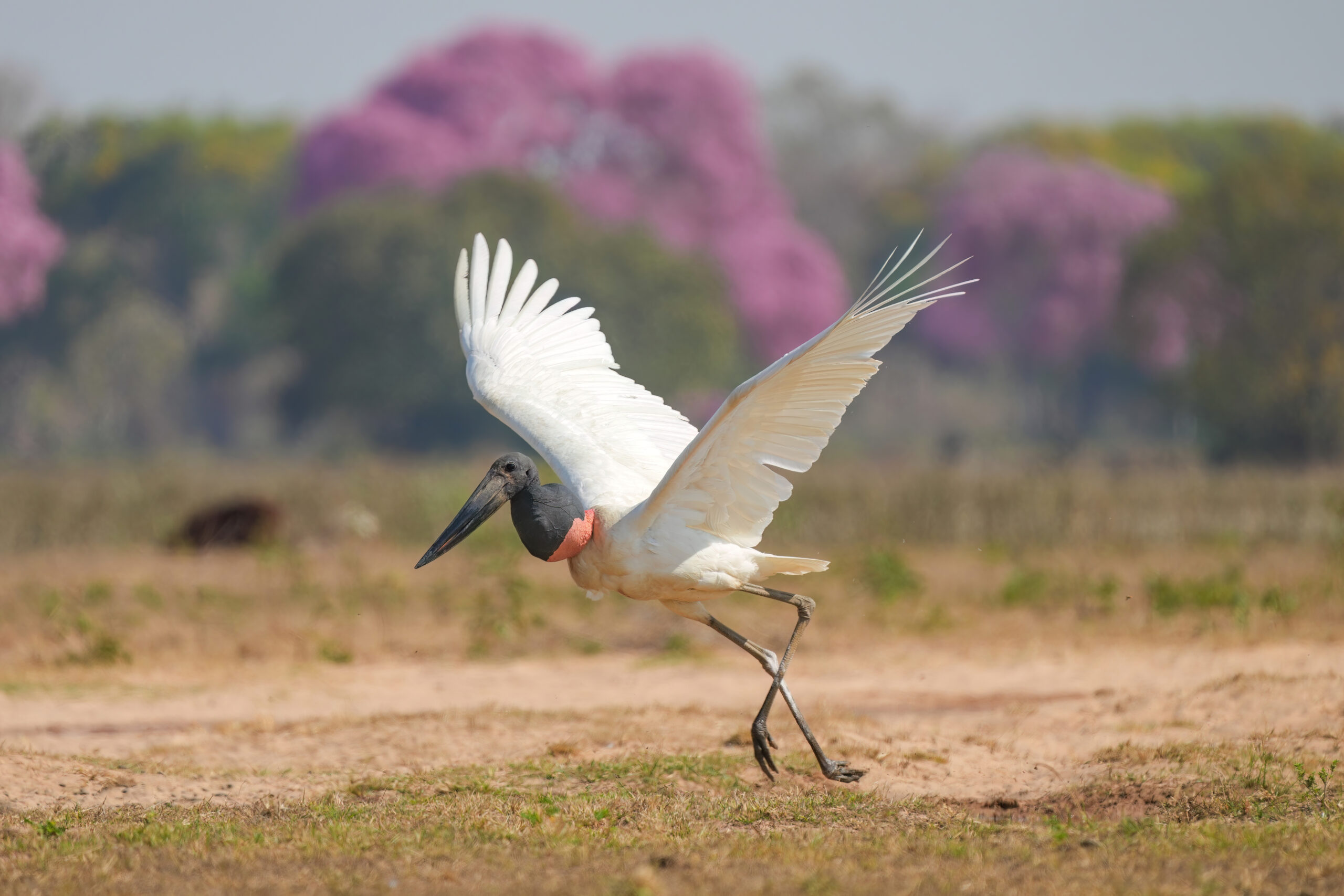 Photo Credit: Giles Laurent / Wikimedia Commons
In the heart of South America, the Jabiru, scientifically known as Jabiru mycteria, stands as a majestic sentinel of the wetlands. With its towering height, reaching up to five feet, and an impressive wingspan that can stretch nearly ten feet, this bird commands attention as it glides gracefully over shimmering lagoons and lush savannas. Its most distinctive feature is the striking red expandable throat pouch, which it uses during courtship displays, adding a splash of color to its already captivating presence. As the sun rises, the Jabiru wades through shallow waters, its long, slender legs perfectly adapted for hunting fish, frogs, and even snakes, making it a top predator in its ecosystem.
Scientists and nature enthusiasts alike are drawn to the Jabiru not just for its size and beauty, but also for its vital role in maintaining the balance of its habitat. This remarkable bird is a keystone species, meaning its presence significantly influences the environment and the other species that share its home. As it stalks through the wetlands, the Jabiru helps regulate populations of various animals, ensuring a healthy ecosystem. With its fascinating behaviors and adaptations, the Jabiru invites us to explore the intricate connections within nature, reminding us of the wonders that thrive in the wild.
The Jabiru, a striking bird known for its impressive stature and long, slender legs, occupies a fascinating position in the tree of life. Classified within the kingdom Animalia, it belongs to the phylum Chordata, which includes all animals with a backbone. As a member of the class Aves, or birds, the Jabiru is part of the order Ciconiiformes, which encompasses storks and herons. What sets the Jabiru apart is its remarkable size, often reaching heights of up to five feet, and its distinctive black and white plumage, making it a standout among its avian relatives.
| Taxonomic Rank | Scientific Name | Meaning & Significance |
|---|---|---|
| Kingdom | Animalia | This term means “animals” in Latin, highlighting the Jabiru’s classification as a living organism that consumes organic material. |
| Phylum | Chordata | Derived from the Greek word “chordē,” meaning “string,” this refers to the presence of a notochord, a flexible rod that supports the body, which all vertebrates, including the Jabiru, possess. |
| Class | Aves | This Latin word means “birds,” indicating the Jabiru’s feathered body and ability to fly, although it often prefers to wade in shallow waters. |
| Order | Ciconiiformes | From the Latin “ciconia,” meaning “stork,” this order includes birds that are typically long-legged and wading, like the Jabiru. |
| Family | Ciconiidae | This family name also comes from “ciconia,” emphasizing the Jabiru’s close relationship with storks and their shared characteristics. |
| Genus | Jabiru | The name “Jabiru” is derived from the Tupi-Guarani word for “swallow,” reflecting the bird’s long, graceful form and its habitat near water. |
Understanding the Jabiru’s classification reveals much about its evolutionary history. As a member of the Ciconiidae family, it shares a lineage with other wading birds that have adapted to similar environments. This connection highlights how species evolve traits that help them thrive in specific habitats, such as wetlands and marshes. The Jabiru’s impressive size and unique feeding habits, which include foraging for fish and amphibians, showcase the diverse adaptations that have emerged over millions of years. By studying its place in the tree of life, we gain insight into the intricate web of relationships that define the animal kingdom and the evolutionary processes that shape it.
The evolutionary journey of the Jabiru, a magnificent stork-like bird, stretches back millions of years, intertwining with the history of its ancestors. This bird belongs to the family Ciconiidae, which includes other storks, and its lineage can be traced through a complex web of evolutionary changes that began long before birds took to the skies. The Jabiru’s ancestors roamed the Earth during the age of dinosaurs, evolving through various adaptations that allowed them to thrive in diverse environments.
The Jabiru’s evolutionary story begins with its ancient relatives, the theropods, a group of bipedal dinosaurs that eventually gave rise to modern birds. Over time, these creatures developed key features that would shape their descendants. One major transition was the development of feathers, which not only provided insulation but also enabled flight. As these early birds adapted to different habitats, they evolved longer legs and beaks, traits that would become essential for wading through wetlands and catching fish.
The adaptations of the Jabiru have been crucial for its survival in the wild. Its long legs and strong beak enable it to navigate through wetlands and catch prey efficiently, while its impressive wingspan allows it to travel vast distances in search of food. These traits not only help the Jabiru find sustenance but also allow it to adapt to changing environments, ensuring its place in the intricate tapestry of life on Earth. As we observe this majestic bird today, we can appreciate the evolutionary legacy that has shaped it into the remarkable creature it is.
The Jabiru is a breathtaking sight, standing tall and proud with an impressive wingspan that can reach up to 10 feet. Its long, slender legs give it a graceful appearance as it wades through shallow waters in search of food. The bird’s striking silhouette is complemented by its striking features, including a prominent red expandable throat pouch that adds a splash of color to its otherwise elegant form. This pouch, which can puff up dramatically, is not just for show; it plays a vital role in communication and attracting mates.
| Feature | Description |
|---|---|
| Weight | 9.5 to 19.8 pounds |
| Skin Type | Feathers |
| Most Distinctive Feature | Red expandable throat pouch |
The Jabiru’s features work together beautifully to enhance its survival in the wild. Its lightweight feathers allow for effortless flight, while its long legs enable it to navigate through wetlands with ease. The red throat pouch serves multiple purposes, from attracting potential mates to signaling other Jabirus during courtship displays. Together, these characteristics not only make the Jabiru a stunning bird to observe but also equip it with the tools necessary to thrive in its natural habitat.
The Jabiru thrives in a variety of vibrant habitats that paint a picture of nature’s beauty. Imagine vast savannas where golden grasses sway in the breeze, coastal lagoons shimmering under the sun, lush rainforests teeming with life, and tranquil marshes filled with rich vegetation. These diverse environments provide the perfect backdrop for this magnificent bird, allowing it to hunt, nest, and flourish.
To thrive, the Jabiru requires specific climate and environmental conditions. It prefers warm, tropical climates where temperatures are generally mild to hot. These areas often experience seasonal rains, creating the shallow waters that the Jabiru loves. The wetlands and marshes are crucial, as they provide abundant food sources like fish, frogs, and insects, which are essential for its diet.
Adaptation is key to the Jabiru’s success in these habitats. With its long legs, it can wade through shallow waters to hunt for food, while its impressive wingspan allows it to soar gracefully above the landscape. The Jabiru has also developed a keen sense of sight, enabling it to spot prey from great distances. These adaptations not only help it survive but also make it a striking presence in the ecosystems it calls home.
As the sun rises over the wetlands, the Jabiru begins its day with a series of purposeful activities. These magnificent birds are diurnal, meaning they are most active during the day. Early in the morning, you might see them wading through shallow waters, using their long, pointed bills to probe for fish, frogs, and other tasty treats. As the sun climbs higher, they often take to the skies, soaring gracefully on thermal updrafts, which are columns of warm air that help them glide effortlessly. Throughout the day, they engage in preening, a behavior where they clean and arrange their feathers, ensuring they remain waterproof and insulated.
Jabirus are social birds, often found in groups that can range from a few individuals to larger flocks. Their social behavior is fascinating, as they communicate through a variety of vocalizations and body language. You might hear a series of honks or clattering sounds as they interact with one another. These vocalizations help maintain group cohesion and establish social hierarchies. Within these groups, Jabirus often engage in cooperative foraging, where they work together to locate food sources. This teamwork not only enhances their foraging success but also strengthens their social bonds.
| Behavior Type | Description |
|---|---|
| Activity Patterns | Diurnal foraging, wading in shallow waters, and soaring in the sky. |
| Social Structure | Live in groups, often cooperating during feeding and maintaining social hierarchies. |
| Communication Methods | Vocalizations like honks and clattering sounds, along with body language. |
The behaviors of the Jabiru are not just fascinating; they are essential for survival. By foraging in groups, they increase their chances of finding food, while their social interactions help them establish strong connections within their communities. This social structure is vital, especially in the face of environmental challenges. The Jabiru’s ability to communicate and work together ensures that they thrive in their diverse habitats, making them a true symbol of resilience in the natural world.
The Jabiru is a carnivore, which means it primarily eats meat. This impressive bird has a varied diet that includes fish, snakes, reptiles, frogs, fresh carrion, and even insects. With its long, sharp bill, the Jabiru is well-equipped to hunt and forage for food in its wetland habitats. It often wades through shallow waters, using its keen eyesight to spot potential prey. When it finds something tasty, it strikes quickly, snatching up its meal with precision.
| Dietary Aspect | Details |
|---|---|
| Diet Type | Carnivore |
| Favorite Foods | Fish, snakes, reptiles, frogs, fresh carrion, insects, and other invertebrates |
| Prey Items | Fish, snakes, frogs, and various invertebrates |
| Hunting/Foraging Strategies | Wades through shallow waters, using keen eyesight to spot prey and striking quickly with its bill |
The Jabiru’s diet plays a crucial role in its ecology and daily routine. By feeding on a variety of prey, it helps maintain the balance of its wetland ecosystem. This bird not only controls populations of smaller animals but also contributes to the nutrient cycle by consuming carrion. Its foraging habits influence where it spends its time, often leading it to areas rich in food sources. As a result, the Jabiru is not just a magnificent sight in the sky; it is also a vital player in the health of its environment.
During the breeding season, Jabirus engage in elaborate courtship displays that are as captivating as they are essential for attracting mates. These displays often include synchronized flying and intricate dances, showcasing their strength and agility. The breeding season typically occurs during the wet months when food is abundant, allowing the birds to find the resources they need to raise their young successfully. Once paired, the male and female work together to build a large nest, usually located in tall trees or on platforms above water, providing safety for their future hatchlings.
| Reproductive Aspect | Details |
|---|---|
| Gestation Period | Approximately 30 days |
| Litter Size | 2 to 5 eggs |
| Age of Maturity | About 3 to 4 years |
| Name of Young | Hatchlings |
Once the eggs hatch, the parents are dedicated caregivers. Both the male and female take turns incubating the eggs and later feeding the hatchlings. These young birds are initially helpless, relying entirely on their parents for warmth and nourishment. As they grow, they develop their feathers and learn to fly, gradually gaining independence. The nurturing environment provided by their parents is crucial for their survival, helping them transition from vulnerable hatchlings to strong, capable adults ready to take on the world.
The Jabiru holds a vital role in its ecosystem, often seen as a top predator in its wetland habitats. With its impressive size and hunting skills, it helps maintain the balance of the food web by controlling populations of fish, frogs, and other small animals. However, this majestic bird faces several dangers that threaten its survival.
To defend itself against these threats, the Jabiru employs a variety of survival strategies. It often chooses remote and less disturbed areas for nesting, which helps protect its young from predators and human interference. Additionally, its large size and intimidating presence can deter potential threats. When faced with danger, Jabirus may also use their powerful wings to take flight quickly, escaping to safer locations. By adapting to their environment and being cautious, these remarkable birds continue to thrive despite the challenges they encounter.
A keystone species is an organism that plays a critical role in maintaining the structure of its ecosystem. Its presence and activities significantly influence the environment and the other species that inhabit it. The Jabiru, with its impressive size and predatory habits, qualifies as a keystone species in its wetland habitats. By regulating populations of various prey and influencing the dynamics of the ecosystem, the Jabiru helps maintain a delicate balance that supports a diverse array of life.
The Jabiru’s ecological impact is profound. As a carnivore, it primarily feeds on fish, snakes, frogs, and even carrion. By preying on these animals, the Jabiru helps control their populations, preventing any one species from becoming too dominant. For instance, if fish populations were to explode unchecked, they could overconsume aquatic plants, leading to habitat degradation. The Jabiru’s hunting habits ensure that these populations remain in check, promoting a healthier ecosystem.
Moreover, the Jabiru’s foraging behavior contributes to nutrient cycling. As it wades through wetlands, it stirs up sediment, which can release nutrients into the water. This process supports the growth of aquatic plants, which are essential for providing oxygen and habitat for other species. Additionally, the Jabiru often nests in colonies, which can create a unique microhabitat that benefits various other birds and animals, fostering biodiversity in the area.
If the Jabiru were to disappear from its habitat, the consequences could be severe. Without this majestic bird, fish and amphibian populations might surge, leading to overgrazing of aquatic vegetation. This imbalance could result in a decline in water quality and a loss of habitat for other species. The intricate web of life that relies on the Jabiru would unravel, highlighting just how vital this bird is to the health of its ecosystem. The absence of the Jabiru would not only diminish the beauty of the wetlands but also threaten the survival of many other organisms that depend on this delicate balance.
The Jabiru, a magnificent bird often found in wetlands and savannas, plays a crucial role in shaping its ecosystem. As a top predator, it helps regulate populations of various species, ensuring a balanced environment. By wading through shallow waters and marshes, the Jabiru forages for food, influencing the distribution of aquatic life. Its presence in these habitats not only supports biodiversity but also contributes to the health of the ecosystems it inhabits.
| Ecosystem Service | Impact |
|---|---|
| Predation | Controls populations of fish, frogs, and other small animals, preventing overpopulation. |
| Nutrient Cycling | Through its feeding habits, the Jabiru helps recycle nutrients back into the ecosystem. |
| Habitat Maintenance | By foraging, it influences the growth of aquatic plants, which provide shelter for other species. |
| Seed Dispersal | As it moves through its habitat, the Jabiru can inadvertently spread seeds, promoting plant diversity. |
The Jabiru’s influence is evident in various ways. For instance, when it hunts for fish or frogs, it stirs up the sediment in the water, which can help aerate the soil and promote the growth of aquatic plants. These plants, in turn, provide essential habitats for countless other species, from tiny insects to larger mammals. Additionally, the Jabiru’s feeding habits can help control the populations of certain fish species, ensuring that no single species dominates the ecosystem.
The broader ecological importance of the Jabiru cannot be overstated. As a keystone species, its activities have a ripple effect throughout its environment. By maintaining the balance of predator and prey, the Jabiru supports a diverse array of life forms. This interconnectedness highlights the delicate web of life in which every species, including the Jabiru, plays a vital role. Protecting such species is essential for preserving the health and resilience of our planet’s ecosystems.
In the intricate web of life, symbiosis refers to the close and often long-term interactions between different species. These relationships can take many forms, including mutualism, where both species benefit, parasitism, where one benefits at the expense of the other, and commensalism, where one benefits while the other is neither helped nor harmed. The Jabiru, a magnificent bird known for its impressive stature, engages in various ecological relationships that highlight the interconnectedness of nature.
| Species/Type | Relationship Type | Description |
|---|---|---|
| Fish | Mutualistic | The Jabiru often feeds on fish in shallow waters. As it stirs up the sediment while wading, it helps fish find food, while benefiting from the easy catch. |
| Insects | Commensal | Insects may be found on the Jabiru’s feathers. While the insects gain a ride and access to new feeding grounds, the Jabiru is largely unaffected. |
| Waterbirds | Mutualistic | Jabirus often share feeding grounds with other waterbirds. They help flush out prey, making it easier for all birds to catch food, benefiting the entire group. |
These relationships have evolved over time, shaped by the needs and behaviors of the species involved. The Jabiru’s interactions with fish and other birds illustrate how cooperation can enhance survival. By working together, these species not only improve their chances of finding food but also contribute to the health of their ecosystems. Such partnerships remind us that in nature, collaboration often leads to greater success for all involved.
The Jabiru is a captivating bird that stands out not just for its size but also for its intriguing behaviors and adaptations. Here are some surprising facts that will surely pique the interest of nature enthusiasts.
The Jabiru, a majestic bird often seen wading through wetlands, has a rich history intertwined with human culture. Indigenous peoples of South America have long revered this striking creature, viewing it as a symbol of strength and resilience. In various myths and stories, the Jabiru represents the connection between the earth and the sky, embodying the spirit of the wetlands. Historical encounters between humans and Jabirus have often been marked by admiration, as these birds are not only visually stunning but also play a vital role in their ecosystems.
Today, the relationship between Jabirus and humanity is complex and multifaceted. As urban development encroaches on their natural habitats, these birds face challenges that threaten their survival. Conservation efforts are underway to protect their wetland environments, which are crucial for their breeding and feeding. However, conflicts can arise when Jabirus forage in agricultural areas, leading to tensions with farmers. While domestication is not a part of the Jabiru’s story, their presence in human-dominated landscapes highlights the need for coexistence and understanding.
As we look to the future, the relationship between Jabirus and humanity holds both promise and challenges. With increased awareness and proactive conservation efforts, there is hope for a harmonious coexistence. By valuing the Jabiru not just as a beautiful bird but as a vital part of our ecosystems, we can work together to ensure that these magnificent creatures continue to thrive alongside us. The journey ahead will require collaboration, respect, and a shared commitment to preserving the natural world for generations to come.
The Jabiru, a magnificent bird known for its towering height and striking appearance, currently holds a conservation status of “Least Concern.” This means that, as of now, the species is not considered at immediate risk of extinction. Population estimates for Jabirus range between 20,000 and 85,000 individuals, indicating a relatively stable presence in their natural habitats. However, ongoing monitoring is essential to ensure that these numbers remain healthy and that the species continues to thrive.
| Conservation Factor | Status/Details |
|---|---|
| IUCN Status | Least Concern |
| Estimated Population Size | 20,000 to 85,000 |
| Population Trend | Stable |
Despite their current stable status, Jabirus face several threats that could impact their future. Habitat loss is a significant concern, as wetlands and savannas are often drained for agriculture or urban development. Pollution from agricultural runoff can also harm their food sources, while climate change poses a long-term risk by altering their habitats and food availability. These challenges highlight the importance of protecting the ecosystems where Jabirus thrive.
Conservation efforts are underway to safeguard the Jabiru and its habitats. Organizations and local communities are working together to preserve wetlands and promote sustainable land use practices. Education and awareness campaigns help people understand the importance of these birds and their ecosystems. With continued efforts, the outlook for the Jabiru remains hopeful, ensuring that future generations can enjoy the sight of this majestic bird soaring through the skies.
| Question | Answer |
|---|---|
| What is the habitat of the Jabiru? | Jabirus are found in a variety of habitats, including savannas, coastal lagoons, rainforests, and marshes. They prefer areas with shallow water where they can hunt for food and build their nests. |
| What does a Jabiru eat? | As carnivores, Jabirus primarily feed on fish, frogs, and small reptiles. They use their long, sharp beaks to catch prey in the water, making them skilled hunters. |
| How do Jabirus behave in the wild? | Jabirus are known for their solitary or pair-living habits. They are often seen wading through shallow waters, using their keen eyesight to spot food. During breeding season, they may gather in small groups to display their courtship behaviors. |
| How do Jabirus reproduce? | Jabirus typically mate for life and build large nests made of sticks and reeds. The female usually lays two to four eggs, which both parents help incubate until they hatch, usually after about 30 days. |
| What threats do Jabirus face? | While Jabirus are currently classified as Least Concern, they still face threats from habitat destruction and pollution. Wetland drainage for agriculture and urban development can reduce their nesting and feeding areas. |
| What is a unique characteristic of the Jabiru? | One of the most distinctive features of the Jabiru is its large, red expandable throat pouch. This pouch can be inflated during courtship displays, making them even more impressive to potential mates. |
| Where can I find Jabirus in the wild? | Jabirus are primarily found in parts of Central and South America, including countries like Brazil, Argentina, and Paraguay. They thrive in wetlands and areas with abundant water sources. |