Taxonomy & Classification
- Kingdom
- Animalia
- Phylum
- Chordata
- Class
- Mammalia
- Order
- Carnivora
- Family
- Canidae
- Genus
- Canis
- Species
- Canis Aureus

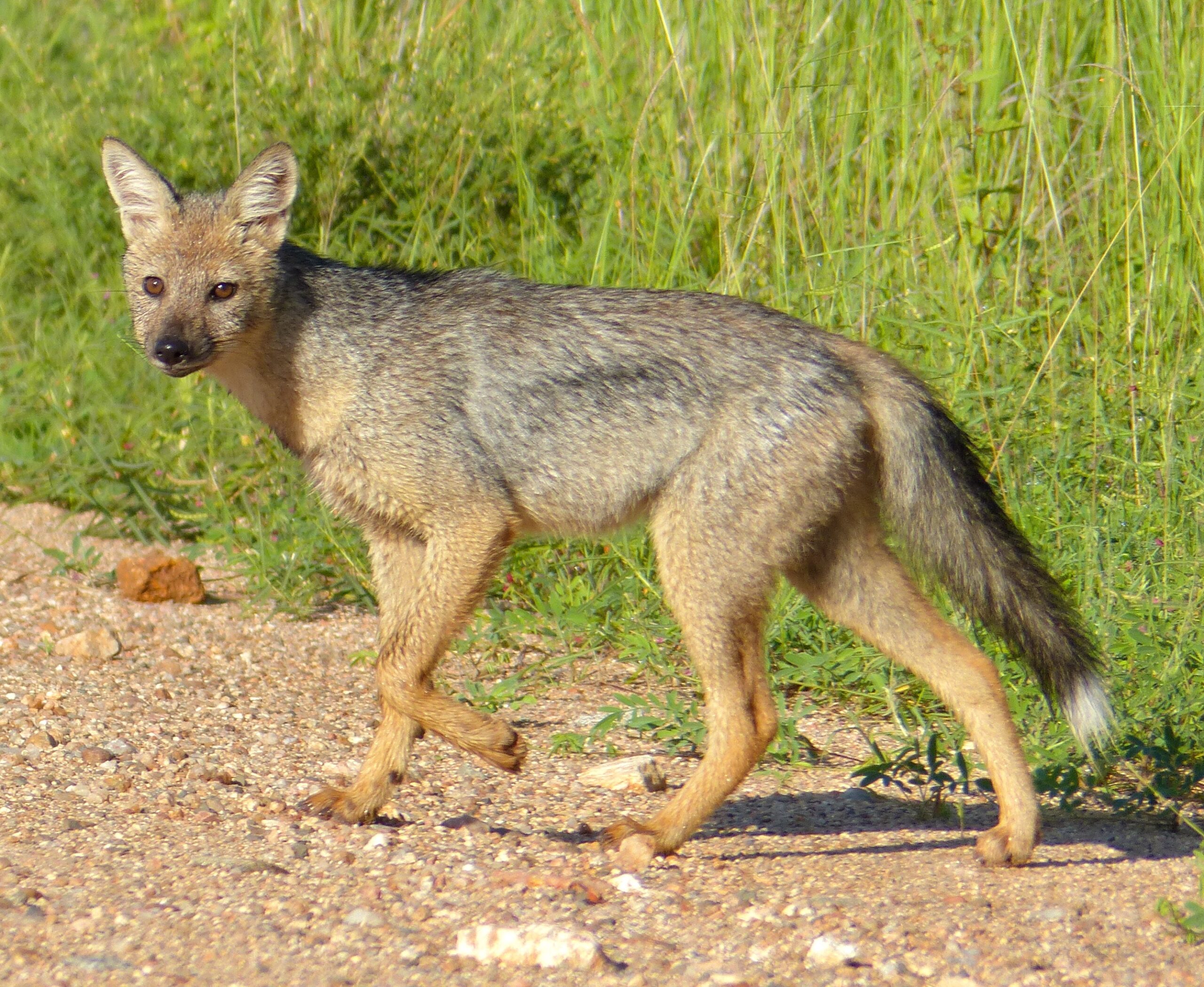 Photo Credit: Bernard DUPONT from FRANCE / Wikimedia
In the golden light of dawn, the jackal, known scientifically as Canis aureus, emerges from the shadows of the savanna. With its sleek, agile body and strikingly pointed ears, this clever canid is a master of its environment. The jackal’s fur, a blend of tawny and gray, allows it to blend seamlessly into the dry grasslands and sparse woodlands where it roams. As it trots gracefully across the landscape, its keen eyes scan for movement, showcasing its role as both a predator and a scavenger. This adaptability is what captivates scientists and nature enthusiasts alike, as the jackal thrives in diverse habitats, from arid deserts to lush wetlands.
As the sun rises higher, the jackal’s day begins in earnest. It joins its pack, a tight-knit family unit that communicates through a series of howls and yips, echoing across the plains. These vocalizations not only strengthen social bonds but also serve as a way to mark territory. Jackals are opportunistic feeders, meaning they eat whatever is available, from small mammals to fruits and insects. This resourcefulness highlights their intelligence and adaptability, traits that have allowed them to survive and flourish in a variety of ecosystems. Join us as we delve deeper into the world of the jackal, exploring its behavior, diet, and the vital role it plays in the intricate web of life.
Jackals are intriguing members of the animal kingdom, sitting comfortably within the family Canidae, which includes dogs, wolves, and foxes. These clever and adaptable mammals belong to the genus Canis, which is Latin for “dog.” What sets jackals apart is their remarkable ability to thrive in diverse habitats, from savannas to deserts. Their keen senses and social structures allow them to hunt effectively, often in pairs or small groups, showcasing their intelligence and adaptability.
| Taxonomic Rank | Scientific Name | Meaning & Significance |
|---|---|---|
| Kingdom | Animalia | This name signifies that jackals are part of the vast group of multicellular organisms that are primarily heterotrophic, meaning they consume other organisms for energy. |
| Phylum | Chordata | Chordata refers to animals that have a notochord, a flexible rod that supports the body. In jackals, this structure is present during their early development, highlighting their place in the animal kingdom. |
| Class | Mammalia | Mammalia indicates that jackals are warm-blooded animals with fur or hair and mammary glands, which allow females to nurse their young. This class is known for its diverse adaptations and social behaviors. |
| Order | Carnivora | Carnivora, meaning “meat-eaters,” includes jackals and their relatives, who have evolved sharp teeth and claws for hunting and consuming other animals. |
| Family | Canidae | The name Canidae comes from the Latin word “canis,” meaning dog. This family is characterized by their social structures and hunting strategies, which jackals exemplify through their pack behavior. |
| Genus | Canis | Canis, the Latin word for dog, reflects the close relationship jackals have with domestic dogs and wolves, sharing many physical and behavioral traits. |
Understanding where jackals fit in the tree of life reveals much about their evolutionary journey. As members of the Canidae family, they share a common ancestor with wolves and domestic dogs, which helps explain their social behaviors and hunting techniques. Their classification highlights their adaptability and resilience, traits that have allowed them to thrive in various environments across Africa and Asia. By studying jackals, we gain insight into the complex web of life and the evolutionary processes that shape the animal kingdom.
The evolutionary journey of jackals stretches back millions of years, intertwining with the history of the Canidae family, which includes dogs, wolves, and foxes. This timeline reveals a fascinating story of adaptation and survival, as these cunning animals evolved to thrive in diverse environments across Africa and parts of Asia. The ancestors of modern jackals began to diverge from other canids around 6 to 8 million years ago, setting the stage for their unique adaptations.
Early canids were small, agile hunters that roamed the open landscapes of prehistoric Earth. Over time, these ancestors adapted to various ecological niches, leading to the emergence of distinct species. The jackal lineage branched off from other canids, developing traits that allowed them to exploit a wide range of food sources. This adaptability was crucial as they faced changing climates and shifting habitats. As they evolved, jackals became more social, often forming small packs that enhanced their hunting efficiency and survival rates.
These evolutionary adaptations have played a crucial role in the survival of jackals. Their versatile diet allows them to thrive in environments where food sources may be scarce, while their social structures enhance their hunting success. The ability to communicate effectively and adapt to various habitats further ensures their resilience in the face of environmental changes. As a result, jackals continue to flourish, showcasing the power of evolution in shaping life on our planet.
The jackal presents a striking silhouette against the backdrop of its savanna home. With a lean, agile body, it stands about knee-high to a human, showcasing a blend of elegance and strength. Its long legs are built for speed, allowing it to dart across the landscape with ease. The jackal’s head is narrow and elongated, featuring large, pointed ears that swivel independently, picking up even the faintest sounds. This keen sense of hearing is essential for locating prey and communicating with other jackals.
| Feature | Description |
|---|---|
| Weight | 6.8-11 kg (15-24 lbs) |
| Skin Type | Fur |
| Color | Typically a mix of golden-brown, black, and white |
| Body Structure | Lean and agile with long legs |
| Ears | Large and pointed, excellent for hearing |
These physical traits are not just for show; they play vital roles in the jackal’s survival. The lightweight body allows for quick movements, essential for chasing down small animals or escaping predators. The fur, often patterned in earthy tones, provides excellent camouflage in the wild, helping them blend into their surroundings while stalking prey. Their large ears enhance their ability to detect sounds, making them skilled hunters and communicators. Together, these features create a well-adapted animal, perfectly suited for life in diverse environments.
The jackal thrives in a variety of habitats, painting a vivid picture of life in the wild. Picture vast grass plains stretching under a brilliant blue sky, dotted with patches of dry woodland. These open spaces provide the perfect stage for the jackal’s keen senses and agile movements. The tall grasses sway gently in the breeze, offering both cover and a hunting ground for this clever animal. In the dappled shade of trees, jackals find refuge from the sun, creating a balance between open land and sheltered areas.
Jackals are well-suited to warm climates, often found in regions where temperatures can soar during the day. They prefer areas with low rainfall, which helps maintain the dry conditions they thrive in. These adaptable animals can handle a range of temperatures, but they are most comfortable in environments that offer both sun and shade. The grasslands and woodlands provide a mix of open space for hunting and cover for resting, making it an ideal setting for their lifestyle.
To survive in these habitats, jackals have developed several clever adaptations. Their keen eyesight and acute sense of hearing allow them to detect prey from a distance, while their slender bodies enable them to navigate through tall grasses with ease. Jackals are also opportunistic feeders, meaning they will eat whatever is available, from small mammals to fruits and carrion. This flexibility in diet helps them thrive in environments where food sources can vary greatly. Their ability to adapt to both open plains and wooded areas showcases their resourcefulness in the wild.
Jackals lead a dynamic daily life that revolves around their pack structure and the search for food. As dawn breaks, these clever animals begin their day, often engaging in a chorus of howls that echo across the landscape. This vocalization serves multiple purposes, from marking territory to coordinating group activities. Throughout the day, jackals are busy foraging for food, which can include small mammals, birds, and even scavenging from larger predators. Their keen senses help them locate meals, and they often work together to increase their chances of success.
Social behavior is a cornerstone of jackal life. Living in packs, these animals exhibit strong bonds and cooperative behaviors. They communicate through a variety of sounds, body language, and even scent marking, which helps maintain their social structure. Within the pack, there is a hierarchy, with dominant individuals leading the group. This social organization not only aids in hunting but also provides protection against threats. Jackals are known to engage in playful interactions, strengthening their relationships and ensuring a cohesive unit.
| Behavior Type | Description |
|---|---|
| Activity Patterns | Jackals are primarily nocturnal, meaning they are most active at night. They often hunt in the early morning or late evening when their prey is more vulnerable. |
| Social Structure | Jackals live in packs that typically consist of a family unit. The pack works together to hunt and raise young, with a clear hierarchy among members. |
| Communication Methods | They use a range of vocalizations, including howls and yips, to communicate with each other. Body language and scent marking also play crucial roles in their interactions. |
The behaviors of jackals are finely tuned to ensure their survival in the wild. Their social structure allows them to hunt more effectively and defend against larger predators. By working together, they can share resources and raise their young in a safe environment. This combination of cooperation and communication not only enhances their chances of finding food but also strengthens the bonds within the pack, making them a resilient and adaptable species in the ever-changing landscape of their habitat.
Jackals are primarily carnivorous, meaning they mainly eat meat. Their diet is diverse, allowing them to thrive in various environments. These resourceful animals are opportunistic feeders, which means they take advantage of whatever food sources are available. They hunt alone or in pairs, but they can also scavenge from larger predators, making them quite adaptable in their feeding behavior.
| Dietary Aspect | Details |
|---|---|
| Diet Type | Carnivore |
| Favorite Foods | Antelope, reptiles, and insects |
| Prey Items | Small mammals, birds, and carrion |
| Hunting/Foraging Strategies | Hunts alone or in pairs; scavenges from larger predators |
The jackal’s varied diet plays a crucial role in its ecological niche. By consuming a range of prey, they help control populations of smaller animals, which can prevent overgrazing and maintain a balanced ecosystem. Their scavenging habits also contribute to the health of their environment by cleaning up carcasses. This adaptability in feeding not only shapes their daily routines but also ensures their survival in the wild, allowing them to thrive in different habitats.
Jackals have a fascinating mating behavior that typically occurs during the breeding season, which varies depending on their geographical location. Generally, this season falls between late winter and early spring. During this time, male jackals engage in elaborate courtship displays to attract females. These displays can include vocalizations, scent marking, and playful interactions. Once a pair has formed a bond, they will mate for life, working together to raise their young.
| Reproductive Aspect | Details |
|---|---|
| Gestation Period | About 60 to 65 days |
| Litter Size | Average of 5 |
| Age of Maturity | Approximately 10 months |
| Name of Young | Pups |
Once the pups are born, both parents play an active role in their upbringing. The mother typically stays with the young in a den, providing warmth and protection. Meanwhile, the father hunts and brings food back to the den, ensuring that the family is well-fed. As the pups grow, they begin to explore their surroundings, learning essential survival skills from their parents. By the time they reach maturity at around 10 months, these young jackals are ready to venture out on their own, equipped with the knowledge and instincts needed to thrive in the wild.
Jackals play a vital role in their ecosystems, acting as both predators and scavengers. Positioned in the middle of the food web, they help control populations of smaller animals while also cleaning up carrion, or dead animals, which helps maintain a healthy environment. However, this advantageous position also exposes them to various dangers from both natural and human-made threats.
To survive these dangers, jackals have developed several clever strategies. They are highly social animals, often living in family groups that work together to defend their territory and raise their young. Their keen senses of hearing and smell help them detect predators from a distance, allowing them to flee or hide when danger approaches. Additionally, jackals are known for their adaptability, often changing their diet and behavior based on the threats they face, ensuring they can thrive even in challenging environments.
A keystone species is an organism that has a disproportionately large impact on its environment relative to its abundance. In simpler terms, if you remove a keystone species, the entire ecosystem can change dramatically. Jackals, with their unique role in the food web, qualify as a keystone species. Their presence helps maintain the balance of their habitats, making them essential players in the ecosystems they inhabit.
Jackals are opportunistic feeders, which means they eat a variety of foods, primarily meat. This adaptability allows them to thrive in diverse environments, from grass plains to dry woodlands. By preying on small mammals and birds, jackals help control these populations, preventing overgrazing and ensuring that plant life remains healthy. For example, when jackals hunt rodents, they keep their numbers in check, which in turn allows grasses and other plants to flourish. This balance is crucial for the overall health of the ecosystem.
Moreover, jackals are scavengers, meaning they also feed on carrion—dead animals. This behavior is vital for the environment because it helps recycle nutrients back into the soil. When jackals consume carcasses, they prevent the spread of disease and contribute to a cleaner habitat. Their scavenging habits support a variety of other species, including insects and birds, that rely on the remains of dead animals for food.
If jackals were to disappear from their ecosystems, the consequences could be severe. Without these clever canids to keep small animal populations in check, there would likely be an explosion in numbers of rodents and other prey species. This surge could lead to overgrazing, which would harm plant life and disrupt the entire food web. Additionally, the absence of jackals as scavengers would mean that dead animals would remain in the environment longer, potentially leading to disease outbreaks. In essence, the loss of jackals would create a ripple effect, altering the landscape and the balance of life within their habitats.
Jackals occupy a crucial ecological niche as both predators and scavengers in their habitats, which include grass plains and dry woodlands. These adaptable canids are skilled at finding food and play a significant role in maintaining the balance of their ecosystems. By hunting smaller animals and consuming carrion, or dead animals, jackals help regulate populations of various species, ensuring that no single group becomes too dominant. This balance is essential for the health of the environment, as it allows for a diverse range of plants and animals to thrive.
| Ecosystem Service | Impact |
|---|---|
| Population Control | Regulates numbers of smaller mammals and birds, preventing overpopulation. |
| Scavenging | Cleans up dead animals, which helps reduce disease spread. |
| Soil Aeration | Through their digging and movement, they help aerate the soil, promoting plant growth. |
| Seed Dispersal | By consuming fruits and moving through their habitat, they aid in spreading seeds. |
Jackals influence their environment in several specific ways. For instance, by preying on rodents and other small mammals, they help keep these populations in check. This is important because too many rodents can lead to overgrazing of vegetation, which can harm the entire ecosystem. Additionally, when jackals scavenge, they consume carrion that might otherwise attract pests or spread disease. Their presence ensures that nutrients from dead animals are recycled back into the soil, enriching it and supporting plant life.
The broader ecological importance of jackals cannot be overstated. As a keystone species, their activities have a ripple effect throughout their ecosystem. When jackals thrive, they contribute to a balanced environment where various species can coexist. Their role in controlling populations and cleaning up the landscape helps maintain biodiversity, which is vital for the resilience of ecosystems. In essence, jackals are not just survivors; they are essential players in the intricate web of life that sustains our planet.
In the intricate web of life, many species form partnerships that enhance their survival and well-being. These relationships can be classified into three main types: mutualism, where both species benefit; commensalism, where one species benefits while the other is neither helped nor harmed; and parasitism, where one species benefits at the expense of another. Jackals, with their adaptable nature and keen intelligence, engage in various ecological relationships that illustrate the beauty of symbiosis in the animal kingdom.
| Species/Type | Relationship Type | Description |
|---|---|---|
| Hyenas | Mutualistic | Jackals and hyenas often scavenge together, benefiting from each other’s hunting successes. When a hyena makes a kill, jackals can take advantage of the leftovers, while hyenas benefit from the jackals’ keen sense of smell to locate food. |
| Birds (e.g., oxpeckers) | Commensal | Jackals may host birds like oxpeckers, which feed on ticks and parasites found on their skin. The birds gain a meal, while the jackals enjoy a bit of grooming without any harm. |
| Small mammals (e.g., rodents) | Parasitic | While jackals primarily hunt small mammals, their predation can be seen as a parasitic relationship for the prey. The jackals benefit by feeding on these animals, which suffer from the loss of life. |
These relationships have evolved over time, shaped by the needs and behaviors of the species involved. Jackals have developed a keen ability to recognize opportunities for collaboration, whether it’s sharing a meal with hyenas or allowing birds to clean their fur. Such interactions not only enhance their survival but also contribute to the balance of their ecosystems. By understanding these connections, we gain insight into the complex dynamics of nature, where every species plays a role in the grand tapestry of life.
Jackals are fascinating animals that often go unnoticed in the wild, but they have some surprising traits that make them truly remarkable. These clever canids are not just scavengers; they play vital roles in their ecosystems and exhibit behaviors that can leave us in awe.
Throughout history, jackals have held a significant place in human culture and folklore. These clever canids have been depicted in ancient Egyptian mythology, where they were associated with the god Anubis, the protector of the dead. In various cultures, jackals symbolize cunning and adaptability, often appearing in fables and stories that highlight their resourcefulness. This long-standing relationship has shaped how humans perceive these animals, blending admiration with caution, as jackals are often seen as scavengers that thrive on the fringes of human settlements.
In modern times, the interaction between jackals and humans has evolved, reflecting both conflict and cooperation. As urban areas expand into natural habitats, jackals sometimes venture into human territories in search of food, leading to conflicts, especially with livestock. However, conservation efforts are underway to protect these animals and their habitats. Some communities have embraced jackals as part of their ecosystem, recognizing their role in controlling rodent populations and cleaning up carrion. Interestingly, there are also instances of domestication, where jackals have been kept as exotic pets, although this practice is not widespread.
As we look to the future, the relationship between jackals and humanity is poised for further change. With increasing awareness of biodiversity and the importance of all species in our ecosystems, there is hope for a more harmonious coexistence. Education about jackals can foster respect and understanding, encouraging people to appreciate these animals not just as pests, but as vital players in the natural world. By balancing conservation efforts with the needs of local communities, we can pave the way for a future where jackals and humans thrive side by side.
The conservation status of jackals is currently classified as “Least Concern” by the International Union for Conservation of Nature (IUCN). This means that, overall, jackals are not facing immediate threats that could lead to their extinction. Their populations are stable in many regions, and they are adaptable animals that thrive in various habitats. However, local populations may experience fluctuations due to environmental changes and human activities.
| Conservation Factor | Status/Details |
|---|---|
| IUCN Status | Least Concern |
| Population Estimates | Stable in many areas, specific numbers vary by region |
| Trend Direction | Stable |
Despite their overall stable status, jackals face several threats that can impact their local populations. Habitat loss due to urban development, agriculture, and deforestation reduces the space where jackals can roam and hunt. Additionally, they are sometimes hunted or trapped by humans who view them as pests or competitors for livestock. Climate change also poses a risk, as shifting weather patterns can alter their habitats and food availability.
Conservation efforts for jackals focus on habitat protection and raising awareness about their ecological importance. Organizations work to educate communities about the benefits of jackals in controlling rodent populations and cleaning up carrion. By promoting coexistence between humans and wildlife, these initiatives aim to ensure that jackals continue to thrive in their natural environments. With ongoing efforts, the outlook for jackals remains positive, as they adapt to changing landscapes and maintain their role in the ecosystem.
| Question | Answer |
|---|---|
| What is the habitat of a jackal? | Jackals are commonly found in grass plains and dry woodlands. These environments provide them with plenty of open space to hunt and find food, as well as some cover for resting and raising their young. |
| What do jackals eat? | Jackals are carnivores, which means they primarily eat meat. Their diet includes small mammals, birds, and even carrion, which is the remains of dead animals. They are opportunistic feeders, meaning they will eat whatever food is available. |
| How do jackals behave in the wild? | Jackals are known for their cleverness and adaptability. They often hunt in pairs or small family groups, which helps them catch prey more effectively. They are also vocal animals, using a variety of sounds to communicate with each other. |
| How do jackals reproduce? | Jackals typically mate for life, forming strong bonds with their partners. The female usually gives birth to a litter of 2 to 6 pups after a gestation period of about 60 days. Both parents help care for the young, teaching them essential survival skills. |
| What threats do jackals face? | While jackals are currently classified as Least Concern, they still face threats from habitat loss and hunting. As human populations expand, their natural habitats are being destroyed, which can lead to conflicts with people. Additionally, they may be hunted for their fur or to protect livestock. |
| What are some interesting characteristics of jackals? | Jackals are known for their intelligence and resourcefulness. They have a keen sense of smell and excellent hearing, which helps them locate food. Additionally, they are social animals, often seen playing and interacting with each other, which strengthens their family bonds. |
| Can jackals be found in urban areas? | Yes, jackals can adapt to urban environments, especially if there are green spaces nearby. They may scavenge for food in garbage or hunt small animals in parks. This adaptability shows just how resourceful these animals can be in changing environments. |