Taxonomy & Classification
- Kingdom
- Animalia
- Phylum
- Chordata
- Class
- Mammalia
- Order
- Diprotodontia
- Family
- Macropodidae
- Genus
- Macropus

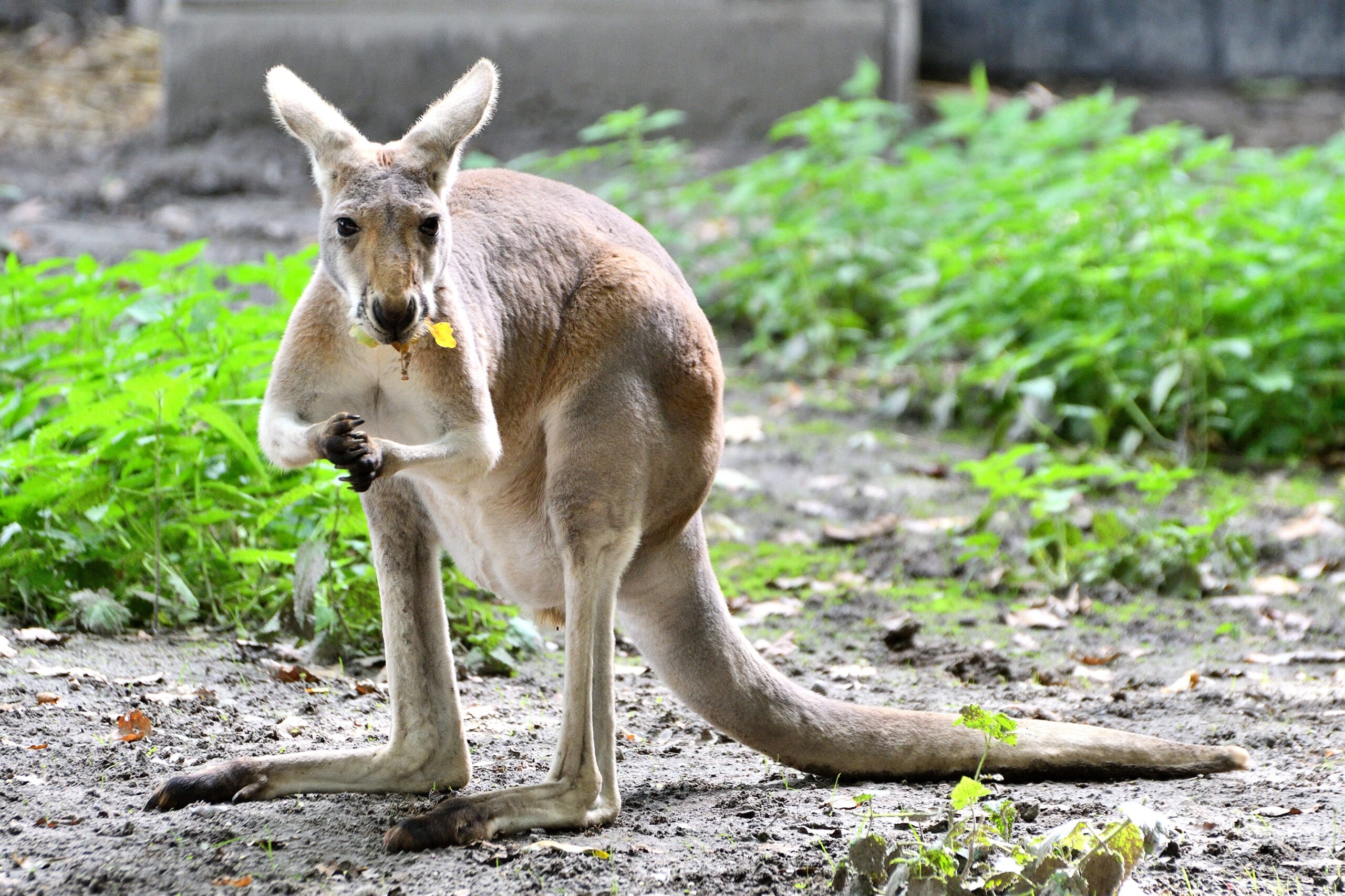 Photo Credit: René Cortin / Wikimedia
In the sun-drenched landscapes of Australia, the kangaroo, scientifically known as Macropus, leaps gracefully across the open plains and woodlands. With its powerful hind legs and long, muscular tail, this iconic marsupial embodies the spirit of the Australian wilderness. Kangaroos are not just remarkable for their impressive jumping abilities; they also possess a pouch, a special feature that allows mothers to carry and nurture their young, known as joeys, until they are ready to explore the world on their own. This unique adaptation has captivated scientists and nature enthusiasts alike, sparking curiosity about their behavior, social structures, and role in the ecosystem.
As dawn breaks, kangaroos emerge from their resting spots, often seen grazing on grasses and leaves in small groups called mobs. Their large, expressive eyes and keen sense of hearing help them stay alert to potential dangers in their surroundings. These fascinating creatures play a vital role in their habitat, helping to maintain the balance of the ecosystem by grazing on vegetation and dispersing seeds. With their intriguing social dynamics and impressive physical adaptations, kangaroos continue to be a source of wonder, inviting us to explore the rich tapestry of life that thrives in the heart of Australia.
Kangaroos hold a special place in the tree of life, showcasing a unique blend of characteristics that set them apart in the animal kingdom. These fascinating marsupials belong to the class Mammalia, which means they are warm-blooded animals that nurse their young with milk. Kangaroos are part of the order Diprotodontia, a group that includes other marsupials like koalas and wombats. What makes kangaroos particularly interesting is their powerful hind legs, which allow them to hop at incredible speeds and cover great distances. This adaptation not only helps them escape predators but also enables them to thrive in the vast Australian landscapes they call home.
| Taxonomic Rank | Scientific Name | Meaning & Significance |
|---|---|---|
| Kingdom | Animalia | This name comes from the Latin word “animalis,” meaning “having breath,” highlighting the living nature of these organisms. |
| Phylum | Chordata | Derived from the Greek word “chordē,” meaning “string,” this refers to animals with a notochord, a flexible rod that supports the body during development. |
| Class | Mammalia | This term comes from the Latin “mamma,” meaning “breast,” emphasizing the defining feature of mammals: the ability to produce milk for their young. |
| Order | Diprotodontia | This name means “two forward teeth,” referring to the two large incisors in the lower jaw that are characteristic of this group. |
| Family | Macropodidae | From the Greek words “makros,” meaning “large,” and “pous,” meaning “foot,” this family name highlights the kangaroo’s notably large feet, which aid in their powerful hopping. |
| Genus | Macropus | This name translates to “big foot,” again pointing to the kangaroo’s impressive feet that are essential for their unique mode of locomotion. |
The classification of kangaroos reveals much about their evolutionary journey. As members of the marsupial family, they share a common ancestor with other unique Australian wildlife, adapting to their environment in ways that are both efficient and fascinating. Their specialized features, such as their strong legs and pouch for carrying young, illustrate how evolution shapes species to thrive in specific habitats. Understanding where kangaroos fit in the tree of life not only highlights their biological significance but also emphasizes the rich tapestry of life on Earth, reminding us of the incredible diversity that exists within the animal kingdom.
The evolutionary journey of kangaroos stretches back millions of years, weaving through the tapestry of time in Australia. These iconic marsupials belong to the family Macropodidae, which means “big foot,” a nod to their powerful hind limbs. The story of kangaroos is one of adaptation and survival, shaped by the changing landscapes and climates of their native continent.
Kangaroos evolved from small, tree-dwelling marsupials that roamed the ancient forests of Australia. Over time, as the environment transformed into open grasslands, these ancestors adapted to a life on the ground. This transition marked a significant shift in their lifestyle, leading to the development of strong hind legs for hopping, a highly efficient way to travel long distances in search of food and water. Their long tails, which provide balance while hopping, also evolved during this period, allowing them to navigate the vast, open spaces of the Australian outback.
These evolutionary adaptations have been crucial for the survival of kangaroos in their ever-changing environment. Their powerful legs and large feet allow them to navigate the vast Australian outback, while their efficient hopping conserves energy, making it easier to find food and water. The long tail not only aids in balance but also helps them maintain agility when evading predators. Together, these traits have enabled kangaroos to thrive in a landscape that can be both beautiful and harsh, showcasing the incredible resilience of life on Earth.
When you first lay eyes on a kangaroo, you might be struck by its powerful and athletic build. These marsupials are designed for life on the move, with long, muscular hind legs that propel them forward in impressive bounds. Their large, strong tails act like a third leg, providing balance and support as they hop across the Australian landscape. With a head that features large, expressive ears and a long snout, kangaroos have a curious and alert appearance, always ready to take in their surroundings.
| Feature | Description |
|---|---|
| Weight | 18-95 kg (40-200 lbs) |
| Skin Type | Fur |
These physical traits work together to create a highly efficient animal. The kangaroo’s powerful legs allow it to cover great distances quickly, which is essential for escaping predators and finding food. Its fur not only provides warmth but also helps camouflage it in the bush, blending seamlessly with the earthy tones of its environment. Together, these features make the kangaroo a master of survival in the wild, showcasing the incredible adaptations that nature has crafted over time.
Kangaroos are often seen bounding gracefully across the vast landscapes of Australia, where they call home. Their typical habitat includes a mix of forests, woodlands, open plains, and savannas. Imagine wide, sunlit spaces dotted with trees and shrubs, where these agile animals can hop freely, grazing on the lush grasses and leaves that grow in abundance. The scenery is a blend of vibrant greens and earthy browns, creating a picturesque backdrop for these iconic marsupials.
Kangaroos thrive in environments that offer a temperate climate, which means they enjoy mild weather—not too hot and not too cold. They prefer areas with plenty of sunlight and access to fresh water, as these conditions support the growth of their favorite food: grasses. The climate can vary from region to region, but generally, kangaroos are well-suited to areas that experience seasonal changes, allowing them to adapt to different food availability throughout the year.
To survive in their diverse habitats, kangaroos have developed several clever adaptations. Their powerful hind legs not only allow them to travel long distances in search of food and water but also help them escape from predators quickly. Their keen eyesight and excellent hearing enable them to detect danger from afar, while their ability to go for long periods without drinking water helps them thrive in drier regions. These adaptations make kangaroos perfectly suited to the varied landscapes of Australia, allowing them to flourish in the wild.
Kangaroos lead a vibrant daily life filled with activity and social interaction. As dawn breaks, these agile marsupials begin their day, often grazing on grasses and leaves in the cool morning air. They are crepuscular, meaning they are most active during the early morning and late afternoon. This behavior helps them avoid the heat of the day, allowing them to conserve energy while foraging for food. Throughout the day, you might see them resting in the shade, grooming themselves, or engaging in playful interactions with their peers.
Socially, kangaroos are known for their strong group dynamics. They often gather in groups called mobs, which can range from a few individuals to over a hundred. These mobs provide safety in numbers, as they can alert each other to potential dangers, like predators. Within these groups, kangaroos communicate through a variety of sounds and body language. They use soft grunts and thumps to convey messages, while their posture and movements can indicate their mood or intentions. This social structure not only fosters bonds among members but also enhances their survival in the wild.
| Behavior Type | Description |
|---|---|
| Activity Patterns | Kangaroos are crepuscular, meaning they are most active during dawn and dusk, allowing them to forage for food while avoiding the heat of the day. |
| Social Structure | They live in groups called mobs, which provide safety and social interaction, helping them thrive in their environment. |
| Communication Methods | Kangaroos communicate using a mix of sounds, like grunts, and body language, which helps them convey emotions and alert others to danger. |
These behaviors are crucial for the survival of kangaroos in the wild. By being active during cooler times, they conserve energy and stay hydrated. Their social structure not only offers protection from predators but also fosters cooperation in finding food and raising young. Through their unique communication methods, they maintain strong bonds within their groups, ensuring that they can respond quickly to threats and challenges in their environment. In this way, kangaroos exemplify the intricate balance of life in the wild, where every behavior plays a vital role in their survival.
Kangaroos are herbivores, which means they primarily eat plants. Their diet mainly consists of grasses, seeds, and flowers. These agile marsupials have evolved to be efficient foragers, using their keen sense of smell and strong front paws to help them find food. They often graze in the early morning or late afternoon when temperatures are cooler, allowing them to conserve energy while munching on their favorite snacks.
| Dietary Aspect | Details |
|---|---|
| Diet Type | Herbivore |
| Favorite Foods | Grass, seeds, and flowers |
| Prey Items | None, as they do not eat meat |
| Hunting/Foraging Strategies | Grazing in the early morning and late afternoon, using keen senses to locate food |
This plant-based diet plays a crucial role in shaping the kangaroo’s ecology and daily routine. By feeding on grasses and other vegetation, kangaroos help maintain the health of their habitats, promoting plant growth and providing food for other animals. Their grazing habits also influence the structure of the landscape, creating open areas that benefit various species. As they hop through their environment, kangaroos not only sustain themselves but also contribute to the balance of their ecosystems.
Kangaroo mating behavior is quite intriguing and often takes place during the warmer months, typically from spring to early summer. During this breeding season, male kangaroos, known as “boomers,” engage in a series of displays to attract females. They may box with each other, showcasing their strength and agility. Once a female, or “flyer,” is ready to mate, she will signal her interest, and the pair will come together for a brief courtship. After mating, the female will undergo a fascinating reproductive process that is characteristic of marsupials.
| Reproductive Aspect | Details |
|---|---|
| Gestation Period | About 30 to 36 days |
| Litter Size | Average of 2 |
| Age of Maturity | About 1.5 to 2 years |
| Name of Young | Joey |
Once the joey is born, it is incredibly tiny, about the size of a jellybean, and immediately crawls into its mother’s pouch. This pouch is a safe haven where the joey continues to develop and grow, feeding on its mother’s milk. The pouch provides warmth and protection, allowing the young kangaroo to thrive. As the joey matures, it will gradually spend more time outside the pouch, learning to hop and forage alongside its mother. Eventually, after several months, the young kangaroo will become more independent, but it often stays close to its mother for guidance and safety as it transitions into adulthood. This nurturing process highlights the strong bond between kangaroos and their young, ensuring the next generation is well-prepared for life in the wild.
Kangaroos occupy a fascinating position in the food web of Australia. As herbivores, they primarily feed on grasses and leaves, making them a vital part of the ecosystem. However, they are not at the top of the food chain. Various predators and environmental threats challenge their survival, reminding us that every species plays a role in the delicate balance of nature.
To defend themselves against these threats, kangaroos have developed several survival strategies. Their powerful legs allow them to leap great distances, making a quick escape from danger. They are also known for their keen senses, which help them detect predators from afar. When threatened, kangaroos can stand tall and use their strong tails for balance while delivering powerful kicks to deter attackers. This combination of agility and strength helps them navigate the challenges of their environment, ensuring their place in the wild.
A keystone species is a vital part of its ecosystem, meaning its presence and activities have a significant impact on the environment and other living things. Kangaroos, with their unique role in Australian ecosystems, can indeed be considered a keystone species. Their grazing habits and social behaviors help shape the landscape and influence the populations of other species around them.
Kangaroos primarily feed on grasses and leaves, which means they play a crucial role in maintaining the health of their habitats. By grazing, they help control plant growth, preventing certain species from dominating the landscape. This grazing behavior promotes biodiversity, allowing a variety of plants to thrive. Additionally, their droppings serve as a natural fertilizer, enriching the soil and supporting the growth of new plants. This cycle of eating and fertilizing creates a vibrant ecosystem where many other species can flourish.
Moreover, kangaroos are an important food source for predators like dingoes and eagles. Their presence supports these carnivorous animals, which rely on kangaroos for sustenance. Without kangaroos, these predators would struggle to find enough food, potentially leading to a decline in their populations. This interconnectedness highlights how kangaroos help maintain the balance of life in their environment.
If kangaroos were to disappear from their ecosystems, the consequences would be profound. Without their grazing, certain plant species could overgrow, leading to a decline in biodiversity. This shift could disrupt the balance of the ecosystem, affecting not only plants but also the animals that depend on them for food and shelter. Predators that rely on kangaroos would face food shortages, potentially leading to their decline as well. The ripple effects of losing such a keystone species would echo throughout the entire ecosystem, illustrating just how interconnected life truly is.
Kangaroos play a crucial role in shaping their ecosystems, particularly in the diverse landscapes of Australia. As herbivores, they primarily feed on grasses, seeds, and leaves, which helps maintain the balance of plant life in their habitats. By grazing, they prevent certain plant species from dominating the landscape, allowing a variety of plants to thrive. This behavior not only supports biodiversity but also creates a healthier environment for other animals and plants to flourish.
| Ecosystem Service | Impact |
|---|---|
| Grazing | Controls plant growth and promotes biodiversity |
| Seed Dispersal | Helps in the spread of various plant species |
| Soil Aeration | Improves soil health through movement and digging |
| Food Source | Provides sustenance for predators and scavengers |
Kangaroos influence their environment in several specific ways. For instance, their grazing habits help to keep grasslands healthy by preventing overgrowth, which can lead to habitat loss for smaller plants and animals. Additionally, as they move through their habitats, kangaroos inadvertently aid in seed dispersal. Seeds can stick to their fur or pass through their digestive systems, allowing new plants to grow in different areas. This natural process contributes to the overall health of the ecosystem, ensuring that various plant species can thrive.
The broader ecological importance of kangaroos cannot be overstated. As a keystone species, their presence is vital for maintaining the balance of their ecosystems. By supporting plant diversity and providing food for other animals, kangaroos help create a rich tapestry of life in their habitats. Their role in the ecosystem highlights the interconnectedness of all living things, reminding us that every species, no matter how big or small, plays a part in the grand story of nature.
In the intricate web of life, symbiosis refers to the close relationships between different species that can benefit one or both parties involved. These ecological partnerships can take various forms, including mutualism, where both species gain advantages, parasitism, where one benefits at the expense of the other, and commensalism, where one species benefits while the other is neither helped nor harmed. Kangaroos, as iconic inhabitants of Australia, engage in several fascinating relationships with other species that illustrate the complexity of their ecosystems.
| Species/Type | Relationship Type | Description |
|---|---|---|
| Birds (e.g., emus) | Mutualistic | Kangaroos and certain bird species often share habitats. Birds help by eating insects and parasites that may bother the kangaroos, while the kangaroos provide a safe space for the birds to forage. |
| Ticks | Parasitic | Ticks attach themselves to kangaroos to feed on their blood. This relationship benefits the ticks but can harm the kangaroos by causing irritation and potential disease. |
| Small mammals (e.g., rabbits) | Commensal | Small mammals may benefit from the grazing habits of kangaroos. As kangaroos eat grass, they create shorter grass patches that are easier for smaller animals to access, without affecting the kangaroos. |
These relationships have evolved over time, shaped by the needs and behaviors of the species involved. Mutualistic partnerships, like those with birds, enhance the health and well-being of kangaroos, while parasitic relationships, such as with ticks, highlight the challenges they face. Commensal interactions demonstrate how different species can coexist and benefit from one another without direct competition. Understanding these connections helps us appreciate the delicate balance of ecosystems and the roles that kangaroos and their partners play in maintaining it.
Kangaroos are not just iconic symbols of Australia; they are also full of surprises that reveal their incredible adaptations and behaviors. Here are some intriguing facts that will spark your curiosity about these remarkable marsupials.
Kangaroos have long been intertwined with human history, particularly in Australia, where they are not just a symbol of the nation but also a part of its cultural fabric. Indigenous Australians have revered kangaroos for thousands of years, incorporating them into their art, stories, and traditions. These marsupials have been depicted in rock paintings and oral histories, showcasing their significance in the lives of the Aboriginal people. As European settlers arrived, they encountered kangaroos for the first time, leading to a mix of fascination and misunderstanding that shaped perceptions of these animals.
Today, the relationship between kangaroos and humans is complex and multifaceted. On one hand, conservation efforts are underway to protect their habitats and ensure their populations remain stable. Organizations work tirelessly to educate the public about the importance of kangaroos in the ecosystem, as they help maintain the health of grasslands. However, conflicts can arise, especially in rural areas where kangaroos may compete with livestock for food or cause damage to crops. Some farmers view them as pests, leading to debates about management practices. Interestingly, there are also discussions about the potential for domestication, as kangaroos are sometimes raised for their meat and leather, which raises ethical questions about their treatment.
As we look to the future, the relationship between kangaroos and humanity will likely continue to evolve. With increasing awareness of environmental issues, more people are advocating for humane treatment and conservation of these iconic animals. Balancing the needs of agriculture with wildlife preservation will be crucial in ensuring that kangaroos thrive alongside human communities. By fostering a deeper understanding and respect for kangaroos, we can create a harmonious coexistence that benefits both species and the rich ecosystems they inhabit.
Kangaroos currently hold a conservation status of “Least Concern,” according to the International Union for Conservation of Nature (IUCN). This means that, overall, their populations are stable and not facing immediate threats of extinction. However, population trends can vary by species and region, with some local populations experiencing declines due to various factors. In general, kangaroos are still a common sight across Australia, where they thrive in diverse habitats.
| Conservation Factor | Status/Details |
|---|---|
| IUCN Status | Least Concern |
| Population Estimates | Over 50 million across Australia |
| Trend Direction | Stable in most areas |
Despite their overall stable status, kangaroos face several threats that can impact specific populations. Habitat loss is a significant concern, as urban development and agriculture encroach on their natural environments. Additionally, climate change poses risks by altering food availability and water sources. In some regions, hunting and culling practices also contribute to population fluctuations, particularly when not managed sustainably.
Conservation efforts are underway to ensure the long-term survival of kangaroos. Various organizations and government bodies are working to protect their habitats and promote sustainable land use practices. Public awareness campaigns help educate people about the importance of kangaroos in the ecosystem and the need for responsible wildlife management. With continued efforts, the outlook for kangaroos remains positive, allowing future generations to enjoy these iconic marsupials in their natural habitats.
| Question | Answer |
|---|---|
| Where do kangaroos live? | Kangaroos are native to Australia and can be found in a variety of habitats, including forests, woodlands, plains, and savannas. They thrive in open areas where they can easily graze on grass and other vegetation. |
| What do kangaroos eat? | Kangaroos are herbivores, which means they primarily eat plants. Their diet consists mainly of grass, leaves, and shoots, and they have special teeth that help them chew tough plant material. |
| How do kangaroos behave in the wild? | Kangaroos are social animals and often live in groups called mobs. These mobs provide safety in numbers, and kangaroos communicate with each other through various sounds and body language. |
| How do kangaroos reproduce? | Kangaroo reproduction is quite fascinating. Female kangaroos have a pouch where they carry and nurse their young, called joeys, after they are born. The joey stays in the pouch for several months until it is ready to explore the outside world. |
| What threats do kangaroos face? | While kangaroos are currently classified as Least Concern, they do face threats from habitat loss and hunting. Additionally, road accidents can pose a significant danger to these animals as they often cross roads in search of food. |
| What are some interesting characteristics of kangaroos? | Kangaroos are known for their powerful hind legs, which allow them to hop at high speeds and cover great distances. They can leap over obstacles and travel up to 30 feet in a single bound! |
| Can kangaroos swim? | Yes, kangaroos are surprisingly good swimmers! They use their strong legs to paddle through the water, which helps them escape predators or cool off on a hot day. |