Taxonomy & Classification
- Kingdom
- Animalia
- Phylum
- Chordata
- Class
- Mammalia
- Order
- Carnivora
- Family
- Canidae
- Genus
- Vulpes
- Species
- Vulpes macrotis merriam

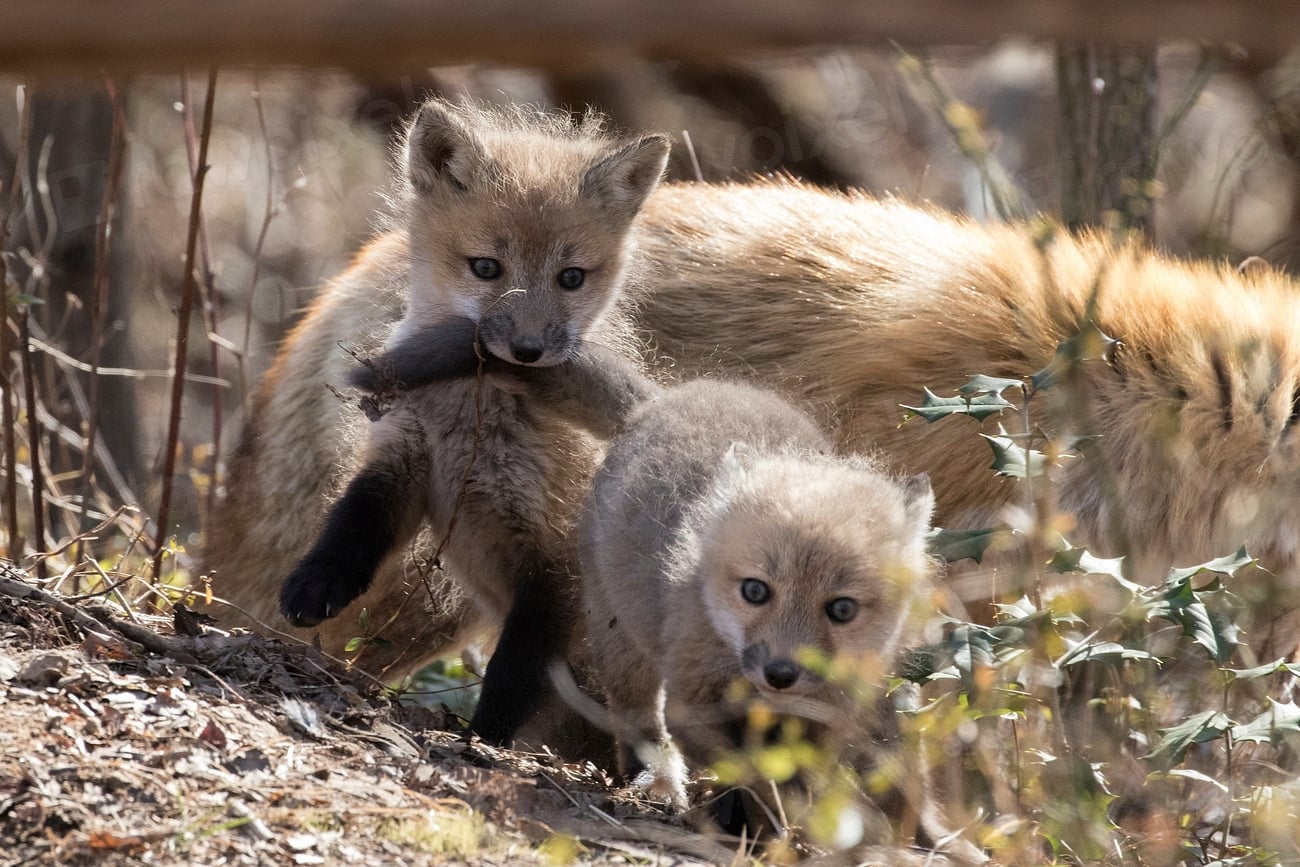 Photo Credit: U.S. Fish and Wildlife Service / Rawpixel
In the shimmering heat of the desert, the Kit Fox, known scientifically as Vulpes macrotis, dances gracefully across the sandy terrain. With its large, expressive ears and slender body, this small fox is perfectly adapted to its arid home. Imagine a landscape where the sun casts long shadows over the sagebrush and cacti, and the air is filled with the soft rustle of nocturnal life. As dusk settles, the Kit Fox emerges, its keen senses alert to the sounds of the night, ready to hunt for small rodents and insects that scurry beneath the cover of darkness.
What makes the Kit Fox so captivating to scientists and nature lovers alike is not just its striking appearance but also its remarkable adaptability. Weighing only four to five pounds and standing about a foot tall, this agile creature is a master of survival in harsh environments. Its large ears are not just for show; they help it detect the faintest sounds of prey, while its light coat reflects the sun’s rays, keeping it cool during the day. As we explore the life of the Kit Fox, we will uncover its fascinating behaviors, its role in the ecosystem, and the delicate balance it maintains in the wild. Join us on this adventure to learn more about this enchanting little fox and the world it calls home.
The Kit Fox, a small and agile member of the Canidae family, occupies a special place in the animal kingdom. Scientifically classified under the genus Vulpes, this fox is known for its large ears and slender body, which help it adapt to the arid environments of the southwestern United States and northern Mexico. Unlike many of its relatives, the Kit Fox is particularly well-suited for life in desert habitats, showcasing a unique blend of physical traits and behaviors that allow it to thrive in harsh conditions. Its nocturnal lifestyle, characterized by hunting at night to avoid the heat of the day, further distinguishes it from other fox species.
| Taxonomic Rank | Scientific Name | Meaning & Significance |
|---|---|---|
| Kingdom | Animalia | This name signifies that Kit Foxes are part of the broad group of multicellular organisms known as animals, which are characterized by their ability to move and respond to their environment. |
| Phylum | Chordata | Chordata refers to animals that have a notochord, a flexible rod that supports the body. In Kit Foxes, this structure is present during their early development, highlighting their place in the animal kingdom. |
| Class | Mammalia | Mammalia indicates that Kit Foxes are mammals, meaning they have fur and produce milk to feed their young, a trait that connects them to other warm-blooded animals. |
| Order | Carnivora | Carnivora is the order that includes meat-eating mammals. The Kit Fox, with its sharp teeth and keen hunting skills, fits perfectly into this group. |
| Family | Canidae | Canidae is the family of dogs, wolves, and foxes. The Kit Fox shares this family with other canids, showcasing its evolutionary ties to these social and adaptable animals. |
| Genus | Vulpes | Vulpes is the genus name for true foxes. The name is derived from the Latin word for fox, emphasizing the Kit Fox’s characteristics that align with this group, such as its bushy tail and cunning nature. |
The classification of the Kit Fox reveals much about its evolutionary journey. As a member of the Canidae family, it shares a common ancestor with other canids, which have adapted to various environments over millions of years. The Kit Fox’s specialized traits, such as its ability to survive in arid landscapes and its nocturnal habits, illustrate how evolution shapes species to fit their surroundings. This small fox not only represents a unique adaptation to desert life but also serves as a reminder of the intricate web of life that connects all animals through shared ancestry and evolutionary history.
The evolutionary journey of the Kit Fox, a small yet agile member of the Canidae family, stretches back millions of years. This fascinating timeline reveals how these clever animals adapted to thrive in the arid landscapes of North America. The Kit Fox, scientifically known as Vulpes macrotis, shares a common ancestor with other canids, tracing its lineage to the early carnivorous mammals that roamed the Earth during the late Eocene epoch, around 35 million years ago.
As the world changed, so did the ancestors of the Kit Fox. These early canids began to diversify, adapting to various environments and hunting strategies. Over time, they developed traits that would help them survive in the harsh conditions of deserts and grasslands. The Kit Fox’s ancestors were likely larger and more robust, but as they adapted to their surroundings, they became smaller and more specialized. This transition allowed them to become more efficient hunters, focusing on small prey like rodents and insects, which were abundant in their dry habitats.
The adaptations of the Kit Fox have been vital for its survival in the challenging desert ecosystem. Its keen senses, effective camouflage, and social behaviors allow it to thrive where resources are scarce. By evolving to be smaller and more agile, the Kit Fox has carved out a niche that enables it to hunt efficiently and evade predators, showcasing the incredible power of evolution in shaping life on Earth.
The Kit Fox is a small marvel of nature, standing at just nine to twelve inches tall and weighing between four and five pounds. Its petite frame is perfectly designed for agility, allowing it to dart through its arid desert habitat with ease. The most striking feature of this fox is its enormous ears, which can be almost as long as its head. These large ears not only give the Kit Fox a distinctive silhouette but also serve a crucial purpose in its survival.
| Feature | Description |
|---|---|
| Height | 9 to 12 inches |
| Weight | 4.5 to 5 pounds |
| Skin Type | Fur |
| Most Distinctive Feature | Tiny bodies and enormous ears |
The Kit Fox’s small size and large ears work together beautifully to enhance its survival skills. The big ears are not just for show; they help the fox hear even the faintest sounds of prey scurrying across the desert floor. This keen sense of hearing is vital for hunting in the vast, open landscapes where they live. Additionally, their fur provides insulation against the temperature extremes of their environment, keeping them warm during chilly nights and cool during the scorching days. Together, these features make the Kit Fox a master of its desert domain, perfectly adapted to thrive in a challenging habitat.
The Kit Fox thrives in a world of wide-open spaces, where the sun blazes down on arid deserts and rolling grasslands. Picture a landscape dotted with sagebrush and scattered cacti, where the ground is warm and the air is dry. This clever little fox makes its home in these vast, sun-soaked areas, where it can easily navigate the terrain and find shelter in burrows or underbrush. The Kit Fox is perfectly suited to this environment, blending seamlessly into the golden hues of its surroundings.
To flourish in its habitat, the Kit Fox requires specific climate and environmental conditions. It prefers areas with low rainfall and high temperatures, which are typical of desert and grassland ecosystems. These regions often experience extreme temperature fluctuations, with scorching days and cooler nights. The Kit Fox has adapted to these conditions, allowing it to be active during the cooler hours of dawn and dusk, when it can hunt for food without overheating.
The Kit Fox has developed several clever adaptations to thrive in its chosen habitats. Its large ears not only help it hear the faintest sounds of prey but also dissipate heat, keeping it cool in the sweltering sun. Additionally, its light-colored fur reflects sunlight, while its slender body allows for quick movements through the underbrush. By digging extensive burrow systems, the Kit Fox creates a safe haven from predators and harsh weather, showcasing its resourcefulness in the wild.
The Kit Fox leads a life that is both intriguing and adaptive, primarily active during the cooler hours of dusk and dawn. This nocturnal lifestyle helps it avoid the scorching heat of the day in its desert habitat. As the sun sets, the Kit Fox emerges from its den, ready to hunt for small mammals, insects, and even fruits. With its keen sense of hearing and sharp eyesight, it navigates the terrain with grace, using its large ears to detect the faintest sounds of potential prey.
While Kit Foxes are generally solitary animals, they do exhibit interesting social behaviors, especially during the breeding season. Males and females come together to mate, and they may share a den during this time. After giving birth, a female will care for her kits, teaching them essential survival skills. Although they prefer to live alone, Kit Foxes communicate through a variety of vocalizations, body language, and scent markings, which help them establish territory and avoid conflicts with others.
| Behavior Type | Description |
|---|---|
| Activity Patterns | Primarily nocturnal, active during dusk and dawn to hunt and explore. |
| Social Structure | Generally solitary, but may form temporary pairs during mating season. |
| Communication Methods | Utilizes vocalizations, body language, and scent markings to communicate and establish territory. |
The behaviors of the Kit Fox are finely tuned to ensure its survival in a challenging environment. By being active at night, it avoids the heat and conserves energy while hunting. Its solitary nature allows it to be stealthy and less conspicuous to predators. The ability to communicate effectively, even when alone, helps maintain its territory and find mates when the time is right. Each of these behaviors plays a crucial role in the Kit Fox’s life, allowing it to thrive in the wild.
The Kit Fox is an omnivore, which means it enjoys a varied diet that includes both plants and animals. This clever little fox primarily hunts at night, using its keen senses to locate food in the dark. Its diet is diverse, allowing it to adapt to the changing availability of prey in its desert habitat. The Kit Fox is particularly skilled at catching small mammals, but it also enjoys a range of other foods, making it a versatile forager.
| Dietary Aspect | Details |
|---|---|
| Diet Type | Omnivore |
| Favorite Foods | Kangaroo rats, cottontails, jackrabbits, reptiles, insects, and birds |
| Prey Items | Small mammals, reptiles, and various insects |
| Hunting/Foraging Strategies | Active at night, using keen hearing and smell to locate prey |
The Kit Fox’s diet plays a crucial role in its ecology and daily routine. By being an omnivore, it can thrive in environments where food sources may fluctuate. This adaptability not only helps the Kit Fox survive but also influences the balance of its ecosystem. As it hunts and forages, it helps control populations of small mammals and insects, contributing to the health of its habitat. Its nocturnal habits allow it to avoid competition with other daytime predators, making it a master of survival in the wild.
When it comes to romance in the wild, the Kit Fox has its own charming ways. Mating typically occurs in late winter to early spring, a time when the days start to warm up and the nights are still cool. During this season, male Kit Foxes become quite vocal, using a series of barks and howls to attract females. Once a pair has formed a bond, they will often stay together for the breeding season, working as a team to prepare for the arrival of their young.
| Reproductive Aspect | Details |
|---|---|
| Gestation Period | 49 – 55 days |
| Litter Size | 2 – 7 pups |
| Age of Maturity | 10 months |
| Name of Young | Pup |
Once the pups are born, usually in a den that the parents have prepared, the real adventure begins. The mother is especially attentive, nursing her pups and keeping them safe from potential dangers. As the pups grow, both parents play a role in teaching them essential survival skills. They learn to hunt and explore their surroundings, gradually gaining independence. By the time they reach about ten months old, these young Kit Foxes are ready to venture out on their own, equipped with the knowledge and instincts needed to thrive in their desert home.
The Kit Fox plays a vital role in its ecosystem, sitting comfortably in the middle of the food web. As a small predator, it helps control populations of rodents and insects, while also serving as prey for larger carnivores. This delicate balance is crucial for maintaining the health of its desert and grassland habitats. However, the Kit Fox faces several dangers that threaten its survival.
To navigate these threats, the Kit Fox has developed several clever survival strategies. Its large ears not only help it hear potential dangers but also allow it to detect the faint sounds of prey. When faced with predators, the Kit Fox often relies on its speed and agility to escape. It can quickly dart into burrows or dense vegetation, using its natural camouflage to blend into the surroundings. By being nocturnal, it avoids many daytime threats, making it a master of survival in its challenging environment.
A keystone species is an organism that has a disproportionately large impact on its environment relative to its abundance. In other words, if it were removed, the ecosystem would change dramatically. The Kit Fox, with its role as both predator and prey, qualifies as a keystone species in its desert and grassland habitats. Its presence helps maintain the balance of various populations, making it essential for the health of its ecosystem.
The Kit Fox plays a crucial role in controlling the populations of small mammals and insects. By preying on rodents like kangaroo rats and various insects, it helps keep these populations in check. This is important because an overabundance of these animals can lead to overgrazing of vegetation, which can harm the entire ecosystem. Additionally, the Kit Fox’s foraging behavior can help disperse seeds, promoting plant diversity in its habitat.
Moreover, the Kit Fox serves as a food source for larger predators, such as coyotes and hawks. This connection illustrates the intricate web of life in which the Kit Fox is woven. By being both a predator and prey, it supports the survival of other species, ensuring a balanced ecosystem.
If the Kit Fox were to disappear, the consequences would ripple through its ecosystem. Rodent populations could explode, leading to overgrazing and a decline in plant life. This, in turn, would affect other animals that rely on those plants for food and shelter. Larger predators that depend on the Kit Fox for sustenance would also struggle to find enough food, potentially leading to their decline. The loss of the Kit Fox would disrupt the delicate balance of its environment, highlighting just how vital this small fox is to the health of its ecosystem.
The Kit Fox plays a crucial role in its ecosystem, acting as both a predator and prey within the delicate balance of desert and grassland habitats. This small, agile fox thrives in arid environments, where it helps maintain the health of its surroundings. By hunting various small animals and insects, the Kit Fox contributes to controlling their populations, which in turn supports the growth of vegetation and the overall stability of its ecosystem. Its presence is a key indicator of environmental health, showcasing how interconnected life can be in these unique landscapes.
| Ecosystem Service | Impact |
|---|---|
| Population Control | Regulates numbers of rodents and insects, preventing overpopulation. |
| Seed Dispersal | Helps in spreading seeds through its omnivorous diet, promoting plant growth. |
| Soil Aeration | Burrowing behavior loosens soil, enhancing water infiltration and nutrient cycling. |
| Prey for Larger Predators | Serves as a food source for larger carnivores, supporting the food web. |
The Kit Fox’s influence on its environment is evident in several ways. For instance, by preying on rodents, it helps keep their populations in check, which can prevent damage to vegetation and crops. Additionally, as an omnivore, the Kit Fox consumes fruits and seeds, aiding in the dispersal of plant species across its territory. This not only supports the growth of diverse plant life but also creates habitats for other animals. Its burrowing activities further enhance the soil structure, allowing water and nutrients to penetrate more easily, which benefits the entire ecosystem.
The broader ecological importance of the Kit Fox cannot be overstated. As a keystone species, its presence is vital for maintaining the balance of its habitat. If the Kit Fox were to disappear, the effects would ripple through the ecosystem, leading to overpopulation of certain species and a decline in plant diversity. This small fox, with its big impact, reminds us of the intricate connections that exist in nature, where every creature plays a part in the grand tapestry of life. Understanding and protecting the Kit Fox is essential for preserving the health of the ecosystems it inhabits.
In the intricate web of life, symbiosis refers to the close interactions between different species, which can take on various forms. These relationships can be mutualistic, where both species benefit, parasitic, where one benefits at the expense of the other, or commensal, where one benefits while the other is neither helped nor harmed. The Kit Fox, a small and agile inhabitant of deserts and grasslands, engages in several fascinating partnerships with other species, showcasing the diverse ways life can intertwine in nature.
| Species/Type | Relationship Type | Description |
|---|---|---|
| Burrowing Owls | Mutualistic | Kit Foxes and Burrowing Owls often share burrows. The foxes benefit from the owls’ presence, as the owls help control insect populations, while the owls gain protection from predators by nesting in the foxes’ abandoned burrows. |
| Ticks | Parasitic | Ticks can latch onto Kit Foxes, feeding on their blood. This relationship is harmful to the foxes, as it can lead to health issues and discomfort. |
| Desert Plants | Commensal | Kit Foxes often dig in sandy soil, which can help aerate the ground for desert plants. While the plants benefit from improved soil conditions, the foxes are not directly affected by their presence. |
These relationships have evolved over time, shaped by the needs and behaviors of the species involved. The mutualistic bond between Kit Foxes and Burrowing Owls highlights how cooperation can enhance survival in challenging environments. Meanwhile, the parasitic relationship with ticks serves as a reminder of the challenges that come with living in close quarters with other organisms. Understanding these connections not only enriches our knowledge of the Kit Fox but also emphasizes the importance of biodiversity and the delicate balance of ecosystems. Each partnership plays a role in the survival and health of the species, illustrating the interconnectedness of life in the wild.
The Kit Fox is a small but extraordinary member of the Canidae family, known for its remarkable adaptations to life in arid environments. With its tiny body and enormous ears, this clever creature has some surprising traits that make it truly special.
The Kit Fox has long captured the imagination of humans, weaving its way into the cultural tapestry of the regions it inhabits. Native American tribes, for instance, have revered this small fox, often incorporating it into their folklore and stories. These tales highlight the Kit Fox’s cleverness and adaptability, traits that resonate with the human experience. Historically, encounters between Kit Foxes and humans have been marked by curiosity and respect, as people have observed their elusive nature and unique behaviors in the wild.
In modern times, the relationship between Kit Foxes and humans has become more complex. As urban areas expand into their natural habitats, these foxes often find themselves in conflict with human activities. Conservation efforts are underway to protect their populations, as they play a vital role in maintaining the balance of their ecosystems. However, some Kit Foxes have adapted to urban environments, leading to fascinating interactions with people. While domestication is not a goal for this wild species, understanding their needs and behaviors can help foster coexistence.
Looking ahead, the future of the Kit Fox and humanity hinges on our ability to coexist harmoniously. As we learn more about these remarkable animals, we can develop strategies that protect their habitats while allowing them to thrive alongside us. By fostering a sense of stewardship and respect for the natural world, we can ensure that the Kit Fox continues to inspire future generations, reminding us of the delicate balance we share with all living beings.
The Kit Fox is currently classified as “Least Concern” by the International Union for Conservation of Nature (IUCN). This status indicates that, while the species is not facing immediate threats of extinction, its population trends are closely monitored. In many areas, Kit Fox populations are stable, but localized declines have been observed due to habitat loss and other environmental pressures.
| Conservation Factor | Status/Details |
|---|---|
| IUCN Status | Least Concern |
| Population Estimates | Stable in many regions, but localized declines noted |
| Trend Direction | Stable overall, but some areas show decline |
The main threats to the Kit Fox include habitat destruction, primarily due to urban development and agricultural expansion. As humans build cities and cultivate land, the natural spaces that Kit Foxes rely on for hunting and shelter are diminished. Additionally, road traffic poses a significant risk, as these clever foxes may not always be able to avoid vehicles. Predation by larger animals and competition with other species for food can also impact their populations.
Conservation efforts are underway to protect the Kit Fox and its habitat. Organizations are working to preserve open spaces and restore areas that have been degraded. Public awareness campaigns help educate communities about the importance of these small foxes in their ecosystems. With continued efforts, the outlook for the Kit Fox remains hopeful, as it adapts to changing environments while maintaining its role in the delicate balance of nature.
| Question | Answer |
|---|---|
| What is the habitat of the Kit Fox? | Kit Foxes are commonly found in desert and grassland environments. They prefer areas with loose, sandy soil where they can dig their dens and find shelter from the heat. |
| What do Kit Foxes eat? | Kit Foxes are omnivores, which means they eat both plants and animals. Their diet mainly consists of small mammals, insects, and fruits, allowing them to adapt to different food sources in their environment. |
| How do Kit Foxes behave? | Kit Foxes are primarily nocturnal, meaning they are most active at night. They are social animals and often live in family groups, using their keen senses to hunt and communicate with each other. |
| How do Kit Foxes reproduce? | Kit Foxes typically mate in late winter or early spring. After a gestation period of about 50 to 60 days, the female gives birth to a litter of 2 to 7 kits, which are cared for by both parents. |
| What threats do Kit Foxes face? | While Kit Foxes are currently listed as Least Concern, they face threats from habitat loss and human activities. Additionally, they can be affected by diseases and competition with other predators. |
| What is an interesting characteristic of the Kit Fox? | One of the most distinctive features of the Kit Fox is its tiny body and enormous ears. These large ears help them hear prey underground and also dissipate heat, keeping them cool in their hot desert habitats. |
| How do Kit Foxes adapt to their environment? | Kit Foxes have several adaptations that help them survive in harsh conditions. Their light fur reflects sunlight, and their burrowing behavior provides shelter from extreme temperatures, allowing them to thrive in their arid habitats. |