Taxonomy & Classification
- Kingdom
- Animalia
- Phylum
- Chordata
- Class
- Reptilia
- Order
- Squamata
- Family
- Elapidae
- Genus
- Bungarus

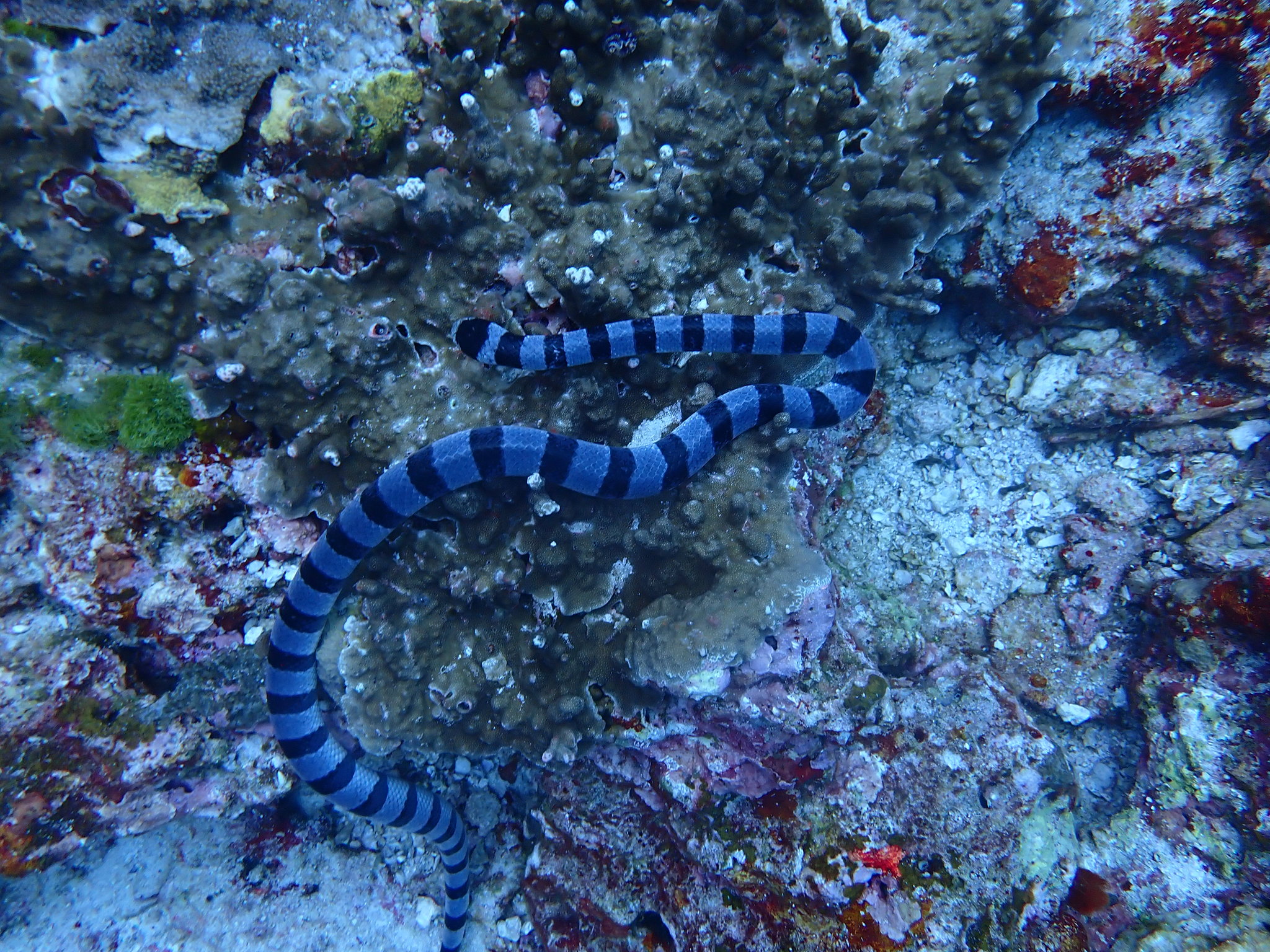 Photo Credit: Lupe / Wikimedia Commons
In the lush, humid jungles of Southeast Asia, the Krait, scientifically known as Bungarus, glides silently through the underbrush. With its sleek, elongated body and striking patterns, this snake is a master of disguise, blending seamlessly into its vibrant surroundings. The Krait’s scales shimmer in shades of black, blue, and yellow, creating a mesmerizing display that captivates both scientists and nature enthusiasts alike. Its beauty, however, is matched by its reputation; this snake is one of the most venomous in the world, making it a subject of intense study and fascination.
As night falls, the Krait comes alive, slithering through the shadows in search of prey. Its keen senses and stealthy movements allow it to hunt effectively, primarily feasting on other snakes, lizards, and small mammals. This nocturnal lifestyle adds an air of mystery to its existence, as few people ever catch a glimpse of this elusive predator. The Krait plays a vital role in its ecosystem, helping to control populations of smaller animals and maintaining the delicate balance of life in its tropical habitat. With each encounter, whether in the wild or through the lens of a researcher, the Krait continues to intrigue and inspire awe, reminding us of the wonders that lie hidden in the natural world.
The Krait is a captivating member of the animal kingdom, nestled within the intricate web of life. Taxonomically, it belongs to the Kingdom Animalia, Phylum Chordata, Class Reptilia, Order Squamata, Family Elapidae, and Genus Bungarus. What sets the Krait apart is its potent venom and striking coloration, which can range from black to vibrant blue or yellow. This snake is not just another reptile; it plays a crucial role in its ecosystem, helping to control populations of rodents and other small animals. Its unique adaptations and behaviors make it a subject of interest for both scientists and nature enthusiasts alike.
| Taxonomic Rank | Scientific Name | Meaning & Significance |
|---|---|---|
| Kingdom | Animalia | This name signifies that Kraits are part of the vast group of multicellular organisms that are primarily heterotrophic, meaning they consume other organisms for energy. |
| Phylum | Chordata | Chordata refers to animals that have a notochord, a flexible rod that supports the body. In Kraits, this structure is present during their development, showcasing their evolutionary link to other vertebrates. |
| Class | Reptilia | Reptilia indicates that Kraits are reptiles, characterized by their scaly skin and cold-blooded nature, which means they rely on external sources to regulate their body temperature. |
| Order | Squamata | Squamata is the order that includes snakes and lizards, known for their ability to shed their skin and their unique jaw structure that allows them to consume prey larger than their head. |
| Family | Elapidae | Elapidae is the family of venomous snakes, which includes cobras and mambas. The name highlights the Krait’s potent venom, a key feature that aids in hunting and self-defense. |
| Genus | Bungarus | Bungarus is derived from the Malay word for “snake,” emphasizing the Krait’s identity as a significant and recognizable serpent in its native habitats. |
The classification of the Krait reveals much about its evolutionary journey. As a member of the Elapidae family, it shares a lineage with some of the most venomous snakes on the planet, showcasing a remarkable adaptation for survival. This evolutionary path highlights the Krait’s role in its environment, where its venom not only aids in capturing prey but also serves as a defense mechanism against potential threats. Understanding its taxonomic position helps us appreciate the intricate relationships within ecosystems and the evolutionary pressures that shape the lives of these fascinating reptiles.
The evolutionary journey of the Krait, a member of the Elapidae family, stretches back millions of years, intertwining with the history of snakes themselves. These sleek, venomous serpents are believed to have evolved from ancient reptiles during the late Cretaceous period, around 100 million years ago. As the world transformed through dramatic climate changes and shifting landmasses, the ancestors of the Krait adapted to their environments, leading to the diverse species we see today.
The Krait’s lineage can be traced to early squamates, a group that includes all lizards and snakes. Over time, these reptiles underwent significant changes, particularly in their hunting and survival strategies. One major transition was the development of venom, a powerful tool that allows them to immobilize prey quickly. This adaptation not only made hunting more efficient but also provided a defense mechanism against predators. As they evolved, Kraits became more specialized, with some species adapting to nocturnal lifestyles, allowing them to hunt under the cover of darkness.
These evolutionary adaptations have been crucial for the Krait’s survival in various habitats across Asia. Their venom allows them to subdue prey quickly, while their distinctive coloration helps deter threats. By being active at night, they can exploit a different ecological niche, reducing competition with other predators. Together, these traits have enabled Kraits to thrive in diverse environments, showcasing the incredible power of evolution in shaping life on Earth.
The Krait is a striking snake that commands attention with its sleek, elongated body and vibrant colors. Its form is both elegant and functional, designed for stealth and speed. With a slender build, the Krait can glide through its environment with remarkable agility, making it a master of camouflage in the underbrush. Its head is slightly flattened, allowing it to navigate through tight spaces, while its eyes, often a bright yellow or green, glimmer with an alertness that hints at its predatory nature.
| Feature | Description |
|---|---|
| Size | Typically ranges from 3 to 5 feet long, with some species reaching up to 7 feet. |
| Color | Often features a striking pattern of black and white or yellow bands, providing excellent camouflage. |
| Skin Type | Covered in smooth, shiny scales that help reduce friction as it moves. |
| Head Shape | Flat and slightly triangular, aiding in its ability to strike quickly. |
These physical characteristics work together to enhance the Krait’s survival in the wild. The combination of its slender body and smooth scales allows it to move swiftly and silently, making it an effective hunter. The bold coloration not only serves as a warning to potential predators about its venomous nature but also helps it blend into its surroundings, allowing it to ambush unsuspecting prey. In the intricate dance of nature, every feature of the Krait plays a vital role in its life, showcasing the beauty and complexity of the animal kingdom.
The Krait finds its home in a variety of habitats that are as diverse as its striking appearance. Typically, these snakes prefer warm, tropical environments, often residing in forests, grasslands, and even agricultural areas. They are most commonly seen in regions where the vegetation is dense, providing ample cover for hunting and hiding. The Krait’s ability to blend into its surroundings makes it a master of stealth, allowing it to thrive in both natural and human-altered landscapes.
The Krait thrives in warm climates, typically found in areas with temperatures ranging from 20 to 30 degrees Celsius (68 to 86 degrees Fahrenheit). These snakes prefer humid environments, which help them maintain hydration and support their active lifestyle. They are often spotted during the night, as they are nocturnal hunters, taking advantage of the cooler temperatures and the cover of darkness to hunt for their prey.
Adapted to their specific habitats, Kraits have developed several remarkable traits. Their slender bodies allow them to navigate through dense underbrush and grass with ease. Their coloration, often featuring bold stripes or patterns, helps them camouflage against the forest floor or among leaves, making them less visible to both predators and prey. This combination of physical adaptations and behavioral strategies enables the Krait to be an effective predator in its chosen environment.
The Krait leads a life filled with intriguing daily activities that revolve around its need for food, safety, and reproduction. As a nocturnal hunter, this snake is most active during the night, slithering through its habitat in search of prey. Its diet mainly consists of small mammals, lizards, and other snakes, which it captures with a swift strike. During the day, Kraits often seek refuge in burrows or under rocks, where they can rest and avoid the heat of the sun. This behavior not only helps them conserve energy but also keeps them safe from potential predators.
Socially, Kraits are generally solitary creatures, preferring to live alone rather than in groups. However, during the mating season, they may come together to find partners. Their interactions are often brief and focused on reproduction. While they do not exhibit complex social structures like some other animals, they communicate through body language and scent marking. This helps them establish territory and find mates, ensuring that they can reproduce successfully while minimizing conflicts with others.
| Behavior Type | Description |
|---|---|
| Activity Patterns | Nocturnal hunting, resting during the day in burrows or under rocks. |
| Social Structure | Primarily solitary, with brief gatherings during mating season. |
| Communication Methods | Body language and scent marking to establish territory and attract mates. |
The behaviors of the Krait are finely tuned to ensure its survival in the wild. By being active at night, it avoids many daytime predators while taking advantage of the cover of darkness to hunt. Its solitary nature reduces competition for food, allowing it to thrive in its environment. The ability to communicate through subtle signals helps Kraits find mates without unnecessary confrontations. Together, these behaviors create a balanced life that supports the Krait’s role in the ecosystem, showcasing the delicate interplay between survival and adaptation.
The Krait is a carnivorous snake, meaning it primarily eats other animals. This sleek predator has a diverse diet that includes a variety of prey, such as other snakes, lizards, rodents, and even fish. Its feeding behavior is quite fascinating; the Krait is known for its stealthy hunting techniques, often waiting patiently for the right moment to strike. With its keen eyesight and acute sense of smell, it can detect movement and scents in its environment, making it an effective nocturnal hunter.
| Dietary Aspect | Details |
|---|---|
| Diet Type | Carnivore |
| Favorite Foods | Other snakes, lizards, rodents, fish |
| Prey Items | Smaller snakes, small mammals, and aquatic creatures |
| Hunting Strategies | Stealthy ambush and quick strikes |
The Krait’s diet plays a crucial role in its ecology and daily routine. By preying on various animals, it helps maintain the balance of its ecosystem, controlling populations of its prey species. This not only ensures a healthy environment but also influences the Krait’s behavior, as it must constantly adapt its hunting strategies to find food. Its nocturnal lifestyle allows it to take advantage of the cover of darkness, making it a skilled and efficient predator in the wild.
When it comes to reproduction, Kraits exhibit fascinating mating behaviors that are often tied to specific breeding seasons. During this time, males engage in elaborate courtship rituals, which may include displays of strength and agility to attract females. The breeding season typically occurs in the warmer months, when temperatures rise and food is more abundant, providing the perfect conditions for raising young.
| Reproductive Aspect | Details |
|---|---|
| Gestation Period | Approximately 2-3 months |
| Litter Size | 2-14 young |
| Age of Maturity | About 2-3 years |
| Name of Young | Hatchlings |
Once the eggs are laid, the young Kraits, known as hatchlings, emerge fully formed and ready to face the world. Unlike some reptiles that provide extensive parental care, Kraits do not stay with their young after they hatch. Instead, the hatchlings must fend for themselves right away, using their natural instincts to hunt and survive. As they grow, they develop the skills necessary to thrive in their environment, maturing into the striking adults that continue the cycle of life.
The Krait occupies a crucial role in its ecosystem, sitting near the top of the food web as a skilled predator. This venomous snake primarily hunts smaller animals, helping to control their populations. However, despite its prowess, the Krait is not without its own set of dangers. Various predators and environmental threats loom, reminding us that survival in the wild is a constant challenge.
To defend itself against these threats, the Krait employs a range of survival strategies. Its venom is a powerful tool, allowing it to subdue prey quickly and deter potential predators. When threatened, the Krait may also rely on its camouflage, blending seamlessly into its surroundings to avoid detection. Additionally, this snake is known for its ability to remain still and silent, making it difficult for predators to spot. These clever adaptations help the Krait navigate the dangers of its environment, ensuring its continued existence in the wild.
A keystone species is an organism that plays a critical role in maintaining the structure of its ecosystem. Its presence and activities significantly influence the types and numbers of other species in that environment. The Krait, a venomous snake found in various tropical habitats, qualifies as a keystone species due to its impact on the populations of its prey and the overall health of its ecosystem.
Kraits are skilled predators, primarily feeding on smaller animals such as lizards, rodents, and even other snakes. By controlling the populations of these species, Kraits help maintain a balance in their ecosystem. For instance, if the Krait’s population were to decline, the number of its prey could increase dramatically. This surge could lead to overgrazing or overpopulation, which might harm plant life and disrupt the habitat for other animals.
Moreover, the Krait’s role as a predator also supports the survival of various species that rely on the same prey. For example, if Kraits keep rodent populations in check, it allows other predators, like birds of prey, to thrive as they have a more stable food source. This interconnectedness highlights how the Krait’s hunting habits ripple through the food web, affecting many other species.
If the Krait were to disappear from its ecosystem, the consequences could be severe. Without this important predator, the populations of its prey would likely explode, leading to overconsumption of vegetation and destabilizing the entire ecosystem. This imbalance could result in a decline in plant diversity, which in turn would affect other animals that depend on those plants for food and shelter. The loss of the Krait would not only disrupt the food web but could also lead to a decline in overall biodiversity, showcasing just how vital this snake is to its environment.
The Krait, a venomous snake found in tropical regions, plays a vital role in its ecosystem. As a skilled predator, it occupies an important ecological niche, helping to regulate populations of various small animals. By preying on rodents, lizards, and even other snakes, the Krait maintains a balance in the food web, ensuring that no single species becomes too dominant. This balance is crucial for the health of its environment, as it allows for a diverse range of species to thrive.
| Ecosystem Service | Impact |
|---|---|
| Population Control | Regulates numbers of small mammals and reptiles, preventing overpopulation. |
| Food Source | Serves as prey for larger predators, contributing to the food web. |
| Soil Health | By controlling rodent populations, it helps maintain soil integrity and plant health. |
| Biological Indicator | Reflects the health of the ecosystem, as their presence indicates a balanced environment. |
The Krait’s influence extends beyond just its role as a predator. For instance, by keeping rodent populations in check, it indirectly supports agricultural health. Rodents can be notorious for damaging crops, so the Krait’s hunting helps protect farmers’ livelihoods. Additionally, as a prey item for larger animals like birds of prey, the Krait contributes to the energy flow within its ecosystem. This interconnectedness highlights how the Krait is not just a solitary hunter but a key player in a larger ecological drama.
Understanding the Krait’s role emphasizes the importance of biodiversity in ecosystems. Each species, including the Krait, contributes to the intricate web of life, where every interaction matters. The loss of such a keystone species could lead to unforeseen consequences, disrupting the balance that supports countless other organisms. By appreciating the Krait and its ecological contributions, we gain insight into the delicate relationships that sustain our natural world.
In the intricate tapestry of nature, symbiosis refers to the close and often long-term interactions between different species. These relationships can take many forms, including mutualism, where both species benefit, parasitism, where one benefits at the expense of the other, and commensalism, where one species benefits while the other is neither helped nor harmed. Understanding these ecological relationships helps us appreciate the delicate balance of ecosystems and the roles that various organisms play within them.
| Species/Type | Relationship Type | Description |
|---|---|---|
| Birds (e.g., Drongos) | Mutualistic | Drongos often follow Kraits, benefiting from the snake’s hunting activities. The birds can catch insects disturbed by the Krait’s movements, while the Krait enjoys reduced predation risk from birds that are distracted by the hunt. |
| Small mammals (e.g., rodents) | Parasitic | Kraits prey on small mammals, such as rodents. In this relationship, the Krait benefits by obtaining food, while the rodents suffer as they become the Krait’s meal. |
| Frogs | Commensal | Frogs may share the same habitat as Kraits without directly interacting. While the Krait hunts for its prey, the frogs benefit from the shelter and moisture provided by the same environment, but they do not affect the Krait. |
These relationships have evolved over time, shaped by the needs and behaviors of the species involved. The Krait’s role as a predator helps maintain the balance of its ecosystem by controlling populations of small mammals and other prey. Meanwhile, the mutualistic interactions with birds highlight how species can work together for mutual benefit, showcasing the interconnectedness of life. Understanding these dynamics not only enriches our knowledge of the Krait but also emphasizes the importance of preserving the habitats where these relationships thrive.
The Krait is a fascinating snake that often surprises those who delve into its world. Known for its striking appearance and potent venom, this elusive creature has many secrets waiting to be uncovered.
Throughout history, the Krait has held a significant place in human culture, often evoking both fear and fascination. In many regions of Asia, where these snakes are commonly found, they have been woven into local folklore and traditional medicine. Some cultures view the Krait as a symbol of danger, while others see it as a creature of mystery and power. Historical encounters between humans and Kraits have often been marked by caution, as their venom can be deadly. This duality of reverence and fear has shaped how communities interact with these snakes, influencing everything from storytelling to local customs.
In modern times, the relationship between Kraits and humans has evolved, reflecting both conflict and conservation efforts. As urban areas expand into natural habitats, encounters with Kraits have become more frequent, leading to misunderstandings and sometimes dangerous situations. However, there is also a growing awareness of the importance of preserving these snakes and their ecosystems. Conservationists are working to educate communities about the ecological role of Kraits, emphasizing their value in controlling pest populations. This shift towards coexistence highlights the need for respectful interactions, balancing human safety with the preservation of wildlife.
Looking ahead, the future of the relationship between Kraits and humanity hinges on education and understanding. As more people recognize the ecological importance of these snakes, there is hope for a more harmonious coexistence. By fostering respect for wildlife and promoting conservation efforts, we can ensure that both Kraits and humans thrive in shared environments. This journey towards mutual respect and understanding could transform fear into appreciation, allowing us to celebrate the wonders of nature together.
The Krait, a captivating member of the snake family, currently holds a conservation status of “Not Evaluated” according to the International Union for Conservation of Nature (IUCN). This means that there hasn’t been enough comprehensive research to determine its population trends or overall health. While some local populations may be stable, the lack of detailed studies makes it difficult to assess the Krait’s situation globally. As a result, the true number of Kraits in the wild remains uncertain, leaving scientists and conservationists eager for more information.
| Conservation Factor | Status/Details |
|---|---|
| IUCN Status | Not Evaluated |
| Population Estimates | Unknown |
| Trend Direction | Unknown |
Despite their elusive nature, Kraits face several significant threats that could impact their survival. Habitat destruction is a major concern, as urbanization and agricultural expansion lead to the loss of their natural environments. Additionally, the use of pesticides can reduce their prey availability, making it harder for these snakes to find food. Human fear and misunderstanding also play a role, as many people may kill Kraits on sight, believing them to be dangerous. This combination of factors creates a challenging landscape for the Krait’s future.
Conservation efforts for the Krait are still in their infancy, primarily due to the lack of data on their populations and habitats. However, raising awareness about the importance of these snakes in their ecosystems is crucial. Educating communities about the Krait’s role as a predator can help reduce fear and promote coexistence. As researchers continue to study these fascinating reptiles, there is hope that targeted conservation strategies will emerge, ensuring that the Krait can thrive in its natural habitat for generations to come.
| Question | Answer |
|---|---|
| What is a Krait? | A Krait is a type of highly venomous snake found in South and Southeast Asia. They belong to the Elapidae family, which includes other dangerous snakes like cobras and mambas. |
| Where do Kraits live? | Kraits are typically found in a variety of habitats, including forests, grasslands, and agricultural areas. They prefer warm climates and are often seen in India, Sri Lanka, and parts of Southeast Asia. |
| What do Kraits eat? | Kraits are carnivores, meaning they primarily eat other animals. Their diet mainly consists of small mammals, lizards, and other snakes, which they hunt at night. |
| How do Kraits behave? | Kraits are nocturnal, which means they are most active at night. They are known for being shy and secretive, often hiding in burrows or under debris during the day. |
| How do Kraits reproduce? | Kraits are oviparous, meaning they lay eggs. A female Krait can lay between 5 to 15 eggs, which she usually hides in a safe location to protect them from predators. |
| What threats do Kraits face? | While Kraits are not currently evaluated for conservation status, they face threats from habitat destruction and human encroachment. Additionally, they are often killed out of fear due to their venomous nature. |
| What is an interesting fact about Kraits? | One fascinating characteristic of Kraits is their potent venom, which is more toxic than that of many other snakes. Despite this, they are often less aggressive and prefer to avoid confrontation with humans. |