Taxonomy & Classification
- Kingdom
- Animalia
- Phylum
- Chordata
- Class
- Mammalia
- Order
- Artiodactyla
- Family
- Bovidae
- Genus
- Tragelaphus
- Species
- Tragelaphus Strepsiceros

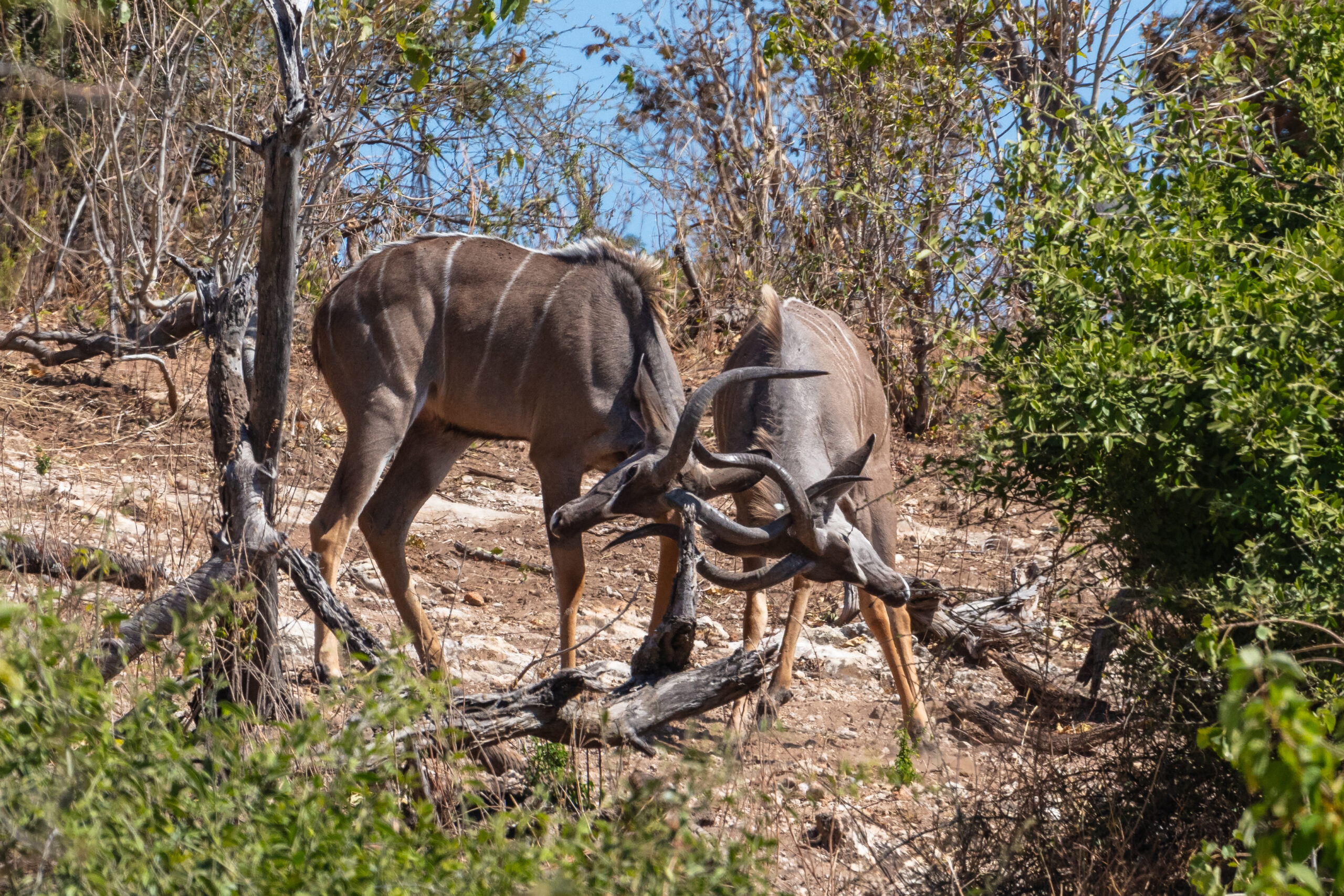 Photo Credit: Poco a poco / Wikimedia Commons
In the sun-drenched savannas and woodlands of Africa, the kudu, scientifically known as Tragelaphus strepsiceros, stands as a symbol of grace and beauty. With its long, spiraled horns and striking coat of grayish-brown adorned with white stripes, this majestic antelope captures the imagination of both scientists and nature lovers alike. As it moves through its habitat, the kudu’s slender legs and powerful build allow it to navigate the dense brush with remarkable agility, making it a master of its environment.
Imagine a warm afternoon, where the golden light filters through the acacia trees, casting playful shadows on the ground. Here, kudus can be seen foraging for leaves and tender shoots, their large, expressive eyes scanning the surroundings for any signs of danger. This elegant creature is not just a feast for the eyes; it plays a crucial role in its ecosystem. By grazing on various plants, the kudu helps shape the landscape, influencing the growth of vegetation and providing sustenance for other animals. As we delve deeper into the world of the kudu, we will explore its fascinating behaviors, social structures, and the vital role it plays in the intricate web of life in Africa.
The kudu is a captivating member of the animal kingdom, nestled within the intricate web of life. Taxonomically, it belongs to the Kingdom Animalia, which includes all animals, and is classified under the Phylum Chordata, meaning it has a backbone. This graceful antelope is part of the Class Mammalia, indicating it is a mammal, and it falls under the Order Artiodactyla, which is home to even-toed ungulates like deer and pigs. The kudu’s family, Bovidae, encompasses a variety of hoofed animals, including cattle and goats. What sets the kudu apart is its striking spiral horns, which can reach impressive lengths, and its ability to thrive in diverse habitats across Africa, from savannas to woodlands.
| Taxonomic Rank | Scientific Name | Meaning & Significance |
|---|---|---|
| Kingdom | Animalia | This name comes from the Latin word for “animal,” highlighting that kudus are part of the vast world of living creatures. |
| Phylum | Chordata | Derived from the Greek word “chordē,” meaning “string,” this refers to the notochord, a flexible rod that supports the body, which all chordates, including kudus, possess at some stage of development. |
| Class | Mammalia | This term comes from the Latin “mamma,” meaning “breast,” indicating that all mammals, including kudus, nurse their young with milk. |
| Order | Artiodactyla | From the Greek “artios,” meaning “even,” and “daktulos,” meaning “finger,” this order includes animals with an even number of toes, like the kudu, which has two main weight-bearing toes on each foot. |
| Family | Bovidae | This name is derived from “bos,” the Latin word for “cow,” reflecting the family’s connection to various hoofed animals, including the kudu. |
| Genus | Tragelaphus | From the Greek “tragos,” meaning “goat,” and “elaphos,” meaning “deer,” this genus name highlights the kudu’s characteristics that blend features of both goats and deer. |
The classification of the kudu reveals a rich evolutionary history that connects it to a diverse array of species. As a member of the Bovidae family, the kudu shares common ancestors with other hoofed animals, showcasing adaptations that have allowed it to thrive in various environments. Its unique physical traits, such as the impressive horns and striking coat patterns, not only serve as identifiers but also play crucial roles in its survival and mating rituals. Understanding where the kudu fits in the tree of life helps us appreciate the intricate relationships among species and the evolutionary paths that have shaped the natural world.
The evolutionary journey of the kudu stretches back millions of years, tracing its roots to the ancient ancestors of modern hoofed mammals. These ancestors roamed the Earth during the late Eocene epoch, around 35 million years ago. As the environment changed, so did the kudu’s lineage, adapting to the diverse landscapes of Africa. This remarkable evolution has led to the two species we recognize today: the greater kudu and the lesser kudu.
Kudus belong to the Bovidae family, which includes animals like antelopes, sheep, and goats. Their ancestors were small, forest-dwelling creatures that gradually adapted to open savannas and woodlands. Over time, they developed longer legs and a more slender body, allowing them to navigate their environment with grace and speed. The evolution of their spiral horns, which can grow up to 6 feet long in males, is another significant transition. These impressive structures not only serve as a display of strength during mating rituals but also provide a means of defense against predators.
These adaptations have been vital for the kudu’s survival in the wild. Their long legs and endurance allow them to escape quickly from predators like lions and hyenas, while their camouflaged coats help them remain hidden in the underbrush. The impressive spiral horns not only play a role in mating displays but also serve as a defense mechanism. Together, these traits have enabled kudus to thrive in their diverse habitats, showcasing the incredible power of evolution in shaping life on Earth.
The kudu is an impressive sight, standing tall and graceful in its natural habitat. With long, slender legs and a robust body, this antelope exudes elegance and strength. Its large, expressive eyes and elongated ears give it a keen awareness of its surroundings, while the striking spiral horns of the males add a dramatic flair to their silhouette. The kudu’s overall form is a perfect blend of agility and power, allowing it to navigate the dense brush of its savanna and woodland homes with ease.
| Feature | Description |
|---|---|
| Weight | 120-256 kg (265-565 lbs) |
| Skin Type | Hair |
These physical characteristics work together to enhance the kudu’s survival in the wild. The kudu’s weight provides it with the strength to escape predators, while its long legs allow for swift movement through thick vegetation. The hair covering its body not only offers protection from the elements but also helps it blend into the dappled light of the forest, making it less visible to potential threats. Together, these features create a well-adapted animal, perfectly suited to thrive in its environment.
The kudu thrives in a landscape that feels like a scene from a vibrant painting. Picture vast savanna plains dotted with acacia trees and patches of shrub woodland, where the sun casts a warm glow over the golden grasses. This environment is a blend of open spaces and sheltered thickets, providing the perfect backdrop for these majestic antelopes. The kudu’s home is alive with the sounds of chirping birds and rustling leaves, creating a symphony of nature that complements their graceful movements.
The climate in these regions is typically warm and dry, with seasonal rains that bring life to the landscape. Kudu prefer areas where they can find both food and cover, as they are browsers, meaning they eat leaves, shoots, and fruits from trees and shrubs. The combination of sunny days and cooler nights creates a comfortable environment for them to thrive. They are particularly fond of areas that offer a mix of open grasslands and dense thickets, allowing them to stay hidden from predators while still having access to their favorite snacks.
Over time, the kudu has developed several adaptations that help it flourish in these habitats. Its long legs allow for swift movement through the tall grasses, while its excellent sense of hearing and keen eyesight help it detect danger from afar. The kudu’s coloration, a mix of browns and whites, provides effective camouflage among the dappled light of the woodland, making it harder for predators to spot them. These traits not only enhance their survival but also allow them to navigate their beautiful, yet challenging, home with grace and agility.
The kudu’s daily life is a blend of grace and caution, filled with activities that revolve around foraging and socializing. As dawn breaks, these majestic antelopes emerge from their resting spots, often hidden among the trees and bushes. They spend their mornings browsing on leaves, shoots, and fruits, using their keen sense of smell and large ears to detect any potential threats. As the sun climbs higher, they may retreat to the shade, conserving energy during the hottest part of the day. In the late afternoon, they return to feeding, often in the company of their herd, making the most of the cooler temperatures.
Socially, kudus are known for their strong group dynamics. They typically form herds that can range from a few individuals to larger groups, often led by a dominant female. This social structure helps them stay safe from predators, as there is strength in numbers. Within the herd, communication is key. Kudus use a variety of sounds, from soft grunts to alarm calls, to convey messages to one another. Their body language, such as ear positioning and tail movements, also plays a crucial role in their interactions, helping to maintain harmony and alertness within the group.
| Behavior Type | Description |
|---|---|
| Activity Patterns | Kudus are crepuscular, meaning they are most active during dawn and dusk. They spend their mornings and late afternoons foraging for food, while resting in the shade during the heat of the day. |
| Social Structure | Kudus live in herds, usually led by a dominant female. These groups can vary in size, providing safety in numbers against predators. |
| Communication Methods | Kudus communicate through a mix of vocalizations, such as grunts and alarm calls, as well as body language, including ear movements and tail signals, to convey their feelings and alert others to danger. |
The behaviors of kudus are finely tuned to ensure their survival in the wild. By foraging in groups, they can keep a lookout for predators while enjoying the benefits of social interaction. Their ability to communicate effectively helps them respond quickly to threats, allowing them to escape danger. This combination of social structure and alertness not only enhances their chances of survival but also enriches their daily lives, making each day an adventure in the vibrant tapestry of their natural habitat.
The kudu is a herbivore, which means it primarily eats plants. This elegant antelope has a diet that consists mainly of leaves, herbs, fruits, and flowers. Kudu are known for their selective feeding behavior, often choosing the most nutritious parts of plants. They use their keen sense of smell and sight to locate food, and their long, spiral horns help them navigate through dense vegetation as they reach for tasty leaves high up in trees.
| Dietary Aspect | Details |
|---|---|
| Diet Type | Herbivore |
| Favorite Foods | Leaves, herbs, fruits, and flowers |
| Prey Items | Primarily plant-based, no animal prey |
| Hunting/Foraging Strategies | Selective feeding, using keen senses to locate nutritious plants |
This plant-based diet plays a crucial role in the kudu’s ecology and daily routine. By feeding on a variety of vegetation, they help maintain the health of their habitat, promoting plant growth and diversity. Their foraging habits also influence the structure of the ecosystem, as they create pathways through dense brush that other animals can use. As they graze and browse, kudu contribute to the balance of their environment, showcasing the interconnectedness of life in the wild.
During the breeding season, which typically occurs in late summer to early autumn, male kudus engage in a fascinating courtship ritual. Males will display their impressive horns and engage in vocalizations to attract females. This period is marked by increased activity and competition among males, as they seek to establish dominance and win the attention of potential mates. Once a female is receptive, mating occurs, leading to the next exciting chapter in the life of a kudu.
| Reproductive Aspect | Details |
|---|---|
| Gestation Period | Approximately 7 months |
| Litter Size | 1 |
| Age of Maturity | About 1.5 to 2 years |
| Name of Young | Calf |
After a gestation period of around seven months, a single calf is born, usually hidden away in dense vegetation to protect it from predators. The mother is highly attentive, often moving her calf to different locations to keep it safe. For the first few weeks, the calf relies on its mother’s milk for nourishment and remains hidden while she forages nearby. As the young kudu grows, it begins to accompany its mother, learning essential survival skills. By the time it reaches maturity at about 1.5 to 2 years, the calf is well-prepared to navigate the challenges of life in the wild, embodying the grace and strength of its species.
The kudu occupies a vital role in the food web of its savanna and woodland habitats. As a herbivore, it primarily feeds on leaves and shrubs, making it an important source of energy for various predators. This elegant antelope is not only a grazer but also a prey species, which means it must constantly be on the lookout for dangers lurking nearby.
To survive against these threats, kudus have developed several clever defensive behaviors. They are known for their incredible agility and speed, allowing them to dart away quickly when danger approaches. Their large ears can pick up the faintest sounds, alerting them to potential predators. Additionally, kudus often rely on their excellent camouflage, blending seamlessly into the dappled light of their surroundings. When threatened, they may also freeze in place, using their natural coloration to avoid detection. These strategies help them navigate the challenges of life in the wild, ensuring their survival in a world filled with predators.
A keystone species is an organism that plays a critical role in maintaining the structure of its ecosystem. This means that its presence and activities significantly influence the environment and the other species living there. The kudu, a graceful antelope found in the shrub woodlands and savanna plains of Africa, qualifies as a keystone species due to its unique interactions with the ecosystem.
Kudus are herbivores, meaning they primarily eat plants, and their feeding habits have a profound impact on their environment. By selectively browsing on leaves, fruits, and flowers, they help control the growth of certain plant species. This selective feeding prevents any one species from dominating the landscape, allowing for a diverse array of plants to thrive. This diversity, in turn, supports a variety of other animals, from insects to larger herbivores, creating a balanced ecosystem.
Moreover, kudus serve as prey for large predators such as lions and leopards. Their presence supports these predator populations, which are essential for controlling the numbers of other herbivores. This predator-prey dynamic is crucial for maintaining the health of the ecosystem. Additionally, when kudus move through their habitat, they help disperse seeds from the plants they consume, promoting plant growth and regeneration in different areas.
If kudus were to disappear from their ecosystem, the consequences would be significant. Without these antelopes, plant species that they typically browse could become overly abundant, leading to a decline in plant diversity. This shift would affect not only the plants but also the many animals that rely on a variety of vegetation for food and shelter. Additionally, the predators that depend on kudus for sustenance would face food shortages, potentially leading to their decline as well. The intricate balance of life in the savanna and woodland would be disrupted, showcasing just how vital the kudu is to its ecosystem.
The kudu occupies a vital ecological niche in the shrub woodlands and savanna plains of Africa. As a herbivore, it plays a significant role in shaping its environment by influencing plant communities and serving as a food source for predators. By grazing on a variety of leaves, fruits, and flowers, the kudu helps maintain the balance of vegetation in its habitat. This balance is crucial for the overall health of the ecosystem, as it supports a diverse array of other species that rely on these plants for food and shelter.
| Ecosystem Service | Impact |
|---|---|
| Grazing | Controls plant growth and promotes biodiversity by preventing any single species from dominating. |
| Seed Dispersal | Helps in the spread of various plant species through its droppings, contributing to forest regeneration. |
| Prey for Predators | Serves as a food source for large carnivores, supporting the food web in its ecosystem. |
| Soil Health | Contributes to soil fertility through nutrient-rich waste, enhancing the growth of plants. |
The kudu’s influence on its environment is evident in several ways. For instance, by selectively feeding on certain plants, it encourages a diverse range of species to thrive. This selective grazing prevents overgrowth of any one type of plant, allowing for a rich tapestry of flora to flourish. Additionally, when kudus move through their habitat, they inadvertently help disperse seeds, as the seeds pass through their digestive systems and are deposited in new locations. This natural process aids in the regeneration of forests and contributes to the overall health of the ecosystem.
The broader ecological importance of the kudu cannot be overstated. As a keystone species, its presence is essential for maintaining the structure and function of its habitat. The interactions between kudus, plants, and predators create a dynamic balance that supports a wide variety of life. By shaping their environment, kudus not only ensure their own survival but also contribute to the resilience and diversity of the ecosystems they inhabit. In this way, the kudu exemplifies the intricate connections that define the natural world, reminding us of the importance of every species in the web of life.
In the intricate tapestry of nature, symbiosis refers to the close and often long-term interactions between different species. These relationships can take many forms, including mutualism, where both species benefit, parasitism, where one benefits at the expense of the other, and commensalism, where one benefits while the other is neither helped nor harmed. The kudu, a graceful antelope found in the shrub woodlands and savanna plains of Africa, engages in various ecological partnerships that highlight the interconnectedness of life.
| Species/Type | Relationship Type | Description |
|---|---|---|
| Oxpecker Birds | Mutualistic | Oxpeckers perch on kudus, eating ticks and parasites from their skin. This helps keep the kudu healthy while providing food for the birds. |
| Acacia Trees | Commensal | Kudus feed on the leaves of acacia trees, which thrive in the same habitat. The trees benefit from the kudus’ grazing, as it helps manage their growth. |
| Predators (e.g., Lions) | Parasitic | While not a direct relationship, kudus are prey for lions and other large carnivores. This relationship benefits the predators but poses a threat to the kudus. |
The evolution of these relationships showcases the dynamic nature of ecosystems. Over time, species like the kudu have adapted to their environments, forming partnerships that enhance their survival. The mutualistic bond with oxpecker birds, for instance, not only helps the kudus stay free of pests but also provides a reliable food source for the birds. Meanwhile, the presence of predators like lions plays a crucial role in maintaining the balance of the ecosystem, ensuring that kudu populations remain healthy and sustainable. These intricate connections remind us that every species, including the kudu, plays a vital role in the grand story of life on Earth.
The kudu is a stunning antelope that roams the savannas and woodlands of Africa, captivating nature enthusiasts with its grace and beauty. But there’s much more to this magnificent animal than meets the eye.
The relationship between kudus and humanity is rich and multifaceted, woven into the fabric of various cultures across Africa. Historically, these majestic antelopes have been admired for their grace and beauty, often appearing in ancient rock art and folklore. Many indigenous communities view the kudu as a symbol of strength and resilience, celebrating its presence in rituals and stories. This deep cultural significance has fostered a connection that goes beyond mere observation, as people have long recognized the kudu’s role in their ecosystems and livelihoods.
In contemporary times, the interactions between kudus and humans have evolved, reflecting both challenges and opportunities. Conservation efforts are underway to protect these animals and their habitats, as they face threats from habitat loss and poaching. However, conflicts can arise when kudus venture into agricultural areas, leading to competition for resources. While kudus are not domesticated, some communities have found ways to coexist with them, promoting sustainable practices that benefit both the animals and local farmers. This delicate balance highlights the need for ongoing dialogue and innovative solutions to ensure that both humans and kudus can thrive.
Looking ahead, the future of the relationship between kudus and humanity hinges on our ability to foster mutual respect and understanding. As we face the challenges of a changing world, it is crucial to prioritize conservation efforts that not only protect these magnificent animals but also support the communities that share their habitat. By embracing innovative solutions and nurturing our connection to nature, we can ensure that kudus continue to grace the landscapes of Africa for generations to come.
The kudu, a striking antelope found in the savannas and woodlands of Africa, currently holds a conservation status of “Least Concern” according to the International Union for Conservation of Nature (IUCN). This means that, at present, the kudu population is relatively stable and not facing immediate threats of extinction. However, while the overall population is healthy, certain local populations may experience fluctuations due to various environmental and human-induced factors.
| Conservation Factor | Status/Details |
|---|---|
| IUCN Status | Least Concern |
| Population Estimates | Approximately 1 million individuals |
| Trend Direction | Stable, with some local declines |
Despite their overall stable status, kudus face several significant threats that could impact their populations in the future. Habitat loss is a primary concern, as expanding agriculture and urban development encroach on their natural environments. Additionally, poaching and illegal hunting pose risks, particularly in areas where wildlife protection is weak. These pressures can lead to localized declines, making it crucial to monitor and address these challenges.
Conservation efforts for the kudu are underway, focusing on habitat preservation and anti-poaching initiatives. Protected areas and wildlife reserves play a vital role in safeguarding these majestic animals and their habitats. Community engagement is also essential, as local populations are encouraged to participate in conservation strategies. With continued efforts and awareness, the outlook for the kudu remains positive, ensuring that future generations can appreciate their beauty and ecological importance.
| Question | Answer |
|---|---|
| What is the natural habitat of the Kudu? | Kudus thrive in shrub woodlands and savanna plains. These areas provide them with plenty of food and cover from predators, allowing them to roam and graze comfortably. |
| What do Kudus eat? | Kudus are herbivores, which means they primarily eat plants. Their diet consists of leaves, shoots, and fruits, making them well-suited for their woodland and savanna habitats. |
| How do Kudus behave in the wild? | Kudus are known for their shy and elusive nature. They are most active during the early morning and late afternoon, often using their excellent camouflage to avoid detection by predators. |
| How do Kudus reproduce? | Kudus typically mate during the rainy season when food is abundant. After a gestation period of about seven months, females give birth to a single calf, which they hide in dense vegetation to protect it from predators. |
| What are the main threats to Kudus? | While Kudus are currently classified as Least Concern, they face threats from habitat loss and hunting. As human populations expand, their natural habitats are being altered, which can impact their survival. |
| What are some interesting characteristics of Kudus? | Kudus are known for their impressive spiral horns, which can grow up to 6 feet long in males. They also have a unique ability to leap over obstacles, making them agile and graceful in their movements. |
| How do Kudus communicate with each other? | Kudus communicate through a variety of vocalizations, body language, and scent marking. They use these methods to alert each other to danger or to establish territory. |