Taxonomy & Classification
- Kingdom
- Animalia
- Phylum
- Arthropoda
- Class
- Insecta
- Order
- Coleoptera
- Family
- Coccinellidae
- Genus
- Coccinella

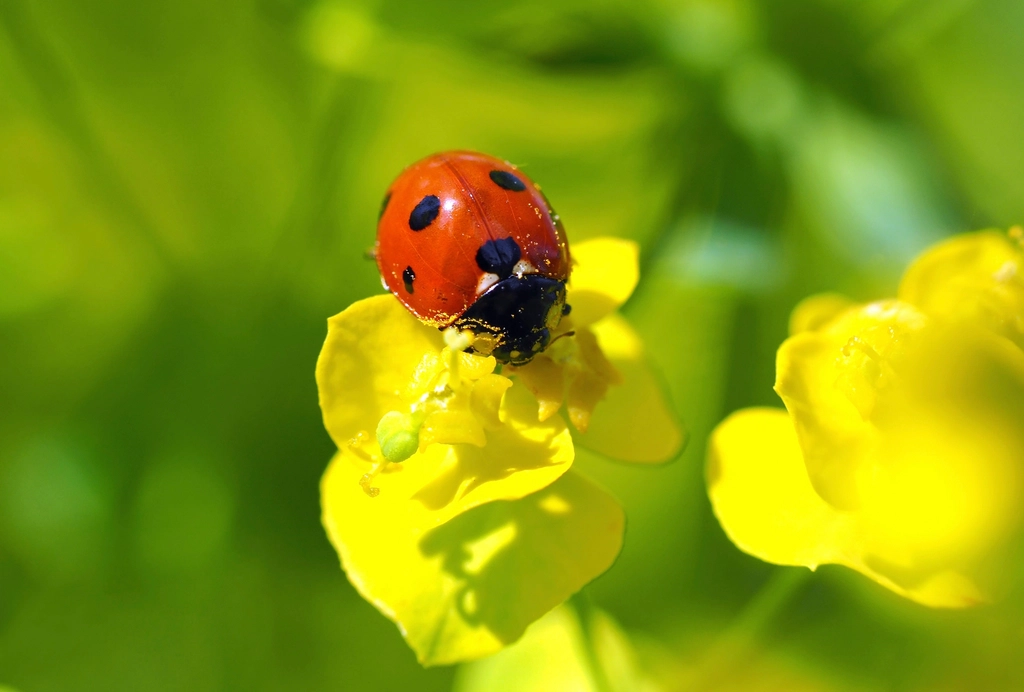 Photo Credit: Rawpixel
In the vibrant world of gardens and meadows, the ladybug, scientifically known as Coccinellidae, flits about with a charm that captivates both young and old. With its glossy red shell adorned with black spots, this small beetle is a delightful sight against the backdrop of green leaves and colorful flowers. As the sun shines down, ladybugs emerge from their hiding spots, their rounded bodies glistening like tiny jewels. They are not just pretty faces; these little wonders play a crucial role in the ecosystem, helping to keep pest populations in check and ensuring that plants thrive.
What makes ladybugs particularly fascinating to scientists and nature enthusiasts alike is their remarkable life cycle and behavior. These beetles are voracious predators, with a particular fondness for aphids—tiny insects that can wreak havoc on gardens. As they munch on these pests, ladybugs help maintain a balance in their environment, showcasing the interconnectedness of life. Their evolutionary history stretches back millions of years, making them not only a symbol of good luck in many cultures but also a testament to nature’s resilience and adaptability. Join us as we explore the enchanting world of ladybugs, uncovering their secrets and the vital roles they play in our ecosystems.
Ladybugs, often recognized by their bright red bodies and distinctive black spots, hold a special place in the tree of life. Scientifically classified within the kingdom Animalia, they belong to the phylum Arthropoda, which includes all animals with jointed legs and exoskeletons. More specifically, ladybugs are part of the class Insecta, the order Coleoptera, and the family Coccinellidae. What makes these little beetles particularly interesting is their role as natural pest controllers, helping to keep aphid populations in check. This beneficial behavior, along with their striking appearance, has made them beloved by gardeners and nature enthusiasts alike.
| Taxonomic Rank | Scientific Name | Meaning & Significance |
|---|---|---|
| Kingdom | Animalia | This name means “animals” in Latin, highlighting that ladybugs are part of the vast group of living organisms that are multicellular and capable of movement. |
| Phylum | Arthropoda | Derived from Greek, meaning “jointed feet,” this name refers to the jointed limbs that are a characteristic feature of insects, including ladybugs. |
| Class | Insecta | This term comes from the Latin word for “cut,” referring to the segmented body structure of insects, which ladybugs exemplify with their three-part bodies. |
| Order | Coleoptera | Meaning “sheath wing” in Greek, this name describes the hard outer wings that protect the delicate flying wings of ladybugs. |
| Family | Coccinellidae | This name is derived from the Latin word “coccineus,” meaning “scarlet,” which reflects the ladybug’s vibrant red coloration. |
| Genus | Coccinella | Also stemming from the Latin word for “scarlet,” this genus name emphasizes the bright colors that many ladybug species display. |
The classification of ladybugs reveals much about their evolutionary journey. As members of the Coleoptera order, they share a lineage with a vast array of beetles, showcasing the incredible diversity of life forms that have adapted to various environments. Their unique adaptations, such as their protective wing covers and their role in ecosystems as predators of pests, highlight how evolution shapes species to thrive in their habitats. Understanding where ladybugs fit in the tree of life not only deepens our appreciation for these charming insects but also underscores the interconnectedness of all living things.
The evolutionary journey of ladybugs stretches back millions of years, tracing their lineage to ancient beetles that roamed the Earth during the late Jurassic period, around 150 million years ago. These small, winged insects belong to the family Coccinellidae, which has diversified over time into the colorful and beneficial creatures we recognize today. As they evolved, ladybugs adapted to their environments, developing traits that would help them thrive in a variety of habitats.
The ancestors of modern ladybugs were likely more drab in color and less specialized than their descendants. Over time, they underwent significant changes, including the development of their iconic red and black coloration. This bright coloring serves as a warning to predators, signaling that they are not a tasty meal. Additionally, ladybugs transitioned from being generalist feeders to more specialized predators of aphids and other pests, which allowed them to exploit new food sources and become vital players in controlling pest populations.
These adaptations have been crucial for ladybugs’ survival in a world filled with challenges. Their bright colors deter predators, while their specialized feeding habits allow them to thrive in diverse ecosystems. By evolving to become effective pest controllers, ladybugs have not only secured their own place in the environment but have also become invaluable allies to humans in agriculture. Their story is a testament to the power of evolution, showcasing how small changes can lead to significant impacts on survival and ecological balance.
When you first spot a ladybug, you might be struck by its charming appearance. These small beetles, often no larger than a pea, boast a rounded body that is both compact and sturdy. Their vibrant colors, primarily a striking red, create a delightful contrast against the green leaves they often inhabit. With a smooth, shiny shell, known as elytra, that covers their delicate wings, ladybugs present a cheerful sight in gardens and fields alike.
| Feature | Description |
|---|---|
| Weight | About 0.007 ounces |
| Skin Type | Shell |
| Most Distinctive Feature | Brightly colored and patterned elytra |
The ladybug’s features are not just for show; they play vital roles in its survival. The bright red color and black spots serve as a warning to potential predators, signaling that these little beetles might not be a tasty snack. This clever form of protection is known as aposematism, which helps keep them safe in the wild. Their hard shell not only shields their wings but also provides a sturdy barrier against harsh weather and predators. Together, these characteristics make ladybugs not only beautiful but also well-equipped to thrive in their environments.
Ladybugs thrive in a variety of habitats that are as colorful as they are charming. You can often find them in lush gardens, where flowers bloom and insects abound. They also make their homes in shady forests, open meadows, and even in the nooks of hedgerows. These delightful beetles enjoy places that offer plenty of food and shelter, like pastures and abandoned weedy spots, where they can hide from predators and find their favorite meals.
Ladybugs prefer climates that are warm and temperate, which means they enjoy mild temperatures and plenty of sunshine. They thrive in environments where they can find a steady supply of aphids and other small insects to munch on. These beetles are also quite adaptable, able to survive in various conditions, but they do best in areas that provide a mix of sun and shade, allowing them to regulate their body temperature effectively.
To flourish in their chosen habitats, ladybugs have developed some clever adaptations. Their bright colors not only make them stand out but also serve as a warning to potential predators that they might taste bad. Additionally, their ability to reproduce quickly ensures that even if some ladybugs fall prey to birds or other animals, many more will continue to thrive. This combination of vibrant appearance and rapid reproduction helps them maintain a strong presence in gardens and fields around the world.
Ladybugs lead a daily life filled with simple yet essential activities that revolve around their quest for food and safety. As the sun rises, these small beetles emerge from their hiding spots, often found under leaves or in crevices. Their day typically begins with a search for aphids, tiny plant-eating insects that are a favorite meal. With their keen eyesight, ladybugs can spot these pests from a distance, and they use their strong jaws to munch on them. Throughout the day, they may also engage in sunbathing, soaking up warmth to help regulate their body temperature, which is crucial for their energy levels.
While ladybugs are primarily solitary creatures, they do exhibit interesting social behaviors when the conditions are right. During mating season, males and females come together, often forming small groups. These gatherings can be quite lively, as the males compete for the attention of females, showcasing their vibrant colors and performing courtship dances. Communication among ladybugs is subtle but effective; they use pheromones, which are chemical signals, to convey information about their readiness to mate or to warn others of danger.
| Behavior Type | Description |
|---|---|
| Feeding | Ladybugs primarily feed on aphids, using their strong jaws to consume these pests. They can eat up to 50 aphids a day! |
| Social Structure | Generally solitary, ladybugs come together during mating season, forming small groups to attract mates. |
| Communication | They communicate through pheromones, which help them signal readiness to mate or alert others to threats. |
The behaviors of ladybugs are not just fascinating; they play a vital role in their survival. By efficiently hunting aphids, they help control pest populations, which benefits the plants in their environment. Their ability to find mates and communicate effectively ensures that they can reproduce and continue their lineage. In a world filled with challenges, these small beetles demonstrate that even the simplest actions can have a significant impact on their lives and the ecosystems they inhabit.
Ladybugs are carnivorous little wonders, primarily feasting on a variety of small insects. Their favorite meal? Aphids! These tiny, soft-bodied pests are often found munching on plants, making them a perfect target for ladybugs. With their keen eyesight and agile movements, ladybugs are skilled hunters, using their sharp mandibles to capture and consume their prey. This diet not only provides them with essential nutrients but also helps keep pest populations in check, making ladybugs valuable allies in gardens and farms.
| Dietary Aspect | Details |
|---|---|
| Diet Type | Carnivore |
| Favorite Foods | Aphids, thrips, caterpillars, beetle larvae, scale insects, spider mites, mealybugs, and even other ladybugs |
| Prey Items | Small insects, particularly those that damage plants |
| Hunting/Foraging Strategies | Ladybugs use their excellent vision to spot prey and their quick reflexes to capture them. They often search on the undersides of leaves where pests like aphids tend to hide. |
This diet plays a crucial role in the ecology of their environment. By controlling the populations of harmful insects, ladybugs help maintain a healthy balance in ecosystems. Their daily routine revolves around foraging for food, which not only sustains them but also supports the plants they inhabit. In this way, ladybugs contribute to the overall health of gardens and agricultural areas, making them not just charming little beetles, but important players in the natural world.
When it comes to love in the ladybug world, the breeding season is a lively affair! Typically, this season occurs in the spring when temperatures rise and food becomes plentiful. Male ladybugs are quite the suitors, often engaging in a dance to attract females. This courtship ritual involves a series of movements and pheromones, which are special chemicals that help communicate their intentions. Once a female chooses her mate, they will mate, and the female will soon lay her eggs.
| Reproductive Aspect | Details |
|---|---|
| Gestation Period | Five to eight days |
| Litter Size | Typically 10 to 50 eggs |
| Age of Maturity | 3 to 7 weeks |
| Name of Young | Larvae |
After the eggs hatch, the young ladybugs emerge as larvae, which look quite different from their adult forms. These larvae are elongated and often spiky, making them look more like tiny alligators than the familiar round ladybugs. During this stage, they are voracious eaters, consuming aphids and other small pests, which helps them grow quickly. As they mature, they will undergo a transformation called metamorphosis, where they will eventually pupate and emerge as adult ladybugs. While ladybugs do not provide direct parental care after laying their eggs, the larvae are well-equipped to fend for themselves, growing into the vibrant adults we recognize and love.
Ladybugs play a vital role in the food web, acting as both predators and prey. These small beetles help control pest populations, particularly aphids, which are harmful to plants. However, their bright colors, while beautiful, also signal to potential predators that they are a tasty snack. This dual role makes ladybugs an important part of the ecosystem, but it also exposes them to various dangers.
Ladybugs have developed several clever strategies to survive these threats. When threatened, they can release a foul-smelling fluid from their legs, which deters predators. This chemical defense is a warning that they might not be a good meal after all. Additionally, their bright colors serve as a warning signal, indicating that they may be toxic or unpalatable. By combining these defensive behaviors with their ability to blend into their surroundings, ladybugs continue to thrive in the wild, despite the dangers they face.
A keystone species is an organism that has a disproportionately large impact on its environment relative to its abundance. In simpler terms, if you remove a keystone species, the entire ecosystem can change dramatically. Ladybugs, with their role as natural pest controllers, qualify as a keystone species in many ecosystems, particularly in gardens and agricultural areas. Their presence helps maintain the balance of insect populations, making them crucial players in their habitats.
Ladybugs primarily feast on aphids, which are tiny insects that can wreak havoc on plants by sucking their sap. By keeping aphid populations in check, ladybugs help protect plants, ensuring that they can grow healthy and strong. This not only benefits the plants themselves but also the animals that rely on those plants for food and shelter. For example, a garden filled with thriving flowers and vegetables can attract a variety of pollinators, like bees and butterflies, which are essential for plant reproduction.
Moreover, ladybugs contribute to the overall health of the soil. Healthy plants lead to better root systems, which in turn improve soil structure and nutrient cycling. This creates a more robust ecosystem that supports a diverse range of organisms, from earthworms to birds. In this way, ladybugs indirectly support many other species, showcasing their importance beyond just their immediate role as predators.
If ladybugs were to disappear from their ecosystems, the consequences could be severe. Without these tiny beetles to keep aphid numbers in check, these pests could multiply unchecked, leading to widespread damage to crops and native plants. This could result in a decline in plant health, affecting not only the plants themselves but also the animals that depend on them for food and habitat. The ripple effects would be felt throughout the ecosystem, demonstrating just how vital ladybugs are to maintaining balance in nature.
Ladybugs, often seen as cheerful little insects, play a crucial role in shaping their ecosystems. These small beetles occupy an ecological niche as both predators and prey, helping to maintain balance in their environments. By controlling pest populations, particularly aphids, ladybugs contribute to healthier plant life, which in turn supports a diverse array of other organisms. Their presence in gardens, forests, and meadows is a sign of a thriving ecosystem, where they help ensure that plants can grow strong and healthy.
| Ecosystem Service | Impact |
|---|---|
| Pest Control | Ladybugs consume large numbers of aphids and other harmful insects, reducing plant damage. |
| Food Source | They serve as a meal for various birds and other predators, contributing to the food web. |
| Pollination Support | While not primary pollinators, their presence in gardens can attract other pollinators. |
| Soil Health | By controlling pests, ladybugs help maintain healthy plants, which improve soil quality. |
In gardens, ladybugs are often seen diligently hunting for aphids, which are tiny insects that suck the sap from plants. A single ladybug can eat up to 50 aphids in a day! This appetite makes them invaluable allies for gardeners, as they help keep crops healthy and thriving. Additionally, their vibrant colors and friendly demeanor attract attention, encouraging people to appreciate the natural world around them. When ladybugs are present, it often means that the ecosystem is balanced and flourishing, creating a welcoming environment for other beneficial insects and wildlife.
The broader ecological importance of ladybugs cannot be overstated. As keystone species, their role in controlling pest populations helps ensure that plants can grow without being overwhelmed by harmful insects. This, in turn, supports a diverse range of life, from the smallest soil organisms to larger animals that rely on plants for food and shelter. By maintaining this balance, ladybugs contribute to the overall health of their ecosystems, reminding us of the interconnectedness of all living things. Their presence is a testament to the beauty and complexity of nature, encouraging us to protect and cherish the environments we share.
In the intricate web of life, many species form partnerships that benefit them in various ways. These relationships can be classified into three main types: mutualism, where both species gain; commensalism, where one benefits while the other is neither helped nor harmed; and parasitism, where one benefits at the expense of the other. Ladybugs, with their vibrant colors and voracious appetites, engage in several fascinating ecological relationships that highlight the interconnectedness of nature.
| Species/Type | Relationship Type | Description |
|---|---|---|
| Aphids | Mutualistic | Ladybugs feed on aphids, controlling their population. In return, the presence of ladybugs can help plants thrive, as fewer aphids mean less damage to the plants. |
| Ants | Mutualistic | Some ants protect ladybug larvae from predators in exchange for a sugary substance called honeydew that ladybugs produce. This relationship helps both species survive. |
| Fungi | Commensal | Ladybugs may inadvertently spread fungal spores as they move through their habitats. While the fungi benefit from this movement, the ladybugs are unaffected. |
These relationships have evolved over time, shaped by the needs and behaviors of the species involved. Ladybugs have developed their predatory skills to keep pest populations in check, while aphids and ants have adapted to coexist with these beetles. Such partnerships not only enhance the survival of individual species but also contribute to the health of entire ecosystems. By understanding these connections, we can appreciate the delicate balance of nature and the roles each species plays in maintaining it.
Ladybugs are not just charming little beetles; they are full of surprises that make them truly captivating. Here are some intriguing facts that showcase their unique traits and behaviors.
Throughout history, ladybugs have captured the imagination of people around the world. These delightful beetles have been symbols of good luck in many cultures, often associated with protection and prosperity. In medieval Europe, farmers believed that ladybugs were sent by the Virgin Mary to protect their crops from pests. This connection to agriculture made them beloved allies in the fields, where their appetite for harmful insects like aphids helped ensure bountiful harvests. The ladybug’s vibrant colors and charming appearance have also inspired countless stories and folklore, making them a staple in children’s literature and art.
In modern times, our relationship with ladybugs has evolved, reflecting both admiration and concern. As we become more aware of environmental issues, many people are working to conserve ladybug populations, recognizing their role in natural pest control. However, not all interactions are positive. In some regions, invasive ladybug species have been introduced, leading to competition with native species and disrupting local ecosystems. Additionally, urbanization and pesticide use threaten their habitats, prompting conservationists to advocate for more sustainable gardening practices. This blend of cooperation and conflict highlights the complexity of our relationship with these tiny beetles.
Looking ahead, the future of our relationship with ladybugs will depend on our commitment to preserving their habitats and understanding their ecological importance. As we face challenges like climate change and habitat loss, fostering a healthy environment for ladybugs can benefit both nature and humanity. By embracing sustainable practices and appreciating these charming beetles, we can ensure that they continue to thrive alongside us, enriching our lives and ecosystems for generations to come.
The conservation status of ladybugs is currently classified as “Not Evaluated” by the International Union for Conservation of Nature (IUCN). This means that while there is no formal assessment of their risk of extinction, ladybugs are not considered to be in immediate danger. In fact, their estimated population size is in the millions, indicating a healthy presence in various ecosystems. However, ongoing monitoring is essential to ensure that their populations remain stable and that they continue to thrive in their natural habitats.
| Conservation Factor | Status/Details |
|---|---|
| IUCN Status | Not Evaluated |
| Estimated Population Size | At least millions |
| Population Trend | Stable |
Despite their current stability, ladybugs face several threats that could impact their populations in the future. Habitat loss is a significant concern, as urban development and agricultural practices can destroy the lush environments where ladybugs thrive. Additionally, the use of pesticides in farming can harm ladybugs directly or reduce their food sources, like aphids. Climate change also poses a risk, as shifting weather patterns can alter the availability of habitats and food.
Conservation efforts for ladybugs are not as prominent as for some other species, but awareness is growing. Encouraging organic farming practices and reducing pesticide use can help protect these beneficial beetles. Creating habitats that support ladybug populations, such as planting native flowers and maintaining gardens, can also contribute to their well-being. With continued attention and care, the outlook for ladybugs remains positive, allowing them to continue their essential role in our ecosystems.
| Question | Answer |
|---|---|
| Where do ladybugs live? | Ladybugs can be found in a variety of habitats, including gardens, forests, and meadows. They thrive in places with plenty of plants, as these provide food and shelter. You might also spot them in yards and hedgerows, or even in abandoned weedy areas. |
| What do ladybugs eat? | Ladybugs are carnivores, which means they primarily eat other insects. Their favorite snack is aphids, tiny pests that can harm plants. A single ladybug can eat hundreds of aphids in a week, making them great helpers in gardens. |
| How do ladybugs behave? | Ladybugs are known for their gentle and curious nature. They often crawl around on plants, searching for food and exploring their surroundings. When threatened, some ladybugs can even secrete a foul-smelling liquid to deter predators. |
| How do ladybugs reproduce? | Ladybugs typically mate in the spring, after they emerge from hibernation. The female lays her eggs on the underside of leaves, where they are safe from predators. After a few days, the eggs hatch into larvae, which will grow and eventually become adult ladybugs. |
| What threats do ladybugs face? | Ladybugs face several threats, including habitat loss and pesticide use. Pesticides can kill ladybugs along with the pests they eat, disrupting their populations. Additionally, climate change can affect their habitats and food sources. |
| What is a unique characteristic of ladybugs? | One of the most distinctive features of ladybugs is their brightly colored and patterned elytra, which are the hard wing covers. These colors can range from red to orange, often with black spots. This bright coloration serves as a warning to predators that they might taste bad! |
| Are ladybugs beneficial to gardens? | Absolutely! Ladybugs are considered beneficial insects because they help control pest populations. By eating aphids and other harmful insects, they contribute to a healthier garden ecosystem. Many gardeners welcome ladybugs as natural pest controllers. |