Taxonomy & Classification
- Kingdom
- Animalia
- Phylum
- Arthropoda
- Class
- Insecta
- Order
- Hymenoptera
- Family
- Formicidae
- Genus
- Atta and Acromyrmex

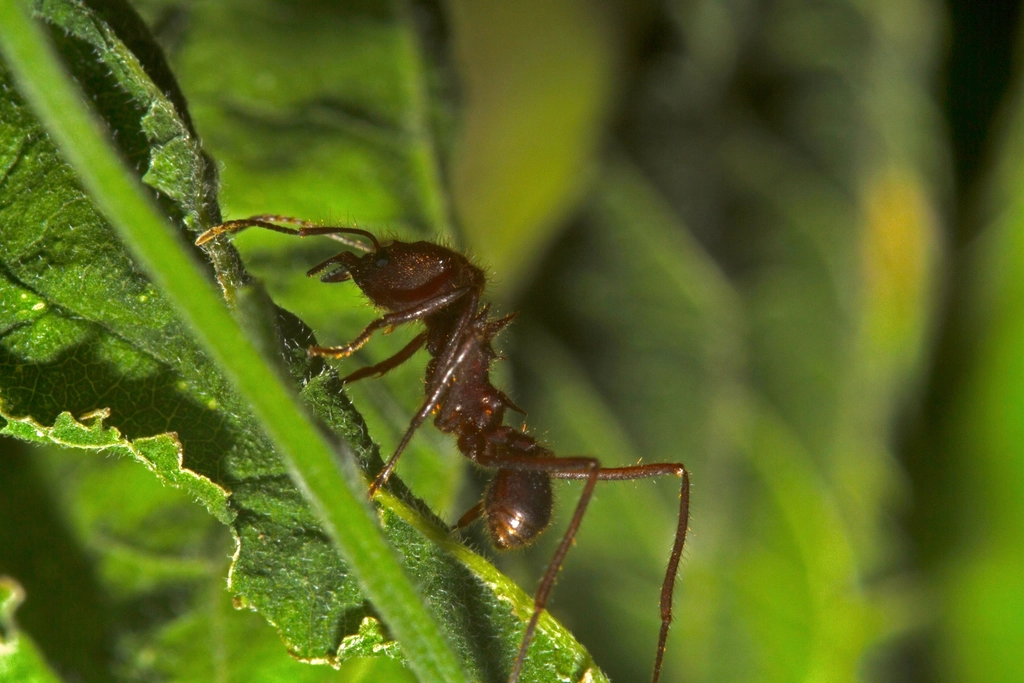 Photo Credit: insectsunlockedproject / Rawpixel
In the heart of a vibrant rainforest, where sunlight filters through a lush canopy of leaves, lives the leafcutter ant, known scientifically as Atta and Acromyrmex. These tiny titans are not just ordinary insects; they are remarkable architects and farmers, tirelessly working to cultivate their own food. With their strong mandibles, they expertly slice through leaves, carrying pieces much larger than themselves back to their underground colonies. This industrious behavior is not only fascinating to observe but also crucial for the ecosystem, as these ants play a vital role in nutrient cycling and plant growth.
As you watch a parade of leafcutter ants marching in unison, their bodies glistening in the dappled sunlight, it’s hard not to be captivated by their teamwork and efficiency. Each ant has a specific role, from foragers to soldiers, all working together in a complex social structure. Scientists and nature enthusiasts alike are drawn to these remarkable insects because they showcase the wonders of cooperation and adaptation in the natural world. Their ability to cultivate fungi from the leaves they collect is a unique relationship that highlights the intricate connections between species. Join us as we delve deeper into the fascinating life of leafcutter ants, exploring their behaviors, habitats, and the vital roles they play in their ecosystems.
Leafcutter ants are extraordinary members of the animal kingdom, sitting proudly within the vast tree of life. These industrious insects belong to the family Formicidae, which encompasses all ants, and are classified under the genera Atta and Acromyrmex. What sets leafcutter ants apart is their remarkable ability to cultivate fungus as a food source. They are not just foragers; they are farmers! By cutting leaves and bringing them back to their underground nests, they create a perfect environment for growing their fungal crops. This unique behavior showcases their complex social structure and cooperative living, making them a standout example of teamwork in nature.
| Taxonomic Rank | Scientific Name | Meaning & Significance |
|---|---|---|
| Kingdom | Animalia | This name means “animals” in Latin, highlighting that leafcutter ants are part of the diverse group of multicellular organisms that can move and respond to their environment. |
| Phylum | Arthropoda | Derived from Greek, meaning “jointed legs,” this classification emphasizes the leafcutter ant’s segmented body and jointed appendages, which are key features of all arthropods. |
| Class | Insecta | This term comes from the Latin word for “cut into pieces,” referring to the segmented body structure of insects, including the leafcutter ant’s three-part body: head, thorax, and abdomen. |
| Order | Hymenoptera | Meaning “membranous wings” in Greek, this order includes ants, bees, and wasps, all of which share a common trait of having two pairs of wings, although leafcutter ants are wingless in their worker form. |
| Family | Formicidae | This name comes from the Latin word “formica,” meaning “ant.” It signifies the diverse and social nature of ants, including the leafcutter’s complex colonies. |
| Genus | Atta and Acromyrmex | Atta is derived from the Tupi word for “ant,” while Acromyrmex means “sharp ant” in Greek, reflecting their leaf-cutting behavior and the sharp mandibles they use to harvest foliage. |
The classification of leafcutter ants reveals a rich evolutionary history that connects them to a vast array of other insects. Their position within the Hymenoptera order highlights their close relationship with bees and wasps, showcasing a shared ancestry that dates back millions of years. The leafcutter ants’ unique farming behavior not only illustrates their adaptability but also their role in shaping ecosystems. By cultivating fungi, they contribute to nutrient cycling and support a variety of other species. This intricate web of life underscores the importance of understanding these remarkable insects and their place in the natural world.
The evolutionary journey of leafcutter ants is a captivating tale that stretches back millions of years. These remarkable insects, belonging to the genera Atta and Acromyrmex, have evolved alongside flowering plants, adapting their behaviors and physical traits to thrive in diverse environments. Their story is one of cooperation, innovation, and survival, showcasing how life can transform in response to changing ecosystems.
Leafcutter ants trace their ancestry to primitive ant species that roamed the Earth around 100 million years ago. Early ants were simple scavengers, but as flowering plants began to flourish, these ants discovered a new food source: leaves. This marked a significant transition in their diet and behavior. Over time, leafcutter ants developed a symbiotic relationship with fungi, which they cultivate by cutting and processing leaves. This partnership allowed them to break down tough plant material into digestible food, showcasing a remarkable evolutionary adaptation.
The adaptations of leafcutter ants have been crucial for their survival and success. Their complex social structure allows them to tackle challenges as a team, while their leaf-cutting and fungal farming skills provide a reliable food source. By developing defensive strategies and adapting to various environments, leafcutter ants have not only survived but thrived, becoming one of the most fascinating examples of cooperation and evolution in the insect world.
Leafcutter ants are a sight to behold, showcasing a blend of strength and agility in their small yet powerful forms. Their bodies are built for efficiency, with a robust exoskeleton that provides protection while allowing for flexibility. These ants are often seen marching in organized lines, each carrying pieces of leaves much larger than themselves. Their heads are large and strong, equipped with powerful mandibles that can slice through tough plant material. This impressive structure not only aids in their leaf-cutting behavior but also gives them a commanding presence on the forest floor.
| Feature | Description |
|---|---|
| Size | Typically 0.5 to 2 inches long, depending on the species. |
| Color | Ranging from light brown to dark reddish-brown, often with a shiny appearance. |
| Skin Type | Exoskeleton, which is hard and protective, allowing for durability in their environment. |
| Most Distinctive Feature | Mass leaf cutting and transporting behavior on trails, showcasing their teamwork and efficiency. |
These physical characteristics work together seamlessly to enhance the leafcutter ant’s survival. The exoskeleton not only shields them from predators but also supports their labor-intensive lifestyle. Their strong mandibles are perfectly adapted for cutting leaves, which they use to cultivate fungus, their primary food source. The ability to carry large leaf pieces allows them to transport resources back to their colonies, ensuring the survival of their community. Together, these features create a highly efficient and cooperative system, making leafcutter ants one of nature’s most fascinating examples of teamwork and adaptation.
Leafcutter ants thrive in a variety of lush environments, painting a vibrant picture of life in the wild. These industrious insects are often found in rainforests, where towering trees create a dense canopy that filters sunlight, casting dappled shadows on the forest floor. They also inhabit other types of forests, grasslands, and open areas, showcasing their adaptability to different landscapes. The hum of life in these habitats is a constant backdrop, filled with the sounds of rustling leaves and chirping insects, creating a bustling community where leafcutter ants play a vital role.
Leafcutter ants prefer warm climates, typically found in regions where temperatures are consistently mild to hot. They thrive in areas with high humidity, which is essential for their fungal gardens. These ants cultivate a special fungus that breaks down the leaves they collect, turning them into a nutritious food source. The environmental conditions in their habitats, including ample rainfall and rich soil, support the growth of the plants they rely on for sustenance.
To survive and flourish in these diverse habitats, leafcutter ants have developed remarkable adaptations. Their strong mandibles, or jaws, are perfectly designed for cutting leaves, allowing them to gather food efficiently. They also have a symbiotic relationship with the fungus they cultivate, which has evolved alongside them. This partnership not only provides nourishment but also helps maintain the health of their colonies. By working together in large groups, leafcutter ants can transport leaves over long distances, showcasing their teamwork and resilience in the face of challenges in their environment.
Leafcutter ants lead a bustling life filled with activity, primarily during the day. As diurnal creatures, they rise with the sun, ready to embark on their daily adventures. Their primary task is to forage for leaves, which they cut into small pieces to bring back to their colony. This leaf material is not just for munching; it serves as a key ingredient for cultivating a special fungus that the ants eat. The day is filled with a flurry of movement as they navigate their environment, working tirelessly to gather resources and maintain their home.
Social behavior is at the heart of leafcutter ant life. These ants live in large colonies that can number in the millions, showcasing a complex social structure. Each ant has a specific role, from foragers who collect leaves to workers who tend to the fungus gardens. Communication is vital in this bustling society, and leafcutter ants use a variety of methods to stay connected. They release pheromones, which are chemical signals that convey messages about food sources or dangers. This teamwork ensures that every ant knows its place and purpose, creating a harmonious community.
| Behavior Type | Description |
|---|---|
| Foraging | Leafcutter ants search for leaves, cutting them into manageable pieces to transport back to the colony. |
| Colony Structure | Colonies consist of millions of ants, with distinct roles such as foragers, workers, and soldiers. |
| Communication | They use pheromones to share information about food sources and threats, ensuring efficient teamwork. |
The behaviors of leafcutter ants are finely tuned to ensure their survival in a competitive world. By working together and communicating effectively, they can gather food, protect their colony, and cultivate their fungus gardens. This intricate web of cooperation not only sustains their colony but also highlights the incredible adaptability and resilience of these tiny yet mighty insects. In the grand tapestry of nature, leafcutter ants exemplify how teamwork and social structure can lead to thriving communities.
Leafcutter ants have a fascinating diet that revolves around their unique relationship with plants. These industrious insects are omnivores, meaning they eat both plant and animal matter. However, their primary food source is not what you might expect. Instead of munching directly on leaves, leafcutter ants cut and collect pieces of leaves to bring back to their underground colonies. There, they use these leaves to cultivate a special fungus, which serves as their main source of nutrition. This remarkable process showcases their role as both foragers and farmers in the ecosystem.
| Dietary Aspect | Details |
|---|---|
| Diet Type | Omnivore |
| Favorite Foods | Fungus grown from cut leaves |
| Prey Items | Occasionally consume small insects or organic matter |
| Hunting/Foraging Strategies | Cut leaves and transport them back to the colony |
The diet of leafcutter ants significantly shapes their ecology and daily routine. By cultivating fungus, they not only provide food for themselves but also play a crucial role in their environment. This symbiotic relationship helps decompose plant material, enriching the soil and promoting plant growth. Their foraging activities create pathways in the forest floor, which can benefit other species. Thus, leafcutter ants are not just remarkable foragers; they are vital contributors to the health of their ecosystems.
During the breeding season, leafcutter ants engage in a spectacular mating ritual. This event typically occurs during the warm, humid months when conditions are just right. Males, known for their short lifespan, take to the skies in a grand nuptial flight, where they mate with queens from various colonies. After this whirlwind of romance, the queens return to the ground, ready to establish new colonies and begin the next generation of leafcutter ants.
| Reproductive Aspect | Details |
|---|---|
| Gestation Period | Approximately 30 days |
| Litter Size | Varies, but typically a few hundred eggs |
| Age of Maturity | About 6 to 8 weeks |
| Name of Young | Larvae |
Once the eggs hatch, the queen and her worker ants provide attentive care to the larvae. These young ants are entirely dependent on the colony for food and protection. The workers feed the larvae with a special diet of chewed-up plant material, which helps them grow strong. As the larvae develop, they undergo a transformation called metamorphosis, where they change from larvae into pupae and eventually emerge as adult ants. This nurturing environment ensures that the next generation is well-prepared to join the bustling life of the colony, continuing the legacy of these incredible insects.
Leafcutter ants play a vital role in their ecosystems, acting as both herbivores and prey. They are known for their impressive ability to cultivate fungi, which they use as a food source. This unique relationship places them in a complex food web, where they contribute to nutrient cycling and serve as a food source for various predators. However, their industrious lifestyle also makes them targets for a range of threats.
To combat these dangers, leafcutter ants have developed impressive defensive behaviors. They work together in large groups to fend off intruders, using their strong mandibles to bite and defend their colony. Additionally, they have a remarkable ability to recognize and remove infected fungus, helping to protect their precious gardens. By maintaining a clean environment and working as a cohesive unit, these ants enhance their chances of survival against the many threats they face in the wild.
A keystone species is an organism that has a disproportionately large impact on its environment relative to its abundance. In the case of leafcutter ants, they certainly qualify as a keystone species. These tiny powerhouses play a crucial role in their ecosystems, particularly in tropical and subtropical regions where they thrive. Their activities not only shape the environment but also influence the lives of many other species.
Leafcutter ants are known for their remarkable ability to cultivate fungi, which they use as a primary food source. By cutting leaves and bringing them back to their nests, they create a nutrient-rich substrate for the fungi to grow. This process not only helps decompose plant material but also enriches the soil, promoting plant growth in their surroundings. As they forage, they also aerate the soil, allowing water and nutrients to penetrate deeper, which benefits other plants in the area.
Moreover, leafcutter ants serve as a food source for various predators, including birds, reptiles, and mammals. Their presence supports a diverse range of wildlife, creating a balanced ecosystem. Additionally, by trimming leaves and other plant materials, they help control vegetation growth, preventing any one species from dominating the landscape. This promotes biodiversity, allowing different plants and animals to coexist.
If leafcutter ants were to disappear, the effects would ripple through their ecosystem. Without these industrious insects, the decomposition of plant material would slow down, leading to poorer soil quality. This decline would affect plant growth, which in turn would impact the animals that rely on those plants for food and shelter. The loss of leafcutter ants would disrupt the delicate balance of their environment, highlighting just how vital they are to the health of their ecosystems.
Leafcutter ants are fascinating architects of their ecosystems, playing a crucial role in maintaining the balance of their environments. These industrious insects are known for their unique behavior of cutting leaves and using them to cultivate fungi, which serves as their primary food source. By doing this, they not only feed themselves but also shape the plant life around them, creating a dynamic interplay between flora and fauna. Their activities help to aerate the soil and promote nutrient cycling, making them essential players in the health of their habitats.
| Ecosystem Service | Impact |
|---|---|
| Fungi Cultivation | Leafcutter ants create and maintain fungal gardens, which decompose organic matter and enrich the soil. |
| Soil Aeration | Their tunneling activities help to aerate the soil, allowing water and nutrients to penetrate more easily. |
| Plant Growth Regulation | By cutting leaves, they influence which plants thrive, promoting biodiversity in their environment. |
| Food Source for Other Animals | Leafcutter ants serve as a vital food source for various predators, including birds and mammals. |
One striking example of their influence can be seen in the rainforests where they thrive. As leafcutter ants harvest leaves, they not only trim the plants but also encourage new growth. This process can lead to a more diverse array of plant species, as some plants may thrive better when others are kept in check. Additionally, their underground tunnels create pathways for water and nutrients, benefiting other organisms in the soil. The fungi they cultivate also play a role in breaking down organic material, further enriching the ecosystem.
The broader ecological importance of leafcutter ants cannot be overstated. As keystone species, their activities have a ripple effect throughout their habitats. By shaping plant communities and enhancing soil health, they support a wide range of other species, from insects to larger mammals. Their presence helps maintain the intricate web of life in their ecosystems, demonstrating how even the smallest creatures can have a monumental impact on the world around them.
In the intricate web of life, symbiosis plays a vital role, connecting different species in various ways. Symbiosis refers to the close and often long-term interactions between two different biological species. These relationships can be mutualistic, where both parties benefit; parasitic, where one benefits at the other’s expense; or commensal, where one benefits while the other is neither helped nor harmed. Leafcutter ants, known for their remarkable ability to cultivate fungi, engage in several fascinating partnerships that highlight the complexity of ecological relationships.
| Species/Type | Relationship Type | Description |
|---|---|---|
| Fungi | Mutualistic | Leafcutter ants cut leaves and bring them back to their nests, where they use them to grow a specific type of fungus. The ants feed on this fungus, while the fungus benefits from the constant supply of fresh plant material. |
| Microbes | Mutualistic | Leafcutter ants host beneficial bacteria in their guts that help break down the plant material they collect. This relationship enhances the ants’ ability to digest tough leaves and obtain nutrients. |
| Parasitoid Wasps | Parasitic | Some wasps lay their eggs inside leafcutter ant larvae. The wasp larvae consume the ant larvae from the inside, benefiting the wasps while harming the ants. |
The evolution of these relationships showcases the dynamic nature of ecosystems. Over time, leafcutter ants and their partners have adapted to one another, creating a balance that benefits all involved. The mutualistic relationships with fungi and microbes enhance the ants’ survival, while the parasitic wasps remind us that nature is a complex tapestry of interactions. Understanding these connections helps us appreciate the delicate balance of life in the ecosystems where leafcutter ants thrive.
Leafcutter ants are not just your average insects; they are fascinating architects of their ecosystems and skilled farmers in their own right. Their unique behaviors and adaptations make them a subject of wonder for nature enthusiasts of all ages.
The relationship between leafcutter ants and humanity is as intricate as the tunnels these tiny architects carve through the earth. Historically, these remarkable insects have captured the imagination of cultures across the Americas. Indigenous peoples have long recognized the leafcutter ant’s role in the ecosystem, often incorporating them into folklore and traditional practices. Their ability to cultivate fungi from the leaves they collect has fascinated scientists and naturalists alike, leading to a deeper understanding of agriculture and symbiosis. This connection highlights how humans have observed and learned from these industrious ants for centuries.
In modern times, our interactions with leafcutter ants have evolved, reflecting both admiration and conflict. As urban areas expand into their habitats, these ants sometimes find themselves at odds with human activities. Farmers may view them as pests due to their voracious appetite for crops, while conservationists work to protect their habitats, recognizing their vital role in maintaining ecological balance. Interestingly, researchers are also exploring the potential of leafcutter ants in sustainable agriculture, as their farming techniques could inspire innovative practices in human farming. This blend of conflict and cooperation illustrates the complex dynamics of our relationship with these fascinating insects.
As we look to the future, the relationship between leafcutter ants and humanity holds great potential for collaboration. By understanding their ecological significance and learning from their unique behaviors, we can foster a more harmonious coexistence. As we face challenges like climate change and habitat loss, these tiny farmers may offer insights into sustainable practices that benefit both their colonies and our agricultural systems. Embracing this connection could lead to a future where humans and leafcutter ants thrive together, each playing a vital role in the tapestry of life.
The conservation status of leafcutter ants is currently not listed by the International Union for Conservation of Nature (IUCN). This means that there is not enough information to determine whether their populations are declining or stable. While specific population estimates are unknown, leafcutter ants are generally widespread in their habitats, which include tropical and subtropical regions. Their adaptability and resilience suggest that they are not facing immediate threats, but ongoing monitoring is essential to ensure their populations remain healthy.
| Conservation Factor | Status/Details |
|---|---|
| IUCN Status | Not Listed |
| Estimated Population Size | Unknown |
| Population Trend | Stable |
Despite their current stability, leafcutter ants face several threats that could impact their future. Habitat loss due to deforestation is a significant concern, as it reduces the availability of the lush environments they thrive in. Additionally, climate change poses risks by altering the ecosystems where these ants live, potentially affecting their food sources and nesting sites. Pesticides used in agriculture can also harm leafcutter ant populations, disrupting their vital role in the ecosystem.
Conservation efforts for leafcutter ants are not as prominent as those for more endangered species, but awareness is growing. Protecting their habitats through sustainable land-use practices is crucial for their survival. Educating communities about the importance of these ants in maintaining ecological balance can foster a greater appreciation for their role in nature. With continued research and conservation initiatives, the outlook for leafcutter ants remains hopeful, ensuring that these fascinating insects continue to thrive in their environments.
| Question | Answer |
|---|---|
| Where do Leafcutter Ants live? | Leafcutter Ants are commonly found in rainforests, but they can also thrive in other types of forests and grasslands. They prefer warm, humid environments where they can easily find the leaves they need for their unique farming practices. |
| What do Leafcutter Ants eat? | These fascinating ants are omnivores, meaning they eat a variety of foods. Their primary diet consists of leaves, which they cut and transport back to their nests to cultivate a special fungus that they eat. |
| How do Leafcutter Ants behave in their colonies? | Leafcutter Ants are known for their highly organized colonies, which can contain millions of individuals. They work together in a division of labor, with different ants taking on specific roles such as foragers, soldiers, and caretakers of the fungus. |
| How do Leafcutter Ants reproduce? | Reproduction in Leafcutter Ants typically occurs during a special event called a nuptial flight. During this time, winged males and females leave their colonies to mate, after which the females land, shed their wings, and start new colonies. |
| What threats do Leafcutter Ants face? | While Leafcutter Ants are not currently listed as endangered, they do face threats from habitat destruction and climate change. These factors can disrupt their ecosystems and make it harder for them to find the leaves they need. |
| What is a unique characteristic of Leafcutter Ants? | One of the most distinctive features of Leafcutter Ants is their ability to cut and transport leaves over long distances. This behavior creates visible trails in the forest, showcasing their impressive teamwork and efficiency. |
| How do Leafcutter Ants communicate? | Leafcutter Ants communicate primarily through chemical signals called pheromones. These scents help them coordinate their activities, such as finding food and alerting others to danger. |