Taxonomy & Classification
- Kingdom
- Animalia
- Phylum
- Chordata
- Class
- Aves
- Order
- Galliformes
- Family
- Phasianidae
- Genus
- Gallus
- Species
- Gallus gallus domesticus

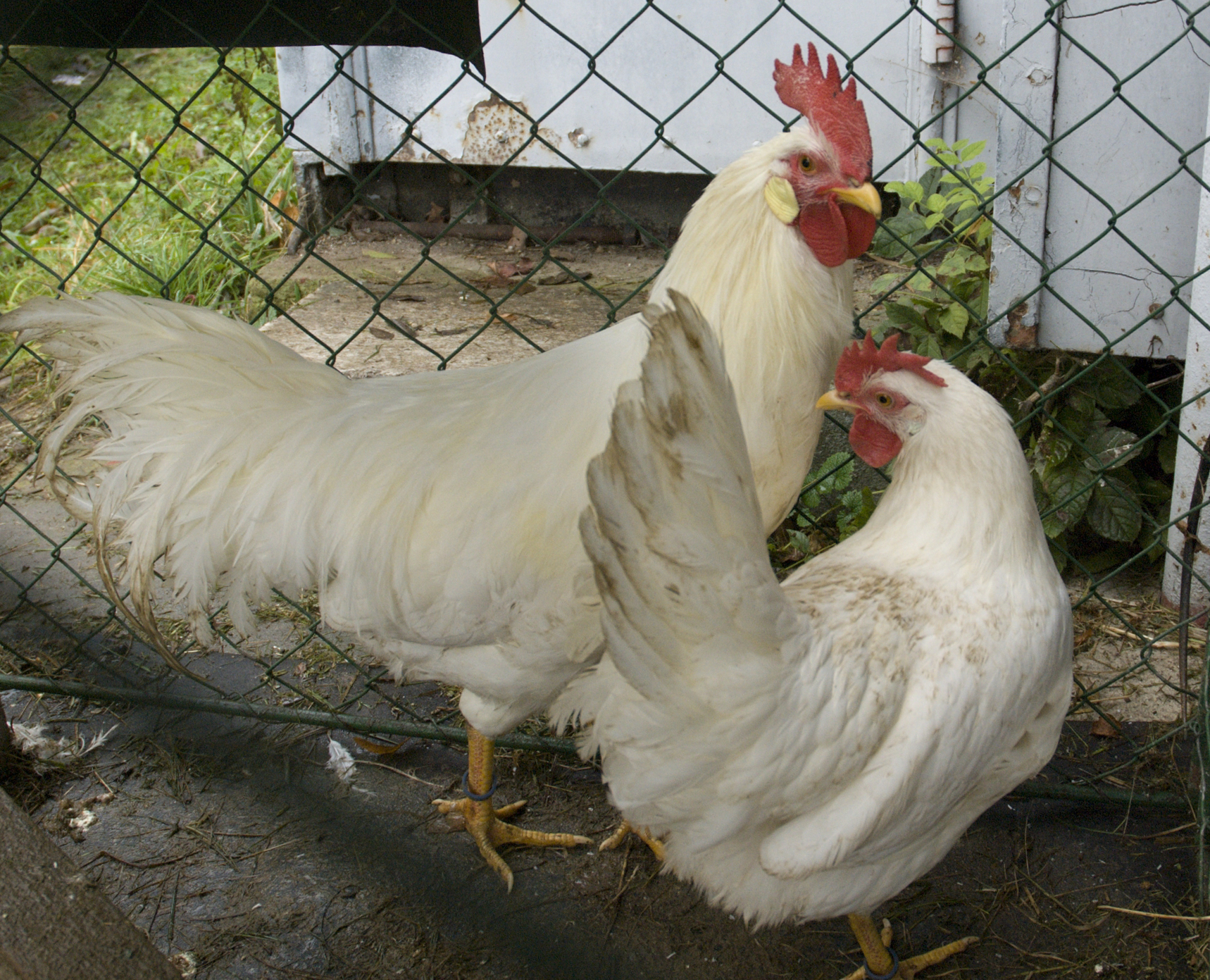 Photo Credit: Bodlina~commonswiki / Wikimedia Commons
In the sun-drenched fields of rural America, the Leghorn chicken, scientifically known as Gallus gallus domesticus, struts with a lively grace that captures the eye. With its sleek, white feathers glistening in the morning light, this energetic bird is a familiar sight on farms and in backyards. The Leghorn is not just any chicken; it is renowned for its remarkable egg-laying abilities, producing more eggs than many other breeds. This prolific nature, combined with its agile frame and spirited personality, makes the Leghorn a favorite among farmers and chicken enthusiasts alike.
As the day begins, the Leghorn chicken awakens with a cheerful cluck, ready to explore its surroundings. These birds thrive in open spaces, where they can scratch the ground for seeds and insects, showcasing their omnivorous diet. Their lively behavior and social interactions are a delight to observe, as they engage in playful pecking and chasing. Scientists and nature lovers are drawn to the Leghorn not only for its productivity but also for its role in the ecosystem, where it helps control pests and enriches the soil. With a history that traces back to Italy and a significant impact on agriculture, the Leghorn chicken is a fascinating character in the story of domesticated animals, embodying the vibrant connection between humans and wildlife.
The Leghorn chicken, a lively and industrious bird, occupies a special place in the animal kingdom. Taxonomically, it belongs to the Kingdom Animalia, which includes all animals, and is classified under the Phylum Chordata, known for animals with a backbone. As a member of the Class Aves, or birds, the Leghorn showcases the unique adaptations that allow birds to thrive in various environments. This breed is particularly recognized for its excellent egg-laying capabilities and energetic personality, making it a favorite among poultry enthusiasts. Its classification reveals not just its biological relationships but also hints at its evolutionary journey through time.
| Taxonomic Rank | Scientific Name | Meaning & Significance |
|---|---|---|
| Kingdom | Animalia | From the Latin word “animalis,” meaning “having breath,” highlighting the living nature of all animals. |
| Phylum | Chordata | Derived from the Greek word “chordē,” meaning “string,” referring to the notochord, a flexible rod that supports the body in the early stages of development. |
| Class | Aves | From the Latin word for “bird,” emphasizing the defining characteristics of feathers and beaks that distinguish birds from other animals. |
| Order | Galliformes | From the Latin “gallus,” meaning “rooster,” this order includes ground-feeding birds known for their stout bodies and strong legs. |
| Family | Phasianidae | Named after the “Phasianus,” a genus of pheasants, this family includes birds that are often colorful and ground-dwelling. |
| Genus | Gallus | From the Latin word for “rooster,” this genus encompasses domestic chickens and their wild ancestors, highlighting their domestication history. |
The classification of the Leghorn chicken not only illustrates its biological connections but also tells a story of adaptation and survival. As a domesticated breed, it has evolved from wild ancestors, showcasing traits that have been selected for over generations, such as prolific egg production and a hardy nature. Understanding its place in the tree of life helps us appreciate the intricate web of relationships among species and the remarkable journey of evolution that has shaped the Leghorn into the vibrant bird we see today.
The evolutionary journey of the Leghorn chicken is a captivating tale that stretches back millions of years. Chickens, like the Leghorn, are descendants of the wild red junglefowl, which roamed the forests of Southeast Asia. This lineage began to take shape around 8,000 years ago when humans first domesticated these birds for their eggs and meat. Over time, selective breeding led to the development of various chicken breeds, including the Leghorn, which emerged in Italy during the 19th century.
The ancestors of the Leghorn were small, wild birds that adapted to their environment in remarkable ways. As they transitioned from forest dwellers to domesticated animals, they developed traits that made them more suitable for life alongside humans. One significant change was the shift from a foraging lifestyle to a more sedentary one, allowing them to thrive in coops and farms. This adaptation was crucial as it enabled them to be raised in larger numbers, providing a steady source of food for growing populations.
The adaptations of the Leghorn chicken have played a vital role in its survival and success. Their ability to thrive in different climates and produce a high volume of eggs has made them a favorite among farmers worldwide. As they continue to evolve alongside human needs, the Leghorn stands as a testament to the power of adaptation in the animal kingdom, showcasing how a species can flourish through the ages.
The Leghorn chicken is a striking bird that captures attention with its sleek and agile form. With a lightweight body, it typically weighs between 4.5 to 6 pounds for non-industrial varieties, making it a nimble mover. Its long neck and upright posture give it an air of confidence, while its sharp, alert eyes seem to take in everything around it. The feathers, which cover its body, are often white, creating a bright and clean appearance that stands out in any setting. This combination of features not only makes the Leghorn visually appealing but also perfectly suited for its active lifestyle.
| Feature | Description |
|---|---|
| Weight | 4.5 to 6 pounds for non-industrial varieties; slightly larger for industrial birds |
| Skin Type | Feathers |
| Most Distinctive Feature | Prolific egg-laying capability |
The Leghorn’s physical traits work harmoniously to support its survival and productivity. Its lightweight body allows for quick movements, which is essential for foraging and escaping potential predators. The white feathers not only provide a striking appearance but also help reflect sunlight, keeping the bird cooler in warm environments. Most importantly, its prolific egg-laying ability ensures that it can contribute significantly to the flock’s reproductive success. Together, these features make the Leghorn chicken a remarkable example of adaptation in the avian world.
The Leghorn chicken thrives in a variety of environments, but it is most commonly found on industrial farms and in small backyard flocks. These birds are often seen in open spaces where they can roam freely, scratching at the ground in search of seeds and insects. Their lively nature makes them well-suited to environments that allow for movement and exploration, whether it’s a bustling farm or a cozy homestead.
Leghorn chickens prefer climates that are temperate, meaning they thrive in moderate weather—not too hot and not too cold. They can adapt to various environmental conditions, but they do best in areas with plenty of sunlight and access to fresh air. These birds are quite hardy, able to withstand some fluctuations in temperature, but they do need shelter to protect them from extreme weather, such as heavy rain or snow.
Over time, Leghorn chickens have developed several adaptations that help them flourish in their chosen habitats. Their lightweight bodies allow them to move quickly and efficiently, which is essential for foraging. Additionally, their active nature means they are always on the lookout for food, making them excellent foragers. This adaptability not only helps them survive but also thrive in diverse environments, whether they are in a large commercial setting or a small backyard.
The Leghorn chicken starts its day with the sun, stretching its wings and shaking off the night’s rest. As the morning light spills across the yard, these energetic birds begin their daily routine. They scratch at the ground, searching for seeds, insects, and other tasty morsels. This foraging behavior is not just about finding food; it also helps keep their sharp beaks and claws in good shape. Throughout the day, they engage in preening, a behavior where they clean their feathers to stay healthy and warm.
Socially, Leghorn chickens are quite the characters. They thrive in flocks, which means they enjoy the company of their fellow birds. Within their groups, they establish a pecking order, a social hierarchy that helps maintain peace and order. The more dominant birds often get first dibs on food and nesting spots, while the lower-ranking ones learn to navigate their place in the group. Communication is key in these flocks, and Leghorns use a variety of clucks, squawks, and even body language to express their feelings and alert others to potential dangers.
| Behavior Type | Description |
|---|---|
| Foraging | Leghorns scratch the ground to find seeds and insects, which helps them stay nourished and active. |
| Preening | They clean their feathers to maintain insulation and waterproofing, ensuring they stay healthy. |
| Flock Dynamics | Leghorns live in groups, establishing a pecking order that helps reduce conflict and maintain harmony. |
| Communication | They use various sounds and body language to communicate with each other, signaling danger or food availability. |
In the wild, these behaviors are crucial for survival. By foraging together, Leghorns can find food more efficiently and stay alert to predators. Their social structure helps them protect one another, as the more vigilant members of the flock can warn others of approaching threats. Through their lively interactions and cooperative living, Leghorn chickens not only thrive but also create a vibrant community that supports each member’s well-being.
The Leghorn chicken is an omnivore, which means it enjoys a varied diet that includes both plants and animals. These lively birds are always on the lookout for food, using their sharp beaks to peck at the ground and uncover tasty morsels. Their feeding behavior is quite active; they scratch and dig in the soil, searching for insects, worms, and even small reptiles. This foraging strategy not only helps them find food but also keeps them engaged and healthy.
| Dietary Aspect | Details |
|---|---|
| Diet Type | Omnivore |
| Favorite Foods | Insects, larvae, worms, grains, and greens |
| Prey Items | Invertebrates, small reptiles, amphibians, and small mammals |
| Hunting/Foraging Strategies | Scratching the ground, pecking, and exploring their environment |
The Leghorn’s diverse diet plays a crucial role in its ecology and daily routine. By consuming a wide range of foods, these chickens help control insect populations and contribute to soil health through their foraging activities. Their energetic nature and constant search for food not only keep them fit but also make them an integral part of their ecosystem, ensuring a balance between plant and animal life in their surroundings.
When it comes to mating, Leghorn chickens are quite social and active. The breeding season typically begins in the spring when the days grow longer and warmer. During this time, roosters display their vibrant plumage and perform elaborate courtship dances to attract hens. These displays often include puffing up their feathers, making distinctive calls, and even engaging in gentle pecking. Once a hen is receptive, she will mate with the rooster, leading to the fertilization of eggs.
| Reproductive Aspect | Details |
|---|---|
| Gestation Period | 21 days (incubation of eggs) |
| Litter Size | Typically 10 to 15 eggs per clutch |
| Age of Maturity | 18 to 20 weeks |
| Name of Young | Chicks |
After the eggs are laid, the hen takes on the role of a devoted parent. She will carefully incubate her eggs, keeping them warm and turning them regularly to ensure proper development. Once the chicks hatch, they are covered in soft down feathers and are surprisingly mobile. The mother hen leads her chicks in search of food, teaching them how to forage and stay safe from predators. As the chicks grow, they develop their adult feathers and learn to navigate their environment, eventually becoming independent and ready to join the flock. This nurturing behavior is essential for their survival and helps them thrive in the world around them.
The Leghorn chicken plays a vital role in the food web, primarily as a prey species. These birds are often found in agricultural settings, where they contribute to the ecosystem by controlling pests and providing eggs and meat for humans. However, their position also makes them vulnerable to various predators and threats that can impact their populations.
To survive against these dangers, Leghorn chickens have developed several defensive behaviors. They are known for their alertness and quick reflexes, which help them spot predators from a distance. When threatened, they often take flight, using their strong wings to escape to higher ground. Additionally, they can blend into their surroundings, making it harder for predators to spot them. Their social nature also plays a role; by staying in flocks, they can watch out for each other, sounding alarms when danger approaches. These strategies help ensure that Leghorn chickens can thrive despite the challenges they face in the wild.
A keystone species is an organism that has a disproportionately large impact on its environment relative to its abundance. This means that if it were removed, the ecosystem would change dramatically. While the Leghorn chicken is not typically classified as a keystone species, it does play an important role in its habitat, particularly in agricultural settings. Its presence can influence the dynamics of the ecosystem, especially in terms of pest control and nutrient cycling.
Leghorn chickens are omnivores, meaning they eat both plants and animals. This diverse diet allows them to help control insect populations, which can be beneficial for crops. By pecking at pests like beetles and grasshoppers, they reduce the need for chemical pesticides, promoting a healthier environment. Additionally, their foraging behavior helps aerate the soil, which can improve plant growth. As they scratch the ground, they also contribute to the decomposition of organic matter, returning nutrients to the soil.
In their social flocks, Leghorns exhibit behaviors that can influence their surroundings. Their collective foraging can lead to the redistribution of seeds, which may help in plant diversity. Furthermore, their droppings serve as a natural fertilizer, enriching the soil and supporting the growth of various plants. This interaction with their environment showcases how even a domesticated bird can have ecological significance.
If Leghorn chickens were to disappear from their ecosystems, the effects could be quite noticeable. Without their pest control, insect populations could surge, leading to increased crop damage and a greater reliance on chemical pesticides. The soil might become less aerated and nutrient-rich, negatively impacting plant health and growth. Additionally, the loss of their natural fertilization would disrupt nutrient cycling, potentially leading to poorer soil quality over time. In essence, while they may not be a keystone species in the traditional sense, Leghorn chickens contribute to the balance of their ecosystems in meaningful ways.
The Leghorn chicken plays a vital role in its ecosystem, acting as both a contributor and a consumer. This lively bird thrives in various environments, particularly on industrial farms and in small backyard flocks. Its omnivorous diet allows it to interact with the environment in unique ways, helping to shape the landscape around it. By foraging for food, the Leghorn chicken not only sustains itself but also influences the growth of plants and the population of insects, making it an important player in its ecological niche.
| Ecosystem Service | Impact |
|---|---|
| Pest Control | Reduces insect populations by foraging for larvae and bugs. |
| Soil Aeration | Helps improve soil quality by scratching the ground, allowing air and water to penetrate. |
| Nutrient Cycling | Contributes to nutrient cycling through droppings, which enrich the soil. |
| Seed Dispersal | Assists in plant growth by spreading seeds as they forage. |
The Leghorn chicken’s influence on its environment is evident in several ways. For instance, as these birds scratch the ground in search of food, they aerate the soil, which helps plants grow better. Their droppings are rich in nutrients, providing a natural fertilizer that boosts soil health. Additionally, by eating insects and larvae, they help control pest populations, which can be beneficial for nearby crops. This dynamic interaction showcases how the Leghorn chicken not only survives but also enhances its habitat.
In a broader ecological context, the Leghorn chicken exemplifies the interconnectedness of life within its environment. By fulfilling multiple roles, from pest control to nutrient cycling, it supports the health of agricultural ecosystems. The presence of Leghorn chickens can lead to more robust plant growth and a balanced insect population, demonstrating how even small creatures can have a significant impact on their surroundings. Understanding their role helps us appreciate the delicate balance of nature and the importance of every species in maintaining a thriving ecosystem.
In the intricate web of life, symbiosis refers to the close and often long-term interactions between different species. These relationships can take many forms, including mutualism, where both species benefit, parasitism, where one benefits at the other’s expense, and commensalism, where one benefits while the other is neither helped nor harmed. The Leghorn chicken, known for its energetic personality and adaptability, engages in various ecological relationships that highlight the interconnectedness of life on Earth.
| Species/Type | Relationship Type | Description |
|---|---|---|
| Ticks | Parasitic | Ticks often latch onto Leghorn chickens, feeding on their blood. This relationship can harm the chickens by causing stress and transmitting diseases. |
| Earthworms | Mutualistic | As Leghorn chickens scratch the ground in search of food, they help aerate the soil. In return, they may find earthworms, which are a nutritious snack. |
| Farmers | Mutualistic | Farmers benefit from the eggs and meat produced by Leghorn chickens, while the chickens receive care, food, and protection from predators. |
These relationships have evolved over time, shaped by the needs and behaviors of the species involved. The Leghorn chicken’s role in its ecosystem is not just about survival; it actively participates in a network of interactions that benefit both itself and other organisms. By scratching the ground, it helps create a healthier environment for plants and soil-dwelling creatures, while also providing a source of food for itself. Understanding these connections deepens our appreciation for the delicate balance of nature and the importance of every species in maintaining that balance.
Leghorn chickens are not just your average farm birds; they are full of surprises that make them truly special. Known for their energetic personalities and prolific egg-laying abilities, these chickens have a rich history and fascinating traits that will captivate nature enthusiasts of all ages.
The Leghorn chicken has a rich history intertwined with humanity, dating back to its origins in Italy. These birds were brought to America in the 1800s, quickly becoming popular for their remarkable egg-laying abilities. Their cultural significance is evident in various cuisines and traditions, where they symbolize prosperity and sustenance. As a staple in many households, Leghorns have not only provided food but have also become part of the fabric of rural life, representing hard work and resilience.
Today, the relationship between Leghorn chickens and humans continues to evolve. With the rise of sustainable farming practices, many people are turning to backyard flocks, where Leghorns thrive. These chickens are valued for their low maintenance and high productivity, making them ideal for small-scale farming. However, challenges remain, such as the need for humane treatment and the impact of industrial farming on animal welfare. As we navigate these complexities, the Leghorn chicken remains a symbol of both agricultural innovation and the ethical considerations of domestication.
Looking ahead, the future of the Leghorn chicken and humanity’s relationship is promising yet challenging. As more people become aware of the benefits of raising chickens, we may see a shift towards more humane and sustainable practices. This could lead to a deeper appreciation for these birds, not just as sources of food but as vital members of our agricultural ecosystems. By fostering a respectful and responsible connection with Leghorns, we can ensure that they continue to thrive alongside us for generations to come.
The Leghorn chicken currently holds a conservation status of “Not Listed,” which means it is not considered at risk of extinction. With an estimated population of more than 10,000 non-industrial birds worldwide, these lively chickens are thriving in various environments, particularly in backyard flocks and small farms. While they are not endangered, their numbers can fluctuate based on farming practices and consumer preferences.
| Conservation Factor | Status/Details |
|---|---|
| IUCN Status | Not Listed |
| Estimated Population Size | More than 10,000 non-industrial birds |
| Population Trend | Stable |
Despite their stable status, Leghorn chickens face several challenges. One of the main threats comes from industrial farming practices that prioritize high-yield breeds over traditional varieties. This can lead to a decline in genetic diversity, which is crucial for the health and resilience of the species. Additionally, habitat loss due to urban development and changes in agricultural practices can impact their living conditions, making it harder for them to thrive in their natural environments.
Conservation efforts for Leghorn chickens focus on promoting sustainable farming practices and preserving traditional breeds. Organizations dedicated to poultry conservation work to educate farmers and consumers about the importance of maintaining genetic diversity. By encouraging the use of non-industrial Leghorns, these initiatives aim to ensure that this vibrant breed continues to flourish. With ongoing awareness and support, the outlook for Leghorn chickens remains positive, allowing them to maintain their place in both our farms and our hearts.
| Question | Answer |
|---|---|
| What is the natural habitat of Leghorn Chickens? | Leghorn Chickens are commonly found in industrial farms and small flocks. They thrive in environments where they can roam freely, but they are also well-suited to confined spaces, making them popular in commercial egg production. |
| What do Leghorn Chickens eat? | Leghorn Chickens are omnivores, which means they eat both plants and animals. Their diet typically includes grains, seeds, insects, and kitchen scraps, providing them with the nutrients they need to stay healthy and produce eggs. |
| How do Leghorn Chickens behave? | Leghorn Chickens are known for their active and curious nature. They are social birds that enjoy exploring their surroundings, and they can be quite vocal, often clucking and squawking to communicate with each other. |
| How do Leghorn Chickens reproduce? | Leghorn Chickens reproduce through a process called oviposition, where hens lay eggs. A hen can lay about 280 to 300 eggs per year, making them one of the most prolific egg layers among chicken breeds. |
| What threats do Leghorn Chickens face? | While Leghorn Chickens are not currently listed as endangered, they can face threats from predators like raccoons, foxes, and birds of prey. Additionally, poor living conditions and diseases can pose risks to their health and well-being. |
| What is a distinctive characteristic of Leghorn Chickens? | The most distinctive feature of Leghorn Chickens is their prolific egg-laying capability. They are known for producing a high number of white eggs, which is why they are favored in commercial egg production. |
| Are Leghorn Chickens good pets? | Leghorn Chickens can make good pets, especially for families with enough space. They are friendly and can be quite entertaining, but they do require proper care, including a safe coop and a balanced diet. |