Taxonomy & Classification
- Kingdom
- Animalia
- Phylum
- Chordata
- Class
- Mammalia
- Order
- Rodentia
- Family
- Cricetidae
- Genus
- Lemmus
- Species
- Lemmus Lemmus

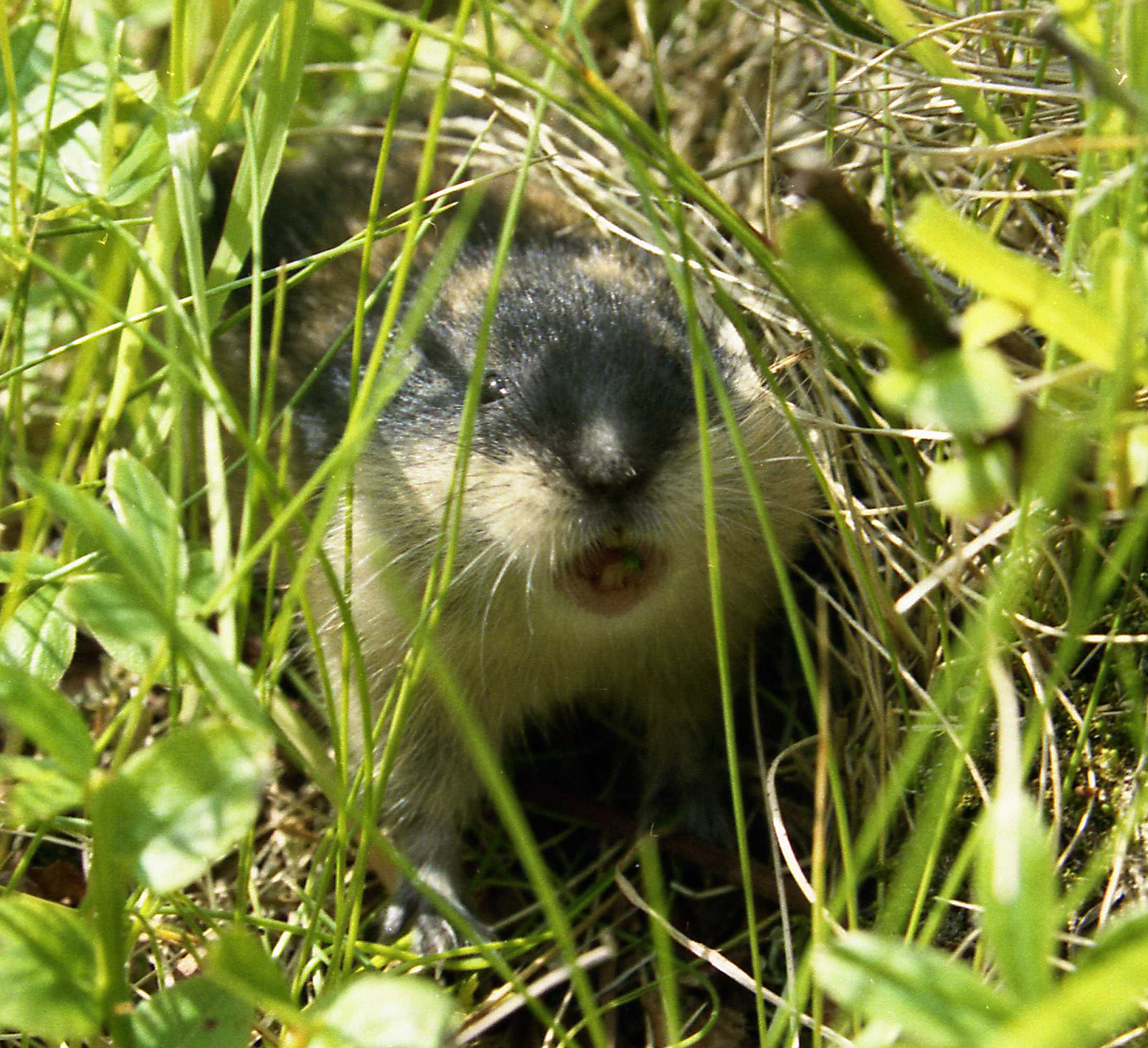 Photo Credit: Frode Inge Helland / Wikimedia Commons
Meet the lemming, a small but mighty rodent known scientifically as Lemmus. These adorable creatures are often found scurrying across the vast, icy expanses of the Arctic tundra, where they play a crucial role in their ecosystem. With their round bodies, short legs, and thick fur, lemmings are perfectly adapted to their chilly habitat. Their lively movements and curious nature make them a delight to observe, capturing the attention of scientists and nature enthusiasts alike.
Imagine a scene where the sun barely rises above the horizon, casting a soft glow on the snow-covered ground. Lemmings emerge from their burrows, their tiny paws leaving delicate tracks in the fresh snow. As herbivores, they forage for grasses, mosses, and berries, their diet reflecting the rich tapestry of life in the tundra. But what truly fascinates researchers is their role as a keystone species, meaning they have a significant impact on their environment despite their small size. Lemmings are not just cute; they are vital players in the Arctic food web, serving as a primary food source for predators like snowy owls and arctic foxes. Join us as we delve deeper into the world of lemmings, exploring their behaviors, habitats, and the myths that surround these remarkable little rodents.
Lemmings are small, furry mammals that hold a special place in the animal kingdom. They belong to the family Cricetidae, which includes various types of rodents. What makes lemmings particularly interesting is their unique behavior and life cycle, especially their dramatic population fluctuations. These tiny animals are often associated with myths about mass migrations, where they supposedly leap off cliffs. While this is more legend than fact, it highlights their intriguing role in the ecosystem. Lemmings are also important prey for many predators, making them a vital part of the food web in their Arctic and subarctic habitats.
| Taxonomic Rank | Scientific Name | Meaning & Significance |
|---|---|---|
| Kingdom | Animalia | This name comes from the Latin word for “animal,” highlighting that lemmings are part of the vast group of living organisms that are multicellular and capable of movement. |
| Phylum | Chordata | Derived from the Latin “chorda,” meaning “string,” this classification indicates that lemmings have a notochord, a flexible rod that supports their bodies during development. |
| Class | Mammalia | This term comes from the Latin “mamma,” meaning “breast,” referring to the fact that female mammals nurse their young with milk. |
| Order | Rodentia | From the Latin “rodere,” meaning “to gnaw,” this name reflects the lemming’s continuously growing incisors, which they use to chew through tough plant material. |
| Family | Cricetidae | This name is derived from the Latin “cricetus,” which refers to a type of hamster, indicating that lemmings share common traits with other small rodents in this family. |
| Genus | Lemmus | The name “Lemmus” is thought to come from the Old Norse word for “to leap,” possibly alluding to their energetic movements and the myths surrounding their migrations. |
Understanding where lemmings fit in the tree of life reveals much about their evolutionary journey. As members of the order Rodentia, they share a common ancestry with other rodents, which have adapted to various environments around the world. Their classification within the family Cricetidae shows that they are closely related to other small mammals, emphasizing their role in the ecosystem as both foragers and prey. This evolutionary history not only highlights their physical adaptations but also their behaviors, which have evolved to help them survive in some of the harshest climates on Earth.
The evolutionary journey of lemmings stretches back millions of years, weaving through the icy landscapes of the Arctic and subarctic regions. These small rodents belong to the family Cricetidae, which has a rich history that dates back to the late Eocene epoch, around 34 million years ago. As the Earth’s climate shifted and glaciers advanced and retreated, lemmings adapted to survive in some of the harshest environments on the planet.
Ancestral forms of lemmings were likely larger and less specialized than the ones we see today. Over time, they evolved to become smaller and more compact, which helped them navigate their cold habitats. One major transition was the development of their thick fur, which provides insulation against freezing temperatures. Additionally, their burrowing behavior evolved, allowing them to create intricate tunnel systems beneath the snow, where they can find food and shelter from predators.
These adaptations have been vital for lemmings’ survival in their extreme habitats. Their thick fur keeps them warm, while their compact bodies and short legs allow for agile movement in snow. The ability to reproduce quickly ensures that their populations can bounce back after harsh winters or predation. By foraging seasonally and living in groups, lemmings maximize their chances of finding food and avoiding danger, making them a resilient part of the Arctic ecosystem.
Lemmings are small, stocky rodents that evoke a sense of curiosity with their compact bodies and lively movements. Their rounded shapes and short legs give them a sturdy appearance, perfect for navigating the rugged terrains of their Arctic and subarctic habitats. With a face that features a blunt snout and small, beady eyes, lemmings have an endearing quality that makes them seem almost cartoonish. Their fur, soft and dense, not only adds to their charm but also serves a vital role in their survival.
| Feature | Description |
|---|---|
| Weight | 30-112 grams (1.1-4 ounces) |
| Skin Type | Fur |
| Body Shape | Stocky and rounded |
| Legs | Short and sturdy |
| Face | Blunt snout with small, beady eyes |
The combination of their small size and thick fur is a clever adaptation to the harsh climates they inhabit. The fur not only provides insulation against the biting cold but also helps them blend into their snowy surroundings, making it harder for predators to spot them. Their stocky bodies and short legs allow them to burrow quickly through snow and grass, enhancing their ability to escape danger. Together, these features create a well-equipped little survivor, perfectly adapted to thrive in one of the most challenging environments on Earth.
Lemmings thrive in the chilly expanses of the Arctic tundra and the nearby woodland areas. Picture a vast, open landscape blanketed in soft, white snow during winter, with patches of green moss and hardy grasses peeking through in the warmer months. These small mammals scurry across the ground, weaving through low shrubs and underbrush, where they find shelter and food. The tundra, with its unique blend of frozen earth and vibrant life, serves as the perfect backdrop for their adventures.
Lemmings are well-suited to the extreme climate of their habitats, which can be harsh and unforgiving. The Arctic tundra experiences long, frigid winters and short, cool summers. Temperatures can plummet well below freezing, and the ground is often covered in snow and ice. Despite these conditions, lemmings have adapted to thrive in this environment, relying on their thick fur coats to keep warm and their burrowing skills to create cozy homes beneath the snow.
These small rodents have developed several clever adaptations to survive in their chilly homes. Their compact bodies and short legs allow them to move swiftly across the snow, while their keen sense of smell helps them locate food hidden beneath the surface. Lemmings also have a remarkable ability to reproduce quickly, which is essential for maintaining their population in a landscape where predators like arctic foxes and snowy owls are always on the lookout. By living in large colonies, they increase their chances of survival, making the most of their unique Arctic and woodland habitats.
Lemmings lead a life filled with activity, especially during the warmer months when they emerge from their burrows to forage for food. Their daily routine revolves around searching for grasses, mosses, and other plant materials that make up their diet. As the sun rises, these small rodents scurry about, nibbling on the vegetation that surrounds them. They are most active during the day, taking advantage of the light to find food and avoid predators. As the day winds down, lemmings retreat to their burrows, where they rest and stay safe from the cold and potential threats.
While lemmings are often thought of as solitary creatures, they do exhibit interesting social behaviors, especially during breeding season. They can be found in small groups, particularly when foraging or during the mating period. These gatherings allow them to communicate through a series of squeaks and chirps, which help them stay in touch with one another. This social interaction is crucial for their survival, as it helps them coordinate movements and alert each other to dangers. However, outside of these specific times, lemmings tend to prefer their own company, retreating to their individual burrows for safety and comfort.
| Behavior Type | Description |
|---|---|
| Activity Patterns | Lemmings are diurnal, meaning they are active during the day, foraging for food and exploring their environment. |
| Social Structure | While generally solitary, lemmings form small groups during breeding season, allowing for social interaction and communication. |
| Communication Methods | They use a variety of sounds, including squeaks and chirps, to communicate with each other, especially when in groups. |
The behaviors of lemmings are finely tuned to ensure their survival in the harsh Arctic environment. By foraging during the day and forming small groups when necessary, they maximize their chances of finding food while minimizing the risk of predation. Their ability to communicate effectively helps them navigate their surroundings and stay connected with others, which is vital in a landscape where dangers can lurk at every turn. Through these daily activities and social interactions, lemmings demonstrate the resilience and adaptability that are essential for life in the wild.
Lemmings are herbivores, which means they primarily eat plants. Their diet mainly consists of grasses, seeds, and berries, making them well-suited for their tundra habitats. These small rodents are expert foragers, using their keen sense of smell to locate food hidden beneath the snow. During the summer months, when the tundra bursts into life, lemmings take advantage of the abundance of fresh vegetation, munching on tender shoots and juicy berries.
| Dietary Aspect | Details |
|---|---|
| Diet Type | Herbivore |
| Favorite Foods | Grasses, seeds, and berries |
| Prey Items | Primarily plant-based, including various seeds and fruits |
| Hunting/Foraging Strategies | Using keen sense of smell to find food under snow; foraging in summer for fresh vegetation |
This plant-based diet plays a crucial role in shaping the lemming’s ecology and daily routine. By feeding on grasses and seeds, lemmings help maintain the balance of their tundra ecosystem. Their foraging activities not only provide them with the energy they need to thrive but also influence the growth patterns of the plants they consume. As they dig through the snow and soil, they aerate the ground, promoting healthy plant growth. This interconnectedness highlights the importance of lemmings in their environment, making them a vital part of the Arctic food web.
When it comes to mating, lemmings are quite the social animals! Their breeding season typically kicks off in the spring, when the days grow longer and warmer. During this time, males and females engage in a series of playful chases and vocalizations to attract each other. This lively courtship helps them find a mate, and once they pair up, they are ready to start a family.
| Reproductive Aspect | Details |
|---|---|
| Gestation Period | About 3 weeks |
| Litter Size | Average of 7 |
| Age of Maturity | Around 3 to 4 weeks |
| Name of Young | Pups |
Once the pups are born, the real adventure begins! Lemming mothers are dedicated caregivers, providing warmth and nourishment to their young. The pups are born blind and hairless, relying entirely on their mother for survival. As they grow, they develop fur and begin to open their eyes, exploring their surroundings. By the time they reach about three to four weeks old, they are ready to venture out on their own, learning the skills they need to thrive in the wild. This rapid development is crucial in the harsh tundra environment, where survival depends on being quick and adaptable.
Lemmings play a crucial role in the Arctic food web, serving as a primary food source for a variety of predators. Their small size and abundant population make them an essential link in the ecosystem, supporting larger animals that rely on them for sustenance. However, this position also places them in the crosshairs of many hungry hunters, making their lives a constant balancing act between survival and becoming a meal.
To defend themselves against these threats, lemmings have developed several clever survival strategies. They often rely on their natural camouflage, blending into the snowy landscape to avoid detection. When danger approaches, they can quickly burrow into the ground or dash into dense vegetation, making it harder for predators to catch them. Additionally, lemmings are known for their high reproductive rates, which means that even if many fall prey, their populations can bounce back quickly, ensuring that these resilient rodents continue to thrive in their harsh environment.
A keystone species is an organism that has a disproportionately large impact on its environment relative to its abundance. In the case of lemmings, these small rodents do indeed qualify as a keystone species in their Arctic tundra and woodland habitats. Their presence and population dynamics significantly influence the ecosystem, affecting various other species and the overall health of their environment.
Lemmings are herbivores, primarily feeding on grasses, seeds, and berries. Their foraging habits help shape the plant community in their habitat. By consuming certain plants, they can promote the growth of others, creating a diverse and balanced ecosystem. This plant diversity is crucial, as it supports a wide range of other wildlife, from insects to larger herbivores. Additionally, lemmings are a vital food source for many predators, including arctic foxes, snowy owls, and weasels. The fluctuations in lemming populations can lead to corresponding changes in predator populations, demonstrating their role as a foundational species in the food web.
Moreover, lemmings contribute to soil health through their burrowing activities. As they dig tunnels, they aerate the soil, allowing water and nutrients to penetrate deeper. This process not only benefits the plants they feed on but also supports the entire ecosystem by enhancing the growth of vegetation. Their burrows can also provide shelter for other small animals, creating a network of habitats that further enriches the tundra environment.
If lemmings were to disappear from their ecosystem, the consequences would be significant. Without these small rodents, the balance of the food web would be disrupted. Predators that rely on lemmings for food would struggle to find enough sustenance, potentially leading to declines in their populations. Additionally, the plant community would suffer, as certain species might become overgrown without lemmings to keep them in check. This could result in a less diverse and less resilient ecosystem, ultimately affecting all life forms that depend on the tundra for survival. The loss of lemmings would echo throughout the Arctic landscape, illustrating just how interconnected nature truly is.
Lemmings occupy a vital ecological niche in the Arctic tundra and woodland areas, where they play a significant role in shaping their environment. As herbivores, these small rodents primarily feed on grasses, seeds, and berries, which helps control plant growth and maintain the balance of their ecosystem. Their foraging habits not only influence the types of vegetation that thrive but also create pathways through the dense underbrush, making it easier for other animals to navigate the landscape.
| Ecosystem Service | Impact |
|---|---|
| Vegetation Control | Lemmings help regulate plant growth by feeding on grasses and other vegetation, preventing overgrowth and promoting biodiversity. |
| Food Source | They serve as a primary food source for various predators, including arctic foxes, owls, and weasels, supporting the food web. |
| Soil Aeration | Their burrowing activities aerate the soil, which improves water infiltration and nutrient cycling in the tundra ecosystem. |
| Seed Dispersal | By consuming and excreting seeds, lemmings contribute to the spread of plant species, aiding in plant diversity and ecosystem resilience. |
Lemmings have a profound influence on their surroundings, particularly during their population booms. When their numbers swell, they can consume vast amounts of vegetation, which can lead to noticeable changes in the landscape. For instance, their feeding can create open patches in the tundra, allowing sunlight to reach the ground and encouraging the growth of new plant species. This, in turn, attracts other wildlife, from insects to larger herbivores, creating a ripple effect throughout the ecosystem. Additionally, their burrowing activities help aerate the soil, enhancing its quality and promoting healthier plant growth.
The broader ecological importance of lemmings cannot be overstated. As a keystone species, their presence and population dynamics significantly impact the entire Arctic food web. By supporting a variety of predators and influencing plant communities, lemmings help maintain the delicate balance of their ecosystem. Their role exemplifies how even the smallest creatures can have a big impact, reminding us of the interconnectedness of life in the natural world. Understanding and protecting lemmings is essential for preserving the health of the Arctic tundra and the myriad species that depend on it.
In the intricate web of life, symbiosis refers to the close interactions between different species, which can take on various forms. These relationships can be mutualistic, where both species benefit, parasitic, where one benefits at the other’s expense, or commensal, where one benefits while the other is neither helped nor harmed. Lemmings, small herbivorous rodents of the Arctic tundra, engage in several fascinating partnerships with other species, showcasing the diverse ways life can intertwine in nature.
| Species/Type | Relationship Type | Description |
|---|---|---|
| Arctic Fox | Predator-Prey | Lemmings are a primary food source for Arctic foxes, which rely on them for sustenance during the harsh winter months. |
| Snowy Owl | Predator-Prey | Snowy owls hunt lemmings as a key part of their diet, especially during breeding season when they need extra energy. |
| Plants (e.g., grasses, mosses) | Mutualistic | Lemmings help control plant growth by feeding on grasses and mosses, which in turn promotes a healthy ecosystem. |
| Microorganisms in soil | Commensal | As lemmings burrow, they aerate the soil, benefiting microorganisms that thrive in the enriched environment. |
The evolution of these relationships has been shaped by the demands of survival in the Arctic’s extreme conditions. Lemmings have adapted to be a crucial food source for predators like Arctic foxes and snowy owls, while their feeding habits help maintain the balance of plant life in their habitat. These interactions not only support the lemmings’ own survival but also contribute to the overall health of the ecosystem, demonstrating how interconnected life truly is in the natural world.
Lemmings are often misunderstood creatures, shrouded in myths and misconceptions. These small rodents are not just famous for their supposed mass migrations; they have a wealth of surprising traits that make them truly captivating.
Lemmings have long captured the imagination of humans, often appearing in folklore and popular culture. Historically, these small rodents were thought to engage in dramatic mass migrations, leading to myths that they would leap off cliffs in a frenzy. This misconception was popularized in the early 20th century, particularly through animated films and stories. In many Arctic cultures, lemmings hold cultural significance, symbolizing the harsh realities of survival in extreme environments. Their presence in the tundra has inspired tales of resilience and adaptation, reflecting the delicate balance of life in these frigid landscapes.
Today, the relationship between lemmings and humanity is more nuanced. While they are not domesticated animals, lemmings are studied for their ecological importance and role in the food web. Conservation efforts focus on preserving their habitats, as climate change poses a significant threat to their populations. In some regions, lemmings are viewed as pests, particularly when they invade agricultural areas, leading to conflicts with farmers. Understanding their behavior and population dynamics is crucial for managing these interactions and ensuring that both lemmings and human interests can coexist.
As we look to the future, the relationship between lemmings and humanity will likely evolve. With ongoing climate change, the survival of these small rodents may depend on our ability to adapt our practices and protect their habitats. By fostering a deeper understanding of lemmings and their ecological roles, we can work towards a harmonious coexistence that benefits both these fascinating creatures and the human communities that share their environment. The story of lemmings is not just about survival; it is a reminder of our interconnectedness with the natural world.
Lemmings are currently classified as Near Threatened, which means they are at risk of becoming endangered in the near future. Their populations are influenced by various factors, including climate change and habitat loss. While they are not facing immediate extinction, their numbers are fluctuating, and ongoing monitoring is essential to ensure their survival in the wild.
| Conservation Factor | Status/Details |
|---|---|
| IUCN Status | Near Threatened |
| Population Estimates | Variable; specific numbers are difficult to determine due to their fluctuating populations |
| Trend Direction | Population trends are uncertain, with some areas experiencing declines |
Lemmings face several significant threats that impact their survival. Climate change is altering their Arctic habitats, leading to changes in vegetation and food availability. Additionally, habitat destruction from human activities, such as mining and urban development, further reduces their living space. Predation by animals like snowy owls and arctic foxes can also affect their populations, especially during years when lemming numbers are low.
Conservation efforts are underway to help protect lemmings and their habitats. Researchers are studying their population dynamics and the effects of climate change on their ecosystems. By understanding these small rodents better, scientists can develop strategies to mitigate threats and promote their survival. The outlook for lemmings depends on continued conservation actions and the ability to adapt to changing environmental conditions, ensuring that these fascinating animals remain a part of the Arctic landscape for generations to come.
| Question | Answer |
|---|---|
| Where do lemmings live? | Lemmings are found in the Arctic tundra and woodland areas. These cold, open landscapes provide the perfect environment for them to thrive, with plenty of vegetation to munch on. |
| What do lemmings eat? | Lemmings are herbivores, which means they primarily eat plants. Their diet consists of grasses, mosses, and other green vegetation, making them an important part of the tundra ecosystem. |
| How do lemmings behave? | Lemmings are known for their social behavior, often living in large groups. They are active during the day and are excellent diggers, creating extensive burrow systems to stay safe from predators. |
| How do lemmings reproduce? | Lemmings have a rapid reproduction rate, with females capable of having several litters each year. A typical litter can consist of 3 to 8 young, which are born in burrows and are cared for by their mothers. |
| What are the main threats to lemmings? | Lemmings face threats from climate change, which affects their habitat and food sources. Additionally, they are preyed upon by various animals, including arctic foxes and snowy owls, which can impact their populations. |
| Are lemmings really known for mass migrations? | Yes, lemmings are famous for their dramatic population booms and subsequent migrations. When their numbers get too high, they may travel in large groups in search of new habitats, which can sometimes lead to dangerous situations. |
| What is an interesting fact about lemmings? | One fascinating characteristic of lemmings is their ability to survive in extremely cold temperatures. They have thick fur and a layer of fat that helps keep them warm, allowing them to thrive in harsh Arctic conditions. |