Taxonomy & Classification
- Kingdom
- Animalia
- Phylum
- Chordata
- Class
- Mammalia
- Order
- Carnivora
- Family
- Felidae
- Genus
- Prionailurus
- Species
- Prionailurus bengalensis

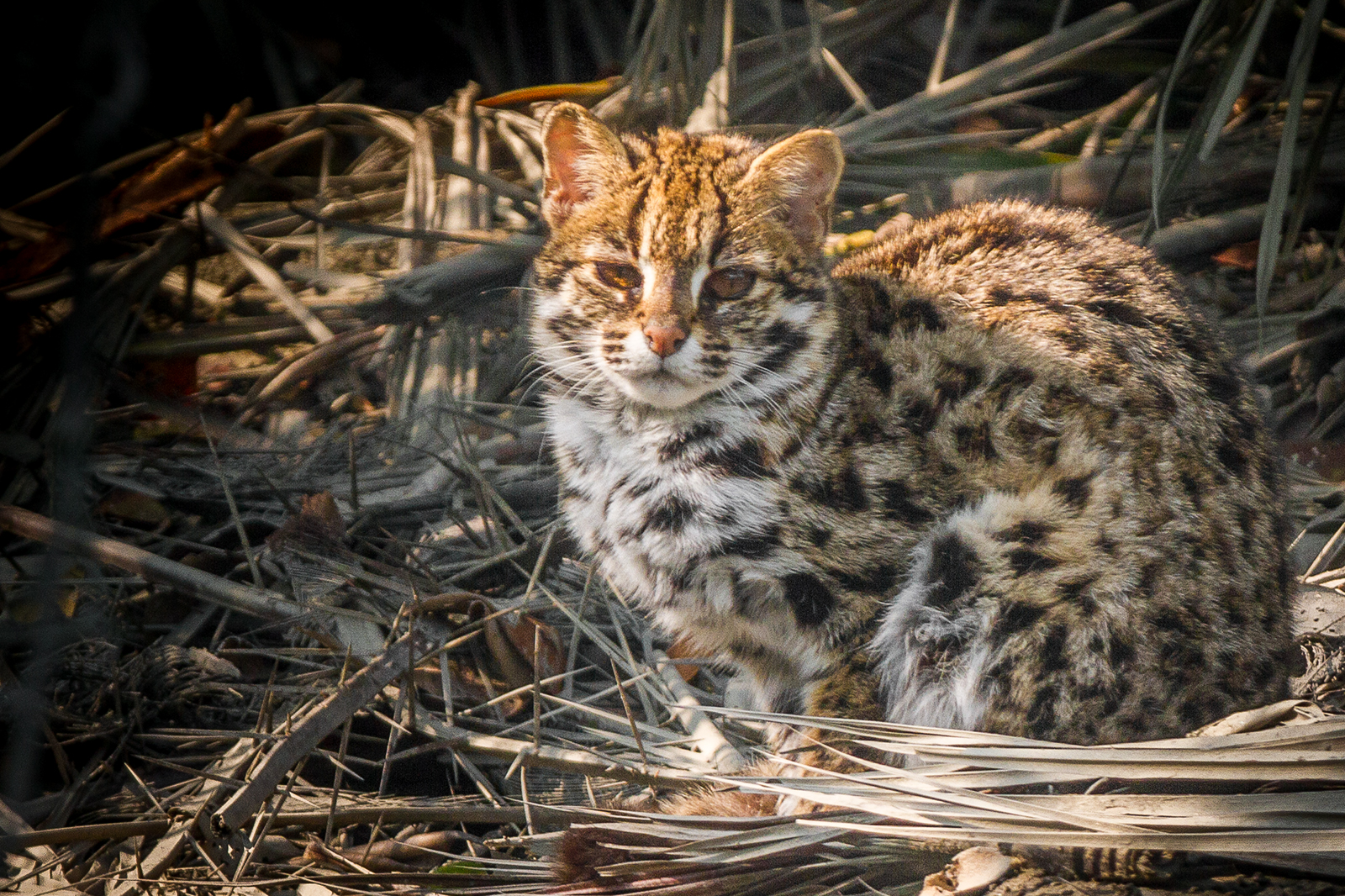 Photo Credit: Soumyajit Nandy / Wikimedia Commons
In the heart of Asia’s lush tropical forests, the Leopard Cat, scientifically known as Prionailurus bengalensis, prowls with a grace that captivates all who catch a glimpse. With its sleek, spotted coat that mimics the dappled sunlight filtering through the leaves, this small feline is a master of camouflage. Its agile body, measuring between 18 to 30 inches long, allows it to navigate the dense underbrush with ease, making it a skilled hunter and a fascinating subject for scientists and nature lovers alike.
What makes the Leopard Cat particularly intriguing is not just its striking appearance but also its remarkable adaptability. This little predator thrives in a variety of habitats, from tropical forests to grasslands, showcasing its ability to survive in diverse environments. As a solitary creature, it relies on its keen senses and stealthy movements to hunt small mammals, birds, and even insects. The Leopard Cat’s role in the ecosystem is vital, as it helps maintain the balance of its environment by controlling prey populations. With its unique blend of beauty and ecological importance, the Leopard Cat invites us to explore the wonders of the natural world and understand the delicate connections that sustain it.
The Leopard Cat, scientifically known as Prionailurus bengalensis, occupies a special place in the tree of life. This small wild cat is a member of the Felidae family, which includes all the big cats and domestic cats we know today. What sets the Leopard Cat apart is its adaptability to various habitats, from dense forests to grasslands, and its remarkable ability to climb trees with agility. This feline is not just another cat; it showcases the incredible diversity of the animal kingdom, demonstrating how species can evolve and thrive in different environments.
| Taxonomic Rank | Scientific Name | Meaning & Significance |
|---|---|---|
| Kingdom | Animalia | This name signifies that Leopard Cats are part of the vast group of multicellular organisms that are primarily heterotrophic, meaning they consume other organisms for energy. |
| Phylum | Chordata | Chordata refers to animals that have a notochord, a flexible rod that supports the body. This group includes all vertebrates, highlighting the Leopard Cat’s backbone and complex nervous system. |
| Class | Mammalia | Mammalia indicates that Leopard Cats are warm-blooded, have fur, and nurse their young with milk, showcasing their role in the mammalian lineage. |
| Order | Carnivora | Carnivora is the order that includes meat-eating mammals. The Leopard Cat’s sharp teeth and claws are adaptations for hunting, emphasizing its predatory lifestyle. |
| Family | Felidae | Felidae is the family of cats, known for their retractable claws and keen senses. This classification highlights the Leopard Cat’s close relationship with other felines. |
| Genus | Prionailurus | Prionailurus means “sandy tail,” which refers to the distinctive markings and coloration of these small cats, helping them blend into their environments. |
| Species | bengalensis | This species name is derived from Bengal, a region in South Asia where these cats are commonly found, linking their identity to their geographic origins. |
Understanding the Leopard Cat’s classification reveals much about its evolutionary journey. As a member of the Felidae family, it shares common ancestors with larger cats, yet its smaller size and unique adaptations show how evolution can lead to diverse forms and behaviors. The Leopard Cat’s ability to thrive in various habitats and its specialized hunting skills reflect the intricate balance of nature, where each species plays a vital role in its ecosystem. This small but mighty feline is a testament to the wonders of evolution and the rich tapestry of life on Earth.
The evolutionary journey of the Leopard Cat, or Prionailurus bengalensis, stretches back millions of years, weaving through the rich tapestry of the Felidae family. This small yet agile feline has adapted to a variety of habitats across Asia, showcasing a remarkable ability to thrive in diverse environments. The Leopard Cat’s ancestors roamed the Earth during the late Miocene epoch, around 10 million years ago, setting the stage for the evolution of modern cats.
The Leopard Cat’s lineage can be traced to early felids that began to diversify as they adapted to different ecological niches. These ancestral forms were likely larger and less specialized than today’s Leopard Cats. Over time, as the climate and landscapes changed, these cats evolved to become smaller and more agile, allowing them to hunt effectively in dense forests and grasslands. The transition from larger, more generalized hunters to the sleek, nimble Leopard Cat we see today involved significant changes in body structure and hunting strategies.
The adaptations of the Leopard Cat have been crucial for its survival in a world filled with challenges. Its ability to camouflage allows it to stalk prey without being seen, while its flexible diet ensures it can find food in various habitats. By being solitary, it minimizes competition, and its climbing skills provide safety and access to food sources. Together, these traits have enabled the Leopard Cat to thrive in diverse environments, making it a true survivor in the wild.
The Leopard Cat is a small yet striking feline that captures the eye with its sleek, agile body. With a length ranging from about 18 to 30 inches, this cat is built for stealth and speed. Its slender frame is complemented by long legs and a short tail, allowing it to navigate through dense underbrush with ease. The Leopard Cat’s overall appearance is both graceful and powerful, embodying the essence of a skilled hunter.
| Feature | Description |
|---|---|
| Weight | 2.2 kg – 7.5 kg (4.9 lbs – 17 lbs) |
| Skin Type | Fur |
The Leopard Cat’s lightweight body and fur coat serve important survival functions. The fur, often patterned with spots and stripes, provides excellent camouflage in its natural habitat, helping it blend into the dappled light of forests and grasslands. This ability to remain hidden is crucial for both stalking prey and avoiding larger predators. With its agile form and keen senses, the Leopard Cat is perfectly adapted to thrive in a variety of environments, showcasing the beauty of evolution in action.
The Leopard Cat thrives in a variety of habitats, but it is most commonly found in tropical forests. Imagine a lush, green world filled with towering trees, vibrant plants, and the sounds of chirping birds and rustling leaves. These forests provide the perfect backdrop for the Leopard Cat, offering plenty of cover and opportunities for hunting. The dappled sunlight filtering through the leaves creates a beautiful mosaic of light and shadow, making it an ideal environment for this elusive feline.
The climate in these regions is typically warm and humid, with plenty of rainfall throughout the year. This moisture supports the rich biodiversity found in tropical forests, which is essential for the Leopard Cat’s survival. These cats prefer areas with dense vegetation, where they can easily hide from both predators and prey. The combination of warmth and moisture creates a thriving ecosystem, filled with small mammals, birds, and reptiles that the Leopard Cat hunts.
Over time, the Leopard Cat has developed several adaptations that help it thrive in these specific habitats. Its spotted coat provides excellent camouflage among the dappled light of the forest, allowing it to blend seamlessly into its surroundings. This stealthy appearance is crucial for stalking prey. Additionally, its agile body and sharp claws enable it to climb trees and navigate through thick underbrush, making it a skilled hunter in the complex layers of the tropical forest. These adaptations ensure that the Leopard Cat remains a successful predator in its vibrant home.
The daily life of a Leopard Cat is a blend of stealth, agility, and keen observation. As a solitary hunter, this small feline typically begins its day at dusk or dawn, when the world is painted in soft hues of twilight. With its sharp senses, the Leopard Cat prowls through its territory, which can span several square miles. It moves quietly, using its keen eyesight and acute hearing to detect potential prey. This cat is primarily nocturnal, meaning it is most active at night, when it can take advantage of the cover of darkness to hunt small mammals, birds, and even reptiles.
In terms of social behavior, Leopard Cats are quite independent. They prefer to live alone, marking their territory with scent markings to communicate their presence to others. While they may occasionally cross paths with other Leopard Cats, these encounters are usually brief and non-social. They do not form packs or groups like some other animals do. Instead, they rely on their solitary nature to avoid competition for food and to maintain their own space. Communication is subtle; they use body language, vocalizations, and scent to convey messages, ensuring they can navigate their world without the need for a social structure.
| Behavior Type | Description |
|---|---|
| Activity Patterns | Primarily nocturnal, Leopard Cats hunt at dusk and dawn, using stealth to catch prey. |
| Social Structure | Solitary animals that mark their territory and avoid forming groups. |
| Communication Methods | Use scent markings, body language, and vocalizations to communicate with others. |
The behaviors of the Leopard Cat are finely tuned to ensure its survival in the wild. By being solitary, it minimizes competition for food, allowing it to thrive in diverse habitats. Its nocturnal lifestyle helps it avoid larger predators while maximizing hunting opportunities. Through effective communication and territorial marking, it maintains its space and reduces conflicts with others. Each of these behaviors plays a crucial role in the Leopard Cat’s ability to adapt and flourish in its environment.
The Leopard Cat is a carnivore, which means it primarily eats meat. This agile feline has developed a keen set of skills for hunting, allowing it to catch a variety of prey. Its diet mainly consists of small mammals, reptiles, and insects, making it a versatile predator. With its sharp senses and stealthy movements, the Leopard Cat stalks its prey, often pouncing with incredible precision. This hunting behavior is not just about survival; it also plays a crucial role in maintaining the balance of its ecosystem.
| Dietary Aspect | Details |
|---|---|
| Diet Type | Carnivore |
| Favorite Foods | Rodents, lizards, and insects |
| Prey Items | Small mammals, reptiles, and various insects |
| Hunting/Foraging Strategies | Stalking and pouncing, often active during dusk and dawn |
The Leopard Cat’s diet significantly influences its daily routine and ecological role. By preying on small mammals and insects, it helps control their populations, which can prevent overgrazing and promote plant diversity. This small cat’s hunting habits also reflect its adaptability to different environments, showcasing how it thrives in various habitats. As it navigates its world, the Leopard Cat not only survives but also contributes to the intricate web of life around it.
When it comes to mating, Leopard Cats are quite the romantic adventurers! Their breeding season typically occurs between late winter and early spring, a time when the world is waking up from its winter slumber. During this period, males become more vocal and may engage in playful displays to attract females. These charming cats often form temporary bonds, with the male and female spending time together before the female goes off to raise her young alone.
| Reproductive Aspect | Details |
|---|---|
| Gestation Period | About 60 to 70 days |
| Litter Size | Average of 3 |
| Age of Maturity | About 10 to 12 months |
| Name of Young | Kittens |
Once the kittens are born, the mother Leopard Cat takes on the role of a dedicated caregiver. She finds a safe den, often in a hollow tree or a rocky crevice, where she can protect her young from potential threats. The kittens are born blind and helpless, relying entirely on their mother for warmth and nourishment. As they grow, they begin to explore their surroundings, learning essential skills like hunting and climbing. By the time they reach about 10 to 12 months, these young cats are ready to venture out on their own, equipped with the instincts and abilities they need to thrive in the wild.
The Leopard Cat plays a vital role in its ecosystem, sitting comfortably in the middle of the food web. As a skilled predator, it helps control the populations of small mammals, birds, and insects. However, this agile feline is not without its own set of challenges. It faces various threats that can impact its survival, making it a fascinating subject of study for wildlife enthusiasts and researchers alike.
To defend against these dangers, Leopard Cats have developed several clever survival strategies. Their spotted coats provide excellent camouflage, allowing them to blend seamlessly into their surroundings. This stealth helps them avoid detection by both predators and prey. Additionally, they are agile climbers, often seeking refuge in trees when threatened. By being nocturnal, they also take advantage of the cover of darkness, making it harder for predators to spot them. These adaptations showcase the Leopard Cat’s resilience in the face of challenges in the wild.
A keystone species is an organism that has a disproportionately large impact on its environment relative to its abundance. In simpler terms, if you remove a keystone species, the entire ecosystem can change dramatically. The Leopard Cat, known scientifically as Prionailurus bengalensis, qualifies as a keystone species in its tropical forest habitat. This small but mighty predator plays a crucial role in maintaining the balance of its ecosystem.
Leopard Cats are skilled hunters, primarily preying on small mammals, birds, and insects. By controlling these populations, they help prevent overgrazing and overpopulation, which can lead to habitat degradation. For example, if the Leopard Cat were to disappear, the number of rodents could skyrocket, leading to increased competition for food among other species. This imbalance can ripple through the food web, affecting everything from plant life to larger predators that rely on a stable ecosystem.
Moreover, the presence of Leopard Cats can influence the behavior of their prey. Many small mammals and birds adapt their habits to avoid these agile hunters, which can lead to a healthier, more diverse community of species. This dynamic interaction helps maintain the biodiversity that is essential for a resilient ecosystem.
If Leopard Cats were to vanish from their tropical forest homes, the consequences would be significant. Without these agile hunters, prey populations would likely explode, leading to overgrazing and a decline in plant diversity. This could create a cascade of effects, ultimately threatening the survival of other species and destabilizing the entire ecosystem. The loss of the Leopard Cat would not only diminish the beauty of the forest but also disrupt the intricate web of life that depends on its presence.
The Leopard Cat, known scientifically as Prionailurus bengalensis, plays a crucial role in shaping its ecosystem, particularly in tropical forests. As a solitary carnivore, it occupies a unique ecological niche where it helps maintain the balance of various animal populations. By preying on small mammals, birds, and insects, the Leopard Cat ensures that no single species becomes too dominant, which can lead to an unhealthy ecosystem. This balance is vital for the health of the forest, as it allows for a diverse range of species to thrive.
| Ecosystem Service | Impact |
|---|---|
| Population Control | Regulates numbers of small mammals and birds, preventing overpopulation. |
| Seed Dispersal | Indirectly aids in plant growth by dispersing seeds through its prey. |
| Habitat Maintenance | Encourages biodiversity by keeping prey populations in check. |
| Food Source for Larger Predators | Serves as prey for larger carnivores, contributing to the food web. |
The influence of the Leopard Cat extends beyond just hunting. For instance, by controlling the populations of rodents and birds, it helps protect young plants and trees from being overgrazed. This is especially important in tropical forests, where young saplings need space and resources to grow. Additionally, when Leopard Cats hunt, they can inadvertently help with seed dispersal. When they consume fruits or seeds from their prey, they may drop these seeds in different locations, promoting plant diversity in their habitat.
The broader ecological importance of the Leopard Cat cannot be overstated. As a keystone species, its presence is essential for maintaining the health of the tropical forest ecosystem. Without Leopard Cats, the balance of predator and prey would be disrupted, leading to potential overpopulation of certain species and a decline in biodiversity. This delicate interplay highlights how even small animals can have a significant impact on their environment, reminding us of the intricate connections that sustain life on our planet.
In the intricate web of life, symbiosis refers to the close interactions between different species, which can take on various forms. These relationships can be mutualistic, where both species benefit, parasitic, where one benefits at the expense of the other, or commensal, where one benefits while the other is neither helped nor harmed. The Leopard Cat, a small yet agile predator, engages in several fascinating ecological relationships that highlight the interconnectedness of nature.
| Species/Type | Relationship Type | Description |
|---|---|---|
| Birds (e.g., oxpeckers) | Mutualistic | These birds often perch on the Leopard Cat, helping to remove parasites like ticks from its fur while gaining a meal. |
| Rodents | Parasitic | While Leopard Cats hunt rodents for food, these small mammals can also carry diseases that may affect the cats. |
| Fungi | Commensal | Fungi growing in the Leopard Cat’s habitat can thrive on the organic matter left behind, benefiting from the cat’s presence without affecting it. |
These relationships have evolved over time, shaped by the needs and behaviors of the species involved. The mutualistic bond with birds, for instance, not only helps the Leopard Cat stay healthy by reducing parasites but also provides the birds with a reliable food source. Meanwhile, the predatory relationship with rodents illustrates the balance of nature, where one species thrives while another faces challenges. Understanding these connections deepens our appreciation for the delicate balance of ecosystems and the roles each species plays in maintaining it.
The Leopard Cat, a small yet captivating feline, is full of surprises that can intrigue both nature enthusiasts and casual observers alike. Here are some lesser-known facts that showcase the extraordinary life of this agile hunter.
The Leopard Cat, known scientifically as Prionailurus bengalensis, has a long and storied relationship with humanity that dates back thousands of years. In many cultures across Asia, these small wild cats have been revered and featured in folklore, often symbolizing agility and stealth. Ancient texts and art depict them as mystical creatures, embodying the spirit of the wild. Their striking appearance and elusive nature have captured the imagination of people, leading to a blend of admiration and respect. As humans began to settle and cultivate land, encounters with Leopard Cats became more common, shaping both our understanding of these animals and their role in our ecosystems.
Today, the interactions between Leopard Cats and humans are complex and multifaceted. On one hand, conservation efforts are underway to protect their habitats, as urbanization and deforestation threaten their populations. Organizations are working to raise awareness about the importance of these cats in maintaining ecological balance. However, conflicts can arise when Leopard Cats venture into agricultural areas, where they may prey on livestock or crops. Interestingly, some regions have seen a trend toward domestication, with Leopard Cats being bred for their striking coats and playful personalities, leading to a new relationship that blends wild instincts with human companionship.
As we look to the future, the relationship between Leopard Cats and humanity will likely continue to evolve. With increasing awareness of biodiversity and the importance of preserving natural habitats, there is hope for a more harmonious coexistence. By fostering understanding and respect for these remarkable animals, we can ensure that they thrive in the wild while also appreciating their beauty and significance in our lives. The journey ahead will require collaboration between conservationists, local communities, and wildlife enthusiasts, all working together to protect the Leopard Cat and its environment for generations to come.
The Leopard Cat, or Prionailurus bengalensis, currently holds a conservation status of “Least Concern” according to the International Union for Conservation of Nature (IUCN). This means that, at present, the species is not facing an immediate threat of extinction. However, population trends indicate that while some regions may have stable numbers, others are experiencing declines due to various environmental pressures. Understanding these trends is crucial for ensuring the long-term survival of this agile feline.
| Conservation Factor | Status/Details |
|---|---|
| IUCN Status | Least Concern |
| Population Estimates | Stable in some areas, declining in others |
| Trend Direction | Varies by region |
Despite its current status, the Leopard Cat faces several significant threats that could impact its future. Habitat loss is one of the primary concerns, as forests are cleared for agriculture and urban development. Additionally, poaching and illegal wildlife trade pose serious risks, as these cats are sometimes hunted for their beautiful fur. Climate change also plays a role, altering the delicate ecosystems that support their populations. These challenges highlight the need for ongoing monitoring and conservation efforts.
Conservation initiatives are underway to protect the Leopard Cat and its habitat. Efforts include establishing protected areas and promoting sustainable land-use practices that benefit both wildlife and local communities. Education programs aim to raise awareness about the importance of preserving this species and its role in the ecosystem. With continued commitment and action, there is hope that the Leopard Cat will thrive in the wild for generations to come.
| Question | Answer |
|---|---|
| What is the natural habitat of the Leopard Cat? | Leopard Cats thrive in tropical forests, which are lush, warm environments filled with a variety of trees and plants. They are also found in grasslands and scrublands, where they can easily hide and hunt. |
| What do Leopard Cats eat? | As carnivores, Leopard Cats primarily eat small mammals, birds, and reptiles. Their sharp teeth and keen senses help them catch their prey, making them skilled hunters in their forest homes. |
| How do Leopard Cats behave in the wild? | Leopard Cats are mostly solitary animals, meaning they prefer to live alone except during mating season or when a mother is raising her young. They are also nocturnal, which means they are most active at night, using their excellent night vision to hunt. |
| How do Leopard Cats reproduce? | Leopard Cats typically mate once a year, with a gestation period of about 60 to 70 days. After this time, the female gives birth to a litter of one to four kittens, which she raises alone until they are old enough to fend for themselves. |
| What threats do Leopard Cats face? | While Leopard Cats are currently classified as Least Concern, they still face threats from habitat loss due to deforestation and human encroachment. Additionally, they can be affected by hunting and trapping, which can reduce their populations in certain areas. |
| What are some interesting characteristics of Leopard Cats? | Leopard Cats are known for their beautiful spotted coats, which help them blend into their surroundings. They are also quite agile, able to climb trees and leap great distances, making them adept at navigating their forest habitats. |
| Are Leopard Cats good climbers? | Yes, Leopard Cats are excellent climbers! Their strong limbs and sharp claws allow them to scale trees with ease, where they can find safety from larger predators and spot potential prey. |