Taxonomy & Classification
- Kingdom
- Animalia
- Phylum
- Chordata
- Class
- Amphibia
- Order
- Anura
- Family
- Ranidae
- Genus
- Lithobates

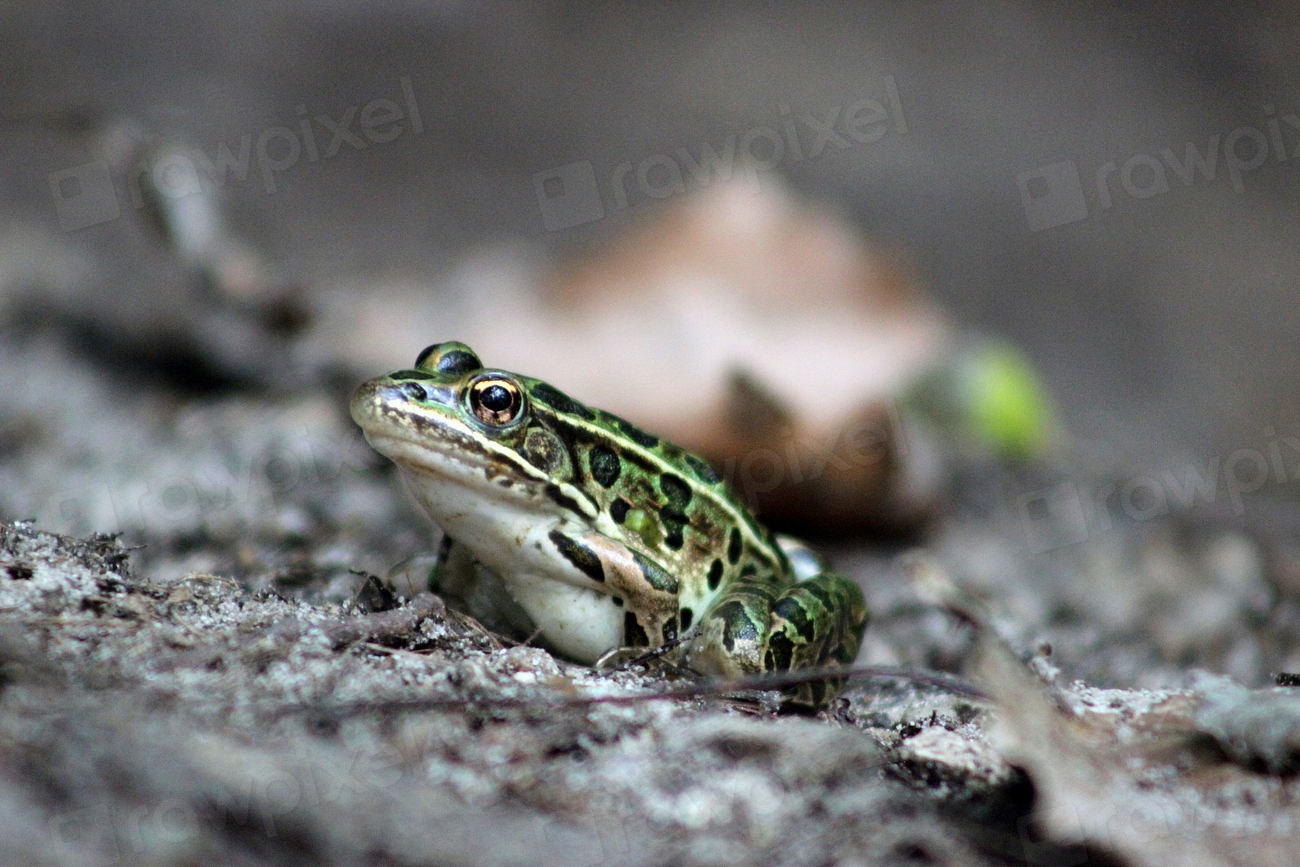 Photo Credit: U.S. Fish and Wildlife Service / Rawpixel
In the shimmering wetlands of North America, the Leopard Frog, known scientifically as Lithobates pipiens, leaps gracefully among the tall grasses and lily pads. With its striking green body adorned with dark spots, this amphibian is a true marvel of nature. Imagine a warm summer evening, where the air is filled with the sounds of croaking frogs and the gentle rustle of leaves. The Leopard Frog, with its keen eyes and agile movements, embodies the spirit of adventure, captivating both scientists and nature lovers alike.
What makes the Leopard Frog particularly intriguing is not just its vibrant appearance but also its role in the ecosystem. These frogs are skilled hunters, using their quick reflexes to snap up insects and small creatures. They thrive in diverse habitats, from lush forests to open grasslands, showcasing their adaptability. As they bask in the sun or leap into the cool water, they remind us of the delicate balance of life in their environment. With each croak and leap, the Leopard Frog invites us to explore the wonders of the natural world, revealing the intricate connections that sustain life on our planet.
The Leopard Frog, a member of the animal kingdom, holds a special place in the tree of life. Scientifically classified under the genus Lithobates, this amphibian is known for its striking appearance, featuring dark spots on a vibrant green or brown background. This unique coloration not only helps it blend into its surroundings, making it a master of camouflage, but also plays a role in its mating rituals. As a member of the class Amphibia, Leopard Frogs are part of a group that thrives both in water and on land, showcasing their adaptability and evolutionary success.
| Taxonomic Rank | Scientific Name | Meaning & Significance |
|---|---|---|
| Kingdom | Animalia | This name signifies that Leopard Frogs belong to the broad group of multicellular organisms that are heterotrophic, meaning they consume organic material for energy. |
| Phylum | Chordata | Chordata refers to animals that have a notochord, a flexible rod that supports the body. In Leopard Frogs, this structure is present during their early development. |
| Class | Amphibia | Amphibia means “double life,” highlighting the Leopard Frog’s ability to live both in water as tadpoles and on land as adults. |
| Order | Anura | Anura translates to “without a tail,” which is fitting since adult Leopard Frogs, like all frogs, lose their tails during metamorphosis. |
| Family | Ranidae | Ranidae, or the “true frogs,” indicates that Leopard Frogs are part of a family known for their smooth skin and long legs, perfect for jumping. |
| Genus | Lithobates | Lithobates means “stone dweller,” a nod to the Leopard Frog’s preference for habitats near water bodies, often found among rocks and vegetation. |
Understanding the Leopard Frog’s classification reveals much about its evolutionary journey. As an amphibian, it shares a common ancestry with other frogs, toads, and salamanders, showcasing the adaptations that have allowed it to thrive in diverse environments. Its unique features, from its vibrant coloration to its life cycle, reflect millions of years of evolution, illustrating how this species has adapted to survive and flourish in both aquatic and terrestrial habitats. The Leopard Frog is not just a fascinating animal; it is a living testament to the intricate web of life on Earth.
The evolutionary journey of the Leopard Frog, belonging to the genus Lithobates, stretches back millions of years, intertwining with the history of amphibians. These fascinating animals emerged during the late Triassic period, around 230 million years ago, as their ancestors began to adapt to life both in water and on land. Over time, they evolved from simple, fish-like creatures into the diverse array of amphibians we see today, including the Leopard Frog.
The ancestors of modern frogs were among the first vertebrates to make the leap from water to land. This transition required significant adaptations, such as the development of limbs for movement on solid ground and lungs for breathing air. As amphibians continued to evolve, they diversified into various families, with the Ranidae family, which includes Leopard Frogs, becoming particularly successful. These frogs developed a range of features, including a more robust body and specialized skin that helps them thrive in different environments, from wetlands to grasslands.
The adaptations of the Leopard Frog have played a crucial role in its survival across diverse environments. Their ability to camouflage helps them evade predators, while their powerful legs allow for quick escapes. The moist skin not only aids in respiration but also keeps them hydrated in varying climates. With vocal sacs enhancing their mating calls, these frogs ensure their lineage continues. Each of these traits showcases the incredible journey of evolution, allowing Leopard Frogs to thrive in a world full of challenges.
The Leopard Frog is a captivating amphibian that draws the eye with its vibrant and distinctive appearance. With a body that typically measures between three to five inches long, it boasts a sleek, elongated form that is perfectly designed for both swimming and leaping. Its limbs are strong and muscular, allowing it to make impressive jumps, while its long, webbed toes help it navigate through water with ease. The Leopard Frog’s skin is permeable, meaning it can absorb water and oxygen, which is essential for its survival in various habitats.
| Feature | Description |
|---|---|
| Weight | One half to three ounces |
| Skin Type | Permeable |
| Most Distinctive Feature | Leopard-like spots |
The Leopard Frog’s striking leopard-like spots not only make it visually appealing but also serve a crucial role in its survival. These spots provide excellent camouflage against the dappled light of its natural habitats, such as wetlands and grassy areas. This ability to blend into its surroundings helps protect it from predators, while its strong legs and agile body allow it to escape quickly when danger approaches. Together, these features create a perfect balance of beauty and functionality, showcasing the wonders of evolution in the animal kingdom.
The Leopard Frog thrives in a variety of habitats that paint a vivid picture of nature’s diversity. Picture lush forests, sprawling grasslands, and vibrant wetlands, where these frogs leap and croak in harmony with their surroundings. They are often found near water sources, such as ponds, streams, and marshes, where the air is filled with the sounds of nature. These environments provide not only a home but also a stage for their lively calls and playful antics.
Leopard Frogs prefer climates that offer a mix of warmth and moisture. They thrive in areas where temperatures can vary, but they generally enjoy mild to warm weather. These frogs are often found in regions that experience seasonal changes, which means they can adapt to both wet and dry conditions. Wetlands, in particular, are crucial for their survival, as they provide the necessary water for breeding and feeding.
To flourish in their chosen habitats, Leopard Frogs have developed several clever adaptations. Their strong legs allow them to jump great distances, helping them escape predators and navigate their environment with ease. Their coloration, often a mix of greens and browns with dark spots, provides excellent camouflage among the reeds and grasses. This ability to blend in helps them avoid being seen by both predators and prey, making them skilled survivors in the wild.
The Leopard Frog leads a life filled with activity and adventure, especially during the warmer months. As dawn breaks, these amphibians emerge from their hiding spots, often found near ponds, marshes, or streams. Their day begins with a chorus of croaks, as males call out to attract females. Throughout the day, they hop around their territory, searching for food like insects, small crustaceans, and even other tiny frogs. When the sun is high, they often bask on warm rocks or lily pads, soaking up the heat to keep their bodies active and agile. As dusk approaches, they become more active again, ready to hunt and socialize.
While Leopard Frogs are primarily solitary, they do exhibit interesting social behaviors during the breeding season. Males gather in groups near water sources, where their calls create a lively symphony. This gathering is not just for show; it helps them compete for the attention of females. The more robust and louder the call, the more likely a male is to attract a mate. Once paired, the female lays her eggs in clusters, and the males remain nearby, continuing to croak and defend their territory. This temporary social structure is crucial for reproduction, but outside of breeding, these frogs prefer to keep to themselves.
| Behavior Type | Description |
|---|---|
| Activity Patterns | Leopard Frogs are most active during dawn and dusk, hunting for food and basking in the sun during the day. |
| Social Structure | Primarily solitary, but males gather during breeding season to attract females with their calls. |
| Communication Methods | Males croak to attract females and establish territory, creating a chorus during mating season. |
The behaviors of Leopard Frogs are finely tuned to ensure their survival in the wild. By being active during specific times, they maximize their chances of finding food while avoiding predators. Their social interactions during breeding season help ensure the continuation of their species, while their solitary nature outside of this time allows them to thrive in their environments. Each leap and croak plays a vital role in the delicate balance of life in their watery habitats.
The Leopard Frog is a carnivore, which means it primarily eats other animals. This amphibian has a varied diet that includes a wide range of prey, from insects to small birds. With its keen eyesight and quick reflexes, the Leopard Frog is an adept hunter, often waiting patiently for the perfect moment to snap up its next meal. It uses its long, sticky tongue to catch prey, flicking it out with impressive speed. This feeding behavior not only helps the Leopard Frog survive but also plays a crucial role in controlling insect populations in its habitat.
| Dietary Aspect | Details |
|---|---|
| Diet Type | Carnivore |
| Favorite Foods | Insects, mollusks, small birds, worms, snakes, and even other frogs |
| Prey Items | Crickets, beetles, slugs, and small fish |
| Hunting/Foraging Strategies | Ambush tactics, using camouflage to blend into surroundings, and quick tongue strikes |
The Leopard Frog’s diet significantly influences its role in the ecosystem. By preying on various insects and small animals, it helps maintain a balance in the food web. This not only benefits the Leopard Frog but also supports the health of its environment. Its daily routine revolves around foraging for food, which often takes place during the warmer hours of the day. This active lifestyle, combined with its diverse diet, makes the Leopard Frog an essential player in its habitat, contributing to the vibrant tapestry of life in wetlands and grasslands.
As spring arrives and temperatures rise, Leopard Frogs begin their lively mating rituals. Males call out with a series of deep, resonant croaks to attract females, creating a symphony of sounds that fills the air. This courtship typically takes place in shallow waters, where the frogs gather in large numbers. The breeding season can last from late March to early July, depending on the climate and location. Once a female chooses a mate, she lays her eggs in clusters, often attaching them to aquatic plants, ensuring a safe environment for the next generation.
| Reproductive Aspect | Details |
|---|---|
| Gestation Period | 70-110 days |
| Litter Size | Up to 20,000 eggs |
| Age of Maturity | 1-2 years |
| Name of Young | Tadpoles |
After the eggs hatch, the young Leopard Frogs emerge as tadpoles, small and aquatic, with long tails and gills for breathing underwater. During this stage, they feed on algae and plant matter, growing rapidly as they soak up nutrients from their environment. As they mature, tadpoles undergo a remarkable transformation called metamorphosis, where they develop legs, lose their tails, and transition to breathing air. This process can take several weeks to months, depending on environmental conditions. Once they become fully developed adults, these frogs leave the water, ready to explore their surroundings and continue the cycle of life.
The Leopard Frog plays a crucial role in its ecosystem, sitting comfortably in the middle of the food web. As both predator and prey, it helps maintain the balance of its environment. These amphibians feast on insects and small animals, while also serving as a meal for larger creatures. This dual role highlights their importance in the natural world, where every species contributes to the health of its habitat.
To survive these dangers, Leopard Frogs have developed several clever strategies. When threatened, they often rely on their remarkable camouflage, blending seamlessly into their surroundings to avoid detection. Additionally, they can make quick, agile leaps to escape predators. Some Leopard Frogs even have a defensive behavior called “playing dead,” where they become motionless to avoid being noticed. These adaptations help them navigate the challenges of their environment, ensuring their survival in a world full of threats.
A keystone species is an organism that has a disproportionately large impact on its environment relative to its abundance. In simpler terms, if you remove a keystone species, the entire ecosystem can change dramatically. The Leopard Frog, with its role as both predator and prey, qualifies as a keystone species in many of its habitats, such as wetlands and grasslands. Its presence helps maintain the balance of the ecosystem, making it a vital player in the natural world.
Leopard Frogs contribute significantly to their ecosystems in various ways. As carnivores, they help control insect populations, which can otherwise explode and lead to imbalances. By eating insects, they keep these populations in check, allowing plants to thrive and providing a healthier environment for other animals. Additionally, Leopard Frogs serve as a food source for a variety of predators, including birds, snakes, and larger mammals. This means they are an essential link in the food web, supporting the survival of many other species.
Moreover, Leopard Frogs are indicators of environmental health. Because they are sensitive to changes in their habitat, such as pollution or climate change, their presence or absence can signal the overall condition of the ecosystem. When Leopard Frogs are thriving, it often means that the environment is healthy and balanced. Conversely, a decline in their population can indicate problems that may affect other species as well.
If Leopard Frogs were to disappear from their ecosystems, the consequences could be severe. Insect populations might surge, leading to overgrazing of plants and disrupting the balance of the habitat. This could create a ripple effect, impacting not only the plants but also the animals that rely on them for food and shelter. Additionally, the loss of Leopard Frogs would mean fewer food sources for their predators, potentially leading to declines in those populations as well. The intricate web of life that depends on the Leopard Frog would unravel, demonstrating just how crucial this amphibian is to its environment.
The Leopard Frog occupies a vital ecological niche, acting as both predator and prey within its habitat. Found in diverse environments like forests, grasslands, and wetlands, this amphibian plays a crucial role in maintaining the balance of its ecosystem. By feeding on insects and small animals, it helps control populations of these creatures, while also serving as a food source for larger animals. This interconnectedness highlights the Leopard Frog’s importance in the web of life.
| Ecosystem Service | Impact |
|---|---|
| Insect Population Control | Reduces the number of pests, benefiting plants and agriculture. |
| Food Source | Provides nourishment for birds, snakes, and other predators. |
| Habitat Indicator | Reflects the health of wetland ecosystems, signaling environmental changes. |
| Nutrient Cycling | Contributes to the breakdown of organic matter, enriching soil quality. |
The Leopard Frog’s influence extends beyond its immediate surroundings. For instance, by preying on insects, it helps keep their populations in check, which can prevent overgrazing of plants and maintain healthy vegetation. Additionally, when Leopard Frogs are present in an area, they indicate a thriving ecosystem. Their sensitivity to environmental changes makes them excellent indicators of wetland health. If their numbers decline, it can signal problems like pollution or habitat loss, prompting conservation efforts.
The broader ecological importance of the Leopard Frog cannot be overstated. As a keystone species, its presence supports a diverse array of life forms, from the smallest insects to larger predators. By maintaining the balance of its ecosystem, the Leopard Frog ensures that various species can coexist and thrive. Protecting this amphibian is essential not only for its survival but also for the health of the ecosystems it inhabits, reminding us of the intricate connections that bind all living things together.
In the intricate web of life, symbiosis refers to the close interactions between different species, which can take on various forms. These relationships can be mutualistic, where both species benefit, parasitic, where one benefits at the other’s expense, or commensal, where one benefits while the other is neither helped nor harmed. The Leopard Frog, with its vibrant presence in forests, grasslands, and wetlands, engages in several fascinating ecological partnerships that highlight the interconnectedness of nature.
| Species/Type | Relationship Type | Description |
|---|---|---|
| Water Striders | Mutualistic | Leopard Frogs benefit from the presence of water striders, which help control mosquito populations, reducing the number of pests that might bother the frogs. |
| Leeches | Parasitic | Leeches attach to Leopard Frogs to feed on their blood, which can weaken the frogs and make them more vulnerable to predators. |
| Dragonflies | Commensal | Dragonflies often share the same habitat as Leopard Frogs, hunting insects in the same areas. The frogs are not affected by the dragonflies’ presence, but they benefit from the reduced insect population. |
The evolution of these relationships showcases the adaptability and resilience of the Leopard Frog and its companions. Over time, these interactions have developed to enhance survival and reproductive success. For instance, mutualistic relationships can lead to healthier populations, while parasitic ones highlight the challenges of living in a shared environment. Understanding these connections not only enriches our knowledge of the Leopard Frog but also emphasizes the importance of preserving the delicate balance of ecosystems where these species thrive.
The Leopard Frog is a captivating amphibian that not only enchants with its appearance but also surprises with its behaviors and adaptations. Here are some intriguing facts that showcase the wonders of this remarkable species.
The Leopard Frog has long been a part of human history, weaving its way into our cultural fabric. Indigenous peoples often viewed these amphibians as symbols of transformation and renewal, reflecting their life cycle from tadpole to adult. In various folklore, the Leopard Frog represents adaptability and resilience, qualities that resonate with many cultures. Historically, these frogs have also been a source of food for some communities, showcasing the deep connection between humans and wildlife. Their distinctive calls and vibrant patterns have inspired artists and storytellers, making them a beloved subject in nature-inspired art.
Today, the relationship between Leopard Frogs and humanity is complex and multifaceted. As urban development expands, these frogs face habitat loss, which poses a significant threat to their populations. Conservation efforts are underway to protect their natural environments, with organizations working to restore wetlands and promote awareness about the importance of amphibians in ecosystems. However, conflicts arise as agricultural practices and pollution can negatively impact their habitats. While domestication of Leopard Frogs is not common, they are sometimes kept in captivity for educational purposes, allowing people to learn about their biology and ecology firsthand.
As we look to the future, the relationship between Leopard Frogs and humanity will likely evolve. With increasing awareness of environmental issues, more people are recognizing the importance of protecting these amphibians and their habitats. By fostering a sense of stewardship, we can ensure that Leopard Frogs continue to thrive alongside us. The challenge lies in balancing human development with the preservation of natural spaces, allowing these remarkable creatures to leap into a future where they are safe and celebrated.
The Leopard Frog is currently classified as “Least Concern” by the International Union for Conservation of Nature (IUCN). This status indicates that, while the species is not facing immediate threats of extinction, it is essential to monitor its population trends. With an estimated population size in the millions, Leopard Frogs are relatively abundant across their range. However, ongoing changes in their habitats could influence future population dynamics.
| Conservation Factor | Status/Details |
|---|---|
| IUCN Status | Least Concern |
| Estimated Population Size | Millions |
| Population Trend | Stable |
Despite their current stable status, Leopard Frogs face several threats that could impact their populations in the long run. Habitat loss is a significant concern, as wetlands and grasslands are often drained for agriculture or urban development. Pollution from pesticides and fertilizers can also harm their delicate ecosystems, affecting their health and reproductive success. Additionally, climate change poses a risk by altering their habitats and the availability of food sources.
Conservation efforts are underway to ensure the continued survival of Leopard Frogs. Protecting and restoring their natural habitats is crucial, as is raising awareness about the importance of these amphibians in our ecosystems. Organizations and researchers are working together to monitor populations and implement strategies that promote healthy environments. With ongoing efforts, the outlook for Leopard Frogs remains hopeful, allowing future generations to enjoy their vibrant presence in the wild.
| Question | Answer |
|---|---|
| What is the habitat of the Leopard Frog? | Leopard Frogs are found in a variety of habitats, including forests, grasslands, and wetlands. They thrive in areas with plenty of water, as they need it for breeding and to keep their skin moist. |
| What do Leopard Frogs eat? | Leopard Frogs are carnivores, which means they primarily eat other animals. Their diet includes insects, small fish, and even other amphibians, making them skilled hunters in their watery environments. |
| How do Leopard Frogs behave? | Leopard Frogs are known for their agility and quick movements. They are often seen leaping away from predators or when startled, and they can be quite vocal, especially during mating season when males call to attract females. |
| How do Leopard Frogs reproduce? | During the breeding season, male Leopard Frogs call out to attract females. After mating, the female lays her eggs in water, where they hatch into tadpoles. These tadpoles will eventually grow legs and develop into adult frogs. |
| What threats do Leopard Frogs face? | Leopard Frogs face several threats, including habitat loss due to urban development and pollution. Additionally, they are vulnerable to predators and diseases, which can impact their populations. |
| What is a distinctive feature of Leopard Frogs? | The most distinctive feature of Leopard Frogs is their leopard-like spots, which help them blend into their surroundings. This camouflage is crucial for avoiding predators and catching prey. |
| Are Leopard Frogs endangered? | Leopard Frogs are currently classified as "Least Concern" by conservationists. This means that, while they face some threats, their populations are generally stable and not at immediate risk of extinction. |