Taxonomy & Classification
- Kingdom
- Animalia
- Phylum
- Chordata
- Class
- Reptilia
- Order
- Squamata
- Family
- Eublepharidae
- Genus
- Eublepharis
- Species
- Eublepharis macularius

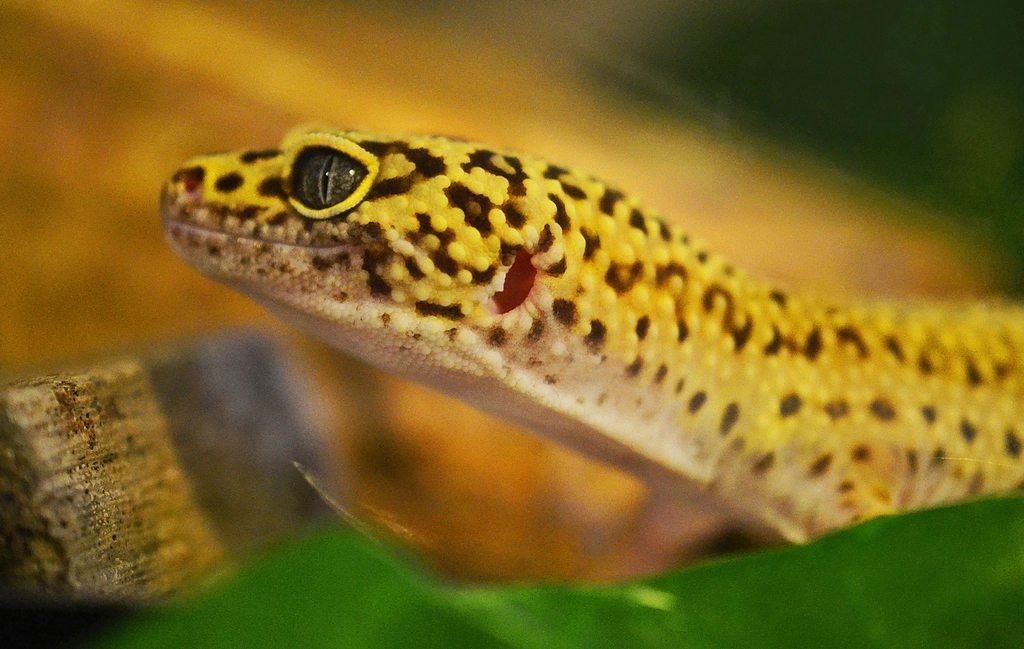 Photo Credit: Rawpixel
In the sun-drenched deserts and rocky scrublands of the Middle East, the leopard gecko, scientifically known as Eublepharis macularius, scuttles across the warm earth, its vibrant yellow and black-spotted skin blending seamlessly with the arid landscape. This small lizard, measuring about 7 to 10 inches long, is a master of camouflage, using its striking patterns to hide from predators while also showcasing its beauty to curious onlookers. With its large, expressive eyes and a tail that can store fat for energy, the leopard gecko is not just a pretty face; it’s a survivor in a challenging environment.
What makes the leopard gecko particularly captivating to scientists and nature lovers alike is its unique adaptations and behaviors. Unlike many lizards, it is nocturnal, meaning it comes alive at night, hunting insects under the cover of darkness. This lifestyle allows it to avoid the scorching daytime heat while showcasing its incredible agility and hunting skills. As a carnivore, it plays a vital role in its ecosystem, helping to control insect populations. With its fascinating life cycle, intriguing social behaviors, and the ability to thrive in harsh conditions, the leopard gecko invites us to explore the wonders of the natural world and the delicate balance of life within it.
The leopard gecko, a captivating little lizard, holds a special place in the animal kingdom. Taxonomically, it belongs to the Kingdom Animalia, which includes all animals, and it is classified under the Phylum Chordata, meaning it has a backbone. This charming reptile is part of the Class Reptilia, which encompasses all reptiles, and the Order Squamata, known for its scaly skin and ability to shed it. What sets the leopard gecko apart is its family, Eublepharidae, which includes geckos that have eyelids—unlike many other gecko species that have a protective scale over their eyes. This unique feature, along with its vibrant spotted pattern, makes the leopard gecko a favorite among pet owners and reptile enthusiasts alike.
| Taxonomic Rank | Scientific Name | Meaning & Significance |
|---|---|---|
| Kingdom | Animalia | This name comes from the Latin word “animalis,” meaning “having breath,” highlighting the living nature of all animals. |
| Phylum | Chordata | Derived from the Greek word “chordē,” meaning “string,” this refers to the notochord, a flexible rod that supports the body in all chordates during some stage of development. |
| Class | Reptilia | From the Latin “reptilis,” meaning “creeping,” this class includes all reptiles, which are known for their scaly skin and cold-blooded nature. |
| Order | Squamata | This term comes from the Latin “squamatus,” meaning “scaled,” which perfectly describes the scaly skin of lizards and snakes in this order. |
| Family | Eublepharidae | The name combines the Greek “eu,” meaning “true,” and “blepharon,” meaning “eyelid,” referring to the presence of movable eyelids in these geckos. |
| Genus | Eublepharis | This genus name also reflects the true eyelids feature, emphasizing the distinctiveness of these geckos among their relatives. |
The classification of the leopard gecko reveals much about its evolutionary journey. As a member of the Eublepharidae family, it showcases adaptations that have allowed it to thrive in various environments, particularly in arid regions. Its ability to retain moisture and its unique eye structure are just a couple of traits that highlight its evolutionary success. By understanding where the leopard gecko fits in the tree of life, we gain insight into the rich tapestry of reptilian evolution and the diverse strategies these animals have developed to survive and flourish in their habitats.
The evolutionary journey of the leopard gecko stretches back millions of years, tracing its roots to the ancient lizards that roamed the Earth during the late Cretaceous period, around 100 million years ago. As the world transformed through dramatic climate changes and shifting landscapes, these early reptiles adapted to survive in diverse environments. The leopard gecko, a member of the Eublepharidae family, emerged as a distinct species, showcasing a series of remarkable adaptations that would help it thrive in arid habitats.
The ancestors of the leopard gecko were likely small, insect-eating lizards that inhabited warm, dry regions. Over time, they developed several key traits that set them apart from their relatives. One major transition was the evolution of their unique eyelids, which allow them to blink and protect their eyes, unlike many other lizards that have a transparent scale covering their eyes. This adaptation is particularly useful in their desert habitats, where dust and debris can be a constant challenge. Additionally, leopard geckos developed a specialized diet, primarily feeding on insects, which helped them exploit a niche that many other reptiles could not.
The adaptations of the leopard gecko have been vital for its survival in challenging environments. Their ability to blend into their surroundings protects them from predators, while their nocturnal lifestyle allows them to thrive in the heat of the desert. Storing fat in their tails ensures they can endure periods of food scarcity, and their vocal communication enhances social interactions. Together, these traits illustrate the incredible ways in which evolution shapes life, enabling species to adapt and flourish in a constantly changing world.
The leopard gecko is a small yet striking lizard that captures attention with its vibrant colors and distinctive features. Its body is compact and robust, typically measuring around 7 to 10 inches in length. Unlike many of its gecko relatives, this little reptile boasts fully-functional eyelids, giving it a more expressive face. Its skin is covered in smooth scales that shimmer in the light, showcasing a beautiful array of patterns that can range from bright yellows to deep browns, often adorned with dark spots reminiscent of a leopard’s coat.
| Feature | Description |
|---|---|
| Weight | 50 to 80 grams (adults) |
| Skin Type | Scales |
| Most Distinctive Feature | Lacks sticky foot pads; has fully-functional eyelids; can drop its tail as a defense mechanism (autotomy) |
These physical traits work together to enhance the leopard gecko’s survival in the wild. The absence of sticky foot pads allows it to navigate rocky terrains and burrows with ease, while its functional eyelids protect its eyes from dust and debris. The ability to drop its tail when threatened serves as a clever escape tactic, allowing the gecko to distract predators while it makes a quick getaway. Together, these features not only make the leopard gecko a fascinating subject of study but also equip it with the tools necessary to thrive in its environment.
The leopard gecko thrives in a world that feels like a sun-baked canvas of earthy tones and rugged textures. Picture vast, arid deserts and scrublands, where the ground is a patchwork of rocky outcrops and sparse vegetation. These lizards are masters of their environment, often found hiding among the crevices of stones or beneath the scattered brush, where they can bask in the warm sun during the day and retreat to safety at night.
The climate in these regions is typically dry and hot, with temperatures soaring during the day and cooling off significantly at night. Leopard geckos prefer areas where they can find shelter from the intense sun, as well as spots that provide humidity, which is essential for their skin health and shedding process. They are well-suited to survive in environments that experience little rainfall, making them perfectly adapted to the challenges of desert life.
Adaptation is key to the leopard gecko’s survival in such harsh habitats. Their ability to store fat in their tails allows them to go for long periods without food, which is crucial in an environment where meals can be scarce. Additionally, their nocturnal lifestyle helps them avoid the daytime heat, allowing them to hunt for insects and other small prey under the cover of darkness. With their keen eyesight and specialized skin, they navigate their rocky homes with ease, showcasing nature’s incredible ability to shape life in even the most extreme conditions.
The daily life of a leopard gecko is a blend of activity and rest, shaped by its natural instincts and environment. As a primarily nocturnal creature, it comes alive at night, emerging from its hiding spots to hunt for food. During the cooler hours, it scours the ground for insects, its favorite snacks, including crickets and mealworms. When the sun rises, this little lizard retreats to the safety of its burrow or a cozy rock crevice, where it can bask in the warmth and recharge for the next night’s adventures.
Leopard geckos are generally solitary animals, preferring to live alone rather than in groups. This behavior helps them avoid competition for food and reduces the risk of conflict with other geckos. While they may occasionally cross paths with others during mating season, they typically maintain a distance, each focusing on their own survival. Communication among leopard geckos is subtle but effective; they use body language and vocalizations, like soft chirps, to express their feelings or alert others to potential threats.
| Behavior Type | Description |
|---|---|
| Activity Patterns | Leopard geckos are nocturnal, hunting for food at night and resting during the day. |
| Social Structure | These lizards are solitary, preferring to live alone to avoid competition. |
| Communication Methods | They communicate through body language and soft vocalizations, especially during mating. |
The behaviors of leopard geckos are finely tuned to ensure their survival in the wild. By being active at night, they avoid the heat of the day and reduce the risk of dehydration. Their solitary nature allows them to efficiently hunt without the stress of competing with others for food. This combination of habits not only helps them thrive in their arid habitats but also keeps them safe from predators, making them well-adapted to their environment.
The leopard gecko is a carnivore, which means it primarily eats meat. This little lizard has a diet that consists mainly of insects, making it a skilled hunter in its arid habitat. With its keen eyesight and quick reflexes, the leopard gecko is well-equipped to catch its favorite prey. It often hunts at night, using its excellent night vision to spot insects like crickets and mealworms. This nocturnal feeding behavior allows it to avoid the heat of the day while taking advantage of the abundance of insects that come out after sunset.
| Dietary Aspect | Details |
|---|---|
| Diet Type | Carnivore |
| Favorite Foods | Crickets, mealworms, and other small insects |
| Prey Items | Various insects, including moths and beetles |
| Hunting/Foraging Strategies | Uses keen eyesight and quick movements to catch prey at night |
The leopard gecko’s diet plays a crucial role in its ecology and daily routine. By feeding on insects, it helps control their populations, contributing to the balance of its ecosystem. This lizard’s nocturnal lifestyle not only aids in its hunting but also allows it to avoid predators that are active during the day. As it scours the ground for food, the leopard gecko also interacts with its environment, making it an important player in the web of life in its desert home.
When it comes to reproduction, leopard geckos have some intriguing behaviors. The breeding season typically occurs in the warmer months, when temperatures rise and food becomes more plentiful. During this time, males become quite active, engaging in courtship displays to attract females. They may perform a series of head bobs and vocalizations, which are part of their charming mating rituals. Once a female is receptive, she will mate with the male, and the process of creating new life begins.
| Reproductive Aspect | Details |
|---|---|
| Gestation Period | Approximately 30 days |
| Litter Size | 1 to 2 eggs per clutch |
| Age of Maturity | 18 to 24 months |
| Name of Young | Hatchlings |
After the eggs are laid, the female leopard gecko carefully buries them in a warm, moist substrate, which helps keep them safe and provides the right conditions for development. Once the hatchlings emerge, they are independent from the start, ready to explore their surroundings. These tiny geckos are miniature versions of their parents, equipped with all the skills they need to survive. As they grow, they will shed their skin multiple times, a process known as ecdysis, allowing them to grow and develop into the vibrant adults they are destined to become. While leopard geckos do not provide parental care after the eggs hatch, their early independence is a testament to their adaptability in the wild.
The leopard gecko occupies a fascinating position in the food web, serving as both predator and prey. This small lizard, with its vibrant spots and agile movements, hunts insects like crickets and mealworms, helping to control their populations. However, it is also a target for various predators, making its survival a delicate balance in the ecosystem.
To defend itself against these threats, the leopard gecko has developed several clever survival strategies. One of its most remarkable tactics is its ability to drop its tail when caught, a process known as autotomy. This not only distracts the predator but also allows the gecko to escape. Additionally, leopard geckos can blend into their surroundings, using their spotted skin to camouflage against the rocky terrain. By being both cautious and clever, these little lizards navigate the dangers of their environment with impressive skill.
A keystone species is an organism that plays a critical role in maintaining the structure of its ecosystem. Its presence or absence can significantly impact the environment and the other species living there. The leopard gecko, while not a traditional keystone species like wolves or sea otters, does contribute to its ecosystem in meaningful ways, particularly in the arid deserts and scrublands it calls home.
Leopard geckos are carnivores, primarily feeding on insects such as crickets and mealworms. By controlling insect populations, they help maintain a balance in their ecosystem. If these lizards were to disappear, the number of insects could explode, leading to overgrazing of vegetation and disrupting the habitat for other animals. This ripple effect can alter the entire food web, affecting not just the plants but also the herbivores and predators that rely on them.
Additionally, leopard geckos serve as prey for larger predators, including birds of prey and snakes. Their role in the food chain is essential for supporting these higher-level predators. Without leopard geckos, these predators might struggle to find enough food, which could lead to declines in their populations as well.
Moreover, the burrowing habits of leopard geckos can help aerate the soil, promoting healthier plant growth. Their movements through the sandy terrain create small tunnels that allow air and water to penetrate the ground more easily. This process is vital for the overall health of the desert ecosystem, as it supports plant life that provides shelter and food for many other species.
If leopard geckos were to vanish from their habitats, the consequences would be far-reaching. Insect populations would likely surge, leading to potential crop damage and a decline in plant health. This, in turn, would affect the animals that rely on those plants for food and shelter. The balance of the desert ecosystem would be disrupted, showcasing just how interconnected all species are, even those that seem small and solitary like the leopard gecko.
The leopard gecko occupies a vital ecological niche in the arid, rocky deserts and scrublands of the Middle East, including countries like India, Afghanistan, and Iran. As a carnivore, it plays a significant role in controlling insect populations, which helps maintain the balance of its ecosystem. By preying on various insects, the leopard gecko not only secures its own food source but also influences the abundance and diversity of other species in its habitat. This delicate interplay showcases how even small creatures can have a big impact on their surroundings.
| Ecosystem Service | Impact |
|---|---|
| Insect population control | Reduces the number of pests, benefiting plant life and other animals. |
| Soil aeration | Burrowing behavior helps to aerate the soil, promoting healthy plant growth. |
| Food source for predators | Serves as prey for larger animals, contributing to the food web. |
The leopard gecko’s influence extends beyond just its immediate diet. By keeping insect populations in check, it helps protect the vegetation that provides shelter and food for many other species. For instance, fewer pests mean healthier plants, which in turn support a variety of herbivores. Additionally, the leopard gecko’s burrowing habits can aerate the soil, allowing water and nutrients to reach plant roots more effectively. This creates a thriving environment for flora and fauna alike, showcasing the interconnectedness of life in its ecosystem.
The broader ecological importance of the leopard gecko cannot be overstated. As a keystone species, its presence is crucial for maintaining the balance of its habitat. When leopard geckos thrive, they help ensure that their ecosystems remain healthy and diverse. Conversely, a decline in their population could lead to an overabundance of insects, which might disrupt the entire food web. This highlights the essential role that even the smallest creatures play in the grand tapestry of nature, reminding us of the intricate connections that sustain life on our planet.
In the intricate web of life, many species form partnerships that help them survive and thrive. These relationships can be classified into three main types: mutualism, where both species benefit; commensalism, where one benefits while the other is neither helped nor harmed; and parasitism, where one benefits at the expense of the other. The leopard gecko, a charming little lizard found in arid regions, engages in various ecological relationships that highlight the interconnectedness of nature.
| Species/Type | Relationship Type | Description |
|---|---|---|
| Ants | Commensalism | Leopard geckos may share their burrows with ants, which can help aerate the soil without affecting the geckos. |
| Parasites (like mites) | Parasitism | Mites can latch onto leopard geckos, feeding on their blood and potentially causing health issues. |
| Insects (prey) | Mutualism | While not a traditional mutualistic relationship, the presence of insects in the environment supports the gecko’s role as a predator, helping maintain ecological balance. |
The evolution of these relationships showcases the adaptability of the leopard gecko and its environment. Over time, these interactions have shaped the behaviors and survival strategies of both the gecko and the species it interacts with. By understanding these connections, we gain insight into the delicate balance of ecosystems, where every creature, big or small, plays a part in the grand story of life on Earth.
The leopard gecko is a captivating little lizard that has some surprising traits and behaviors that make it stand out in the animal kingdom. Here are a few intriguing facts that will surely pique the interest of nature enthusiasts.
The leopard gecko has a long and storied relationship with humanity, dating back thousands of years. These charming lizards have been admired for their striking appearance and unique behaviors, leading to their presence in various cultures. In some regions, they are seen as symbols of good luck and protection. Ancient civilizations may have even revered them, incorporating their images into art and folklore. This connection highlights how humans have historically viewed leopard geckos not just as animals, but as important figures in their cultural narratives.
Today, the interactions between leopard geckos and humans have evolved significantly. Many people keep these lizards as pets, drawn to their friendly nature and relatively easy care requirements. However, this domestication has raised concerns about their conservation in the wild. Habitat destruction and the pet trade can threaten their populations. On the flip side, leopard geckos are also used in scientific research, helping scientists understand more about reptilian biology and behavior. This duality of admiration and responsibility shapes our current relationship with these fascinating reptiles.
Looking ahead, the future of the leopard gecko and humanity’s relationship will depend on our commitment to conservation and responsible pet ownership. As awareness grows about the importance of preserving their natural habitats, we can work together to ensure that these captivating lizards continue to thrive in the wild. By fostering a deeper understanding of their ecological role and the challenges they face, we can create a harmonious coexistence that benefits both leopard geckos and people alike.
The leopard gecko is currently classified as “Least Concern” by the International Union for Conservation of Nature (IUCN). This means that, overall, the species is not facing immediate threats to its survival. Population estimates suggest that leopard geckos are relatively stable, with no significant declines reported. Their adaptability to various habitats has helped them maintain a healthy presence in the wild, although localized threats do exist.
| Conservation Factor | Status/Details |
|---|---|
| IUCN Status | Least Concern |
| Population Estimates | Stable |
| Trend Direction | No significant declines |
Despite their overall stable status, leopard geckos face several threats that could impact their populations in the future. Habitat loss due to urban development and agriculture is a significant concern, as these activities can destroy the rocky environments where they thrive. Additionally, the illegal pet trade poses a risk, as many people seek these colorful lizards for their homes. Climate change also looms as a potential threat, altering the delicate ecosystems that support their survival.
Conservation efforts are underway to ensure the leopard gecko continues to thrive in its natural habitat. Organizations are working to protect their environments and raise awareness about the importance of these lizards in the ecosystem. By promoting responsible pet ownership and supporting habitat conservation, we can help secure a bright future for leopard geckos. With continued efforts, this charming lizard is likely to remain a common sight in the wild for years to come.
| Question | Answer |
|---|---|
| Where do Leopard Geckos live? | Leopard Geckos are native to arid, rocky deserts and scrublands in the Middle East. They can be found in countries like India, Afghanistan, Pakistan, Nepal, and Iran, where they thrive in warm, dry environments. |
| What do Leopard Geckos eat? | Leopard Geckos are carnivores, which means they primarily eat other animals. Their diet consists of insects like crickets, mealworms, and roaches, providing them with the protein they need to grow and stay healthy. |
| How do Leopard Geckos behave? | Leopard Geckos are known for their calm and friendly nature, making them popular pets. They are mostly nocturnal, meaning they are active at night, and they enjoy exploring their surroundings, often climbing and hiding in crevices. |
| How do Leopard Geckos reproduce? | Leopard Geckos typically breed in the spring. The female lays eggs, usually two at a time, which she buries in warm sand or soil. After about 45 to 60 days, the eggs hatch, and tiny geckos emerge, ready to start their lives. |
| What threats do Leopard Geckos face? | While Leopard Geckos are currently classified as Least Concern, they still face threats from habitat loss and the pet trade. As their natural habitats are destroyed for development, their populations can decline, making conservation efforts important. |
| What is a unique characteristic of Leopard Geckos? | One of the most distinctive features of Leopard Geckos is that they lack sticky foot pads, which are common in many other gecko species. Instead, they have fully functional eyelids and can drop their tails as a defense mechanism, a process known as autotomy. |
| Can Leopard Geckos change color? | Leopard Geckos can change their color slightly based on their environment and mood. This ability helps them blend in with their surroundings, providing camouflage from predators and making them fascinating creatures to observe. |