Taxonomy & Classification
- Kingdom
- Animalia
- Phylum
- Chordata
- Class
- Reptilia
- Order
- Squamata
- Family
- Crotaphytidae
- Genus
- Gambelia

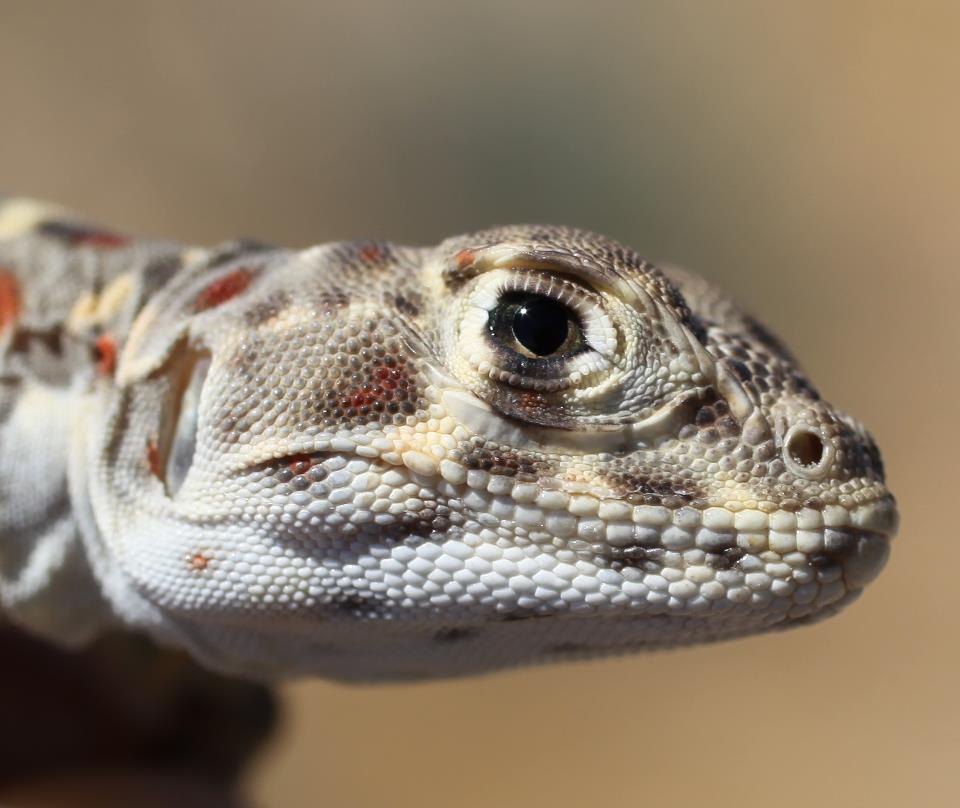 Photo Credit: OptimusPrimeBot / Wikimedia Commons
In the sun-drenched expanses of the southwestern United States, the Leopard Lizard, scientifically known as Gambelia wislizenii, makes its home. Picture a landscape where the earth is baked by the relentless sun, dotted with low shrubs and scattered rocks. Here, this agile reptile showcases its striking appearance, with a slender body adorned in a pattern of bold spots that resemble a leopard’s coat. This unique coloration not only captivates the eye but also serves a purpose, helping the lizard blend seamlessly into its arid surroundings, a clever trick to evade predators.
As the day unfolds, the Leopard Lizard springs to life, darting across the warm desert floor with remarkable speed. Its keen senses and quick reflexes make it a skilled hunter, preying on smaller lizards and insects that share its habitat. Scientists and nature enthusiasts alike are drawn to this fascinating creature, not just for its beauty but also for its role in the ecosystem. The Leopard Lizard is a vital player in the intricate web of life, balancing the populations of its prey while also serving as a food source for larger animals. Join us as we explore the captivating world of Gambelia wislizenii, uncovering its behaviors, diet, and the challenges it faces in a changing environment.
The Leopard Lizard, scientifically known as Gambelia wislizenii, occupies a distinctive place in the tree of life. This agile reptile belongs to the family Crotaphytidae, which includes a variety of lizards known for their speed and adaptability. What sets the Leopard Lizard apart is its striking appearance, characterized by bold patterns of dark spots on a lighter background, reminiscent of a leopard’s coat. This unique coloration not only provides camouflage in its arid desert habitat but also plays a role in its social interactions and mating displays.
| Taxonomic Rank | Scientific Name | Meaning & Significance |
|---|---|---|
| Kingdom | Animalia | This name signifies that Leopard Lizards are part of the vast group of multicellular organisms that are primarily heterotrophic, meaning they consume other organisms for energy. |
| Phylum | Chordata | Chordata refers to animals that have a notochord, a flexible rod that supports the body. In Leopard Lizards, this structure is present during their development, showcasing their evolutionary link to vertebrates. |
| Class | Reptilia | Reptilia indicates that these lizards are cold-blooded, or ectothermic, meaning they rely on external sources to regulate their body temperature, a trait common among reptiles. |
| Order | Squamata | Squamata, which includes lizards and snakes, is derived from the Latin word for “scaly,” highlighting the Leopard Lizard’s scaly skin that aids in moisture retention and protection. |
| Family | Crotaphytidae | This family name comes from the Greek words for “head” and “to strike,” reflecting the aggressive behavior and distinctive head shapes of many lizards in this group, including the Leopard Lizard. |
| Genus | Gambelia | Gambelia is named in honor of the naturalist and explorer, John Gambel, recognizing his contributions to the study of North American fauna. |
The classification of the Leopard Lizard reveals much about its evolutionary journey. As a member of the Crotaphytidae family, it shares a lineage with other fast-moving lizards, showcasing adaptations that have allowed it to thrive in harsh environments. Its unique physical traits, such as its striking coloration and agile body, are not just for show; they are essential for survival in the wild. Understanding where the Leopard Lizard fits in the animal kingdom helps us appreciate the intricate web of life and the evolutionary processes that shape the diverse forms of life we see today.
The evolutionary journey of the Leopard Lizard, or Gambelia wislizenii, stretches back millions of years, tracing its lineage through the arid landscapes of North America. This lizard is part of the Crotaphytidae family, which has adapted to thrive in diverse environments. As the Earth’s climate shifted and habitats transformed, the ancestors of the Leopard Lizard underwent significant changes, allowing them to survive and flourish in the deserts and scrublands they call home today.
The Leopard Lizard’s ancestors were likely small, insect-eating reptiles that roamed the warm, dry regions of the continent. Over time, these early lizards developed adaptations that helped them cope with the challenges of their environment. One major transition was the development of a more elongated body and powerful limbs, which enhanced their speed and agility. This allowed them to escape predators and catch fast-moving prey. Additionally, as they evolved, they developed a unique coloration and patterning that provided excellent camouflage against the sandy and rocky backgrounds of their habitats.
The adaptations of the Leopard Lizard have been crucial for its survival in a challenging environment. Speed and agility enable it to escape threats, while its camouflage helps it blend into the landscape, making it a stealthy predator. The ability to eat a wide range of foods ensures that it can thrive even when certain prey is scarce. Together, these traits illustrate how evolution shapes species to meet the demands of their surroundings, allowing the Leopard Lizard to continue its legacy in the wild.
The Leopard Lizard is a striking sight, with a body that perfectly balances agility and strength. Its slender form is designed for quick movements, allowing it to dart across the sun-baked desert floor. With a long tail that can be nearly as long as its body, this lizard is not just a beautiful creature; it’s a master of survival in its arid habitat. The combination of its sleek shape and vibrant colors makes it a standout in the wild, where it blends seamlessly with the rocky terrain.
| Feature | Description |
|---|---|
| Weight | 0.8 to 1.5 ounces |
| Skin Type | Scales |
| Most Distinctive Feature | Long tail |
The Leopard Lizard’s lightweight body allows it to move swiftly, evading predators and catching prey with ease. Its scales provide protection from the harsh sun and help retain moisture, which is crucial in its dry environment. The long tail not only aids in balance but can also serve as a distraction to predators, allowing the lizard to escape. Together, these features create a well-adapted survivor, perfectly suited to thrive in the challenging landscapes it calls home.
The Leopard Lizard thrives in a vibrant tapestry of semiarid plains and scrublands, where the sun shines brightly and the earth is often dry. Picture a landscape dotted with low shrubs, scattered rocks, and patches of sandy soil. This environment is a mix of open spaces and hidden nooks, perfect for a lizard that loves to bask in the sun and dart between the underbrush. The warm colors of the earth and the occasional burst of wildflowers create a lively backdrop for this agile reptile.
To flourish in its habitat, the Leopard Lizard requires a climate that is warm and dry, typical of semiarid regions. These areas experience hot summers and mild winters, with limited rainfall. The lizard is well-suited to this environment, as it can tolerate the heat and often seeks shelter during the hottest parts of the day. The combination of sun and shade allows it to regulate its body temperature, which is crucial for its survival.
Adaptations have finely tuned the Leopard Lizard to its specific surroundings. Its coloration, often a mix of browns and yellows, helps it blend seamlessly into the sandy and rocky terrain, providing excellent camouflage from predators. Additionally, its long legs and agile body allow it to move quickly across the ground, whether it’s chasing down insects or escaping danger. These traits make the Leopard Lizard a master of its semiarid domain, perfectly equipped to thrive in a challenging yet beautiful habitat.
As the sun rises over the arid landscapes of the southwestern United States, the Leopard Lizard begins its day. These lizards are most active during the warm hours, basking in the sun to soak up heat, which is essential for their body temperature regulation. They spend their mornings hunting for insects, their primary food source, darting swiftly across the sandy terrain. As the day progresses, they may retreat to the shade of low shrubs or rocks to avoid the intense midday heat, only to emerge again in the late afternoon for more foraging.
Leopard Lizards are generally solitary creatures, preferring to roam their territories alone rather than in groups. This independence allows them to be stealthy hunters, as they can focus on their surroundings without the distractions of other lizards. However, during the breeding season, males may engage in displays of strength and color to attract females. These displays can include push-ups and head bobs, which are important for communication and establishing dominance. While they may not form tight-knit social groups, their interactions during mating season are crucial for the continuation of their species.
| Behavior Type | Description |
|---|---|
| Activity Patterns | Active during warm daylight hours, basking in the sun and hunting for insects. |
| Social Structure | Primarily solitary, with interactions mainly during the breeding season. |
| Communication Methods | Utilizes visual displays like push-ups and head bobs to attract mates and assert dominance. |
The behaviors of the Leopard Lizard are finely tuned to ensure survival in their challenging environment. By being solitary, they minimize competition for food and reduce the risk of attracting predators. Their ability to regulate body temperature through basking allows them to remain active and agile, essential traits for catching prey. During the breeding season, their displays not only help in finding mates but also reinforce their presence in the territory. Each of these behaviors plays a vital role in their life, helping them thrive in the sun-drenched landscapes they call home.
The Leopard Lizard is an omnivore, which means it enjoys a varied diet that includes both plants and animals. This adaptable lizard primarily hunts smaller lizards and insects, but it also munches on berries and leaves when the opportunity arises. With its keen eyesight and quick reflexes, the Leopard Lizard stalks its prey, using a combination of stealth and speed to capture its meals. This feeding behavior not only sustains the lizard but also plays a crucial role in its ecosystem, helping to control insect populations and contributing to the balance of its habitat.
| Dietary Aspect | Details |
|---|---|
| Diet Type | Omnivore |
| Favorite Foods | Smaller lizards, insects, berries, leaves |
| Prey Items | Insects like crickets and grasshoppers, small rodents |
| Hunting/Foraging Strategies | Stalking and ambushing prey, using quick bursts of speed |
This diverse diet shapes the Leopard Lizard’s daily routine and ecological role. By feeding on a variety of organisms, it helps maintain the health of its environment. The lizard’s hunting strategies not only ensure its survival but also influence the populations of its prey, creating a dynamic balance in the desert ecosystem. As it forages and hunts, the Leopard Lizard plays a vital part in the intricate web of life that thrives in its sun-drenched habitat.
As the warm days of spring arrive, Leopard Lizards engage in a lively courtship dance. Males display their vibrant colors and perform push-ups to attract females, showcasing their strength and vitality. This mating ritual is crucial, as it sets the stage for the next generation. Breeding typically occurs from late spring to early summer, when the conditions are just right for the young lizards to thrive.
| Reproductive Aspect | Details |
|---|---|
| Gestation Period | Two months |
| Litter Size | Typically 4 to 10 eggs |
| Age of Maturity | About 1 year |
| Name of Young | Juvenile lizard |
After laying eggs, the female Leopard Lizard buries them in a warm, sandy spot, where they will incubate until hatching. Once the young emerge as juvenile lizards, they are independent from the start. These tiny lizards must quickly learn to navigate their environment, finding food and shelter on their own. As they grow, they develop the skills needed to survive in the wild, eventually maturing into the striking adults that roam the sunlit landscapes of their habitat. The journey from hatchling to adult is a thrilling adventure, filled with challenges and discoveries.
The Leopard Lizard, a fascinating inhabitant of the arid landscapes of the southwestern United States, plays a vital role in its ecosystem. As both predator and prey, it occupies a unique position in the food web. This agile reptile helps control insect populations while also serving as a meal for larger animals. Its survival is intricately linked to the balance of life around it, making it an important player in its environment.
To defend itself against these threats, the Leopard Lizard has developed several clever survival strategies. When faced with danger, it can quickly dart into the safety of nearby shrubs or rocks, using its speed to escape. Additionally, it has a remarkable ability to blend into its surroundings, thanks to its spotted skin that mimics the desert floor. This camouflage helps it avoid detection by predators. By staying alert and using its natural defenses, the Leopard Lizard continues to thrive in a world filled with challenges.
A keystone species is an organism that has a disproportionately large impact on its environment relative to its abundance. In other words, if it were removed, the ecosystem would change dramatically. The Leopard Lizard, or Gambelia wislizenii, qualifies as a keystone species in its habitat of semiarid plains and scrublands. Its role as both predator and prey helps maintain the balance of the ecosystem, making it an essential player in the web of life.
Leopard Lizards are skilled hunters, primarily feeding on smaller lizards and insects. By controlling the populations of these creatures, they help prevent overpopulation, which can lead to resource depletion. For example, if insect populations were to explode unchecked, they could damage plant life, disrupting the entire food chain. Additionally, Leopard Lizards themselves serve as a food source for larger predators, such as birds of prey and snakes. This dual role enhances biodiversity, as it supports various species at different levels of the food web.
Moreover, the Leopard Lizard’s foraging habits contribute to seed dispersal. As they move through their habitat, they inadvertently spread seeds from the plants they consume. This process helps maintain plant diversity, which is crucial for soil health and stability. Healthy plant life, in turn, provides shelter and food for countless other organisms, creating a thriving ecosystem.
If Leopard Lizards were to disappear from their environment, the consequences would be significant. Without these lizards, insect populations could surge, leading to overgrazing of vegetation and a decline in plant diversity. This would not only affect the plants but also the animals that rely on them for food and shelter. The entire ecosystem could become unbalanced, highlighting just how vital the Leopard Lizard is to its habitat.
The Leopard Lizard, known scientifically as Gambelia wislizenii, plays a crucial role in its ecosystem, particularly in the semiarid plains and scrublands of the southwestern United States. This agile reptile occupies an ecological niche as both a predator and prey, helping to maintain the balance of its environment. By hunting smaller lizards and insects, it controls their populations, while also serving as a food source for larger predators. This dynamic interaction shapes the community of organisms that thrive in its habitat.
| Ecosystem Service | Impact |
|---|---|
| Population Control | Regulates the numbers of insects and smaller lizards, preventing overpopulation. |
| Soil Aeration | As it moves through the soil, it helps aerate it, promoting healthier plant growth. |
| Seed Dispersal | By consuming plants, it aids in the dispersal of seeds, contributing to plant diversity. |
| Food Source | Serves as a vital food source for birds of prey and larger mammals, supporting the food web. |
The Leopard Lizard’s influence on its environment is evident in various ways. For instance, by preying on insects, it helps keep pest populations in check, which can benefit local agriculture and plant life. Additionally, as it forages for food, it inadvertently aerates the soil, allowing water and nutrients to reach plant roots more effectively. This process not only supports the growth of native vegetation but also enhances the overall health of the ecosystem. Furthermore, its role as a food source for larger predators underscores its importance in the food web, linking different levels of the ecosystem together.
The broader ecological importance of the Leopard Lizard cannot be overstated. As a keystone species, its presence or absence can significantly alter the dynamics of its habitat. When Leopard Lizards thrive, they contribute to a balanced ecosystem where various species can coexist. Conversely, if their populations decline, it can lead to an overabundance of insects and a decrease in plant diversity, ultimately affecting other wildlife. By understanding the Leopard Lizard’s role, we gain insight into the intricate web of life that sustains our natural world, reminding us of the delicate balance that exists in every ecosystem.
In the intricate web of life, symbiosis refers to the close interactions between different species, which can take many forms. These relationships can be mutualistic, where both species benefit; parasitic, where one benefits at the other’s expense; or commensal, where one benefits while the other is neither helped nor harmed. The Leopard Lizard, known scientifically as Gambelia wislizenii, engages in various ecological relationships that highlight the interconnectedness of life in its semiarid habitat.
| Species/Type | Relationship Type | Description |
|---|---|---|
| Ants | Mutualistic | Leopard Lizards may benefit from the presence of ants, which help control insect populations that could compete for food resources. |
| Birds of Prey | Parasitic | While not a direct relationship, Leopard Lizards can fall prey to birds of prey, illustrating the predator-prey dynamic in their ecosystem. |
| Desert Plants | Commensal | Leopard Lizards often take shelter under desert plants, which provide shade and protection without affecting the plants themselves. |
These relationships have evolved over time, shaped by the needs and survival strategies of the species involved. The mutualistic bond with ants helps the lizards thrive by reducing competition for food, while the parasitic nature of predation by birds of prey keeps the lizard population in check, ensuring a balanced ecosystem. The commensal relationship with desert plants offers the lizards a safe haven, demonstrating how species can coexist and support one another in the harsh realities of their environment. Through these interactions, the Leopard Lizard not only survives but also contributes to the rich tapestry of life in its arid home.
The Leopard Lizard, known scientifically as Gambelia wislizenii, is a captivating reptile that thrives in the sun-drenched landscapes of the southwestern United States. With its striking appearance and intriguing behaviors, this lizard is full of surprises that will delight nature enthusiasts of all ages.
The Leopard Lizard, or Gambelia wislizenii, has a long history of encounters with humans, particularly among the indigenous peoples of the southwestern United States. These lizards have often been admired for their striking appearance and agile movements. In various cultures, they have been seen as symbols of adaptability and resilience, reflecting the harsh yet beautiful environments they inhabit. Stories and folklore surrounding these lizards have contributed to their cultural significance, highlighting the deep connection between humans and the natural world.
Today, the relationship between Leopard Lizards and humanity is complex and multifaceted. As urban development expands into their natural habitats, these lizards face challenges that threaten their populations. Conservation efforts are underway to protect their environments and ensure their survival. However, conflicts can arise when humans inadvertently disrupt their habitats or when lizards venture into residential areas, leading to misunderstandings. Unlike some reptiles that are kept as pets, Leopard Lizards are not commonly domesticated, but they do attract interest from wildlife enthusiasts and researchers who study their behavior and ecology.
As we look to the future, the relationship between Leopard Lizards and humans will likely evolve. With increased awareness of environmental issues, more people are recognizing the importance of protecting these unique reptiles and their habitats. By fostering a sense of stewardship and respect for wildlife, we can ensure that Leopard Lizards continue to thrive alongside us. Together, we can create a world where both humans and these remarkable lizards coexist harmoniously, celebrating the beauty of nature in our everyday lives.
The Leopard Lizard, or Gambelia wislizenii, currently faces a conservation status that raises some concerns. While specific population estimates are not available, habitat loss and environmental changes have led to a decline in their numbers in certain areas. This agile reptile, known for its striking appearance and adaptability, is experiencing pressures that could affect its long-term survival.
| Conservation Factor | Status/Details |
|---|---|
| IUCN Status | Least Concern |
| Population Estimates | Unknown |
| Trend Direction | Declining in some areas |
The main threats to the Leopard Lizard include habitat destruction due to urban development, agriculture, and climate change. As human activities expand into their natural environments, these lizards lose vital areas for hunting and breeding. Additionally, changes in temperature and precipitation patterns can disrupt their habitats, making it harder for them to find food and shelter.
Conservation efforts are underway to help protect the Leopard Lizard and its habitat. Organizations are working to raise awareness about the importance of preserving the semiarid plains and scrublands where these lizards thrive. By promoting sustainable land use and protecting critical habitats, there is hope for the Leopard Lizard’s future. With continued efforts, we can ensure that this fascinating reptile remains a vibrant part of our natural world.
| Question | Answer |
|---|---|
| What is the natural habitat of the Leopard Lizard? | Leopard Lizards thrive in semiarid plains and scrublands. These areas provide the perfect mix of open spaces and scattered vegetation, allowing them to hunt for food and hide from predators. |
| What do Leopard Lizards eat? | Leopard Lizards are omnivores, which means they eat both plants and animals. Their diet includes insects, small mammals, and various types of vegetation, giving them a diverse menu to choose from. |
| How do Leopard Lizards behave in the wild? | Leopard Lizards are known for their active and curious nature. They often bask in the sun to warm up and are quick to dart away when they sense danger, showcasing their agility and speed. |
| How do Leopard Lizards reproduce? | During the breeding season, female Leopard Lizards lay eggs in sandy or loose soil. After a few weeks, the eggs hatch, and the young lizards emerge, ready to start their lives in the wild. |
| What are the main threats to Leopard Lizards? | Leopard Lizards face threats from habitat loss due to human development and climate change. Additionally, they are vulnerable to predators like birds of prey and larger mammals. |
| What is a distinctive feature of the Leopard Lizard? | The most distinctive feature of the Leopard Lizard is its long tail. This tail not only helps with balance and agility but can also be used as a defense mechanism, as they can shed it to escape predators. |
| Are Leopard Lizards social animals? | Leopard Lizards are generally solitary creatures. They prefer to hunt and bask alone, although they may come together during the breeding season to find mates. |