Taxonomy & Classification
- Kingdom
- Animalia
- Phylum
- Chordata
- Class
- Aves
- Order
- Anseriformes
- Family
- Anatidae
- Genus
- Aythya
- Species
- Aythya affinis

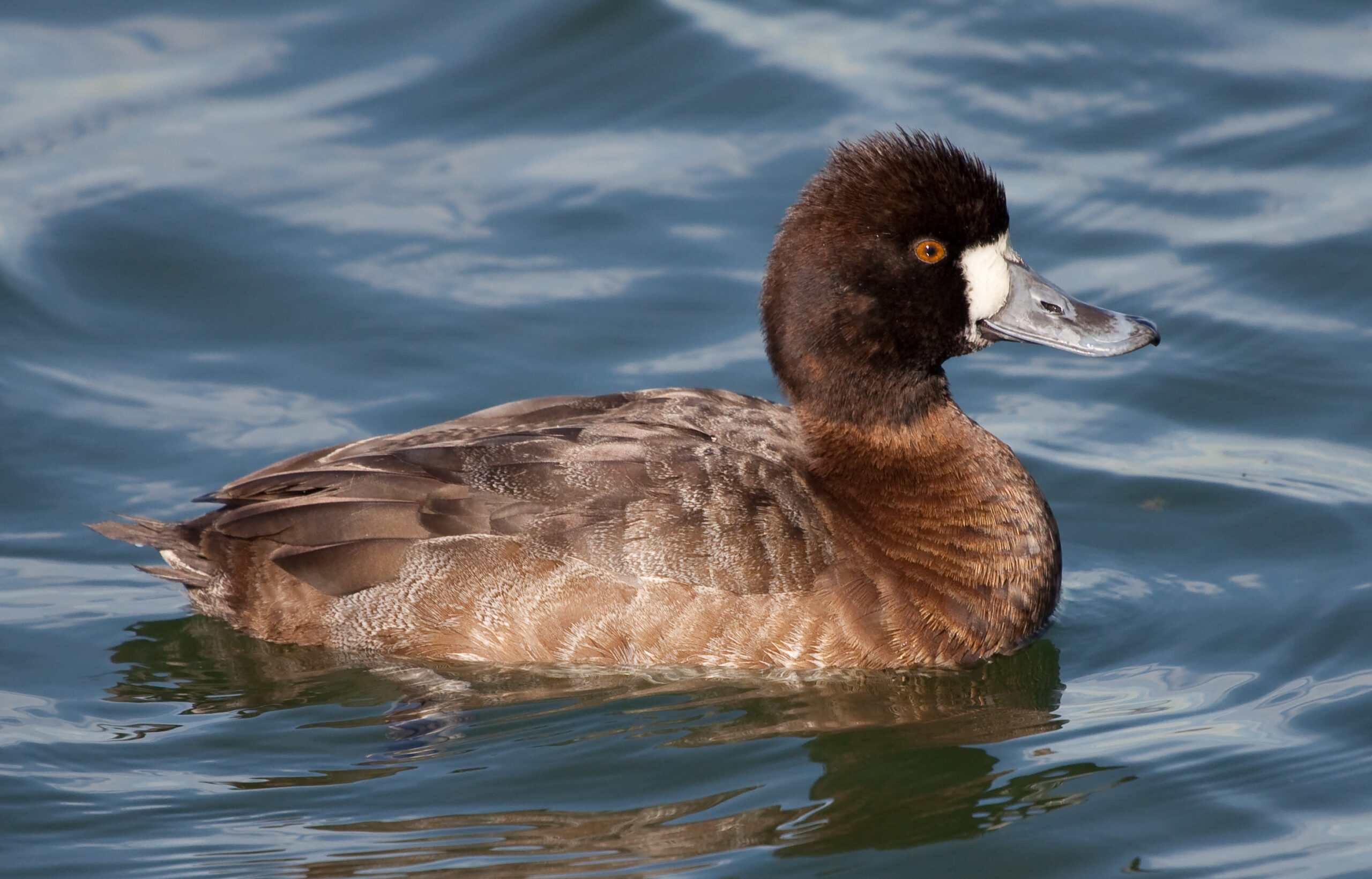 Photo Credit: Basar / Wikimedia Commons
In the shimmering waters of North America’s wetlands, the Lesser Scaup, scientifically known as Aythya affinis, glides gracefully across the surface, its sleek body cutting through the reflections of the sky. With its striking blue bill and distinctive black-and-white plumage, this medium-sized duck captures the attention of both casual observers and dedicated birdwatchers alike. As it dives beneath the surface, searching for mollusks and aquatic plants, the Lesser Scaup reveals its adaptability and resourcefulness, traits that have fascinated scientists and nature enthusiasts for generations.
Imagine a sunny afternoon where the air is filled with the sounds of splashing water and the gentle rustle of reeds. Here, the Lesser Scaup thrives in shallow lakes and marshes, showcasing its vibrant lifestyle. These ducks are not just beautiful; they play a crucial role in their ecosystem, acting as both foragers and prey. Their presence helps maintain the balance of life in these wetland habitats, making them a keystone species. As we explore the world of the Lesser Scaup, we will uncover the secrets of its behavior, diet, and the challenges it faces, inviting you to dive deeper into the wonders of nature.
The Lesser Scaup, a captivating waterfowl, holds a special place in the animal kingdom’s intricate tree of life. This duck is classified within the family Anatidae, which includes all ducks, geese, and swans. What sets the Lesser Scaup apart is its striking appearance, with a distinctive rounded head and vibrant plumage that varies between males and females. Males sport a glossy greenish-black head, while females are more subdued in shades of brown. This species is not just visually appealing; it also plays a vital role in its ecosystem, often found in freshwater lakes and marshes across North America during migration.
| Taxonomic Rank | Scientific Name | Meaning & Significance |
|---|---|---|
| Kingdom | Animalia | This term means “animals” in Latin, highlighting the Lesser Scaup’s classification as a multicellular organism that consumes organic material for energy. |
| Phylum | Chordata | Derived from the Greek word “chordē,” meaning “string,” this rank indicates that Lesser Scaups have a backbone, a key feature of vertebrates. |
| Class | Aves | This Latin word means “birds,” signifying that the Lesser Scaup is warm-blooded and has feathers, which are essential for flight. |
| Order | Anseriformes | From the Latin “anser,” meaning “goose,” this order includes waterfowl that are adapted for swimming and diving, like the Lesser Scaup. |
| Family | Anatidae | This name comes from the Latin word for “duck,” emphasizing the Lesser Scaup’s close relationship with other ducks and waterfowl. |
| Genus | Aythya | Originating from the Greek word for “diving,” this genus includes ducks that are known for their diving behavior while foraging for food. |
The classification of the Lesser Scaup reveals much about its evolutionary journey. As a member of the Anatidae family, it shares common ancestry with other waterfowl, showcasing adaptations that have allowed it to thrive in aquatic environments. Its place in the order Anseriformes highlights the evolutionary traits that enable it to dive and forage effectively. Understanding where the Lesser Scaup fits in the tree of life not only enriches our appreciation for this beautiful bird but also underscores the interconnectedness of all species within the animal kingdom.
The evolutionary journey of the Lesser Scaup, a striking waterfowl, stretches back millions of years, intertwining with the history of its relatives in the Anatidae family. This family, which includes all ducks, geese, and swans, has adapted to a variety of habitats and climates. The Lesser Scaup, scientifically known as Aythya affinis, is a product of these long-standing evolutionary processes, showcasing adaptations that have allowed it to thrive in diverse environments.
The ancestors of the Lesser Scaup were likely similar to other early waterfowl, which emerged during the late Eocene epoch, around 40 million years ago. These early birds were already beginning to develop features suited for aquatic life, such as webbed feet and a streamlined body shape. Over time, as the climate changed and habitats evolved, these ancestral forms underwent significant transformations. The development of specialized feeding habits, such as diving for food, marked a major transition, allowing them to exploit a wider range of food sources in lakes and wetlands.
The adaptations of the Lesser Scaup have been crucial for its survival in a world filled with challenges. Its streamlined body and webbed feet allow it to navigate through water with grace, while its vibrant coloration plays a key role in reproduction and evasion from predators. By forming social groups, these ducks enhance their chances of survival, as they can alert each other to danger. Together, these evolutionary traits have enabled the Lesser Scaup to thrive in various environments, showcasing the incredible power of adaptation in the natural world.
The Lesser Scaup is a striking waterfowl that captures attention with its sleek, streamlined body. This duck is medium-sized, typically weighing between 1 to 2.4 pounds, and boasts a graceful silhouette that glides effortlessly across the water. Its overall appearance is marked by a combination of deep, rich colors and distinctive features, making it a standout among its peers.
| Feature | Description |
|---|---|
| Size | Medium-sized, weighing between 1 to 2.4 pounds |
| Color | Dark head with a glossy greenish sheen, contrasting with a white body |
| Skin Type | Feathers, providing insulation and waterproofing |
| Most Distinctive Feature | Bright blue bill, which stands out against its darker plumage |
The combination of the Lesser Scaup’s features serves important survival purposes. Its sleek body shape allows for efficient swimming and diving, essential for foraging underwater. The glossy greenish sheen of its head not only adds to its beauty but also plays a role in attracting mates during the breeding season. Meanwhile, the blue bill is not just a striking visual element; it helps the duck forage for food, allowing it to sift through water and mud to find tasty morsels. Together, these characteristics create a well-adapted bird that thrives in its aquatic environment.
The Lesser Scaup thrives in a variety of wetland habitats, painting a lively picture of life on the water. These ducks are often found in shallow lakes, ponds, and marshes, where they can dive and forage for food. The shimmering surface of the water reflects the vibrant greens of surrounding vegetation, creating a perfect backdrop for these agile swimmers. As they paddle through the reeds, their presence adds a splash of life to the tranquil scenery, making these habitats a bustling hub of activity.
The Lesser Scaup prefers climates that offer a mix of open water and abundant food sources. They thrive in areas where the temperature can vary, but they generally favor regions with mild summers and cold winters. These ducks are often found in places that experience seasonal changes, as they rely on the availability of aquatic plants and invertebrates for nourishment. The wetlands they inhabit must also provide safe nesting sites, away from predators and disturbances.
Adaptation is key to the Lesser Scaup’s success in these diverse environments. Their streamlined bodies and powerful legs make them excellent divers, allowing them to reach food beneath the water’s surface. They have developed a unique feeding technique called “dipping,” where they submerge their heads and necks to forage for seeds, insects, and small crustaceans. This ability to thrive in both freshwater and brackish environments showcases their versatility, enabling them to navigate the challenges of changing habitats throughout the seasons.
The Lesser Scaup leads a vibrant daily life that revolves around water. These ducks are most active during the day, often seen diving and dabbling in search of food. They feast on aquatic plants, small invertebrates, and seeds, using their specialized bills to filter out tasty morsels from the water. As the sun rises, they can be spotted swimming gracefully across lakes and ponds, their sleek bodies gliding effortlessly. When evening falls, they often gather in large groups, resting on the water’s surface or nestled on nearby shores, ready to recharge for another day of exploration.
Social behavior is a key aspect of the Lesser Scaup’s life. These ducks are highly social and prefer to live in flocks, which can range from a few individuals to hundreds during migration. This group dynamic offers safety in numbers, as there are more eyes to spot potential predators. Communication among flock members is vital; they use a variety of quacks and whistles to stay in touch. When feeding, they often coordinate their movements, diving and surfacing together, which not only helps them find food more efficiently but also strengthens their social bonds.
| Behavior Type | Description |
|---|---|
| Activity Patterns | Lesser Scaups are diurnal, meaning they are most active during the day, diving and dabbling for food in the morning and evening. |
| Social Structure | They live in flocks, which provide safety from predators and enhance foraging efficiency through coordinated feeding. |
| Communication Methods | These ducks use a range of vocalizations, including quacks and whistles, to communicate with each other while foraging and resting. |
The behaviors of the Lesser Scaup are finely tuned to ensure their survival in the wild. By living in flocks, they not only protect themselves from predators but also increase their chances of finding food. Their social interactions and communication skills help them navigate their environment effectively, making them well-adapted to thrive in diverse wetland habitats. Each day is a blend of adventure and cooperation, showcasing the beauty of life in the wild.
The Lesser Scaup is an omnivorous duck, meaning it enjoys a varied diet that includes both plants and animals. This adaptable bird primarily feeds on mollusks, which are soft-bodied animals like clams and snails, as well as a range of aquatic vegetation. To find its meals, the Lesser Scaup employs a combination of diving and dabbling techniques. While dabbling, it tips forward in the water to reach submerged plants, and when diving, it plunges below the surface to hunt for its favorite prey. This feeding behavior not only sustains the Lesser Scaup but also plays a vital role in maintaining the health of its aquatic ecosystem.
| Dietary Aspect | Details |
|---|---|
| Diet Type | Omnivore |
| Favorite Foods | Mollusks and aquatic vegetation |
| Prey Items | Clams, snails, and various water plants |
| Hunting/Foraging Strategies | Dabbling and diving |
The diet of the Lesser Scaup significantly influences its daily routine and ecological role. By consuming mollusks and aquatic plants, these ducks help control the populations of their prey, which can prevent overgrowth in their habitats. Their foraging activities also stir up sediments, promoting nutrient cycling in the water. This interaction with their environment not only supports their own survival but also contributes to the overall health of the wetlands they inhabit, showcasing the interconnectedness of life in these vibrant ecosystems.
As spring arrives, the Lesser Scaup engages in a lively courtship ritual that sets the stage for reproduction. Males display their striking plumage and perform intricate dances to attract females. This vibrant mating behavior typically begins in late winter and peaks during the breeding season, which occurs from late March to early July. Once a pair forms, they will seek out suitable nesting sites near water, where the female will lay her eggs.
| Reproductive Aspect | Details |
|---|---|
| Gestation Period | About 25 to 30 days |
| Litter Size | Typically 6 to 12 eggs |
| Age of Maturity | About 1 year |
| Name of Young | Chicks |
After the eggs hatch, the female takes on the crucial role of caregiver. She leads her fluffy chicks to water, where they quickly learn to swim and dive. These little ones are precocial, meaning they are relatively mature and mobile shortly after hatching. The mother stays close, guiding them as they forage for food and teaching them essential survival skills. As the chicks grow, they develop their adult feathers and learn to navigate their environment, eventually becoming independent and ready to join the vibrant world of Lesser Scaups.
The Lesser Scaup occupies a vital role in the food web, serving as both predator and prey. These ducks feast on a variety of aquatic plants and small animals, while also being a food source for larger predators. Their presence in wetlands helps maintain the balance of these ecosystems, showcasing the interconnectedness of life in nature.
To defend themselves against these threats, Lesser Scaups have developed several survival strategies. They often rely on their excellent swimming skills and ability to dive quickly to evade predators. When danger approaches, they can swiftly submerge themselves, becoming nearly invisible underwater. Additionally, their social behavior allows them to stay in groups, providing safety in numbers. By staying alert and using their natural instincts, these ducks navigate the challenges of their environment, ensuring their survival in a world full of dangers.
A keystone species is an organism that plays a critical role in maintaining the structure of its ecosystem. Its presence or absence can significantly impact the environment and other species within it. The Lesser Scaup, a medium-sized diving duck, does not fit the classic definition of a keystone species, but it certainly influences its habitat and the creatures that share it.
Lesser Scaups are omnivores, meaning they eat both plants and animals, which allows them to interact with various components of their ecosystem. They primarily feed on aquatic plants and small invertebrates, such as mollusks. By consuming these organisms, they help control their populations, which can prevent overgrowth and maintain a balanced aquatic environment. This feeding behavior also makes them a vital part of the food web, as they serve as prey for larger birds of prey and mammals.
Moreover, Lesser Scaups often gather in flocks, which can create a dynamic feeding environment. When they dive and forage together, they can stir up sediment and expose food sources for other species. This behavior not only benefits the scaups but also supports other birds and aquatic life that rely on the same resources. Their presence can enhance biodiversity in their habitats, as they contribute to a rich tapestry of interactions among various species.
If Lesser Scaups were to disappear from their ecosystems, the effects could ripple through the food web. Without these ducks, the populations of aquatic plants and invertebrates could grow unchecked, leading to imbalances in the ecosystem. This could result in reduced water quality and habitat degradation, affecting not only the scaups’ former companions but also the many species that depend on healthy wetlands. The loss of this duck would be felt far beyond its immediate surroundings, highlighting the interconnectedness of life in our natural world.
The Lesser Scaup occupies a vital ecological niche in wetland ecosystems, acting as both a forager and a prey species. This medium-sized duck thrives in shallow lakes, ponds, and marshes, where it dives and dabble to find food. By feeding on a mix of aquatic plants and small animals, the Lesser Scaup helps maintain the balance of its habitat. Its presence supports a diverse community of organisms, making it an essential player in the intricate web of life found in these watery environments.
| Ecosystem Service | Impact |
|---|---|
| Seed Dispersal | By consuming aquatic plants, the Lesser Scaup helps spread seeds, promoting plant diversity. |
| Food Source | It serves as a food source for predators like eagles and foxes, contributing to the food web. |
| Water Quality | Its feeding habits can help control algae growth, improving water quality in its habitat. |
| Nutrient Cycling | As it forages, the Lesser Scaup contributes to nutrient cycling, enriching the ecosystem. |
The influence of the Lesser Scaup extends beyond its immediate actions. For instance, when these ducks dive for food, they stir up sediment, which can release nutrients into the water. This process supports the growth of aquatic plants, creating a healthier environment for other species. Additionally, their feeding habits help control populations of small invertebrates, ensuring that no single species dominates the ecosystem. This balance is crucial for maintaining biodiversity, which is essential for a resilient ecosystem.
The broader ecological importance of the Lesser Scaup cannot be overstated. As a keystone species, its presence helps shape the structure of its habitat, influencing the survival of many other organisms. By supporting plant diversity and serving as a food source for various predators, the Lesser Scaup plays a critical role in sustaining the health of wetland ecosystems. Protecting these habitats ensures that this vibrant waterfowl continues to thrive, along with the myriad of life that depends on it.
In the intricate web of nature, symbiosis plays a vital role in the survival and success of many species, including the Lesser Scaup. Symbiosis refers to the close and often long-term interactions between different species. These relationships can take various forms, such as mutualism, where both species benefit, commensalism, where one benefits while the other is neither helped nor harmed, and parasitism, where one species benefits at the expense of the other. Understanding these connections helps us appreciate the delicate balance of ecosystems and the roles that different animals play within them.
| Species/Type | Relationship Type | Description |
|---|---|---|
| Common Eider | Mutualistic | Both species benefit from shared foraging areas, where the Lesser Scaup can find food while the Eider helps keep the area free of excess vegetation. |
| Redhead Duck | Commensal | The Lesser Scaup often forages alongside Redhead Ducks, benefiting from their presence as they stir up food, while the Redheads are unaffected. |
| Various parasites (e.g., feather lice) | Parasitic | Feather lice live on the Lesser Scaup, feeding on its feathers and skin, which can lead to discomfort for the duck. |
These relationships have evolved over time, shaped by the needs and behaviors of the species involved. The mutualistic and commensal interactions allow the Lesser Scaup to thrive in its environment, enhancing its foraging success and overall survival. Meanwhile, parasitic relationships, while detrimental to the Lesser Scaup, are a natural part of the ecosystem, reminding us that every species has its role to play. By studying these connections, we gain insight into the complex dynamics of nature and the importance of preserving these relationships for the health of our planet.
The Lesser Scaup is a captivating duck that often surprises those who take the time to learn about it. With its striking blue bill and lively behavior, this waterfowl has some intriguing traits that make it stand out in the avian world.
The Lesser Scaup has long been intertwined with human history, capturing the imagination of cultures across North America. Indigenous peoples often revered these ducks, incorporating them into their folklore and utilizing them as a food source during seasonal migrations. The striking appearance of the male, with its glossy green head and distinctive blue bill, has made it a subject of admiration for birdwatchers and nature enthusiasts alike. As settlers expanded across the continent, they too recognized the Lesser Scaup’s value, both as a game bird and as a symbol of the rich biodiversity found in wetlands.
Today, the relationship between the Lesser Scaup and humanity is marked by both cooperation and conflict. Conservation efforts are underway to protect their habitats, as wetland areas face threats from urban development and climate change. Organizations work tirelessly to restore these vital ecosystems, ensuring that the Lesser Scaup and countless other species can thrive. However, hunting remains a contentious issue, as some view it as a traditional practice while others advocate for stricter regulations to safeguard populations. Additionally, the domestication of certain duck breeds has led to a complex dynamic, as these birds are bred for specific traits, sometimes overshadowing the wild counterparts.
The future of the relationship between the Lesser Scaup and humanity hinges on our ability to balance enjoyment and conservation. As awareness grows about the importance of wetlands and the species that inhabit them, there is hope for a more harmonious coexistence. By fostering respect for these remarkable ducks and their habitats, we can ensure that future generations will continue to marvel at the beauty and resilience of the Lesser Scaup. Together, we can create a world where both humans and wildlife thrive side by side.
The conservation status of the Lesser Scaup is currently classified as “Least Concern” by the International Union for Conservation of Nature (IUCN). This means that, at present, the species is not facing an immediate threat of extinction. With an estimated population size of around 3.7 million individuals, the Lesser Scaup has shown a stable trend in its numbers over recent years. This is encouraging news for birdwatchers and conservationists alike, as it suggests that these vibrant waterfowl continue to thrive in their natural habitats.
| Conservation Factor | Status/Details |
|---|---|
| IUCN Status | Least Concern |
| Estimated Population Size | 3.7 million |
| Population Trend | Stable |
Despite their stable status, the Lesser Scaup faces several challenges that could impact its future. Habitat loss is a significant threat, primarily due to the draining of wetlands for agriculture and urban development. These ducks rely on healthy wetland ecosystems for breeding and feeding, and as these areas diminish, so do their resources. Additionally, climate change poses a risk by altering water levels and temperatures, which can affect the availability of food and nesting sites. Pollution from agricultural runoff can also harm the aquatic plants and small animals that make up their diet.
Conservation efforts are underway to ensure the continued survival of the Lesser Scaup. Organizations are working to protect and restore wetland habitats, which are crucial for the ducks’ breeding and feeding. Public awareness campaigns aim to educate communities about the importance of these ecosystems and the role of the Lesser Scaup within them. With ongoing efforts and a stable population, there is hope that this charming waterfowl will continue to grace our wetlands for generations to come.
| Question | Answer |
|---|---|
| What is the habitat of the Lesser Scaup? | Lesser Scaups are commonly found in freshwater and brackish wetlands, including lakes, ponds, and marshes. They prefer areas with plenty of aquatic vegetation, which provides food and shelter. |
| What do Lesser Scaups eat? | These ducks are omnivores, meaning they eat both plants and animals. Their diet mainly consists of seeds, roots, and tubers from aquatic plants, as well as small invertebrates like insects and crustaceans. |
| How do Lesser Scaups behave in the wild? | Lesser Scaups are social birds, often seen in large flocks, especially during migration. They are known for their diving ability, which they use to forage for food underwater. |
| How do Lesser Scaups reproduce? | During the breeding season, which typically occurs in late spring, female Lesser Scaups build nests on the ground near water. They lay about 7 to 10 eggs, which they incubate for about 25 days before the ducklings hatch. |
| What threats do Lesser Scaups face? | While Lesser Scaups are currently classified as Least Concern, they face threats from habitat loss due to wetland drainage and pollution. Additionally, hunting and climate change can impact their populations. |
| What is a distinctive feature of the Lesser Scaup? | One of the most distinctive features of the Lesser Scaup is its striking blue bill. This unique coloration helps to identify them among other duck species. |
| Are Lesser Scaups migratory birds? | Yes, Lesser Scaups are migratory birds. They travel long distances between their breeding grounds in North America and their wintering areas in the southern United States and Mexico. |