Taxonomy & Classification
- Kingdom
- Animalia
- Phylum
- Chordata
- Class
- Mammalia
- Order
- Carnivora
- Family
- Felidae
- Genus
- Panthera
- Species
- Panthera leo

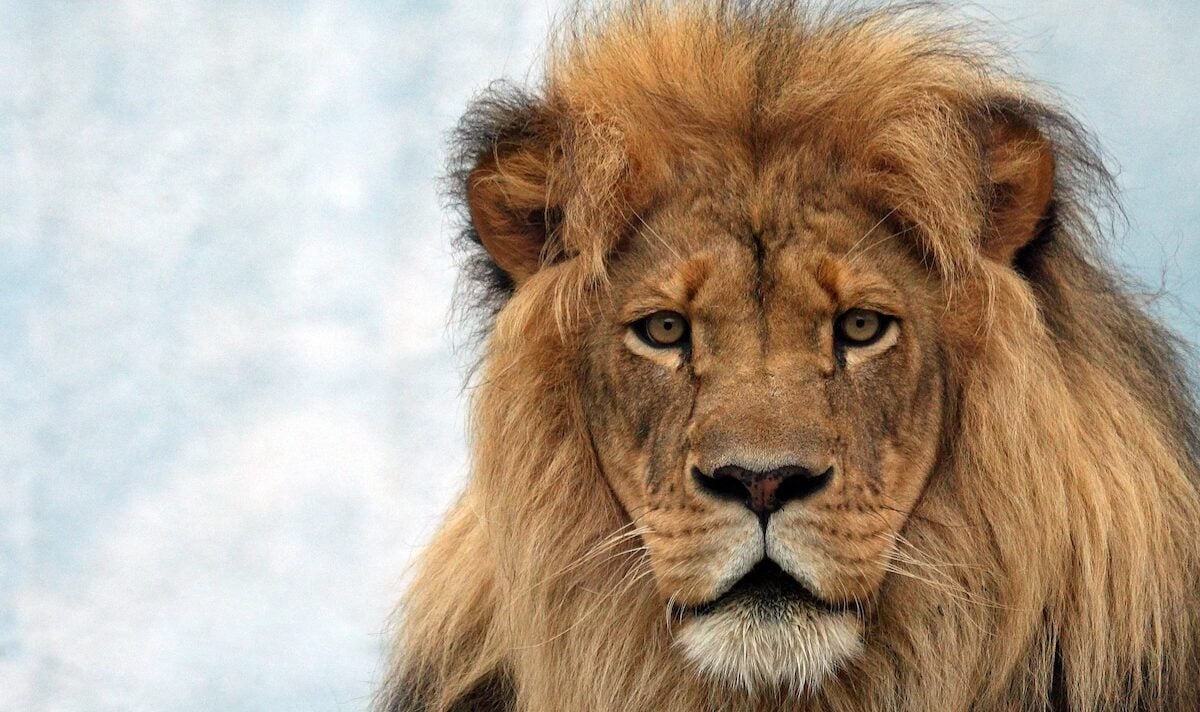 Photo Credit: billybruce2000 at Deposit Photos
In the heart of Africa, where the sun casts a golden glow over the sprawling savannas, roams the lion, known scientifically as Panthera leo. With its powerful build and striking mane, the lion is often called the king of the jungle, though it prefers the open grasslands and woodlands. This magnificent big cat can weigh between 120 to 249 kilograms, making it one of the largest members of the cat family. Its muscular body, sharp claws, and keen senses make it a formidable predator, while the males’ impressive manes serve not only as a symbol of strength but also as a protective shield during fights.
Lions are social animals, living in groups called prides, which can consist of several related females, their cubs, and a few dominant males. This unique social structure allows them to work together when hunting, showcasing teamwork that fascinates both scientists and nature lovers alike. As apex predators, lions play a crucial role in their ecosystem, helping to maintain the balance of herbivore populations. Their majestic presence and complex behaviors invite us to explore the intricate web of life in which they thrive, revealing the delicate connections that sustain the natural world. Join us as we delve deeper into the life of the lion, uncovering the secrets of its habitat, diet, and the challenges it faces in a rapidly changing environment.
The lion, known scientifically as Panthera leo, holds a prestigious position in the animal kingdom. As a member of the family Felidae, which includes all cats, lions are often celebrated for their social behavior, living in groups called prides. This social structure is quite rare among big cats, making lions stand out in the wild. Their majestic manes, powerful roars, and cooperative hunting strategies not only define their physical presence but also their role in the ecosystem as apex predators.
| Taxonomic Rank | Scientific Name | Meaning & Significance |
|---|---|---|
| Kingdom | Animalia | This name signifies that lions are part of the vast group of multicellular organisms that are primarily heterotrophic, meaning they consume other organisms for energy. |
| Phylum | Chordata | Chordata refers to animals that have a notochord, a flexible rod that supports the body. In lions, this structure is replaced by a backbone, which is crucial for their strength and agility. |
| Class | Mammalia | Mammalia indicates that lions are mammals, characterized by having fur and the ability to nurse their young with milk, a trait that helps ensure the survival of their cubs. |
| Order | Carnivora | Carnivora is the order that includes meat-eating mammals. Lions are well-adapted for this lifestyle, with sharp teeth and powerful jaws designed for hunting. |
| Family | Felidae | Felidae is the family of cats, which highlights their shared characteristics, such as retractable claws and keen senses, that make them effective hunters. |
| Genus | Panthera | Panthera means “big cat” in Greek, and it includes the largest members of the cat family, emphasizing the lion’s impressive size and strength. |
| Species | Panthera leo | The species name “leo” is derived from Latin, meaning “lion,” which has been a symbol of strength and courage throughout history. |
The classification of the lion reveals much about its evolutionary journey. As a member of the Felidae family, lions share a common ancestor with other cats, which dates back millions of years. Their unique social structure and hunting techniques have evolved to adapt to their environments, showcasing the intricate balance of nature. Understanding where lions fit in the tree of life not only highlights their biological traits but also emphasizes their role in the ecosystem, reminding us of the importance of preserving these magnificent animals for future generations.
The evolutionary journey of the lion, Panthera leo, stretches back millions of years, weaving through the tapestry of time and adaptation. This majestic big cat shares a common ancestor with other members of the Felidae family, which includes all modern cats. The story begins in the late Miocene epoch, around 10 million years ago, when the first true cats began to emerge. Over time, these early felids evolved into various species, leading to the lions we recognize today.
The ancestors of lions were not the powerful hunters we see now. They were smaller and more generalized in their diet and behavior. As the climate changed and grasslands expanded, these early felids adapted to new environments. The transition from forested areas to open savannas played a crucial role in shaping their physical traits. Larger body sizes and social behaviors began to develop, allowing them to hunt in groups, which is a hallmark of modern lion life.
These adaptations have been vital for the lion’s survival in the wild. The social structure allows them to work together, increasing their chances of catching food and raising cubs safely. Their powerful roar helps maintain territory, ensuring they have enough space and resources. With their strong build and distinctive mane, lions are well-equipped to face challenges in their environment, making them one of the most successful predators on the African plains. Through millions of years of evolution, lions have become symbols of strength and courage, embodying the spirit of the wild.
The lion commands attention with its powerful physique and regal presence. With a robust body that can weigh between 120 to 249 kilograms (264 to 550 pounds), this big cat is built for strength and agility. Its muscular frame is complemented by a broad head and strong jaws, designed for capturing and holding onto prey. The male lion is particularly striking, adorned with a long and thick mane that frames its face, giving it an air of majesty and dominance. This mane not only enhances its appearance but also serves as a protective barrier during fights with rivals.
| Feature | Description |
|---|---|
| Weight | 120kg – 249kg (264lbs – 550lbs) |
| Skin Type | Fur |
| Most Distinctive Feature | Long and thick hairy mane of the male around the face |
The lion’s physical features are not just for show; they play crucial roles in its survival. The impressive weight and muscular build allow lions to take down large prey, while the fur provides insulation and camouflage in their natural habitats. The male’s mane, aside from its striking appearance, signals strength and maturity to potential mates and rivals alike. Together, these characteristics create a formidable predator, perfectly adapted to thrive in the wild.
The lion’s home is a vibrant tapestry of open woodlands, sprawling grasslands, and scrubby areas that stretch across the African landscape. Imagine vast savannas where golden grasses sway in the warm breeze, dotted with acacia trees that provide shade. This is where lions reign, their powerful forms blending seamlessly into the sun-drenched scenery. The sounds of chirping birds and rustling leaves create a symphony of life, while the distant roar of a lion echoes, reminding all who hear it of the king of the jungle.
Lions thrive in regions that experience a mix of dry and wet seasons. They prefer climates that are warm, with temperatures often soaring during the day. These big cats are well-suited to environments where they can find ample prey, such as zebras and wildebeests, which roam the open plains. The seasonal rains bring life to the grasslands, creating a rich habitat for both the lions and their food sources.
Adaptation is key to the lion’s survival in these habitats. Their tawny coats help them blend into the golden grasses, making it easier to stalk prey. Lions are social animals, often living in prides, which allows them to work together to hunt and protect their territory. This social structure is vital in the open landscapes where food can be scarce, ensuring that they can thrive in their chosen home.
Lions lead a life that is both structured and dynamic, filled with a variety of daily activities. As primarily diurnal animals, they are most active during the day, although they can also be seen hunting or socializing at night. Their day often begins with a leisurely stretch and grooming session, where they clean their fur and bond with pride members. Afterward, they may engage in playful interactions, especially among the younger lions, before settling down for a long nap in the shade. As the sun sets, they might embark on a hunt, showcasing their teamwork and stealth as they stalk prey across the savanna.
Social behavior is a cornerstone of lion life, centered around their family groups known as prides. A pride typically consists of several related females, their cubs, and a few dominant males. This social structure allows lions to work together in raising young and hunting for food. Communication is vital within the pride, and lions use a range of vocalizations, from roars to growls, to convey messages. They also rely on body language, such as nuzzling or tail positioning, to express their feelings and maintain harmony within the group.
| Behavior Type | Description |
|---|---|
| Activity Patterns | Lions are primarily active during the day, engaging in grooming, playing, and hunting, especially at dusk. |
| Social Structure | A pride consists of related females, their cubs, and a few males, working together for survival and raising young. |
| Communication Methods | Lions communicate through vocalizations like roars and growls, as well as body language to express emotions and maintain social bonds. |
The behaviors lions exhibit are not just fascinating; they are essential for their survival. By living in prides, lions can effectively hunt larger prey and protect their young from threats. Their social interactions foster strong bonds, ensuring that every member of the pride contributes to the group’s well-being. This cooperative lifestyle is a testament to their adaptability and resilience in the wild, allowing them to thrive in the challenging environments they call home.
Lions are carnivores, which means they primarily eat meat. Their diet mainly consists of large herbivores, and they are skilled hunters that work together in groups called prides. This social structure allows them to take down bigger prey, making their hunting strategies both effective and fascinating. Lions often rely on teamwork, using stealth and strength to ambush their targets, ensuring they can secure a meal to sustain their powerful bodies.
| Dietary Aspect | Details |
|---|---|
| Diet Type | Carnivore |
| Favorite Foods | Antelope, Warthog, Zebra |
| Prey Items | Large herbivores found in their habitat |
| Hunting Strategies | Cooperative hunting in prides, using stealth and ambush tactics |
The lion’s diet plays a crucial role in shaping its ecology and daily routine. By preying on large herbivores, lions help maintain the balance of their ecosystem, preventing overgrazing and promoting healthy vegetation. Their hunting activities also dictate their social interactions and movements, as they must coordinate with pride members to successfully hunt and feed. This intricate relationship between diet and behavior highlights the lion’s importance in the natural world, making them not just apex predators, but also vital contributors to their environment.
When it comes to mating, lions have a fascinating courtship ritual that can be quite dramatic. The breeding season for lions can occur at any time of the year, but it often peaks during the rainy season when food is more plentiful. Male lions will roar and display their strength to attract females, while females may show interest by approaching the males. Once a pair has formed a bond, they will mate frequently over several days, ensuring the female has a good chance of becoming pregnant.
| Reproductive Aspect | Details |
|---|---|
| Gestation Period | 110 days |
| Average Litter Size | 3 |
| Age of Sexual Maturity | 2 – 3 years |
| Name of Young | Cub |
Once the cubs are born, the mother lion takes on the role of a dedicated caregiver. She will find a secluded den, often hidden in dense vegetation, to keep her young safe from predators. Lionesses are fiercely protective and will move their cubs to new locations if they sense danger. The cubs are born blind and rely entirely on their mother for warmth, food, and protection. As they grow, they begin to explore their surroundings and learn essential skills through play and observation. By the time they reach sexual maturity at around two to three years, they are well-prepared to take on the challenges of life in the wild, continuing the legacy of their majestic species.
Lions, as apex predators, hold a vital role in the food web of their ecosystems. They help maintain the balance of populations among herbivores, which in turn supports the health of the grasslands and savannas they inhabit. However, despite their powerful position, lions face numerous dangers that threaten their survival.
To combat these threats, lions have developed several defensive behaviors and survival strategies. They often rely on their social structure, living in prides that work together to protect their territory and young. When faced with danger, lions can roar loudly to assert dominance and warn off intruders. Additionally, their powerful build and sharp claws make them formidable opponents, allowing them to defend themselves effectively against potential threats. Through these adaptations, lions continue to navigate the challenges of their environment, showcasing their resilience in the wild.
A keystone species is a vital part of its ecosystem, playing a crucial role in maintaining the structure and balance of that environment. The lion, scientifically known as Panthera leo, certainly qualifies as a keystone species. As apex predators, lions help regulate the populations of large herbivores, which in turn influences the entire ecosystem. Their presence or absence can significantly impact the health and diversity of their habitats.
Lions primarily hunt large herbivores like zebras and wildebeests. By keeping these populations in check, they prevent overgrazing, which can lead to habitat degradation. For example, if lion numbers decline, herbivore populations may explode, leading to overconsumption of vegetation. This can result in soil erosion and a decline in plant diversity, affecting other species that rely on those plants for food and shelter. Additionally, lions often scavenge on the remains of their kills, providing food for other animals like hyenas and vultures, which helps sustain a diverse community of scavengers.
Moreover, lions play a social role within their prides, which are family groups that work together to hunt and raise cubs. This social structure not only strengthens their hunting efficiency but also fosters a sense of community among the species. The dynamics within a pride can influence the behavior of other animals in the area, as the presence of lions can deter other predators and shape the movement patterns of herbivores.
If lions were to disappear from their ecosystems, the consequences would be profound. Without these apex predators, herbivore populations could surge uncontrollably, leading to severe overgrazing. This would not only diminish plant life but also disrupt the entire food web, affecting countless other species. The loss of lions would create a ripple effect, ultimately threatening the balance of the ecosystem and reducing its overall health and diversity. In essence, the lion’s role is not just about survival; it is about sustaining the intricate web of life that depends on their presence.
The lion, Panthera leo, occupies a critical ecological niche as an apex predator in its habitat, which includes open woodlands, grasslands, and scrub areas. This majestic big cat plays a vital role in maintaining the balance of its ecosystem. By preying on large herbivores, lions help regulate their populations, ensuring that the vegetation remains healthy and diverse. This balance is essential for the overall health of the savanna and grassland ecosystems where they reside.
| Ecosystem Service | Impact |
|---|---|
| Population Control | Regulates herbivore numbers, preventing overgrazing. |
| Habitat Maintenance | Encourages plant diversity by controlling dominant herbivore species. |
| Nutrient Cycling | Contributes to soil health through carcass decomposition. |
| Prey Selection | Promotes the survival of the fittest, enhancing genetic diversity. |
Lions influence their environment in several specific ways. For instance, by hunting large herbivores like wildebeests and zebras, they prevent these populations from growing too large. If herbivores overpopulate, they can strip the land of vegetation, leading to soil erosion and habitat loss for other species. Additionally, when lions take down prey, the remains provide food for scavengers like hyenas and vultures, which play their own roles in the ecosystem. This cycle of life and death supports a rich tapestry of biodiversity.
The broader ecological importance of lions cannot be overstated. As a keystone species, their presence helps shape the entire ecosystem. Without lions, the balance of herbivore populations would be disrupted, leading to cascading effects throughout the food web. This highlights the interconnectedness of life in the savanna, where every species, from the smallest insect to the largest mammal, plays a part in maintaining the health of the environment. Protecting lions and their habitats is crucial for preserving the intricate balance of these ecosystems.
In the intricate web of life, animals often form partnerships that can be beneficial, harmful, or neutral. These relationships are known as symbiosis, a term that describes how different species interact within their ecosystems. Some partnerships help both species thrive, while others may favor one at the expense of the other. Understanding these connections is essential for appreciating the balance of nature, especially in the case of powerful predators like lions.
| Species/Type | Relationship Type | Description |
|---|---|---|
| Oxpecker Birds | Mutualistic | Oxpeckers perch on lions and eat ticks and parasites from their fur. This helps keep the lions healthy while providing food for the birds. |
| Hyaenas | Commensal | Hyaenas often follow lions to scavange leftovers from their kills. While lions benefit from their hunting prowess, hyaenas gain a meal without competing for the hunt. |
| Flies | Parasitic | Some flies lay their eggs on lions, and the larvae can feed on the lion’s skin. This relationship harms the lion, as it can lead to irritation and infection. |
These relationships have evolved over time, shaped by the needs and behaviors of the species involved. Mutualistic partnerships, like that of the oxpecker birds and lions, showcase how cooperation can lead to greater health and survival for both parties. Meanwhile, commensal relationships, such as those with hyaenas, highlight the complex dynamics of sharing resources in the wild. On the other hand, parasitic interactions remind us that not all relationships are beneficial. Understanding these connections helps us appreciate the delicate balance of ecosystems and the roles each species plays in maintaining it.
Lions are not just the kings of the jungle; they are full of surprises that make them truly captivating. Here are some intriguing facts that showcase their extraordinary nature.
Throughout history, lions have held a special place in human culture and imagination. From ancient Egyptian deities to the heraldry of medieval Europe, these majestic animals symbolize strength, courage, and nobility. Early humans encountered lions in the wild, often viewing them as both fearsome predators and awe-inspiring creatures. This duality has led to a rich tapestry of stories, myths, and art that celebrate the lion’s power and grace. As societies evolved, so did the lion’s role, becoming a symbol of royalty and bravery, often depicted in coats of arms and emblems.
In modern times, the relationship between lions and humans has become more complex. Conservation efforts are underway to protect these magnificent animals, as their populations face threats from habitat loss and poaching. However, conflicts often arise when lions prey on livestock, leading to tensions between local communities and wildlife. Some regions have explored innovative solutions, such as compensation programs for farmers, to reduce these conflicts. Additionally, there are efforts to promote ecotourism, allowing people to appreciate lions in their natural habitats while supporting conservation initiatives.
As we look to the future, the relationship between lions and humanity will likely continue to evolve. With increasing awareness of the importance of biodiversity and the role of apex predators in ecosystems, there is hope for a more harmonious coexistence. By fostering understanding and respect for these magnificent animals, we can work together to ensure that lions thrive in the wild for generations to come. The challenge lies in balancing human needs with the preservation of wildlife, but with innovative solutions and a commitment to conservation, a brighter future is possible.
The lion, a symbol of strength and majesty, currently faces significant challenges in the wild. Classified as “Vulnerable” by the International Union for Conservation of Nature (IUCN), the lion population has dwindled to an estimated 23,000 individuals. This decline is alarming, as it reflects a broader trend of habitat loss and human-wildlife conflict. While some regions still boast healthy lion populations, the overall numbers are decreasing, prompting urgent conservation efforts.
| Conservation Factor | Status/Details |
|---|---|
| IUCN Status | Vulnerable |
| Estimated Population Size | 23,000 |
| Population Trend | Decreasing |
Lions face several threats that contribute to their declining numbers. Habitat loss is a major issue, as human expansion for agriculture and urban development encroaches on their natural territories. Additionally, poaching and illegal hunting pose significant risks, as lions are often targeted for their body parts or as trophies. Human-wildlife conflict also arises when lions prey on livestock, leading to retaliatory killings by farmers. These challenges create a precarious situation for the future of this iconic species.
Conservation efforts are underway to protect lions and their habitats. Organizations are working to establish protected areas and wildlife reserves, ensuring that lions have safe spaces to roam and thrive. Community-based programs aim to educate local populations about the importance of lions in the ecosystem and promote coexistence strategies. While the outlook remains uncertain, these initiatives offer hope for the survival of lions in the wild, reminding us of the vital role they play in maintaining the balance of their ecosystems.
| Question | Answer |
|---|---|
| What is the natural habitat of lions? | Lions typically live in open woodlands, scrub, and grasslands. These environments provide them with the space they need to roam and hunt, as well as cover to stalk their prey. |
| What do lions eat? | Lions are carnivores, which means they primarily eat meat. Their diet mainly consists of large herbivores like zebras, wildebeests, and buffalo, which they hunt in groups called prides. |
| How do lions behave in the wild? | Lions are social animals that live in groups called prides, usually made up of related females, their cubs, and a few males. They work together to hunt and protect their territory, showcasing strong social bonds and cooperative behavior. |
| How do lions reproduce? | Lions typically mate throughout the year, with females giving birth to a litter of one to four cubs after a gestation period of about 110 days. The cubs are born blind and rely on their mothers for protection and nourishment during their early months. |
| What are the main threats to lions? | Lions face several threats, including habitat loss due to human encroachment and poaching for their body parts. Additionally, conflicts with humans over livestock can lead to retaliatory killings, further endangering their populations. |
| What is a distinctive feature of male lions? | One of the most distinctive features of male lions is their long and thick hairy mane that surrounds their face. This mane not only makes them look majestic but also serves as a sign of health and strength, attracting females and intimidating rivals. |
| Are lions endangered? | Lions are currently classified as vulnerable, meaning their populations are decreasing and they face a high risk of extinction in the wild. Conservation efforts are crucial to protect their habitats and ensure their survival for future generations. |