Taxonomy & Classification
- Kingdom
- Animalia
- Phylum
- Chordata
- Class
- Actinopterygii
- Order
- Aulopiformes
- Family
- Synodontidae
- Genus
- Synodus Scopoli
- Species
- Synodus lucioceps

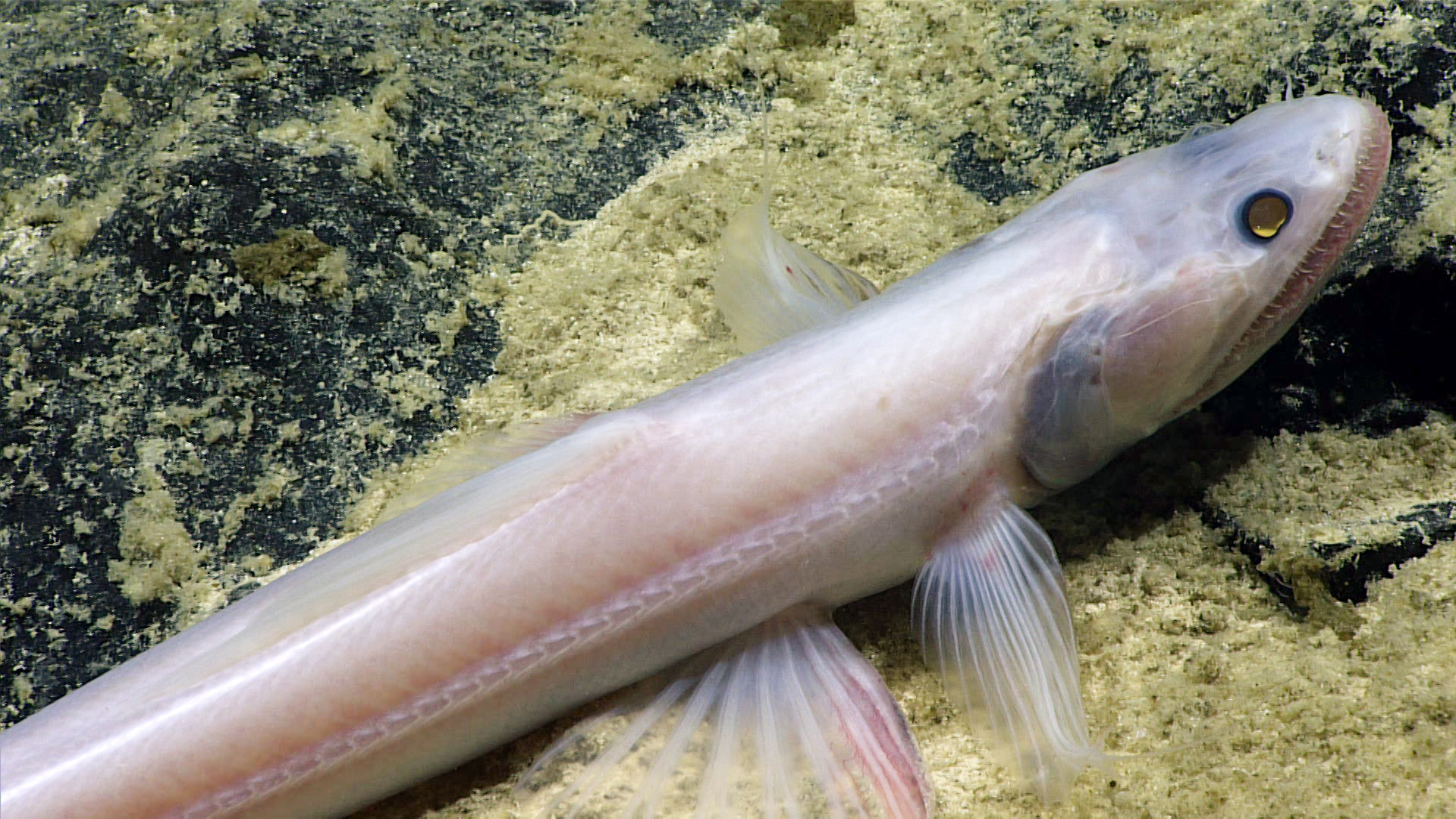 Photo Credit: FredD / Wikimedia Commons
In the shimmering shallows of tropical oceans, the Lizardfish, scientifically known as Synodus, glides gracefully through the water, embodying the essence of stealth and precision. With its elongated body and sharp, pointed teeth, this remarkable fish resembles a miniature dragon of the sea, captivating both scientists and nature enthusiasts alike. Its lizard-like head, adorned with keen eyes, allows it to spot prey from a distance, making it a master of ambush in its vibrant underwater realm.
Imagine a bustling coral reef, where colorful fish dart among swaying sea fans and bright corals. Here, the Lizardfish blends seamlessly into its surroundings, often lying motionless on the sandy ocean floor, waiting for the perfect moment to strike. This fascinating predator plays a crucial role in maintaining the balance of marine ecosystems, feeding on smaller fish, shrimp, and squid. As we dive deeper into the world of the Lizardfish, we will explore its unique adaptations, hunting strategies, and the vital role it plays in the ocean’s intricate web of life. Join us on this adventure to uncover the secrets of this captivating marine inhabitant!
Lizardfish, belonging to the family Synodontidae, occupies a distinctive niche in the animal kingdom. These fish are known for their elongated bodies and sharp teeth, which give them a somewhat reptilian appearance—hence the name “lizardfish.” They are primarily found in warm, shallow waters, where they exhibit fascinating hunting behaviors, often lying in wait for unsuspecting prey. Their unique adaptations and ecological roles make them an intriguing subject of study within the diverse world of marine life.
| Taxonomic Rank | Scientific Name | Meaning & Significance |
|---|---|---|
| Kingdom | Animalia | This name signifies that lizardfish are part of the vast group of multicellular organisms that are primarily heterotrophic, meaning they consume other organisms for energy. |
| Phylum | Chordata | Chordata refers to animals that possess a notochord, a flexible rod that supports the body. In lizardfish, this structure is present during their early development. |
| Class | Actinopterygii | This class includes ray-finned fishes, characterized by their bony skeletons and fins supported by thin, bony rays. Lizardfish are excellent examples of this group. |
| Order | Aulopiformes | The name Aulopiformes comes from Greek roots meaning “awl-shaped,” referring to the elongated bodies of these fish, which help them navigate their environments. |
| Family | Synodontidae | This family name is derived from the Greek word “synodon,” meaning “with teeth,” highlighting the sharp, prominent teeth that lizardfish use to catch their prey. |
| Genus | Synodus | Synodus is a genus name that reflects the fish’s unique dental structure and hunting style, emphasizing their predatory nature. |
| Species | Synodus Scopoli | Named after the Italian naturalist Giovanni Antonio Scopoli, this species name honors his contributions to the study of natural history. |
The classification of lizardfish reveals much about their evolutionary journey. As members of the Actinopterygii class, they share a common ancestry with a vast array of fish species, showcasing the incredible diversity of life in aquatic environments. Their unique adaptations, such as their sharp teeth and elongated bodies, not only help them thrive in their habitats but also illustrate the evolutionary pressures that have shaped their development over millions of years. Understanding where lizardfish fit in the tree of life helps us appreciate the intricate connections among all living organisms and the dynamic processes that drive evolution.
The evolutionary journey of lizardfish stretches back millions of years, tracing its roots to the ancient oceans of the Eocene epoch, around 56 million years ago. This time period was marked by significant changes in marine life, as fish began to diversify and adapt to various ecological niches. Lizardfish, belonging to the family Synodontidae, emerged as a specialized group, showcasing adaptations that would help them thrive in their underwater environments.
Ancestral forms of lizardfish were likely similar to other early bony fish, characterized by streamlined bodies and a basic set of fins. Over time, these fish underwent major evolutionary transitions, developing elongated bodies that allowed for swift movement through the water. Their sharp, pointed teeth evolved to capture slippery prey, making them effective hunters. As they adapted to different habitats, lizardfish also developed unique coloration patterns that provided camouflage against the ocean floor, helping them evade predators and ambush their own prey.
These adaptations have been crucial for the survival of lizardfish in the ever-changing marine landscape. Their ability to move swiftly, capture prey effectively, and remain hidden from danger has allowed them to thrive in diverse habitats. As they continue to evolve, lizardfish exemplify the wonders of natural selection, showcasing how life can adapt and flourish in the depths of our oceans.
The lizardfish presents an intriguing silhouette that captures the imagination. With its elongated body, it glides through the water with a grace that belies its predatory nature. Its most striking feature is its lizard-like head, which is adorned with a mouth full of sharp teeth, perfect for snatching up unsuspecting prey. The overall impression is one of a creature that is both sleek and formidable, designed for life in the ocean’s depths.
| Feature | Description |
|---|---|
| Weight | Up to 15 pounds |
| Skin Type | Scales |
| Most Distinctive Feature | Lizard-like head and sharp teeth |
The combination of these features makes the lizardfish a master of its underwater domain. Its weight allows it to maintain stability while swimming, while the scales provide protection against predators and parasites. The lizard-like head, coupled with those sharp teeth, equips it for a life of hunting, allowing it to capture prey with precision. Together, these adaptations not only enhance its survival but also make it a fascinating subject of study in the diverse tapestry of marine life.
Lizardfish thrive in the warm, shallow waters of oceans and seas, where they often blend seamlessly into their surroundings. Picture a vibrant underwater world filled with colorful corals and swaying sea grasses. These fish prefer sandy or muddy bottoms, where they can easily hide from both predators and prey. Their natural habitat is a bustling ecosystem, teeming with life, from tiny shrimp to larger fish, all coexisting in this dynamic environment.
Lizardfish are found in regions where the water temperature is warm, typically between 20 to 30 degrees Celsius (68 to 86 degrees Fahrenheit). They prefer areas with good sunlight, which helps support the growth of algae and other plants that form the base of the food web. The sandy or muddy substrates provide not only a place to hide but also a hunting ground for their favorite meals, like small fish and crustaceans.
These fish have developed several clever adaptations to thrive in their specific habitats. Their elongated bodies allow them to dart quickly through the water, while their camouflaged skin helps them blend into the ocean floor. This stealthy approach is essential for ambushing prey. Additionally, their sharp teeth are perfectly designed for gripping slippery fish, ensuring they can make the most of their environment. By evolving these traits, lizardfish have become well-suited to life in the diverse and bustling underwater world they call home.
Lizardfish lead a life that is both stealthy and strategic. As they navigate the warm, shallow waters of the ocean, their daily activities revolve around hunting and resting. These fish are primarily solitary, often lying in wait on the sandy ocean floor, camouflaged against the substrate. With their sharp eyesight, they can spot potential prey from a distance. When hunger strikes, they spring into action, using their quick bursts of speed to capture small fish and invertebrates. After a successful hunt, they retreat to their hiding spots to digest their meal, conserving energy for the next hunt.
In terms of social behavior, lizardfish are not known for forming groups or schools. Instead, they prefer a solitary lifestyle, which allows them to be stealthy hunters. This independence means they rely heavily on their keen senses to navigate their environment and find food. While they may occasionally cross paths with other lizardfish, they do not engage in social interactions like some other fish species. Their communication is primarily non-verbal, relying on body language and positioning rather than vocalizations. This solitary nature helps them avoid competition for food and reduces the risk of attracting predators.
| Behavior Type | Description |
|---|---|
| Hunting | Lizardfish lie in wait, camouflaged on the ocean floor, using their sharp eyesight to spot prey. |
| Resting | After a hunt, they retreat to hidden spots to digest their food and conserve energy. |
| Social Structure | Primarily solitary, lizardfish do not form groups, which helps them avoid competition. |
| Communication | They rely on body language and positioning rather than vocal sounds to interact with their environment. |
The behaviors of lizardfish are finely tuned to ensure their survival in a competitive underwater world. By adopting a solitary lifestyle, they minimize competition for food and reduce the chances of being detected by predators. Their hunting strategy, combined with their ability to blend into their surroundings, makes them effective predators. This unique approach to life in the ocean allows lizardfish to thrive in their habitats, showcasing the incredible adaptability of marine life.
Lizardfish are carnivorous hunters, primarily feeding on a diet that includes fish, shrimp, and squid. Their feeding behavior is characterized by a stealthy approach, allowing them to ambush their prey with surprising speed. With their sharp teeth and elongated bodies, they are well-equipped to capture and consume a variety of marine life. This predatory strategy not only helps them secure food but also plays a crucial role in maintaining the balance of their underwater ecosystem.
| Dietary Aspect | Details |
|---|---|
| Diet Type | Carnivore |
| Favorite Foods | Fish, shrimp, and squid |
| Prey Items | Smaller fish, crustaceans, and cephalopods |
| Hunting Strategies | Stealthy ambush and quick strikes |
The diet of lizardfish significantly influences their role in the marine ecosystem. By preying on smaller fish and invertebrates, they help control populations of these species, ensuring a balanced food web. Their daily routine revolves around hunting, which requires both patience and agility. This dynamic lifestyle not only shapes their behavior but also highlights the intricate connections between predator and prey in the vibrant underwater world they inhabit.
Lizardfish have a fascinating mating ritual that takes place during the warmer months, typically in spring and summer. During this breeding season, males engage in elaborate displays to attract females. They may swim in circles or perform quick bursts of movement to showcase their strength and vitality. Once a female is attracted, she will lay her eggs in shallow waters, where they can be easily fertilized by the male. This process is crucial for ensuring the survival of their young in the vibrant marine environment.
| Reproductive Aspect | Details |
|---|---|
| Gestation Period | A few days |
| Litter Size | Hundreds to thousands of eggs |
| Age of Maturity | About 1 year |
| Name of Young | Fry |
After the eggs are fertilized, they hatch into tiny fry, which are the young lizardfish. These fry are independent from the moment they hatch, swimming away to find food and shelter. While lizardfish do not provide parental care in the traditional sense, the sheer number of eggs they produce increases the chances that some will survive to adulthood. As the fry grow, they develop the skills needed to thrive in their underwater world, gradually transforming into the agile predators that their parents are. This journey from vulnerable fry to mature lizardfish is a testament to the resilience of life in the ocean.
Lizardfish play a crucial role in the marine food web, acting as both predators and prey. They are skilled hunters, feeding on smaller fish, shrimp, and squid. However, they are also vulnerable to a variety of threats that can impact their populations and ecosystems. Understanding these dangers helps us appreciate the delicate balance of ocean life.
To survive these threats, lizardfish have developed several defensive behaviors. Their ability to camouflage with their surroundings allows them to blend in and avoid detection by predators. When threatened, they can quickly dart away, using their speed to escape. Additionally, their sharp teeth and aggressive nature can deter some would-be attackers. By employing these strategies, lizardfish navigate the challenges of their underwater world, ensuring their survival in a complex ecosystem.
A keystone species is an organism that has a disproportionately large impact on its environment relative to its abundance. These species help maintain the structure of an ecosystem, influencing the types and numbers of other species present. Lizardfish, with their role as both predator and prey in marine ecosystems, can be considered a keystone species. Their presence helps regulate populations of smaller fish and invertebrates, which in turn affects the entire food web.
Lizardfish are skilled hunters, primarily feeding on smaller fish, shrimp, and squid. By preying on these species, they help control their populations, preventing any one group from becoming too dominant. This balance is crucial for maintaining biodiversity in their habitats. For example, if lizardfish were to decline in numbers, the populations of their prey could explode, leading to overgrazing of algae and other marine plants. This could disrupt the entire ecosystem, affecting not just the fish but also the corals and other organisms that rely on a balanced environment.
Additionally, lizardfish serve as a food source for larger predators, such as bigger fish and seabirds. Their role in the food web is vital, as they connect different levels of the ecosystem. When lizardfish are abundant, they provide a steady meal for these larger animals, supporting their populations. This interdependence highlights how the health of lizardfish populations can ripple through the marine environment, influencing many other species.
If lizardfish were to disappear from their ecosystems, the consequences could be severe. Without these predators, smaller fish and invertebrates could multiply unchecked, leading to overpopulation. This imbalance could result in the decline of important marine plants and corals, ultimately affecting the entire marine community. The loss of lizardfish would not only disrupt the food web but could also lead to a decline in biodiversity, making the ocean a less vibrant and healthy place.
Lizardfish play a vital role in their marine ecosystems, acting as both predators and prey. These agile hunters thrive in the warm, shallow waters of oceans and seas, where they help maintain the balance of marine life. By preying on smaller fish, shrimp, and squid, lizardfish help control the populations of these species, ensuring that no single group dominates the ecosystem. This balance is crucial for the health of coral reefs and other underwater habitats, where a variety of species depend on one another for survival.
| Ecosystem Service | Impact |
|---|---|
| Predation | Controls populations of smaller fish and invertebrates, preventing overpopulation. |
| Prey for larger species | Serves as a food source for larger fish, birds, and marine mammals, supporting the food web. |
| Habitat structure | Influences the distribution of other species by their hunting and feeding behaviors. |
Lizardfish are not just passive participants in their environment; they actively shape it. For instance, by hunting smaller fish, they help maintain a healthy balance in the ecosystem. If lizardfish were to disappear, the populations of their prey could explode, leading to overgrazing of algae and other vital resources. This could harm coral reefs and disrupt the entire marine community. Additionally, lizardfish themselves are an important food source for larger predators, such as groupers and seabirds, creating a link in the food chain that supports diverse marine life.
The ecological importance of lizardfish extends beyond their immediate surroundings. As a keystone species, they help maintain the structure of their ecosystems, influencing the types and numbers of other species that can thrive in their habitats. By ensuring that prey populations remain in check, lizardfish contribute to the overall health and resilience of marine environments. Their presence is a reminder of how interconnected life in the ocean truly is, highlighting the delicate balance that sustains our planet’s rich biodiversity.
In the intricate web of life beneath the waves, lizardfish engage in various ecological relationships that highlight the beauty of symbiosis. Symbiosis refers to the close interactions between different species, which can be beneficial, harmful, or neutral. These relationships can take many forms, such as mutualism, where both species gain advantages, parasitism, where one benefits at the other’s expense, and commensalism, where one species benefits while the other is neither helped nor harmed. Understanding these connections helps us appreciate the delicate balance of marine ecosystems.
| Species/Type | Relationship Type | Description |
|---|---|---|
| Cleaner Shrimp | Mutualistic | Cleaner shrimp remove parasites and dead skin from lizardfish, benefiting both by providing a meal for the shrimp and health for the fish. |
| Remora Fish | Commensal | Remoras attach themselves to lizardfish, gaining transportation and access to food scraps without affecting the lizardfish. |
| Parasitic Worms | Parasitic | Some lizardfish may host parasitic worms that feed on their tissues, harming the fish while benefiting the worms. |
These relationships have evolved over time, shaped by the needs and behaviors of the species involved. Mutualistic partnerships, like that with cleaner shrimp, enhance the health and survival of lizardfish, while commensal relationships with remoras provide a free ride and food access without any cost to the lizardfish. On the other hand, parasitic relationships highlight the darker side of nature, where one species thrives at the expense of another. Each interaction plays a crucial role in the ecosystem, demonstrating how interconnected life is in the ocean’s depths.
Lizardfish are captivating marine predators that often go unnoticed in the vibrant underwater world. With their lizard-like heads and sharp teeth, they have some surprising traits that make them truly remarkable.
Lizardfish have a long-standing relationship with humanity that dates back to ancient times. These intriguing fish, with their lizard-like appearance, have often captured the imagination of coastal communities. In various cultures, they have been featured in folklore and art, symbolizing adaptability and stealth. Historically, fishermen have recognized lizardfish as both a source of food and a competitor for more commercially valuable species. Their presence in local waters has influenced fishing practices and cultural narratives, making them a notable part of marine life in many regions.
Today, the interactions between lizardfish and humans are multifaceted. While they are not typically targeted for commercial fishing, they are often caught as bycatch, which refers to the unintentional capture of non-target species during fishing. This can lead to conflicts, especially in areas where fishing practices are not sustainable. Conservation efforts are increasingly important as marine ecosystems face threats from overfishing and habitat destruction. Understanding the role of lizardfish in the food web can help promote healthier oceans, as these fish contribute to the balance of marine life.
As we look to the future, the relationship between lizardfish and humanity will likely evolve. With increasing awareness of marine conservation, there is hope for a more harmonious coexistence. By recognizing the importance of lizardfish in maintaining healthy ocean ecosystems, we can work towards sustainable practices that benefit both these fascinating fish and the communities that rely on the sea. The journey ahead will require collaboration and respect for the intricate web of life beneath the waves, ensuring that lizardfish continue to thrive alongside us.
The conservation status of lizardfish is currently classified as “Least Concern” by the International Union for Conservation of Nature (IUCN). This means that, overall, they are not facing immediate threats that could lead to their extinction. However, specific population estimates remain unknown, making it difficult to assess their numbers accurately. While their populations are generally stable, ongoing monitoring is essential to ensure they continue to thrive in their natural habitats.
| Conservation Factor | Status/Details |
|---|---|
| IUCN Status | Least Concern |
| Estimated Population Size | Unknown |
| Population Trend | Stable |
Despite their current stable status, lizardfish face several threats that could impact their future. Overfishing is a significant concern, as these fish are often caught unintentionally in nets meant for other species. Additionally, habitat degradation due to pollution and climate change can disrupt their ecosystems. As the oceans warm and acidify, the delicate balance of marine life is at risk, which could indirectly affect lizardfish populations.
Conservation efforts for lizardfish are not as prominent as for more endangered species, but awareness is growing. Sustainable fishing practices and habitat protection are crucial steps that can help maintain healthy populations. By promoting responsible fishing and reducing pollution, we can support the ecosystems where lizardfish thrive. With continued monitoring and conservation initiatives, the outlook for lizardfish remains hopeful, allowing these fascinating fish to continue their role in the marine environment.
| Question | Answer |
|---|---|
| Where do Lizardfish live? | Lizardfish are found in oceans and seas around the world. They prefer sandy or muddy bottoms where they can easily hide from predators and ambush their prey. |
| What do Lizardfish eat? | These fish are carnivores, meaning they primarily eat other animals. Their diet consists mainly of smaller fish and invertebrates, which they catch using their sharp teeth. |
| How do Lizardfish behave? | Lizardfish are known for their ambush hunting style. They often lie still on the ocean floor, blending in with their surroundings until they spot a meal, then they strike quickly. |
| How do Lizardfish reproduce? | Lizardfish typically spawn in shallow waters. The female lays eggs, which are fertilized by the male, and the eggs then float in the water until they hatch into larvae. |
| What threats do Lizardfish face? | While Lizardfish are currently classified as Least Concern, they can be affected by overfishing and habitat destruction. Changes in ocean conditions, like temperature and pollution, can also pose risks to their populations. |
| What is a unique characteristic of Lizardfish? | One of the most distinctive features of Lizardfish is their lizard-like head and sharp teeth. This unique appearance helps them to be effective predators in their underwater environment. |
| Can Lizardfish change color? | Yes, Lizardfish can change their color to blend in with their surroundings. This ability helps them avoid predators and sneak up on their prey, making them even more effective hunters. |