Taxonomy & Classification
- Kingdom
- Animalia
- Phylum
- Arthropoda
- Class
- Malacostraca
- Order
- Decapoda
- Family
- Nephropidae
- Genus
- Homarus
- Species
- Nephropidae

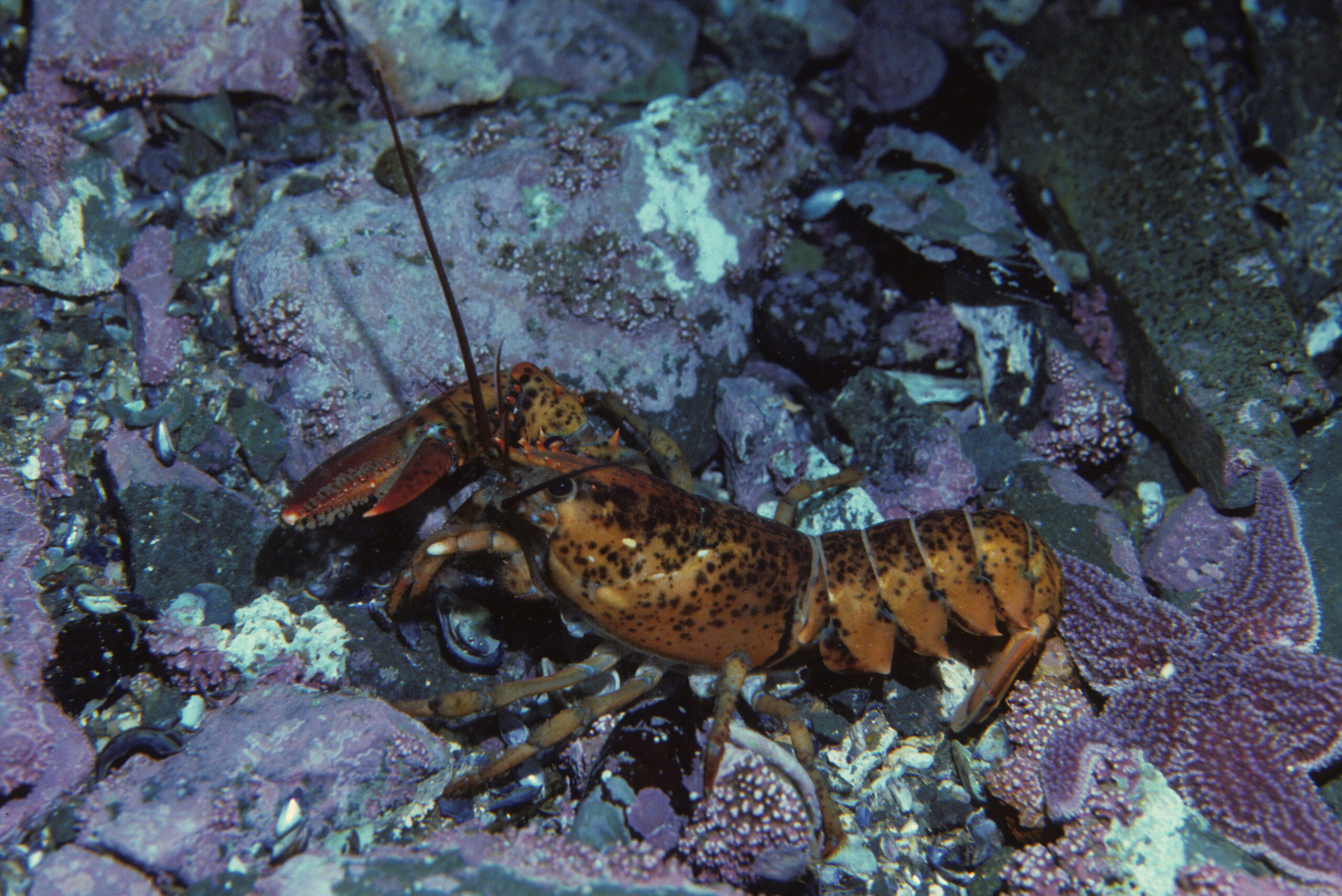 Photo Credit: Amada44 / Wikimedia Commons
In the shimmering depths of the ocean, the Homarus americanus, better known as the American lobster, scuttles across the rocky seafloor, a master of its underwater domain. With its powerful claws and hard exoskeleton, this crustacean is not just a feast for the eyes but also a marvel of evolution. Its vibrant blue-green shell, adorned with intricate patterns, camouflages perfectly among the seaweed and coral, allowing it to blend into its surroundings while it hunts for dinner. Scientists and nature enthusiasts alike are captivated by the lobster’s unique adaptations, from its ability to regenerate lost limbs to its complex social behaviors.
Imagine a bustling underwater world where lobsters emerge from their rocky shelters at night, their keen senses guiding them through the dark waters. As they forage for clams and mussels, they play a vital role in maintaining the balance of their ecosystem. These fascinating creatures are not just solitary hunters; they engage in intricate social interactions, showcasing a surprising level of intelligence. With a history that stretches back over 350 million years, lobsters have witnessed the changing tides of the ocean, adapting and thriving in a world that is as dynamic as they are. Join us as we dive deeper into the life of the lobster, exploring its habitat, diet, and the critical role it plays in the marine food web.
Lobsters are intriguing members of the animal kingdom, sitting within the vast and diverse tree of life. They belong to the phylum Arthropoda, which includes all animals with jointed legs and exoskeletons, like insects and spiders. What sets lobsters apart is their impressive size and unique adaptations, such as their powerful claws and ability to regenerate lost limbs. These features not only make them fascinating to observe but also highlight their evolutionary success in marine environments.
| Taxonomic Rank | Scientific Name | Meaning & Significance |
|---|---|---|
| Kingdom | Animalia | This name means “animals” in Latin, representing all multicellular organisms that are not plants, fungi, or bacteria. |
| Phylum | Arthropoda | Derived from Greek, meaning “jointed feet,” this term reflects the jointed appendages that characterize lobsters and their relatives. |
| Class | Malacostraca | This name comes from Greek, meaning “soft shell,” which describes the flexible exoskeleton of lobsters compared to harder-shelled crustaceans. |
| Order | Decapoda | Meaning “ten-footed” in Greek, this name refers to the ten limbs that lobsters possess, including their large claws. |
| Family | Nephropidae | This name is derived from the Greek word for “kidney,” which relates to the shape of the lobster’s body and its internal organs. |
| Genus | Homarus | This name comes from the Greek word for “lobster,” emphasizing the animal’s identity and its importance in marine ecosystems. |
Understanding where lobsters fit in the tree of life reveals much about their evolutionary journey. As members of the Arthropoda phylum, they share a common ancestry with a wide range of other animals, showcasing the incredible diversity of life on Earth. Their classification highlights adaptations that have allowed them to thrive in various marine habitats, from rocky shores to deep ocean floors. By studying lobsters and their relatives, scientists can uncover the secrets of evolution and the intricate connections that bind all living organisms together.
Lobsters have a long and captivating evolutionary history that stretches back over 350 million years. These fascinating animals belong to the family Nephropidae and the genus Homarus, and they have adapted to life in the ocean’s depths through a series of remarkable changes. Their ancestors roamed the seas during the Devonian period, a time when the first fish were just beginning to emerge. As the oceans evolved, so did lobsters, adapting to various environmental challenges and opportunities.
The journey of lobsters began with their ancient relatives, which were more similar to modern-day shrimp than the robust creatures we recognize today. Over millions of years, lobsters transitioned from these smaller forms to larger, more complex beings. One significant change was the development of their hard exoskeleton, which provides protection against predators and harsh ocean conditions. Another major transition was the evolution of their powerful claws, which not only help them catch prey but also serve as a defense mechanism. As lobsters continued to adapt, they became more specialized in their habitats, learning to thrive in rocky crevices and sandy ocean floors.
These adaptations have been crucial for lobsters, enabling them to thrive in a variety of ocean habitats. Their hard exoskeleton shields them from predators, while their powerful claws allow them to hunt effectively. The ability to regenerate limbs ensures that even if they face injury, they can recover and continue to live. With a complex nervous system, lobsters can react swiftly to threats, making them resilient survivors in the ever-changing marine world. Through millions of years of evolution, lobsters have become not just survivors, but successful inhabitants of the ocean’s depths.
Lobsters are striking marine animals that command attention with their robust and intricate bodies. Their hard shells, known as exoskeletons, provide both protection and structure, allowing them to thrive in the rocky crevices of the ocean floor. With long, muscular bodies and powerful claws, lobsters are built for both defense and hunting. Their vibrant colors, ranging from deep blues to bright reds, can change depending on their environment and mood, making them not just functional but visually captivating.
| Feature | Description |
|---|---|
| Weight | 1-7 kg (2.2-15 lbs) |
| Skin Type | Shell |
These physical features work together to enhance the lobster’s survival in its underwater habitat. The hard shell not only shields them from predators but also helps retain moisture, which is crucial for their survival in varying ocean conditions. Their weight allows them to navigate through rocky environments with ease, while their powerful claws are essential for catching prey and defending against threats. Together, these characteristics make lobsters well-adapted to their life beneath the waves, showcasing the beauty of nature’s design.
Lobsters thrive in the vibrant underwater world of sea gardens and rocky beds. Picture a bustling seafloor, where colorful corals and swaying seaweed create a lively habitat. Here, lobsters find shelter among crevices and rocky outcrops, using their strong claws to navigate through the nooks and crannies of their home. This environment is not just a playground; it’s a safe haven where they can hide from predators and hunt for food.
Lobsters prefer cooler waters, typically ranging from 50 to 68 degrees Fahrenheit (10 to 20 degrees Celsius). They thrive in environments with plenty of oxygen, which is essential for their survival. The rocky beds provide not only shelter but also a rich source of food, including mollusks and small fish. These habitats are often found in areas with strong currents, which help to bring in fresh nutrients and keep the water well-oxygenated.
To survive in these specific habitats, lobsters have developed several clever adaptations. Their hard exoskeleton protects them from predators and harsh conditions, while their powerful claws are perfect for both defense and foraging. Lobsters are also excellent at blending into their surroundings, using their coloration to camouflage against the rocks and seaweed. This ability to hide and hunt effectively allows them to thrive in the bustling underwater world they call home.
Lobsters lead a life that is both intriguing and complex, filled with daily activities that revolve around their underwater environment. As primarily nocturnal creatures, they emerge from their shelters at night to hunt for food. Their diet mainly consists of fish, mollusks, and other small marine animals, which they skillfully capture using their powerful claws. During the day, lobsters often retreat to crevices or burrows in the ocean floor, where they can rest and stay safe from predators. This daily rhythm of activity and rest is crucial for their survival in the wild.
While lobsters are generally solitary animals, they do exhibit interesting social behaviors, especially during mating season. Males and females come together to mate, and this interaction is often marked by a series of elaborate courtship displays. After mating, females carry fertilized eggs under their tails for several months, showcasing a brief but significant social bond. Outside of breeding, lobsters tend to maintain their distance from one another, marking their territory with scent and using their claws to assert dominance when necessary. This balance of solitude and social interaction plays a vital role in their life cycle.
| Behavior Type | Description |
|---|---|
| Activity Patterns | Lobsters are primarily nocturnal, hunting for food at night and resting in shelters during the day. |
| Social Structure | Generally solitary, lobsters come together mainly for mating, after which they return to their independent lives. |
| Communication Methods | Lobsters communicate through chemical signals and body language, using their claws to establish dominance and territory. |
The behaviors of lobsters are finely tuned to ensure their survival in a challenging underwater world. By being active at night, they reduce the risk of predation while hunting for food. Their solitary nature allows them to avoid competition for resources, yet their brief social interactions during mating ensure the continuation of their species. This delicate balance of independence and social behavior is what helps lobsters thrive in their vibrant marine habitats.
Lobsters are carnivorous, meaning they primarily eat other animals. Their diet mainly consists of clams, mussels, and even starfish. These crustaceans are skilled foragers, using their strong pincers to crack open hard shells and access the tasty morsels inside. Lobsters are also opportunistic feeders, which means they will eat whatever is available, including dead fish and other marine creatures. This adaptability helps them thrive in their underwater habitats.
| Dietary Aspect | Details |
|---|---|
| Diet Type | Carnivore |
| Favorite Foods | Clams, Mussels, Starfish |
| Prey Items | Various shellfish and marine organisms |
| Hunting/Foraging Strategies | Using strong pincers to crack shells and scavenging for food |
This diet plays a crucial role in the lobster’s ecology and daily routine. By feeding on a variety of prey, lobsters help maintain the balance of their marine ecosystems. Their foraging habits also influence the populations of the species they consume, making them important players in their underwater communities. As they scuttle along the seafloor, lobsters not only satisfy their hunger but also contribute to the vibrant tapestry of life in the ocean.
Lobsters have a fascinating mating ritual that takes place during the warmer months, typically from late spring to early summer. During this time, males engage in a series of displays to attract females, showcasing their strength and vigor. Once a female is ready to mate, she will shed her old shell in a process called molting, which makes her soft and vulnerable. This is the perfect time for the male to fertilize her eggs. After mating, the female carries the fertilized eggs on her abdomen for several months, ensuring they are safe and protected until they are ready to hatch.
| Reproductive Aspect | Details |
|---|---|
| Gestation Period | 9 to 12 months |
| Litter Size | 12 eggs |
| Age of Maturity | 5 to 7 years |
| Name of Young | Lobster larvae |
Once the eggs hatch, the young lobsters, known as larvae, are released into the water. These tiny creatures are not miniature versions of adults; instead, they go through several stages of development, drifting in the ocean currents. During this time, they are vulnerable and must rely on their instincts to survive. As they grow, they will eventually settle to the ocean floor, where they will continue to develop into adult lobsters. Interestingly, lobsters do not provide parental care after the larvae are released, so their journey to adulthood is a challenging one, filled with the need to evade predators and find food. This remarkable life cycle showcases the resilience and adaptability of lobsters in their underwater world.
Lobsters play a crucial role in the marine food web, acting as both predator and prey. These fascinating crustaceans feast on various smaller animals, helping to maintain the balance of their underwater ecosystem. However, they are also a target for many larger animals, making their survival a delicate dance of life and death in the ocean’s depths.
Lobsters have developed several clever strategies to evade their predators. They often hide in crevices and under rocks, using their hard exoskeletons for protection. When threatened, they can quickly dart backward using their powerful tails, a swift escape that can leave predators surprised. Additionally, lobsters can regenerate lost limbs, allowing them to recover from encounters with hungry foes. These survival tactics showcase their resilience in a world filled with dangers.
A keystone species is an organism that has a disproportionately large impact on its environment relative to its abundance. In simpler terms, these species play a critical role in maintaining the structure of an ecosystem. Lobsters, with their unique behaviors and dietary habits, can indeed be considered a keystone species in their marine habitats.
Lobsters are not just important because they are a popular seafood; they also significantly influence the ecosystem around them. As carnivores, they help control the populations of their prey, which includes clams, mussels, and even starfish. By keeping these populations in check, lobsters help maintain a balance in the seafloor community. If lobsters were to decline, the species they prey on could explode in numbers, leading to overgrazing of the seafloor and a decline in biodiversity.
Moreover, lobsters contribute to the health of their habitats by creating shelters. When they dig burrows in the ocean floor, they not only provide a home for themselves but also create spaces for other marine organisms. This activity promotes a diverse community of life, as many species rely on these burrows for protection and breeding grounds.
Additionally, lobsters serve as a vital food source for larger predators, such as fish and seals. Their presence supports a complex food web, where energy flows from the bottom of the ocean up to larger animals. This interconnectedness highlights how the health of lobster populations can ripple through the entire ecosystem.
If lobsters were to disappear from their ecosystems, the consequences would be profound. Without these crustaceans, the balance of marine life would be disrupted. Prey species could overpopulate, leading to the depletion of seagrass and other vital habitats. This, in turn, would affect countless other organisms that rely on a healthy ecosystem. The loss of lobsters would not only impact marine life but could also have economic repercussions for communities that depend on fishing. In essence, lobsters are more than just a meal; they are a cornerstone of their underwater world.
Lobsters occupy a vital ecological niche in marine environments, particularly in sea gardens and rocky beds. As carnivores, they play a significant role in controlling the populations of various smaller marine animals. By foraging for food, lobsters help maintain a balanced ecosystem, ensuring that no single species dominates the seafloor. Their presence influences not only the species they prey upon but also the overall health of their habitat.
| Ecosystem Service | Impact |
|---|---|
| Predation | Controls populations of clams, mussels, and other marine organisms. |
| Habitat Structure | Creates shelters and burrows that benefit other marine life. |
| Nutrient Cycling | Contributes to the breakdown of organic matter, enriching the seafloor. |
| Food Source | Serves as prey for larger predators, supporting the marine food web. |
Lobsters influence their environment in several fascinating ways. For instance, by preying on clams and mussels, they help regulate these populations, preventing overgrowth that could suffocate other marine life. Additionally, lobsters often dig burrows in the seafloor, which not only provides them with shelter but also creates habitats for smaller fish and invertebrates. This interaction fosters a diverse community of organisms, all benefiting from the structures lobsters create.
The broader ecological importance of lobsters cannot be overstated. As a keystone species, their activities help maintain the balance of marine ecosystems. Without lobsters, the dynamics of the seafloor would shift dramatically, potentially leading to declines in biodiversity. By supporting various life forms and contributing to nutrient cycling, lobsters play an essential role in the health and stability of their underwater world, reminding us of the intricate connections that sustain life in our oceans.
In the intricate web of life beneath the waves, lobsters engage in various partnerships with other species, showcasing the beauty of symbiosis. Symbiosis refers to the close interactions between different species, which can be beneficial, harmful, or neutral. These relationships are essential for the health of ecosystems, as they help maintain balance and promote biodiversity. By understanding how lobsters interact with their neighbors, we can appreciate the complexity of marine life and the roles each species plays in their environment.
| Species/Type | Relationship Type | Description |
|---|---|---|
| Sea Urchins | Mutualistic | Lobsters and sea urchins often share habitats. The lobsters benefit from the urchins’ ability to graze on algae, which helps keep the environment clean, while the urchins gain protection from predators when lobsters are nearby. |
| Cleaner Shrimp | Mutualistic | Cleaner shrimp often set up shop on lobsters, munching on parasites and dead skin. In return, the lobsters enjoy a good grooming session, which keeps them healthy and free from harmful organisms. |
| Fish (like Scad) | Commensal | Some fish, such as scad, swim near lobsters to take advantage of the food particles stirred up by the lobsters’ movements. The fish benefit from the easy meal, while the lobsters are largely unaffected by their presence. |
These relationships have evolved over time, shaped by the needs and behaviors of the species involved. Mutualistic partnerships, where both parties benefit, help lobsters thrive in their environments, while commensal relationships allow other species to take advantage of the lobsters’ activities without causing harm. Understanding these connections not only highlights the importance of lobsters in their ecosystems but also emphasizes the delicate balance of life in the ocean. Each interaction contributes to a vibrant underwater community, showcasing the wonders of nature’s design.
Lobsters are more than just a delicious seafood delicacy; they are fascinating creatures with a rich history and unique adaptations. Here are some surprising facts that showcase the wonders of lobsters.
Lobsters have a long and storied relationship with humanity, dating back to ancient times. Early encounters often painted lobsters as a food source for the less fortunate, with their tough shells and unique appearance making them less desirable than other seafood. However, as culinary tastes evolved, lobsters transformed into a symbol of luxury and fine dining. Today, they are celebrated in gourmet restaurants and are a staple in coastal communities, where they hold cultural significance and are often featured in local festivals and traditions.
In modern times, the interaction between lobsters and humans has become more complex. Conservation efforts are crucial as overfishing and climate change threaten lobster populations. Many regions have implemented regulations to ensure sustainable fishing practices, such as size limits and seasonal closures. However, conflicts can arise between fishermen and environmentalists, as both groups strive to protect their interests. Additionally, some researchers are exploring the possibility of domestication, aiming to raise lobsters in controlled environments to reduce pressure on wild stocks.
Looking ahead, the future of the lobster-human relationship will likely hinge on our ability to balance culinary desires with ecological responsibility. As we become more aware of the environmental challenges facing marine life, it is essential to foster a relationship that respects both the lobster’s role in the ecosystem and our cultural connections to this remarkable creature. By embracing sustainable practices and supporting conservation efforts, we can ensure that lobsters continue to thrive in our oceans for generations to come.
Lobsters currently hold a conservation status of “Least Concern,” according to the International Union for Conservation of Nature (IUCN). This means that, overall, they are not considered at risk of extinction. However, population trends can vary by region, with some areas experiencing fluctuations due to environmental changes and fishing pressures. While many lobster populations are stable, certain local stocks may face challenges that require careful monitoring.
| Conservation Factor | Status/Details |
|---|---|
| IUCN Status | Least Concern |
| Population Estimates | Varies by region; generally stable |
| Trend Direction | Stable in many areas, but localized declines noted |
Lobsters face several threats that can impact their populations. Overfishing is a significant concern, as these crustaceans are highly sought after for their culinary value. Unsustainable fishing practices can lead to declines in local populations. Additionally, climate change poses a growing threat, affecting ocean temperatures and habitats. Warmer waters can alter lobster behavior and reproduction, while ocean acidification—caused by increased carbon dioxide levels—can impact their ability to grow and maintain their hard shells.
Conservation efforts are underway to ensure the future of lobster populations. Many regions have implemented sustainable fishing practices, such as size limits and seasonal closures, to help maintain healthy stocks. Research and monitoring programs are also in place to track population trends and assess the health of lobster habitats. With continued awareness and responsible management, the outlook for lobsters remains positive, allowing these fascinating creatures to thrive in our oceans for generations to come.
| Question | Answer |
|---|---|
| Where do lobsters live? | Lobsters are typically found in sea gardens and rocky beds along the ocean floor. They prefer areas with plenty of hiding spots, like crevices and caves, where they can stay safe from predators. |
| What do lobsters eat? | Lobsters are carnivores, meaning they primarily eat other animals. Their diet includes fish, mollusks, and even other crustaceans, which they catch using their strong claws. |
| How do lobsters behave? | Lobsters are known for being territorial, often defending their homes from other lobsters. They are also quite social and can be seen interacting with one another, especially during mating season. |
| How do lobsters reproduce? | Lobsters reproduce by mating in the water, where the female carries the male's sperm until she is ready to lay her eggs. After fertilization, she can produce thousands of eggs, which she attaches to her abdomen until they hatch. |
| What threats do lobsters face? | While lobsters are currently classified as Least Concern, they still face threats from overfishing and habitat destruction. Changes in ocean temperature and pollution can also impact their populations. |
| What are some interesting characteristics of lobsters? | Lobsters have a unique ability to regenerate lost limbs, which helps them survive in the wild. They also have blue blood due to a copper-based molecule called hemocyanin, which helps transport oxygen in their bodies. |
| Can lobsters feel pain? | There is ongoing debate about whether lobsters can feel pain, but they do have a nervous system that allows them to respond to harmful stimuli. Some scientists believe that their reactions indicate a level of discomfort. |