Taxonomy & Classification
- Kingdom
- Animalia
- Phylum
- Chordata
- Class
- Actinopterygii
- Order
- Lepisosteiformes
- Family
- Lepisosteidae
- Genus
- Lepisosteus
- Species
- Lepisosteus osseus

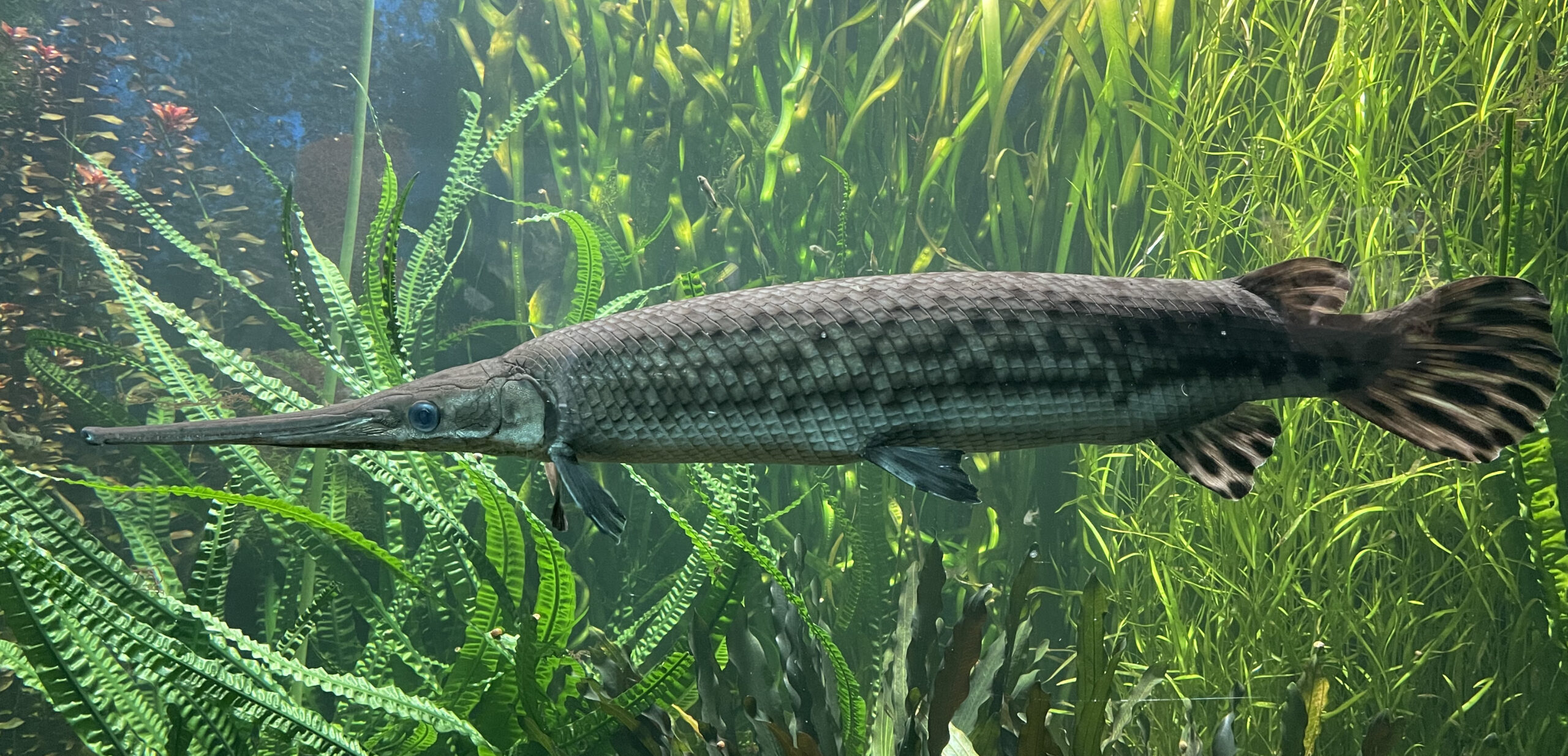 Photo Credit: Amada44 / Wikimedia Commons
In the shimmering waters of North America, the Longnose Gar, scientifically known as Lepisosteus osseus, glides gracefully through its aquatic realm. With its elongated body and a snout that seems to stretch on forever, this ancient fish is a living link to a time when dinosaurs roamed the Earth. Its sleek, greenish-brown scales reflect the dappled sunlight filtering through the surface, creating a mesmerizing dance of light and shadow. As it navigates through rivers and lakes, the Longnose Gar showcases its sharp teeth, perfectly designed for snatching up smaller fish and crustaceans, making it a skilled predator in its watery world.
What makes the Longnose Gar particularly captivating to scientists and nature enthusiasts alike is its remarkable evolutionary history. This fish has been around for over 150 million years, surviving mass extinctions and adapting to changing environments. Its unique adaptations, such as the ability to breathe air through a specialized swim bladder, allow it to thrive in both fresh and brackish waters. As you explore the life of the Longnose Gar, you’ll discover not just a fascinating creature, but a vital player in the ecosystem, helping to maintain the balance of aquatic life. Join us on this journey to uncover the secrets of the Longnose Gar and the important role it plays in the natural world.
The Longnose Gar, a captivating fish found in North America, holds a special place in the animal kingdom. Taxonomically, it belongs to the Kingdom Animalia, which includes all animals, and the Phylum Chordata, known for creatures with a backbone. This fish is part of the Class Actinopterygii, which encompasses ray-finned fishes, a group characterized by their bony fins. What sets the Longnose Gar apart is its elongated snout filled with sharp teeth, making it a skilled predator in freshwater environments. Its unique adaptations and ancient lineage provide a glimpse into the evolutionary past of vertebrates.
| Taxonomic Rank | Scientific Name | Meaning & Significance |
|---|---|---|
| Kingdom | Animalia | This name comes from the Latin word “animalis,” meaning “having breath” or “living.” It signifies all living organisms that are not plants or fungi. |
| Phylum | Chordata | Derived from the Latin “chorda,” meaning “string,” this name refers to the notochord, a flexible rod that supports the body in all chordates during some stage of development. |
| Class | Actinopterygii | This term means “ray-finned,” highlighting the structure of the fins in these fish, which are supported by bony rays rather than fleshy lobes. |
| Order | Lepisosteiformes | From the Greek “lepis,” meaning “scale,” and “osteon,” meaning “bone,” this name reflects the bony scales that cover the bodies of these ancient fish. |
| Family | Lepisosteidae | This family name also comes from “lepis” and “osteon,” emphasizing the bony characteristics shared among gar species. |
| Genus | Lepisosteus | Continuing the theme, this genus name means “bony scale,” which is fitting for these fish known for their tough, armor-like scales. |
Understanding the Longnose Gar’s classification reveals much about its evolutionary journey. This fish is a living relic, having existed for millions of years, and its lineage showcases the adaptations that have allowed it to thrive in various aquatic habitats. The unique features that define the Longnose Gar, from its distinctive snout to its bony scales, tell a story of survival and resilience, connecting it to ancient relatives that swam in the waters long before dinosaurs roamed the Earth.
The Longnose Gar, a fascinating fish that swims through the waters of North America, has a rich evolutionary history that stretches back millions of years. This ancient lineage belongs to the family Lepisosteidae, which has been around since the time of the dinosaurs. The Longnose Gar’s ancestors first appeared during the Late Cretaceous period, around 100 million years ago, making them one of the oldest surviving fish families on the planet.
The story of the Longnose Gar begins with its early relatives, which were quite different from the sleek, elongated fish we see today. These ancestral forms were more robust and adapted to a variety of aquatic environments. Over time, they underwent significant changes, including the development of a long, narrow snout that is characteristic of the Longnose Gar. This adaptation allowed them to become more efficient hunters, using their sharp teeth to catch prey like fish and crustaceans. As they evolved, they also developed a unique swim bladder that helps them stay buoyant and allows for a more versatile lifestyle in both freshwater and brackish environments.
The adaptations of the Longnose Gar have played a crucial role in its survival over the ages. With its streamlined body and specialized snout, it can swiftly navigate through its aquatic world, capturing prey with ease. The tough, armored scales offer a defense against potential threats, while the ability to breathe air gives it an advantage in environments where oxygen may be scarce. These evolutionary traits have allowed the Longnose Gar to persist through changing climates and ecosystems, making it a true survivor in the ever-evolving tapestry of life.
The Longnose Gar is a striking fish that captures attention with its elongated body and distinctive features. Its sleek form glides gracefully through the water, showcasing a streamlined shape that is both elegant and efficient. The most eye-catching aspect is its beak-like mouth, which extends forward, giving it a prehistoric appearance. This unique adaptation not only aids in hunting but also adds to its overall allure, making it a standout in the aquatic world.
| Feature | Description |
|---|---|
| Weight | 28 lbs |
| Skin Type | Scales |
| Most Distinctive Feature | Long body with a beak-like mouth |
The Longnose Gar’s features work together seamlessly to enhance its survival in the wild. Its long, slender body allows for swift movement, helping it evade predators and catch prey. The beak-like mouth is perfectly designed for snatching fish and other small aquatic creatures, making it an effective hunter. The tough, scaly skin provides protection against the rigors of its environment, ensuring that this ancient fish continues to thrive in the waters it calls home.
The Longnose Gar thrives in a variety of aquatic environments, painting a picture of life in both fresh and brackish waters. Imagine a serene river winding through lush landscapes, where the water is clear and the sun filters through the trees. This fish is often found in areas where rivers meet the sea, creating a mix of fresh and slightly salty water. These habitats are rich in vegetation, providing plenty of hiding spots and hunting grounds for the Longnose Gar.
The Longnose Gar prefers warm climates, often found in regions where temperatures are mild to warm. These fish enjoy shallow waters, where they can bask in the sunlight and hunt for food. The presence of aquatic plants is crucial, as they not only provide shelter but also attract smaller fish, which are a primary food source. The water quality is important too; they thrive in clean environments that support a diverse ecosystem.
Adaptations have allowed the Longnose Gar to flourish in these specific habitats. With its elongated body and sharp teeth, it is perfectly designed for ambushing prey. Its ability to tolerate both fresh and brackish waters gives it an edge in finding food and shelter. Additionally, the Longnose Gar has a unique swim bladder that allows it to gulp air, helping it survive in low-oxygen environments. This remarkable adaptation ensures that it can thrive in various conditions, making it a true survivor in the aquatic world.
The Longnose Gar leads a life that is both intriguing and essential to its ecosystem. As dawn breaks, these fish begin their daily activities, often seen swimming near the surface of rivers and lakes. They are most active during the early morning and late afternoon, taking advantage of the cooler temperatures. With their long, slender bodies and sharp teeth, they hunt for smaller fish and invertebrates, using their keen eyesight to spot prey. Their unique method of hunting involves a quick lunge, allowing them to catch unsuspecting fish with surprising speed.
Socially, Longnose Gars are generally solitary creatures, but they can sometimes be found in small groups, especially in areas with abundant food. These gatherings are not permanent; rather, they form when conditions are favorable, such as during spawning seasons. While they may not exhibit complex social structures like some other fish species, they do communicate through body language and subtle movements in the water. This helps them maintain a safe distance from potential threats while still being aware of their surroundings.
| Behavior Type | Description |
|---|---|
| Activity Patterns | Active during early morning and late afternoon, hunting for prey near the water’s surface. |
| Social Structure | Generally solitary but can form small groups in favorable conditions, such as during spawning. |
| Communication Methods | Utilizes body language and movements in the water to signal to other Longnose Gars. |
The behaviors of the Longnose Gar are finely tuned to ensure their survival in the wild. By being active during specific times of the day, they maximize their chances of finding food while minimizing exposure to predators. Their ability to form temporary groups allows them to take advantage of abundant resources, while their communication methods help them navigate their environment safely. Together, these behaviors create a balanced life that has allowed the Longnose Gar to thrive in its aquatic habitat for millions of years.
The Longnose Gar is a carnivorous fish that primarily feeds on smaller fish and aquatic creatures. With its long, slender snout lined with sharp teeth, it is perfectly adapted for catching prey. This fish often hunts by lying in wait, using its excellent camouflage to blend into the surrounding environment. When a potential meal swims by, the Longnose Gar strikes with lightning speed, capturing its prey in a swift motion.
| Dietary Aspect | Details |
|---|---|
| Diet Type | Carnivore |
| Favorite Foods | Menhaden, sunfish, and perch |
| Prey Items | Smaller fish and aquatic invertebrates |
| Hunting/Foraging Strategies | Ambush predator, using camouflage and quick strikes |
The diet of the Longnose Gar plays a crucial role in its ecological niche. By preying on smaller fish, it helps maintain a balance in the aquatic food web. This not only supports the health of fish populations but also influences the overall dynamics of the ecosystem. As these fish hunt and feed, they contribute to the natural cycle of life in their watery habitats, showcasing the interconnectedness of all living things.
During the breeding season, which typically occurs in late spring to early summer, Longnose Gars engage in a fascinating courtship ritual. Males display their vibrant colors and perform elaborate swimming patterns to attract females. Once a female selects a mate, they swim together in a dance-like manner, often circling each other. This behavior not only strengthens their bond but also prepares them for the next important step: spawning.
| Reproductive Aspect | Details |
|---|---|
| Gestation Period | 7-9 days |
| Litter Size | Up to 30,000 eggs |
| Age of Maturity | 3-4 years |
| Name of Young | Fry |
After the eggs are laid, the female Longnose Gar leaves them to develop on their own. The eggs hatch into tiny fry, which are vulnerable and must fend for themselves right from the start. These young fish are equipped with a yolk sac that provides them with nutrients for a short time. As they grow, they begin to hunt for small prey, gradually learning the skills they need to thrive in their aquatic environment. Parental care is minimal, but the fry are born with instincts that help them navigate the challenges of their surroundings, ensuring that they can eventually grow into the impressive adults that swim through North America’s waters.
The Longnose Gar occupies a vital role in its aquatic ecosystem, serving as both predator and prey. Positioned near the top of the food web, it helps maintain the balance of fish populations in rivers and lakes. However, this ancient fish faces various dangers that threaten its survival, from natural predators to environmental changes.
To defend itself against these threats, the Longnose Gar has developed several survival strategies. Its elongated body and sharp teeth make it an efficient predator, but it also relies on its ability to blend into its surroundings. By staying still and camouflaging with the riverbed, it can avoid detection from hungry birds and larger fish. Additionally, its tough, armored scales provide a layer of protection against attacks, allowing it to navigate the challenges of its environment with resilience.
A keystone species is an organism that plays a critical role in maintaining the structure of its ecosystem. Its presence or absence can significantly impact the environment and the species that inhabit it. The Longnose Gar, with its unique adaptations and predatory behavior, qualifies as a keystone species in its aquatic habitats. By influencing the populations of other fish and aquatic creatures, it helps to maintain a balanced ecosystem.
The Longnose Gar primarily feeds on smaller fish and aquatic animals, making it an important predator in its environment. By preying on these species, it helps control their populations, preventing any one group from becoming too dominant. This balance is crucial for the health of the ecosystem, as it allows for a diverse range of species to thrive. For example, if the Longnose Gar were to decline in numbers, the populations of smaller fish could explode, leading to overgrazing of aquatic plants and a decline in water quality.
Additionally, the Longnose Gar serves as a food source for larger predators, such as birds and mammals. This connection in the food web illustrates how the presence of the Longnose Gar supports not only its own species but also those that rely on it for sustenance. Its role as both predator and prey highlights its importance in the intricate web of life within freshwater and brackish environments.
If the Longnose Gar were to disappear from its habitat, the consequences could be severe. Without this key predator, smaller fish populations could surge, leading to overconsumption of aquatic vegetation. This imbalance could result in degraded water quality and a decline in overall biodiversity. Other species that rely on the Longnose Gar for food would also suffer, creating a ripple effect throughout the ecosystem. The loss of this remarkable fish would not only alter the dynamics of its environment but could also threaten the survival of many other species that depend on a balanced aquatic ecosystem.
The Longnose Gar occupies a vital ecological niche in North America’s freshwater and brackish ecosystems. This ancient fish, with its long, slender body and sharp teeth, plays a significant role in maintaining the balance of aquatic life. As a carnivore, it primarily preys on smaller fish and aquatic creatures, helping to regulate their populations. By doing so, the Longnose Gar contributes to the overall health of its habitat, ensuring that no single species dominates the ecosystem.
| Ecosystem Service | Impact |
|---|---|
| Population Control | Regulates the numbers of smaller fish species, preventing overpopulation. |
| Food Source | Serves as prey for larger predators, supporting the food web. |
| Habitat Maintenance | Helps maintain the balance of aquatic vegetation by controlling herbivore populations. |
| Indicator Species | Reflects the health of aquatic ecosystems, signaling changes in water quality. |
The Longnose Gar’s influence extends beyond just its role as a predator. For instance, by keeping the populations of smaller fish in check, it allows for a diverse range of species to thrive in its habitat. This diversity is crucial for the stability of the ecosystem, as it supports various food webs and interactions among species. Additionally, the Longnose Gar itself is an important food source for larger predators, such as birds of prey and larger fish, creating a dynamic interplay within the aquatic community.
The broader ecological importance of the Longnose Gar cannot be overstated. As a keystone species, its presence is essential for maintaining the structure and function of its ecosystem. When Longnose Gars are abundant, they help ensure a balanced environment, which benefits countless other organisms. Conversely, a decline in their population can lead to significant changes in the ecosystem, highlighting the interconnectedness of life in our waters. By understanding and protecting this remarkable fish, we can help preserve the intricate web of life that thrives in our aquatic ecosystems.
In the intricate web of life, symbiosis refers to the close interactions between different species, which can take on various forms. These relationships can be mutualistic, where both species benefit, parasitic, where one benefits at the expense of the other, or commensal, where one benefits while the other is neither helped nor harmed. The Longnose Gar, a fascinating fish found in North America, engages in several ecological partnerships that highlight the complexity of its environment. These relationships not only showcase the interconnectedness of species but also illustrate how they adapt and thrive together in their habitats.
| Species/Type | Relationship Type | Description |
|---|---|---|
| Small fish (e.g., minnows) | Mutualistic | Longnose Gars often swim alongside smaller fish, which help to keep the water clean by eating algae and detritus. In return, the gar provides protection from larger predators. |
| Leeches | Parasitic | Leeches can attach to the Longnose Gar, feeding on its blood. This relationship benefits the leech but can harm the gar, leading to potential health issues. |
| Water plants | Commensal | Longnose Gars often hide among aquatic vegetation. The plants provide shelter for the gar, while the gar does not affect the plants’ growth or health. |
These relationships have evolved over time, shaped by the needs and behaviors of the species involved. The mutualistic interactions, like those with small fish, demonstrate how cooperation can enhance survival for both parties. Meanwhile, parasitic relationships, such as those with leeches, highlight the challenges that come with living in a shared environment. Commensal relationships, like those with water plants, show how some species can thrive without impacting others. Together, these partnerships illustrate the dynamic balance of ecosystems, where every species plays a role in the grand tapestry of life.
The Longnose Gar is a captivating fish that has been swimming in North American waters for millions of years. With its unique adaptations and intriguing behaviors, this ancient species continues to surprise and delight nature enthusiasts.
The Longnose Gar has a long and storied relationship with humanity, dating back to ancient times. Indigenous peoples of North America recognized the gar as a valuable resource, using its meat for sustenance and its bones for tools and ornaments. This fish, with its distinctive elongated snout and sharp teeth, often appeared in folklore and cultural stories, symbolizing strength and resilience. As settlers arrived, they too encountered the Longnose Gar, sometimes viewing it with curiosity and other times with fear due to its fierce appearance. Over the years, this fish has woven itself into the fabric of local cultures, representing both a source of food and a subject of fascination.
In modern times, the relationship between Longnose Gar and humans has evolved significantly. Conservation efforts are underway to protect this ancient species, as habitat loss and pollution threaten its populations. Many communities are working to restore natural waterways, recognizing the gar’s role in maintaining healthy ecosystems. However, conflicts can arise, particularly in fishing communities where the gar is sometimes seen as a competitor for sport fish. While domestication of the Longnose Gar is not common, some aquarists appreciate its unique beauty and behavior, leading to a growing interest in keeping these fish in home aquariums.
As we look to the future, the relationship between Longnose Gar and humanity holds promise. With increased awareness of environmental issues, more people are recognizing the importance of preserving this ancient fish and its habitat. Education and outreach programs can foster a deeper appreciation for the Longnose Gar, encouraging sustainable practices that benefit both the species and the ecosystems they inhabit. By working together, we can ensure that future generations will continue to marvel at the Longnose Gar, a living link to our planet’s rich natural history.
The Longnose Gar is currently classified as “Least Concern” by the International Union for Conservation of Nature (IUCN). This status indicates that, while the species is not facing immediate threats of extinction, its population trends are not well-documented. The estimated population size remains unknown, which makes it challenging to assess how many of these ancient fish are swimming in North America’s waters.
| Conservation Factor | Status/Details |
|---|---|
| IUCN Status | Least Concern |
| Population Estimates | Not known |
| Trend Direction | Unknown |
The main threats to the Longnose Gar include habitat loss and degradation, primarily due to human activities such as pollution and dam construction. These changes can disrupt the delicate balance of their aquatic environments, making it harder for the gar to find food and suitable breeding grounds. Additionally, overfishing and the introduction of invasive species can further challenge their survival, as these factors can lead to competition for resources and changes in the ecosystem.
Conservation efforts for the Longnose Gar are still in their early stages, but there is hope for the future. Protecting their habitats and promoting sustainable fishing practices are essential steps in ensuring the survival of this ancient species. By raising awareness about the importance of the Longnose Gar in maintaining healthy ecosystems, conservationists aim to foster a greater appreciation for these remarkable fish. With continued efforts, we can help secure a brighter future for the Longnose Gar and the rich biodiversity of the waters they inhabit.
| Question | Answer |
|---|---|
| What is the habitat of the Longnose Gar? | The Longnose Gar is found in a variety of water types, including brackish waters, fresh waters, and even some saline waters, which are not very salty. They prefer areas in Texas, Mexico, Florida, Michigan, and Wisconsin, often inhabiting rivers, lakes, and coastal regions. |
| What does the Longnose Gar eat? | This fish is a carnivore, meaning it primarily eats other animals. Its diet consists of smaller fish and invertebrates, which it catches using its long, beak-like mouth filled with sharp teeth. |
| How does the Longnose Gar behave? | The Longnose Gar is known for its unique swimming style, often gliding through the water with minimal movement. They are generally solitary creatures, preferring to hunt and live alone rather than in groups. |
| How does the Longnose Gar reproduce? | During the spawning season, which typically occurs in spring, female Longnose Gars lay eggs in shallow waters among vegetation. The males then fertilize the eggs, and the young fish hatch after a few days, ready to start their lives in the water. |
| What threats do Longnose Gars face? | While the Longnose Gar is currently listed as Least Concern, they still face threats from habitat destruction and pollution. Overfishing and the introduction of invasive species can also impact their populations. |
| What is an interesting characteristic of the Longnose Gar? | One of the most distinctive features of the Longnose Gar is its long, slender body and beak-like mouth, which can make it look quite prehistoric. This unique appearance helps it catch prey efficiently in the water. |
| How long can Longnose Gars live? | Longnose Gars can live for quite a long time, often reaching ages of 20 years or more in the wild. Their longevity is one of the reasons they have adapted well to various environments over the years. |