Taxonomy & Classification
- Kingdom
- Animalia
- Phylum
- Chordata
- Class
- Aves
- Order
- Psittaciformes
- Family
- Psittaculidae
- Genus
- Trichoglossus

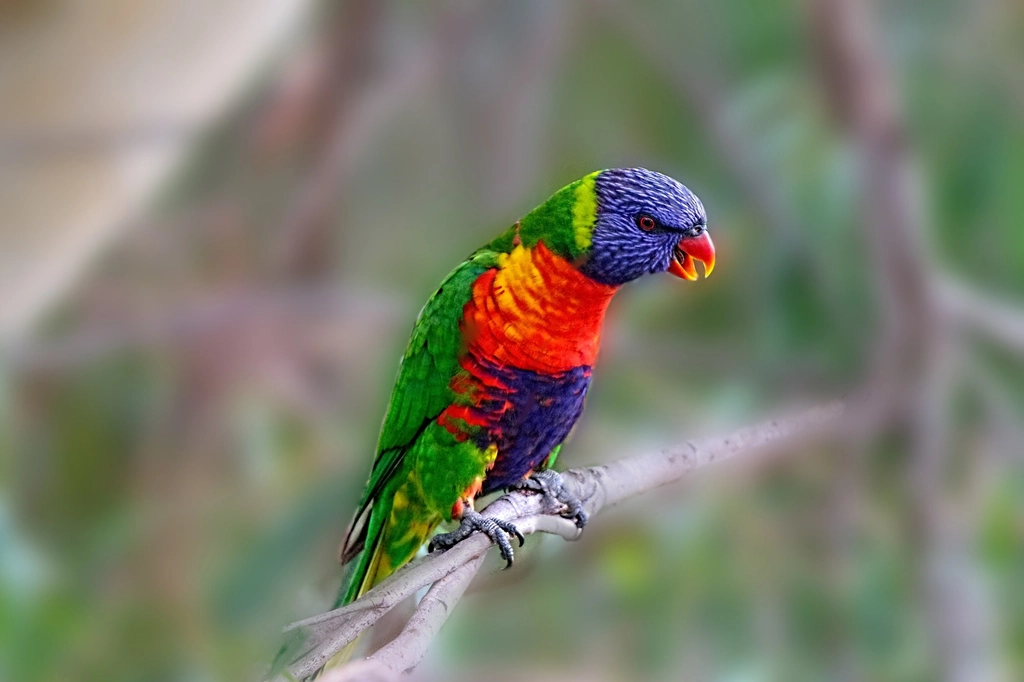 Photo Credit: Rawpixel
In the vibrant world of the lorikeet, or Trichoglossus, every day is a celebration of color and sound. Picture a sun-drenched forest, where the air is alive with the sweet scent of blooming flowers and the cheerful chatter of these lively birds. With their dazzling plumage—brilliant greens, fiery reds, and sunny yellows—lorikeets flit from branch to branch, their small, agile bodies perfectly designed for acrobatic feats. These birds are not just a feast for the eyes; they are also a marvel of nature, captivating scientists and nature lovers alike with their unique adaptations and playful behaviors.
Lorikeets are equipped with specialized tongues that resemble tiny brushes, allowing them to sip nectar from flowers with ease. This diet not only fuels their energetic antics but also plays a crucial role in their ecosystem, as they help pollinate plants while searching for food. Their lively social structures and complex communication skills add another layer of intrigue, making them a subject of study for ornithologists and bird enthusiasts. As we dive deeper into the world of lorikeets, we will explore their habitats, behaviors, and the vital roles they play in their environments, revealing just how extraordinary these small, colorful birds truly are.
The lorikeet is a vibrant and lively bird that occupies a special place in the tree of life. Belonging to the class Aves, which includes all birds, lorikeets are part of the order Psittaciformes, known for their strong, curved beaks and zesty personalities. What sets lorikeets apart is their specialized diet, primarily consisting of nectar from flowers, which they access with their unique, brush-tipped tongues. This adaptation not only makes them essential pollinators in their ecosystems but also highlights their evolutionary journey as they adapted to specific food sources.
| Taxonomic Rank | Scientific Name | Meaning & Significance |
|---|---|---|
| Kingdom | Animalia | This name signifies that lorikeets are part of the animal kingdom, which includes all multicellular organisms that are not plants, fungi, or bacteria. |
| Phylum | Chordata | Chordata means “having a notochord,” a flexible rod that supports the body. This feature is a key characteristic of all vertebrates, including lorikeets. |
| Class | Aves | Aves is the Latin word for birds. It highlights the unique adaptations of birds, such as feathers and the ability to fly, which are essential for lorikeets. |
| Order | Psittaciformes | This order includes parrots and their relatives, known for their intelligence and vocal abilities. The name reflects their colorful plumage and social behavior. |
| Family | Psittaculidae | This family name indicates a group of small to medium-sized parrots, emphasizing their close relationships with other parrot species. |
| Genus | Trichoglossus | Trichoglossus means “hairy tongue,” referring to the lorikeet’s unique brush-tipped tongue that helps them feed on nectar. |
Understanding the lorikeet’s classification reveals much about its evolutionary history. As members of the Psittaciformes order, lorikeets share a lineage with other intelligent and colorful birds, showcasing adaptations that have allowed them to thrive in diverse environments. Their specialized feeding habits and social structures reflect a long history of evolution, where they have developed traits that not only benefit their survival but also contribute to the health of their ecosystems. This intricate web of life highlights the importance of every species, including the lively lorikeet, in maintaining the balance of nature.
The evolutionary journey of the lorikeet stretches back millions of years, tracing its roots to the diverse family of parrots. These colorful birds belong to the family Psittaculidae and the genus Trichoglossus. Their ancestors likely emerged during the late Eocene epoch, around 34 to 56 million years ago, when the world was a very different place. As the continents shifted and climates changed, these birds adapted to their environments, leading to the vibrant species we see today.
The early ancestors of lorikeets were small, seed-eating birds that thrived in the lush forests of Australia and nearby islands. Over time, they developed specialized adaptations that allowed them to exploit a diet rich in nectar and fruits. This transition was significant, as it marked a shift from a generalist feeding strategy to one that required unique physical traits. Their tongues evolved into long, brush-like structures, perfect for extracting nectar from flowers. This adaptation not only provided a reliable food source but also made them essential pollinators in their ecosystems.
The adaptations of lorikeets have been crucial for their survival in a changing world. Their specialized tongues and strong beaks allow them to access food that many other birds cannot, giving them a competitive edge. Bright plumage not only aids in attracting mates but also plays a role in social interactions within flocks. By living in groups, lorikeets can share information about food sources and protect each other from predators. Overall, these evolutionary traits have helped lorikeets flourish in diverse environments, ensuring their place in the vibrant tapestry of life.
The lorikeet is a dazzling spectacle of color and energy, captivating anyone lucky enough to catch a glimpse. With a compact body that typically weighs between 3.5 to 5.5 ounces, these birds are small yet robust, perfectly designed for their lively lifestyle. Their most striking feature is their plumage, which resembles a vibrant rainbow, showcasing a mix of bright greens, blues, yellows, and reds. This colorful attire not only makes them a joy to observe but also plays a crucial role in their social interactions and mating displays.
| Feature | Description |
|---|---|
| Size | Small, weighing between 3.5 to 5.5 ounces |
| Color | Brightly-colored plumage with a rainbow-like appearance |
| Skin Type | Feathers, providing insulation and waterproofing |
The lorikeet’s vibrant colors serve multiple purposes in the wild. Their feathers not only provide insulation, keeping them warm in cooler weather, but also help them blend into the colorful flowers they feed on. This camouflage is essential for avoiding predators while they search for nectar, their primary food source. Additionally, the bright hues are a visual feast that attracts mates, ensuring the continuation of their species. In every way, the lorikeet’s physical form is a perfect blend of beauty and functionality, making it a true marvel of nature.
The lorikeet thrives in lush forests and vibrant groves, where the air is filled with the sounds of rustling leaves and cheerful bird calls. These lively birds are often seen flitting among the branches, their bright plumage standing out against the green backdrop. They prefer habitats rich in flowering trees, which provide not only shelter but also a feast of nectar and fruits. The sun filters through the canopy, creating a warm and inviting environment that suits their energetic lifestyle.
Lorikeets are particularly fond of warm climates, as they flourish in areas where temperatures are mild to hot. They thrive in regions that experience a good amount of rainfall, which helps sustain the flowering plants they depend on for food. These birds are often found in tropical and subtropical environments, where the humidity keeps their feathers in top condition and supports the growth of their favorite nectar-producing flowers.
To make the most of their habitats, lorikeets have developed several clever adaptations. Their specialized tongues, which are brush-like and perfect for extracting nectar from flowers, allow them to feed efficiently. Additionally, their strong, curved beaks help them access fruits and seeds, making them versatile eaters. By living in social flocks, they can also communicate and work together to find the best feeding spots, ensuring they thrive in their colorful, bustling homes.
Lorikeets start their day with a burst of energy, greeting the morning sun with cheerful calls and vibrant displays of color. As they awaken, they engage in a variety of activities that keep them busy and entertained. Their mornings often include foraging for nectar, fruits, and flowers, which are their primary food sources. With their specialized tongues, which are like tiny brushes, they expertly extract nectar from blossoms, ensuring they get the nutrients they need to fuel their active lifestyle. Throughout the day, they can be seen darting from tree to tree, their playful antics and acrobatic flights making them a joy to watch.
Social behavior is a cornerstone of lorikeet life. These birds are highly social and thrive in flocks, often numbering in the dozens. Their group dynamics are fascinating, as they communicate through a variety of vocalizations and body language. Lorikeets engage in playful interactions, which help strengthen their bonds and establish social hierarchies. They often groom each other, a behavior known as allopreening, which not only keeps their feathers in top condition but also reinforces friendships within the flock. This social structure is vital for their survival, as it allows them to work together to find food and protect each other from predators.
| Behavior Type | Description |
|---|---|
| Foraging | Lorikeets search for nectar, fruits, and flowers, using their specialized tongues to extract food. |
| Flocking | They live in groups, often in flocks of dozens, which helps them find food and stay safe. |
| Communication | Vocalizations and body language are used to convey messages, establish bonds, and maintain social order. |
| Allopreening | This grooming behavior strengthens social ties and keeps feathers clean and healthy. |
The behaviors of lorikeets are not just entertaining; they are essential for their survival. By foraging in groups, they can cover more ground and find food more efficiently. Their social interactions help them build strong relationships, which are crucial for protection against predators. In a world filled with challenges, the vibrant and lively life of the lorikeet showcases how teamwork and communication can lead to success in the wild.
Lorikeets are delightful little birds with a diet that reflects their vibrant personalities. As omnivores, they enjoy a varied menu that primarily consists of flowers, fruit, nectar, and pollen. Their specialized tongues, which are brush-like and perfect for extracting nectar, allow them to feed efficiently from blossoms. In addition to sweet nectar, they also munch on fruits and occasionally snack on insects, making their feeding habits both diverse and interesting.
| Dietary Aspect | Details |
|---|---|
| Diet Type | Omnivore |
| Favorite Foods | Flowers, fruit, nectar, and pollen |
| Prey Items | Insects |
| Hunting/Foraging Strategies | Using their specialized tongues to extract nectar and forage among flowers and fruits |
This diverse diet plays a crucial role in the lorikeet’s ecology and daily routine. By feeding on nectar and pollen, they help pollinate the plants they visit, contributing to the health of their ecosystems. Their energetic foraging behavior not only sustains them but also keeps them active and social, as they often feed in groups. This lively interaction among lorikeets adds to the vibrant atmosphere of their forest homes, making them a key part of the natural world around them.
During the breeding season, which typically occurs in spring and summer, lorikeets engage in lively courtship displays. Males often perform acrobatic flights and produce a series of cheerful calls to attract females. Once a pair has formed a bond, they will work together to find a suitable nesting site, usually in tree hollows or crevices. This cooperative behavior not only strengthens their relationship but also sets the stage for raising their young.
| Reproductive Aspect | Details |
|---|---|
| Gestation Period | About 24 days |
| Litter Size | 1 to 3 eggs |
| Age of Maturity | 6 to 12 months |
| Name of Young | Chick |
Once the eggs hatch, both parents take an active role in caring for their chicks. The young lorikeets, known as chicks, are born blind and helpless, relying entirely on their parents for food and warmth. The parents feed them a special diet of regurgitated nectar and fruit, which is essential for their growth. As the chicks develop, they begin to grow feathers and learn to flap their wings. By the time they reach maturity, they are ready to explore the world on their own, carrying with them the vibrant spirit of their parents.
In the intricate web of life, lorikeets play a vibrant role as both pollinators and prey. These colorful birds are primarily herbivores, feasting on nectar and fruits, but they are also part of the food chain, making them targets for various predators. Their bright plumage may attract attention, but it also helps them blend into the colorful flowers and foliage of their habitats, providing some camouflage against hungry eyes.
To survive these threats, lorikeets have developed clever defensive behaviors. They often flock together, which not only makes it harder for predators to single out an individual but also allows them to keep a watchful eye on their surroundings. When alarmed, lorikeets can quickly take flight, darting through the trees with agility. Their bright colors may seem like a disadvantage, but they can also confuse predators, allowing lorikeets to escape into the dense foliage. By staying alert and using their social nature, these birds navigate the challenges of their environment, ensuring their survival in a world full of dangers.
A keystone species is a vital part of its ecosystem, meaning its presence has a significant impact on the environment and other living things. If removed, the ecosystem could change dramatically. Lorikeets, with their vibrant colors and lively behavior, do indeed play a keystone role in their habitats, particularly in the forests and groves where they thrive. Their activities help maintain the balance of their ecosystem, making them essential players in the natural world.
One of the most important ways lorikeets impact their environment is through their diet. These birds primarily feed on nectar, fruits, and pollen, which makes them excellent pollinators. As they flit from flower to flower, they transfer pollen, helping plants reproduce. This not only supports the growth of various plant species but also provides food and shelter for countless other animals. Without lorikeets, many plants might struggle to reproduce, leading to a decline in plant diversity.
Additionally, lorikeets are part of the food web. They serve as prey for larger birds and mammals, contributing to the energy flow within their ecosystem. Their presence supports the survival of these predators, which rely on lorikeets as a food source. Furthermore, by consuming fruits and nectar, lorikeets help control plant populations, preventing any one species from dominating the landscape. This balance is crucial for maintaining healthy ecosystems.
If lorikeets were to disappear, the effects would ripple through their ecosystem. Many plants would struggle to reproduce without these birds to pollinate them, leading to a decline in plant diversity. This, in turn, would affect the animals that rely on those plants for food and shelter. The balance of the ecosystem would be disrupted, potentially leading to the decline of other species and altering the landscape itself. The vibrant forests and groves that we associate with lorikeets would become quieter and less colorful, reminding us just how important these lively birds are to their world.
The lorikeet plays a crucial role in its ecosystem, acting as both a pollinator and a seed disperser. These vibrant birds thrive in forests and groves, where they flit from flower to flower, sipping nectar with their specialized tongues. This behavior not only nourishes them but also helps plants reproduce by transferring pollen from one bloom to another. In this way, lorikeets contribute to the health and diversity of their habitats, ensuring that the cycle of life continues to flourish.
| Ecosystem Service | Impact |
|---|---|
| Pollination | Helps plants reproduce by transferring pollen, leading to fruit and seed production. |
| Seed Dispersal | Spreads seeds through their droppings, promoting plant growth in new areas. |
| Food Source | Serves as prey for larger birds and mammals, supporting the food web. |
| Habitat Maintenance | Encourages the growth of flowering plants, which provide shelter and food for other species. |
Lorikeets influence their environment in several specific ways. By feeding on nectar, they not only sustain themselves but also ensure that flowering plants can thrive. For instance, when a lorikeet visits a flower, it collects nectar while simultaneously transferring pollen. This interaction is vital for many plant species, as it leads to the production of fruits that other animals depend on for food. Additionally, as lorikeets consume fruits, they help disperse seeds across vast areas, allowing new plants to grow in different locations. This process is essential for maintaining the balance of their ecosystems.
The broader ecological importance of lorikeets cannot be overstated. As keystone species, their presence significantly influences the structure and health of their habitats. Without lorikeets, many plants would struggle to reproduce, leading to a decline in plant diversity. This, in turn, would affect countless other species that rely on those plants for food and shelter. By supporting the intricate web of life in their forests and groves, lorikeets help maintain the vibrant ecosystems that are essential for the survival of many living organisms. Their colorful presence is not just a delight to the eyes; it is a vital part of the natural world.
In the intricate tapestry of nature, symbiosis refers to the close and often long-term interactions between different species. These relationships can take many forms, including mutualism, where both species benefit, parasitism, where one benefits at the expense of the other, and commensalism, where one benefits while the other is neither helped nor harmed. Lorikeets, with their vibrant colors and lively personalities, engage in various ecological partnerships that highlight the interconnectedness of life in their forest and grove habitats.
| Species/Type | Relationship Type | Description |
|---|---|---|
| Flowering Plants | Mutualistic | Lorikeets feed on nectar, helping to pollinate flowers as they move from plant to plant, ensuring the plants can reproduce. |
| Ants | Commensal | Some lorikeets may nest near ant colonies, benefiting from the ants’ presence, which can deter predators without harming the ants. |
| Parasitic Wasps | Parasitic | While not directly related to lorikeets, parasitic wasps can affect the insects that lorikeets feed on, impacting their food supply. |
These relationships have evolved over time, shaped by the needs and behaviors of the species involved. The mutualistic bond between lorikeets and flowering plants is particularly fascinating, as it not only supports the birds’ diet but also promotes the health of the ecosystem. By pollinating flowers, lorikeets help ensure the survival of plant species, which in turn provides food and shelter for countless other organisms. Understanding these connections deepens our appreciation for the delicate balance of nature and the vital roles that each species plays in maintaining it.
Lorikeets are not just beautiful birds; they are also full of surprises that make them truly captivating. Here are some intriguing facts that showcase their unique traits and behaviors.
Throughout history, lorikeets have captivated human hearts and imaginations. These colorful birds have been featured in various cultures, often symbolizing joy and freedom. Indigenous peoples of Australia, where many lorikeet species are found, have long regarded these birds as important to their cultural narratives. Their vibrant plumage and playful behavior have inspired art, stories, and even songs. As people encountered lorikeets in their natural habitats, they began to appreciate not just their beauty but also their role in the ecosystem, particularly as pollinators of native flowers.
In modern times, the relationship between lorikeets and humans has evolved significantly. Conservation efforts are underway to protect their habitats, as urbanization and deforestation threaten their populations. Some communities have embraced lorikeets, creating sanctuaries and rehabilitation centers to care for injured or orphaned birds. However, conflicts can arise when lorikeets invade gardens, seeking out the fruits and flowers that humans cultivate. Interestingly, some people have even taken to keeping lorikeets as pets, drawn by their intelligence and sociable nature. This domestication, while rewarding, requires careful consideration of their needs and behaviors to ensure their well-being.
Looking ahead, the future of the lorikeet-human relationship holds promise and challenges. As awareness of environmental issues grows, more people are likely to engage in conservation efforts, recognizing the importance of these birds in maintaining healthy ecosystems. By fostering a deeper understanding of lorikeets and their needs, we can create a harmonious coexistence that benefits both humans and these vibrant avian companions. Together, we can ensure that future generations will continue to marvel at the beauty and significance of lorikeets in our world.
The conservation status of lorikeets is currently classified as “Least Concern” by the International Union for Conservation of Nature (IUCN). This means that, overall, they are not facing immediate threats that could lead to their extinction. However, specific population estimates remain unknown, making it challenging to assess their numbers accurately. While some species of lorikeets may experience localized declines, the general trend for the group appears stable, allowing these vibrant birds to continue their lively presence in the wild.
| Conservation Factor | Status/Details |
|---|---|
| IUCN Status | Least Concern |
| Estimated Population Size | Unknown |
| Population Trend | Stable |
Despite their overall stable status, lorikeets face several threats that could impact their populations in the future. Habitat loss is a significant concern, as deforestation and urban development reduce the lush environments they rely on for food and nesting. Additionally, climate change poses risks by altering the availability of flowers and nectar, which are crucial to their diet. In some regions, illegal trapping for the pet trade also threatens certain species, further complicating their survival.
Conservation efforts are underway to protect lorikeets and their habitats. Organizations are working to preserve the forests and groves where these birds thrive, ensuring they have access to the resources they need. Education programs are also being implemented to raise awareness about the importance of these colorful birds and the ecosystems they inhabit. With continued efforts and a focus on habitat preservation, the outlook for lorikeets remains hopeful, allowing future generations to enjoy their vibrant beauty and lively antics.
| Question | Answer |
|---|---|
| What is the natural habitat of Lorikeets? | Lorikeets thrive in forests and groves, particularly in areas with plenty of flowering trees. They are often found in tropical and subtropical regions, where they can easily access their favorite food sources. |
| What do Lorikeets eat? | Lorikeets are omnivores, meaning they eat a variety of foods. Their diet mainly consists of nectar from flowers, fruits, and sometimes insects, which provide them with the nutrients they need to stay healthy. |
| How do Lorikeets behave in the wild? | Lorikeets are known for their playful and social behavior. They often travel in flocks, which helps them find food and stay safe from predators. Their lively chatter and acrobatic flying make them a joy to watch. |
| How do Lorikeets reproduce? | Lorikeets typically nest in tree hollows, where the female lays a clutch of eggs. Both parents help care for the chicks, feeding them regurgitated food until they are ready to fledge, or leave the nest. |
| What threats do Lorikeets face? | While Lorikeets are currently classified as Least Concern, they still face threats from habitat loss due to deforestation and urbanization. Additionally, they can be affected by climate change, which impacts their food sources. |
| What is a distinctive feature of Lorikeets? | One of the most striking characteristics of Lorikeets is their brightly-colored plumage, which resembles a rainbow. This vibrant coloration not only makes them beautiful but also helps them attract mates and communicate with each other. |
| Can Lorikeets mimic sounds? | Yes, Lorikeets are quite good at mimicking sounds, including human speech. Their ability to imitate various noises adds to their charm and makes them popular pets, although they require a lot of social interaction and stimulation. |