Taxonomy & Classification
- Kingdom
- Animalia
- Phylum
- Chordata
- Class
- Mammalia
- Order
- Primates
- Family
- Cercopithecidae
- Genus
- Macaca
- Species
- Macaca

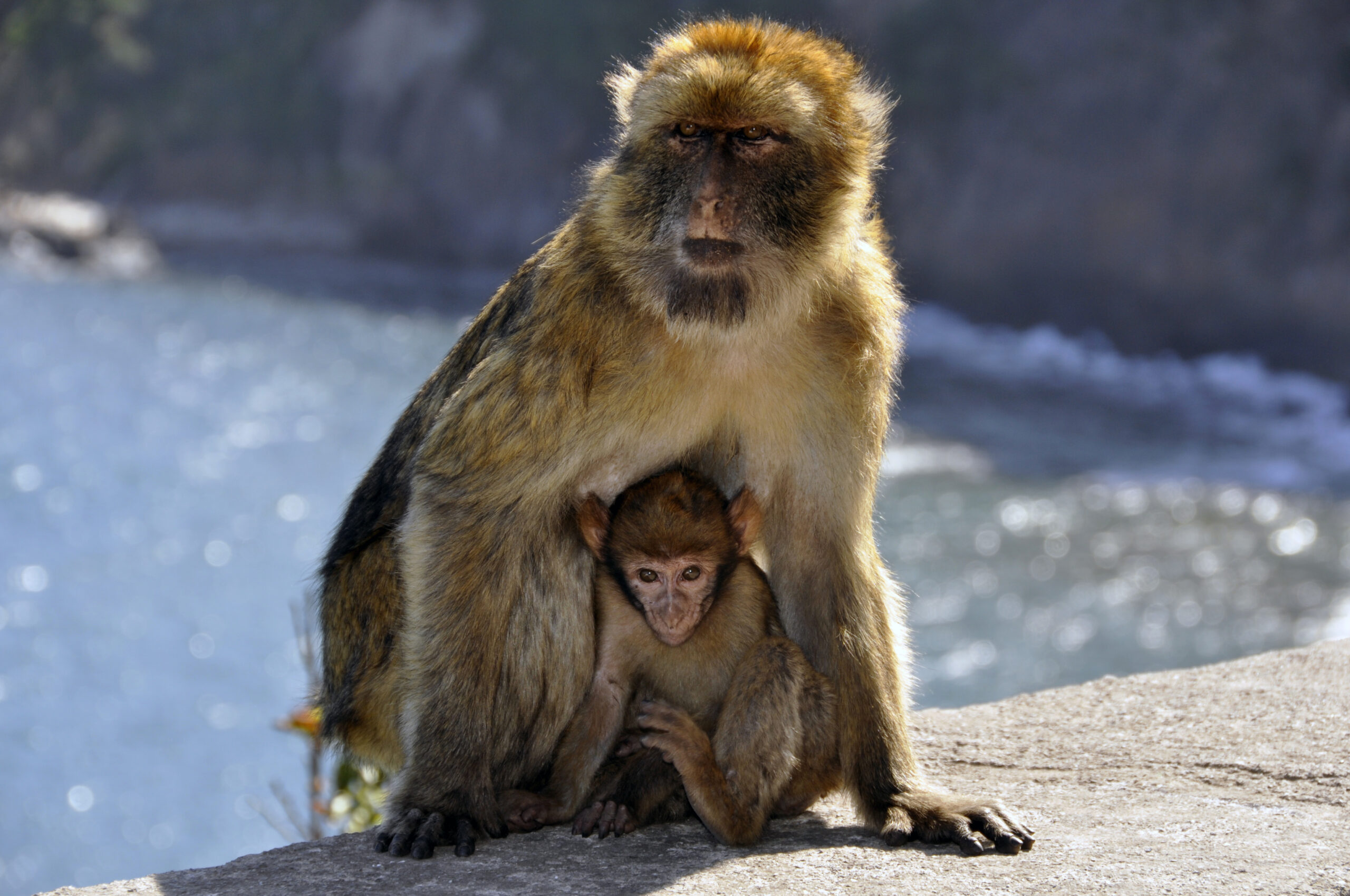 Photo Credit: Hamza-sia / Wikimedia Commons
In the lush, sun-dappled forests of Southeast Asia, the macaque, scientifically known as Macaca, swings gracefully from branch to branch, showcasing its agile body and expressive face. With its thick fur ranging from sandy brown to gray, and a long, expressive tail that helps maintain balance, this lively primate is a sight to behold. Macaques are not just charming; they are also incredibly intelligent, often using tools and solving problems in ways that leave scientists in awe. Their social structures are complex, filled with intricate relationships that mirror human interactions, making them a favorite subject for researchers and nature enthusiasts alike.
As the sun rises, the air fills with the sounds of chattering macaques, each one engaged in a lively morning ritual of grooming and play. These interactions are not just for fun; they strengthen bonds within their troops, which can number in the hundreds. Macaques thrive in a variety of habitats, from dense rainforests to rugged mountains, showcasing their adaptability and resourcefulness. Their omnivorous diet, which includes fruits, seeds, and even small animals, highlights their clever foraging skills. As we delve deeper into the world of macaques, we will explore their fascinating behaviors, their vital role in ecosystems, and the challenges they face in a rapidly changing world.
Macaques are a captivating group of primates that belong to the family Cercopithecidae, which includes many of the world’s monkeys. These animals are part of the order Primates, a diverse category that also encompasses humans, apes, and lemurs. What makes macaques particularly interesting is their adaptability; they thrive in various environments, from tropical forests to snowy mountains. With their expressive faces and complex social structures, macaques offer a glimpse into the intricate lives of primates, showcasing behaviors that can be surprisingly similar to our own.
| Taxonomic Rank | Scientific Name | Meaning & Significance |
|---|---|---|
| Kingdom | Animalia | This name comes from the Latin word for “animal,” highlighting that macaques are part of the vast group of living organisms that are multicellular and capable of movement. |
| Phylum | Chordata | Derived from the Greek word “chordē,” meaning “string,” this classification indicates that macaques have a backbone, a key feature of all vertebrates. |
| Class | Mammalia | This term comes from the Latin “mamma,” meaning “breast,” referring to the fact that female mammals nurse their young with milk, a defining characteristic of this class. |
| Order | Primates | From the Latin word “primus,” meaning “first,” this order includes animals that are often considered the most advanced in terms of brain development and social behavior. |
| Family | Cercopithecidae | This name is derived from the Greek “kērkos,” meaning “tail,” and “pithekos,” meaning “monkey,” indicating that members of this family typically have long tails. |
| Genus | Macaca | The name “Macaca” is thought to come from the Malagasy word for a type of monkey, reflecting the genus’s origins and its connection to various species found in Asia and Africa. |
Understanding where macaques fit in the tree of life reveals much about their evolutionary journey. As members of the primate order, they share a common ancestor with humans, which explains some of their social behaviors and intelligence. Their classification within the Cercopithecidae family highlights their adaptations to different habitats and lifestyles, showcasing the incredible diversity of life on our planet. By studying macaques, we gain insights not only into their world but also into our own evolutionary past.
The evolutionary journey of macaques stretches back millions of years, tracing their lineage to the early primates that roamed the Earth during the Eocene epoch, around 56 to 34 million years ago. As the world changed, so did these primates, adapting to new environments and challenges. Over time, they evolved into the diverse group we recognize today, with species spread across Asia and North Africa.
Macaques are part of the family Cercopithecidae, which includes many monkeys. Their ancestors were likely small, tree-dwelling creatures that thrived in lush forests. As the climate shifted and forests gave way to more open landscapes, macaques began to adapt. They developed a more versatile diet, allowing them to eat a variety of foods, from fruits to insects. This adaptability was crucial as it enabled them to survive in different habitats, including mountains and urban areas.
In addition, their social structures became more complex, fostering cooperation and communication among groups. This social behavior not only helped them find food but also provided protection against predators. Over time, macaques also developed physical traits like strong limbs for climbing and a keen sense of sight, which enhanced their ability to navigate their environments.
These evolutionary adaptations have been vital for macaques, enabling them to flourish in diverse environments. Their ability to adjust their diet and social behaviors has allowed them to thrive in both wild and urban settings. As they continue to adapt, macaques remain a testament to the power of evolution in shaping life on our planet.
Macaques are striking primates that command attention with their lively presence and engaging expressions. Their bodies are robust and agile, built for both climbing and foraging. With a weight that can reach up to 40 pounds, these monkeys exhibit a sturdy frame that supports their active lifestyle. Their most distinctive feature is the long hair that frames their muzzles, giving them a charming and somewhat whimsical appearance. This facial fur, combined with their expressive eyes, allows them to communicate a range of emotions, from curiosity to mischief.
| Feature | Description |
|---|---|
| Weight | Up to 40 lbs |
| Skin Type | Hair |
| Most Distinctive Feature | Long hair around the muzzle |
The combination of their sturdy build and expressive facial hair serves important survival purposes. The long hair around their muzzles not only enhances their social interactions but also provides some protection from the elements. This adaptability allows macaques to thrive in various environments, from lush forests to urban areas, showcasing their remarkable ability to navigate the challenges of their surroundings. Their physical features are not just for show; they play a vital role in their daily lives, helping them communicate, forage, and stay safe in the wild.
Macaques thrive in a variety of habitats that showcase their adaptability and resourcefulness. Picture lush rainforests with towering trees, sprawling plains where grass sways in the breeze, and rugged mountains that rise majestically against the sky. These environments provide the perfect backdrop for macaques, allowing them to climb, forage, and socialize in their tight-knit groups. Whether they are swinging through the branches or foraging on the ground, these primates are always in their element.
Macaques are found in regions that experience a range of climates, from the humid warmth of tropical rainforests to the cooler, temperate zones of mountainous areas. They prefer environments that offer plenty of food sources, such as fruits, leaves, and seeds, which are abundant in these diverse habitats. The climate can vary significantly, but macaques are generally found in areas that provide both shelter and access to water, essential for their survival.
These clever primates have developed a range of adaptations that help them thrive in their chosen homes. Their strong limbs and dexterous hands allow them to navigate through trees with ease, while their social structures help them find food and protect each other from predators. Macaques are also known for their intelligence, using tools and problem-solving skills to access food and navigate their environments. This combination of physical prowess and social behavior makes them well-suited to the varied landscapes they inhabit.
Macaques lead vibrant daily lives filled with activity and social interaction. As the sun rises, these lively primates begin their day by grooming one another, a behavior that not only helps keep their fur clean but also strengthens social bonds. After a hearty breakfast of fruits, leaves, and seeds, they engage in playful antics, swinging from branches and chasing each other through the trees. Throughout the day, they alternate between foraging for food and resting, often in the company of their troop, which can consist of dozens of individuals.
Social behavior is at the heart of macaque life. Living in troops allows them to establish complex relationships and hierarchies. Each troop has a dominant male, but females also play a crucial role in maintaining group cohesion. Communication is key; macaques use a variety of vocalizations, facial expressions, and body language to convey messages. Whether it’s warning others of danger or signaling a desire to play, these interactions are vital for their social structure and overall well-being.
| Behavior Type | Description |
|---|---|
| Grooming | This activity helps keep fur clean and strengthens social bonds among troop members. |
| Foraging | Macaques search for food, including fruits, leaves, and seeds, often working together to find the best sources. |
| Play | Young macaques engage in playful behavior, which is essential for developing social skills and physical coordination. |
| Communication | They use vocalizations, facial expressions, and body language to convey messages and maintain social harmony. |
| Hierarchy | Troops have a social structure with a dominant male and important roles for females, influencing group dynamics. |
These behaviors are not just for fun; they are crucial for survival. By living in troops, macaques can protect each other from predators and share information about food sources. Grooming and social interactions help reduce stress and promote cooperation, ensuring that the group remains strong and resilient. In the wild, where challenges abound, these social strategies are key to thriving in their environment.
Macaques are primarily omnivorous, meaning they enjoy a varied diet that includes both plant and animal matter. These clever primates are skilled foragers, using their intelligence and dexterity to find food in their environment. They often search for fruits, seeds, leaves, and flowers, but they also indulge in insects and other small creatures when the opportunity arises. This adaptability in their diet allows them to thrive in diverse habitats, from lush forests to urban areas.
| Dietary Aspect | Details |
|---|---|
| Diet Type | Omnivore |
| Favorite Foods | Fruits, seeds, leaves, flowers |
| Prey Items | Insects, small animals |
| Hunting/Foraging Strategies | Foraging in trees, using dexterous hands to pick food |
The diet of macaques plays a crucial role in shaping their ecology and daily routines. By consuming a wide range of foods, they help disperse seeds, which supports plant growth in their habitats. Their foraging behavior also influences the structure of the ecosystem, as they interact with various plant species. This dynamic relationship with their environment not only sustains their health but also contributes to the overall balance of the ecosystems they inhabit.
Macaques have intriguing mating behaviors that vary among species and are often influenced by their social structures. During the breeding season, which can differ based on the species and environmental conditions, males engage in displays of strength and agility to attract females. These displays can include vocalizations, physical posturing, and even playful antics. Once a female is receptive, she may signal her readiness through specific behaviors, leading to a brief but intense mating period.
| Reproductive Aspect | Details |
|---|---|
| Gestation Period | 5-6 months |
| Average Litter Size | 1 |
| Age of Sexual Maturity | 3-7 years |
| Name of Young | Infant |
After birth, macaque infants are entirely dependent on their mothers for care and nourishment. The bond between a mother and her infant is strong, characterized by grooming and close physical contact. Mothers are attentive, often carrying their young on their bellies or backs as they navigate their environment. As the infants grow, they begin to explore their surroundings, learning essential skills through play and observation. This nurturing environment helps them develop into social and independent adults, ready to take their place within the troop.
Macaques play a vital role in their ecosystems, often found near the top of the food web. As omnivores, they help control insect populations and disperse seeds, contributing to the health of their habitats. However, despite their adaptability, these primates face numerous dangers that threaten their survival.
To defend themselves against these threats, macaques have developed a range of survival strategies. They often live in large social groups, which provides safety in numbers. When danger approaches, they communicate through alarm calls, alerting others to potential predators. Additionally, their agility and intelligence allow them to escape quickly into trees or rocky terrains, where they can find refuge from larger animals. By working together and using their wits, macaques continue to thrive in a world filled with challenges.
A keystone species is an organism that has a disproportionately large impact on its environment relative to its abundance. This means that if a keystone species were to disappear, the entire ecosystem could be dramatically altered. Macaques, with their diverse roles in their habitats, can indeed be considered a keystone species. Their activities influence not just their own survival but also the health and balance of the ecosystems they inhabit.
Macaques are known for their foraging habits, which play a crucial role in seed dispersal. As they move through their habitats—whether in lush rainforests, open plains, or rugged mountains—they consume a variety of fruits and plants. When they eat these foods, they often carry the seeds away from the parent plant. After digestion, the seeds are excreted in different locations, allowing new plants to grow in areas where they might not have otherwise taken root. This process helps maintain plant diversity and supports the overall health of the ecosystem.
Additionally, macaques help control insect populations. By foraging for insects as part of their omnivorous diet, they keep these populations in check. This not only benefits the plants they feed on but also helps other animals that rely on a balanced insect population for food. Their social structures, often seen in troops, also create a dynamic environment where younger macaques learn essential survival skills, further contributing to the stability of their communities.
If macaques were to vanish from their ecosystems, the consequences could be severe. Without their seed dispersal activities, many plant species might struggle to reproduce, leading to a decline in plant diversity. This, in turn, would affect the animals that rely on those plants for food and shelter. The balance of the ecosystem could shift dramatically, potentially leading to the collapse of certain habitats. The intricate web of life that depends on macaques would unravel, highlighting just how vital these primates are to their environments.
Macaques are fascinating primates that play a crucial role in shaping their ecosystems. As adaptable animals, they thrive in diverse habitats, including rainforests, mountains, and plains. Their presence influences the environment in various ways, making them an essential part of the ecological community. By foraging for food and interacting with other species, macaques help maintain the balance of their habitats, ensuring that both plant and animal life can flourish.
| Ecosystem Service | Impact |
|---|---|
| Seed Dispersal | Macaques consume fruits and nuts, and as they move through their environment, they spread seeds in their droppings, promoting plant growth. |
| Pest Control | By feeding on insects and small animals, macaques help regulate populations of these species, preventing overpopulation and disease spread. |
| Soil Aeration | As macaques dig for roots and tubers, they aerate the soil, which improves water infiltration and nutrient availability for plants. |
| Food Source for Predators | Macaques serve as prey for larger predators, contributing to the food web and supporting the survival of various carnivorous species. |
Macaques are not just foragers; they are also social animals that interact with their environment in complex ways. For example, when they feed on fruits, they often leave behind uneaten seeds, which can sprout into new plants. This behavior is vital for forest regeneration. Additionally, their digging activities can help aerate the soil, making it easier for other plants to grow. In this way, macaques act as both gardeners and protectors of their habitats, ensuring a rich and diverse ecosystem.
The broader ecological importance of macaques cannot be overstated. As a keystone species, their activities have a ripple effect throughout their environment. If macaques were to disappear, the balance of their ecosystems could be disrupted, leading to declines in plant diversity and changes in animal populations. By understanding the role of macaques, we gain insight into the intricate web of life that connects all species, highlighting the importance of preserving these remarkable primates and their habitats for future generations.
In the intricate web of life, symbiosis refers to the close and often long-term interactions between different species. These relationships can take many forms, including mutualism, where both species benefit, parasitism, where one benefits at the expense of the other, and commensalism, where one benefits while the other is neither helped nor harmed. Macaques, with their adaptable nature and social structures, engage in various ecological partnerships that highlight the interconnectedness of life in their habitats.
| Species/Type | Relationship Type | Description |
|---|---|---|
| Birds (e.g., oxpeckers) | Mutualistic | Macaques often host birds that feed on parasites found on their skin. The birds get a meal, while the macaques enjoy a cleaner coat. |
| Fungi | Mutualistic | Some macaques consume fruits that have fungi spores, helping to spread the fungi’s spores through their droppings, which aids in the fungi’s reproduction. |
| Ticks | Parasitic | Ticks latch onto macaques, feeding on their blood. This relationship is harmful to the macaques, as it can lead to health issues. |
| Trees | Commensal | Macaques often use trees for shelter and foraging. The trees benefit from the macaques’ seed dispersal, but the trees are not directly affected by the macaques’ presence. |
These relationships have evolved over time, shaped by the needs and behaviors of the species involved. Mutualistic partnerships, like those with birds, enhance the health of macaques while providing food for their feathered friends. In contrast, parasitic relationships, such as those with ticks, can pose challenges for macaques, highlighting the balance of nature. Understanding these connections not only reveals the complexity of ecosystems but also emphasizes the importance of preserving the habitats where these interactions occur. Each species plays a role, contributing to the rich tapestry of life that sustains our planet.
Macaques are not just your average monkeys; they are a diverse and intelligent group of primates with some surprising traits that will intrigue nature lovers of all ages.
Macaques have a long and storied history with humanity, woven into the fabric of various cultures around the world. These intelligent primates have been depicted in ancient art, folklore, and religious texts, often symbolizing mischief or wisdom. In many Asian cultures, macaques are revered and even considered sacred, as seen in temples where they are protected and fed by locals. Their presence in human history is not just a matter of admiration; it also reflects the complex interactions that have evolved over centuries, from companionship to conflict.
Today, the relationship between macaques and humans is multifaceted, marked by both cooperation and tension. In some regions, conservation efforts aim to protect these primates and their habitats, recognizing their role in maintaining ecological balance. However, as urban areas expand, macaques often find themselves in conflict with humans, raiding crops or scavenging in cities. This can lead to negative perceptions and even culling in some areas. Interestingly, some macaques have adapted to urban life, becoming adept at navigating human environments, which raises questions about domestication and the future of their wild counterparts.
As we look to the future, the relationship between macaques and humans will likely continue to evolve. With increasing awareness of conservation and animal welfare, there is hope for a more harmonious coexistence. Education about the ecological importance of macaques can foster respect and understanding, encouraging people to protect these fascinating primates rather than view them as pests. By embracing our shared environment, we can ensure that both macaques and humans thrive together in a balanced ecosystem.
Macaques are currently classified as Near Threatened, indicating that they face potential risks of becoming endangered in the near future. Their population trends vary significantly across different species, with some experiencing declines due to habitat loss and human activities. While certain populations remain stable, the overall outlook for macaques is concerning, as their habitats continue to shrink and their interactions with humans increase.
| Conservation Factor | Status/Details |
|---|---|
| IUCN Status | Near Threatened |
| Estimated Population Size | Varies by species |
| Population Trend | Some declining, others stable |
The main threats to macaques stem from habitat destruction, primarily due to deforestation and urbanization. As forests are cleared for agriculture and development, these primates lose their homes and food sources. Additionally, hunting and the illegal pet trade pose significant risks, as some species are captured for entertainment or as exotic pets. Human-wildlife conflict also arises when macaques venture into human settlements in search of food, leading to negative interactions.
Conservation efforts are underway to protect macaques and their habitats. Organizations are working to preserve critical forest areas and promote sustainable land-use practices. Education programs aim to raise awareness about the importance of these primates in their ecosystems and the threats they face. With continued efforts and community involvement, there is hope for a brighter future for macaques, ensuring that these intelligent primates can thrive alongside humans in a balanced environment.
| Question | Answer |
|---|---|
| What is the natural habitat of Macaques? | Macaques are incredibly adaptable and can be found in a variety of habitats, including plains, mountains, and rainforests. This flexibility allows them to thrive in different environments across Asia and North Africa. |
| What do Macaques eat? | Macaques are omnivores, meaning they eat both plants and animals. Their diet includes fruits, seeds, leaves, and small animals, which helps them get the nutrients they need to stay healthy. |
| How do Macaques behave in groups? | Macaques are social animals that live in groups called troops. These troops can consist of dozens of individuals, and they communicate through vocalizations, facial expressions, and body language, creating a complex social structure. |
| How do Macaques reproduce? | Macaques typically have a mating season, during which females become receptive to males. After a gestation period of about five to six months, a single baby is born, and mothers are very attentive, caring for their young for several months. |
| What threats do Macaques face? | Macaques are considered Near Threatened due to habitat loss, hunting, and the illegal pet trade. As their natural environments are destroyed, their populations decline, making conservation efforts crucial for their survival. |
| What is a distinctive feature of Macaques? | One of the most distinctive features of Macaques is the long hair around their muzzles. This unique characteristic not only gives them a charming appearance but also helps them communicate with other macaques. |
| Can Macaques use tools? | Yes, Macaques are known to use tools, which is a sign of their intelligence. They have been observed using stones to crack open nuts and sticks to extract insects from crevices, showcasing their problem-solving skills. |