Taxonomy & Classification
- Kingdom
- Animalia
- Phylum
- Chordata
- Class
- Aves
- Order
- Passeriformes
- Family
- Corvidae
- Genus
- Pica
- Species
- Pica Pica

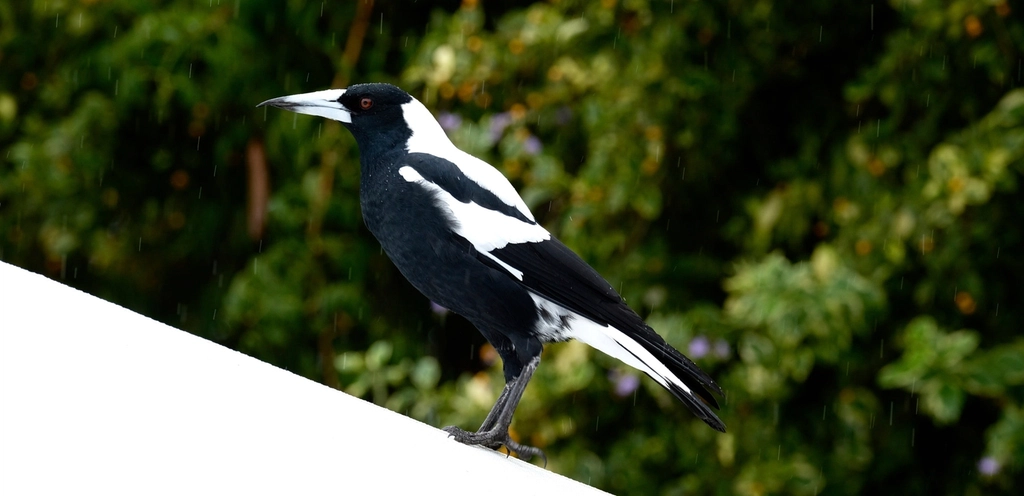 Photo Credit: Rawpixel
In the heart of sun-dappled woodlands and sprawling grasslands, the magpie, known scientifically as Pica pica, flits about with an air of confidence and curiosity. With its striking black and white plumage glistening in the sunlight, this bird is hard to miss. Its long, elegant tail trails behind like a banner, and its sharp, intelligent eyes seem to take in every detail of its surroundings. Magpies are not just beautiful; they are also incredibly smart, often recognized for their problem-solving skills and playful behavior. This combination of looks and brains has made them a subject of fascination for scientists and nature lovers alike.
As you watch a magpie hop from branch to branch, you might notice its lively antics—searching for food, engaging in playful chases with its companions, or even performing aerial acrobatics. These behaviors reveal a complex social structure and a keen adaptability to various environments. Magpies thrive in diverse habitats, from urban parks to rural fields, showcasing their ability to coexist with humans while maintaining their wild spirit. Their omnivorous diet, which includes everything from fruits and seeds to insects, allows them to flourish in many settings. With their vibrant personalities and essential role in the ecosystem, magpies invite us to explore the wonders of nature and the intricate connections that bind all living things.
The magpie, a striking bird known for its intelligence and adaptability, occupies a special place in the tree of life. Taxonomically, it belongs to the Kingdom Animalia, which includes all animals, and is classified under the Phylum Chordata, meaning it has a backbone. As a member of the Class Aves, or birds, the magpie showcases the unique characteristics of avian life, such as feathers and the ability to fly. Within the Order Passeriformes, which is the largest group of birds often referred to as perching birds, the magpie stands out in the Family Corvidae, known for its highly intelligent members like crows and ravens. This intelligence, along with its striking black and white plumage, makes the magpie a captivating subject of study in both nature and culture.
| Taxonomic Rank | Scientific Name | Meaning & Significance |
|---|---|---|
| Kingdom | Animalia | From the Latin word “animalis,” meaning “having breath,” highlighting the living nature of all animals. |
| Phylum | Chordata | Derived from the Greek word “chordē,” meaning “string,” referring to the notochord, a flexible rod that supports the body in the early stages of development. |
| Class | Aves | From the Latin word for “bird,” emphasizing the defining features of birds, such as feathers and beaks. |
| Order | Passeriformes | From the Latin “passer,” meaning “sparrow,” indicating the small, perching birds that make up this diverse group. |
| Family | Corvidae | Named after the Latin word “corvus,” meaning “raven,” this family includes some of the most intelligent birds. |
| Genus | Pica | Derived from the Latin word for “magpie,” which is thought to relate to the bird’s distinctive black and white coloring. |
The classification of the magpie reveals much about its evolutionary journey. As a member of the Corvidae family, it shares a lineage with other highly intelligent birds, suggesting that cognitive abilities have evolved in parallel among these species. The magpie’s adaptability to various environments and its complex social behaviors indicate a long history of evolution shaped by both natural selection and interactions with humans. This fascinating bird not only enriches our understanding of avian life but also serves as a reminder of the intricate connections that bind all living organisms in the tapestry of life.
The evolutionary journey of the magpie stretches back millions of years, weaving through the rich tapestry of avian history. These birds belong to the family Corvidae, which includes other intelligent species like crows and ravens. The magpie’s ancestors emerged during the late Eocene epoch, around 34 to 56 million years ago, a time when the Earth was undergoing significant climatic changes that shaped the habitats we see today.
The early ancestors of magpies were small, forest-dwelling birds that began to adapt to a variety of environments. Over time, they developed traits that allowed them to thrive in open landscapes, such as grasslands and urban areas. One major transition was the development of their distinctive black and white plumage, which not only serves as a form of camouflage but also plays a role in social signaling among their kind. As they evolved, magpies became increasingly social, forming complex relationships within their groups, which enhanced their survival in diverse habitats.
These adaptations have been crucial for the magpie’s survival. Their intelligence enables them to navigate challenges in their environment, while their adaptability allows them to exploit a wide range of habitats. Social behavior fosters cooperation, enhancing their ability to defend against threats. With their varied vocalizations, magpies maintain strong social bonds, and their flexible diet ensures they can find nourishment in changing conditions. Together, these traits have made magpies not just survivors, but thriving members of the avian world.
The magpie is a captivating bird that commands attention with its striking appearance. With a sleek body and a long, elegant tail, it presents a silhouette that is both graceful and dynamic. Its overall structure is designed for agility, allowing it to dart through trees and open spaces with ease. The combination of its glossy feathers and sharp features creates an impression of both beauty and intelligence, making it a standout in the avian world.
| Feature | Description |
|---|---|
| Weight | 200g – 250g (7oz – 9oz) |
| Skin Type | Feathers |
| Color | Black and white with iridescent blue-green highlights |
| Size | About 40-50 cm (15-20 inches) in length |
The magpie’s features work together in a remarkable way to enhance its survival. Its lightweight body allows for quick movements, while its striking coloration serves as both camouflage and a warning to potential predators. The iridescent feathers can reflect light, making it harder for enemies to spot the bird in dappled sunlight. Additionally, the magpie’s intelligence is reflected in its physical form, as its sharp beak is perfectly adapted for foraging and manipulating objects, showcasing the intricate relationship between its appearance and its behavior in the wild.
The magpie thrives in a variety of habitats that paint a picture of open spaces and vibrant life. Imagine walking through sun-dappled woodlands where trees stand tall, their branches swaying gently in the breeze. Picture expansive grasslands, where the golden grasses ripple like waves under the warm sun. These birds also find a home in savannas, where scattered trees provide both shelter and a vantage point for spotting potential food. This blend of open areas and scattered trees creates the perfect backdrop for the lively antics of the magpie.
Magpies are quite adaptable when it comes to climate and environmental conditions. They prefer areas that offer a mix of open space and some cover, allowing them to forage for food while also having places to hide from predators. These birds are often found in regions with moderate climates, where they can enjoy both warm summers and cool winters. They thrive in environments that provide a variety of food sources, from insects to seeds, which are abundant in their preferred habitats.
To make the most of their surroundings, magpies have developed several clever adaptations. Their intelligence allows them to navigate both natural and human-altered landscapes, making them comfortable in urban areas as well as rural ones. With their strong beaks, they can crack open tough seeds and even scavenge for scraps in cities. Their ability to thrive in diverse environments showcases their resourcefulness, making them a familiar sight in many parts of the world.
As the sun rises, the magpie begins its day with a series of lively activities. These birds are known for their curious nature, often hopping around their territory, searching for food. They enjoy a varied diet that includes insects, seeds, and even small fruits. Throughout the day, you might see them foraging on the ground or perched on a branch, scanning their surroundings with keen eyes. Their sharp intelligence allows them to adapt to different environments, making them skilled at finding food and avoiding danger.
Magpies are social birds, often seen in small groups, especially during the breeding season. They communicate with a range of vocalizations, from melodious calls to sharp warning sounds. These calls help them maintain their social bonds and alert others to potential threats. Within their groups, magpies display fascinating behaviors, such as grooming each other and sharing food. This social structure not only strengthens their relationships but also enhances their ability to thrive in the wild.
| Behavior Type | Description |
|---|---|
| Activity Patterns | Magpies are active during the day, foraging for food and exploring their environment. They often engage in playful activities, such as chasing each other or playing with objects. |
| Social Structure | While magpies can be solitary, they often form small groups, especially during breeding. These groups help them protect their territory and raise their young. |
| Communication Methods | Magpies use a variety of calls and body language to communicate. Their vocalizations can signal danger, attract mates, or establish territory. |
In the wild, these behaviors are crucial for survival. By foraging effectively and maintaining social connections, magpies can find food more easily and protect themselves from predators. Their intelligence and adaptability not only help them navigate their environment but also ensure that they thrive in diverse habitats. Each day is a new adventure, filled with opportunities to learn, explore, and connect with others in their world.
Magpies are omnivores, which means they eat a wide variety of foods. Their diet includes fruits, nuts, seeds, and insects, making them adaptable foragers. These clever birds use their sharp eyesight and keen intelligence to locate food in their environment. They often scavenge in gardens, fields, and even urban areas, showcasing their ability to thrive in different settings. With their curious nature, magpies are known to explore their surroundings, hopping from one spot to another in search of tasty treats.
| Dietary Aspect | Details |
|---|---|
| Diet Type | Omnivore |
| Favorite Foods | Fruits, nuts, seeds, and insects |
| Prey Items | Insects, small fruits, and seeds |
| Hunting/Foraging Strategies | Using sharp eyesight to spot food, hopping around to explore, and scavenging in various environments |
The diverse diet of the magpie plays a crucial role in its ecology and daily routine. By consuming a mix of plant and animal matter, these birds help control insect populations while also dispersing seeds, which supports plant growth in their habitats. Their foraging behavior not only keeps them well-fed but also encourages exploration and social interaction with other magpies. This adaptability in diet and behavior allows them to thrive in a variety of environments, making them a common sight in both rural and urban landscapes.
As spring approaches, magpies engage in a lively courtship dance that showcases their intelligence and social nature. Mating pairs often perform elaborate displays, including aerial acrobatics and synchronized movements. This bonding ritual strengthens their partnership, which is crucial for raising their young. The breeding season typically occurs between March and June, depending on the region, when the days grow longer and food becomes more abundant.
| Reproductive Aspect | Details |
|---|---|
| Gestation Period | Approximately 16 to 18 days |
| Litter Size | 3 to 7 eggs |
| Age of Maturity | 1 to 2 years |
| Name of Young | Chicks or nestlings |
Once the eggs hatch, both parents take an active role in caring for their chicks. They work together to feed their young, bringing them a variety of insects and other nutritious foods. The chicks grow quickly, developing feathers and strength as they prepare to leave the nest. After about three weeks, they fledge, or leave the nest, but parental care continues for several weeks as they learn to navigate their environment. This nurturing approach helps ensure that the young magpies grow into capable adults, ready to take on the world.
The magpie plays a vital role in the food web, acting as both a predator and prey. As an omnivore, it helps control insect populations while also providing food for larger animals. This dynamic position means that while magpies are clever and resourceful, they must constantly navigate a world filled with dangers.
To survive these threats, magpies have developed a range of defensive behaviors. They are known for their loud, raucous calls that can alert other birds to danger. When faced with predators, magpies often band together, using their numbers to intimidate and distract. Their intelligence also plays a crucial role; they can quickly learn to recognize individual threats and adapt their strategies accordingly. With these survival tactics, magpies continue to thrive in their environments, showcasing their resilience and adaptability.
A keystone species is a vital part of its ecosystem, one that has a disproportionately large impact on its environment relative to its abundance. The magpie, with its intelligence and adaptability, qualifies as a keystone species in many habitats. By influencing various ecological processes, it helps maintain the balance of its environment, making it an essential player in the natural world.
Magpies contribute to their ecosystems in several significant ways. As omnivores, they consume a diverse diet that includes fruits, nuts, seeds, and insects. This varied diet allows them to control insect populations, which can prevent outbreaks that might otherwise harm plants and other animals. Additionally, by foraging for seeds and fruits, magpies help in seed dispersal, promoting plant growth and diversity. This process is crucial for maintaining healthy ecosystems, as it allows new plants to take root and flourish.
Moreover, magpies are known to be scavengers, often cleaning up carrion and waste. This behavior not only helps keep their environment clean but also provides nutrients back to the soil, supporting plant life. Their presence can also attract other species, creating a more vibrant community of wildlife. For example, their loud calls and social interactions can signal the presence of food sources to other animals, fostering a sense of community among various species.
If magpies were to disappear from their ecosystems, the effects could be profound. Without these birds, insect populations could surge, leading to potential damage to crops and native plants. The absence of seed dispersal would hinder plant diversity, making ecosystems less resilient to changes. Additionally, the loss of scavenging behavior would result in more waste accumulating in the environment, disrupting nutrient cycles. Overall, the disappearance of magpies would create a ripple effect, altering the balance of their habitats and impacting many other species that rely on them.
The magpie is a fascinating bird that plays a crucial role in its ecosystem. As an omnivore, it thrives in open woodlands, grasslands, and savannas, where it forages for a variety of foods. This adaptability allows the magpie to fill an ecological niche that supports both plant and animal life. By scavenging and hunting, it helps maintain a balance in its environment, influencing the populations of insects and small animals.
| Ecosystem Service | Impact |
|---|---|
| Seed Dispersal | Helps in the growth of new plants by spreading seeds through its droppings. |
| Pest Control | Reduces insect populations by preying on them, which can benefit crops and gardens. |
| Scavenging | Cleans up dead animals and organic waste, preventing the spread of disease. |
| Habitat Creation | Builds nests in trees, which can provide shelter for other species. |
Magpies influence their surroundings in several specific ways. For instance, when they consume fruits and nuts, they often carry seeds away from the parent plant. This behavior not only aids in the dispersal of various plant species but also promotes biodiversity in their habitats. Additionally, by preying on insects, magpies help control pest populations, which can be particularly beneficial for farmers and gardeners. Their scavenging habits also contribute to a cleaner environment, as they consume carrion and organic waste, reducing the risk of disease.
The broader ecological importance of magpies cannot be overstated. As a keystone species, their presence significantly shapes the dynamics of their ecosystems. By influencing plant growth and animal populations, magpies help maintain the balance of life in their habitats. Their intelligence and adaptability allow them to thrive in changing environments, making them vital players in the intricate web of nature. In essence, magpies are not just birds; they are essential architects of their ecosystems, fostering a rich tapestry of life.
In the intricate web of nature, symbiosis refers to the close relationships between different species that can benefit one or both parties involved. These ecological partnerships can take various forms, including mutualism, where both species gain advantages; commensalism, where one benefits while the other is neither helped nor harmed; and parasitism, where one species benefits at the expense of the other. Magpies, with their keen intelligence and adaptability, engage in several fascinating partnerships that highlight the interconnectedness of life.
| Species/Type | Relationship Type | Description |
|---|---|---|
| Other birds (e.g., smaller songbirds) | Mutualistic | Magpies often help smaller birds by alerting them to predators. In return, these smaller birds may lead magpies to food sources, creating a beneficial alliance. |
| Livestock (e.g., cattle) | Commensal | Magpies are frequently seen around grazing livestock, where they feed on insects disturbed by the animals. The cattle are unaffected by the presence of magpies. |
| Parasites (e.g., ticks) | Parasitic | While magpies can be hosts to parasites like ticks, these parasites benefit at the magpie’s expense, drawing blood and potentially causing health issues. |
These relationships have evolved over time, shaped by the needs and behaviors of the species involved. Mutualistic partnerships, like those with smaller birds, showcase how cooperation can enhance survival for both parties. Meanwhile, the commensal relationship with livestock illustrates how magpies can thrive by taking advantage of other species’ activities without causing harm. On the flip side, parasitic relationships remind us that not all interactions are beneficial. Understanding these dynamics helps us appreciate the delicate balance of ecosystems and the roles that each species plays within them.
Magpies are not just ordinary birds; they are intelligent and curious creatures that have captured the attention of nature enthusiasts for centuries. Here are some surprising facts about these fascinating birds that showcase their unique behaviors and adaptations.
Throughout history, magpies have held a significant place in human culture and folklore. These striking birds, often recognized by their bold black and white plumage, have been featured in stories and myths across various civilizations. In many cultures, magpies are seen as symbols of good luck or omens, with their presence believed to bring fortune or misfortune. Ancient Romans considered them sacred, while in some Asian cultures, they are celebrated as harbingers of joy. This deep-rooted connection between magpies and humanity reflects our fascination with their intelligence and behavior, making them a subject of intrigue for generations.
In modern times, the relationship between magpies and humans has evolved, marked by both cooperation and conflict. As urban areas expand, magpies have adapted remarkably well, often thriving in human-dominated landscapes. This adaptability can lead to conservation efforts aimed at protecting their habitats, as well as challenges, such as conflicts with gardeners and farmers. Some people view magpies as pests due to their tendency to raid nests or scavenge for food. Interestingly, there are also efforts to domesticate these clever birds, as their intelligence makes them potential companions. This complex interaction showcases the dual nature of our relationship with magpies, where admiration and annoyance coexist.
Looking ahead, the future of the magpie-human relationship will likely continue to be shaped by our changing environments and attitudes. As urbanization increases, understanding and respecting the role of magpies in our ecosystems will be crucial. By fostering coexistence through conservation efforts and education, we can appreciate these intelligent birds while minimizing conflicts. The bond between magpies and humanity is a testament to the intricate connections we share with the natural world, reminding us that every species plays a part in the rich tapestry of life.
The conservation status of the magpie is currently classified as Near Threatened. This means that while the species is not yet endangered, it faces certain risks that could lead to a decline in its population if not addressed. Population trends indicate that magpies are experiencing some fluctuations, but they remain relatively stable in many areas. However, ongoing monitoring is essential to ensure their numbers do not dwindle further.
| Conservation Factor | Status/Details |
|---|---|
| IUCN Status | Near Threatened |
| Population Estimates | Approximately 1 million individuals |
| Trend Direction | Stable in some regions, declining in others |
One of the main threats to magpies comes from habitat loss, primarily due to urban development and agricultural expansion. As cities grow and fields are converted for farming, the open spaces that magpies rely on for foraging and nesting are diminished. Additionally, they face challenges from climate change, which can alter their habitats and food availability. Predation by domestic cats and other animals also poses a risk, particularly to young magpies.
Conservation efforts are underway to protect magpie populations and their habitats. Organizations are working to raise awareness about the importance of preserving open spaces and promoting biodiversity. By creating wildlife corridors and protecting natural areas, we can help ensure that magpies continue to thrive. With ongoing efforts and community involvement, the outlook for these intelligent birds remains hopeful, as they adapt to changing environments while still captivating our imaginations.
| Question | Answer |
|---|---|
| What is the habitat of a Magpie? | Magpies thrive in open woodlands, grasslands, and savannas. These environments provide them with plenty of space to forage for food and build their nests. |
| What do Magpies eat? | Magpies are omnivores, which means they eat both plants and animals. Their diet includes insects, small mammals, fruits, and seeds, making them adaptable to different food sources. |
| How do Magpies behave? | Magpies are known for their intelligence and social behavior. They often live in groups and communicate with a variety of calls, showcasing their complex social structures. |
| How do Magpies reproduce? | During the breeding season, Magpies build large nests in trees or shrubs. The female lays about 5 to 7 eggs, which both parents help to incubate until they hatch. |
| What threats do Magpies face? | Magpies are currently listed as Near Threatened due to habitat loss and changes in land use. They also face threats from predators and human activities that disrupt their nesting sites. |
| What are some interesting characteristics of Magpies? | Magpies are known for their striking black and white plumage, which can shimmer with iridescent colors in the sunlight. They are also famous for their ability to mimic sounds, including human voices! |
| Can Magpies recognize themselves in a mirror? | Yes, Magpies are one of the few non-mammal species that can recognize themselves in a mirror. This ability indicates a high level of self-awareness and intelligence. |