Taxonomy & Classification
- Kingdom
- Animalia
- Phylum
- Chordata
- Class
- Mammalia
- Order
- Carnivora
- Family
- Canidae
- Genus
- Canis
- Species
- Canis lupus

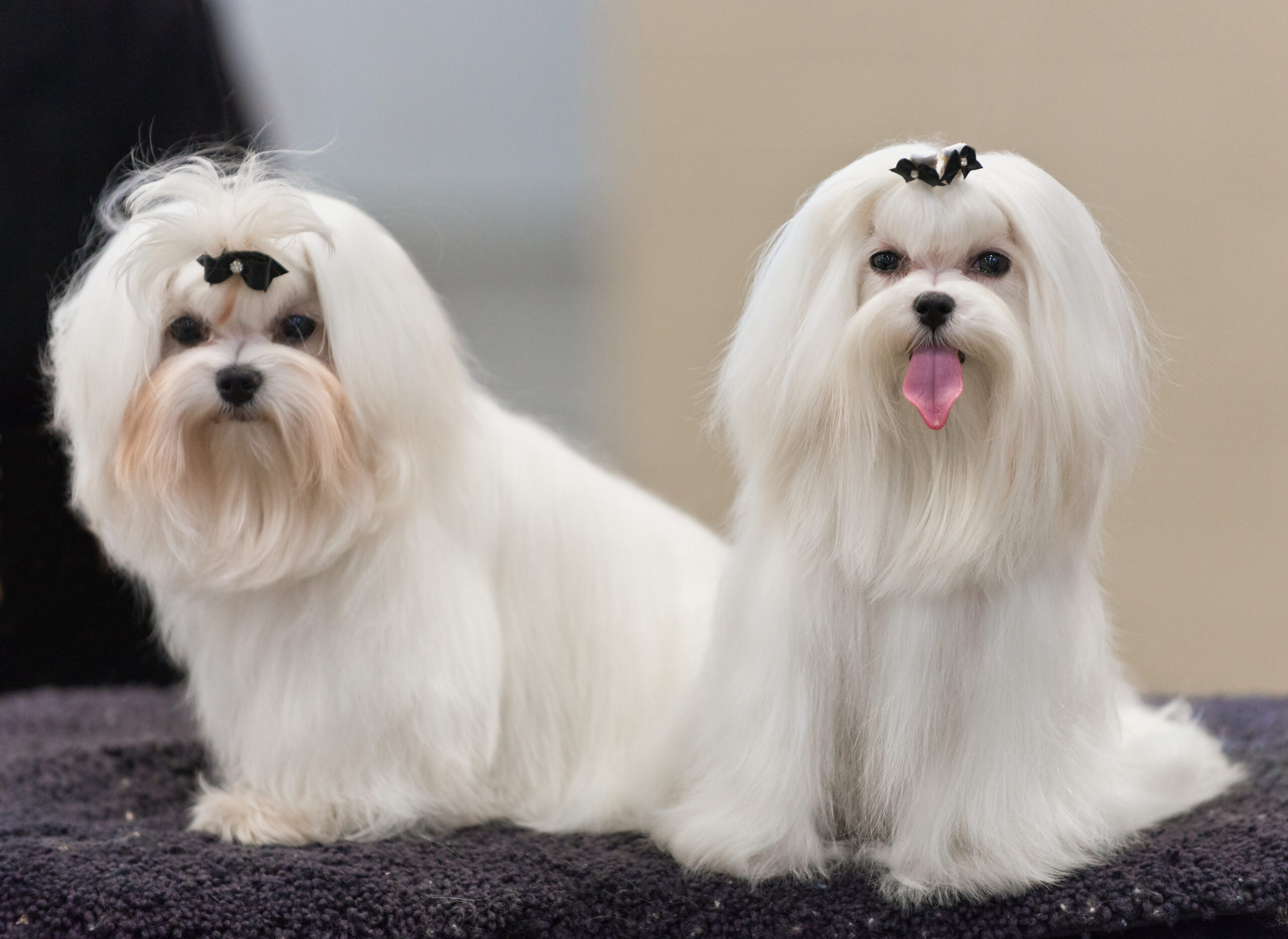 Photo Credit: Flickr upload bot / Wikimedia Commons
In the sun-drenched streets of Valletta, Malta, the Maltese dog, scientifically known as Canis lupus familiaris, prances with an air of elegance and charm. With its long, flowing white coat that glistens like freshly fallen snow, this small breed captures the hearts of everyone it meets. Standing at just about 8 to 10 inches tall and weighing around 3 kilograms, the Maltese is a delightful bundle of energy, often seen darting playfully between the cobblestones, its tail wagging in excitement. This spirited little dog is not just a pretty face; it has a rich history that dates back thousands of years, making it a fascinating subject for both scientists and dog lovers alike.
The Maltese is known for its affectionate nature and lively personality, traits that have endeared it to families and individuals around the world. Its playful antics and boundless energy make it a beloved companion, while its keen intelligence and adaptability allow it to thrive in various environments, especially urban settings. As we explore the world of the Maltese, we will uncover its unique characteristics, its role in human history, and the special bond it shares with people. Join us on this adventure to learn more about this charming breed and the delightful life it leads!
The Maltese, a charming and spirited dog breed, holds a special place in the animal kingdom. Taxonomically, it belongs to the Kingdom Animalia, which includes all animals, and is classified under the Phylum Chordata, meaning it has a backbone. This little dog is part of the Class Mammalia, indicating it is a mammal that nurses its young with milk. Within the Order Carnivora, which includes meat-eating animals, the Maltese is a member of the Family Canidae, the group that encompasses dogs, wolves, and foxes. Its Genus, Canis, is where it shares its lineage with other domestic dogs. What makes the Maltese particularly captivating is its long, flowing coat and playful personality, traits that have endeared it to families around the world.
| Taxonomic Rank | Scientific Name | Meaning & Significance |
|---|---|---|
| Kingdom | Animalia | This name comes from the Latin word “animalis,” meaning “having breath” or “living.” It signifies all living creatures that breathe and move. |
| Phylum | Chordata | Derived from the Latin “chorda,” meaning “string” or “cord,” this term refers to animals with a notochord, a flexible rod that supports the body, which in vertebrates becomes the backbone. |
| Class | Mammalia | This name comes from the Latin “mamma,” meaning “breast,” highlighting the defining feature of mammals: the ability to nurse their young with milk. |
| Order | Carnivora | From the Latin “carnivorus,” meaning “meat-eater,” this classification includes animals that primarily consume meat, although many have adapted to a varied diet. |
| Family | Canidae | This name is derived from the Latin “canis,” meaning “dog.” It encompasses all dog-like mammals, emphasizing their shared characteristics and behaviors. |
| Genus | Canis | Also from the Latin “canis,” this term specifically refers to the dog lineage, highlighting the Maltese’s close relationship with other domestic dogs. |
Understanding the Maltese’s classification reveals much about its evolutionary journey. As a member of the Canidae family, it shares a common ancestor with wolves and other canines, showcasing the adaptability and diversity of the dog lineage. The Maltese’s unique traits, such as its affectionate nature and distinctive coat, have been shaped by centuries of selective breeding, reflecting the bond between humans and dogs. This classification not only highlights its biological connections but also tells a story of companionship and loyalty that has evolved alongside us.
The Maltese dog, known for its playful personality and luxurious white coat, has a rich evolutionary history that stretches back thousands of years. This breed is believed to have originated in the Mediterranean region, particularly on the island of Malta, where it has been cherished as a companion animal since ancient times. The timeline of the Maltese’s evolution reveals a journey shaped by human interaction, selective breeding, and environmental adaptations.
The ancestors of the Maltese are thought to be small, toy-like dogs that roamed the Mediterranean, possibly related to ancient breeds like the Bichon and the Italian Greyhound. Over time, these early canines underwent significant changes as they were bred for companionship and aesthetics. The Maltese’s small size and friendly demeanor made it a favorite among nobility, leading to further refinement of its traits. As humans sought to create a dog that was not only adorable but also a loyal companion, the Maltese evolved into the breed we recognize today, characterized by its long, flowing coat and lively spirit.
These adaptations have played a crucial role in the Maltese’s survival and popularity. Its small size allows it to thrive in urban environments, while its friendly nature ensures it remains a beloved companion. The long coat, though requiring grooming, serves as a testament to its beauty and adaptability. By being vocal and intelligent, the Maltese not only entertains but also protects its family, solidifying its place as a cherished member of households around the world. Through centuries of evolution, the Maltese has proven to be more than just a pretty face; it is a resilient breed that has adapted beautifully to the changing needs of its human companions.
The Maltese is a small yet striking dog that captures attention with its elegant presence. With a weight of just around 3 kilograms (7 pounds), this breed is light and nimble, making it an agile companion. Its body is compact and well-proportioned, featuring a slightly rounded skull and a short, straight back. The Maltese’s most eye-catching feature is its long, flowing coat, which drapes gracefully to the ground, creating a stunning visual effect. This luxurious white fur not only adds to its charm but also gives the breed a regal appearance, making it a favorite among dog lovers.
| Feature | Description |
|---|---|
| Weight | 3 kg (7 lbs) |
| Skin Type | Hair |
| Coat Color | Pure white |
| Body Structure | Compact and well-proportioned |
| Head Shape | Rounded skull |
The Maltese’s physical features work together beautifully, enhancing both its aesthetic appeal and functionality. The long, silky coat serves as a protective layer, keeping the dog warm in cooler temperatures while also providing a barrier against minor scrapes and irritants. Its small size allows for easy maneuverability, making it well-suited for life in various environments, from bustling city streets to cozy homes. This combination of traits not only makes the Maltese a delightful companion but also equips it to thrive in diverse settings, showcasing the breed’s adaptability and charm.
The Maltese dog thrives in a variety of environments, but it is most commonly found in urban settings where it can enjoy the company of people. These small dogs are often seen in cozy homes, bustling city streets, and parks, where they can socialize and play. Their charming personalities make them popular companions, and they adapt well to life in apartments or houses, as long as they have plenty of love and attention.
Maltese dogs prefer a temperate climate, which means they enjoy mild weather without extreme heat or cold. They are sensitive to temperature changes, so they thrive in environments where they can stay comfortable. A moderate climate allows them to enjoy outdoor activities without the risk of overheating or getting too chilly. They also appreciate a clean and safe environment, which is why they are often found in well-kept neighborhoods.
To flourish in their habitats, Maltese dogs have developed a few clever adaptations. Their long, flowing coats not only add to their beauty but also provide some protection against the elements. While they may not be suited for harsh weather, their playful and social nature helps them bond with their human companions, ensuring they receive the care and warmth they need. This breed’s ability to adapt to various living situations, from city apartments to suburban homes, showcases their versatility and charm.
The Maltese dog leads a lively and engaging daily life, filled with playful antics and affectionate interactions. Each day begins with a burst of energy, as these small dogs eagerly greet their owners with wagging tails and excited barks. Their mornings often include a brisk walk, where they explore their surroundings, sniffing out new scents and meeting other dogs. Throughout the day, they enjoy playtime, whether it’s chasing after toys or engaging in games of fetch. Their keen intelligence keeps them alert and curious, making every moment an opportunity for exploration and fun.
Social behavior is a cornerstone of the Maltese’s daily routine. These dogs thrive on companionship, forming strong bonds with their human families and often getting along well with other pets. They are known for their friendly demeanor, which makes them excellent socializers. Maltese dogs communicate through a variety of methods, including barking, body language, and even facial expressions. Their playful nature encourages interaction, and they often seek out attention and affection, making them delightful companions in any household.
| Behavior Type | Description |
|---|---|
| Activity Patterns | Maltese dogs are active and playful, enjoying regular walks and play sessions throughout the day. They thrive on routine, which includes exercise and mental stimulation. |
| Social Structure | These dogs are highly social and prefer to be around people and other pets. They often form close bonds with their families and can experience separation anxiety if left alone for too long. |
| Communication Methods | Maltese communicate through barking, body language, and facial expressions. They use these methods to express excitement, alertness, or the need for attention. |
The behaviors of the Maltese are not just charming; they play a vital role in their survival and happiness. By being social and interactive, they ensure they remain part of their human families, which provides them with love, care, and protection. Their playful nature and communication skills help them navigate their environment, making them not only delightful companions but also resilient little dogs in a world that thrives on connection and interaction.
The Maltese dog is an omnivore, which means it enjoys a varied diet that includes both plant and animal-based foods. This breed thrives on a combination of high-quality dog food, which often contains meat, grains, and vegetables. Maltese dogs are known for their discerning palates, often favoring tasty treats like chicken, beef, and fish. Their feeding behavior is influenced by their playful and curious nature, leading them to explore different flavors and textures in their meals.
| Dietary Aspect | Details |
|---|---|
| Diet Type | Omnivore |
| Favorite Foods | Chicken, beef, fish, vegetables |
| Prey Items | Small insects and rodents (in a natural setting) |
| Hunting/Foraging Strategies | Scavenging and exploring for food |
The diet of the Maltese not only supports its energetic lifestyle but also plays a crucial role in its overall health and well-being. By consuming a balanced mix of nutrients, these dogs maintain their playful demeanor and shiny coats. Their daily routine often includes mealtime as a social event, where they bond with their owners over shared moments. This connection to food and family enriches their lives, making them not just pets, but cherished companions.
Maltese dogs have a delightful mating behavior that often reflects their playful and affectionate nature. The breeding season for these small dogs typically occurs twice a year, usually in the spring and fall. During this time, males will display charming courtship rituals, such as playful barking and gentle nuzzling, to attract females. Once a female Maltese is in heat, she becomes receptive to mating, and the pair will engage in a series of affectionate interactions that strengthen their bond.
| Reproductive Aspect | Details |
|---|---|
| Gestation Period | Approximately 63 days |
| Litter Size | 1 to 4 puppies |
| Age of Maturity | 6 to 12 months |
| Name of Young | Puppies |
Once the puppies are born, the Maltese mother takes on the role of a dedicated caregiver. She provides warmth, nourishment, and protection to her young, ensuring they thrive in their early days. The puppies are born blind and deaf, relying entirely on their mother for survival. As they grow, they begin to open their eyes and ears, exploring their surroundings with curiosity. By the time they reach maturity, usually around six to twelve months, they are ready to embrace the world as lively and affectionate companions, just like their parents. The bond between the mother and her puppies is strong, filled with love and nurturing, setting the stage for their future relationships with humans and other pets.
The Maltese dog, while adored for its charming personality and fluffy white coat, occupies a unique position in the human-dominated food web. Unlike wild animals that face natural predators, the Maltese primarily encounters threats from the environment and human activities. These small dogs are not at the top of the food chain, but rather rely on their companionship with humans for safety and security. However, they can still face dangers that require awareness and protection.
To defend themselves against these threats, Maltese dogs have developed several survival strategies. Their small size allows them to be quick and agile, making it easier to escape from potential dangers. Additionally, they often rely on their strong bond with humans for protection, as owners are typically vigilant about their safety. When faced with larger animals, a Maltese may use its loud bark to alert its owner or scare off intruders. This combination of agility, vocalization, and human companionship helps ensure that these delightful dogs can navigate their world with a bit of confidence and charm.
A keystone species is an organism that plays a critical role in maintaining the structure of an ecosystem. Its presence or absence can significantly impact the environment and the other species that inhabit it. While the Maltese dog is beloved for its companionship and charm, it does not qualify as a keystone species. This small breed, primarily found in urban settings, does not exert the same ecological influence as animals that are integral to their ecosystems, such as predators or large herbivores.
The Maltese dog, being a domesticated pet, interacts with its environment mainly through its relationship with humans. While it may not directly affect the ecosystem in the way a keystone species would, it does contribute to the social fabric of urban life. For example, Maltese dogs often encourage their owners to engage in outdoor activities, promoting a healthier lifestyle. This interaction can lead to increased green space usage, which benefits local flora and fauna.
Moreover, the presence of Maltese dogs in neighborhoods can foster community connections. When people walk their dogs, they often meet and socialize with others, creating a sense of community. This social interaction can lead to greater awareness of local wildlife and environmental issues, indirectly supporting conservation efforts.
If the Maltese were to disappear, the immediate impact on the ecosystem would be minimal, as they do not play a direct role in ecological processes. However, the loss of this breed could lead to a decrease in community engagement and social interaction among pet owners. This could result in less awareness of environmental issues and a decline in the communal spirit that often arises from shared experiences with pets. While the Maltese may not be a keystone species, its absence would still be felt in the hearts of those who cherish their companionship.
The Maltese dog, while primarily known as a beloved companion, plays an intriguing role in shaping its ecosystem, particularly in urban environments. As a small, omnivorous breed, the Maltese contributes to the balance of its surroundings through its interactions with humans and other animals. Its presence encourages social connections and promotes a sense of community, which can lead to increased green spaces and pet-friendly areas. This breed’s playful nature and adaptability make it a delightful addition to households, influencing the dynamics of urban living.
| Ecosystem Service | Impact |
|---|---|
| Companionship | Enhances human well-being and social interactions. |
| Pollinator Support | Encourages gardens and green spaces that attract pollinators. |
| Waste Management | Contributes to nutrient cycling through its omnivorous diet. |
| Community Engagement | Promotes outdoor activities and social gatherings. |
The Maltese’s influence extends beyond companionship. For instance, their presence often leads to the creation of pet-friendly parks and gardens, which not only benefit dogs but also attract various wildlife, including birds and beneficial insects. These green spaces can become vital habitats for pollinators, such as bees and butterflies, which are essential for plant reproduction. Additionally, as Maltese dogs enjoy exploring their surroundings, they help to spread seeds and nutrients through their waste, contributing to the health of local flora.
In a broader ecological context, the Maltese serves as a reminder of the interconnectedness of species within urban ecosystems. By fostering relationships between humans and nature, this breed encourages a more sustainable lifestyle. The joy and companionship they provide can inspire people to engage in conservation efforts, creating a ripple effect that benefits not only the Maltese but also the diverse array of life that shares its environment. In this way, the Maltese dog exemplifies how even the smallest of creatures can have a significant impact on the world around them.
In the intricate web of life, symbiosis refers to the close and often long-term interactions between different species. These relationships can take many forms, including mutualism, where both species benefit, parasitism, where one benefits at the expense of the other, and commensalism, where one benefits while the other is neither helped nor harmed. Understanding these ecological relationships helps us appreciate how species, including the Maltese dog, interact with their environment and each other.
| Species/Type | Relationship Type | Description |
|---|---|---|
| Humans | Mutualistic | Maltese dogs provide companionship and emotional support to humans, while humans offer food, shelter, and care in return. |
| Fleas | Parasitic | Fleas can infest Maltese dogs, feeding on their blood and causing discomfort and health issues. |
| Household pets (like cats) | Commensal | Maltese dogs may coexist with other pets, benefiting from social interactions without significantly affecting the other animals. |
These relationships have evolved over time, shaped by the needs and behaviors of the species involved. The bond between Maltese dogs and humans is a prime example of mutualism, where both parties gain from their interaction. As these small dogs became cherished companions, they adapted to thrive in human environments, while humans found joy and companionship in their playful nature. Meanwhile, the presence of parasites like fleas highlights the challenges that can arise in these relationships, reminding us that not all interactions are beneficial. Understanding these dynamics enriches our appreciation for the Maltese and the diverse connections within the animal kingdom.
The Maltese dog is not just a pretty face; it has a fascinating history and a personality that can surprise even the most seasoned dog lovers. This small breed, known for its fluffy white coat and lively spirit, has some intriguing traits that make it stand out in the canine world.
The Maltese dog has woven itself into the fabric of human history for centuries, serving as a beloved companion and a symbol of luxury. Originating from the Mediterranean region, this breed has been cherished by royalty and commoners alike. Its charming personality and striking appearance have made it a favorite in art and literature, often depicted alongside noble figures. The Maltese has not only provided companionship but has also played a role in cultural traditions, showcasing the deep bond between humans and animals throughout history.
Today, the relationship between Maltese dogs and humans continues to evolve. These small, affectionate dogs are often found in urban settings, where they thrive on human interaction. Maltese are known for their playful nature, making them excellent therapy animals that bring joy to hospitals and nursing homes. However, challenges exist as well. Issues like overbreeding can lead to health problems, and some Maltese may face abandonment or neglect. As awareness grows, many organizations are working to promote responsible pet ownership and ensure that these delightful dogs receive the care they deserve.
As we look to the future, the relationship between Maltese dogs and humanity holds great promise. With ongoing education about responsible pet ownership and the importance of adoption, more Maltese can find loving homes. Advances in veterinary care will also help ensure these dogs live longer, healthier lives. By nurturing this bond, we can continue to celebrate the joy and companionship that Maltese dogs bring to our lives, enriching both our hearts and our communities.
The Maltese dog, with its charming personality and elegant appearance, currently holds a conservation status of “Not Listed” according to the International Union for Conservation of Nature (IUCN). This means that the breed is not considered endangered or threatened at this time. However, population trends can fluctuate, and while the Maltese remains popular as a companion animal, it is essential to monitor its numbers to ensure that it continues to thrive in the future.
| Conservation Factor | Status/Details |
|---|---|
| IUCN Status | Not Listed |
| Population Estimates | Stable but variable |
| Trend Direction | Stable |
Despite its current stable status, the Maltese faces several challenges that could impact its future. One of the main threats is the risk of overbreeding, which can lead to health issues and genetic problems. Additionally, as a popular breed, Maltese dogs are sometimes targeted by irresponsible breeders who prioritize profit over the well-being of the animals. This can result in puppies that are not properly socialized or cared for, affecting their health and temperament.
Conservation efforts for the Maltese primarily focus on responsible breeding practices and education for potential owners. Organizations dedicated to dog welfare work tirelessly to promote ethical breeding and to ensure that Maltese dogs are raised in loving environments. The outlook for the breed remains positive, as long as enthusiasts and advocates continue to champion the health and happiness of these delightful companions. By fostering a community that values responsible pet ownership, the Maltese can continue to flourish as a cherished member of many families.
| Question | Answer |
|---|---|
| What is the natural habitat of the Maltese? | The Maltese is a small dog breed that primarily lives in human homes as a companion. They thrive in various environments, from apartments to houses with yards, as long as they receive plenty of love and attention. |
| What do Maltese dogs eat? | Maltese are omnivores, which means they eat both plant and animal-based foods. A balanced diet for a Maltese typically includes high-quality dog food, fresh fruits, and vegetables, ensuring they get the nutrients they need to stay healthy. |
| What is the behavior of a Maltese like? | Maltese dogs are known for their friendly and playful nature. They are affectionate and enjoy being around people, making them great companions for families and individuals alike. |
| How do Maltese reproduce? | Maltese dogs reproduce like most mammals, with a gestation period of about 63 days. A female Maltese typically gives birth to a small litter of one to three puppies, which are born blind and helpless, relying on their mother for care. |
| What threats do Maltese face? | While Maltese dogs are not listed as endangered, they can face threats from health issues like dental problems and patellar luxation, which is when the kneecap dislocates. Regular veterinary check-ups and proper care can help mitigate these risks. |
| What are some interesting characteristics of the Maltese? | The Maltese is famous for its long, silky white coat, which requires regular grooming to keep it looking its best. They are also known for their lively personality and intelligence, making them quick learners and fun to train. |
| How much exercise do Maltese dogs need? | Maltese dogs are small but energetic, needing regular exercise to stay healthy and happy. A couple of short walks each day, along with playtime, is usually enough to keep them active and engaged. |