Taxonomy & Classification
- Kingdom
- Animalia
- Phylum
- Chordata
- Class
- Mammalia
- Order
- Primates
- Family
- Callitrichidae
- Genus
- Callithrix
- Species
- Callihrix jacchus

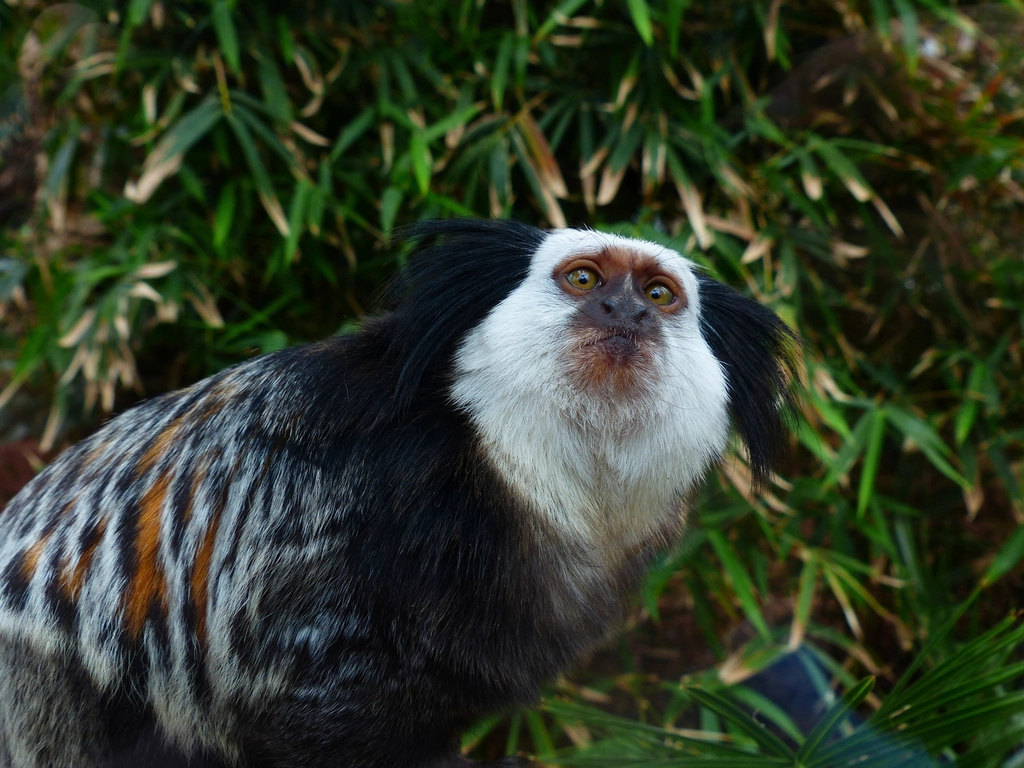 Photo Credit: Rawpixel
In the heart of South America’s lush rainforests, the marmoset, scientifically known as Callithrix, swings gracefully from branch to branch, a tiny dynamo of energy and curiosity. With its striking fur, often a mix of golden and brown hues, and its expressive face framed by tufted ears, this small primate captures the attention of anyone lucky enough to spot it. Marmosets are not just adorable; they are fascinating creatures that intrigue scientists and nature lovers alike with their complex social structures and playful behaviors.
As the sun filters through the dense canopy, illuminating the vibrant greens and browns of their habitat, marmosets can be seen foraging for insects, fruits, and tree sap. Their agile bodies are perfectly adapted for life in the trees, where they leap and climb with remarkable skill. These lively primates live in family groups, showcasing a strong sense of community that includes cooperative care of their young. This social behavior, along with their unique vocalizations and interactions, makes marmosets a captivating subject for research and observation. As we delve deeper into the world of marmosets, we will explore their diet, habitat, and the vital role they play in their ecosystem, revealing just how essential these small primates are to the rich tapestry of life in the rainforest.
Marmosets are small, lively primates that hold a special place in the animal kingdom. They belong to the family Callitrichidae, which is known for its diverse and social members. What sets marmosets apart is their unique social structure and behaviors, such as cooperative breeding, where multiple adults help care for the young. This fascinating trait not only strengthens family bonds but also showcases the complexity of their social interactions. Marmosets are often characterized by their tufted ears and expressive faces, making them a delightful sight in the lush canopies of their tropical habitats.
| Taxonomic Rank | Scientific Name | Meaning & Significance |
|---|---|---|
| Kingdom | Animalia | This name comes from the Latin word “animalis,” meaning “having breath” or “living.” It signifies all living organisms that are not plants or fungi, highlighting the vibrant diversity of life. |
| Phylum | Chordata | Derived from the Greek word “chordē,” meaning “string,” this term refers to animals that have a notochord, a flexible rod that supports the body. In marmosets, this structure is present during their early development. |
| Class | Mammalia | This name comes from the Latin “mamma,” meaning “breast,” which refers to the mammary glands that female mammals use to feed their young. Marmosets, like all mammals, nurse their babies, showcasing this essential characteristic. |
| Order | Primates | From the Latin word “primus,” meaning “first,” this classification includes humans, apes, monkeys, and prosimians. It highlights the advanced cognitive abilities and social structures found in these animals, including marmosets. |
| Family | Callitrichidae | This name is derived from the Greek words “kallos,” meaning “beautiful,” and “thrix,” meaning “hair.” It reflects the striking appearance of these small primates, often adorned with soft fur and expressive features. |
| Genus | Callithrix | From the Greek “kallos” for “beautiful” and “thrix” for “hair,” this name emphasizes the appealing physical traits of marmosets, particularly their charming fur and lively expressions. |
Understanding where marmosets fit in the tree of life reveals much about their evolutionary journey. As members of the primate order, they share a common ancestor with humans and other primates, which explains their complex social behaviors and adaptability. Their classification within the family Callitrichidae highlights their unique adaptations, such as their small size and cooperative breeding strategies. This evolutionary history not only connects them to a broader family of primates but also emphasizes the intricate web of life that continues to evolve in our world today.
The evolutionary journey of marmosets stretches back millions of years, weaving through the dense forests of South America. These small primates belong to the family Callitrichidae, which emerged around 40 million years ago. As the world changed, so did the ancestors of marmosets, adapting to new environments and challenges, leading to the vibrant species we see today.
Marmosets share a common ancestor with other primates, but their path diverged as they adapted to life in the trees. Early primates were likely small, insect-eating creatures that thrived in the lush canopies. Over time, marmosets developed traits that helped them navigate their arboreal homes. One significant transition was the shift from solitary living to forming tight-knit family groups. This social structure not only provided safety in numbers but also enhanced their ability to find food and care for their young.
These adaptations have been vital for marmosets, enabling them to flourish in the complex ecosystems of the rainforest. Their small size and agility help them evade predators, while their social structures enhance their chances of survival. By being adaptable and resourceful, marmosets continue to thrive, showcasing the incredible power of evolution in shaping life on Earth.
Marmosets are enchanting little primates that capture the imagination with their lively antics and charming appearance. Their small, long-tailed bodies are perfectly designed for life in the trees, where they leap and swing with agility. With a weight ranging from just 3.5 to 13 ounces, they are light enough to navigate the branches effortlessly. Their expressive faces, often adorned with tufts of fur around their ears, give them a curious and playful look that invites you to learn more about their world.
| Feature | Description |
|---|---|
| Size | 3.5 to 13 ounces |
| Skin Type | Fur |
| Most Distinctive Feature | Small long-tailed body with non-opposable thumbs |
The combination of their lightweight bodies and long tails allows marmosets to be agile climbers, darting through the treetops in search of food and safety. Their non-opposable thumbs, while not suited for grasping like those of some other primates, help them cling to branches and navigate their arboreal homes. This unique physical structure, along with their fur that provides warmth and camouflage, plays a crucial role in their survival, allowing them to thrive in the lush, vibrant ecosystems of South America.
In the heart of South America, marmosets find their home in lush tropical forests and vibrant rainforests. These habitats are alive with the sounds of chirping birds, rustling leaves, and the gentle trickle of streams. Towering trees create a green canopy that filters sunlight, casting playful shadows on the forest floor. Here, marmosets leap from branch to branch, their agile bodies perfectly suited for navigating the intricate maze of vines and foliage.
The climate in these regions is typically warm and humid, with temperatures often ranging from 70 to 90 degrees Fahrenheit. Rainfall is abundant, providing the moisture that keeps the forest thriving. This environment supports a rich diversity of plant and animal life, creating a vibrant ecosystem where marmosets can thrive. The combination of dense vegetation and plentiful food sources, such as fruits and insects, makes these tropical forests an ideal home for these playful primates.
Marmosets have adapted beautifully to their forest habitats. Their sharp claws and strong limbs allow them to climb and cling to branches with ease. They have also developed a social structure that helps them navigate their environment, often living in small family groups that work together to find food and stay safe from predators. Their keen sense of hearing and vocal communication help them stay connected in the dense foliage, ensuring that they can thrive in the bustling life of the rainforest.
Marmosets lead an active and engaging daily life, filled with exploration and social interaction. As the sun rises, these small primates awaken in their tree canopies, ready to forage for food. Their diet mainly consists of fruits, insects, and tree sap, which they skillfully extract using their sharp teeth. Throughout the day, marmosets engage in playful activities, climbing and leaping from branch to branch, showcasing their agility and curiosity. They are most active during the day, taking advantage of the warm sunlight to socialize and search for food.
Social behavior is a cornerstone of marmoset life. These primates live in family groups, known as troops, which can consist of up to 15 individuals. Within these troops, marmosets display a strong social structure, often led by a dominant breeding pair. They communicate through a variety of vocalizations, including chirps and whistles, which help maintain group cohesion and alert others to potential dangers. Grooming is another important social activity, as it strengthens bonds between members and keeps their fur clean and free of parasites.
| Behavior Type | Description |
|---|---|
| Foraging | Marmosets search for fruits, insects, and tree sap, using their sharp teeth to access food sources. |
| Social Structure | Troops are led by a dominant breeding pair, with strong bonds among family members. |
| Communication | Vocalizations like chirps and whistles help marmosets stay connected and alert to threats. |
| Grooming | Members groom each other to strengthen social bonds and maintain hygiene. |
These behaviors are not just for fun; they play a vital role in the survival of marmosets. By living in troops, they can better protect each other from predators and share the responsibilities of foraging and caring for young. Their communication skills ensure that everyone is aware of their surroundings, while grooming fosters strong relationships that are essential for group cohesion. In the vibrant world of marmosets, every activity contributes to their thriving existence in the lush forests of South America.
Marmosets are omnivores, which means they enjoy a varied diet that includes both plants and animals. These lively little primates are known for their energetic foraging behavior, often seen leaping from branch to branch in search of tasty treats. Their diet primarily consists of fruits, but they also indulge in insects, small vertebrates, and even the occasional snail or frog. This diverse menu helps them thrive in their lush forest homes, where food sources can change with the seasons.
| Dietary Aspect | Details |
|---|---|
| Diet Type | Omnivore |
| Favorite Foods | Fruits, insects, and small vertebrates |
| Prey Items | Frogs, snails, lizards, spiders, and various insects |
| Hunting/Foraging Strategies | Leaping through trees, using their keen eyesight to spot food |
The marmoset’s diet plays a crucial role in its ecology and daily routine. By consuming a wide range of foods, they help control insect populations and disperse seeds, contributing to the health of their forest environment. Their foraging habits also keep them active and social, as they often search for food in groups, sharing their finds and strengthening their bonds. This dynamic lifestyle not only supports their survival but also enriches the vibrant ecosystems they inhabit.
Marmosets have a captivating mating behavior that often takes place during specific breeding seasons, which can vary depending on their environment. These small primates are known for their strong social bonds, and this extends to their reproductive habits. Mating typically involves elaborate displays of affection, including grooming and vocalizations. Once a pair has formed a bond, they will mate, leading to the exciting journey of parenthood.
| Reproductive Aspect | Details |
|---|---|
| Gestation Period | 4-5 months |
| Litter Size | 1-2 babies |
| Age of Maturity | 477 days for females; 382 days for males |
| Name of Young | Baby |
Once the babies are born, marmoset parents exhibit remarkable care and nurturing behaviors. Both the mother and father play active roles in raising their young, often sharing the responsibilities of feeding and protecting them. The babies are born helpless and rely entirely on their parents for warmth and nourishment. As they grow, they begin to explore their surroundings, learning essential skills from their parents. This close-knit family structure helps the young marmosets develop into well-adjusted adults, ready to join the vibrant social groups that define their species.
Marmosets play a vital role in their ecosystem, often found high in the trees of South American rainforests. As small primates, they are part of a complex food web, where they serve as both prey and foragers. Their diet includes fruits, insects, and small animals, making them important for seed dispersal and maintaining the health of their forest habitats. However, their small size also makes them vulnerable to various predators and environmental threats.
To survive against these dangers, marmosets have developed several clever strategies. They often live in groups, which helps them keep watch for predators. Their agility allows them to leap between branches quickly, making it harder for predators to catch them. Additionally, their small size enables them to hide in dense foliage, blending into their surroundings. By staying alert and using their social structure, marmosets can navigate the challenges of their environment and continue to thrive in the wild.
A keystone species is a vital part of its ecosystem, meaning its presence has a significant impact on the environment and other species. Marmosets, small and lively primates found in the tropical forests of South America, can indeed be considered a keystone species. Their activities and interactions with their habitat and fellow creatures help maintain the balance of their ecosystem.
Marmosets play a crucial role in seed dispersal, which is essential for plant reproduction. As they forage for fruits and insects, they consume seeds and later excrete them in different locations. This process helps to spread various plant species throughout the forest, promoting biodiversity. More plant species mean a healthier ecosystem, as diverse plants provide food and shelter for many other animals.
Additionally, marmosets are social animals that live in troops, which enhances their ecological impact. Their group behavior encourages foraging in different areas, allowing them to access a wider range of food sources. This not only benefits the marmosets but also influences the distribution of other species that rely on the same food resources. By interacting with their environment in such a dynamic way, marmosets help create a thriving community of plants and animals.
Moreover, marmosets serve as prey for larger predators, such as birds of prey and snakes. Their presence supports the food web, ensuring that these predators have a reliable food source. If marmosets were to disappear, it could lead to a decline in predator populations, which would further disrupt the balance of the ecosystem.
If marmosets were to vanish from their habitats, the consequences would ripple through the ecosystem. Without them, many plant species might struggle to reproduce, leading to a decline in forest diversity. This loss would affect countless other animals that depend on those plants for food and shelter. The entire balance of the tropical forest could be disrupted, showcasing just how important these small primates are to their environment.
Marmosets occupy a crucial ecological niche in the tropical forests and rainforests of South America. These small primates are not just adorable; they play a significant role in their environment. As omnivores, marmosets consume a variety of foods, including fruits, insects, and small animals. This diverse diet allows them to interact with many different plant and animal species, making them important players in their ecosystems. Their foraging habits help in seed dispersal, which is essential for plant reproduction and forest regeneration.
| Ecosystem Service | Impact |
|---|---|
| Seed Dispersal | Marmosets help spread seeds through their droppings, promoting plant growth and diversity. |
| Pest Control | By eating insects, marmosets help keep pest populations in check, benefiting other plants and animals. |
| Soil Enrichment | Their foraging activities aerate the soil, improving its quality and promoting healthy plant life. |
| Food Source | Marmosets serve as prey for larger predators, contributing to the food web and maintaining balance. |
Marmosets influence their environment in several specific ways. For instance, when they eat fruits, they often travel considerable distances before excreting the seeds. This behavior not only helps in the growth of new plants but also supports the overall health of the forest. Additionally, their diet includes insects, which means they help control pest populations. By keeping these populations in check, marmosets indirectly support the health of the plants around them, allowing for a more balanced ecosystem.
The broader ecological importance of marmosets cannot be overstated. As a keystone species, their presence is vital for maintaining the structure and function of their habitats. Without marmosets, the delicate balance of the rainforest could be disrupted, leading to a decline in plant diversity and the animals that depend on those plants. By understanding the role of marmosets, we can appreciate the intricate connections that sustain life in these vibrant ecosystems.
In the vibrant tapestry of nature, symbiosis plays a crucial role in shaping the lives of various species. Symbiosis refers to the close and often long-term interactions between different biological species. These relationships can be mutualistic, where both species benefit, parasitic, where one benefits at the other’s expense, or commensal, where one benefits while the other is neither helped nor harmed. Marmosets, with their lively personalities and social structures, engage in several fascinating partnerships with other species, showcasing the intricate web of life in their tropical forest habitats.
| Species/Type | Relationship Type | Description |
|---|---|---|
| Birds (e.g., Toucans) | Mutualistic | Marmosets and certain birds often share the same habitat. The birds help alert marmosets to potential predators, while marmosets may disturb insects, making them easier for birds to catch. |
| Fungi | Mutualistic | Some marmosets consume fruits that have fungi growing on them. The fungi help decompose organic matter, enriching the soil, which in turn supports the growth of more fruit-bearing plants for the marmosets. |
| Parasites (e.g., ticks) | Parasitic | Ticks can latch onto marmosets, feeding on their blood. This relationship is harmful to the marmosets, as it can lead to health issues, but it provides sustenance for the ticks. |
| Epiphytic plants | Commensal | Epiphytes, like certain orchids, grow on trees where marmosets live. These plants benefit from the height and sunlight, while the marmosets are unaffected by their presence. |
The evolution of these relationships is a testament to the adaptability and interconnectedness of life. Over time, marmosets have developed behaviors and traits that enhance their survival and that of their partners. For instance, their foraging habits not only provide them with food but also create opportunities for other species to thrive. These partnerships illustrate the delicate balance of ecosystems, where each species plays a role in supporting the others, ultimately contributing to the health and diversity of their tropical forest homes.
Marmosets are captivating little primates that bring a burst of energy and charm to the lush forests of South America. Their lively antics and social behaviors make them a delight to observe, but there’s so much more to these tiny creatures than meets the eye.
Marmosets have a long and intriguing history with humanity, dating back to the time when early explorers first encountered these lively primates in the dense jungles of South America. Their playful nature and striking appearance quickly captured the attention of travelers and scientists alike. In many cultures, marmosets have been symbols of curiosity and joy, often depicted in art and folklore. These small primates have not only fascinated people but have also been part of various cultural narratives, representing the vibrant biodiversity of their native habitats.
Today, the relationship between marmosets and humans is complex and multifaceted. On one hand, conservation efforts are underway to protect their natural habitats from deforestation and urbanization, as these activities threaten their survival. On the other hand, conflicts arise when marmosets venture into human settlements in search of food, leading to misunderstandings and sometimes negative interactions. While some people have attempted to domesticate marmosets, this practice raises ethical concerns about their well-being and the impact on wild populations. As we learn more about these remarkable animals, it becomes clear that fostering a respectful coexistence is essential for both marmosets and humans.
Looking ahead, the future of the relationship between marmosets and humanity hinges on our ability to balance conservation with coexistence. As we deepen our understanding of these small primates and their ecological roles, we can work towards solutions that benefit both species. By fostering respect and appreciation for marmosets, we can ensure that they continue to thrive in their natural environments while enriching our lives with their playful spirit. Together, we can create a world where humans and marmosets coexist harmoniously, celebrating the wonders of nature.
The conservation status of marmosets is currently classified as Vulnerable, indicating that these lively primates face significant threats to their survival. With an estimated population size of around 2,500 individuals, their numbers are concerningly low. This decline is primarily due to habitat loss and other human-related activities. As we delve deeper into their world, it becomes clear that understanding their challenges is crucial for their future.
| Conservation Factor | Status/Details |
|---|---|
| IUCN Status | Vulnerable |
| Estimated Population Size | Approximately 2,500 |
| Population Trend | Declining |
Marmosets face several significant threats that jeopardize their existence. The primary danger comes from habitat destruction, as forests are cleared for agriculture, logging, and urban development. This loss of habitat not only reduces their living space but also fragments their populations, making it harder for them to find mates and food. Additionally, illegal pet trade poses a serious risk, as these charming primates are often captured and sold, further diminishing their numbers in the wild.
Conservation efforts are underway to help protect marmosets and their habitats. Organizations are working to restore and preserve the forests where these primates thrive, ensuring they have safe spaces to live and breed. Education programs are also being implemented to raise awareness about the importance of marmosets in their ecosystems and the threats they face. With continued efforts and support, there is hope that marmoset populations can stabilize and even recover, allowing future generations to enjoy the vibrant presence of these delightful primates in the wild.
| Question | Answer |
|---|---|
| What is the natural habitat of marmosets? | Marmosets are typically found in tropical forests and rainforests. These lush environments provide them with plenty of food and places to hide from predators. |
| What do marmosets eat? | Marmosets are omnivores, which means they eat both plants and animals. Their diet includes fruits, insects, and small vertebrates, allowing them to get a variety of nutrients. |
| How do marmosets behave in the wild? | Marmosets are social animals that live in family groups. They communicate with each other through a range of vocalizations and often engage in playful activities, which helps strengthen their bonds. |
| How do marmosets reproduce? | Marmosets typically give birth to twins, which is quite common for these small primates. The entire family helps care for the young, ensuring they are well-protected and nurtured. |
| What threats do marmosets face? | Marmosets are considered vulnerable due to habitat loss and the illegal pet trade. Deforestation for agriculture and urban development reduces their living space, making it harder for them to survive. |
| What is a unique characteristic of marmosets? | One of the most distinctive features of marmosets is their small, long-tailed bodies and non-opposable thumbs. This adaptation helps them climb and navigate through the trees with ease. |
| Are marmosets good pets? | While marmosets may seem cute, they are not ideal pets. They require a lot of social interaction, space, and specialized care that most people cannot provide, making them better suited for life in the wild. |