Taxonomy & Classification
- Kingdom
- Animalia
- Phylum
- Chordata
- Class
- Mammalia
- Order
- Rodentia
- Family
- Sciuridae
- Genus
- Marmota

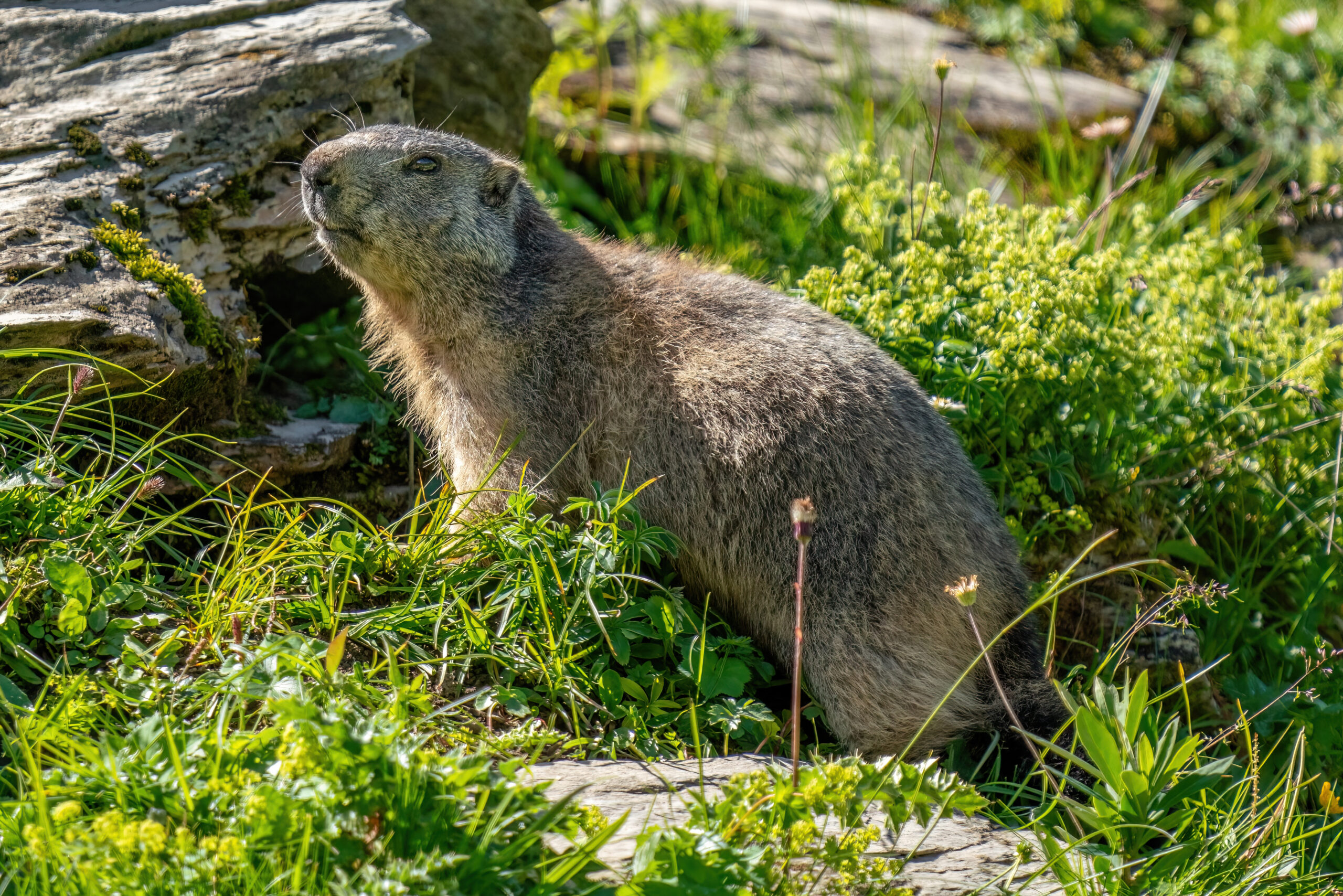 Photo Credit: Giles Laurent / Wikimedia Commons
Meet the marmot, a delightful rodent known scientifically as Marmota. Picture this charming creature nestled in the sun-drenched meadows of the mountains, where wildflowers sway gently in the breeze and the air is crisp and fresh. With its stocky body, short legs, and thick fur, the marmot is a true marvel of nature. These furry animals can weigh anywhere from 3.5 to 24 pounds, making them quite hefty for their kind. Their round faces, bright eyes, and bushy tails add to their endearing appearance, capturing the hearts of both scientists and nature lovers alike.
Marmots are not just cute; they play a vital role in their ecosystems. As herbivores, they munch on grasses, herbs, and wildflowers, helping to shape the plant communities around them. Their burrowing habits create homes for other creatures and aerate the soil, promoting healthy growth in their habitats. These social animals live in family groups, often seen sunbathing together or engaging in playful antics. Their lively behavior and complex social structures make them a fascinating subject for study, revealing insights into the intricate web of life that connects all living things. As we explore the world of marmots, we will uncover their unique adaptations, behaviors, and the important roles they play in the environment.
Marmots are intriguing members of the animal kingdom, nestled within the vast tree of life. These robust rodents belong to the family Sciuridae, which includes squirrels, and are classified under the order Rodentia. What sets marmots apart is their social behavior and hibernation habits. Unlike many other rodents, marmots live in colonies and communicate with each other through a series of whistles and chirps. Their ability to hibernate for several months during the winter showcases their adaptability to harsh environments, making them a captivating subject of study in the realm of mammalogy.
| Taxonomic Rank | Scientific Name | Meaning & Significance |
|---|---|---|
| Kingdom | Animalia | This name signifies that marmots are part of the animal kingdom, which includes all multicellular organisms that are not plants, fungi, or bacteria. |
| Phylum | Chordata | Chordata means “having a notochord,” a flexible rod that supports the body. Marmots, like all chordates, have a backbone, which is a key feature of this group. |
| Class | Mammalia | Mammalia refers to mammals, animals that have hair or fur and produce milk to feed their young. Marmots are warm-blooded and have fur coats that help them survive in cold climates. |
| Order | Rodentia | Rodentia comes from the Latin word “rodere,” meaning “to gnaw.” Marmots have strong, chisel-like front teeth that allow them to gnaw on tough vegetation. |
| Family | Sciuridae | Sciuridae is derived from the Greek word “skiuros,” meaning “squirrel.” This family includes all squirrels and their relatives, highlighting the marmot’s close ties to these agile animals. |
| Genus | Marmota | The name Marmota is thought to come from the Latin word “marmota,” which refers to a type of mountain-dwelling rodent. This reflects their habitat preference in mountainous regions. |
Understanding the taxonomic classification of marmots reveals much about their evolutionary journey. As members of the rodent family, they share common ancestors with other gnawing mammals, adapting over time to thrive in diverse environments. Their social structures and hibernation strategies suggest a complex evolutionary history that has allowed them to survive and flourish in the wild. By studying marmots, we gain insights into the intricate web of life and the remarkable adaptations that have shaped the animal kingdom.
The evolutionary journey of marmots stretches back millions of years, tracing their lineage to the early ancestors of rodents. These small mammals emerged during the late Eocene epoch, around 34 million years ago, when the world was a very different place. As the climate shifted and landscapes transformed, marmots adapted to thrive in diverse environments, particularly in the mountainous regions of North America and Eurasia.
Marmots are part of the family Sciuridae, which includes squirrels and other similar rodents. Their ancestors were likely tree-dwelling creatures, but as they evolved, they transitioned to a more terrestrial lifestyle. This shift allowed them to exploit the rich resources of grasslands and alpine meadows. Over time, they developed a stocky body shape and strong limbs, perfect for digging burrows. These burrows not only provide shelter but also serve as a refuge from predators and harsh weather.
Marmots’ evolutionary adaptations have been crucial for their survival in challenging environments. Their thick fur keeps them warm during frigid winters, while their burrowing skills provide safety from predators. Living in colonies fosters social bonds and enhances vigilance against threats. Hibernation allows them to endure periods of food scarcity, ensuring they emerge ready to thrive when spring arrives. Together, these traits illustrate how marmots have successfully navigated the challenges of their habitats, making them a fascinating example of nature’s ingenuity.
Marmots are captivating animals that command attention with their sturdy bodies and lively presence. These hefty rodents can weigh anywhere from 3.5 to 24 pounds, giving them a solid, stocky appearance. Their limbs are short but powerful, designed for digging and climbing. With a rounded face and bright, curious eyes, marmots exude a sense of alertness and intelligence. Their fur is generally a mix of earthy tones, but the most striking feature is the vibrant yellow fur on their bellies, which stands out against their darker backs. This combination of colors not only makes them visually appealing but also helps them blend into their rocky, mountainous habitats.
| Feature | Description |
|---|---|
| Weight | 3.5 to 24 pounds |
| Skin Type | Hair |
| Most Distinctive Feature | Yellow fur on its belly |
The physical characteristics of marmots are not just for show; they play vital roles in their survival. The thick fur, especially the yellow belly, provides insulation against the cold mountain air, keeping them warm during chilly nights. Their robust bodies and strong limbs are perfect for burrowing into the ground, where they create intricate tunnel systems that serve as homes and safe havens from predators. This combination of features allows marmots to thrive in their rugged environments, showcasing the incredible ways nature equips animals for life in the wild.
Marmots thrive in a variety of habitats that paint a picturesque scene of nature’s beauty. Imagine wide-open meadows filled with colorful wildflowers, rolling steppes that stretch as far as the eye can see, and the gentle edges of lush forests. These environments provide the perfect backdrop for marmots, where they can dig their burrows and bask in the sun. The combination of grassy fields and nearby trees creates a rich tapestry of life, making it an ideal home for these social rodents.
Marmots prefer climates that offer a mix of cool temperatures and sunny days. They are often found in areas with distinct seasons, where they can enjoy the warmth of summer and the crispness of winter. These animals thrive in environments that provide ample vegetation for foraging, as well as the right conditions for their burrows. The soil needs to be soft enough for digging, allowing them to create complex tunnel systems that serve as their homes and safe havens.
To survive in these diverse habitats, marmots have developed several clever adaptations. Their thick fur keeps them warm during chilly months, while their strong limbs are perfect for digging and climbing. Marmots are also social animals, often living in colonies that help them stay safe from predators. By working together, they can alert each other to danger and share the best foraging spots. This teamwork, combined with their physical traits, allows them to thrive in the meadows, steppes, and forest edges they call home.
Marmots lead a lively and structured daily life, filled with a mix of foraging, sunbathing, and social interactions. As the sun rises, these furry creatures emerge from their burrows, stretching and shaking off the sleepiness of the night. Their mornings are often spent munching on grasses, flowers, and herbs, which provide the energy they need for the day ahead. As the sun climbs higher, marmots can be seen basking in its warmth, soaking up the rays to help regulate their body temperature. This daily routine is not just about survival; it’s also a time for them to engage with their environment and prepare for the challenges ahead.
Social behavior among marmots can be quite interesting, even though they are primarily solitary animals. While they often forage alone, they do come together during certain times, especially during the breeding season. Marmots communicate through a variety of vocalizations, including whistles and chirps, which help them alert others to potential dangers. When they spot a predator, they emit a high-pitched warning call that sends their fellow marmots scurrying for safety. This blend of solitary and social behavior allows them to maintain a balance between independence and community awareness.
| Behavior Type | Description |
|---|---|
| Foraging | Marmots spend a significant part of their day searching for food, primarily grasses and herbs, to sustain their energy levels. |
| Sunbathing | They often bask in the sun to warm up, which is essential for their body temperature regulation. |
| Vocal Communication | Marmots use a range of sounds, including whistles and chirps, to communicate with each other, especially to warn of predators. |
| Breeding Behavior | During the breeding season, they may come together to mate, showcasing a temporary social structure. |
The behaviors of marmots are finely tuned to ensure their survival in the wild. By foraging for food and basking in the sun, they maintain their health and energy levels. Their vocal communication plays a crucial role in alerting them to dangers, allowing them to react quickly and find safety. Even though they may be solitary most of the time, their ability to come together during breeding and communicate effectively helps them thrive in their natural habitats. This blend of independence and social awareness is key to their success as a species.
Marmots are primarily herbivores, meaning they mainly eat plants. Their diet consists of a variety of grasses, herbs, and wildflowers, which they find in their grassy habitats. These furry foragers are known for their keen sense of smell and sharp eyesight, which help them locate tasty treats. Marmots often graze in the early morning or late afternoon when the sun is not too hot, allowing them to munch on their favorite foods while staying cool.
| Dietary Aspect | Details |
|---|---|
| Diet Type | Herbivore |
| Favorite Foods | Grasses, herbs, wildflowers, and other green plants |
| Prey Items | None, as they do not eat meat |
| Hunting/Foraging Strategies | Grazing in open areas, using keen eyesight and smell to find food |
This plant-based diet plays a crucial role in shaping the marmot’s ecology and daily routine. By consuming a variety of vegetation, marmots help maintain the health of their ecosystems, promoting plant growth and diversity. Their foraging habits also influence their social structures, as they often gather in groups to feed, creating a lively atmosphere in their meadows. This communal behavior not only aids in finding food but also strengthens their social bonds, making marmots a delightful part of the natural world.
Marmots have a fascinating mating ritual that takes place during the spring months, typically from March to May. As the snow melts and the days grow warmer, male marmots emerge from their burrows, ready to attract females. They engage in a variety of behaviors, including vocalizations and displays of strength, to impress potential mates. Once a pair has formed, they will mate, and the female will prepare for the arrival of their young.
| Reproductive Aspect | Details |
|---|---|
| Gestation Period | 30 days |
| Litter Size | Typically 3 to 5 pups |
| Age of Maturity | 2 years |
| Name of Young | Pup |
After the pups are born, the mother marmot takes on the crucial role of caregiver. She stays close to her young, nursing them and keeping them warm in the safety of their burrow. As the pups grow, they begin to explore their surroundings, learning essential survival skills from their mother. By the time they reach about two years of age, they are ready to venture out on their own, fully equipped to thrive in the wild. This nurturing process is vital, as it ensures that the next generation of marmots is prepared to face the challenges of their environment.
Marmots play a vital role in their ecosystems, serving as both prey and foragers. Positioned in the food web, they are herbivorous rodents that provide nourishment for various predators while also helping to maintain the health of their habitats through their foraging activities. However, their position makes them vulnerable to a range of dangers that threaten their survival.
Marmots have developed several defensive behaviors to counter these threats. They are known for their keen senses, which help them detect danger from afar. When a predator approaches, marmots emit loud alarm calls to warn their fellow burrow mates, allowing them to scurry to safety. Additionally, their burrows provide a safe haven, offering protection from both predators and harsh weather. By staying alert and using their social structures, marmots enhance their chances of survival in a world filled with challenges.
A keystone species is a vital part of its ecosystem, meaning its presence and activities have a significant impact on the environment and other living things. Marmots, with their unique behaviors and ecological roles, can indeed be considered a keystone species. Their activities help shape the landscape and influence the lives of many other organisms in their habitats.
Marmots primarily inhabit meadows, steppes, and forest edges, where they dig extensive burrow systems. These burrows not only provide shelter for the marmots but also create homes for other animals, such as insects and small mammals. When marmots dig, they aerate the soil, which improves its quality and promotes plant growth. This, in turn, supports a diverse range of flora and fauna, making the ecosystem more resilient and vibrant.
Additionally, as herbivores, marmots play a crucial role in controlling plant populations. By feeding on grasses, herbs, and wildflowers, they help maintain a balance in the plant community. This grazing behavior prevents any single species from dominating the landscape, allowing for a rich tapestry of plant life that supports various other species, from insects to larger herbivores.
Moreover, marmots serve as a food source for predators, including birds of prey and carnivorous mammals. Their presence in the food web helps sustain these predators, which rely on them for nourishment. This interconnectedness highlights how marmots contribute to the overall health and stability of their ecosystem.
If marmots were to disappear from their ecosystems, the effects would ripple through the environment. Without their burrowing activities, soil quality would decline, leading to reduced plant diversity. This could result in fewer food sources for other herbivores and, consequently, less food for predators. The entire balance of the ecosystem could shift, potentially leading to a decline in biodiversity and the health of the habitat. In essence, marmots are not just charming animals; they are essential players in the intricate web of life.
Marmots occupy a crucial ecological niche in their habitats, primarily meadows, steppes, and forest edges. As herbivores, they play a significant role in shaping plant communities and influencing the overall health of their ecosystems. By grazing on a variety of grasses and wildflowers, marmots help maintain the balance of plant life, preventing any single species from dominating. This grazing behavior not only supports biodiversity but also creates open spaces that benefit other wildlife.
| Ecosystem Service | Impact |
|---|---|
| Grazing | Controls plant growth and promotes biodiversity |
| Soil Aeration | Improves soil quality through burrowing |
| Food Source | Provides nourishment for predators like eagles and foxes |
| Seed Dispersal | Helps in the spread of various plant species |
Marmots influence their environment in several specific ways. Their burrowing activities aerate the soil, allowing water and nutrients to penetrate deeper, which benefits plant growth. Additionally, as they forage, they inadvertently disperse seeds, helping new plants to grow in different areas. This not only supports the diversity of plant life but also creates habitats for other animals. For instance, the open areas created by their grazing can attract a variety of insects and birds, further enriching the ecosystem.
The broader ecological importance of marmots cannot be overstated. As a keystone species, their presence is vital for maintaining the health of their ecosystems. By supporting plant diversity and providing food for various predators, marmots help sustain the intricate web of life that exists in their habitats. Their activities contribute to a balanced ecosystem, demonstrating how even small creatures can have a profound impact on the natural world.
In the intricate web of life, symbiosis refers to the close interactions between different species, which can take many forms. These relationships can be mutualistic, where both species benefit, parasitic, where one benefits at the other’s expense, or commensal, where one benefits while the other is neither helped nor harmed. Marmots, with their lively presence in meadows and forest edges, engage in various ecological partnerships that highlight the interconnectedness of nature.
| Species/Type | Relationship Type | Description |
|---|---|---|
| Birds (e.g., ground squirrels) | Mutualistic | Marmots and certain bird species often share habitats. The birds benefit from the protection marmots provide against predators, while marmots benefit from the birds’ alertness to danger, helping them stay safe. |
| Ticks | Parasitic | Ticks are small parasites that can latch onto marmots, feeding on their blood. This relationship can harm the marmots by draining their energy and potentially spreading diseases. |
| Plants (e.g., grasses and herbs) | Commensal | Marmots feed on various plants, which thrive in the areas they inhabit. While the plants benefit from the nutrients in the soil enriched by marmot burrowing, the plants do not gain any direct advantage from the marmots. |
These relationships have evolved over time, shaped by the needs and behaviors of the species involved. Mutualistic partnerships, like those between marmots and birds, enhance survival for both parties, creating a safer environment. Parasitic relationships, while detrimental to the host, can also drive adaptations in the host species, leading to stronger immune systems. Commensal relationships highlight the balance of ecosystems, where one species can thrive without impacting the other. Together, these interactions illustrate the dynamic and ever-changing tapestry of life in which marmots play a vital role.
Marmots are not just adorable, fluffy animals; they are also full of surprises that make them truly captivating. These social rodents have some remarkable traits and behaviors that might just blow your mind!
Marmots have long held a special place in human culture and history. These charming rodents, often found in mountainous regions, have been part of folklore and local traditions for centuries. In many cultures, they symbolize the changing seasons, emerging from their burrows as a sign of spring. Historically, indigenous peoples have relied on marmots for food and fur, integrating them into their diets and clothing. Their presence in the wild has inspired stories and legends, making them a beloved part of the natural landscape.
Today, the relationship between marmots and humans is multifaceted, involving both conservation efforts and conflicts. As habitats change due to climate change and human encroachment, conservationists work to protect these animals and their environments. However, conflicts can arise, especially in agricultural areas where marmots may damage crops. While some people appreciate their role in the ecosystem, others see them as pests. Interestingly, there are also efforts to domesticate certain species of marmots, exploring their potential as pets or for educational purposes, though this remains a complex and debated topic.
Looking ahead, the future of the relationship between marmots and humanity will likely depend on our ability to balance conservation with agricultural needs. As we face environmental challenges, understanding and respecting these animals will be crucial. By fostering a sense of stewardship, we can ensure that marmots continue to thrive in their natural habitats while also finding ways to coexist with human activities. This partnership can lead to a richer appreciation of the natural world, benefiting both people and wildlife alike.
Marmots currently hold a conservation status of “Least Concern,” according to the International Union for Conservation of Nature (IUCN). This means that, overall, they are not facing immediate threats of extinction. However, specific populations may experience fluctuations due to various environmental factors. While exact population estimates are difficult to determine, marmots are generally considered to be stable in many regions, although localized declines can occur.
| Conservation Factor | Status/Details |
|---|---|
| IUCN Status | Least Concern |
| Estimated Population Size | Unknown |
| Population Trend | Stable in many areas, localized declines possible |
Despite their overall stable status, marmots face several threats that can impact their populations. Habitat loss is a significant concern, often caused by human activities such as urban development and agriculture. Additionally, climate change poses a growing risk, as shifting weather patterns can alter the ecosystems where marmots thrive. Predation from animals like coyotes and eagles also plays a role in their survival, particularly for young marmots.
Conservation efforts are underway to ensure the continued health of marmot populations. Many organizations are working to protect their habitats and raise awareness about the importance of these animals in their ecosystems. By promoting sustainable land use and monitoring marmot populations, conservationists aim to maintain the balance of nature. With ongoing efforts, the outlook for marmots remains hopeful, allowing future generations to enjoy these charming rodents in the wild.
| Question | Answer |
|---|---|
| Where do marmots live? | Marmots are found in meadows, steppes, and the edges of forests. They prefer areas with plenty of grass and plants to munch on, as well as burrows to keep them safe from predators. |
| What do marmots eat? | Marmots are herbivores, which means they eat only plants. Their diet mainly consists of grasses, flowers, and other green vegetation, making them important for the ecosystems they inhabit. |
| How do marmots behave? | Marmots are social animals that live in family groups. They communicate with each other using a variety of whistles and chirps, especially when they sense danger, alerting others to potential threats. |
| How do marmots reproduce? | Marmots typically mate in the spring after emerging from hibernation. After a gestation period of about 30 days, the female gives birth to a litter of 2 to 5 pups, which she raises in a burrow until they are ready to venture out. |
| What threats do marmots face? | While marmots are currently classified as Least Concern, they face threats from habitat loss and climate change. Predators like eagles and coyotes also pose risks, especially to young marmots. |
| What is a unique characteristic of marmots? | One of the most distinctive features of marmots is their yellow fur on their bellies. This bright coloration helps them blend into their grassy habitats while also being a fun sight for those who spot them! |
| How do marmots prepare for winter? | Marmots are known for their hibernation habits. Before winter, they eat a lot to build up fat reserves, then retreat to their burrows where they sleep for several months until spring arrives. |