Taxonomy & Classification
- Kingdom
- Animalia
- Phylum
- Arthropoda
- Class
- Insecta
- Order
- Ephemeroptera
- Species
- Ephemeroptera

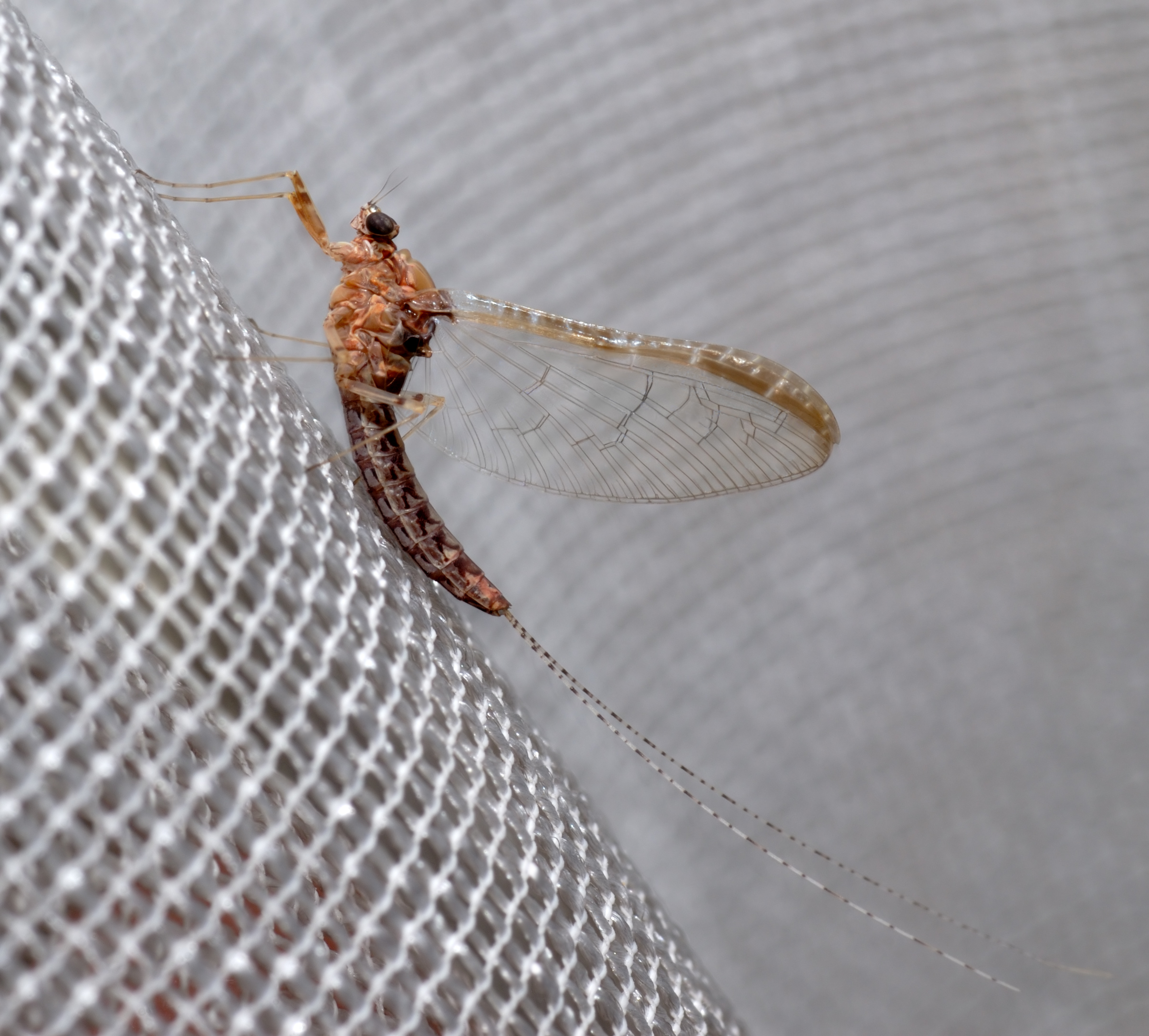 Photo Credit: André Karwath aka Aka / Wikimedia
In the shimmering light of a warm spring morning, the mayfly, scientifically known as Ephemeroptera, flits gracefully above the surface of a tranquil stream. With its slender, delicate body and long, wispy tails, this enchanting insect seems to dance on the breeze, embodying the very essence of fleeting beauty. Mayflies are often found in lush, wooded areas where sunlight filters through the leaves, creating a magical atmosphere that draws both nature enthusiasts and scientists alike. Their ephemeral nature—living only for a few days as adults—adds to their allure, making each sighting feel like a rare treasure.
What truly captivates observers is not just the mayfly’s ethereal appearance but also its vital role in the ecosystem. As a keystone species, mayflies serve as a crucial food source for fish and birds, helping to maintain the balance of life in freshwater habitats. Their life cycle is a marvel of nature, beginning in the depths of rivers and streams as nymphs, where they spend months or even years growing and developing. When the time is right, they emerge in a spectacular display, transforming into adults that flutter above the water, engaging in intricate mating dances. This fascinating journey from nymph to adult not only highlights the wonders of metamorphosis but also underscores the importance of clean, healthy waterways for their survival. As we explore the world of mayflies, we uncover the delicate threads that connect all living things in the intricate tapestry of nature.
The mayfly is a captivating insect that holds a special place in the tree of life. Belonging to the Kingdom Animalia, Phylum Arthropoda, Class Insecta, and Order Ephemeroptera, mayflies are known for their short adult lifespan, often living only a day or two. This fleeting existence is what gives them their name; “Ephemeroptera” translates to “short-lived wings.” With their delicate bodies and intricate wing structures, mayflies are not just beautiful; they play a crucial role in aquatic ecosystems, serving as indicators of water quality and as a food source for fish and other wildlife.
| Taxonomic Rank | Scientific Name | Meaning & Significance |
|---|---|---|
| Kingdom | Animalia | This name signifies that mayflies are part of the vast group of multicellular organisms that are typically motile and consume organic material. |
| Phylum | Arthropoda | Meaning “jointed legs,” this classification highlights the mayfly’s segmented body and jointed appendages, which are characteristic of insects and their relatives. |
| Class | Insecta | This term refers to the largest group of animals on Earth, emphasizing the mayfly’s status as a true insect with a three-part body and compound eyes. |
| Order | Ephemeroptera | Translating to “short-lived wings,” this name reflects the mayfly’s brief adult life, which is often spent in a flurry of mating and laying eggs. |
The classification of mayflies reveals much about their evolutionary journey. As members of the ancient order Ephemeroptera, they are among the oldest winged insects, with a lineage that dates back over 300 million years. This long history has allowed them to adapt to various freshwater habitats, making them vital indicators of environmental health. Their unique life cycle, which includes a lengthy aquatic nymph stage followed by a brief adult phase, showcases the intricate balance of life in our ecosystems. Understanding where mayflies fit in the tree of life not only highlights their biological significance but also underscores the importance of preserving the habitats they depend on.
The evolutionary journey of the mayfly stretches back over 300 million years, making it one of the oldest groups of insects still in existence today. These delicate insects first appeared during the Carboniferous period, a time when lush forests and swamps dominated the landscape. As the Earth transformed through various geological epochs, mayflies adapted to their changing environments, showcasing a remarkable ability to survive and thrive.
Ancestral forms of mayflies were quite different from the ones we see today. Early mayflies had a more primitive body structure, with long, slender bodies and large wings that were often held flat over their backs. Over time, they underwent significant evolutionary transitions, including the development of specialized gills for breathing underwater. This adaptation allowed them to live in aquatic environments, where they could feed on organic matter and evade predators. As they evolved, their life cycle also changed, leading to the unique phenomenon of having a very short adult lifespan, often just a few hours to a couple of days. This rapid life cycle is a strategic adaptation that helps them reproduce quickly before they die.
These adaptations have been crucial for the survival of mayflies throughout their long history. By developing gills, they could thrive in aquatic habitats, while their short adult lifespan ensured that they could reproduce quickly in favorable conditions. The swarming behavior not only enhances their mating success but also provides a protective strategy against predators. With their specialized wing structure, mayflies can evade danger, making them agile and resilient in their environments. Together, these traits have allowed mayflies to endure through the ages, continuing to play an important role in freshwater ecosystems around the world.
The mayfly is a delicate marvel of nature, often evoking a sense of wonder with its ethereal appearance. With a slender body that can range from about 5 to 30 millimeters in length, these insects are light and airy, almost like tiny fairies flitting above the water’s surface. Their long, wispy tails, known as cerci, can be several times the length of their bodies, giving them a graceful, flowing look as they dance in the breeze. The wings, which are transparent and veined, shimmer in the sunlight, creating a captivating display that draws the eye.
| Feature | Description |
|---|---|
| Size | 5 to 30 millimeters in length |
| Color | Typically pale yellow to brown, sometimes with a hint of green |
| Skin Type | Shell, providing a protective outer layer |
| Wings | Transparent and veined, often held upright when at rest |
| Tails | Long cerci, often longer than the body, aiding in balance |
The combination of these features not only makes the mayfly visually stunning but also plays a crucial role in its survival. The lightweight body and long tails help them navigate through the air with agility, allowing them to evade predators. Their transparent wings enable them to blend into their surroundings, making it harder for hungry birds to spot them. Additionally, the shell-like skin offers protection from environmental hazards, ensuring that these enchanting insects can thrive in their aquatic habitats before their brief adult lives come to an end.
Mayflies are often found in enchanting habitats that are closely tied to water. Picture a serene forest or a lush woodland, where sunlight filters through the leaves, casting dappled shadows on the ground. Nearby, a clear stream or river flows gently, its waters teeming with life. This is the perfect home for mayflies, as they thrive in environments where they can lay their eggs in or near freshwater. The combination of trees, plants, and clean water creates a vibrant ecosystem that supports these delicate insects.
Mayflies prefer climates that are moist and temperate, which means they enjoy areas with moderate temperatures and plenty of rainfall. They are sensitive to pollution, so they need clean water to survive. This makes their presence a good indicator of a healthy environment. The ideal conditions for mayflies include shallow waters with plenty of vegetation, where they can find food and shelter. These habitats not only provide safety from predators but also the right conditions for their eggs to hatch and grow.
To thrive in these specific habitats, mayflies have developed fascinating adaptations. Their life cycle is closely linked to water, as they spend most of their lives as nymphs underwater, where they can feed and grow. When the time is right, they emerge from the water, transforming into adults in a spectacular display. This transformation allows them to take advantage of the rich resources found in their forested homes while also ensuring they can reproduce in the safety of the water. Their delicate bodies and gossamer wings are perfectly designed for life in these lush, watery environments, making them a true marvel of nature.
As dawn breaks over a tranquil stream, mayflies begin their daily dance. These insects, known for their short lifespans, typically spend their mornings fluttering above the water’s surface. They engage in a series of activities that include mating, feeding, and laying eggs. With their delicate wings shimmering in the sunlight, mayflies are often seen hovering in the air or resting on nearby vegetation. Their primary goal is to reproduce, ensuring the continuation of their species before their brief lives come to an end.
Mayflies are social insects that thrive in groups, often forming large swarms. These swarms can be a breathtaking sight, as thousands of mayflies take to the air in unison. Within these groups, they communicate through a series of movements and pheromones, which are chemical signals that convey information about their readiness to mate. This social behavior not only enhances their chances of finding a partner but also provides safety in numbers, as predators find it harder to target individual mayflies when they are part of a large, swirling mass.
| Behavior Type | Description |
|---|---|
| Activity Patterns | Mayflies spend their days flying, mating, and laying eggs, primarily during the early morning and late afternoon. |
| Social Structure | They often gather in large swarms, which helps them find mates and evade predators. |
| Communication Methods | Mayflies use visual signals and pheromones to communicate, especially during mating rituals. |
In this intricate web of behaviors, mayflies ensure their survival and the continuation of their lineage. By working together in swarms, they not only increase their chances of reproduction but also create a dynamic environment that helps them evade predators. Their brief yet vibrant lives are a testament to the beauty of nature’s cycles, reminding us of the delicate balance that sustains life in our ecosystems.
Mayflies are fascinating omnivores, meaning they enjoy a varied diet that includes both plant and animal matter. Their primary food sources consist of algae, aquatic plants, and larvae. Mayflies have a unique feeding behavior; they often graze on algae that grow on rocks and submerged surfaces in their freshwater habitats. This feeding strategy allows them to efficiently obtain nutrients while also playing a vital role in their ecosystem.
| Dietary Aspect | Details |
|---|---|
| Diet Type | Omnivore |
| Favorite Foods | Algae, aquatic plants |
| Prey Items | Larvae |
| Hunting/Foraging Strategies | Grazing on algae and aquatic vegetation |
This diverse diet not only sustains the mayfly but also shapes its role in the ecosystem. By feeding on algae and larvae, mayflies help control these populations, contributing to the health of their aquatic environments. Their daily routine revolves around foraging for food, which is essential for their growth and development. In turn, mayflies serve as a crucial food source for many fish and birds, creating a vibrant web of life in their habitats.
As spring arrives and temperatures rise, mayflies embark on a spectacular mating ritual. During this breeding season, males perform intricate aerial displays to attract females. These dances can be quite a sight, as swarms of mayflies flutter above rivers and streams, creating a mesmerizing spectacle. Once a female selects a mate, they engage in a brief courtship before mating, which can last only a few hours. After this, the female lays her eggs in or near water, ensuring that the next generation has a safe place to develop.
| Reproductive Aspect | Details |
|---|---|
| Gestation Period | Eggs hatch within a few days to weeks, depending on water temperature. |
| Litter Size | Average of 1,000 eggs per female. |
| Age of Maturity | Mayflies typically reach maturity in a few weeks to several months, depending on the species. |
| Name of Young | Young mayflies are called nymphs. |
Once the eggs hatch, the young nymphs emerge and begin their underwater journey. These nymphs are quite different from their adult counterparts; they have a more robust body and live in the water for several months to a few years, depending on the species. During this time, they grow and molt multiple times, shedding their exoskeletons as they develop. When they are ready to transform into adults, they swim to the surface, where they undergo a final molt, emerging as the delicate, winged mayflies we see fluttering above the water. This incredible life cycle showcases the mayfly’s connection to aquatic ecosystems and highlights the beauty of nature’s transformations.
Mayflies play a crucial role in freshwater ecosystems, serving as a vital food source for many animals. They occupy a unique position in the food web, where their presence supports a variety of predators. Fish, birds, and other insects rely on mayflies for nourishment, making them an essential link in the chain of life. However, this important role also places them in the crosshairs of numerous threats.
Mayflies have developed several strategies to evade their predators and survive in a challenging environment. Their delicate bodies allow them to dart and flutter quickly, making it difficult for birds and fish to catch them. Additionally, mayflies often emerge in large swarms, overwhelming predators with sheer numbers. Some species even have a short lifespan as adults, which means they spend most of their lives as nymphs underwater, where they are less vulnerable to many threats. These clever adaptations help ensure that mayflies continue to thrive in their watery homes.
A keystone species is a vital part of its ecosystem, meaning that its presence has a significant impact on the environment and the other organisms living there. The mayfly, with its unique life cycle and role in freshwater habitats, qualifies as a keystone species. These delicate insects are not just beautiful to observe; they play a crucial role in maintaining the balance of their ecosystems.
Mayflies are essential in freshwater environments, particularly in streams and rivers. They serve as a primary food source for many fish, birds, and other wildlife. For example, when mayflies hatch, they emerge in large numbers, creating a feast for hungry predators. This sudden abundance of food can support entire populations of fish, helping to sustain biodiversity in aquatic ecosystems. Additionally, mayflies contribute to the health of their habitats by breaking down organic matter and recycling nutrients, which benefits the plants and other organisms that rely on clean water.
The presence of mayflies also indicates the overall health of freshwater ecosystems. Because they are sensitive to pollution, a thriving mayfly population often signals a clean and balanced environment. When mayflies flourish, it suggests that the water quality is good, which is essential for the survival of many other species. Their life cycle, which includes both aquatic nymphs and short-lived adults, helps to connect different parts of the ecosystem, from the water to the air.
If mayflies were to disappear, the effects would ripple through the ecosystem. Fish populations would decline due to the loss of a primary food source, leading to a decrease in bird species that rely on those fish. The overall health of freshwater habitats would suffer, as nutrient recycling would be disrupted. This could result in poorer water quality and a decline in plant life, ultimately affecting countless other organisms that depend on these ecosystems. The absence of mayflies would not only change the landscape but could also lead to a less vibrant and diverse natural world.
The mayfly occupies a crucial ecological niche, primarily thriving in freshwater habitats like streams and rivers. These delicate insects are not just beautiful to observe; they play a significant role in maintaining the health of their ecosystems. By serving as both a food source for various animals and a contributor to nutrient cycling, mayflies help sustain the delicate balance of life in aquatic environments. Their presence indicates clean water, making them important indicators of ecosystem health.
| Ecosystem Service | Impact |
|---|---|
| Food Source | Mayflies provide essential nutrition for fish, birds, and other wildlife. |
| Nutrient Cycling | As they feed on algae and organic matter, mayflies help break down nutrients, enriching the water. |
| Indicator Species | Their presence signals good water quality, helping scientists monitor ecosystem health. |
| Habitat Structure | Mayfly larvae contribute to the structure of aquatic habitats, influencing the growth of plants and algae. |
Mayflies influence their ecosystems in several fascinating ways. For instance, their larvae, which live underwater, feed on algae and decaying plant material. This feeding behavior helps control algae growth, preventing overgrowth that can harm aquatic life. When mayflies emerge as adults, they become a feast for fish and birds, creating a vital link in the food web. Their short life cycle, often lasting just a day or two as adults, means they reproduce quickly, ensuring a steady supply of food for their predators.
The broader ecological importance of mayflies cannot be overstated. As keystone species, their presence supports a diverse array of life, from tiny fish to majestic birds. By maintaining water quality and contributing to nutrient cycling, mayflies help create a thriving environment for countless organisms. Their role in the ecosystem highlights the interconnectedness of life, reminding us that even the smallest creatures can have a profound impact on the world around us.
Symbiosis is a fascinating concept in nature that describes the various ways different species interact with one another. These relationships can be mutualistic, where both species benefit, parasitic, where one benefits at the other’s expense, or commensal, where one benefits while the other is neither helped nor harmed. In the intricate web of life, mayflies engage in several of these relationships, showcasing the interconnectedness of ecosystems and the importance of each species in maintaining balance.
| Species/Type | Relationship Type | Description |
|---|---|---|
| Algae | Mutualistic | Mayflies feed on algae, which thrive in the same freshwater habitats. In return, the presence of mayflies helps control algae growth, promoting a balanced ecosystem. |
| Fish | Mutualistic | Mayflies serve as a vital food source for many fish species. In turn, the health of fish populations can indicate the quality of the water, benefiting mayflies by ensuring a clean habitat. |
| Fungi | Commensal | Some mayflies may host fungi on their bodies, which do not harm them but can benefit from the nutrients in the mayfly’s exoskeleton. |
These relationships have evolved over millions of years, shaped by the needs and adaptations of each species involved. The mutualistic interactions between mayflies and algae or fish highlight how interconnected life can be, with each species playing a role in the health of their environment. As mayflies thrive, they support other organisms, creating a vibrant ecosystem where all can flourish. Understanding these connections helps us appreciate the delicate balance of nature and the importance of preserving these habitats for future generations.
Mayflies are enchanting insects that captivate nature lovers with their unique life cycle and behaviors. These delicate creatures are not just beautiful; they also play a vital role in their ecosystems. Here are some surprising facts about mayflies that will surely pique your interest.
Mayflies have danced through human history for centuries, often symbolizing the beauty and fragility of life. In many cultures, these delicate insects have inspired art, poetry, and folklore. Their ephemeral nature—living only a few days as adults—has made them a poignant reminder of the fleeting moments in life. Ancient civilizations observed mayflies as indicators of clean water, linking their presence to the health of aquatic ecosystems. This connection has fostered a cultural appreciation for mayflies, as they embody the delicate balance of nature that humans have long revered.
Today, our interactions with mayflies are shaped by both admiration and concern. As environmental stewards, many people recognize the importance of conserving freshwater habitats where mayflies thrive. Pollution and habitat destruction pose significant threats to these insects, prompting conservation efforts aimed at protecting their ecosystems. However, mayflies can also be seen as a nuisance in some areas, particularly when their swarms emerge in large numbers, leading to conflicts with human activities. Despite these challenges, there is a growing movement to understand and appreciate the role of mayflies in maintaining healthy waterways.
As we look to the future, the relationship between mayflies and humanity holds promise. With increased awareness of environmental issues, more people are advocating for the protection of freshwater ecosystems. By fostering a deeper understanding of mayflies and their vital role in nature, we can work together to ensure that these enchanting insects continue to thrive. In doing so, we not only preserve a beautiful part of our natural world but also safeguard the health of the ecosystems that sustain us all.
The conservation status of mayflies is currently classified as Near Threatened. This means that while they are not yet at immediate risk of extinction, their populations are declining in certain areas. Factors such as habitat loss and pollution are contributing to this downward trend, making it essential to monitor their numbers closely. As indicators of freshwater ecosystem health, mayflies serve as a vital sign of the overall condition of their habitats.
| Conservation Factor | Status/Details |
|---|---|
| IUCN Status | Near Threatened |
| Population Estimates | Varies by region; some populations declining |
| Trend Direction | Decreasing in certain habitats |
The main threats to mayflies stem from human activities that disrupt their delicate habitats. Pollution from agricultural runoff, which can introduce harmful chemicals into waterways, poses a significant risk. Additionally, the destruction of wetlands and riverbanks for development reduces the natural environments where mayflies thrive. Climate change also plays a role, as shifting temperatures and altered precipitation patterns can affect the water quality and availability that these insects depend on.
Conservation efforts are underway to protect mayflies and their habitats. Organizations are working to restore wetlands and improve water quality in rivers and streams. Public awareness campaigns aim to educate communities about the importance of these insects in the ecosystem. By fostering healthier environments, we can help ensure that mayflies continue to flourish. With ongoing efforts and a commitment to preserving their habitats, there is hope for a brighter future for these enchanting insects.
| Question | Answer |
|---|---|
| Where do Mayflies live? | Mayflies are commonly found in forested areas and woodlands that are close to water sources like rivers and streams. They thrive in clean, well-oxygenated water, which is essential for their survival during their aquatic nymph stage. |
| What do Mayflies eat? | Mayflies are omnivores, meaning they eat a variety of foods. As nymphs, they primarily feed on algae and organic matter found in the water, while adults may consume nectar and other plant materials. |
| What is the behavior of Mayflies? | Mayflies are known for their unique life cycle and short adult lifespan, which can last just a few hours to a couple of days. During this time, they often engage in spectacular mating swarms, where males and females gather in large numbers to find partners. |
| How do Mayflies reproduce? | Mayflies reproduce through a process called swarming, where males attract females with their dance-like movements. After mating, females lay their eggs in water, where the eggs hatch into nymphs, starting the cycle anew. |
| What threats do Mayflies face? | Mayflies are considered near threatened due to habitat loss and pollution in their aquatic environments. Changes in water quality and temperature can significantly impact their populations, making conservation efforts crucial. |
| What are some interesting characteristics of Mayflies? | One fascinating feature of Mayflies is their ability to live both underwater as nymphs and above water as adults. Additionally, they are one of the few insects that can molt after reaching maturity, which is quite rare in the insect world. |
| How long do Mayflies live? | The adult life of a Mayfly is remarkably short, often lasting only a few hours to a couple of days. This brief lifespan is primarily focused on reproduction, after which they typically die shortly after laying eggs. |