Taxonomy & Classification
- Kingdom
- Animalia
- Phylum
- Chordata
- Class
- Aves
- Order
- Anseriformes
- Family
- Anatidae
- Genus
- Mergus
- Species
- Mergus Merganser

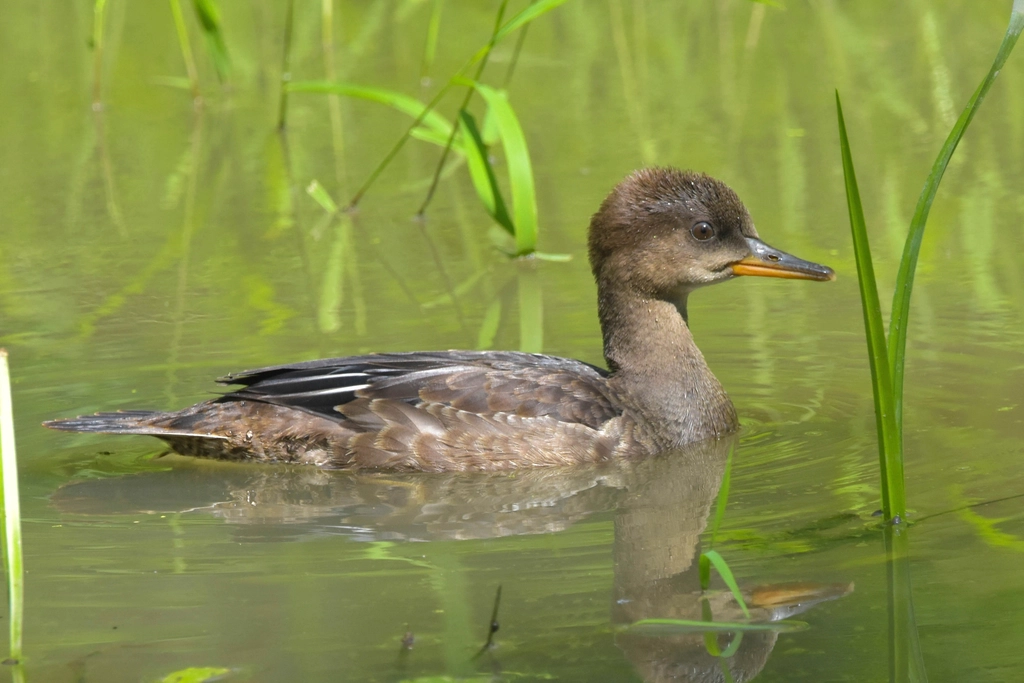 Photo Credit: Rawpixel
In the shimmering waters of tranquil lakes and winding rivers, the merganser, known scientifically as Mergus, glides gracefully through its aquatic realm. With its sleek body and striking plumage, this waterfowl captivates the eye and stirs the imagination. The male merganser is particularly eye-catching, sporting a distinctive crest of bushy feathers atop its head, which adds a touch of flair to its already elegant silhouette. As it navigates the water, its long, slender neck and sharp, serrated bill reveal its prowess as a skilled hunter, perfectly adapted for catching slippery fish and aquatic invertebrates.
Mergansers are not just beautiful; they play a vital role in their ecosystems, acting as both predators and participants in the intricate web of life. These birds thrive in lush, forested areas, where they can be seen diving beneath the surface, their bodies streamlined for speed and agility. Scientists and nature enthusiasts alike are drawn to the merganser’s unique behaviors and adaptations, which offer a glimpse into the wonders of evolution and the delicate balance of nature. As we explore the world of the merganser, we will uncover the secrets of its life cycle, diet, and the fascinating relationships it forms within its habitat, revealing why this remarkable bird continues to inspire awe and curiosity in all who encounter it.
The merganser is a captivating bird that occupies a special place in the tree of life. Classified within the kingdom Animalia, these waterfowl belong to the phylum Chordata, which includes all animals with a backbone. Mergansers are part of the class Aves, meaning they are birds, and they fall under the order Anseriformes, which is home to ducks, geese, and swans. What sets mergansers apart is their slender, elongated bodies and sharp, serrated bills, perfectly designed for catching fish. This unique adaptation allows them to thrive in aquatic environments, showcasing their specialized hunting skills.
| Taxonomic Rank | Scientific Name | Meaning & Significance |
|---|---|---|
| Kingdom | Animalia | The name “Animalia” comes from the Latin word “animalis,” meaning “having breath” or “living being,” highlighting the essence of life in this diverse group. |
| Phylum | Chordata | “Chordata” is derived from the Latin “chorda,” meaning “string,” referring to the notochord, a flexible rod that supports the body in the early stages of development in these animals. |
| Class | Aves | The term “Aves” comes from the Latin word for “bird,” emphasizing the defining characteristics of feathers and the ability to fly, although some birds, like the merganser, are more adapted to swimming. |
| Order | Anseriformes | This name combines “anser,” the Latin word for “goose,” and “forma,” meaning “shape,” indicating the order’s connection to waterfowl that share similar body shapes and behaviors. |
| Family | Anatidae | “Anatidae” comes from the Latin “anas,” meaning “duck,” which reflects the family’s diverse members, including ducks, geese, and swans, all of which are adapted to aquatic life. |
| Genus | Mergus | The genus name “Mergus” is derived from the Latin word for “diver,” highlighting the merganser’s exceptional diving abilities as it hunts for fish underwater. |
Understanding the merganser’s classification reveals much about its evolutionary journey. As part of the Anatidae family, mergansers share a common ancestry with other waterfowl, showcasing adaptations that have allowed them to thrive in various aquatic habitats. Their specialized features, such as the serrated bill, illustrate how evolution has shaped their hunting strategies, making them efficient predators in their environments. This fascinating lineage not only connects them to their relatives but also highlights the intricate web of life that defines our planet’s biodiversity.
The evolutionary journey of the merganser, a striking waterfowl, stretches back millions of years. These birds belong to the family Anatidae, which includes ducks, geese, and swans. The merganser’s ancestors emerged during the late Eocene epoch, around 34 to 56 million years ago, when the world was a very different place. As the climate changed and new habitats formed, these birds adapted to thrive in freshwater environments, leading to the diverse species we see today.
Ancestral forms of mergansers were likely similar to other early waterfowl, with adaptations that allowed them to navigate both land and water. Over time, they developed specialized features that set them apart from their relatives. One major transition was the evolution of their long, slender bodies and pointed bills, which are perfect for catching fish. This adaptation reflects a shift towards a more piscivorous diet, meaning they primarily eat fish. As they evolved, mergansers also developed webbed feet, enhancing their swimming abilities, allowing them to dive and chase prey underwater.
The adaptations of the merganser have been crucial for its survival in various aquatic environments. Their streamlined bodies and webbed feet allow them to navigate swiftly through water, while their specialized bills make them expert fish catchers. The vibrant plumage not only attracts mates but also indicates their fitness, ensuring that the strongest genes are passed on to future generations. Together, these traits have enabled mergansers to thrive in diverse habitats, from lakes to rivers, showcasing the incredible power of evolution in shaping life on Earth.
The merganser is a striking waterfowl that captures attention with its sleek body and elegant form. With a long, slender neck and a streamlined shape, it glides effortlessly across the water’s surface. Its most distinctive feature is the bushy tuft of feathers on the back of its head, which adds a touch of flair to its already impressive appearance. The merganser’s overall build is designed for agility, making it an adept swimmer and diver, perfectly suited for life in aquatic environments.
| Feature | Description |
|---|---|
| Weight | 31 to 76 ounces |
| Skin Type | Feathers |
| Most Distinctive Feature | Bushy tufts on the backs of their heads |
These physical characteristics work together to enhance the merganser’s survival in its natural habitat. The lightweight feathers allow for buoyancy, helping the bird stay afloat while it hunts for fish beneath the water. The bushy tufts not only add to its charm but may also play a role in attracting mates during the breeding season. With its streamlined body and powerful swimming abilities, the merganser is a master of its aquatic domain, showcasing the beauty and functionality of nature’s designs.
The merganser thrives in the serene beauty of lakes and rivers nestled within lush, forested areas. Picture a tranquil scene where the water glistens under the sun, surrounded by tall trees that sway gently in the breeze. These habitats provide the perfect backdrop for the merganser’s graceful swimming and diving, as it hunts for fish beneath the surface. The combination of clear waters and rich vegetation creates a vibrant ecosystem, teeming with life and opportunities for these elegant birds.
Mergansers prefer climates that offer a mix of fresh water and forested landscapes. They are often found in regions where the temperatures can vary, from the cool, crisp air of northern lakes to the milder conditions of southern rivers. These birds thrive in environments that provide both open water for swimming and ample cover from predators, making their homes in areas that are rich in biodiversity. The presence of clean, flowing water is essential, as it supports the fish populations that are a primary food source for mergansers.
To adapt to their specific habitats, mergansers have developed several remarkable traits. Their streamlined bodies and webbed feet make them exceptional swimmers, allowing them to dive deep and chase after fish with agility. The sharp, serrated edges of their bills help them grip slippery prey, ensuring they can catch their meals with ease. Additionally, their preference for forested areas provides them with shelter and nesting sites, allowing them to raise their young in safety. These adaptations not only enhance their survival but also highlight the intricate relationship between the merganser and its environment.
As the sun rises, the merganser begins its day with a splash. These diurnal birds, meaning they are active during the day, often start their mornings by diving into the cool waters of lakes and rivers. With their streamlined bodies, they are expert swimmers, using their sharp, serrated bills to catch fish and other aquatic prey. Throughout the day, they alternate between foraging for food and resting on the water’s surface or nearby shores, always alert to their surroundings.
Mergansers are social creatures, often seen in groups that can range from small family units to larger flocks. They communicate with each other through a series of soft quacks and whistles, which help maintain group cohesion. This social behavior is essential, especially during the breeding season when they gather in pairs or small groups to court and raise their young. The bonds formed within these groups are crucial for their survival, as they provide safety in numbers against potential predators.
| Behavior Type | Description |
|---|---|
| Foraging | Mergansers dive underwater to catch fish, using their serrated bills to grip slippery prey. |
| Resting | They often float on the water’s surface or perch on nearby rocks, keeping a watchful eye for danger. |
| Social Communication | Soft quacks and whistles help them stay connected with their flock, especially during breeding. |
| Group Dynamics | They form small family units or larger flocks, which provide safety and support in finding food. |
The behaviors of mergansers are finely tuned to ensure their survival in the wild. By foraging in groups, they increase their chances of finding food while also keeping an eye out for predators. Their social interactions not only strengthen bonds within the group but also enhance their ability to thrive in their natural habitats. In the dance of life on the water, every dive, quack, and moment of rest plays a vital role in the ongoing story of these remarkable birds.
The merganser is a carnivorous bird that primarily feeds on fish and aquatic invertebrates. With its sharp, serrated bill, it is perfectly designed for catching slippery prey. Mergansers are skilled hunters, often diving beneath the water’s surface to pursue their meals. They can be seen swimming gracefully, then suddenly plunging underwater to snatch up a fish or a tasty invertebrate. This feeding behavior not only showcases their agility but also highlights their role as important predators in their aquatic ecosystems.
| Dietary Aspect | Details |
|---|---|
| Diet Type | Carnivore |
| Favorite Foods | Fish and aquatic invertebrates |
| Prey Items | Small fish, crayfish, and other small aquatic creatures |
| Hunting/Foraging Strategies | Diving underwater to chase and catch prey |
The merganser’s diet plays a crucial role in shaping its ecology and daily routine. By preying on fish and invertebrates, these birds help maintain the balance of aquatic ecosystems. Their hunting activities can influence fish populations, which in turn affects the health of the water bodies they inhabit. As they dive and forage, mergansers also contribute to the nutrient cycling in their environments, making them vital players in the natural world.
Mergansers have a fascinating courtship ritual that begins in late winter or early spring, depending on their location. During this time, males display their vibrant plumage and perform elaborate dances to attract females. These displays often include head bobbing and calling, creating a lively atmosphere as they compete for the attention of potential mates. Once a pair forms, they will bond and prepare for the breeding season, which typically occurs in late spring.
| Reproductive Aspect | Details |
|---|---|
| Gestation Period | About 28 to 35 days |
| Litter Size | 6 to 12 eggs |
| Age of Maturity | Two years old |
| Name of Young | Ducklings |
After the eggs hatch, the mother merganser takes on the crucial role of caregiver. She leads her ducklings, which are covered in soft down feathers, to water shortly after they emerge from their eggs. These young birds are precocial, meaning they are relatively mature and mobile shortly after hatching. The mother stays close, teaching them how to dive and hunt for food. As the ducklings grow, they develop their adult feathers and learn essential survival skills, preparing them for a life of their own in the wild. By the time they reach maturity at two years old, they are ready to embark on their own adventures, continuing the cycle of life for these remarkable waterfowl.
The merganser plays a vital role in its ecosystem, sitting comfortably in the middle of the food web. As a carnivorous bird, it preys on fish and aquatic invertebrates, while also being a target for larger predators. This delicate balance keeps the ecosystem healthy, but it also means that the merganser faces various dangers in its natural habitat.
To survive these threats, mergansers have developed several clever defensive behaviors. They are agile swimmers, using their speed and diving skills to evade predators. When danger approaches, they can quickly submerge themselves, hiding beneath the water’s surface. Additionally, their sharp eyesight helps them spot threats from afar, allowing them to take flight or dive before being caught. These strategies are essential for their survival in a world filled with challenges.
A keystone species is a vital part of its ecosystem, meaning its presence and activities have a significant impact on the environment and other species. The merganser, a striking waterfowl known for its fish-catching prowess, qualifies as a keystone species in its habitat. By influencing the populations of fish and aquatic invertebrates, mergansers help maintain the balance of their ecosystem, ensuring that no single species dominates the food web.
Mergansers are skilled hunters, primarily feeding on fish and aquatic invertebrates. Their sharp, serrated bills are perfectly adapted for grasping slippery prey, allowing them to control fish populations effectively. This predation helps prevent overpopulation of certain fish species, which can lead to a decline in aquatic vegetation and overall ecosystem health. By keeping fish populations in check, mergansers contribute to a balanced aquatic environment, promoting biodiversity.
In addition to their role as predators, mergansers also serve as prey for larger birds of prey and mammals. This dual role helps sustain the food web, as their presence supports both predator and prey dynamics. Furthermore, their social behavior, often seen in groups, can influence the foraging success of other species. When mergansers dive and stir up the water, they can make it easier for other birds to catch fish, showcasing their indirect impact on the ecosystem.
If mergansers were to disappear from their ecosystems, the consequences could be significant. Fish populations might explode, leading to overgrazing of aquatic plants and a decline in water quality. This imbalance could ripple through the food web, affecting not only other bird species but also mammals and even the health of the aquatic environment itself. The loss of mergansers would disrupt the delicate balance of their habitat, highlighting just how crucial these birds are to the ecosystems they inhabit.
The merganser plays a crucial role in its ecosystem, acting as both a predator and a participant in the intricate web of life found in lakes and rivers. This waterfowl thrives in forested areas, where it finds abundant food and nesting sites. By feeding on fish and aquatic invertebrates, the merganser helps regulate these populations, ensuring a balanced aquatic environment. Its presence indicates a healthy ecosystem, as these birds require clean water and diverse habitats to thrive.
| Ecosystem Service | Impact |
|---|---|
| Population Control | Regulates fish and invertebrate numbers, preventing overpopulation. |
| Nutrient Cycling | Contributes to nutrient distribution through waste, enriching aquatic habitats. |
| Habitat Creation | Nests and foraging activities can influence plant growth along shorelines. |
| Food Source | Serves as prey for larger predators, supporting the food web. |
The merganser’s influence extends beyond its immediate feeding habits. For instance, by preying on smaller fish, it helps maintain a balance in the aquatic food web, allowing various species to coexist. This balance is vital for the health of the ecosystem, as it prevents any one species from dominating the environment. Additionally, the merganser’s nesting activities can impact the vegetation along riverbanks, promoting a diverse plant community that benefits other wildlife.
In a broader ecological context, the merganser is a keystone species, meaning its activities significantly shape the environment and influence other organisms. By maintaining fish populations and contributing to nutrient cycling, the merganser supports a vibrant ecosystem that benefits countless other species. Its presence is a reminder of the interconnectedness of life, where each bird, fish, and plant plays a part in the grand tapestry of nature.
In the natural world, many species form partnerships that help them survive and thrive. These relationships can be classified into three main types: mutualism, where both species benefit; commensalism, where one species benefits while the other is neither helped nor harmed; and parasitism, where one species benefits at the expense of another. Understanding these ecological relationships is essential for appreciating the interconnectedness of life on Earth.
| Species/Type | Relationship Type | Description |
|---|---|---|
| Fish (various species) | Mutualistic | Mergansers often feed on fish, helping to control fish populations. In return, the presence of mergansers can indicate a healthy aquatic ecosystem, benefiting the fish by maintaining a balanced environment. |
| Water plants | Commensal | Mergansers rely on aquatic plants for nesting sites and cover. While the plants are not harmed, they provide essential support for the birds, creating a safe space for raising their young. |
| Parasites (like lice) | Parasitic | Some mergansers may host parasites such as lice, which feed on their feathers and skin. This relationship is harmful to the birds, as it can lead to discomfort and health issues. |
These relationships have evolved over time, shaped by the needs and behaviors of the species involved. Mutualistic partnerships, like those between mergansers and fish, highlight how interconnected ecosystems can be, where the actions of one species can support the health of another. Commensal relationships, such as those with water plants, show how some species can provide benefits without causing harm. Meanwhile, parasitic relationships remind us that not all interactions are positive. Understanding these dynamics helps us appreciate the delicate balance of nature and the importance of each species in maintaining a thriving ecosystem.
Mergansers are truly captivating birds that showcase a blend of beauty and skill in their aquatic habitats. Here are some surprising facts that highlight their unique characteristics and behaviors.
Throughout history, mergansers have held a special place in the hearts and minds of people living near lakes and rivers. These elegant waterfowl have been admired for their striking appearance and remarkable hunting skills. In many cultures, mergansers symbolize grace and adaptability, often appearing in folklore and art. Indigenous peoples have historically relied on these birds for food and feathers, using them in traditional clothing and ceremonial items. As humans have interacted with the natural world, mergansers have become a part of our stories, reflecting our connection to the environment.
Today, the relationship between mergansers and humanity is complex and multifaceted. On one hand, conservation efforts are underway to protect their habitats, as these birds are sensitive to changes in water quality and availability. Organizations work tirelessly to ensure that lakes and rivers remain healthy ecosystems for mergansers and other wildlife. However, conflicts can arise, especially in areas where humans fish or farm. Mergansers, being skilled hunters, may compete with fishermen for fish, leading to tensions. Interestingly, some people have even attempted to domesticate mergansers, recognizing their beauty and potential as pets, though this practice is not widespread.
As we look to the future, the relationship between mergansers and humanity will likely continue to evolve. With increasing awareness of environmental issues, more people are recognizing the importance of protecting these beautiful birds and their habitats. By fostering a spirit of coexistence, we can ensure that mergansers thrive alongside us, enriching our lives with their presence. As stewards of the environment, we have the power to shape a future where both humans and mergansers can flourish together in harmony.
The conservation status of mergansers is currently classified as “Least Concern” by the International Union for Conservation of Nature (IUCN). This means that, overall, they are not facing immediate threats that could lead to their extinction. With an estimated population size ranging from 1.7 to 2.4 million individuals, mergansers are relatively stable in their numbers. However, like many species, they still face challenges that could impact their future.
| Conservation Factor | Status/Details |
|---|---|
| IUCN Status | Least Concern |
| Estimated Population Size | 1.7 to 2.4 million |
| Population Trend | Stable |
Despite their stable status, mergansers encounter several threats that could affect their populations. Habitat loss is a significant concern, as wetlands and waterways are often drained or polluted for agriculture and urban development. Additionally, climate change poses risks by altering their habitats and food sources. Mergansers rely on clean, healthy waters to thrive, and any changes in temperature or water quality can impact their ability to find food and reproduce successfully.
Conservation efforts are underway to protect mergansers and their habitats. Organizations are working to restore wetlands and improve water quality, ensuring that these birds have the environments they need to flourish. Public awareness campaigns also play a crucial role in educating communities about the importance of preserving natural habitats. With continued efforts and support, the outlook for mergansers remains hopeful, allowing future generations to enjoy the beauty of these elegant waterfowl.
| Question | Answer |
|---|---|
| What is the habitat of Mergansers? | Mergansers are commonly found in lakes and rivers, especially in forested areas. They prefer places with clear water where they can dive to catch their food. |
| What do Mergansers eat? | Mergansers are carnivores, meaning they primarily eat meat. Their diet mainly consists of fish, but they also enjoy crustaceans and insects, which they catch while swimming underwater. |
| How do Mergansers behave? | Mergansers are known for their agile swimming and diving skills. They often hunt in groups, using teamwork to herd fish into shallow waters for easier catching. |
| How do Mergansers reproduce? | Mergansers typically nest in tree cavities or on the ground near water. The female lays about 6 to 12 eggs, and she incubates them for about 30 days before the ducklings hatch and are ready to swim. |
| What threats do Mergansers face? | While Mergansers are currently listed as Least Concern, they still face threats from habitat loss and pollution. Changes in water quality and availability can impact their food sources and nesting sites. |
| What is a distinctive feature of Mergansers? | One of the most distinctive features of Mergansers is the bushy tuft on the back of their heads. This unique characteristic makes them easily recognizable among other waterfowl. |
| Are Mergansers social birds? | Yes, Mergansers are quite social and often seen in groups, especially during the non-breeding season. They communicate with each other through a variety of calls, which helps them stay connected while foraging. |