Taxonomy & Classification
- Kingdom
- Animalia
- Phylum
- Chordata
- Class
- Mammalia
- Order
- Carnivora
- Family
- Canidae
- Genus
- Canis
- Species
- Canis lupus

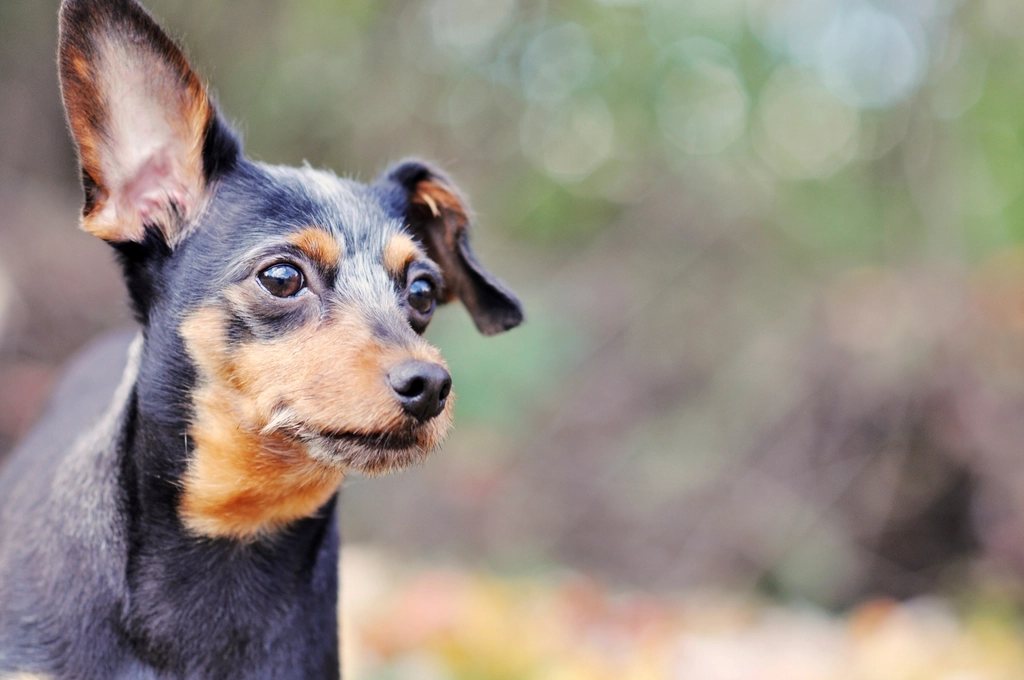 Photo Credit: Rawpixel
In the bustling heart of urban landscapes, the Miniature Pinscher, or Canis lupus familiaris, dances through life with an energy that is simply contagious. This pint-sized dynamo, often affectionately known as the “Min Pin,” stands at just 10 to 12.5 inches tall, yet its presence is anything but small. With a sleek, muscular body, a proud stance, and a coat that glistens in shades of black, chocolate, or rust, the Min Pin captures the attention of everyone it meets. Its bright, expressive eyes and perky ears add to its charm, making it a favorite among dog lovers and a subject of fascination for scientists studying canine behavior.
What makes the Miniature Pinscher truly captivating is not just its striking appearance but also its spirited personality. Originally bred in Germany to hunt vermin, these dogs are known for their fearless nature and boundless curiosity. They zip around their environments with a zest for life, exploring every nook and cranny. This lively breed thrives in homes filled with activity, where their playful antics can shine. As we delve deeper into the world of the Miniature Pinscher, we will uncover the secrets of its behavior, diet, and the unique role it plays in our lives and ecosystems. Join us on this adventure to learn more about this remarkable little companion that has won hearts around the globe.
The Miniature Pinscher, often affectionately called the “Min Pin,” holds a special place in the animal kingdom. This spirited little dog is a member of the Kingdom Animalia, which includes all animals, and it belongs to the Phylum Chordata, meaning it has a backbone. What sets the Miniature Pinscher apart is its lively personality and striking appearance, often mistaken for a smaller version of the Doberman Pinscher. However, despite the name, the Miniature Pinscher is not a miniature version of any other breed; it has its own distinct lineage and characteristics that make it a true original.
| Taxonomic Rank | Scientific Name | Meaning & Significance |
|---|---|---|
| Kingdom | Animalia | This name comes from the Latin word “animalis,” meaning “having breath” or “living.” It signifies all living organisms that are not plants or fungi. |
| Phylum | Chordata | Derived from the Greek word “chordē,” meaning “string,” this term refers to animals with a notochord, a flexible rod that supports the body, which in vertebrates becomes the backbone. |
| Class | Mammalia | This name comes from the Latin “mamma,” meaning “breast.” It highlights that members of this class nurse their young with milk produced by mammary glands. |
| Order | Carnivora | From the Latin “carnivorus,” meaning “meat-eating,” this order includes animals that primarily consume meat, showcasing their evolutionary adaptations for hunting. |
| Family | Canidae | This family name comes from the Latin “canis,” meaning “dog.” It encompasses all dog-like mammals, emphasizing their shared ancestry and traits. |
| Genus | Canis | Also derived from the Latin “canis,” this genus includes dogs, wolves, and foxes, highlighting their close genetic relationships and similar behaviors. |
Understanding the Miniature Pinscher’s classification reveals much about its evolutionary journey. As a member of the Canidae family, it shares a common ancestor with wolves and domestic dogs, showcasing traits that have been honed over thousands of years. The Miniature Pinscher’s lively spirit and agility are not just charming; they are echoes of its ancestors’ hunting prowess. This classification not only helps us appreciate the Min Pin’s unique characteristics but also connects us to the broader tapestry of life, illustrating how diverse and interconnected the animal kingdom truly is.
The Miniature Pinscher, a lively and spirited dog, has a rich evolutionary history that traces back thousands of years. This breed, often mistaken for a smaller version of the Doberman Pinscher, actually has its roots in ancient breeds that were developed for specific purposes. The timeline of its evolution reveals a journey shaped by human needs and environmental changes, leading to the energetic companion we know today.
The ancestors of the Miniature Pinscher can be traced back to various small dog breeds in Europe, particularly in Germany. These early dogs were bred for their ability to hunt vermin, such as rats and mice, in homes and stables. Over time, selective breeding emphasized traits like agility, intelligence, and a fearless disposition. This process led to the development of the Miniature Pinscher as a distinct breed in the early 20th century. Unlike many breeds that were created for specific working roles, the Min Pin was primarily bred for companionship, showcasing a blend of playful energy and loyalty.
The adaptations of the Miniature Pinscher have played a crucial role in its survival and popularity. Its compact size and high energy make it an ideal companion for families and individuals alike, while its fearless nature ensures it can protect its territory. The strong instincts and vibrant coat further enhance its appeal, allowing it to thrive in various environments. As a result, the Miniature Pinscher continues to be a beloved breed, cherished for its lively spirit and unwavering loyalty.
The Miniature Pinscher is a small but mighty dog that captures attention with its lively presence and striking appearance. Standing at just 10 to 12.5 inches tall, this breed boasts a compact, muscular body that exudes confidence and energy. Its sleek coat, which lies close to the skin, enhances its elegant silhouette, while its high-stepping, hackney gait gives it a unique flair as it moves. With a proud stance and alert expression, the Min Pin is a true embodiment of spirited charm.
| Feature | Description |
|---|---|
| Size | 10 to 12.5 inches tall at the shoulder |
| Weight | 8 to 12 pounds |
| Color | Commonly black, chocolate, or red, often with rust markings |
| Skin Type | Short, smooth hair that lies flat against the body |
| Distinctive Feature | High-stepping, hackney gait that adds to its lively appearance |
The combination of the Miniature Pinscher’s size, sleek coat, and energetic gait not only makes it visually striking but also serves important survival purposes. Its compact body allows for agility and quick movements, which can be beneficial in both play and potential escape from threats. The short hair helps regulate body temperature, keeping the dog comfortable in various climates. Together, these features create a breed that is not only adorable but also well-adapted to its environment, showcasing the perfect blend of form and function.
The Miniature Pinscher thrives in a variety of environments, often found in urban settings where its energetic personality can shine. These small dogs are well-suited to homes with plenty of activity, whether it’s a bustling city apartment or a cozy house in the suburbs. Their lively nature makes them excellent companions for families and individuals alike, as they love to be part of the action. With their keen intelligence and playful spirit, they adapt well to different living situations, always ready to explore their surroundings.
Miniature Pinschers prefer moderate climates, thriving in areas that are not too hot or too cold. They enjoy environments where they can engage in outdoor activities, but they are also quite adaptable. While they can handle a range of temperatures, extreme heat or cold can be challenging for them. These dogs benefit from a comfortable living space that allows them to stay active and social, as they are known for their playful and spirited demeanor.
To flourish in their habitats, Miniature Pinschers have developed several adaptations. Their short coat helps them stay cool in warmer weather, while their energetic nature means they require regular exercise to keep them happy and healthy. Additionally, their alertness and intelligence make them quick learners, allowing them to navigate various environments with ease. Whether they are darting around a park or curling up on a couch, these little dogs have a knack for making any place feel like home.
The Miniature Pinscher leads a vibrant daily life filled with energy and curiosity. Each day begins with a burst of enthusiasm, as these little dogs eagerly greet their owners with wagging tails and playful barks. Their mornings often include a brisk walk or a romp in the yard, where they can stretch their legs and explore their surroundings. Throughout the day, they engage in various activities, from chasing after toys to investigating every nook and cranny of their home. Their playful nature keeps them active, and they thrive on mental stimulation, often enjoying puzzle toys or training sessions that challenge their clever minds.
Socially, Miniature Pinschers are known for their bold and confident personalities. They are not shy about expressing themselves, whether through playful antics or assertive barking. These dogs form strong bonds with their human families and often see themselves as the protectors of their household. In group settings, they can be quite social, interacting with other dogs and people with enthusiasm. However, they also have a strong independent streak, which means they may sometimes prefer to explore on their own. This blend of sociability and independence makes them both engaging companions and spirited adventurers.
| Behavior Type | Description |
|---|---|
| Activity Patterns | Miniature Pinschers are highly active, requiring regular exercise and playtime to keep them happy and healthy. They enjoy running, jumping, and playing games like fetch. |
| Social Structure | These dogs thrive in family environments, forming close bonds with their owners. They often see themselves as part of the pack and can be protective of their loved ones. |
| Communication Methods | Miniature Pinschers communicate through a variety of vocalizations, including barks, growls, and yips. They also use body language, such as tail wagging and playful postures, to express their feelings. |
The behaviors of Miniature Pinschers are not just for fun; they play a crucial role in their survival. Their high energy levels and playful nature help them stay fit and agile, which is essential for a small breed. Their social skills enable them to bond with humans and other animals, creating a supportive environment that enhances their well-being. By being alert and protective, they also ensure the safety of their home, making them not just delightful companions but also vigilant guardians. In the world of Miniature Pinschers, every day is an adventure, filled with opportunities for play, connection, and exploration.
The Miniature Pinscher is an omnivore, which means it enjoys a varied diet that includes both plant and animal foods. This little dynamo has a hearty appetite and thrives on a mix of high-quality dog food, which often contains meat, grains, and vegetables. In addition to commercial dog food, Min Pins may also enjoy treats like fruits and vegetables, making their meals both nutritious and tasty. Their feeding behavior is characterized by a keen sense of smell and a playful approach to mealtime, often eagerly anticipating their next meal with excitement.
| Dietary Aspect | Details |
|---|---|
| Diet Type | Omnivore |
| Favorite Foods | High-quality dog food, fruits, and vegetables |
| Prey Items | Small insects and rodents |
| Hunting/Foraging Strategies | Using keen senses and playful energy to explore and find food |
This diverse diet not only fuels the Miniature Pinscher’s energetic lifestyle but also plays a crucial role in its overall health and well-being. By consuming a variety of foods, these dogs can obtain essential nutrients that support their active nature. Their daily routine often includes playful foraging and exploring, which keeps them engaged and mentally stimulated. This adaptability in diet and behavior helps the Miniature Pinscher thrive in various environments, making it a beloved companion for families and individuals alike.
When it comes to the mating behavior of Miniature Pinschers, these spirited dogs are known for their lively and playful courtship rituals. The breeding season typically occurs twice a year, with females going into heat, or estrus, for about three weeks. During this time, male Min Pins may display heightened interest, showcasing their energy and charm to attract a mate. This playful dance of affection and excitement is a crucial part of their reproductive cycle, ensuring that the strongest genes are passed on to the next generation.
| Reproductive Aspect | Details |
|---|---|
| Gestation Period | Approximately 63 days |
| Litter Size | 3-6 puppies |
| Age of Maturity | 6-12 months |
| Name of Young | Puppies |
Once the puppies are born, the parental care provided by the mother is vital for their survival and development. Miniature Pinscher mothers are attentive and nurturing, often spending the first few weeks nursing and keeping their young warm and safe. As the puppies grow, they begin to explore their surroundings, developing their playful personalities. By the time they reach maturity at around 6 to 12 months, these lively pups are ready to embrace the world with the same spirited energy that defines their breed. The bond between the mother and her puppies is strong, laying the foundation for their social skills and behavior as they transition into adulthood.
The Miniature Pinscher occupies a unique niche in the food web, primarily as a small companion animal rather than a wild creature. While they are not typically preyed upon in the same way as wild animals, their size and energetic nature can make them vulnerable to various predators and threats. In urban environments, they may face dangers from larger animals or even human-related hazards, which can pose risks to their safety and well-being.
To survive these threats, Miniature Pinschers rely on their quick reflexes and alertness. Their natural instinct is to be vigilant, often barking to warn their owners of potential dangers. Additionally, their small size allows them to dart into tight spaces or hide when they sense trouble. This combination of agility and awareness helps them navigate their environment, ensuring they can evade predators and stay safe in a world full of challenges.
A keystone species is a vital part of its ecosystem, meaning its presence has a significant impact on the environment and other living things. While the Miniature Pinscher, or “Min Pin,” is a beloved companion animal, it does not play a keystone role in its ecosystem. Instead, it thrives in human-dominated environments, where its influence is more about companionship than ecological balance.
Though the Miniature Pinscher is not a keystone species, it does contribute to its surroundings in interesting ways. For instance, as an omnivore, it helps control insect populations by hunting small pests. This behavior can indirectly benefit gardens and urban landscapes, keeping them healthier and more vibrant. Additionally, the Min Pin’s playful nature encourages physical activity in its human companions, promoting a healthier lifestyle for families.
The Miniature Pinscher also interacts with other pets and animals, fostering social dynamics that can enhance the well-being of other species in a household. Its energetic personality can stimulate play and exercise among other pets, creating a lively environment. Furthermore, by being a part of human lives, these dogs help strengthen the bond between people and animals, promoting a greater appreciation for all living beings.
If Miniature Pinschers were to disappear from our homes, the immediate impact would be felt in the hearts of their owners. However, on a broader ecological scale, the effects would be minimal. The absence of these spirited dogs would mean fewer playful interactions in households, potentially leading to less active lifestyles for some families. While they may not be keystone species, the joy and companionship they bring to our lives are irreplaceable, reminding us of the importance of all animals, big and small.
The Miniature Pinscher, often known for its spirited personality and boundless energy, plays a fascinating role in its ecosystem, particularly in urban environments. As a small omnivore, this breed contributes to the balance of its surroundings by interacting with various elements of the ecosystem. While they may not be traditional wildlife, their presence influences both human and animal communities, showcasing how even the smallest creatures can have a significant impact.
| Ecosystem Service | Impact |
|---|---|
| Seed Dispersal | By foraging and playing, Miniature Pinschers can help spread seeds from plants, contributing to plant diversity. |
| Pest Control | These energetic dogs can help keep populations of small pests in check, such as rodents and insects. |
| Companionship | As beloved pets, they enhance human well-being, promoting a connection to nature and encouraging outdoor activities. |
In urban settings, Miniature Pinschers often engage in playful activities that can inadvertently aid in seed dispersal. As they romp through parks and gardens, they may carry seeds on their fur or in their mouths, dropping them in new locations. This behavior supports plant diversity, allowing various species to thrive in their environment. Additionally, their natural curiosity and hunting instincts can help control small pest populations, making them valuable companions for homeowners looking to maintain a balanced ecosystem.
The broader ecological importance of the Miniature Pinscher extends beyond their immediate surroundings. By fostering companionship and encouraging outdoor exploration, these dogs help strengthen the bond between humans and nature. Their presence in urban areas can inspire people to appreciate the environment, leading to greater awareness of conservation efforts. In this way, the Miniature Pinscher not only enriches the lives of those around them but also plays a subtle yet vital role in maintaining the health of their ecosystems.
In the intricate web of life, symbiosis refers to the close relationships between different species, where they interact in various ways. These relationships can be mutualistic, where both species benefit, parasitic, where one benefits at the other’s expense, or commensal, where one benefits while the other is neither helped nor harmed. Understanding these connections helps us appreciate the balance of ecosystems and the roles different animals play within them.
| Species/Type | Relationship Type | Description |
|---|---|---|
| Humans | Mutualistic | Miniature Pinschers often form strong bonds with humans, providing companionship and loyalty while receiving care, food, and shelter in return. |
| Fleas | Parasitic | Fleas can infest Miniature Pinschers, feeding on their blood and causing discomfort, which is harmful to the dog. |
| Other Pets | Commensal | When living with other pets, such as cats or larger dogs, Miniature Pinschers may benefit from social interactions without significantly affecting the other animals. |
These relationships have evolved over time, shaped by the needs and behaviors of the species involved. The bond between Miniature Pinschers and humans is a prime example of mutualism, where both parties gain from their interaction. As these dogs provide companionship and joy, humans offer them a safe home and care. On the other hand, parasitic relationships, like those with fleas, highlight the challenges animals face in their environments. Understanding these dynamics not only enriches our knowledge of the Miniature Pinscher but also emphasizes the importance of maintaining healthy ecosystems for all species involved.
The Miniature Pinscher, often called the “Min Pin,” is a small dog with a big personality. This breed is full of surprises that can captivate both dog lovers and nature enthusiasts alike.
The Miniature Pinscher, often known as the “Min Pin,” has a long and storied relationship with humanity that dates back centuries. Originally bred in Germany to hunt vermin, these spirited little dogs quickly became beloved companions. Their lively nature and striking appearance captured the hearts of many, leading to their presence in various cultures. In art and literature, the Min Pin has often been depicted as a symbol of loyalty and energy, showcasing the deep bond between this breed and its human counterparts.
Today, the interactions between Miniature Pinschers and people are multifaceted. As pets, they bring joy and companionship to families around the world. Their playful demeanor and intelligence make them excellent family dogs, while their small size allows them to thrive in urban environments. However, like many domesticated animals, they face challenges. Issues such as overbreeding and health concerns can arise, prompting responsible ownership and breeding practices. Additionally, the Min Pin’s energetic nature means they require regular exercise and mental stimulation, which can lead to a fulfilling partnership with their human families.
As we look to the future, the relationship between Miniature Pinschers and humans is likely to evolve further. With increased awareness of animal welfare and responsible breeding, we can hope for healthier, happier Min Pins. As these dogs continue to adapt to our lifestyles, they will remain cherished companions, enriching our lives with their boundless energy and affection. The bond we share with these spirited little dogs is a testament to the joy and connection that animals bring into our lives.
The Miniature Pinscher, or “Min Pin,” currently holds a conservation status of “Not Listed” according to the International Union for Conservation of Nature (IUCN). This means that there are no immediate concerns regarding their population numbers or survival. While specific population estimates are not readily available, the breed remains popular among dog enthusiasts, which helps maintain a stable population trend. However, as with many breeds, it is essential to monitor their numbers to ensure they continue to thrive.
| Conservation Factor | Status/Details |
|---|---|
| IUCN Status | Not Listed |
| Population Estimates | Not specifically available |
| Trend Direction | Stable |
One of the main threats to the Miniature Pinscher is the risk of overbreeding, which can lead to health issues and genetic problems. As a popular breed, they are often bred for profit rather than for health and temperament. This can result in puppies that may inherit conditions like hip dysplasia or patellar luxation, where the kneecap dislocates. Additionally, the increasing prevalence of puppy mills—facilities that prioritize profit over animal welfare—can further exacerbate these issues, putting the breed at risk.
Conservation efforts for the Miniature Pinscher focus on responsible breeding practices and education for potential owners. Organizations dedicated to the breed work to promote health screenings and ethical breeding standards. By encouraging responsible ownership and breeding, the outlook for the Miniature Pinscher remains positive. As long as enthusiasts continue to advocate for their well-being, this spirited little dog will likely continue to thrive in homes around the world.
| Question | Answer |
|---|---|
| What is the habitat of a Miniature Pinscher? | Miniature Pinschers are adaptable dogs that thrive in various environments, including apartments and houses. They enjoy being close to their human families and need a safe space to play and exercise. |
| What do Miniature Pinschers eat? | As omnivores, Miniature Pinschers can eat a variety of foods, including high-quality dog food, fruits, and vegetables. It's important to provide a balanced diet to keep them healthy and energetic. |
| What is the behavior of a Miniature Pinscher? | Miniature Pinschers are known for their lively and spirited nature. They are often described as fearless and confident, making them excellent watchdogs, but they also require proper training and socialization to manage their energetic behavior. |
| How do Miniature Pinschers reproduce? | Like most dogs, Miniature Pinschers reproduce through mating between a male and a female. The female typically goes into heat twice a year, and after a gestation period of about 63 days, she can give birth to a litter of puppies. |
| What threats do Miniature Pinschers face? | While Miniature Pinschers are not currently listed as endangered, they can face threats from neglect, poor breeding practices, and health issues. Regular veterinary care and responsible ownership are essential to ensure their well-being. |
| What is an interesting characteristic of Miniature Pinschers? | One of the most distinctive features of the Miniature Pinscher is its high-stepping, hackney gait. This unique way of walking not only makes them look elegant but also showcases their energetic personality. |
| Are Miniature Pinschers good family pets? | Yes, Miniature Pinschers can be great family pets! They are playful and affectionate, but they do best in active households where they can get plenty of exercise and attention. |