Taxonomy & Classification
- Kingdom
- Animalia
- Phylum
- Chordata
- Class
- Mammalia
- Order
- Carnivora
- Family
- Mustelidae
- Genus
- Mustela or Neovison
- Species
- Mustela lutreola or Neovison vison

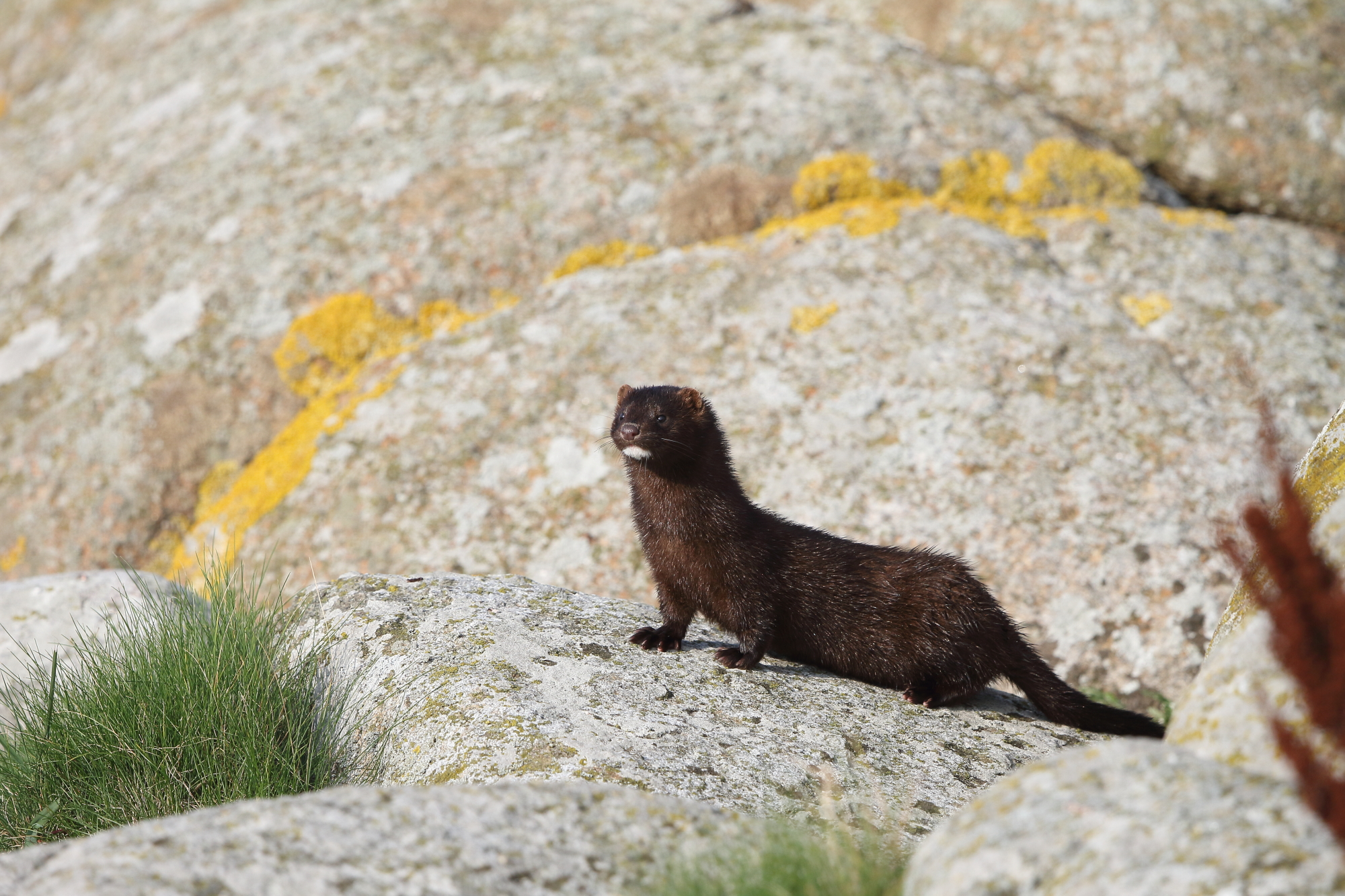 Photo Credit: Marton Berntsen / Wikimedia Commons
In the shimmering twilight of a riverbank, the mink, known scientifically as Neovison vison, glides effortlessly through the water, its sleek body a blur of rich brown fur. With a long, slender shape and short legs, this agile mammal is perfectly designed for life both in and out of the water. Its sharp, inquisitive eyes scan the surroundings, always on the lookout for a meal or a potential threat. Minks are not just beautiful; they are fascinating creatures that captivate scientists and nature lovers alike with their playful antics and remarkable hunting skills.
As they navigate their lush, watery habitats, minks display a unique blend of grace and ferocity. These carnivorous hunters are known for their diverse diet, which includes fish, amphibians, and small mammals. Their keen sense of smell and sharp reflexes make them expert foragers, allowing them to thrive in various environments. Minks are also social animals, often seen engaging in playful behaviors with one another, which adds to their charm. With their vital role in the ecosystem as both predators and prey, minks help maintain the balance of their habitats, making them an essential part of the natural world. Join us as we dive deeper into the life of the mink, exploring its behaviors, adaptations, and the challenges it faces in a changing environment.
Minks are intriguing members of the animal kingdom, sitting comfortably within the taxonomic hierarchy that showcases their unique adaptations and behaviors. Classified under the family Mustelidae, which includes weasels, otters, and ferrets, minks are small, agile mammals known for their sleek bodies and luxurious fur. Their classification as part of the order Carnivora highlights their meat-eating habits, making them skilled hunters in their aquatic and terrestrial habitats. Minks are particularly fascinating because they exhibit both terrestrial and semi-aquatic lifestyles, showcasing their versatility in adapting to different environments.
| Taxonomic Rank | Scientific Name | Meaning & Significance |
|---|---|---|
| Kingdom | Animalia | This name comes from the Latin word “animalis,” meaning “having breath.” It signifies all living organisms that are not plants or fungi, highlighting the diverse life forms that share our planet. |
| Phylum | Chordata | Derived from the Greek word “chorde,” meaning “string,” this classification refers to animals with a notochord, a flexible rod that supports the body. This group includes all vertebrates, showcasing the evolutionary advancement of having a backbone. |
| Class | Mammalia | This term comes from the Latin “mamma,” meaning “breast,” which refers to the mammary glands that produce milk for feeding young. It highlights the nurturing aspect of mammals, including minks, who care for their offspring. |
| Order | Carnivora | From the Latin “carnivorus,” meaning “meat-eating,” this order includes animals that primarily consume flesh. Minks are adept hunters, showcasing the predatory skills that define this group. |
| Family | Mustelidae | This name is derived from the Latin “mustela,” meaning “weasel.” It reflects the family’s characteristics, including their elongated bodies and sharp claws, which are perfect for hunting and burrowing. |
| Genus | Mustela or Neovison | Mustela comes from the Latin word for “weasel,” while Neovison means “new vision,” indicating a distinct lineage within the mustelid family. This classification helps scientists understand the evolutionary relationships among these agile mammals. |
Understanding where minks fit in the tree of life reveals much about their evolutionary journey. As members of the Carnivora order, they share a common ancestor with other meat-eating mammals, which has shaped their hunting strategies and physical adaptations. Their classification within the Mustelidae family highlights their close relationship with other small, agile predators, emphasizing the evolutionary advantages of their body structure and behavior. By studying minks and their relatives, scientists can gain insights into the ecological roles these animals play and how they have adapted to thrive in diverse environments.
The evolutionary journey of minks stretches back millions of years, weaving through the tapestry of time and adaptation. These agile mammals belong to the family Mustelidae, which includes weasels, otters, and ferrets. The ancestors of modern minks emerged during the late Miocene epoch, around 10 million years ago, as they began to carve out their niche in diverse habitats across the Northern Hemisphere.
The early ancestors of minks were small, carnivorous mammals that thrived in forested and wetland environments. Over time, they evolved into two main genera: Mustela and Neovison. Mustela includes species like the European mink, while Neovison is home to the American mink. These transitions marked significant adaptations, allowing minks to become more specialized hunters. Their bodies became sleeker and more streamlined, perfect for navigating through water and dense underbrush.
These evolutionary adaptations have been crucial for minks, enabling them to thrive in various habitats, from marshes to forests. Their ability to swim and hunt effectively has made them formidable predators, while their thick fur protects them from harsh climates. As they continue to adapt to changing environments, minks showcase the incredible power of evolution in shaping life on Earth.
Minks are sleek and agile animals that exude a sense of elegance and power. Their bodies are long and slender, perfectly designed for swift movements through water and land. With a weight ranging from 1 to 2 pounds, they are lightweight yet muscular, allowing them to navigate their environments with ease. Their short legs are complemented by webbed feet, which make them exceptional swimmers, while their fur is soft and dense, providing insulation against cold temperatures.
| Feature | Description |
|---|---|
| Weight | 1-2 lbs |
| Skin Type | Hair |
| Most Distinctive Feature | Webbed feet |
The combination of their lightweight frame and webbed feet allows minks to thrive in diverse habitats, from lush wetlands to forested areas. Their dense fur not only keeps them warm but also helps them stay dry while swimming. This blend of features makes minks agile hunters, capable of pursuing prey both in water and on land. Each characteristic plays a vital role in their survival, showcasing the beauty of nature’s design in action.
Minks thrive in a variety of watery environments, often found along the banks of rivers, lakes, streams, and ponds. These habitats are rich in vegetation, providing ample cover and hunting grounds. The lush greenery and the gentle sounds of flowing water create a serene backdrop for these agile mammals. Minks are equally at home on land and in water, making their habitats a perfect blend of both worlds.
Minks prefer climates that offer a mix of wet and dry conditions. They are often found in areas with moderate temperatures, as extreme heat or cold can be challenging for them. These mammals enjoy environments where they can easily access water, which is crucial for their hunting and grooming habits. The presence of dense vegetation not only provides shelter from predators but also supports a rich ecosystem filled with potential prey.
Adapted to their specific habitats, minks have developed several remarkable traits. Their sleek bodies and webbed feet make them excellent swimmers, allowing them to chase fish and other aquatic creatures with ease. On land, their sharp claws help them climb and dig, while their keen sense of smell aids in locating food. These adaptations ensure that minks can thrive in both their watery homes and the surrounding landscapes, showcasing their versatility and resilience in the wild.
Minks lead a life filled with activity and adventure, primarily during the twilight hours of dawn and dusk. These agile mammals are most active at night, when they venture out to hunt and explore their surroundings. Their daily routine revolves around searching for food, which includes fish, small mammals, and birds. With their keen senses and stealthy movements, minks are expert hunters, often using their sharp claws and teeth to catch prey. They are also known to swim gracefully, thanks to their webbed feet, which help them navigate through water with ease.
While minks are primarily solitary animals, they do exhibit interesting social behaviors during mating season and when raising young. Males and females come together briefly to mate, and after a gestation period of about 40 to 75 days, the female gives birth to a litter of kits. These young minks rely on their mother for food and protection until they are old enough to venture out on their own. Although minks generally prefer to live alone, they may communicate with each other through a series of vocalizations, body language, and scent markings, especially during the breeding season.
| Behavior Type | Description |
|---|---|
| Activity Patterns | Minks are primarily nocturnal, meaning they are most active at night. They hunt and explore during twilight hours, using their keen senses to locate prey. |
| Social Structure | Generally solitary, minks come together only for mating and raising young. After birth, the mother cares for her kits until they can fend for themselves. |
| Communication Methods | Minks communicate through vocalizations, body language, and scent markings. These methods are especially important during mating season and for establishing territory. |
The behaviors of minks are finely tuned to ensure their survival in the wild. Their solitary nature allows them to be stealthy hunters, while their ability to communicate during critical times helps them find mates and raise their young successfully. By adapting to their environment and honing their skills, minks thrive in diverse habitats, showcasing the intricate balance of life in the animal kingdom.
Minks are carnivorous hunters, meaning they primarily eat meat. Their diet is diverse, allowing them to adapt to various environments and food availability. Minks are skilled foragers and hunters, using their keen senses and agility to catch a wide range of prey. They often hunt at dawn and dusk, taking advantage of the low light to stalk their meals. With their sharp teeth and quick reflexes, minks can tackle everything from small mammals to fish, making them versatile predators in their watery habitats.
| Dietary Aspect | Details |
|---|---|
| Diet Type | Carnivore |
| Favorite Foods | Mice, rabbits, fish, and frogs |
| Prey Items | Muskrats, snakes, crayfish, and birds |
| Hunting/Foraging Strategies | Stalking and ambushing prey, often using water as a hunting ground |
The diet of minks plays a crucial role in shaping their ecology and daily routines. By preying on various animals, they help maintain the balance of their ecosystems, controlling populations of smaller mammals and aquatic creatures. Their hunting habits also influence their movement patterns, as they navigate through their habitats in search of food. This adaptability not only ensures their survival but also highlights their importance in the natural world, where every creature has a role to play.
Minks have a captivating mating ritual that begins in late winter to early spring. During this time, males become quite active, seeking out females to court. They engage in playful behaviors, such as chasing and wrestling, which help establish their bond. Once a female is receptive, she will mate with one or more males, leading to a fascinating genetic mix in her offspring. This breeding season is crucial, as it sets the stage for the next generation of these agile mammals.
| Reproductive Aspect | Details |
|---|---|
| Gestation Period | 35-75 days |
| Average Litter Size | 1-8 |
| Age of Sexual Maturity | 10-12 months |
| Name of Young | Kits |
After the gestation period, which can vary quite a bit, the female gives birth to a litter of kits. These tiny, helpless young are born blind and rely entirely on their mother for warmth and nourishment. The mother is a dedicated caregiver, nursing her kits and keeping them safe in a cozy den. As the weeks pass, the kits grow rapidly, opening their eyes and beginning to explore their surroundings. By the time they reach about ten months old, they are ready to venture out on their own, equipped with the skills they need to thrive in the wild. This nurturing phase is vital, as it ensures that the next generation of minks is prepared to face the challenges of their environment.
Minks play a vital role in their ecosystems, acting as both predators and prey within the food web. As agile hunters, they help control populations of small animals, while also being a food source for larger predators. This delicate balance keeps nature in harmony, but it also means that minks face various dangers in their quest for survival.
To defend themselves against these threats, minks rely on their speed and agility. They are excellent swimmers and can quickly dart into the water to escape danger. Their keen senses help them detect predators from a distance, allowing them to take cover in dense vegetation or burrows. Additionally, minks are known for their cleverness, often using their environment to outsmart rivals and evade capture. These survival strategies showcase their adaptability and resilience in the wild.
A keystone species is an organism that has a disproportionately large impact on its environment relative to its abundance. This means that if it were removed, the ecosystem would change dramatically. Minks, with their role as both predators and prey, qualify as a keystone species in their habitats. Their presence helps maintain the balance of various populations, making them essential for the health of their ecosystems.
Minks primarily inhabit the banks of rivers, lakes, streams, and ponds, where they thrive in rich, vegetated environments. As carnivores, they hunt a variety of small animals, including fish, amphibians, and rodents. By controlling these populations, minks prevent any one species from becoming too dominant, which could lead to overgrazing or depletion of resources. For example, if minks keep the population of small rodents in check, it allows for a healthier plant community, as fewer rodents means less damage to vegetation.
Moreover, minks serve as prey for larger predators, such as owls and foxes. This connection creates a complex web of interactions that supports biodiversity. When minks are present, they provide a food source for these predators, which in turn helps regulate their populations. This balance is crucial for maintaining the overall health of the ecosystem, as it ensures that no single species overwhelms the environment.
If minks were to disappear from their ecosystems, the effects would be significant. Without these agile hunters, populations of small animals could explode, leading to overgrazing and a decline in plant diversity. This imbalance would ripple through the food web, affecting not only the predators that rely on minks for food but also the entire ecosystem’s health. The loss of minks would ultimately disrupt the delicate balance of life in their habitats, showcasing just how vital they are to the natural world.
Minks occupy a vital ecological niche as both predators and prey in their habitats. These agile mammals are primarily found along the banks of rivers, lakes, streams, and ponds, where they thrive in lush, vegetated environments. Their presence helps maintain the balance of local ecosystems, as they actively hunt various small animals, contributing to the regulation of species populations. This dynamic role makes minks essential players in the intricate web of life.
| Ecosystem Service | Impact |
|---|---|
| Population Control | Minks help regulate the numbers of small mammals and fish, preventing overpopulation and promoting biodiversity. |
| Prey for Larger Animals | As a food source for larger predators, minks support the food web and contribute to the survival of species like eagles and foxes. |
| Habitat Maintenance | By hunting and foraging, minks help maintain healthy ecosystems, ensuring that plant and animal communities thrive. |
Minks influence their environment in several specific ways. For instance, by preying on fish and amphibians, they help keep these populations in check, which in turn supports the health of aquatic plants and the overall water quality. Additionally, their hunting activities can create opportunities for other species, as they often leave behind remnants of their meals that provide nourishment for scavengers. This interconnectedness highlights how minks contribute to a balanced ecosystem, where every action has a ripple effect.
The broader ecological importance of minks cannot be overstated. As a keystone species, their presence is crucial for maintaining the health and stability of their habitats. If minks were to disappear, the consequences would be significant, leading to potential overpopulation of their prey and a decline in biodiversity. By understanding the role of minks in their ecosystems, we gain insight into the delicate balance of nature and the importance of every species in sustaining life on our planet.
In the intricate web of life, symbiosis plays a crucial role in shaping the relationships between different species. Symbiosis refers to the close interactions between organisms, which can be beneficial, harmful, or neutral. These ecological relationships can take many forms, including mutualism, where both species benefit, parasitism, where one benefits at the expense of the other, and commensalism, where one benefits while the other is neither helped nor harmed. Understanding these connections helps us appreciate the delicate balance of ecosystems and the roles that various species play within them.
| Species/Type | Relationship Type | Description |
|---|---|---|
| Fish (e.g., minnows) | Mutualistic | Minks may benefit from fish populations by preying on them, while fish benefit from the presence of minks, which can help control the populations of smaller predators that threaten them. |
| Birds (e.g., ducks) | Commensal | When minks hunt near water bodies, they may inadvertently disturb fish and insects, which can attract birds looking for an easy meal. The birds benefit from the minks’ activity without affecting the minks. |
| Parasites (e.g., ticks) | Parasitic | Ticks can latch onto minks, feeding on their blood. This relationship is harmful to minks, as it can lead to health issues, but it provides sustenance for the ticks. |
These relationships have evolved over time, shaped by the needs and behaviors of the species involved. Minks, as solitary hunters, have developed strategies that allow them to thrive in their environments while interacting with other species. The mutualistic relationships help maintain balance in the ecosystem, while parasitic interactions remind us of the challenges that come with survival. By understanding these connections, we can better appreciate the complexity of nature and the importance of every species in maintaining ecological harmony.
Minks are captivating creatures that often surprise us with their remarkable traits and behaviors. These agile mammals are not just skilled hunters; they also possess unique adaptations that help them thrive in their environments. Here are some intriguing facts about minks that will surely pique the interest of nature enthusiasts.
Minks have a long and storied relationship with humanity, dating back centuries. Historically, these sleek mammals have been valued for their luxurious fur, which has made them a symbol of wealth and status in various cultures. Ancient civilizations, including the Egyptians and Romans, prized mink pelts for their softness and warmth. This cultural significance has led to a complex relationship, where minks are both admired for their beauty and exploited for their fur. Folklore and art often depict minks as clever and resourceful, reflecting their agile nature and adaptability.
In modern times, the interaction between minks and humans has evolved significantly. While fur farming remains a controversial practice, conservation efforts are also underway to protect wild mink populations and their habitats. Conflicts can arise, particularly in agricultural areas where minks may prey on poultry or fish. Some people have even attempted to domesticate minks, drawn by their playful behavior and intelligence. However, this has proven challenging, as minks are naturally wild animals with specific needs that are difficult to meet in a domestic setting.
As we look to the future, the relationship between minks and humanity will likely continue to shift. With growing awareness of animal rights and conservation, there is hope for a more balanced coexistence. Efforts to protect natural habitats and promote ethical treatment of animals can lead to a healthier environment for both minks and humans. By fostering understanding and respect for these agile mammals, we can ensure that future generations appreciate their role in our ecosystems while also recognizing their intrinsic value beyond fur.
Minks are currently classified as Least Concern by the International Union for Conservation of Nature (IUCN), indicating that they are not at immediate risk of extinction. However, their population trends are not well-documented, leading to uncertainty about their actual numbers in the wild. While some regions may see stable populations, others could be experiencing declines due to various environmental pressures. This ambiguity highlights the need for ongoing research and monitoring to better understand their status.
| Conservation Factor | Status/Details |
|---|---|
| IUCN Status | Least Concern |
| Population Estimates | Unknown |
| Trend Direction | Uncertain |
Minks face several threats that can impact their populations. Habitat loss is a significant concern, as wetlands and riverbanks are often drained for agriculture or urban development. Pollution in waterways can also harm their food sources, making it harder for them to thrive. Additionally, minks are sometimes hunted for their fur, which can further reduce their numbers in certain areas. These factors combined create a challenging environment for minks, making it essential to address these threats to ensure their survival.
Conservation efforts are underway to protect minks and their habitats. Organizations are working to restore wetlands and promote sustainable land use practices that benefit both wildlife and humans. Public awareness campaigns aim to educate people about the importance of minks in the ecosystem and the need to preserve their natural environments. With continued efforts and research, there is hope that minks will maintain stable populations and continue to play their vital role in the ecosystems they inhabit.
| Question | Answer |
|---|---|
| Where do minks live? | Minks are found near the banks of rivers, lakes, streams, and ponds. They prefer wetland areas where they can easily hunt for food and find shelter. |
| What do minks eat? | Minks are carnivores, which means they primarily eat meat. Their diet includes fish, small mammals, birds, and even amphibians, making them skilled hunters. |
| How do minks behave? | Minks are known for being playful and curious. They are also very agile and can swim well, thanks to their webbed feet, which help them move quickly in water. |
| How do minks reproduce? | Minks typically mate in late winter or early spring. After a gestation period of about 40 to 75 days, the female gives birth to a litter of kits, usually ranging from 2 to 6 young. |
| What threats do minks face? | Minks face several threats, including habitat loss due to human development and pollution in their aquatic environments. They are also hunted for their fur, which can impact their populations. |
| What is a unique characteristic of minks? | One of the most distinctive features of minks is their webbed feet. This adaptation allows them to swim efficiently, making them excellent hunters in both water and on land. |
| Are minks social animals? | Minks are generally solitary creatures, preferring to live alone except during mating season or when a mother is raising her young. They are territorial and will defend their space from other minks. |