Taxonomy & Classification
- Kingdom
- Animalia
- Phylum
- Chordata
- Class
- Aves
- Order
- Gruiformes
- Family
- Rallidae
- Genus
- Gallinula
- Species
- Gallinula

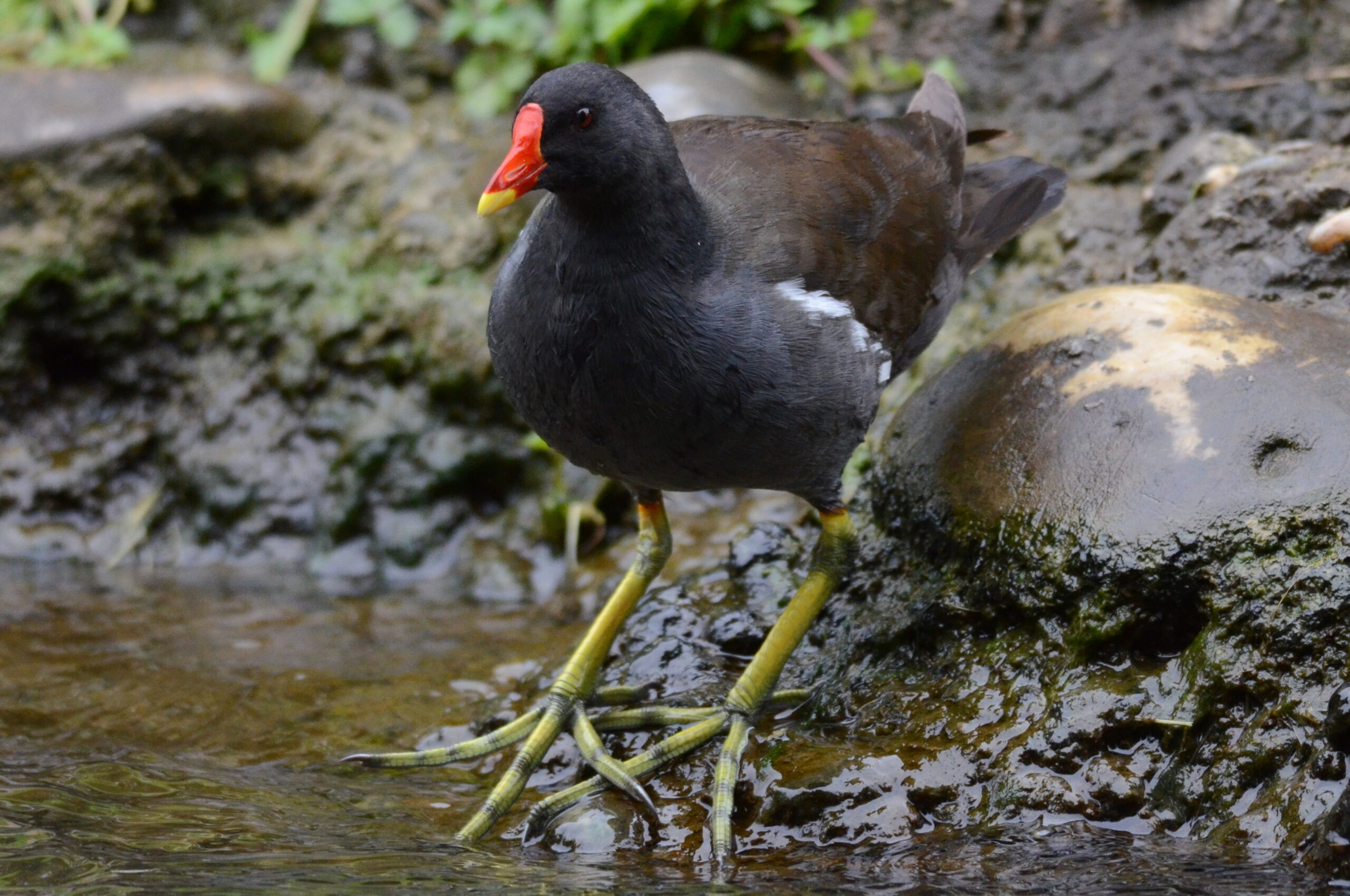 Photo Credit: Amada44 / Wikimedia Commons
In the heart of lush wetlands, the Moorhen, scientifically known as Gallinula chloropus, dances gracefully across the shimmering surface of the water. With its striking dark plumage, bright red frontal shield, and yellow-tipped toes, this medium-sized waterbird captures the attention of anyone lucky enough to spot it. As it navigates through the tall reeds and floating lily pads, the Moorhen’s vibrant colors and lively antics make it a favorite among birdwatchers and nature enthusiasts alike.
These charming birds are not just beautiful; they are also fascinating to scientists. The Moorhen’s adaptability to various habitats, from marshes to urban parks, showcases its resilience in the face of changing environments. Their omnivorous diet, which includes everything from aquatic plants to small insects, highlights their role in the ecosystem as both foragers and prey. As we delve deeper into the world of the Moorhen, we will explore its unique behaviors, breeding rituals, and the vital role it plays in maintaining the health of its watery home. Join us on this adventure to uncover the secrets of this captivating waterbird and the vibrant ecosystems it inhabits.
The Moorhen, a charming waterbird, occupies a special place in the tree of life. Scientifically classified within the kingdom Animalia, it belongs to the phylum Chordata, which includes all animals with a backbone. As a member of the class Aves, or birds, the Moorhen showcases the diverse adaptations that allow birds to thrive in various environments. Its classification within the order Gruiformes and family Rallidae highlights its close relationships with other marsh-dwelling birds. What makes the Moorhen particularly intriguing is its ability to navigate both water and land with ease, thanks to its long toes that act like natural paddles, allowing it to walk on floating vegetation and swim gracefully.
| Taxonomic Rank | Scientific Name | Meaning & Significance |
|---|---|---|
| Kingdom | Animalia | This name comes from the Latin word “animalis,” meaning “having breath,” which reflects the living nature of all animals. |
| Phylum | Chordata | Derived from the Greek word “chordē,” meaning “string,” this refers to the notochord, a flexible rod that supports the body in all vertebrates, including the Moorhen. |
| Class | Aves | From the Latin word for “bird,” this classification emphasizes the unique characteristics of birds, such as feathers and beaks, which the Moorhen possesses. |
| Order | Gruiformes | This name comes from the Latin “grus,” meaning “crane,” indicating the order’s connection to wading birds that share similar habitats and behaviors. |
| Family | Rallidae | Named after the Latin word “ralus,” which refers to a type of rail, this family includes birds that are often found in wetlands, like the Moorhen. |
| Genus | Gallinula | This name is derived from the Latin word for “hen,” highlighting the Moorhen’s chicken-like appearance and behavior, especially its foraging habits. |
Understanding the Moorhen’s taxonomic classification reveals much about its evolutionary journey. As a member of the Gruiformes order, it shares a lineage with other water-loving birds, suggesting that its ancestors adapted to life in wetland environments. The Moorhen’s unique adaptations, such as its long toes and ability to thrive in both aquatic and terrestrial habitats, showcase the evolutionary pressures that shaped its development. This classification not only helps us appreciate the Moorhen’s role in the ecosystem but also connects it to a broader narrative of avian evolution, illustrating how diverse life forms have emerged from common ancestors over millions of years.
The evolutionary journey of the Moorhen, a member of the Rallidae family, stretches back millions of years. This waterbird, known for its striking plumage and distinctive behavior, has adapted to a variety of wetland habitats across the globe. Its lineage can be traced to the early ancestors of modern birds, which emerged during the age of dinosaurs, around 150 million years ago. Over time, these ancestors evolved into a diverse group of birds, including the Moorhen, which showcases a fascinating blend of traits suited for life in marshy environments.
The Moorhen’s ancestors were likely small, ground-dwelling birds that thrived in lush, wet habitats. As they evolved, they developed several key adaptations that allowed them to navigate their watery world more effectively. One major transition was the development of long, slender legs, which enable them to wade through shallow waters and traverse muddy banks with ease. Their feet, equipped with long toes, act like paddles, helping them balance on soft surfaces and swim when necessary. Additionally, their diet shifted over time, allowing them to become omnivorous, meaning they eat both plants and small animals, which provided a broader range of food sources.
These adaptations have been crucial for the Moorhen’s survival in diverse habitats. The ability to wade and swim allows them to access food sources that many other birds cannot reach. Their omnivorous diet ensures they can find nourishment throughout the year, even when certain foods are scarce. As a result, the Moorhen has become a resilient and adaptable species, thriving in wetlands around the world while showcasing the wonders of evolution in action.
The Moorhen is a captivating sight, gliding gracefully across the water’s surface. This medium-sized bird boasts a compact body, typically measuring about 30 to 38 centimeters in length. Its rounded shape and short, sturdy legs give it a robust appearance, while its long toes help it navigate through marshy habitats with ease. The Moorhen’s striking colors, including deep black plumage and a vibrant red frontal shield, create a stunning contrast that catches the eye.
| Feature | Description |
|---|---|
| Weight | 70g – 400g (2.5oz – 14oz) |
| Skin Type | Feathers |
| Color | Black body with a red frontal shield and yellow-tipped bill |
| Legs | Short and sturdy, with long toes for walking on soft ground |
The Moorhen’s physical features are not just for show; they play vital roles in its survival. The black feathers provide excellent camouflage among reeds and aquatic plants, helping it evade predators. The bright red shield and yellow-tipped bill are not only eye-catching but also serve as signals during mating displays, attracting potential partners. Its strong legs and long toes allow it to traverse muddy banks and shallow waters, making it a skilled forager. Together, these characteristics create a well-adapted bird, perfectly suited for life in wetlands.
The Moorhen thrives in lush, watery environments that are alive with the sounds of nature. Picture a serene marsh, where tall reeds sway gently in the breeze and the water glistens under the sun. These birds are often found paddling through shallow ponds, where they can forage for food among the floating plants. Their homes are vibrant ecosystems, teeming with life, where the air is filled with the calls of frogs and the rustle of insects.
Moorhens prefer climates that offer a mix of warmth and moisture. They thrive in areas where the temperature is mild, as they need open water and abundant vegetation to survive. Wetlands and marshes provide the perfect conditions, with plenty of food sources like aquatic plants and small invertebrates. These habitats also offer shelter from predators, making them ideal for raising their young.
Adaptation is key to the Moorhen’s success in these environments. With their long toes, they can easily navigate through muddy waters and dense vegetation. Their ability to swim and dive allows them to escape danger quickly. Additionally, their striking coloration helps them blend into the reeds, providing camouflage from potential threats. This clever mix of physical traits and behaviors ensures that Moorhens can thrive in their watery homes.
The Moorhen’s daily life is a vibrant tapestry woven with activity and interaction. As dawn breaks, these lively birds emerge from their hidden nests among the reeds, ready to explore their watery world. They spend their mornings foraging for food, which includes a mix of aquatic plants, insects, and small crustaceans. With their long toes, they can walk on floating vegetation, making it easier to reach their meals. Throughout the day, they engage in various behaviors, from swimming gracefully to preening their feathers, ensuring they stay clean and waterproof.
Socially, Moorhens are quite engaging and often found in flocks. These groups provide safety in numbers, allowing them to watch for predators while they feed. Within the flock, they establish a hierarchy, where more dominant birds often get the best feeding spots. Communication is key in these social structures; they use a variety of calls and body language to express their feelings and intentions. Whether it’s a soft clucking sound to signal contentment or a loud squawk to warn of danger, these vocalizations help maintain harmony within the group.
| Behavior Type | Description |
|---|---|
| Activity Patterns | Moorhens forage for food, swim, and preen throughout the day, often in the early morning and late afternoon. |
| Social Structure | They live in flocks, establishing a hierarchy where dominant birds have priority access to food. |
| Communication Methods | Moorhens use a range of vocalizations and body language to communicate with each other, signaling everything from danger to social bonding. |
In the wild, these behaviors are not just for show; they are essential for survival. By foraging in groups, Moorhens can better detect threats, while their social interactions help them establish strong bonds that enhance cooperation. This teamwork allows them to thrive in their marshy habitats, ensuring they can find food and evade predators. The Moorhen’s daily life is a beautiful example of how social dynamics and individual behaviors intertwine to create a successful existence in the natural world.
The Moorhen is an omnivorous bird, meaning it enjoys a varied diet that includes both plants and animals. This adaptable eater primarily forages in shallow waters and along the edges of marshes, where it can find a delightful mix of food. With its keen eyesight and agile movements, the Moorhen skillfully hunts for insects and small rodents while also nibbling on berries and aquatic plants. Its feeding behavior is a blend of pecking, dabbling, and sometimes even diving, allowing it to access a wide range of tasty treats.
| Dietary Aspect | Details |
|---|---|
| Diet Type | Omnivore |
| Favorite Foods | Insects, berries, and aquatic plants |
| Prey Items | Small rodents and various insects |
| Hunting/Foraging Strategies | Pecking, dabbling, and occasional diving |
The Moorhen’s diverse diet plays a crucial role in its ecology and daily routine. By consuming a variety of foods, it helps control insect populations and contributes to the health of its wetland habitat. This adaptability not only supports the Moorhen’s survival but also allows it to thrive in changing environments. As it forages throughout the day, the Moorhen becomes an integral part of the ecosystem, connecting the land and water in a beautiful dance of life.
As the days grow longer and warmer, Moorhens engage in a lively courtship dance that sets the stage for their breeding season. Males display their vibrant plumage and perform intricate movements to attract females. This ritual often involves a series of calls and postures, showcasing their strength and vitality. Once a pair forms, they work together to build a nest, typically hidden among reeds or dense vegetation near water. This cozy home is where they will lay their eggs and raise their young.
| Reproductive Aspect | Details |
|---|---|
| Gestation Period | About 21 days |
| Litter Size | 5 to 10 eggs |
| Age of Maturity | About 2 to 3 months |
| Name of Young | Chicks |
Once the eggs hatch, the Moorhen parents are dedicated caregivers. The chicks, covered in soft down feathers, are precocial, meaning they can leave the nest shortly after hatching. They quickly learn to swim and forage for food alongside their parents. The adults remain vigilant, protecting their young from potential predators while teaching them essential survival skills. As the chicks grow, they gradually develop their adult plumage and learn to navigate their watery world, eventually becoming independent and ready to start their own families.
The Moorhen plays a vital role in its ecosystem, nestled within the food web as both a prey and a forager. This waterbird is a source of nourishment for various predators while also helping to control aquatic plant life and insects. Its presence indicates a healthy wetland environment, showcasing the interconnectedness of nature.
To survive these dangers, Moorhens have developed clever defensive behaviors. They often rely on their excellent camouflage, blending seamlessly into the reeds and vegetation that surround their watery homes. When threatened, they can quickly dive underwater or scurry into dense cover, making it difficult for predators to spot them. Additionally, Moorhens are known to be quite vocal, using alarm calls to warn others of danger, ensuring that their community stays alert and safe.
A keystone species is a vital part of its ecosystem, meaning its presence and activities have a significant impact on the environment and other living things. The Moorhen, with its lively presence in marshes and wetlands, qualifies as a keystone species. This charming waterbird helps maintain the balance of its habitat, influencing both plant and animal life around it.
Moorhens play a crucial role in their ecosystems by foraging for food and creating pathways through dense vegetation. As omnivores, they consume a variety of plants, insects, and small aquatic animals. This foraging behavior not only helps control the populations of these organisms but also promotes plant growth by dispersing seeds. For example, when Moorhens eat seeds from wetland plants, they help these plants spread and thrive, which in turn provides shelter and food for other wildlife.
Additionally, Moorhens serve as prey for larger birds and mammals, such as foxes and herons. Their presence supports the food web, ensuring that these predators have a reliable source of nourishment. By being both foragers and prey, Moorhens help maintain the delicate balance of life in their marshy homes. Their activities also contribute to the overall health of the wetland ecosystem, making it more resilient to changes and disturbances.
If Moorhens were to disappear from their habitats, the effects would ripple through the ecosystem. Without these birds, insect populations could surge, leading to overgrazing of plants and a decline in plant diversity. This loss would affect not only the plants but also the animals that rely on them for food and shelter. Predators that depend on Moorhens for sustenance would struggle to find enough food, potentially leading to their decline as well. The intricate web of life in marshes would unravel, highlighting just how important these little waterbirds are to their environment.
The Moorhen is a fascinating waterbird that plays a crucial role in its ecosystem, particularly in marshes, wetlands, and ponds. This adaptable bird thrives in these lush environments, where it forages for food and interacts with a variety of other species. By doing so, the Moorhen helps maintain the balance of its habitat, making it an important player in the intricate web of life. Its presence not only supports its own survival but also influences the health of the entire ecosystem.
| Ecosystem Service | Impact |
|---|---|
| Foraging | Controls plant growth by eating aquatic vegetation. |
| Prey for Predators | Serves as a food source for larger birds and mammals. |
| Seed Dispersal | Helps spread plant seeds through its droppings. |
| Habitat Creation | Builds nests that provide shelter for other species. |
The Moorhen’s foraging habits significantly influence its environment. By feeding on a variety of aquatic plants, it helps control their growth, preventing any one species from dominating the marsh. This balance is essential for the health of the ecosystem, as diverse plant life supports a wide range of animals. Additionally, the Moorhen’s droppings contribute to nutrient cycling, enriching the soil and promoting plant growth. Its nests, often built among reeds, provide shelter for other small creatures, creating a bustling community of life.
The broader ecological importance of the Moorhen cannot be overstated. As a keystone species, its activities help maintain the structure and function of its habitat. By supporting both plant and animal life, the Moorhen ensures that the marshes and wetlands remain vibrant ecosystems. This interconnectedness highlights the delicate balance of nature, where every species, no matter how small, plays a vital role in sustaining the environment. The Moorhen, with its lively presence and essential contributions, is a true champion of the wetlands.
In the intricate web of life, many species form partnerships that enhance their survival and well-being. These relationships can be classified into three main types: mutualism, where both species benefit; commensalism, where one species benefits while the other is neither helped nor harmed; and parasitism, where one species benefits at the expense of another. The Moorhen, a lively waterbird, engages in various ecological relationships that illustrate the beauty and complexity of nature.
| Species/Type | Relationship Type | Description |
|---|---|---|
| Water Lilies | Mutualistic | Moorhens often nest among water lilies, which provide shelter and protection. In return, the Moorhens help to keep the area clear of pests that might harm the plants. |
| Dragonflies | Commensal | Dragonflies may perch on Moorhens while they forage. The dragonflies benefit from a higher vantage point to spot prey, while the Moorhens are unaffected by their presence. |
| Ticks | Parasitic | Ticks can latch onto Moorhens, feeding on their blood. This relationship is harmful to the Moorhen, as it can lead to health issues if the infestation is severe. |
These relationships have evolved over time, shaped by the needs and behaviors of the species involved. The mutualistic bond between Moorhens and water lilies showcases how cooperation can lead to greater success in a shared habitat. Meanwhile, the presence of parasites like ticks highlights the challenges that come with living in close quarters with other organisms. Understanding these connections not only deepens our appreciation for the Moorhen but also emphasizes the delicate balance of ecosystems where every species plays a role.
The Moorhen is a captivating waterbird that often surprises those who take the time to observe its behavior and habitat. With its striking colors and lively antics, this bird has some intriguing secrets that even seasoned nature enthusiasts might not know.
The Moorhen has long been intertwined with human culture and history, often appearing in folklore and art. In many regions, this waterbird symbolizes adaptability and resourcefulness, traits that resonate with human experiences. Ancient civilizations recognized the Moorhen’s presence in wetlands, sometimes associating it with fertility and abundance. Its striking appearance and lively behavior have inspired stories and songs, making it a beloved figure in various cultures. As people settled near marshes and lakes, they began to observe the Moorhen’s habits, leading to a deeper appreciation of this charming bird.
Today, the relationship between Moorhens and humans is complex, marked by both cooperation and conflict. In urban areas, these birds have adapted remarkably well, often seen foraging in parks and gardens. However, their presence can sometimes lead to challenges, such as when they compete with other wildlife for food or nesting sites. Conservation efforts are underway in many places to protect their habitats, especially as wetlands face threats from pollution and development. Some communities even engage in educational programs to raise awareness about the importance of preserving these ecosystems, highlighting the Moorhen’s role in maintaining biodiversity.
As we look to the future, the relationship between Moorhens and humanity holds promise. With increasing awareness of environmental issues, more people are recognizing the importance of protecting natural habitats. By fostering a sense of stewardship, communities can ensure that Moorhens continue to thrive alongside us. As we learn from these resilient birds, we can work together to create a harmonious balance between our needs and the health of the ecosystems we share. The Moorhen’s story is a reminder that our actions today can shape a brighter future for both wildlife and humanity.
The Moorhen, a lively waterbird known for its striking appearance and engaging behavior, currently holds a conservation status of “Least Concern.” This means that, overall, the species is not facing immediate threats of extinction. Population estimates suggest that Moorhens are relatively stable across their range, which includes wetlands and marshes in Europe, Asia, and parts of Africa. While some local populations may experience fluctuations, the global trend appears to be positive, allowing these birds to thrive in their natural habitats.
| Conservation Factor | Status/Details |
|---|---|
| IUCN Status | Least Concern |
| Population Estimates | Stable, with millions of individuals worldwide |
| Trend Direction | Generally increasing or stable |
Despite their overall stable status, Moorhens face several threats that can impact local populations. Habitat loss is a significant concern, as wetlands are often drained for agriculture or urban development. Pollution from agricultural runoff can also degrade their habitats, affecting the quality of water and food sources. Additionally, climate change poses a long-term risk, altering the delicate balance of the ecosystems where Moorhens thrive. These factors can lead to localized declines, making it essential to monitor their populations closely.
Conservation efforts are underway to protect the Moorhen and its habitats. Many organizations are working to restore wetlands and promote sustainable land use practices that benefit both wildlife and humans. Public awareness campaigns help educate communities about the importance of preserving these vital ecosystems. With continued efforts and a focus on habitat protection, the outlook for the Moorhen remains hopeful, allowing future generations to enjoy the beauty and vitality of this charming waterbird.
| Question | Answer |
|---|---|
| What is the habitat of the Moorhen? | Moorhens thrive in marshes, wetlands, and ponds. These areas provide the shallow water and dense vegetation they need for nesting and foraging. |
| What do Moorhens eat? | Moorhens are omnivores, which means they eat both plants and animals. Their diet includes aquatic plants, seeds, insects, and small fish, making them adaptable to different food sources. |
| How do Moorhens behave? | Moorhens are known for their lively and curious nature. They often forage in the water and on land, and they can be quite vocal, using a variety of calls to communicate with each other. |
| How do Moorhens reproduce? | Moorhens typically breed in the spring and summer. They build nests in dense vegetation near water, where the female lays about 6 to 10 eggs, which both parents help to incubate. |
| What threats do Moorhens face? | While Moorhens are currently classified as Least Concern, they face threats from habitat loss due to urban development and pollution. Additionally, they can be vulnerable to predators like foxes and birds of prey. |
| What are some interesting characteristics of Moorhens? | Moorhens have striking features, including a bright red frontal shield on their heads and long, yellow-green legs. They are also excellent swimmers and can dive underwater to escape danger. |
| Can Moorhens fly? | Yes, Moorhens can fly, although they prefer to stay close to the water. Their flight is strong and direct, allowing them to escape predators or move to new feeding areas when necessary. |