Taxonomy & Classification
- Kingdom
- Animalia
- Phylum
- Chordata
- Class
- Mammalia
- Order
- Artiodactyla
- Family
- Cervidae
- Genus
- Alces
- Species
- Alces alces

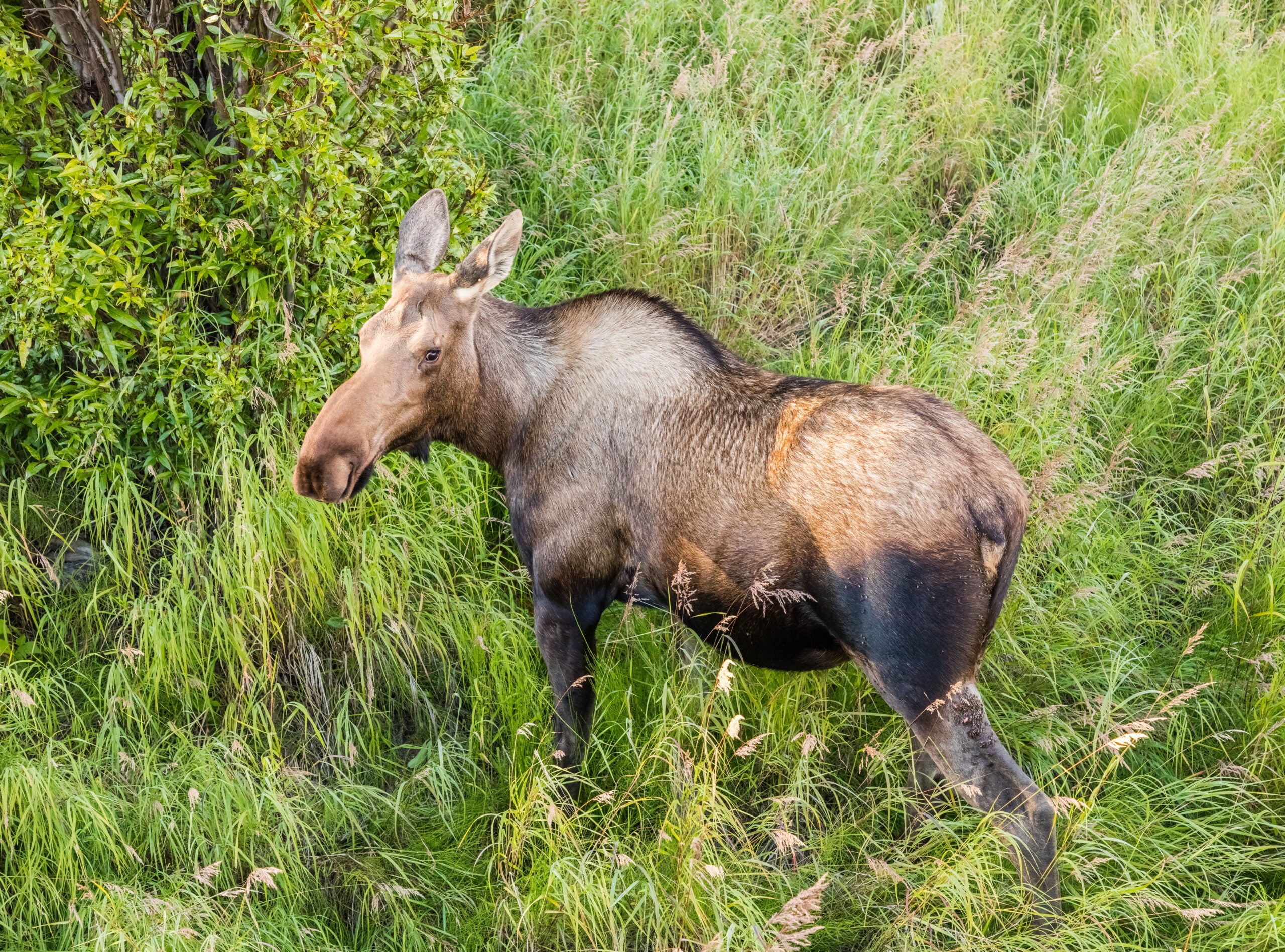 Photo Credit: Poco a poco / Wikimedia Commons
In the heart of North America’s northern forests roams the moose, known scientifically as Alces alces. With its towering stature and impressive antlers that can span up to six feet, this gentle giant captures the imagination of anyone lucky enough to encounter it. Picture a serene morning, where the mist clings to the surface of a shimmering lake, and the sun begins to rise, casting golden rays through the trees. Here, the moose stands majestically, its dark brown coat glistening with dew, as it grazes on tender aquatic plants, embodying the tranquility of its wild home.
Moose are not just remarkable for their size; they are also fascinating for their role in the ecosystem. As herbivores, they help shape their environment by munching on trees and shrubs, which encourages new growth and creates habitats for other wildlife. Scientists and nature enthusiasts alike are drawn to these magnificent animals, eager to learn about their behaviors, social structures, and the unique adaptations that allow them to thrive in harsh climates. From their impressive courtship rituals during the autumn rut to their ability to navigate deep snow, the moose is a captivating subject of study, revealing the intricate connections that bind all living things in the wilderness.
The moose, a majestic inhabitant of North America’s forests, holds a special place in the tree of life. Scientifically classified within the kingdom Animalia, the phylum Chordata, and the class Mammalia, moose belong to the order Artiodactyla, which includes even-toed ungulates like deer and pigs. Their family, Cervidae, is known for its members that typically have antlers, a feature that makes moose particularly striking. What sets moose apart is their impressive size, with males often weighing over 1,000 pounds, and their long legs, which allow them to navigate through deep snow and wetlands with ease.
| Taxonomic Rank | Scientific Name | Meaning & Significance |
|---|---|---|
| Kingdom | Animalia | This name comes from the Latin word “animalis,” meaning “having breath,” highlighting that all members of this kingdom are living organisms that breathe and move. |
| Phylum | Chordata | Derived from the Latin “chorda,” meaning “string,” this term refers to animals that have a notochord, a flexible rod that supports the body during development, a feature present in all vertebrates. |
| Class | Mammalia | This name comes from the Latin “mamma,” meaning “breast,” indicating that all mammals nurse their young with milk produced by mammary glands. |
| Order | Artiodactyla | From the Greek “artios,” meaning “even,” and “daktulos,” meaning “finger,” this order includes animals with an even number of toes, like moose, which have two main weight-bearing toes on each foot. |
| Family | Cervidae | This name is derived from the Latin “cervus,” meaning “deer,” which reflects the family’s characteristics, including the presence of antlers in males, a trait that is prominent in moose. |
| Genus | Alces | The name “Alces” comes from the Latin word for moose, which is thought to be derived from the Algonquin word “ałkʲ,” referring to the animal’s large size and distinctive features. |
The classification of the moose reveals much about its evolutionary journey. As a member of the Cervidae family, moose share a common ancestor with other deer species, showcasing adaptations that have allowed them to thrive in cold, northern climates. Their large size and unique adaptations, such as long legs and a specialized diet that includes aquatic plants, highlight their evolutionary success in diverse habitats. Understanding where moose fit in the tree of life not only deepens our appreciation for these magnificent animals but also illustrates the intricate connections that bind all living beings together.
The evolutionary journey of the moose stretches back millions of years, weaving through the tapestry of time and adapting to changing environments. This grand tale begins in the late Miocene epoch, around 10 million years ago, when the ancestors of modern moose first emerged. These early relatives were part of a larger family known as Cervidae, which includes all deer species. Over time, these animals underwent significant transformations, leading to the majestic moose we recognize today.
The moose’s ancestors were smaller and more agile, resembling today’s smaller deer. As they evolved, they adapted to a variety of habitats, from dense forests to open tundras. One major transition occurred during the Pleistocene epoch, about 2.6 million years ago, when the climate shifted dramatically. This period saw the rise of larger body sizes, which helped these animals conserve heat in colder environments. The development of long legs allowed moose to navigate through deep snow, while their broad, palmate antlers—shaped like a hand with fingers—became a symbol of dominance and a tool for foraging in thick vegetation.
These evolutionary adaptations have been crucial for the moose’s survival in a world filled with challenges. Their large size and long legs enable them to traverse snowy landscapes, while their unique antlers and specialized diet allow them to access food that many other animals cannot reach. As they continue to roam the forests and wetlands of North America, the moose stands as a testament to the power of evolution, showcasing how life can adapt and thrive in ever-changing environments.
The moose is an awe-inspiring sight, towering over most other animals in its habitat. With a body that can weigh between 270 to 720 kilograms, or 600 to 1,580 pounds, it stands as one of the largest members of the deer family. Its long legs give it a graceful yet powerful stance, allowing it to navigate through dense forests and marshy wetlands with ease. The moose’s broad, palmate antlers, which can span up to six feet across in mature males, add to its impressive silhouette, making it a true giant of the wilderness.
| Feature | Description |
|---|---|
| Weight | 270-720 kg (600-1,580 lbs) |
| Skin Type | Hair |
| Height | 1.5-2.1 m (5-7 ft) at the shoulder |
| Color | Dark brown to light brown, often with lighter patches |
| Antlers | Palmate, can reach up to 1.8 m (6 ft) across |
The moose’s impressive size and distinctive features are not just for show; they play vital roles in its survival. The long legs help it wade through deep snow and navigate marshy areas, while its thick coat of hair provides insulation against the cold. The broad antlers, which are shed and regrown each year, are used in displays of dominance during mating season and can also help fend off predators. Together, these characteristics make the moose a well-adapted inhabitant of its northern habitats, showcasing the beauty and functionality of nature’s designs.
The moose roams the vast, enchanting landscapes of northern forests, where towering trees stretch toward the sky and shimmering lakes reflect the beauty of the wilderness. These gentle giants thrive in habitats that are rich in vegetation, particularly in areas where lush shrubs and aquatic plants flourish. Picture a serene scene where the sun filters through the leaves, casting dappled shadows on the forest floor, and the air is filled with the sounds of rustling leaves and chirping birds. This is the moose’s home, a place where it can roam freely and find plenty of food.
Moose prefer climates that are cool and temperate, often found in areas that experience long, cold winters and short, mild summers. They thrive in environments where snow blankets the ground, providing a unique challenge for foraging. These animals are well-suited to their surroundings, as they can tolerate temperatures that dip well below freezing. The presence of wetlands, swamps, and lakes is crucial, as these water sources support the aquatic plants that make up a significant part of their diet.
Adaptations have allowed moose to flourish in these specific habitats. Their long legs enable them to navigate through deep snow, while their large bodies help them conserve heat during frigid winters. Moose have also developed a keen ability to forage for food, using their impressive height to reach high branches and their flexible lips to grasp tender leaves and twigs. This combination of physical traits and behavioral strategies ensures that moose not only survive but thrive in the diverse ecosystems they call home.
Moose lead a daily life that revolves around foraging, resting, and socializing. As dawn breaks, these gentle giants emerge from their resting spots, often found in dense forests or near water sources. Their mornings are typically spent munching on a variety of vegetation, including leaves, twigs, and aquatic plants. Moose are most active during the cooler parts of the day, which helps them avoid the heat. As the sun rises higher, they may retreat to shady areas to rest, conserving energy for their next feeding session. This rhythm of activity and rest is crucial for their survival, allowing them to maintain their strength and health.
Socially, moose are generally solitary animals, but they can also be found in small groups, especially during the mating season or when mothers are raising their calves. Female moose, or cows, often stay close to their young, teaching them essential survival skills. Males, known as bulls, may gather in areas where females are present, engaging in displays of strength and dominance to attract mates. Communication among moose is subtle yet effective; they use a range of vocalizations, body language, and even scent marking to convey their presence and intentions. This social structure, while not as complex as that of some other animals, plays a vital role in their reproductive success and overall well-being.
| Behavior Type | Description |
|---|---|
| Feeding Patterns | Moose primarily feed in the early morning and late evening, consuming leaves, twigs, and aquatic plants. |
| Social Structure | Moose are mostly solitary but can form small groups during mating season or when mothers are with calves. |
| Communication Methods | They communicate through vocalizations, body language, and scent marking to establish territory and attract mates. |
The behaviors of moose are finely tuned to ensure their survival in the wild. By being active during cooler times of the day, they avoid overheating and can efficiently gather food. Their social interactions, though limited, are crucial for reproduction and raising young. Each moose’s ability to adapt its daily activities to the environment and social dynamics helps it thrive in the diverse habitats it calls home.
Moose are herbivores, which means they primarily eat plants. These magnificent animals have a diet that consists mainly of leaves, twigs, and aquatic vegetation. They are particularly fond of tender shoots and the bark of young trees. Moose are known for their impressive ability to reach high branches, using their long legs and large bodies to access food that many other animals cannot. Their feeding behavior is quite fascinating; they often browse in the early morning or late evening when the light is soft and the air is cool, making it easier for them to find their favorite snacks.
| Dietary Aspect | Details |
|---|---|
| Diet Type | Herbivore |
| Favorite Foods | Grass, twigs, pondweed, and the leaves of shrubs and trees |
| Prey Items | Moose do not hunt; they are strictly plant-eaters |
| Foraging Strategies | Using their height to reach high branches and foraging in water for aquatic plants |
This plant-based diet plays a crucial role in shaping the moose’s ecology and daily routine. By consuming vast amounts of vegetation, moose help maintain the health of their forest habitats. Their foraging habits can influence plant growth and diversity, creating a balanced ecosystem. Additionally, their feeding times align with cooler parts of the day, allowing them to conserve energy and avoid the heat. This connection between diet and behavior highlights the moose’s important role in the natural world, showcasing how even the largest animals can be gentle giants in their quest for food.
As the crisp air of autumn settles in, moose engage in a captivating courtship ritual known as the rut. This breeding season typically occurs from late September to early October. During this time, male moose, or bulls, become more vocal, using deep grunts and bellows to attract females, called cows. They also display their impressive antlers, which can span up to six feet across, to assert dominance and compete for the attention of potential mates. The competition can be fierce, with bulls often engaging in sparring matches, clashing their antlers in a show of strength and prowess.
| Reproductive Aspect | Details |
|---|---|
| Gestation Period | Approximately 230 days |
| Litter Size | 1 |
| Age of Maturity | 1.5 to 2 years |
| Name of Young | Calf |
After a gestation period of about 230 days, a cow moose gives birth to a single calf, although twins are rare. These calves are born in late spring, a time when food is plentiful, which helps the young ones grow strong. The mother is incredibly protective, often leading her calf to secluded areas where they can bond and stay safe from predators. As the calf matures, it begins to graze on vegetation alongside its mother, learning essential survival skills. By the time they reach 1.5 to 2 years of age, these young moose are ready to venture out on their own, equipped with the knowledge and strength to thrive in the wild.
Moose play a significant role in their ecosystem, often sitting near the top of the food web. As large herbivores, they help shape their environment by grazing on trees and shrubs, which can promote new plant growth. However, despite their size and strength, moose are not without their dangers. They face threats from various predators and environmental challenges that can impact their survival.
To defend themselves against these threats, moose have developed several survival strategies. Their size alone can deter many predators, as a fully grown moose can weigh as much as a small car! When faced with danger, they may use their powerful legs to kick at attackers, delivering a strong blow. Additionally, moose are known to be surprisingly agile swimmers, allowing them to escape into deep waters when pursued. Their keen senses help them detect danger early, giving them a chance to flee or hide in dense vegetation. Through these behaviors, moose navigate the challenges of their wild world, showcasing their resilience and adaptability.
A keystone species is a vital part of its ecosystem, meaning its presence and activities have a significant impact on the environment and other living things. The moose, with its impressive size and unique behaviors, qualifies as a keystone species in the northern forests where it resides. By influencing plant communities and providing food for various predators, moose play a crucial role in maintaining the balance of their ecosystem.
Moose are herbivores, which means they primarily eat plants. Their grazing habits can shape the landscape in remarkable ways. For instance, when moose munch on young trees and shrubs, they help control plant growth. This grazing can prevent certain species from dominating the area, allowing a variety of plants to thrive. In turn, this diversity supports a wide range of other animals, from insects to birds, creating a rich tapestry of life in the forest.
Additionally, moose are known to feed on aquatic vegetation in lakes and rivers. By doing so, they help maintain healthy water ecosystems. Their feeding can promote the growth of certain water plants, which provide habitat and food for fish and other aquatic creatures. This interaction highlights how moose contribute not just to the land but also to the waterways that are essential for many species.
Moreover, moose serve as a food source for predators like wolves and bears. When these large herbivores are present, they support the populations of these carnivores, which in turn helps regulate the herbivore population. This predator-prey relationship is a key part of the ecosystem’s balance, ensuring that no single species overwhelms the environment.
If moose were to disappear from their habitats, the effects would ripple through the ecosystem. Without these gentle giants, plant communities could become unbalanced, leading to overgrowth of certain species and a decline in biodiversity. This shift would not only affect the plants but also the animals that rely on them for food and shelter. Predators that depend on moose for sustenance would struggle to find enough food, potentially leading to their decline as well. The intricate web of life in the northern forests would be disrupted, showcasing just how essential moose are to their environment.
The moose occupies a crucial ecological niche in the northern forests of North America, where it plays a vital role in shaping its environment. As a large herbivore, the moose primarily feeds on a variety of plants, including leaves, twigs, and aquatic vegetation. This feeding behavior not only sustains the moose but also influences the growth patterns of the vegetation in its habitat. By grazing on certain plants, moose help maintain a balance in the ecosystem, allowing other species to thrive and ensuring biodiversity.
| Ecosystem Service | Impact |
|---|---|
| Vegetation Control | Moose graze on young trees and shrubs, preventing overgrowth and promoting a diverse plant community. |
| Soil Fertility | Their droppings enrich the soil with nutrients, supporting plant growth and enhancing ecosystem health. |
| Habitat Creation | By browsing on trees, moose create open spaces that benefit other wildlife, such as birds and small mammals. |
| Waterway Maintenance | Moose often feed on aquatic plants, which helps maintain healthy waterways and supports fish populations. |
Moose have a profound influence on their surroundings. For instance, when they munch on young saplings, they prevent certain species from dominating the landscape. This grazing encourages a variety of plants to flourish, which in turn supports a wide range of animals. Additionally, their droppings serve as a natural fertilizer, enriching the soil and promoting healthy plant growth. In areas where moose are abundant, you might notice more diverse plant life and a bustling community of other animals that rely on these plants for food and shelter.
The broader ecological importance of moose cannot be overstated. As a keystone species, their presence is essential for maintaining the health and balance of their ecosystems. By shaping the vegetation and influencing the soil quality, moose help create a thriving habitat for countless other species. Their role in the ecosystem highlights the interconnectedness of life, reminding us that every creature, no matter how large or small, plays a part in the intricate web of nature.
In the intricate web of life, moose engage in various partnerships with other species, showcasing the beauty of symbiosis. Symbiosis refers to the close interactions between different species, which can be beneficial, harmful, or neutral. These relationships can take many forms, such as mutualism, where both species gain advantages, parasitism, where one benefits at the other’s expense, and commensalism, where one species benefits while the other is neither helped nor harmed. Understanding these connections helps us appreciate how moose fit into their ecosystems and how they interact with their environment.
| Species/Type | Relationship Type | Description |
|---|---|---|
| Birds (e.g., oxpeckers) | Mutualistic | These birds often perch on moose, feeding on ticks and other parasites found on their skin. The moose benefit from reduced parasite loads, while the birds gain a meal. |
| Fungi (mycorrhizae) | Mutualistic | Moose roots can form partnerships with fungi in the soil. The fungi help moose absorb nutrients from the ground, while the moose provide sugars to the fungi, creating a win-win situation. |
| Ticks | Parasitic | Ticks latch onto moose to feed on their blood. This relationship is harmful to the moose, as it can lead to health issues, but it provides sustenance for the ticks. |
| Plants (e.g., willow) | Commensal | Moose feed on willow and other plants, which can thrive in areas where moose graze. While the plants benefit from the moose’s grazing, the moose do not gain any direct benefit from the plants themselves. |
These relationships have evolved over time, shaped by the needs and behaviors of both moose and their partners. Mutualistic interactions, like those with birds and fungi, highlight the cooperative nature of ecosystems, where species work together for survival. On the other hand, parasitic relationships, such as those with ticks, remind us of the challenges that come with living in a shared environment. Ultimately, these connections enrich the lives of moose and contribute to the balance of their habitats, illustrating the interconnectedness of all living things.
Moose are truly fascinating animals, and there’s so much more to them than meets the eye. Here are some surprising facts that will surely captivate nature enthusiasts of all ages.
Throughout history, moose have held a significant place in the hearts and minds of humans. Indigenous peoples of North America have long revered these majestic animals, weaving them into their cultural narratives and traditions. Moose provided not only sustenance through their meat but also materials for clothing and tools. Their impressive antlers and size have inspired stories and art, symbolizing strength and resilience. As settlers moved into moose habitats, these animals became a part of the American wilderness mythos, representing the untamed spirit of nature.
In modern times, the relationship between moose and humanity has evolved, marked by both conservation efforts and conflicts. As urban areas expand into moose territories, encounters between humans and these gentle giants have increased. While many people admire moose and seek to protect their habitats, others face challenges when moose wander into populated areas, leading to vehicle collisions or property damage. Conservationists work tirelessly to ensure that moose populations remain healthy and sustainable, often advocating for protected areas and responsible wildlife management. Interestingly, some communities have even explored the idea of domestication, though moose are still wild animals at heart.
As we look to the future, the relationship between moose and humanity will likely continue to change. With climate change affecting their habitats and food sources, it is crucial for us to adapt our conservation strategies. By fostering a deeper understanding of these magnificent animals and their role in the ecosystem, we can work together to ensure that moose thrive alongside us. The journey ahead will require cooperation, respect, and a commitment to preserving the natural world for generations to come.
The conservation status of moose is currently classified as “Least Concern” by the International Union for Conservation of Nature (IUCN). This means that, overall, moose populations are stable and not facing immediate threats of extinction. However, population trends can vary by region, with some areas experiencing declines due to environmental changes and human activities. In many northern forests, moose continue to thrive, but ongoing monitoring is essential to ensure their long-term survival.
| Conservation Factor | Status/Details |
|---|---|
| IUCN Status | Least Concern |
| Population Estimates | Approximately 1 million in North America |
| Trend Direction | Stable in many areas, declining in some |
Despite their stable status, moose face several significant threats that could impact their populations. Habitat loss due to urban development and logging can reduce the availability of food and shelter. Additionally, climate change is altering their habitats, affecting food sources and increasing the prevalence of diseases. Predation by wolves and bears can also pose challenges, especially for young moose. These factors combined create a complex web of challenges that require careful attention.
Conservation efforts are underway to protect moose and their habitats. Wildlife management programs focus on monitoring populations and ensuring sustainable hunting practices. Organizations are also working to preserve critical habitats and educate the public about the importance of moose in the ecosystem. With continued efforts and awareness, the outlook for moose remains hopeful, allowing future generations to appreciate these magnificent animals in the wild.
| Question | Answer |
|---|---|
| Where do moose live? | Moose are typically found in forested areas close to the Arctic tundra. They thrive in regions with plenty of water, such as swamps, lakes, and rivers, where they can easily access their favorite food. |
| What do moose eat? | Moose are herbivores, meaning they primarily eat plants. Their diet consists of leaves, bark, and aquatic plants, which provide them with the nutrients they need to grow big and strong. |
| How do moose behave in the wild? | Moose are generally solitary animals, preferring to roam alone rather than in groups. However, during mating season, males can be quite vocal and may engage in displays of strength to attract females. |
| How do moose reproduce? | Moose mate in the fall, and after a gestation period of about eight months, females give birth to one or two calves in the spring. The calves are able to walk shortly after birth, which helps them escape predators. |
| What are the main threats to moose? | Moose face several threats, including habitat loss due to human development and climate change. They are also vulnerable to predators like wolves and bears, especially when they are young. |
| What are some interesting characteristics of moose? | Moose are the largest members of the deer family, with males weighing up to 1,500 pounds! They have long legs and a distinctive dewlap, called a bell, that hangs from their throat, which helps them regulate body temperature. |
| How fast can moose run? | Despite their size, moose can run surprisingly fast, reaching speeds of up to 35 miles per hour. They are also excellent swimmers, using their long legs to paddle through water with ease. |