Taxonomy & Classification
- Kingdom
- Animalia
- Phylum
- Arthropoda
- Class
- Insecta
- Order
- Diptera
- Family
- Culicidae
- Genus
- Aedes

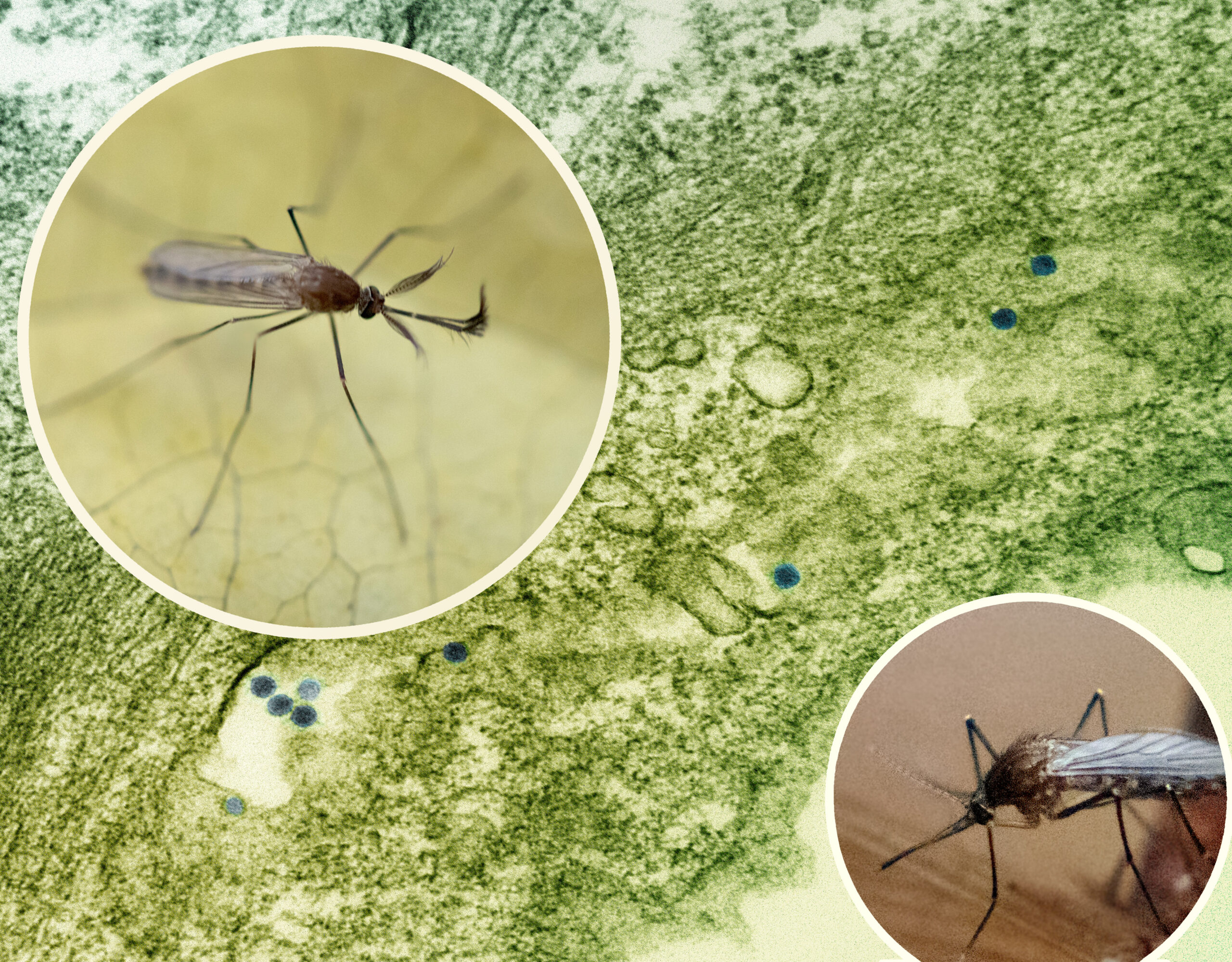 Photo Credit: Visualspecialist / Wikimedia Commons
In the shimmering twilight of a warm summer evening, the air buzzes with life, and among the myriad of sounds, the soft whir of a mosquito flits through the atmosphere. Known scientifically as Culicidae, these tiny insects are often dismissed as mere nuisances, yet they are remarkable survivors with a history that stretches back over 200 million years. With their slender bodies and delicate wings, mosquitoes are equipped with a unique mouthpart called a proboscis, which they use to sip nectar and, for females, to draw blood from unsuspecting hosts. This dual diet not only fuels their energy but also plays a crucial role in the ecosystems they inhabit.
Mosquitoes thrive in lush environments, often found near wetlands, swamps, and marshes where the air is thick with humidity. As dusk falls, they emerge from their resting spots, ready to embark on their nightly adventures. Scientists and nature enthusiasts alike are captivated by these creatures, not just for their persistence but also for their role in the food web. While they may seem bothersome, mosquitoes are vital pollinators and serve as a food source for many animals, including birds and bats. Their complex life cycle and fascinating behaviors, such as their intricate mating rituals, reveal a world of wonder that invites us to look beyond their reputation and appreciate their place in nature.
Mosquitoes are intriguing members of the animal kingdom, classified within the Kingdom Animalia. They belong to the Phylum Arthropoda, which includes all arthropods like insects, spiders, and crustaceans. What sets mosquitoes apart is their unique life cycle and their role as vectors for diseases, meaning they can carry and transmit pathogens to other animals, including humans. With over 3,500 species, mosquitoes are not just annoying pests; they play significant roles in ecosystems, serving as food for various animals and participating in pollination.
| Taxonomic Rank | Scientific Name | Meaning & Significance |
|---|---|---|
| Kingdom | Animalia | The name “Animalia” comes from the Latin word “animalis,” meaning “having breath” or “living.” This reflects the vital, breathing nature of all animals. |
| Phylum | Arthropoda | “Arthropoda” means “jointed legs” in Greek, highlighting the characteristic jointed appendages that define this diverse group, which includes insects, arachnids, and crustaceans. |
| Class | Insecta | The term “Insecta” is derived from the Latin word “insectum,” meaning “cut into sections.” This refers to the three-part body structure of insects, which includes the head, thorax, and abdomen. |
| Order | Diptera | “Diptera” translates to “two wings” in Greek, indicating that members of this order, like mosquitoes, have a single pair of wings, a feature that distinguishes them from other flying insects. |
| Family | Culicidae | The name “Culicidae” comes from the Latin word “culix,” meaning “gnat” or “mosquito.” This family name directly connects to the small, often bothersome nature of these insects. |
| Genus | Aedes | “Aedes” is derived from the Greek word “aēdēs,” meaning “unpleasant” or “odious,” which reflects the reputation of these mosquitoes for their biting behavior and the diseases they can transmit. |
Understanding the taxonomic classification of mosquitoes reveals much about their evolutionary journey. As members of the arthropods, they share a common ancestry with a vast array of other species, showcasing the incredible adaptability and diversity of life on Earth. Their specialized features, such as their unique wing structure and life cycle, have allowed them to thrive in various environments, making them a significant part of our planet’s ecological tapestry.
The evolutionary journey of mosquitoes stretches back over 200 million years, making them one of the oldest groups of insects still thriving today. These tiny, winged insects belong to the family Culicidae and have adapted remarkably to various environments. Their story is one of survival, transformation, and resilience, showcasing how life can evolve in response to changing conditions on Earth.
Mosquitoes likely originated from ancient flying insects that roamed the planet during the Triassic period. Over time, they underwent significant changes, adapting to different habitats and climates. One major transition occurred when they developed specialized mouthparts, known as proboscis, which allowed them to pierce the skin of animals and humans to feed on blood. This adaptation not only provided essential nutrients for reproduction but also opened up new ecological niches. As they evolved, mosquitoes diversified into various genera, including Aedes, which are known for their ability to thrive in urban environments and transmit diseases.
These evolutionary adaptations have played a crucial role in the survival of mosquitoes throughout the ages. Their ability to feed on blood has not only supported their reproductive success but also facilitated their spread across the globe. The agility of their flight helps them escape predators, while their adaptable life cycle allows them to thrive in a variety of environments. As they continue to evolve, mosquitoes remain a testament to the power of adaptation in the natural world.
Mosquitoes are often seen as pesky nuisances, but their physical form is a marvel of nature. These tiny insects, typically measuring just a few millimeters in length, possess a delicate yet intricate body structure. With long, slender legs and a pair of transparent wings that shimmer in the light, they appear almost ethereal as they flit through the air. Their most striking feature is the elongated mouthpart, known as a proboscis, which they use to pierce the skin of their prey. This specialized tool allows them to draw blood, which is essential for their reproduction.
| Feature | Description |
|---|---|
| Weight | 5 mg |
| Skin Type | Exoskeleton |
| Most Distinctive Feature | Piercing mouthpart (proboscis) |
The combination of a lightweight body and a tough exoskeleton allows mosquitoes to be agile fliers, easily navigating through their environments. Their exoskeleton, which is the hard outer covering that protects their bodies, helps them withstand the challenges of their surroundings. The proboscis is not just a tool for feeding; it is a finely tuned instrument that enables them to access blood vessels with precision. Together, these features enhance their survival, allowing them to thrive in diverse habitats and continue their age-old dance with nature.
Mosquitoes thrive in a variety of habitats that paint a picture of life near water. They are often found in lush wetlands, swamps, and marshes, where the air is thick with humidity and the ground is soft and damp. These tiny insects also enjoy the edges of lakes and rivers, where they can easily find standing water—perfect for laying their eggs. Urban areas with stagnant water, like puddles or neglected containers, can also become bustling neighborhoods for mosquitoes, showcasing their adaptability to human environments.
Mosquitoes prefer warm climates, typically thriving in temperatures between 50°F and 95°F (10°C to 35°C). They require moist environments to survive, as their eggs need standing water to hatch. This means that during dry seasons or in arid regions, their populations can dwindle significantly. The presence of vegetation also plays a crucial role, providing shelter and resting spots for adult mosquitoes, as well as a source of nectar for feeding.
To flourish in these specific habitats, mosquitoes have developed several clever adaptations. Their life cycle is closely tied to water, with females laying hundreds of eggs in stagnant water to ensure the next generation has a safe place to grow. They are also skilled at finding small pockets of water, even in urban settings, which allows them to thrive where other species might struggle. Their ability to sense carbon dioxide and body heat helps them locate potential hosts for a meal, ensuring their survival in diverse environments.
Mosquitoes lead a life that is both simple and complex, filled with daily activities that revolve around survival. As dusk falls, these tiny insects emerge from their resting spots, ready to embark on their nightly quest for food and mates. Their primary goal is to find a blood meal, which is essential for female mosquitoes to develop their eggs. They are equipped with specialized mouthparts called proboscis, which they use to pierce the skin of their hosts, drawing blood. During the day, they often seek shelter in shady areas, resting until the cooler temperatures of evening invite them to become active again.
While mosquitoes are often seen as solitary creatures, they do exhibit interesting social behaviors, especially during mating. Males and females communicate through a unique form of sound produced by their wings. Males often form swarms, creating a buzzing chorus that attracts females. This social gathering is not just for show; it plays a crucial role in reproduction. Once a female is attracted to a swarm, she will choose a mate based on the quality of the sound produced. This dynamic interaction highlights how even the smallest of insects can engage in complex social behaviors to ensure their survival.
| Behavior Type | Description |
|---|---|
| Feeding | Females feed on blood to obtain nutrients necessary for egg development, while males primarily feed on nectar. |
| Mating Swarms | Males gather in swarms to attract females, using wing sounds to communicate and compete for mates. |
| Resting Habits | During the day, mosquitoes rest in shaded areas to avoid heat and conserve energy until nightfall. |
| Communication | Wing beats create sounds that help males attract females and establish dominance within swarms. |
The behaviors of mosquitoes are finely tuned to their environment and life cycle, ensuring their survival in a world filled with challenges. By feeding strategically, engaging in social mating rituals, and resting wisely, they maximize their chances of reproducing and thriving. These tiny insects, often overlooked, play a significant role in the ecosystem, reminding us that even the smallest beings have intricate lives filled with purpose.
Mosquitoes are omnivores, which means they eat a variety of foods. Their diet primarily consists of nectar, honeydew, and plant juices, which provide essential sugars for energy. However, female mosquitoes also require blood to develop their eggs. This need for blood makes them notorious for their bites, as they seek out warm-blooded animals, including humans, to obtain this vital nutrient.
| Dietary Aspect | Details |
|---|---|
| Diet Type | Omnivore |
| Favorite Foods | Nectar, honeydew, and plant juices |
| Prey Items | Blood from warm-blooded animals |
| Hunting/Foraging Strategies | Females use their sense of smell to locate hosts, while both males and females feed on nectar |
This diverse diet plays a crucial role in the ecology of mosquitoes. By feeding on nectar and plant juices, they help pollinate flowers, contributing to plant reproduction. Their blood-feeding behavior, while often seen as a nuisance, is essential for their reproductive cycle. This dual role in the ecosystem highlights how mosquitoes, despite their small size, have a significant impact on both plant and animal life around them. Their daily routine revolves around finding food sources, which shapes their behavior and interactions within their habitats.
Mosquitoes have a fascinating mating ritual that often takes place during warm, humid evenings. Males typically gather in swarms, and females are attracted to these groups by the males’ distinctive buzzing sounds. Once a female selects a mate, they engage in a brief courtship before mating. After this, the female is ready to lay her eggs, which usually occurs in standing water, such as ponds or marshes. The breeding season can vary depending on the species and environmental conditions, but it generally peaks during warmer months when conditions are just right for their young to thrive.
| Reproductive Aspect | Details |
|---|---|
| Gestation Period | A few days |
| Litter Size | Hundreds of eggs |
| Age of Sexual Maturity | A few days |
| Name of Young | Larvae |
After the female lays her eggs, they hatch into larvae, which are often referred to as “wigglers” due to their wriggling movements in the water. These larvae feed on organic matter and microorganisms, growing rapidly. Over the course of several days, they undergo a series of transformations, eventually becoming pupae. This stage is a time of rest and change, as the larvae prepare to emerge as adult mosquitoes. Once they complete this metamorphosis, they break free from the water’s surface, ready to start the cycle anew. Interestingly, adult mosquitoes do not provide parental care; instead, they rely on their rapid development to ensure the survival of their species.
Mosquitoes play a crucial role in the food web, serving as both prey and predators. They are a food source for many animals, including birds, bats, and amphibians. This means that while they may be annoying to humans, they are an important part of the ecosystem, helping to sustain various species. However, their position in the food web also makes them vulnerable to a range of threats.
To survive these dangers, mosquitoes have developed several defensive behaviors. For instance, they often rest in shaded areas during the day to avoid predators. Their ability to fly quickly and change direction helps them escape from hungry birds and bats. Additionally, some species have evolved to breed in hard-to-reach places, like tree holes or small puddles, making it harder for predators to find their larvae. These strategies allow mosquitoes to navigate the challenges of their environment and continue their role in the ecosystem.
A keystone species is a vital part of an ecosystem, meaning its presence has a significant impact on the environment and the other organisms living there. Mosquitoes, often viewed as mere pests, actually qualify as a keystone species due to their crucial role in various food webs. Their existence supports a wide range of wildlife, making them an essential component of many ecosystems.
Mosquitoes serve as a primary food source for numerous animals, including birds, bats, and amphibians. For example, many species of birds rely on mosquitoes and their larvae as a key part of their diet, especially during breeding seasons when they need extra protein to feed their young. Additionally, bats, which are nocturnal hunters, consume vast quantities of mosquitoes each night, helping to control their populations. This relationship highlights how mosquitoes contribute to the survival of these predators, ensuring a balanced ecosystem.
Moreover, mosquitoes play a role in pollination. While they are best known for their blood-sucking habits, female mosquitoes also feed on nectar from flowers. This feeding behavior helps in the pollination process, allowing plants to reproduce and thrive. In this way, mosquitoes indirectly support plant life, which in turn provides oxygen and habitat for countless other species.
If mosquitoes were to disappear, the ripple effects would be profound. Many species that depend on them for food would struggle to survive, leading to declines in their populations. This could disrupt the entire food web, causing a cascade of changes that might even affect plant life due to reduced pollination. The loss of mosquitoes would not only impact wildlife but could also alter the dynamics of entire ecosystems, demonstrating just how interconnected life truly is.
Mosquitoes may seem like mere nuisances buzzing around our ears, but they play a surprisingly important role in their ecosystems. As omnivores, they feed on nectar and plant juices, which helps pollinate flowers and contribute to plant reproduction. This makes them a vital part of the food web, supporting not only their own survival but also the health of the environments they inhabit. By serving as both prey and pollinators, mosquitoes help maintain the balance of their ecosystems.
| Ecosystem Service | Impact |
|---|---|
| Pollination | Contributes to the reproduction of various plants, supporting biodiversity. |
| Food Source | Serves as a primary food source for many animals, including birds, bats, and amphibians. |
| Nutrient Cycling | Helps decompose organic matter in aquatic environments, enriching the ecosystem. |
| Population Control | Regulates populations of other insects by serving as both predator and prey. |
In wetlands and marshes, mosquitoes are often at the center of a bustling food web. For instance, their larvae thrive in stagnant water, where they consume organic matter and help break it down. This process not only cleans the water but also provides nutrients for other aquatic life. Adult mosquitoes, in turn, become a feast for dragonflies, birds, and even some mammals. This interconnectedness highlights how mosquitoes influence the survival of various species, making them essential players in their habitats.
The broader ecological importance of mosquitoes cannot be overstated. By supporting plant life through pollination and serving as a food source for numerous animals, they help sustain the delicate balance of their ecosystems. While they may be viewed as pests by many, their contributions to biodiversity and nutrient cycling are vital for the health of the environment. Understanding the role of mosquitoes encourages us to appreciate even the smallest creatures in our world, reminding us that every species has its place in the grand tapestry of life.
Symbiosis is a captivating concept in nature, where different species interact in ways that can be beneficial, harmful, or neutral to one another. These ecological relationships are essential for the balance of ecosystems, allowing species to thrive together. Mosquitoes, often seen as mere pests, engage in various partnerships that illustrate the complexity of life. From mutualism, where both species benefit, to parasitism, where one benefits at the expense of another, these interactions reveal the intricate web of life that connects all organisms.
| Species/Type | Relationship Type | Description |
|---|---|---|
| Plants (e.g., flowering plants) | Mutualistic | Mosquitoes feed on nectar, helping to pollinate plants in the process. This relationship benefits both parties, as plants reproduce while mosquitoes gain energy. |
| Humans | Parasitic | Mosquitoes feed on human blood, which provides essential nutrients for female mosquitoes to develop their eggs. This relationship can lead to discomfort and the spread of diseases. |
| Birds and bats | Commensal | Mosquitoes can serve as a food source for birds and bats. While these predators benefit from the mosquitoes, the insects themselves are not significantly affected by this relationship. |
These relationships have evolved over millions of years, shaped by the needs and adaptations of each species involved. Mutualistic interactions, like those with flowering plants, highlight how cooperation can lead to shared benefits, while parasitic relationships with humans demonstrate the darker side of survival. Commensal relationships, where one species benefits without harming the other, show the delicate balance of ecosystems. Understanding these connections helps us appreciate the role mosquitoes play in the natural world, reminding us that even the smallest creatures can have a significant impact on their environment.
Mosquitoes are often seen as annoying pests, but they are also fascinating creatures with surprising traits that reveal their importance in nature. Here are some intriguing facts that might just change the way you think about these tiny insects.
Throughout history, mosquitoes have danced through the pages of human culture, often as unwelcome guests. These tiny insects have been both feared and revered, appearing in ancient texts and folklore. In many cultures, they symbolize disease and discomfort, while in others, they are seen as a part of the natural order, reminding us of our connection to the environment. From the swamps of the Nile to the jungles of the Amazon, mosquitoes have been a constant presence, influencing human settlements and behaviors. Their ability to transmit diseases like malaria and dengue fever has shaped public health policies and sparked scientific research, making them a significant part of our shared history.
In modern times, the relationship between mosquitoes and humanity has evolved into a complex web of conservation, conflict, and even domestication. As urban areas expand, mosquitoes have adapted to thrive in human-made environments, leading to increased encounters. While many people view them as pests, scientists recognize their ecological importance. Mosquitoes serve as food for various animals, including birds and bats, and play a role in pollination. Efforts to control mosquito populations often lead to debates about environmental impact, as some methods can harm other species. Additionally, researchers are exploring ways to genetically modify mosquitoes to reduce disease transmission, highlighting the potential for a more harmonious coexistence.
As we look to the future, the relationship between mosquitoes and humanity is poised for change. With climate change altering habitats and expanding mosquito ranges, new challenges will arise. However, advancements in science and technology offer hope for better management and understanding of these insects. By fostering a balance between human needs and ecological health, we can work towards a future where mosquitoes are not just seen as nuisances, but as integral players in the web of life. Embracing this perspective may lead to innovative solutions that benefit both people and the planet.
Mosquitoes are currently not classified as endangered, and their populations are generally stable across many regions. However, certain species are experiencing fluctuations due to environmental changes and human activities. While some populations thrive in urban areas, others face challenges that could impact their numbers in the future. Understanding these trends is crucial for managing their presence and the diseases they can carry.
| Conservation Factor | Status/Details |
|---|---|
| IUCN Status | Not Evaluated |
| Population Estimates | Varies by species; some abundant, others less so |
| Trend Direction | Stable in many areas, but some species declining |
One of the main threats to mosquito populations comes from habitat destruction. Urbanization, agriculture, and climate change are altering the wetlands and marshes where mosquitoes thrive. Additionally, the use of pesticides to control mosquito-borne diseases can inadvertently harm non-target species, disrupting the delicate balance of ecosystems. These factors can lead to a decline in certain mosquito species, even as others may flourish in altered environments.
Conservation efforts for mosquitoes are often intertwined with public health initiatives. Programs aimed at controlling mosquito populations focus on reducing the spread of diseases like malaria and dengue fever. However, these efforts also emphasize the importance of maintaining healthy ecosystems. By promoting sustainable practices and protecting natural habitats, we can help ensure that mosquito populations remain balanced, allowing them to continue their role in the environment while minimizing their impact on human health. The outlook for mosquitoes is complex, but with careful management, we can coexist with these tiny yet significant insects.
| Question | Answer |
|---|---|
| What is the habitat of mosquitoes? | Mosquitoes thrive in warm, humid environments. They are commonly found near standing water, such as ponds, marshes, and even puddles, where they lay their eggs. |
| What do mosquitoes eat? | Mosquitoes are omnivores, meaning they eat a variety of things. Adult mosquitoes primarily feed on nectar from flowers, but female mosquitoes also require blood to develop their eggs. |
| How do mosquitoes behave? | Mosquitoes are most active during dawn and dusk when they hunt for food. They are attracted to carbon dioxide and body heat, which helps them locate their next meal. |
| How do mosquitoes reproduce? | Female mosquitoes lay hundreds of eggs in or near water. The eggs hatch into larvae, which live in water and grow into pupae before emerging as adult mosquitoes. |
| What are the threats to mosquitoes? | Mosquitoes face threats from environmental changes, such as habitat destruction and climate change. Additionally, various predators, including birds, bats, and other insects, help keep their populations in check. |
| What is a distinctive feature of mosquitoes? | The most distinctive feature of mosquitoes is their piercing mouthpart, called a proboscis. This specialized tool allows them to draw blood from their hosts. |
| Are all mosquitoes harmful to humans? | Not all mosquitoes are harmful, but some species can transmit diseases like malaria, dengue fever, and Zika virus. It's important to be aware of which types are in your area and take precautions to avoid bites. |