Taxonomy & Classification
- Kingdom
- Animalia
- Phylum
- Chordata
- Class
- Mammalia
- Order
- Rodentia
- Family
- Aplodontiidae
- Genus
- Aplodontia
- Species
- Aplodontia rufa

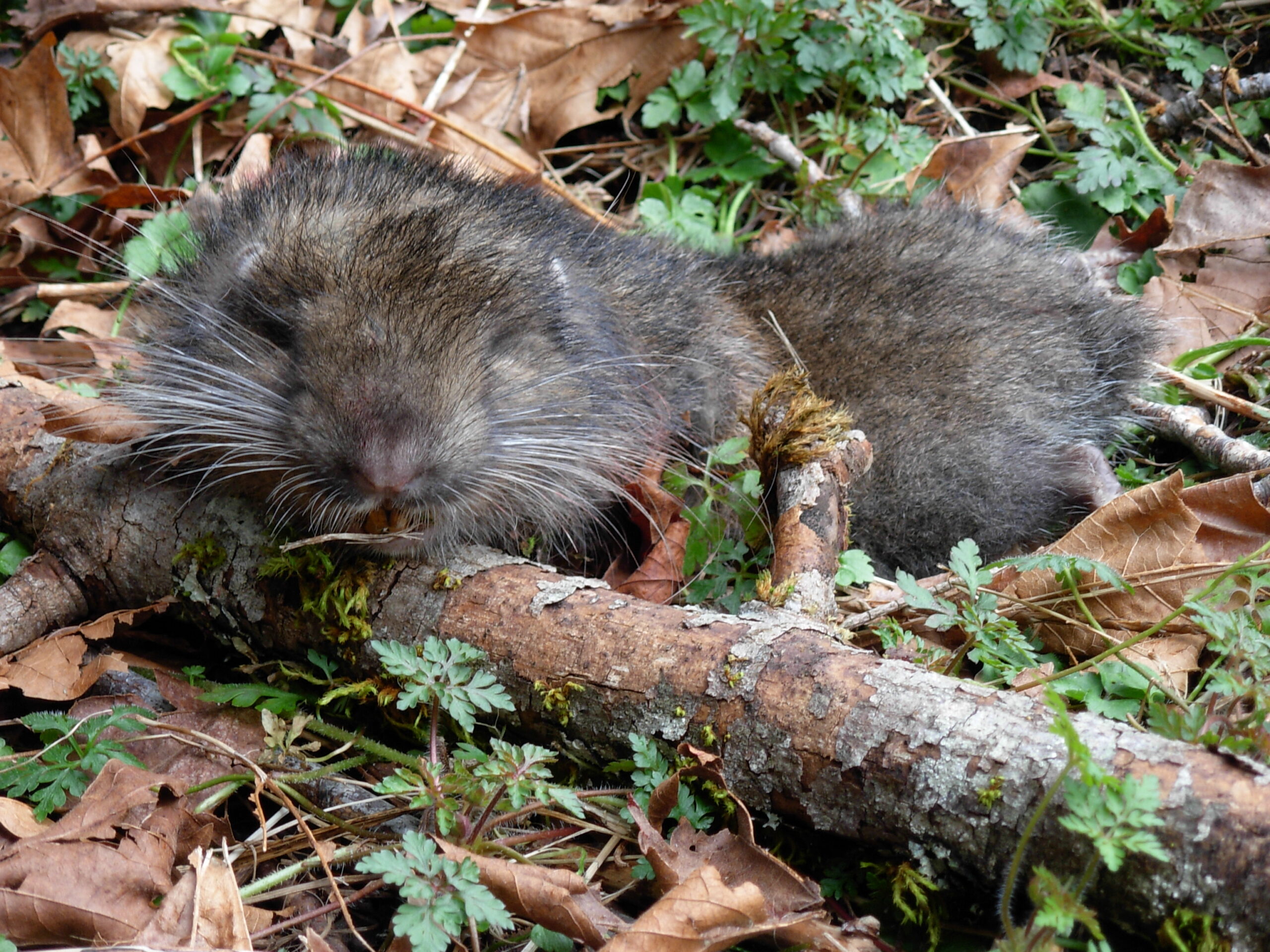 Photo Credit: BMacZeroBot / Wikimedia Commons
In the misty forests of the Pacific Northwest, the Mountain Beaver, known scientifically as Aplodontia rufa, scurries through the underbrush, a delightful blend of charm and curiosity. With its stout body and soft, dense fur, this little mammal resembles a furry tank, perfectly adapted to its lush, green habitat. As it nibbles on tender leaves and roots, the Mountain Beaver plays a vital role in its ecosystem, helping to shape the forest floor and maintain the delicate balance of life around it.
What makes Aplodontia rufa particularly intriguing to scientists and nature lovers alike is its ancient lineage. This remarkable rodent has been around for millions of years, making it one of the oldest living species of rodents. Unlike its larger namesake, the true beaver, the Mountain Beaver is not known for building dams but instead for its burrowing lifestyle, creating intricate tunnels beneath the forest floor. As you wander through the towering trees, you might catch a glimpse of this elusive creature, reminding us of the wonders that lie hidden in the natural world.
The Mountain Beaver, scientifically known as Aplodontia rufa, holds a special place in the animal kingdom. It is not a true beaver, despite its name, but rather a unique member of the rodent family. This small, furry mammal is native to the Pacific Northwest of North America and is often found in dense, moist forests. What sets the Mountain Beaver apart is its ancient lineage; it is the only living representative of the family Aplodontiidae, which has existed for millions of years. This makes it a fascinating glimpse into the past, showcasing evolutionary traits that have remained unchanged over time.
| Taxonomic Rank | Scientific Name | Meaning & Significance |
|---|---|---|
| Kingdom | Animalia | This name signifies that Mountain Beavers belong to the broad group of multicellular organisms that are primarily heterotrophic, meaning they consume organic material for energy. |
| Phylum | Chordata | Chordata refers to animals that have a notochord, a flexible rod that supports the body. In Mountain Beavers, this structure is present during their development, highlighting their place in the animal hierarchy. |
| Class | Mammalia | Mammalia indicates that Mountain Beavers are warm-blooded animals with fur and mammary glands, which allow females to nurse their young. This class is known for its diverse adaptations and complex behaviors. |
| Order | Rodentia | Rodentia, the order of rodents, is characterized by a single pair of continuously growing incisors in both the upper and lower jaws. This adaptation helps Mountain Beavers gnaw on tough plant material. |
| Family | Aplodontiidae | Aplodontiidae is a family that includes only the Mountain Beaver, emphasizing its distinct evolutionary path. The name reflects its ancient lineage, which diverged from other rodents millions of years ago. |
| Genus | Aplodontia | The genus name Aplodontia comes from Greek roots meaning “not tooth,” referring to the unique structure of their teeth compared to other rodents. This highlights their specialized adaptations for their herbivorous diet. |
Understanding the Mountain Beaver’s classification reveals much about its evolutionary history. As a member of the ancient family Aplodontiidae, it showcases traits that have persisted through time, offering insights into the ecological niches that existed millions of years ago. This rodent’s unique adaptations and solitary lifestyle reflect a long-standing relationship with its forest habitat, making it a living testament to the resilience and diversity of life on Earth.
The evolutionary journey of the Mountain Beaver, or Aplodontia rufa, stretches back millions of years, placing it among the most ancient of living rodents. This intriguing animal has roots that trace back to the late Eocene epoch, around 35 million years ago. While many rodents have evolved rapidly, the Mountain Beaver has remained relatively unchanged, a testament to its successful adaptations to its environment.
Ancestral forms of the Mountain Beaver were part of a diverse group of early rodents. These ancestors were small, agile creatures that thrived in forested areas. Over time, they developed traits that allowed them to better navigate their habitats. One significant transition was the shift from a more generalized diet to a specialized herbivorous diet, focusing on the tender shoots and leaves of plants. This change helped them exploit a niche that many other rodents could not, allowing them to thrive in dense, moist forests.
The adaptations of the Mountain Beaver have been crucial for its survival in the wild. Their strong digging claws allow them to create complex burrow systems that serve as safe havens from predators and harsh weather. By focusing on a herbivorous diet, they can thrive in environments rich in vegetation, while their low metabolic rate helps them conserve energy. Additionally, their thick fur provides warmth and protection, making them well-suited to their forested habitats. Together, these traits have enabled the Mountain Beaver to persist through the ages, a living link to a distant past.
The Mountain Beaver is a charming little mammal that captures the imagination with its stout body and endearing features. With a stocky build, it resembles a small, furry tank, measuring about 12 to 16 inches long. Its rounded ears and short, bushy tail add to its adorable appearance, while its powerful limbs are perfectly designed for digging. This creature’s overall look is both robust and cuddly, making it a delightful sight in its natural habitat.
| Feature | Description |
|---|---|
| Weight | 18-32 ounces |
| Skin Type | Hair |
The Mountain Beaver’s physical traits are not just for show; they play vital roles in its survival. Its sturdy body allows it to navigate through dense underbrush and burrow into the ground with ease, creating a safe haven from predators. The thick fur provides insulation, keeping it warm in cooler climates, while its strong limbs are essential for digging and foraging for food. Together, these features make the Mountain Beaver a well-adapted inhabitant of its forested environment, showcasing the beauty of nature’s design.
The Mountain Beaver thrives in the lush, green embrace of dense forests and mountainous regions. Picture towering trees, their leaves whispering in the wind, and a carpet of soft moss underfoot. This little mammal makes its home in the underbrush, where the thick vegetation provides both shelter and food. The cool, shaded areas of these forests create a perfect sanctuary for the Mountain Beaver, allowing it to live a life of relative seclusion and comfort.
Mountain Beavers prefer a climate that is moist and temperate, which means they enjoy mild temperatures and plenty of rainfall. These conditions help keep their forest homes lush and vibrant, providing an abundance of food sources like tender plants and shrubs. The cool, damp environment also helps maintain the moisture levels in the soil, which is essential for the growth of the vegetation they rely on for sustenance.
To thrive in these specific habitats, the Mountain Beaver has developed several clever adaptations. Its strong, burrowing claws allow it to dig extensive tunnel systems beneath the forest floor, creating cozy nests that protect it from predators and harsh weather. Additionally, its diet consists mainly of herbaceous plants, which are plentiful in its forest home. This specialized diet, combined with its ability to navigate through dense underbrush, ensures that the Mountain Beaver remains well-suited to its woodland environment.
The Mountain Beaver, or Aplodontia rufa, leads a life filled with daily routines that revolve around foraging and maintaining its habitat. As a diurnal animal, it is most active during the day, emerging from its burrow in the early morning light. With a keen sense of smell and sharp teeth, it spends hours searching for tender plants, roots, and leaves to munch on. This little mammal is not just a forager; it also takes time to groom its thick fur, ensuring it stays clean and insulated against the cool mountain air. As the sun sets, the Mountain Beaver retreats to its burrow, ready to rest and recharge for another busy day.
While Mountain Beavers are primarily solitary creatures, they do have interesting social behaviors. They establish their own territories, which they mark with scent to communicate their presence to others. Although they prefer to live alone, they may occasionally cross paths with other Mountain Beavers, especially during the breeding season. When they do interact, they use a variety of vocalizations and body language to express themselves. These interactions are brief, as each individual prefers the peace of its own space, making their social structure quite unique.
| Behavior Type | Description |
|---|---|
| Activity Patterns | Mountain Beavers are diurnal, meaning they are active during the day, foraging for food and maintaining their burrows. |
| Social Structure | They are primarily solitary, establishing and defending their own territories, but may interact during breeding season. |
| Communication Methods | They communicate through vocalizations and scent marking, using these methods to convey their presence and intentions. |
The behaviors of the Mountain Beaver are essential for its survival in the wild. By being active during the day, it can take advantage of the sunlight to find food and avoid predators. Its solitary nature allows it to maintain a territory rich in resources, reducing competition for food. The ability to communicate through scent and sound helps it navigate its environment and avoid conflicts with others. Together, these behaviors ensure that the Mountain Beaver thrives in its lush, forested home, continuing its ancient lineage in the animal kingdom.
The Mountain Beaver, or Aplodontia rufa, is a dedicated herbivore, meaning it primarily eats plants. This little mammal has a particular fondness for a variety of vegetation, including leaves, roots, and tender shoots. With its strong, chisel-like teeth, it can easily gnaw through tough plant material. Mountain Beavers are skilled foragers, using their keen sense of smell to locate tasty morsels in their forest homes. They often feed in the early morning or late afternoon, taking advantage of cooler temperatures to search for food.
| Dietary Aspect | Details |
|---|---|
| Diet Type | Herbivore |
| Favorite Foods | Leaves, roots, and tender shoots of various plants |
| Prey Items | None, as they do not eat meat |
| Hunting/Foraging Strategies | Forages during the day, using smell to find food |
The Mountain Beaver’s plant-based diet plays a crucial role in its ecology and daily life. By consuming a variety of vegetation, it helps maintain the health of its forest habitat, promoting plant growth and diversity. This foraging behavior also influences its daily routine, as it must spend significant time searching for food to sustain its energy needs. In turn, the Mountain Beaver becomes an important part of the ecosystem, contributing to the balance of plant life in its mountainous home.
When it comes to the Mountain Beaver’s mating behavior, things get quite interesting! These charming rodents typically breed in the spring, when the days grow longer and warmer. During this time, males become quite active, seeking out females to mate with. They communicate through a series of vocalizations and scent markings, which help them find each other in the dense forests they call home. Once a pair has formed, they will mate, and the female will prepare for the arrival of her young.
| Reproductive Aspect | Details |
|---|---|
| Gestation Period | 28-30 days |
| Average Litter Size | 2 |
| Age of Sexual Maturity | 2 years |
| Name of Young | pups, kits, kittens |
After the gestation period, which lasts about 28 to 30 days, the female Mountain Beaver gives birth to a small litter of two young. These adorable little ones, known as pups, kits, or kittens, are born blind and hairless, relying entirely on their mother for warmth and nourishment. Parental care is crucial during this early stage, as the mother stays close to her young, nursing them and keeping them safe from potential predators. As the pups grow, they begin to develop fur and open their eyes, gradually becoming more independent. By the time they reach sexual maturity at around two years old, they are ready to venture out into the world, continuing the cycle of life in the lush forests they inhabit.
The Mountain Beaver, or Aplodontia rufa, plays a vital role in its ecosystem, serving as both a herbivore and a prey species. This small mammal is an important part of the food web, helping to maintain plant growth and providing sustenance for various predators. However, its position in the food web also makes it vulnerable to a range of threats.
To survive these dangers, Mountain Beavers have developed several clever defensive behaviors. They are excellent diggers, creating extensive burrow systems that provide shelter and safety from predators. When threatened, they can quickly retreat into their burrows, using their strong claws to dig deeper if necessary. Additionally, their thick fur helps them blend into the forest floor, making it harder for predators to spot them. By staying alert and using their natural instincts, Mountain Beavers navigate the challenges of their environment, ensuring their survival in a world full of dangers.
A keystone species is an organism that has a disproportionately large impact on its environment relative to its abundance. In other words, if it were removed, the ecosystem would change dramatically. The Mountain Beaver, or Aplodontia rufa, is often considered a keystone species in its habitat. This small rodent plays a crucial role in maintaining the health and balance of the dense forests and mountainous regions it calls home.
Mountain Beavers are herbivores, meaning they primarily eat plants. By feeding on a variety of vegetation, they help control plant growth and promote biodiversity. Their foraging habits create openings in the underbrush, allowing sunlight to reach the forest floor. This encourages the growth of new plants and provides habitats for other species. Additionally, their burrowing activities aerate the soil, which improves water infiltration and nutrient cycling, benefiting the entire ecosystem.
Moreover, Mountain Beavers serve as a food source for various predators, including birds of prey and larger mammals. Their presence supports a complex food web, where the health of predator populations is linked to the availability of Mountain Beavers. This connection highlights their importance in sustaining the balance of life in their forest homes.
If Mountain Beavers were to disappear, the consequences would ripple through their ecosystem. Without these rodents, plant growth could become unmanageable, leading to overgrowth that would choke out other species. The loss of their burrowing would result in poorer soil health, affecting water retention and nutrient availability. Predators that rely on Mountain Beavers for food would struggle to find alternative sources, potentially leading to declines in their populations. In essence, the absence of Mountain Beavers would disrupt the delicate balance of their forest homes, showcasing just how vital they are to their ecosystem.
The Mountain Beaver, known scientifically as Aplodontia rufa, occupies a vital ecological niche in the dense forests and mountainous regions of the Pacific Northwest. This small herbivore plays a significant role in shaping its environment, influencing plant communities and providing essential services that benefit other species. By foraging on a variety of vegetation, the Mountain Beaver helps maintain the health of its habitat, ensuring that the ecosystem remains vibrant and diverse.
| Ecosystem Service | Impact |
|---|---|
| Vegetation Management | Controls plant growth by feeding on various plants, preventing overgrowth and promoting biodiversity. |
| Soil Aeration | Burrowing activities help aerate the soil, improving water infiltration and nutrient cycling. |
| Habitat Creation | Creates burrows that provide shelter for other animals, enhancing habitat complexity. |
| Seed Dispersal | Contributes to seed dispersal through its foraging habits, aiding in plant reproduction. |
The Mountain Beaver’s influence is evident in its daily activities. As it munches on leaves, roots, and other plant materials, it not only sustains itself but also shapes the plant community around it. By selectively feeding on certain species, it encourages the growth of others, fostering a diverse array of plants. Its burrowing behavior further enriches the soil, allowing water and nutrients to circulate more freely. This creates a healthier environment for a variety of organisms, from insects to larger mammals, all of which depend on the intricate web of life that the Mountain Beaver helps maintain.
The broader ecological importance of the Mountain Beaver cannot be overstated. As a keystone species, its presence is crucial for the stability of its ecosystem. If this little rodent were to disappear, the effects would ripple through the food web, potentially leading to a decline in plant diversity and the animals that rely on those plants for survival. By understanding the Mountain Beaver’s role, we gain insight into the delicate balance of nature and the interconnectedness of all living things. This charming mammal is not just a part of the forest; it is a vital architect of its ecosystem.
In the intricate web of life, symbiosis plays a crucial role in shaping ecosystems. Symbiosis refers to the close and often long-term interactions between different species. These relationships can be mutualistic, where both species benefit; parasitic, where one benefits at the expense of the other; or commensal, where one benefits while the other is neither helped nor harmed. The Mountain Beaver, or Aplodontia rufa, engages in various ecological partnerships that highlight the interconnectedness of nature.
| Species/Type | Relationship Type | Description |
|---|---|---|
| Fungi | Mutualistic | Mountain Beavers often interact with fungi in the soil. The fungi help break down organic matter, making nutrients more accessible to the beavers, while the beavers help spread the fungi’s spores through their digging activities. |
| Plants | Mutualistic | As herbivores, Mountain Beavers consume various plants, which helps control plant growth. In return, the plants benefit from the beavers’ nutrient-rich droppings, which act as natural fertilizer. |
| Predators (e.g., coyotes) | Parasitic | While not a direct relationship, Mountain Beavers are prey for larger predators like coyotes. This relationship is parasitic in the sense that the predators benefit from the Mountain Beavers as a food source, while the beavers face the threat of predation. |
The evolution of these relationships showcases the dynamic nature of ecosystems. Over time, Mountain Beavers have adapted to their environment, forming partnerships that enhance their survival and the health of their habitat. By interacting with fungi and plants, they contribute to nutrient cycling, which benefits the entire forest community. Meanwhile, their role as prey helps maintain the balance of predator and prey populations. These connections illustrate how every species, no matter how small, plays a part in the grand tapestry of life.
The Mountain Beaver, or Aplodontia rufa, is a captivating creature that often surprises those who take the time to learn about it. Despite its name, it is not a true beaver, but rather a fascinating rodent with a rich history and unique traits.
These surprising facts highlight just how remarkable the Mountain Beaver truly is, showcasing its unique adaptations and important role in the environment.
The Mountain Beaver, or Aplodontia rufa, has a rich history intertwined with human culture, particularly among the Indigenous peoples of the Pacific Northwest. These small mammals were often seen as symbols of resilience and adaptability, reflecting the natural world’s ability to thrive in challenging environments. Historically, they were sometimes hunted for their fur and meat, contributing to local diets and economies. Their presence in folklore and stories highlights the deep connection between these creatures and the communities that share their habitat, showcasing a relationship built on respect and understanding.
In modern times, the interactions between Mountain Beavers and humans have evolved, focusing more on conservation and habitat preservation. As urban development encroaches on their natural environments, these animals face challenges that threaten their populations. Conservation efforts aim to protect their habitats and ensure that they can continue to play their vital role in the ecosystem. However, conflicts can arise when Mountain Beavers dig burrows in gardens or landscaping, leading to tensions between wildlife and homeowners. While domestication is not a viable option for these wild rodents, understanding their behavior and needs can help foster a more harmonious coexistence.
As we look to the future, the relationship between Mountain Beavers and humanity holds promise. With increased awareness and appreciation for these unique rodents, there is potential for more effective conservation strategies that benefit both the animals and the ecosystems they inhabit. By fostering a spirit of coexistence, we can ensure that Mountain Beavers continue to thrive in their natural habitats, enriching our world with their presence and the stories they inspire.
The Mountain Beaver, or Aplodontia rufa, currently holds a conservation status of “Least Concern,” according to the International Union for Conservation of Nature (IUCN). This means that, at present, the species is not facing an immediate threat of extinction. Population estimates for Mountain Beavers range widely, from about 10,000 to 1,000,000 individuals. While their numbers are relatively stable, ongoing monitoring is essential to ensure that they remain healthy and thriving in their natural habitats.
| Conservation Factor | Status/Details |
|---|---|
| IUCN Status | Least Concern |
| Estimated Population Size | 10,000 – 1,000,000 |
| Population Trend | Stable |
Despite their current stable status, Mountain Beavers face several threats that could impact their populations in the future. Habitat loss is a significant concern, primarily due to urban development and logging activities that reduce the dense forests they rely on. Additionally, climate change poses a risk by altering their habitats and food sources. As temperatures rise and weather patterns shift, the delicate balance of their ecosystem may be disrupted, making it harder for these small mammals to thrive.
Conservation efforts are underway to protect the Mountain Beaver and its habitat. Organizations and local governments are working to preserve the forests where these animals live, ensuring that they have the space and resources they need. Public awareness campaigns also play a crucial role in educating communities about the importance of this species and the ecosystems they inhabit. With continued efforts, the outlook for the Mountain Beaver remains hopeful, as conservationists strive to maintain the delicate balance of nature that supports this ancient rodent.
| Question | Answer |
|---|---|
| What is the habitat of the Mountain Beaver? | Mountain Beavers thrive in dense forests and mountainous regions. They prefer areas with plenty of vegetation, which provides both food and shelter from predators. |
| What do Mountain Beavers eat? | Mountain Beavers are herbivores, meaning they primarily eat plants. Their diet consists of leaves, roots, and stems, which they find in their forest homes. |
| How do Mountain Beavers behave? | These creatures are mostly nocturnal, meaning they are active at night. They are known for their burrowing habits, creating extensive tunnel systems to navigate their environment and store food. |
| How do Mountain Beavers reproduce? | Mountain Beavers typically mate in the spring. After a gestation period of about 30 days, females give birth to a litter of 2 to 6 young, which are born blind and helpless. |
| What threats do Mountain Beavers face? | While Mountain Beavers are currently classified as Least Concern, they face threats from habitat destruction and predation. Urban development and logging can reduce their natural habitats. |
| What are some interesting characteristics of Mountain Beavers? | Despite their name, Mountain Beavers are not true beavers. They are more closely related to squirrels! They have strong front teeth that help them gnaw through tough plant material. |
| How do Mountain Beavers stay safe from predators? | Mountain Beavers use their burrows for safety, quickly retreating underground when threatened. Their dark fur also helps them blend into the forest floor, making it harder for predators to spot them. |