Taxonomy & Classification
- Kingdom
- Animalia
- Phylum
- Chordata
- Class
- Mammalia
- Order
- Rodentia
- Family
- Muridae
- Genus
- Mus

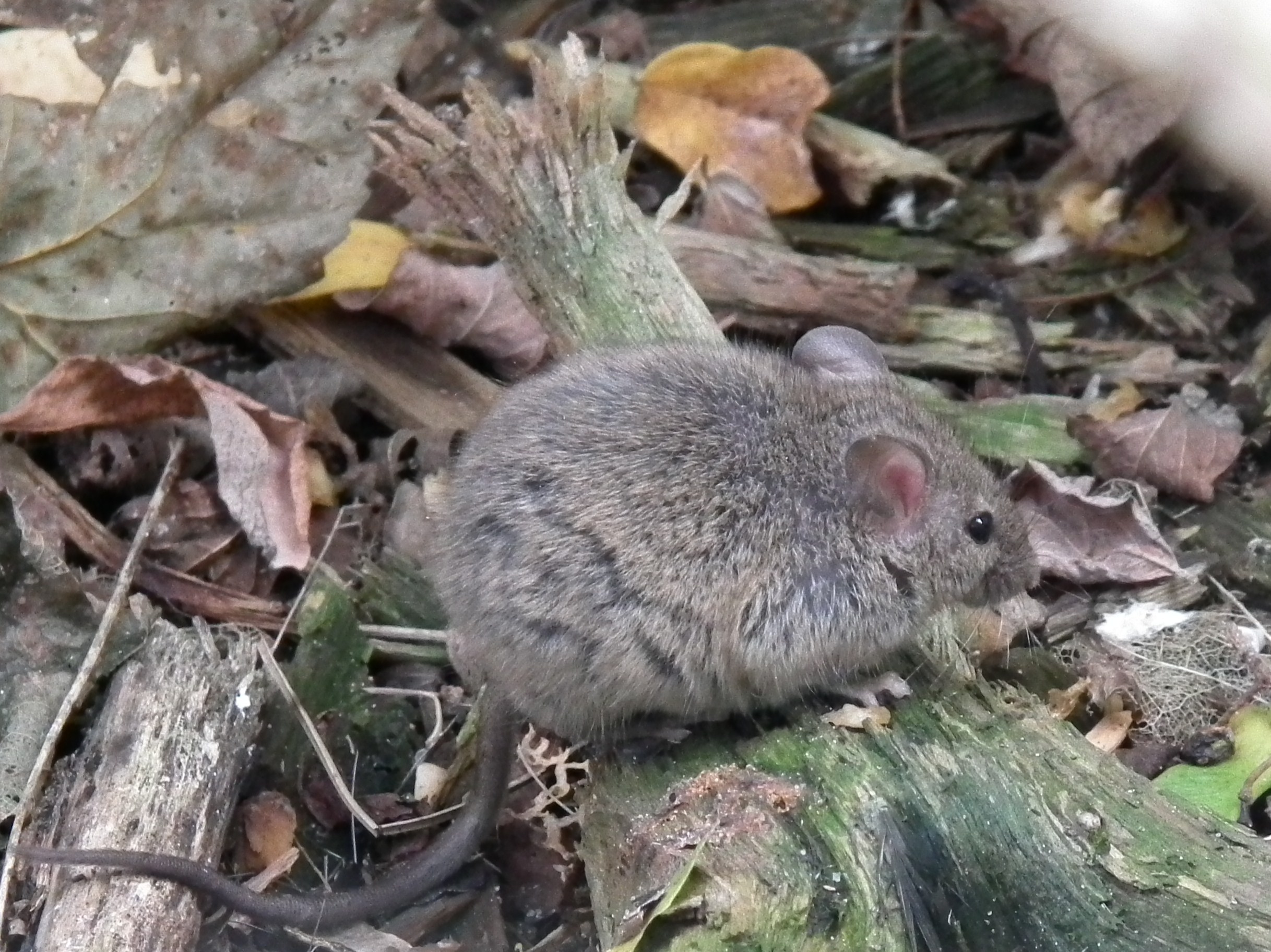 Photo Credit: 4028mdk09 / Wikimedia Commons
In the heart of a sun-drenched meadow, the little mouse, known scientifically as Mus musculus, scurries through the tall grass, its tiny body a blur of motion. With its soft, grayish-brown fur and large, expressive eyes, this small mammal is a master of stealth and agility. Its long, hairless tail helps it balance as it navigates the intricate maze of its environment, while its sensitive whiskers detect even the faintest rustle of leaves. Mice are not just adorable; they are remarkable survivors, thriving in diverse habitats from bustling cities to quiet fields, which makes them a subject of fascination for scientists and nature lovers alike.
As the sun rises, the mouse emerges from its cozy nest, often hidden beneath a pile of leaves or in a burrow it has carefully crafted. With a diet primarily consisting of seeds, fruits, and grasses, it is a skilled forager, using its keen sense of smell to locate food. Mice play a crucial role in their ecosystems, acting as both prey for larger animals and as important seed dispersers. This tiny creature, often overlooked, is a keystone species, meaning its presence significantly impacts the environment around it. Join us as we delve deeper into the world of Mus musculus, exploring its behaviors, adaptations, and the vital role it plays in the natural world.
In the grand tapestry of life, the mouse occupies a special niche that showcases its adaptability and resilience. Classified within the kingdom Animalia, these small mammals belong to the phylum Chordata, which means they have a backbone. Mice are part of the class Mammalia, indicating they are warm-blooded animals that nurse their young with milk. Their order, Rodentia, is home to the largest group of mammals, characterized by their continuously growing incisors. Mice, particularly from the genus Mus, are not only widespread but also exhibit a remarkable ability to thrive in diverse environments, from fields to urban landscapes. This adaptability makes them a key species in many ecosystems.
| Taxonomic Rank | Scientific Name | Meaning & Significance |
|---|---|---|
| Kingdom | Animalia | The name comes from the Latin word “animalis,” meaning “having breath,” highlighting the living, breathing nature of these organisms. |
| Phylum | Chordata | This term is derived from the Greek word “chordē,” meaning “string,” referring to the notochord, a flexible rod that supports the body in the early stages of development. |
| Class | Mammalia | From the Latin “mamma,” meaning “breast,” this classification emphasizes the defining feature of mammals: the ability to produce milk for their young. |
| Order | Rodentia | Derived from the Latin “rodere,” meaning “to gnaw,” this name reflects the characteristic behavior of rodents, which have strong, continuously growing teeth for chewing through tough materials. |
| Family | Muridae | This family name comes from the Latin word “mus,” meaning “mouse,” and it encompasses a wide variety of small, often nocturnal rodents. |
| Genus | Mus | The genus name “Mus” is simply the Latin word for “mouse,” highlighting the common traits shared among these small mammals. |
The classification of mice reveals a fascinating evolutionary history that connects them to a vast array of other species. As members of the Rodentia order, they share common ancestors with other rodents, showcasing traits that have allowed them to adapt and thrive in various habitats. Their ability to reproduce quickly and their diverse diets have enabled them to spread across the globe, making them one of the most successful groups of mammals. Understanding where mice fit in the tree of life not only highlights their biological significance but also underscores their role in ecosystems, where they serve as prey for many predators and contribute to the balance of nature.
The evolutionary journey of the mouse stretches back millions of years, weaving through the tapestry of time to reveal a story of survival and adaptation. Mice belong to the family Muridae and the genus Mus, with their ancestors first appearing around 12 to 20 million years ago during the Miocene epoch. This period was marked by significant climatic changes that shaped the habitats and lifestyles of many species, including the early relatives of modern mice.
The ancestors of mice were small, rodent-like mammals that roamed the earth in diverse environments. Over time, they underwent major evolutionary transitions, adapting to various ecological niches. One of the most significant changes was the development of a more efficient digestive system, allowing them to thrive on a diet that included seeds and plants. This adaptation was crucial as it enabled them to exploit new food sources, especially in changing landscapes. Additionally, the evolution of their keen senses, particularly smell and hearing, helped them evade predators and locate food in their surroundings.
Mice have thrived in diverse habitats around the world, thanks to these remarkable adaptations. Their small size and quick reproduction allow them to colonize new areas rapidly, while their social behavior enhances their survival against predators. With their adaptable diet and sharp senses, mice have become one of the most successful mammals on the planet, showcasing the power of evolution in shaping life.
The mouse is a small yet captivating animal, often evoking a sense of curiosity and wonder. With a body that is both compact and agile, it typically weighs between 100 to 200 grams, which is about the same as a small apple. Its body is covered in soft fur that can vary in color, providing a perfect camouflage against the natural world. The mouse’s rounded ears and twitching nose add to its endearing appearance, while its long, thin tail helps with balance as it scurries through its environment.
| Feature | Description |
|---|---|
| Size | Typically weighs between 100-200 grams (0.2-0.4 lbs) |
| Color | Fur can vary, often brown, gray, or white, aiding in camouflage |
| Skin Type | Covered in soft fur, providing warmth and protection |
The combination of these features plays a crucial role in the mouse’s survival. Its lightweight body allows for quick movements, helping it evade predators. The soft fur not only keeps it warm but also helps it blend into its surroundings, making it less visible to those who might want to make a meal out of it. With its keen senses and agile form, the mouse is perfectly equipped to navigate the challenges of its environment, showcasing the beauty of nature’s design.
Mice are often found in a variety of habitats that paint a picture of their adaptability. They thrive in open fields, where tall grasses sway gently in the breeze, providing both food and shelter. Woodland areas, with their dappled sunlight and rich underbrush, also serve as perfect homes for these small mammals. Here, they can scurry among the roots of trees and hide in the leaf litter, always on the lookout for predators. This blend of open spaces and cozy nooks creates an ideal environment for mice to live, forage, and raise their young.
Mice prefer climates that offer a mix of warmth and moisture, which helps sustain the vegetation they rely on for food. They are often found in regions with temperate weather, where the seasons change but do not become too extreme. This means they can enjoy the lush growth of spring and summer while finding shelter during the colder months. The presence of diverse plant life is crucial, as it provides not only nourishment but also the cover they need to stay safe from larger animals.
To thrive in these varied habitats, mice have developed several clever adaptations. Their small size allows them to squeeze into tight spaces, making it easier to find shelter and evade predators. They have keen senses, especially their sense of smell, which helps them locate food and detect danger. Additionally, their ability to reproduce quickly ensures that even if some mice fall prey to predators, their population can bounce back swiftly. This combination of traits allows mice to flourish in both rural and urban environments, showcasing their remarkable ability to adapt to the world around them.
In the bustling world of a mouse, daily life is a blend of exploration, foraging, and rest. As dawn breaks, these small mammals emerge from their cozy nests, often hidden in grass or burrows. Their day begins with a search for food, which can include seeds, fruits, and even the occasional insect. Mice are crepuscular, meaning they are most active during the twilight hours of dawn and dusk. This timing helps them avoid larger predators while they scurry about, nibbling on their favorite snacks. Throughout the day, they take breaks to groom themselves, ensuring their fur remains clean and free of parasites.
Socially, mice are generally solitary creatures, preferring to live alone rather than in large groups. However, they do have a complex social structure when they do interact. Mice communicate through a variety of sounds, including squeaks and chirps, which can convey everything from alarm to contentment. They also use scent marking to establish territory and communicate with others. When they do come together, such as during mating season, they engage in playful behaviors that help strengthen bonds. This social interaction, though limited, is crucial for their reproductive success.
| Behavior Type | Description |
|---|---|
| Foraging | Mice search for food during twilight hours, primarily eating seeds, fruits, and insects. |
| Grooming | Regular self-cleaning helps maintain hygiene and reduces the risk of parasites. |
| Communication | Mice use sounds and scent marking to convey messages and establish territory. |
| Social Interaction | While mostly solitary, they engage in playful behaviors during mating season. |
The behaviors of mice are finely tuned to ensure their survival in a world filled with challenges. Their foraging habits allow them to find food while minimizing exposure to predators. Grooming keeps them healthy, and their communication methods help them navigate their environment effectively. Even in their solitary lifestyle, these small mammals have developed strategies that enhance their chances of thriving in diverse habitats. Each day is a testament to their resilience and adaptability, showcasing the intricate balance of life in the wild.
Mice are primarily herbivores, which means they mainly eat plant-based foods. Their diet consists of a variety of items, including fruits, seeds, and grasses. Mice are skilled foragers, using their keen sense of smell and sharp teeth to locate and consume their favorite foods. They often nibble on seeds and fruits found on the ground or in low shrubs, making them well-adapted to their environments. This feeding behavior not only sustains them but also plays a crucial role in their ecosystems, as they help disperse seeds and promote plant growth.
| Dietary Aspect | Details |
|---|---|
| Diet Type | Herbivore |
| Favorite Foods | Fruits, seeds, grasses |
| Prey Items | Primarily plant materials |
| Hunting/Foraging Strategies | Using keen sense of smell and sharp teeth to locate food |
The diet of a mouse significantly influences its daily routine and ecological role. By foraging for fruits and seeds, mice contribute to the health of their habitats, ensuring that plants can thrive. Their feeding habits also attract various predators, creating a balance in the food web. As they scurry about in search of nourishment, mice play a vital part in the cycle of life, demonstrating how even the smallest creatures can have a big impact on their environment.
Mice are known for their lively mating behaviors, which often take place during the warmer months of spring and summer. During this breeding season, males will engage in a series of courtship displays to attract females. This can include vocalizations, scent marking, and even playful chases. Once a female is receptive, she will mate with the male, and the pair may breed multiple times, ensuring a healthy population of young mice.
| Reproductive Aspect | Details |
|---|---|
| Gestation Period | About 19 to 21 days |
| Litter Size | Average of 6 |
| Age of Maturity | Around 6 weeks |
| Name of Young | Pups |
After the pups are born, they are completely dependent on their mother for survival. The mother mouse is a dedicated caregiver, nursing her young and keeping them warm in the nest. As the pups grow, they begin to open their eyes and explore their surroundings. By the time they reach about six weeks old, they are ready to venture out on their own and start their own lives. This rapid development is a testament to the resilience of mice, allowing them to thrive in various environments and adapt to changing conditions.
In the intricate web of life, mice play a crucial role as both prey and foragers. Positioned near the bottom of the food chain, they are a vital food source for many predators. This means that while they are busy scurrying about in search of seeds and fruits, they must also be constantly aware of the dangers lurking nearby. Their small size and quick movements help them evade capture, but the threats they face are ever-present.
To survive in a world filled with dangers, mice have developed a range of clever defensive behaviors. They are masters of camouflage, often blending into their surroundings to avoid detection. When threatened, a mouse may freeze in place, relying on its natural coloring to go unnoticed. If spotted, they can dart away in a flash, using their agility to escape. Additionally, mice communicate with each other through high-pitched squeaks, alerting their friends to potential dangers. By staying alert and using their wits, these small mammals continue to thrive despite the many challenges they face.
A keystone species is an organism that has a disproportionately large impact on its environment relative to its abundance. This means that if it were removed, the ecosystem would change dramatically. Mice, while small and often overlooked, can indeed be considered a keystone species in many ecosystems. Their presence supports a variety of other wildlife and helps maintain the balance of their habitats.
Mice play a vital role in their ecosystems, particularly in open fields and woodland areas. As herbivores, they consume a wide range of plant materials, including seeds, fruits, and grasses. This foraging behavior not only helps control plant populations but also aids in seed dispersal. When mice eat seeds and then move to different locations, they inadvertently plant those seeds in new areas, promoting plant diversity and growth. This process is essential for maintaining healthy ecosystems, as diverse plant life supports a variety of other species.
Moreover, mice are a crucial food source for many predators, including birds of prey, snakes, and small mammals. Their abundance provides a steady supply of nutrition for these animals, helping to sustain predator populations. In this way, mice help maintain the balance of the food web, ensuring that no single species dominates the ecosystem. Additionally, their burrowing activities aerate the soil, which can enhance plant growth and improve water infiltration, further benefiting the ecosystem.
If mice were to disappear from their ecosystems, the consequences would be significant. Without their herbivorous activities, certain plant species could become overabundant, leading to a decline in plant diversity. This shift would affect the animals that rely on those plants for food and shelter, creating a ripple effect throughout the food web. Predators that depend on mice for sustenance would struggle to find enough food, potentially leading to their decline as well. In essence, the absence of mice would disrupt the delicate balance of their ecosystems, highlighting their importance as a keystone species.
The mouse plays a vital role in shaping its ecosystem, acting as a small but powerful force in the natural world. As a herbivore, it primarily feeds on plants, seeds, and fruits, which helps to control plant populations and promote biodiversity. By foraging and consuming various plant materials, mice contribute to the health of their habitats, ensuring that no single species dominates the landscape. This balance is essential for the overall health of ecosystems, allowing a variety of plants and animals to thrive.
| Ecosystem Service | Impact |
|---|---|
| Seed Dispersal | Mice help spread seeds through their foraging, allowing new plants to grow in different areas. |
| Soil Aeration | As mice dig burrows, they aerate the soil, improving its quality and helping plants grow. |
| Food Source | Mice serve as a crucial food source for many predators, supporting the food web. |
| Decomposition | By consuming decaying plant matter, mice aid in the decomposition process, enriching the soil. |
Mice influence their environment in several specific ways. For instance, when they dig burrows, they not only create homes for themselves but also improve soil structure. This aeration allows water and nutrients to penetrate deeper into the ground, benefiting nearby plants. Additionally, as they consume seeds and fruits, they inadvertently help with seed dispersal. This means that new plants can grow in different locations, promoting a diverse plant community. Their presence also supports a variety of predators, from owls to snakes, which rely on mice as a primary food source.
The broader ecological importance of mice cannot be overstated. By maintaining plant diversity and serving as a key food source for many animals, they help sustain the delicate balance of their ecosystems. Without mice, many species would struggle to survive, leading to a ripple effect that could disrupt entire habitats. In this way, the humble mouse is not just a small creature scurrying through the grass; it is a vital player in the intricate web of life, demonstrating how even the tiniest animals can have a significant impact on the world around them.
In the intricate web of life, symbiosis refers to the close and often long-term interactions between different species. These relationships can take many forms, including mutualism, where both species benefit, parasitism, where one benefits at the expense of the other, and commensalism, where one benefits while the other is neither helped nor harmed. Mice, with their adaptable nature, engage in various ecological partnerships that highlight the complexity of their interactions with other organisms.
| Species/Type | Relationship Type | Description |
|---|---|---|
| Ants | Mutualistic | Mice and ants often share habitats. Mice benefit from the ants’ ability to aerate the soil, which helps plants grow, while ants may feed on leftover seeds from the mice’s foraging. |
| Fleas | Parasitic | Fleas can infest mice, feeding on their blood. This relationship harms the mouse, as it can lead to discomfort and health issues. |
| Birds (like sparrows) | Commensal | Birds may follow mice to pick up seeds and grains that the mice drop while foraging. The birds benefit from an easy meal, while the mice are largely unaffected. |
These relationships have evolved over time, shaped by the needs and behaviors of the species involved. Mutualistic partnerships, like that with ants, demonstrate how cooperation can enhance survival for both parties. In contrast, parasitic relationships, such as those with fleas, highlight the challenges that come with living in close quarters with other organisms. Understanding these interactions not only reveals the complexity of ecosystems but also emphasizes the importance of each species in maintaining the balance of nature.
Mice are often seen as simple little creatures, but they hold many surprises that can captivate nature enthusiasts of all ages. From their remarkable adaptations to their significant roles in ecosystems, these tiny mammals are more than meets the eye.
Throughout history, mice have woven themselves into the fabric of human culture and daily life. These small mammals have been both revered and reviled, appearing in ancient myths and modern stories alike. In many cultures, mice symbolize resourcefulness and adaptability, traits that resonate with human experiences. From the tales of the clever mouse in folklore to their role in scientific research, these creatures have left an indelible mark on our collective consciousness. Their presence in homes and fields has sparked curiosity and sometimes fear, leading to a complex relationship that has evolved over centuries.
In today’s world, the interaction between mice and humans is multifaceted. On one hand, mice are often seen as pests, invading homes and causing damage to food supplies. This conflict has led to various control measures, from traps to poisons, aimed at managing their populations. On the other hand, mice play a crucial role in scientific research, particularly in genetics and medicine, helping scientists unlock the mysteries of diseases and develop new treatments. Additionally, some people have embraced mice as pets, appreciating their playful nature and intelligence. This blend of conflict and companionship highlights the ongoing negotiation between humans and these small mammals.
As we look to the future, the relationship between mice and humanity will likely continue to evolve. With growing awareness of ecological balance, there may be a shift towards more humane methods of managing mouse populations. Additionally, as research on these small mammals advances, we may uncover even more about their biology and behavior, deepening our understanding of their role in our world. Whether as pests, research subjects, or beloved pets, mice will remain an integral part of our lives, reminding us of the intricate connections we share with the natural world.
The conservation status of mice is currently classified as “Least Concern” by the International Union for Conservation of Nature (IUCN). This means that, overall, mice are not facing immediate threats that could lead to their extinction. Their populations are stable, and they are found in a wide range of habitats across the globe. While some specific species of mice may experience localized declines, the general trend for mice as a whole is positive, allowing them to thrive in various environments.
| Conservation Factor | Status/Details |
|---|---|
| IUCN Status | Least Concern |
| Population Estimates | Stable across many regions |
| Trend Direction | Stable or increasing |
Despite their overall stability, mice face several threats that can impact specific populations. Habitat loss is a significant concern, as urban development and agricultural expansion can destroy the natural environments where mice thrive. Additionally, the use of pesticides can reduce their food sources and directly harm their populations. Predation by domestic cats and other animals also poses a risk, particularly in areas where mice are less able to find shelter.
Conservation efforts for mice are generally focused on habitat preservation and responsible land management. By protecting natural areas and promoting biodiversity, we can help ensure that mice continue to flourish in their environments. The outlook for mice remains positive, as their adaptability and resilience allow them to thrive in many different settings. With continued awareness and conservation actions, these small mammals will likely remain a common sight in our world for years to come.
| Question | Answer |
|---|---|
| Where do mice typically live? | Mice are found in a variety of habitats, including open fields and woodland areas. They prefer places where they can find shelter and food, such as grasslands, forests, and even human homes. |
| What do mice eat? | Mice are herbivores, which means they primarily eat plants. Their diet includes seeds, fruits, and grains, but they may also nibble on vegetables and other plant materials when available. |
| How do mice behave in the wild? | Mice are social creatures and often live in groups. They are known for their curious nature, exploring their surroundings and using their keen sense of smell to find food and avoid predators. |
| How do mice reproduce? | Mice are prolific breeders, with females capable of having several litters each year. A typical litter can consist of 5 to 10 baby mice, called pups, which are born blind and hairless but grow quickly. |
| What are the main threats to mice? | Mice face threats from various predators, including birds of prey, snakes, and larger mammals. Additionally, habitat loss due to urban development can also impact their populations. |
| What are some interesting characteristics of mice? | Mice have excellent hearing and can detect sounds at frequencies higher than humans can hear. They also have a remarkable ability to squeeze through tiny openings, which helps them escape danger and find food. |
| Are mice important to the ecosystem? | Yes, mice play a crucial role in the ecosystem. They help disperse seeds and serve as a food source for many predators, contributing to the balance of their habitats. |