Taxonomy & Classification
- Kingdom
- Animalia
- Phylum
- Chordata
- Class
- Aves
- Order
- Pelecaniformes
- Family
- Ardeidae
- Genus
- Nycticorax
- Species
- Nycticorax nycticorax

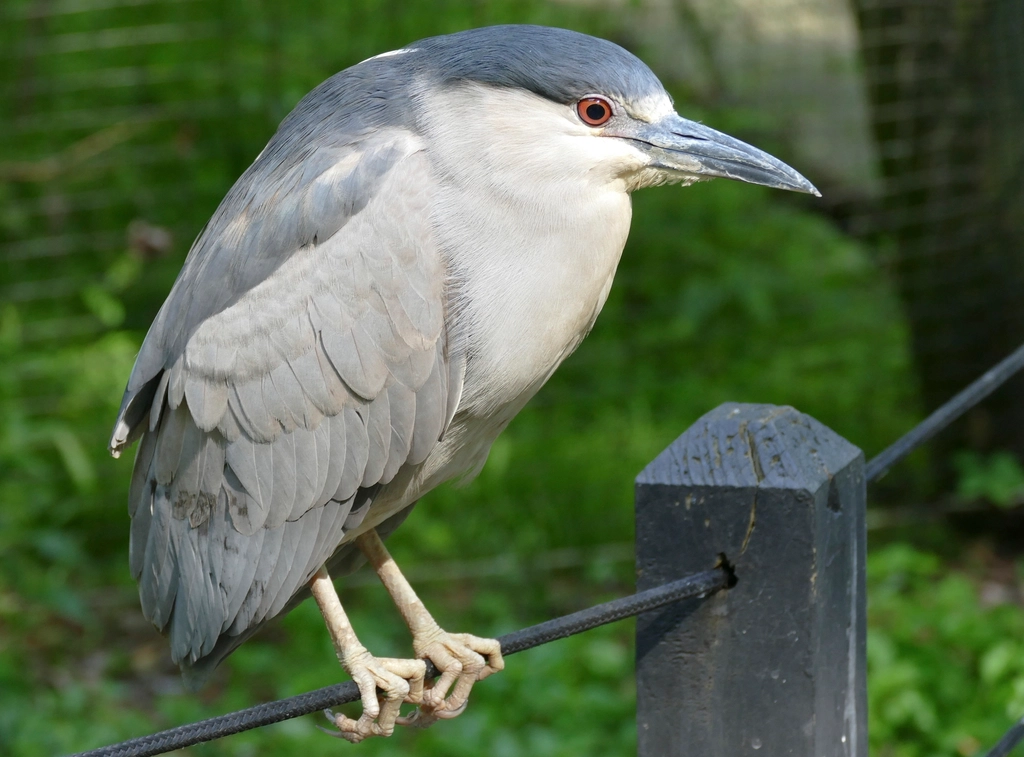 Photo Credit: Rawpixel
In the hush of twilight, the Night Heron, scientifically known as Nycticorax nycticorax, emerges from the shadows of its wetland home. With its stout body and long, slender legs, this bird is a master of stealth, perfectly adapted to life near the water’s edge. Its striking plumage, a mix of gray and white with a hint of black on its head, allows it to blend seamlessly into the reeds and rushes that surround its habitat. As the sun dips below the horizon, the Night Heron comes alive, showcasing its unique nocturnal lifestyle that captivates both scientists and nature lovers alike.
Imagine a serene landscape where the moonlight dances on the surface of a still pond, illuminating the Night Heron as it stands motionless, waiting for the perfect moment to strike. This bird is not just a skilled hunter; it plays a vital role in its ecosystem, helping to maintain the balance of life in its watery domain. With a diet that includes fish, frogs, and insects, the Night Heron is an omnivore, showcasing its adaptability and resourcefulness. As we delve deeper into the world of this fascinating bird, we will explore its behaviors, breeding rituals, and the important role it plays in the intricate web of life that thrives in wetlands.
The Night Heron, a captivating bird known for its striking appearance and nocturnal habits, occupies a special place in the animal kingdom. Taxonomically, it belongs to the Kingdom Animalia, which includes all animals, and is classified under the Phylum Chordata, meaning it has a backbone. As a member of the Class Aves, or birds, the Night Heron showcases the unique adaptations that allow it to thrive in various environments. Its order, Pelecaniformes, groups it with other waterbirds like pelicans and ibises, while its family, Ardeidae, includes herons and egrets. The genus Nycticorax, which translates to “night raven,” highlights its distinctive behavior of hunting primarily at dusk and dawn, setting it apart from many other herons.
| Taxonomic Rank | Scientific Name | Meaning & Significance |
|---|---|---|
| Kingdom | Animalia | This name signifies all animals, highlighting the Night Heron’s place among living organisms that share certain biological characteristics. |
| Phylum | Chordata | Meaning “having a cord,” this term refers to animals with a backbone, emphasizing the structural support that allows for mobility and complex behaviors. |
| Class | Aves | This classification means “birds,” indicating the Night Heron’s feathers, beak, and ability to fly, which are key traits of this group. |
| Order | Pelecaniformes | This name connects the Night Heron to other waterbirds, showcasing its adaptations for life near water, such as webbed feet and long legs. |
| Family | Ardeidae | This term refers to herons and egrets, highlighting the Night Heron’s long neck and legs, which are essential for wading and hunting in shallow waters. |
| Genus | Nycticorax | Translating to “night raven,” this name reflects the bird’s nocturnal feeding habits and its striking, dark plumage that aids in camouflage during twilight. |
The classification of the Night Heron reveals much about its evolutionary history and adaptations. Its position within the Ardeidae family indicates a lineage that has developed specialized traits for hunting in aquatic environments. The nocturnal nature suggested by its genus name, Nycticorax, points to a fascinating evolutionary strategy that allows it to exploit food resources that are less accessible to diurnal, or daytime, hunters. This unique combination of traits not only showcases the Night Heron’s adaptability but also highlights the intricate web of life that connects all species through shared ancestry and environmental challenges.
The evolutionary journey of the Night Heron stretches back millions of years, weaving through the rich tapestry of avian history. This bird, belonging to the family Ardeidae, has adapted to a variety of environments, showcasing a remarkable ability to thrive in both freshwater and coastal habitats. Its lineage can be traced to the early ancestors of herons, which emerged during the late Cretaceous period, around 70 million years ago, when the world was a very different place.
The Night Heron’s ancestors were likely wading birds that inhabited wetlands and marshes. Over time, these birds developed several key adaptations that allowed them to exploit new ecological niches. One significant transition was the shift from diurnal (active during the day) to nocturnal (active at night) behavior. This change not only helped them avoid daytime predators but also allowed them to hunt for food in the cooler, quieter hours of the night. As they evolved, their physical features adapted to this lifestyle, including their specialized eyes that enhance night vision.
The adaptations of the Night Heron have been crucial for its survival in diverse environments. Their ability to see well in the dark allows them to hunt effectively when competition is low, while their camouflaged feathers help them remain hidden from both predators and prey. By being flexible in their diet, they can thrive in various habitats, ensuring they find enough food regardless of seasonal changes. These evolutionary traits have not only helped the Night Heron endure but have also made it a fascinating example of nature’s ingenuity in adapting to life’s challenges.
The Night Heron presents a striking silhouette against the twilight sky, embodying a blend of elegance and mystery. With a stout body and long legs, this bird is perfectly designed for its life near water. Its head is adorned with a distinctive crown of feathers that adds a touch of flair, while its overall form is compact yet powerful, allowing it to navigate through marshy habitats with ease. The Night Heron’s posture is often relaxed, yet it can spring into action with remarkable agility when hunting for food.
| Feature | Description |
|---|---|
| Weight | 26 – 36 ounces |
| Skin Type | Feathers |
| Most Distinctive Feature | Crown of feathers |
These physical characteristics work together to enhance the Night Heron’s survival in its environment. The lightweight feathers allow for graceful flight, while the crown of feathers not only adds to its visual appeal but may also play a role in communication and mating displays. Its sturdy build and long legs are perfect for wading through shallow waters, where it hunts for fish and other aquatic prey. This combination of features makes the Night Heron a master of its nocturnal domain, blending seamlessly into the shadows as it stalks its next meal.
The Night Heron thrives in lush, wet environments that offer both shelter and abundant food. Picture a serene landscape where shallow waters glisten under the moonlight, surrounded by dense reeds and overhanging trees. These habitats are often alive with the sounds of croaking frogs and chirping insects, creating a perfect backdrop for this secretive bird. Night Herons prefer to nest in colonies, often high in trees or shrubs, where they can keep a watchful eye on their surroundings while remaining hidden from potential predators.
These birds are well-suited to warm, temperate climates, but they can also adapt to subtropical and tropical regions. Night Herons prefer areas with slow-moving or still water, where they can hunt for fish, frogs, and crustaceans. They thrive in environments that provide plenty of cover, such as dense vegetation and tall grasses, which help them stay hidden from both prey and predators. The ideal climate for these birds includes mild temperatures and a good amount of rainfall, ensuring that their watery homes remain plentiful and vibrant.
Night Herons have developed several clever adaptations to make the most of their habitats. Their dark plumage helps them blend into the shadows, making it easier to ambush unsuspecting prey. They are also excellent at navigating through dense vegetation, using their long legs to wade through shallow waters with ease. Their nocturnal nature allows them to hunt during the cooler, quieter hours of the night, when they can take advantage of the cover of darkness. This combination of physical traits and behavioral strategies makes the Night Heron a master of its watery domain.
As the sun dips below the horizon, the Night Heron begins its daily activities. This bird is primarily nocturnal, meaning it is most active during the night. As darkness envelops its habitat, the Night Heron emerges from its roost, ready to hunt for food. It stalks through shallow waters, using its keen eyesight to spot fish, frogs, and other small creatures. With a stealthy approach, it waits patiently, often standing still for long periods, before striking with precision to catch its prey.
Night Herons are social birds, often found in small groups called colonies. These colonies can consist of a few pairs or several dozen individuals, depending on the location and availability of resources. Within these groups, they communicate through a variety of calls and body language. You might hear soft croaks or harsh squawks as they interact with one another. This social structure helps them coordinate their activities, such as foraging and nesting, while also providing safety in numbers against potential predators.
| Behavior Type | Description |
|---|---|
| Activity Patterns | Nocturnal foraging, primarily hunting at night for fish and small amphibians. |
| Social Structure | Forms colonies that can range from a few pairs to dozens of birds, promoting cooperative behaviors. |
| Communication Methods | Uses a variety of vocalizations, including croaks and squawks, along with body language to convey messages. |
The behaviors of the Night Heron are finely tuned to ensure its survival in the wild. By being active at night, it avoids many daytime predators and takes advantage of the quieter hours when its prey is more vulnerable. The social dynamics within colonies not only enhance foraging success but also provide a sense of security. Together, these behaviors create a well-adapted lifestyle that allows the Night Heron to thrive in its watery world.
The Night Heron is an omnivore, which means it enjoys a varied diet that includes both plants and animals. This bird primarily feeds on fish, frogs, and insects, making it a versatile hunter. With its keen eyesight, especially in low light, the Night Heron is well-equipped to spot its prey in the water or among the reeds. It often employs a stealthy approach, standing still for long periods before striking with precision to catch its meal. This hunting strategy allows it to be successful in its quest for food, especially during the quiet hours of the night.
| Dietary Aspect | Details |
|---|---|
| Diet Type | Omnivore |
| Favorite Foods | Fish, frogs, insects |
| Prey Items | Small fish, various frog species, and a range of insects |
| Hunting/Foraging Strategies | Stealthy stalking and waiting for prey to come close |
The diet of the Night Heron plays a crucial role in its ecology and daily routine. By feeding on a variety of prey, it helps maintain the balance of its ecosystem, controlling insect populations and contributing to the health of aquatic environments. Its nocturnal feeding habits also mean that it has adapted to a lifestyle that takes advantage of the quieter night hours, allowing it to thrive in its habitat while avoiding competition with other birds that hunt during the day. This unique feeding behavior not only shapes its survival but also enriches the biodiversity of the areas it inhabits.
As the breeding season approaches, Night Herons engage in a captivating courtship ritual. Males perform elaborate displays, showcasing their striking plumage and unique calls to attract potential mates. These displays often include bowing and flapping their wings, creating a visual spectacle that highlights their fitness. Once a pair forms, they work together to select a nesting site, typically in dense vegetation near water, where they can find safety and food for their future offspring.
| Reproductive Aspect | Details |
|---|---|
| Gestation Period | Approximately 25 to 30 days |
| Litter Size | Usually 3 to 5 eggs |
| Age of Maturity | About 1 year |
| Name of Young | Chicks |
After the eggs hatch, both parents take an active role in caring for their chicks. The young Night Herons are born covered in downy feathers and are initially helpless, relying on their parents for warmth and food. As they grow, they develop their feathers and learn to hunt under the watchful eyes of their parents. This nurturing phase is crucial, as the young birds must gain the skills needed to thrive in their environment. By the time they reach maturity, they are ready to embark on their own adventures, continuing the cycle of life in the enchanting world of the Night Heron.
The Night Heron plays a vital role in its ecosystem, sitting comfortably within the food web. As both predator and prey, it helps maintain the balance of life in its wetland habitats. This bird primarily hunts fish, frogs, and insects, but it also faces various dangers that threaten its survival. Understanding these threats is crucial for appreciating the challenges this elegant bird encounters in its daily life.
To defend itself against these threats, the Night Heron has developed several clever survival strategies. Its excellent camouflage allows it to blend seamlessly into the reeds and shadows of its environment, making it harder for predators to spot. Additionally, this bird is known for its stealthy hunting techniques, which help it avoid detection while searching for food. When threatened, Night Herons can also take flight quickly, using their strong wings to escape danger. By adapting to their surroundings and employing these tactics, Night Herons continue to thrive despite the challenges they face.
A keystone species is a vital part of its ecosystem, meaning its presence and activities have a significant impact on the environment and other organisms. The Night Heron, with its unique feeding habits and role in the food web, qualifies as a keystone species. By influencing the populations of other species and contributing to the health of its habitat, this bird plays an essential role in maintaining ecological balance.
Night Herons are omnivores, which means they eat a variety of foods, including fish, frogs, and insects. This diverse diet allows them to control the populations of these species, preventing any one group from becoming too dominant. For example, by preying on frogs and insects, Night Herons help keep these populations in check, which in turn supports the growth of aquatic plants. Healthy plant life is crucial for maintaining water quality and providing habitat for other wildlife.
Moreover, Night Herons are also prey for larger birds and mammals, making them an important link in the food chain. Their presence supports a variety of predators, which rely on them for sustenance. This interconnectedness highlights how the Night Heron contributes to the overall health of its ecosystem, ensuring that energy flows through the food web effectively.
If Night Herons were to disappear, the effects would ripple through their ecosystem. Without these birds, populations of frogs and insects could surge, leading to overgrazing of aquatic plants. This imbalance could degrade water quality and reduce habitat for other species, ultimately threatening the entire wetland ecosystem. The loss of Night Herons would not only impact their immediate environment but could also disrupt the intricate web of life that depends on their presence.
The Night Heron plays a crucial role in its ecosystem, acting as both a predator and a participant in the intricate web of life. This bird thrives in wetland habitats, where it forages for food during the night. By hunting fish, frogs, and insects, the Night Heron helps regulate populations of these species, ensuring a balanced environment. Its presence in these ecosystems is vital, as it contributes to the health and stability of the habitats it occupies.
| Ecosystem Service | Impact |
|---|---|
| Predation | Controls populations of fish, frogs, and insects, preventing overpopulation. |
| Nutrient Cycling | Contributes to nutrient cycling through its feeding habits, enriching the soil. |
| Habitat Creation | Helps maintain wetland habitats that support diverse plant and animal life. |
| Indicator Species | Serves as an indicator of ecosystem health, reflecting changes in the environment. |
The influence of the Night Heron extends beyond its immediate actions. For instance, by preying on fish and amphibians, it helps maintain the balance of aquatic ecosystems. When fish populations are kept in check, aquatic plants can thrive, which in turn supports a variety of other wildlife. Additionally, the Night Heron’s feeding habits contribute to nutrient cycling. As it consumes prey and later excretes waste, it returns essential nutrients to the soil, promoting plant growth and overall ecosystem health.
The broader ecological importance of the Night Heron cannot be overstated. As a keystone species, its activities have a ripple effect throughout its habitat. By maintaining the balance of species and contributing to nutrient cycling, the Night Heron supports a rich tapestry of life in wetlands. These environments, in turn, provide critical services such as water filtration, flood control, and habitat for countless other organisms. The Night Heron, with its nocturnal lifestyle and diverse diet, is not just a fascinating bird; it is a vital player in the health of its ecosystem.
In the natural world, many species form partnerships that help them survive and thrive. These relationships can be classified into three main types: mutualism, where both species benefit; commensalism, where one species benefits while the other is neither helped nor harmed; and parasitism, where one species benefits at the expense of another. The Night Heron, a fascinating bird known for its nocturnal habits, engages in various ecological relationships that highlight the interconnectedness of life in its wetland habitat.
| Species/Type | Relationship Type | Description |
|---|---|---|
| Fish | Mutualistic | As Night Herons hunt for fish, they help keep fish populations healthy by preying on the weaker individuals, which can lead to a more balanced ecosystem. |
| Reeds and Marsh Plants | Commensal | Night Herons nest in dense reeds, which provide shelter and protection. The plants benefit from the nutrients in the herons’ droppings, but the herons do not rely on the plants for survival. |
| Ticks | Parasitic | Ticks can latch onto Night Herons, feeding on their blood. This relationship is harmful to the herons, as it can lead to health issues and stress. |
These relationships have evolved over time, shaped by the needs and behaviors of the species involved. The Night Heron’s interactions with fish and marsh plants illustrate how species can support one another, creating a thriving ecosystem. Meanwhile, the parasitic relationship with ticks serves as a reminder of the challenges that come with living in close quarters with other organisms. Understanding these connections helps us appreciate the delicate balance of nature and the roles each species plays in maintaining it.
The Night Heron is a captivating bird that often goes unnoticed due to its secretive nature and nocturnal habits. However, this remarkable creature has some surprising traits that make it truly special.
Throughout history, the Night Heron has captivated human imagination and culture. Ancient civilizations often depicted these elegant birds in art and folklore, associating them with mystery and wisdom. In many cultures, they symbolize patience and resourcefulness, traits admired by those who observe their stealthy hunting techniques. As people settled near wetlands, encounters with Night Herons became common, leading to a blend of reverence and curiosity. These birds, with their striking plumage and nocturnal habits, have woven themselves into the fabric of human storytelling, inspiring tales that celebrate their beauty and grace.
In modern times, the relationship between Night Herons and humanity has evolved, reflecting both cooperation and conflict. Conservation efforts have emerged to protect their habitats, as wetlands face threats from urban development and pollution. Organizations work tirelessly to restore these vital ecosystems, recognizing the Night Heron’s role as a keystone species. However, conflicts can arise, particularly in urban areas where these birds may forage in gardens or fish in ponds, sometimes leading to tensions with homeowners. While domestication is not a part of their story, the Night Heron’s adaptability to human-altered landscapes showcases its resilience and ability to coexist with people.
Looking ahead, the future of the Night Heron and its relationship with humanity hinges on our commitment to environmental stewardship. As awareness grows about the importance of wetlands and the species that inhabit them, there is hope for a more harmonious coexistence. By fostering appreciation for these remarkable birds and their habitats, we can ensure that future generations will continue to marvel at the Night Heron’s elegance and the vital role it plays in our shared ecosystem. Together, we can create a world where both humans and Night Herons thrive.
The Night Heron currently holds a conservation status of “Least Concern,” indicating that it is not facing immediate threats of extinction. With an estimated population ranging from 570,000 to 3,730,000 individuals, this bird appears to be relatively stable across its habitats. However, while the overall numbers are promising, local populations can vary significantly, and some areas may experience declines due to environmental changes.
| Conservation Factor | Status/Details |
|---|---|
| IUCN Status | Least Concern |
| Estimated Population Size | 570,000 – 3,730,000 |
| Population Trend | Stable, but local declines possible |
Despite its overall stable status, the Night Heron faces several threats that could impact its populations. Habitat loss is a significant concern, as wetlands are drained for agriculture and urban development. Pollution from pesticides and other chemicals can also harm their food sources, while climate change alters the delicate ecosystems they depend on. Additionally, disturbances from human activities can disrupt their breeding and feeding behaviors, making it harder for them to thrive.
Conservation efforts are underway to protect the Night Heron and its habitats. Organizations are working to restore wetland areas and promote sustainable land use practices that benefit both wildlife and people. Public awareness campaigns aim to educate communities about the importance of preserving these ecosystems. With continued efforts and a focus on habitat protection, the outlook for the Night Heron remains hopeful, allowing future generations to enjoy the beauty of this nocturnal bird.
| Question | Answer |
|---|---|
| What is the habitat of the Night Heron? | Night Herons are commonly found in wetlands, marshes, and along the edges of lakes and rivers. They prefer areas with dense vegetation, which provides cover and nesting sites. These birds are often seen in both freshwater and saltwater environments. |
| What do Night Herons eat? | Night Herons are omnivores, meaning they eat a variety of foods. Their diet mainly consists of fish, frogs, and crustaceans, but they also enjoy insects and small mammals. This diverse diet helps them adapt to different environments. |
| How do Night Herons behave? | Night Herons are known for their unique hunting style, often stalking their prey quietly at night. They are mostly nocturnal, meaning they are active during the night and rest during the day. This behavior helps them avoid competition with other birds that hunt during daylight. |
| How do Night Herons reproduce? | Night Herons typically nest in colonies, often in trees or shrubs near water. The female lays about 3 to 5 eggs, which both parents help to incubate. After about three weeks, the chicks hatch and are cared for by both parents until they can fend for themselves. |
| What threats do Night Herons face? | While Night Herons are currently classified as Least Concern, they still face threats from habitat loss due to urban development and pollution. Additionally, climate change can impact their breeding and feeding grounds. Conservation efforts are important to ensure their populations remain stable. |
| What is a distinctive feature of the Night Heron? | One of the most distinctive features of the Night Heron is its crown of feathers, which gives it a unique appearance. This crown can vary in color and helps the bird blend into its surroundings. Their striking looks make them a favorite among birdwatchers. |
| Are Night Herons social birds? | Yes, Night Herons are quite social, especially during the breeding season when they gather in colonies. They communicate with each other through various calls and displays. This social behavior helps them find mates and protect their nests from predators. |