Taxonomy & Classification
- Kingdom
- Animalia
- Phylum
- Chordata
- Class
- Aves
- Order
- Passeriformes
- Family
- Muscicapidae
- Genus
- Luscinia

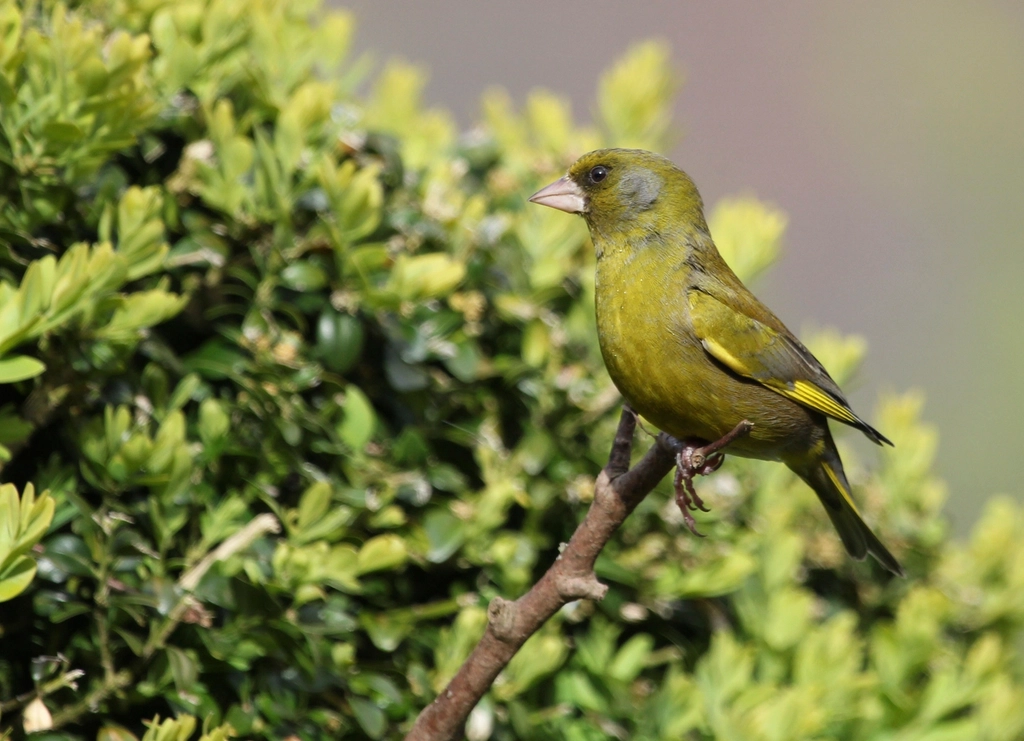 Photo Credit: Rawpixel
In the heart of lush woodlands and vibrant thickets, the nightingale, scientifically known as Luscinia megarhynchos, flits gracefully among the branches. This small bird, measuring just 15 to 16 centimeters in length, is a master of disguise, with its warm brown plumage blending seamlessly into the dappled shadows of its forest home. But what truly sets the nightingale apart is its enchanting song, a melodious symphony that fills the air, captivating anyone lucky enough to hear it. Scientists and nature lovers alike are drawn to this avian virtuoso, not only for its beautiful voice but also for its role in the ecosystem, where it helps control insect populations and enriches the natural soundscape.
As dusk falls, the nightingale’s song becomes a beacon of life in the quiet woods, echoing through the trees and inviting curiosity. This little bird is an omnivore, feasting on a varied diet of insects, fruits, and seeds, which it skillfully forages from the underbrush. The nightingale’s life is a delicate balance of survival and artistry, where each note sung is a testament to its vibrant existence. With its rich evolutionary history and vital role in the ecosystem, the nightingale is not just a bird; it is a symbol of nature’s beauty and complexity, inspiring generations of poets and musicians who find solace in its song. Join us as we explore the fascinating world of the nightingale, uncovering the secrets behind its captivating melodies and the vital role it plays in our environment.
The nightingale, a small yet enchanting bird, holds a special place in the tree of life. Taxonomically, it belongs to the Kingdom Animalia, which includes all animals, and is classified under the Phylum Chordata, known for animals with a backbone. Within the Class Aves, or birds, the nightingale is part of the Order Passeriformes, which encompasses perching birds. Its family, Muscicapidae, includes various songbirds, and its genus, Luscinia, is particularly famous for its melodious singing. What sets the nightingale apart is not just its beautiful song, often celebrated in poetry and music, but also its ability to adapt to various habitats, making it a symbol of nature’s resilience.
| Taxonomic Rank | Scientific Name | Meaning & Significance |
|---|---|---|
| Kingdom | Animalia | This name signifies the broad category of all animals, highlighting the nightingale’s place among living beings that share certain biological characteristics. |
| Phylum | Chordata | Derived from the Latin word “chorda,” meaning “string,” this classification indicates that nightingales have a backbone, a key feature of vertebrates. |
| Class | Aves | From the Latin word for “bird,” this rank emphasizes the nightingale’s identity as a feathered creature, capable of flight and known for its unique adaptations. |
| Order | Passeriformes | This term means “perching birds,” reflecting the nightingale’s behavior of resting on branches and its remarkable vocal abilities. |
| Family | Muscicapidae | From the Latin “musca,” meaning “fly,” this name connects to the family’s diet, which often includes insects, showcasing the nightingale’s role in the ecosystem. |
| Genus | Luscinia | This name is derived from the Latin word for “nightingale,” emphasizing the bird’s renowned singing prowess, which has inspired countless stories and songs. |
The nightingale’s classification reveals much about its evolutionary journey. As a member of the Muscicapidae family, it shares a lineage with other songbirds, indicating a long history of adaptation and specialization in vocalization. This evolutionary path has allowed the nightingale to thrive in diverse environments, from woodlands to gardens, while its melodious song serves not only to attract mates but also to establish territory. Understanding its place in the tree of life helps us appreciate the intricate connections between species and the rich tapestry of life on Earth.
The evolutionary journey of the nightingale stretches back millions of years, weaving through the rich tapestry of avian history. This small songbird, belonging to the family Muscicapidae and the genus Luscinia, has adapted and thrived in various environments across Europe, Asia, and North Africa. Its story is one of survival, transformation, and the enchanting melodies that have captivated humans for centuries.
Nightingales are believed to have evolved from ancestral forms that were more generalized in their feeding and nesting habits. Over time, these birds developed specific traits that allowed them to exploit their environments more effectively. One major transition was the shift from a diet that included a wider range of insects to a more specialized diet that focuses on specific insects and berries. This change not only improved their foraging efficiency but also influenced their vocalizations, as the need to communicate effectively in dense habitats became paramount.
These adaptations have been vital for the nightingale’s survival in a world filled with challenges. Their beautiful songs not only attract mates but also serve as a warning to rivals, ensuring they can establish and maintain territories. The ability to camouflage helps them evade predators, while their migratory behavior allows them to thrive in diverse habitats. Together, these traits have enabled the nightingale to flourish across various landscapes, making it a symbol of resilience and beauty in the natural world.
The nightingale is a small bird that captures the imagination with its delicate form and captivating presence. With a body length of about 15 to 16 centimeters, it is lightweight, weighing between 15 to 22 grams, which is roughly the same as a small apple. Its rounded body is complemented by a short tail and a slightly curved beak, perfect for catching insects and snatching up berries. The nightingale’s overall appearance is charming, with a graceful silhouette that flits through the underbrush and sings sweetly from hidden perches.
| Feature | Description |
|---|---|
| Size | 15 to 16 centimeters in length |
| Weight | 15 to 22 grams (0.5oz – 0.7oz) |
| Color | Brownish upperparts with a lighter, creamy underbelly |
| Skin Type | Feathers |
| Beak | Slightly curved, ideal for foraging |
These physical features work together beautifully to enhance the nightingale’s survival. Its lightweight body allows for agile flight, helping it evade predators and navigate through dense foliage. The brownish upperparts provide excellent camouflage against the forest floor, making it harder for hungry eyes to spot. Meanwhile, its soft, creamy underbelly reflects the light, blending seamlessly with the dappled sunlight filtering through leaves. The nightingale’s curved beak is perfectly designed for its diet, allowing it to easily catch insects and pick berries, ensuring it thrives in its natural habitat. Together, these characteristics create a bird that is not only a master of song but also a skilled survivor in the wild.
The nightingale calls home a world of open forests and thickets, where the air is filled with the sweet melodies of nature. These enchanting birds thrive in areas that offer a mix of dense underbrush and open spaces, allowing them to flit between the shadows and sunlight. Imagine walking through a sun-dappled woodland, where the rustling leaves and soft earth create a perfect backdrop for their beautiful songs. This habitat not only provides shelter but also an abundance of food, making it an ideal place for these vocal wonders.
Nightingales prefer climates that are temperate, meaning they enjoy mild weather with distinct seasons. They thrive in areas where the winters are not too harsh, allowing them to find food and shelter. These birds are often found in regions that experience a good amount of rainfall, which helps keep their habitats lush and vibrant. The combination of warm summers and cooler winters creates a balanced environment that supports their lifestyle.
To adapt to their specific habitats, nightingales have developed a range of behaviors and physical traits. Their ability to camouflage among the foliage helps them avoid predators while they search for insects and berries. Their powerful voices are not just for show; they use their songs to establish territory and attract mates, making their presence known in the dense thickets. This adaptability allows them to thrive in various environments, ensuring that their beautiful melodies continue to resonate through the forests and fields.
The nightingale’s daily life is a symphony of activity, filled with the sounds of nature and the rhythms of survival. As dawn breaks, these small birds begin their day, often foraging for insects and berries in the underbrush. Their keen eyesight helps them spot food, while their agile movements allow them to navigate through dense foliage. Throughout the day, they engage in a variety of behaviors, from singing to establish territory to resting in the shade during the heat of midday. As evening approaches, the nightingale’s enchanting song fills the air, a beautiful call that resonates through the twilight.
While nightingales are primarily solitary creatures, they do exhibit interesting social behaviors, especially during the breeding season. Males are known for their melodious songs, which they use to attract females and defend their territory from rivals. This vocal display is not just a way to woo potential mates; it also serves as a warning to other males. Although they prefer to live alone, nightingales may gather in small groups during migration, where they can share information about food sources and safe resting spots. Their social interactions, though limited, are crucial for successful breeding and survival.
| Behavior Type | Description |
|---|---|
| Foraging | Nightingales search for insects and berries, using their sharp eyesight to find food hidden in the underbrush. |
| Singing | Males sing to attract females and establish territory, creating a beautiful soundscape in their habitat. |
| Territorial Defense | Through song, males warn other males to stay away from their chosen area, ensuring they have enough resources. |
| Social Gathering | During migration, nightingales may come together in small groups to share information about food and safety. |
The behaviors of nightingales are finely tuned to ensure their survival in the wild. Their solitary foraging habits allow them to efficiently find food, while their powerful songs play a vital role in reproduction and territory establishment. By mastering these skills, nightingales not only thrive in their environments but also contribute to the rich tapestry of life in the forests and thickets they call home. Each note they sing and every movement they make is a testament to their adaptability and resilience in the face of nature’s challenges.
The nightingale is an omnivore, which means it enjoys a varied diet that includes both plant and animal matter. This delightful bird primarily feeds on insects, fruits, nuts, and seeds. Its feeding behavior is quite dynamic; nightingales are known for their ability to forage actively in the underbrush, using their keen eyesight and sharp beaks to find food. They often hunt for insects, which provide essential protein, while also enjoying the sweetness of ripe fruits and the crunch of seeds and nuts.
| Dietary Aspect | Details |
|---|---|
| Diet Type | Omnivore |
| Favorite Foods | Insects, fruits, nuts, seeds |
| Prey Items | Various insects, berries, seeds |
| Hunting/Foraging Strategies | Active foraging in underbrush, using keen eyesight |
The nightingale’s diverse diet plays a crucial role in its ecology and daily routine. By consuming a mix of insects and plant materials, it helps control insect populations while also dispersing seeds through its droppings. This not only supports the health of its habitat but also ensures that the nightingale has a steady supply of food throughout the seasons. Its foraging habits, combined with its melodious songs, make it an integral part of the ecosystem, contributing to the vibrant tapestry of life in its woodland home.
As spring arrives, the nightingale’s enchanting song fills the air, signaling the start of its breeding season. During this time, male nightingales become particularly vocal, using their melodious calls to attract potential mates. These songs are not just beautiful; they serve as a way for males to establish territory and showcase their fitness to females. Once a pair forms, they engage in courtship behaviors, which can include synchronized movements and gentle displays. This bonding period is crucial, as it sets the stage for successful reproduction.
| Reproductive Aspect | Details |
|---|---|
| Gestation Period | Approximately 14 days |
| Litter Size | 3 to 6 eggs |
| Age of Maturity | About 1 year |
| Name of Young | Chicks |
After the eggs hatch, the young nightingales, known as chicks, are entirely dependent on their parents for survival. The female takes on the primary role of incubating the eggs and caring for the chicks once they hatch. Both parents work together to feed their young, bringing them a diet rich in insects and other nutritious foods. As the chicks grow, they develop their feathers and learn to sing, mimicking the beautiful calls of their parents. This nurturing phase is vital, as it helps the young birds gain the skills they need to thrive in the wild. Eventually, after a few weeks, the fledglings leave the nest, ready to embark on their own adventures in the world.
The nightingale occupies a vital role in the food web, serving as both predator and prey. As an insect-eating bird, it helps control insect populations, contributing to the balance of its ecosystem. However, this small songbird is also vulnerable to various threats, making its survival a delicate dance within nature’s intricate web.
To navigate these dangers, nightingales have developed several clever survival strategies. They often rely on their excellent camouflage, blending into their surroundings to avoid detection. When threatened, they may freeze in place, becoming nearly invisible among the leaves and branches. Additionally, their melodious songs can serve as a way to communicate with other nightingales, alerting them to potential dangers. By using these tactics, nightingales enhance their chances of evading predators and thriving in their natural habitats.
A keystone species is a vital part of its ecosystem, playing a unique role that affects many other organisms. If removed, the entire ecosystem could change dramatically. The nightingale, with its melodious song and diverse diet, qualifies as a keystone species. Its presence influences the balance of its habitat, making it an essential player in the ecological community.
Nightingales contribute significantly to their ecosystems in several ways. First, they are important insectivores, meaning they help control insect populations by feeding on them. This natural pest control is crucial for maintaining the health of plants and other animals in their environment. Additionally, nightingales consume fruits and seeds, aiding in seed dispersal. When they eat fruit, they help spread the seeds through their droppings, promoting plant growth and diversity in their habitats.
Moreover, the nightingale’s enchanting song plays a role in attracting mates and establishing territory. This vocal behavior not only helps them reproduce but also enriches the soundscape of their environment, which can influence the behavior of other species. Their songs can signal the presence of a healthy habitat, attracting other birds and wildlife to the area.
If nightingales were to disappear from their ecosystems, the consequences could be severe. Insect populations might surge, leading to overgrazing of plants and a decline in plant health. This imbalance could ripple through the food web, affecting not only other birds but also mammals and insects that rely on those plants. The loss of their beautiful songs would also diminish the natural ambiance, making the environment less vibrant and potentially less hospitable for other wildlife. In essence, the nightingale’s absence would create a void, disrupting the delicate balance of its ecosystem.
The nightingale occupies a fascinating ecological niche, acting as both a songbird and an insect predator. Found in open forests and thickets, this small bird plays a crucial role in its environment. Its melodious songs not only enchant listeners but also serve important functions in communication and territory establishment. By foraging for insects and other small creatures, the nightingale helps maintain the balance of its ecosystem, ensuring that no single species overwhelms the environment.
| Ecosystem Service | Impact |
|---|---|
| Insect Control | Reduces populations of harmful insects, promoting plant health. |
| Seed Dispersal | Helps in spreading seeds through its varied diet, aiding plant growth. |
| Soil Aeration | By foraging, nightingales disturb the soil, which can enhance nutrient cycling. |
| Food Source | Serves as prey for larger birds and mammals, contributing to the food web. |
The nightingale’s influence on its ecosystem is evident in several ways. For instance, by consuming a variety of insects, it helps control populations that could otherwise damage plants. This natural pest control is vital for maintaining healthy vegetation, which in turn supports other wildlife. Additionally, as nightingales feed on fruits and seeds, they inadvertently assist in the dispersal of these plants, promoting biodiversity. Their foraging behavior also aerates the soil, which can enhance the growth of plants and improve the overall health of the ecosystem.
The broader ecological importance of the nightingale cannot be overstated. As a keystone species, its presence supports a diverse range of life forms, from the plants it helps propagate to the predators that rely on it for food. The nightingale’s songs not only enrich the auditory landscape but also play a role in attracting mates and establishing territories, which is essential for the continuation of its species. In this way, the nightingale is not just a beautiful bird; it is a vital player in the intricate web of life that sustains its ecosystem.
In the intricate web of life, symbiosis plays a crucial role in shaping the relationships between different species. Symbiosis refers to the close interactions between organisms of different species, which can be beneficial, harmful, or neutral. These ecological relationships can be classified into three main types: mutualism, where both species benefit; parasitism, where one species benefits at the expense of the other; and commensalism, where one species benefits while the other is neither helped nor harmed. The nightingale, with its melodious song and vibrant presence, engages in various partnerships that illustrate these fascinating dynamics.
| Species/Type | Relationship Type | Description |
|---|---|---|
| Ants | Mutualistic | Nightingales may benefit from ants by feeding on insects that are disturbed by the ants’ activity, while ants may gain protection from larger predators when nightingales are nearby. |
| Ticks | Parasitic | Ticks can latch onto nightingales, feeding on their blood. This relationship is harmful to the birds, as it can lead to health issues and weakened conditions. |
| Trees and shrubs | Commensal | Nightingales often nest in dense underbrush provided by trees and shrubs. While the plants offer shelter and safety, they are not significantly affected by the presence of the birds. |
The evolution of these relationships showcases the adaptability and interconnectedness of life. Over time, nightingales have developed strategies to thrive alongside other species, whether by forming beneficial partnerships or navigating challenges posed by parasites. These interactions not only enhance the survival of the nightingale but also contribute to the overall health of their ecosystems. By understanding these relationships, we gain insight into the delicate balance of nature and the importance of every species in maintaining that harmony.
The nightingale is a small bird known for its beautiful song, but there’s so much more to discover about this enchanting creature. Here are some surprising facts that will captivate nature enthusiasts of all ages.
The nightingale has long been a symbol of beauty and inspiration in human culture. Throughout history, poets, musicians, and artists have drawn upon the bird’s enchanting song to express deep emotions and connect with nature. From ancient Greece to modern literature, the nightingale’s melodies have been celebrated as a representation of love, longing, and the fleeting nature of life. This small bird has woven itself into the fabric of human storytelling, reminding us of the power of nature to evoke feelings and spark creativity.
In today’s world, the relationship between nightingales and humanity is complex and multifaceted. While many people continue to appreciate their songs, urbanization and habitat loss pose significant threats to these birds. Conservation efforts are underway to protect their natural habitats, ensuring that future generations can enjoy their melodies. However, conflicts can arise as nightingales sometimes nest in areas where human activities disrupt their breeding. Additionally, some people have sought to domesticate these birds for their singing abilities, which raises questions about the ethics of keeping wild animals in captivity.
As we look to the future, the relationship between nightingales and humanity will likely continue to evolve. With growing awareness of environmental issues, more people are recognizing the importance of preserving natural habitats for these songbirds. Education and conservation initiatives can foster a deeper appreciation for the nightingale’s role in our ecosystems. By nurturing this connection, we can ensure that the sweet songs of nightingales will echo through our lives for generations to come.
The nightingale, celebrated for its melodious song, currently holds a conservation status of “Least Concern” according to the International Union for Conservation of Nature (IUCN). This means that, at present, the species is not facing an immediate threat of extinction. Population estimates suggest that nightingales are relatively stable, although some local declines have been observed in certain regions. Overall, their numbers remain robust, allowing them to continue enchanting listeners with their beautiful tunes.
| Conservation Factor | Status/Details |
|---|---|
| IUCN Status | Least Concern |
| Population Estimates | Stable, with millions of individuals |
| Trend Direction | Generally stable, with some local declines |
Despite their current stable status, nightingales face several threats that could impact their populations in the future. Habitat loss is a significant concern, as urban development and agricultural expansion reduce the dense thickets and open forests they prefer. Additionally, climate change poses a risk by altering their migratory patterns and breeding seasons. These changes can disrupt their food supply and nesting success, making it crucial to monitor their habitats closely.
Conservation efforts are underway to ensure the nightingale continues to thrive. Organizations are working to protect their natural habitats and promote sustainable land use practices. Public awareness campaigns also play a vital role in educating communities about the importance of preserving these beautiful songbirds. With ongoing efforts and a commitment to conservation, the outlook for the nightingale remains hopeful, allowing future generations to enjoy their enchanting melodies.
| Question | Answer |
|---|---|
| What is the natural habitat of the Nightingale? | Nightingales thrive in open forests and thickets, which are areas with dense bushes and trees. These environments provide them with plenty of cover and nesting sites, as well as access to food. |
| What do Nightingales eat? | Nightingales are omnivores, meaning they eat both plants and animals. Their diet includes insects, worms, and berries, allowing them to adapt to different food sources depending on the season. |
| How do Nightingales behave? | Nightingales are known for their beautiful and complex songs, especially during the breeding season. They are mostly solitary birds, but males will sing to establish territory and attract mates. |
| How do Nightingales reproduce? | Nightingales typically breed in the spring and summer. The female builds a nest on the ground or low in bushes, where she lays about 4 to 6 eggs, which she incubates for about two weeks before they hatch. |
| What threats do Nightingales face? | While Nightingales are currently classified as Least Concern, they face threats from habitat loss due to deforestation and urbanization. Additionally, climate change can impact their breeding and food availability. |
| What are some interesting characteristics of Nightingales? | Nightingales are famous for their powerful and melodious songs, which can be heard at night as well as during the day. They have a rich cultural history, often featured in poetry and literature for their enchanting melodies. |
| Are Nightingales migratory birds? | Yes, many Nightingales migrate seasonally. They typically travel from their breeding grounds in Europe to wintering areas in Africa, covering long distances to find suitable climates and food sources. |