Taxonomy & Classification
- Kingdom
- Animalia
- Phylum
- Chordata
- Class
- Mammalia
- Order
- Carnivora
- Family
- Ursidae
- Genus
- Ursus
- Species
- Ursus americanus

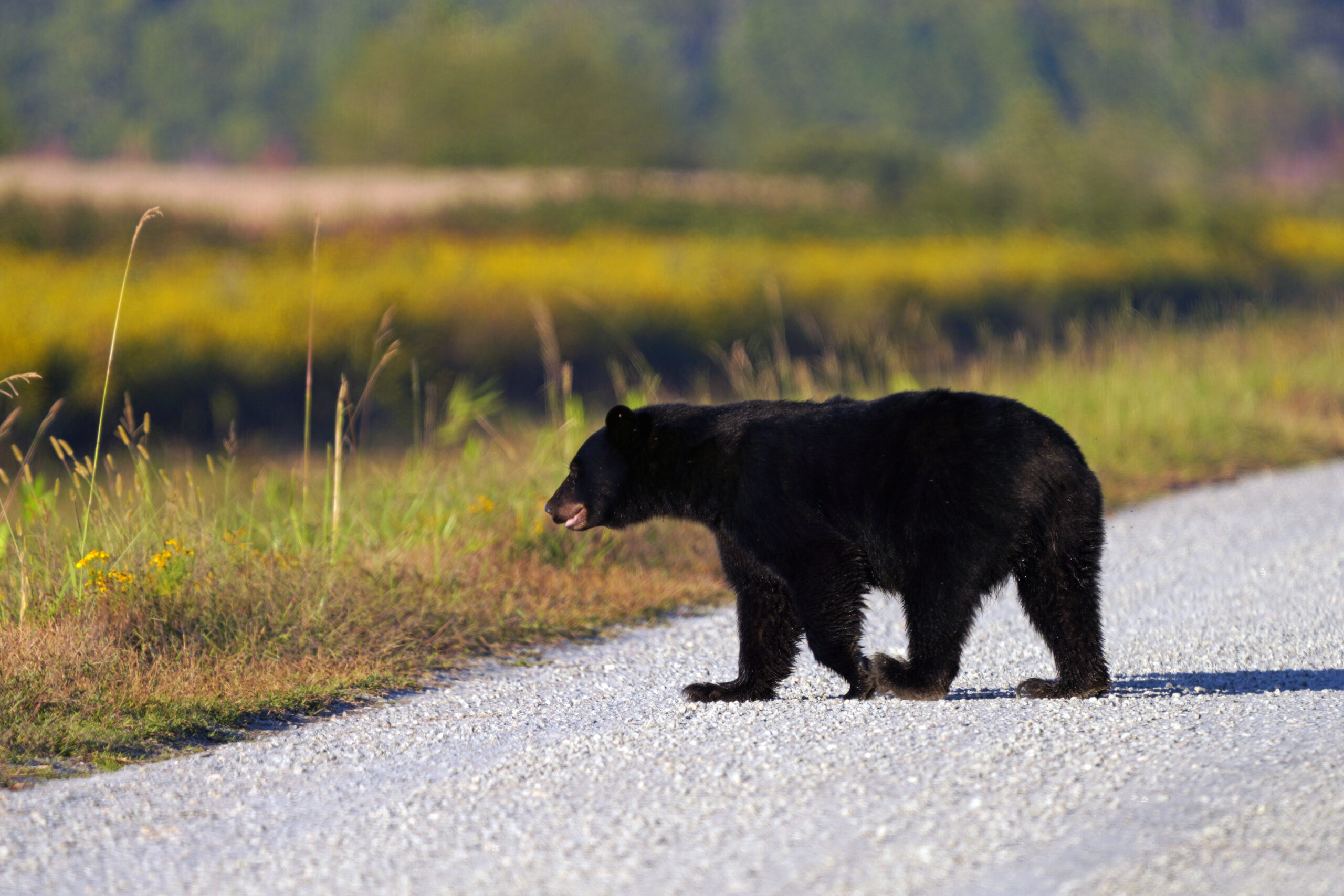 Photo Credit: Jarble / Wikimedia Commons
In the heart of North America, the North American Black Bear, known scientifically as Ursus americanus, roams through lush forests and sprawling woodlands. Picture a serene morning where sunlight filters through the leaves, casting playful shadows on the forest floor. Here, the black bear emerges, its glossy fur shimmering in the dappled light. With a robust body that can weigh between 100 to 270 kilograms, or about 220 to 594 pounds, this magnificent creature is both powerful and graceful, embodying the wild spirit of its habitat.
What makes the North American Black Bear so captivating to scientists and nature lovers alike is its remarkable adaptability. These bears are omnivores, meaning they enjoy a diverse diet that includes everything from berries and nuts to insects and small mammals. Their keen sense of smell helps them locate food, making them resourceful foragers. As they navigate their environment, they play a vital role in the ecosystem, helping to disperse seeds and maintain the balance of their habitat. With their intriguing behaviors and complex social structures, the North American Black Bear invites us to explore the wonders of nature and understand the delicate connections that sustain life in the wild.
The North American Black Bear, scientifically known as Ursus americanus, holds a special place in the tree of life. This magnificent mammal belongs to the kingdom Animalia, which includes all animals, and is part of the phylum Chordata, meaning it has a backbone. As a member of the class Mammalia, it shares traits with other mammals, such as having fur and nurturing its young with milk. The black bear is classified under the order Carnivora, which includes meat-eating animals, but it is also known for its omnivorous diet, feasting on both plants and animals. Its family, Ursidae, is home to all bear species, making it a vital part of the bear family tree. What sets the black bear apart is its adaptability to various habitats, from forests to mountains, showcasing its remarkable ability to thrive in diverse environments.
| Taxonomic Rank | Scientific Name | Meaning & Significance |
|---|---|---|
| Kingdom | Animalia | This name comes from the Latin word “animalis,” meaning “having breath,” highlighting the living nature of all animals. |
| Phylum | Chordata | Derived from the Greek word “chordē,” meaning “string,” this refers to animals with a notochord, or backbone, during some stage of their life. |
| Class | Mammalia | This term comes from the Latin “mamma,” meaning “breast,” emphasizing the characteristic of mammals to nurse their young. |
| Order | Carnivora | From the Latin “carnivorus,” meaning “meat-eating,” this order includes animals that primarily consume meat, though many, like the black bear, are omnivorous. |
| Family | Ursidae | This name is derived from the Latin word “ursus,” meaning “bear,” which directly connects to the physical and behavioral traits of bears. |
| Genus | Ursus | Also from the Latin “ursus,” this genus includes all bear species, highlighting their shared characteristics and evolutionary lineage. |
| Species | Ursus americanus | The species name “americanus” indicates its primary distribution in North America, showcasing its geographical significance. |
The classification of the North American Black Bear reveals much about its evolutionary history. As a member of the Ursidae family, it shares a common ancestor with other bears, which dates back millions of years. This lineage illustrates how black bears have adapted to their environments, developing traits that allow them to thrive in various habitats. Their omnivorous diet and ability to hibernate during winter months are just a few examples of how they have evolved to survive. Understanding their place in the animal kingdom not only highlights their biological significance but also emphasizes the importance of conserving their habitats for future generations.
The evolutionary journey of the North American Black Bear, or Ursus americanus, stretches back millions of years, weaving through a rich tapestry of change and adaptation. This bear is part of the family Ursidae, which includes all bears, and its ancestors roamed the Earth during the late Miocene epoch, around 10 million years ago. As the climate shifted and habitats transformed, these early bears began to evolve, leading to the diverse species we see today.
The story begins with the ancestors of modern bears, which were small, tree-dwelling creatures that lived in forests. Over time, these animals adapted to a variety of environments, becoming larger and more versatile. One significant transition occurred when bears began to develop a more omnivorous diet, allowing them to thrive in different habitats. This shift meant they could eat both plants and animals, giving them a survival advantage as food sources changed. As they spread across North America, they adapted to various climates, from the snowy mountains to the lush forests.
The adaptations of the North American Black Bear have been crucial for its survival in a changing world. Their strong limbs and climbing ability allow them to escape danger and access food sources high in trees. Thick fur keeps them warm during harsh winters, while their keen sense of smell helps them locate food even when it’s hidden. Their flexible diet means they can thrive in diverse habitats, and hibernation allows them to endure the cold months when food is hard to find. Together, these traits have enabled the North American Black Bear to flourish across the continent, showcasing the power of evolution in shaping life.
The North American Black Bear is a striking figure in the wild, embodying both strength and grace. With a robust body that can weigh between 100 to 270 kilograms, or about 220 to 594 pounds, this bear is built for survival. Its thick fur, which can range from glossy black to shades of brown, provides insulation against the elements. The long, pointed snout gives it an inquisitive appearance, perfect for sniffing out food in its forested habitat. With powerful limbs and sharp claws, the black bear is an agile climber and a formidable forager.
| Feature | Description |
|---|---|
| Weight | 100kg – 270kg (220lbs – 594lbs) |
| Skin Type | Fur |
| Most Distinctive Feature | Thick fur and long, pointed snout |
These physical traits work together to enhance the black bear’s survival in diverse environments. The thick fur not only keeps the bear warm during chilly nights but also helps it blend into the shadows of the forest, making it less visible to both prey and predators. The long snout is an essential tool for foraging, allowing the bear to detect food sources from afar, whether it’s berries, insects, or even small mammals. Together, these features create a well-adapted animal, perfectly suited to thrive in the varied landscapes of North America.
The North American Black Bear thrives in a variety of habitats, primarily found in lush forests and woodlands. Imagine walking through a dense, green forest where sunlight filters through the leaves, creating a dappled pattern on the forest floor. Here, towering trees provide shelter, while underbrush offers a rich buffet of berries, nuts, and roots. This environment is not just a home; it’s a playground filled with the sounds of rustling leaves and chirping birds, where these bears roam freely, exploring their surroundings.
To flourish in these habitats, North American Black Bears require a climate that supports their lifestyle. They prefer areas with a temperate climate, which means they experience four distinct seasons, including warm summers and cold winters. These bears are particularly fond of regions that receive ample rainfall, as this helps sustain the vegetation they rely on for food. The combination of diverse plant life and seasonal changes creates an ideal environment for foraging and denning.
Adaptation is key to the survival of the North American Black Bear in its woodland home. These bears have developed thick fur to keep warm during chilly winters, and they enter a state called torpor, which is similar to hibernation, to conserve energy when food is scarce. Their keen sense of smell helps them locate food sources, even from miles away. With strong claws, they can easily climb trees to escape predators or find food high up in the branches. This remarkable ability to adapt to their surroundings ensures that they not only survive but thrive in the diverse landscapes of North America.
The North American Black Bear leads a life that is both intriguing and adaptable. As a nocturnal animal, it typically begins its day at dusk, emerging from its den or resting spot to explore its surroundings. These bears are known for their keen sense of smell, which helps them locate food sources like berries, nuts, and even small animals. Their daily activities often include foraging, climbing trees, and occasionally engaging in playful behavior, especially during the warmer months when food is abundant. As night falls, they continue their search for food, often wandering several miles in a single night.
While North American Black Bears are primarily solitary creatures, they do exhibit interesting social behaviors, especially during mating season or when mothers are raising cubs. Adult males and females come together briefly to mate, but otherwise, they prefer to keep their distance from one another. Mothers are fiercely protective of their young, teaching them essential survival skills. Cubs stay with their mother for about 1.5 to 2 years, learning how to find food and navigate their environment. Communication among bears can include vocalizations, body language, and scent marking, which helps them establish territory and avoid confrontations.
| Behavior Type | Description |
|---|---|
| Activity Patterns | Nocturnal foraging, climbing, and exploring, primarily at night. |
| Social Structure | Solitary, with brief interactions during mating and mother-cub bonding. |
| Communication Methods | Vocalizations, body language, and scent marking to establish territory. |
The behaviors of the North American Black Bear are finely tuned to ensure their survival in the wild. By being nocturnal, they avoid the heat of the day and can take advantage of cooler temperatures to search for food. Their solitary nature allows them to minimize competition for resources, while their strong maternal instincts ensure that cubs learn vital skills for independence. Each of these behaviors plays a crucial role in helping them thrive in their diverse habitats, showcasing the intricate balance of life in the wilderness.
The North American Black Bear is an omnivore, which means it enjoys a varied diet that includes both plants and animals. This bear is quite resourceful when it comes to finding food, using its keen sense of smell to locate tasty treats. Black bears are known to forage for fruits, nuts, and even small rodents, making them opportunistic eaters. They often rummage through the forest floor or climb trees to reach their favorite snacks, showcasing their impressive climbing skills.
| Dietary Aspect | Details |
|---|---|
| Diet Type | Omnivore |
| Favorite Foods | Fruits, nuts, berries |
| Prey Items | Rodents, insects |
| Hunting/Foraging Strategies | Foraging on the ground, climbing trees, using keen sense of smell |
This diverse diet plays a crucial role in the black bear’s ecology and daily routine. By consuming a wide range of foods, these bears help to disperse seeds and maintain the health of their forest habitats. Their foraging habits also influence the populations of smaller animals and plants, creating a balanced ecosystem. As they search for food, black bears contribute to the vibrant life of the woods, making them an essential part of their environment.
The mating season for North American Black Bears typically occurs from late spring to early summer, around May to July. During this time, male bears, known as boars, will roam large distances to find females, or sows, that are ready to mate. Sows usually come into estrus, or heat, for just a few days each year, making this a critical time for boars to compete for their attention. After mating, the female bear will undergo a fascinating process called delayed implantation, where the fertilized egg does not immediately attach to the uterus. Instead, it waits until the sow has gained enough fat reserves to support the developing cubs.
| Reproductive Aspect | Details |
|---|---|
| Gestation Period | 220 days |
| Average Litter Size | 3 |
| Age of Sexual Maturity | 3 – 7 years |
| Name of Young | Cub |
Once the cubs are born, usually in January or February, they are tiny and helpless, weighing about half a kilogram, or just over a pound. The mother bear is incredibly attentive, nursing her cubs and keeping them warm in the den until spring. As the cubs grow, they begin to explore their surroundings, learning essential survival skills from their mother. This nurturing phase lasts for about 1.5 years, during which the cubs learn to forage for food and navigate their environment. Eventually, they will become independent, ready to venture out on their own and start their own journeys in the wild. The bond between a mother bear and her cubs is a beautiful example of parental care in the animal kingdom, showcasing the dedication required to raise the next generation.
The North American Black Bear plays a vital role in its ecosystem, often sitting at the top of the food web as a large omnivore. While it is not typically preyed upon by many animals, it still faces various threats that can impact its survival. These bears help maintain the balance of their habitats by controlling populations of smaller animals and dispersing seeds through their diet, which contributes to forest health.
To defend themselves against these dangers, North American Black Bears have developed several survival strategies. When threatened, they may stand on their hind legs to get a better view of their surroundings or make loud vocalizations to scare off potential predators. They are also skilled climbers, often retreating to trees to escape danger. Additionally, their keen sense of smell helps them detect threats from a distance, allowing them to avoid confrontations whenever possible. These behaviors showcase their adaptability and resilience in the face of challenges.
A keystone species is an organism that has a disproportionately large impact on its environment relative to its abundance. In simpler terms, if you remove a keystone species, the entire ecosystem can change dramatically. The North American Black Bear, or Ursus americanus, qualifies as a keystone species due to its significant role in maintaining the balance of its forest and woodland habitats.
These bears are not just solitary wanderers; they play a crucial part in their ecosystems. As omnivores, they consume a wide variety of foods, including fruits, nuts, insects, and small mammals. This diverse diet helps control populations of these species, preventing any one group from overwhelming the ecosystem. For example, when black bears eat acorns and berries, they help disperse seeds through their droppings, promoting plant growth and diversity. This seed dispersal is vital for the health of forests, allowing new plants to thrive and providing food for other animals.
Moreover, black bears contribute to nutrient cycling. When they scavenge on carcasses or consume fish, they help break down organic matter, returning nutrients to the soil. This process enriches the environment, supporting a variety of plant life that in turn sustains other wildlife. Their foraging behavior also creates openings in the forest floor, allowing sunlight to reach the ground and encouraging new plant growth.
If North American Black Bears were to disappear, the effects would ripple through the ecosystem. Without these bears, there would be fewer seed dispersers, leading to a decline in plant diversity. This could result in overpopulation of certain plant species, which might choke out others and disrupt the habitat for many animals. Additionally, the absence of bears would mean less nutrient cycling, causing soil health to deteriorate. Ultimately, the loss of this keystone species could lead to a less vibrant and less resilient ecosystem, affecting countless other species that rely on the balance that black bears help maintain.
The North American Black Bear, or Ursus americanus, plays a crucial role in shaping its ecosystem. As an omnivore, it forages for a wide variety of foods, from berries and nuts to insects and small mammals. This diverse diet allows the bear to influence plant populations and animal communities in its forest and woodland habitats. By dispersing seeds through its droppings, the black bear helps to promote plant growth and maintain the health of its environment. In this way, it acts as a gardener of the forest, ensuring that various species can thrive.
| Ecosystem Service | Impact |
|---|---|
| Seed Dispersal | Helps in the growth of new plants by spreading seeds through droppings. |
| Predator Control | Regulates populations of smaller mammals and insects, maintaining balance. |
| Nutrient Cycling | Contributes to soil health by breaking down organic matter and enriching the soil. |
| Habitat Creation | Creates openings in the forest canopy by uprooting trees, allowing sunlight to reach the forest floor. |
The influence of the North American Black Bear extends beyond just its immediate actions. For example, when bears forage for food, they often dig up roots and disturb the soil, which can lead to new plant growth. This activity not only benefits the plants but also creates habitats for other animals. Additionally, when bears consume fruits and nuts, they help control the populations of these plants, preventing any one species from dominating the landscape. This balance is essential for maintaining biodiversity, which is the variety of life in a particular habitat.
The broader ecological importance of the North American Black Bear cannot be overstated. As a keystone species, its presence is vital for the health of its ecosystem. If black bears were to disappear, the effects would ripple through the food web, potentially leading to overpopulation of certain species and the decline of others. By maintaining the balance of their environment, black bears ensure that forests remain vibrant and diverse, supporting countless other species. In this way, they are not just inhabitants of the forest; they are essential architects of their ecosystem.
In the intricate web of nature, symbiosis refers to the close and often long-term interactions between different species. These relationships can take many forms, including mutualism, where both species benefit, commensalism, where one benefits while the other is neither helped nor harmed, and parasitism, where one species benefits at the expense of another. The North American Black Bear, a solitary yet impactful creature, engages in various ecological partnerships that highlight the interconnectedness of life in its forest and woodland habitats.
| Species/Type | Relationship Type | Description |
|---|---|---|
| Birds (e.g., jays, woodpeckers) | Mutualistic | Birds often follow black bears to scavenge leftover food, while the bears benefit from the birds alerting them to potential dangers. |
| Fungi (e.g., mycorrhizal fungi) | Mutualistic | These fungi form partnerships with tree roots, helping them absorb nutrients. As bears dig for roots and tubers, they help spread the fungi’s spores, promoting forest health. |
| Ticks | Parasitic | Ticks attach to black bears to feed on their blood, which can weaken the bears and transmit diseases, showcasing a harmful relationship. |
| Decomposers (e.g., bacteria, fungi) | Commensal | As bears consume food and leave behind waste, decomposers break down the organic matter, enriching the soil without affecting the bears. |
These relationships have evolved over time, shaped by the needs and behaviors of the species involved. The mutualistic interactions, like those with birds and fungi, enhance the survival of both the black bears and their partners, creating a balanced ecosystem. Meanwhile, parasitic relationships, such as those with ticks, remind us that not all interactions are beneficial. Understanding these connections helps us appreciate the complexity of nature and the vital roles each species plays in maintaining ecological harmony.
The North American Black Bear is a captivating animal that showcases the wonders of nature through its behaviors and adaptations. Here are some surprising facts that will surely pique the interest of nature enthusiasts.
The North American Black Bear has long been a symbol of wilderness and strength, deeply woven into the cultural fabric of many Indigenous peoples and later European settlers. Historically, these bears were revered in folklore and mythology, often representing bravery and resilience. Early encounters between humans and black bears were marked by both admiration and fear, as these powerful animals roamed the forests and mountains of North America. They were seen as both a source of sustenance and a formidable presence in the wild, leading to a complex relationship that has evolved over centuries.
Today, the interactions between North American Black Bears and humans are multifaceted, reflecting both cooperation and conflict. Conservation efforts have gained momentum as awareness of the bear’s ecological importance has grown. Many organizations work tirelessly to protect their habitats and ensure their survival. However, as urban areas expand into bear territories, conflicts can arise. Bears may wander into neighborhoods in search of food, leading to dangerous encounters. While domestication is not a viable option for these wild animals, education about coexistence is crucial for reducing conflicts and fostering a respectful relationship.
As we look to the future, the relationship between North American Black Bears and humanity will continue to evolve. With ongoing conservation efforts and increased awareness of the importance of preserving natural habitats, there is hope for a harmonious coexistence. By understanding and respecting these incredible animals, we can ensure that future generations will also have the opportunity to marvel at the black bear’s strength and beauty in the wild. Together, we can create a world where both humans and bears thrive side by side.
The North American Black Bear is currently classified as “Least Concern” by the International Union for Conservation of Nature (IUCN). This means that, overall, the species is not facing an immediate threat of extinction. With an estimated population size of around 800,000 individuals, these bears are thriving in various habitats across North America. However, while their numbers are stable, local populations can vary significantly, and some areas may experience declines due to specific challenges.
| Conservation Factor | Status/Details |
|---|---|
| IUCN Status | Least Concern |
| Estimated Population Size | 800,000 |
| Population Trend | Stable overall, but local declines may occur |
Despite their overall stable population, North American Black Bears face several threats that can impact their survival. Habitat loss due to urban development and logging reduces the space where these bears can roam and find food. Additionally, human-bear conflicts often arise when bears venture into populated areas in search of food, leading to dangerous encounters. Climate change also poses a risk, as it can alter the availability of food sources and disrupt the bears’ natural behaviors.
Conservation efforts are underway to protect the North American Black Bear and its habitat. Many organizations work to educate the public about living harmoniously with these magnificent animals, promoting bear-proof garbage containers and safe food storage practices. Wildlife management programs also monitor bear populations and their habitats, ensuring that these bears continue to thrive in the wild. With ongoing efforts and public awareness, the outlook for the North American Black Bear remains hopeful, allowing future generations to appreciate this iconic species.
| Question | Answer |
|---|---|
| What is the habitat of the North American Black Bear? | North American Black Bears primarily live in forests and woodlands. They prefer areas with plenty of trees, which provide shelter and food sources. These habitats can be found in various regions, from the eastern United States to the western mountains. |
| What do North American Black Bears eat? | North American Black Bears are omnivores, meaning they eat both plants and animals. Their diet includes fruits, nuts, insects, and small mammals. They are known to forage for berries and roots, making them adaptable to different food sources throughout the seasons. |
| How do North American Black Bears behave? | North American Black Bears are generally solitary animals, except for mothers with cubs or during mating season. They are most active during dawn and dusk, a behavior known as crepuscular. These bears are also known for their intelligence and curiosity, often exploring their surroundings. |
| How do North American Black Bears reproduce? | North American Black Bears typically mate in late spring or early summer. After a gestation period of about seven to eight months, females give birth to one to four cubs in a den during winter. The cubs are born blind and helpless, relying on their mother for warmth and food. |
| What are the main threats to North American Black Bears? | North American Black Bears face several threats, including habitat loss due to urban development and logging. They are also at risk from hunting and poaching. Climate change can impact their food sources, making it harder for them to find enough to eat. |
| What is a distinctive feature of the North American Black Bear? | One of the most distinctive features of the North American Black Bear is its thick fur and long, pointed snout. This fur helps keep them warm in colder climates, while their snout is well-adapted for foraging. Their size can vary, but they are generally robust and muscular. |
| Are North American Black Bears dangerous to humans? | While North American Black Bears are generally not aggressive, they can be dangerous if they feel threatened or cornered. Most bear encounters can be avoided by making noise while hiking and storing food properly in bear country. Understanding bear behavior is key to coexisting safely with these magnificent animals. |