Taxonomy & Classification
- Kingdom
- Animalia
- Phylum
- Chordata
- Class
- Mammalia
- Order
- Dasyuromorphia
- Family
- Myrmecobiidae
- Genus
- Myrmecobius
- Species
- Myrmecobius fasciatus

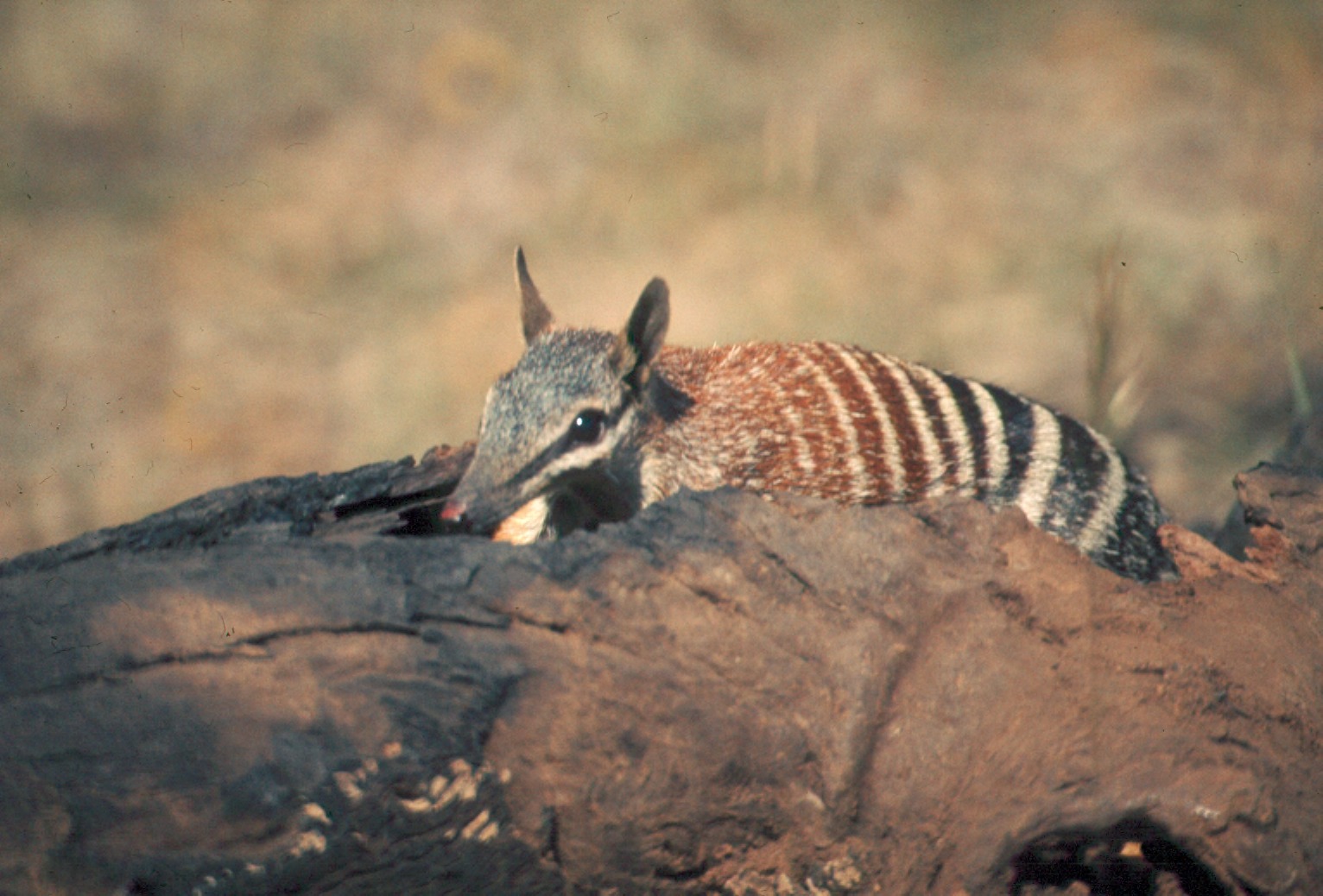 Photo Credit: Wikimedia
In the sun-drenched woodlands of Australia, the numbat, scientifically known as Myrmecobius fasciatus, scurries through the underbrush, a delightful sight for anyone lucky enough to spot it. With its slender body, long pointed snout, and striking stripes that adorn its back, this small marsupial is a living masterpiece of nature. The numbat’s vibrant appearance, combined with its unique behavior, has captured the hearts of scientists and nature enthusiasts alike. As it forages for its favorite snack—termites—this charming creature showcases its remarkable adaptations, including a specialized tongue that can extend to reach its tiny prey hidden within the earth.
Imagine a warm morning in the eucalyptus woodlands, where the air is filled with the sweet scent of blooming flowers and the gentle rustle of leaves. The numbat emerges from its burrow, ready to greet the day. Unlike many of its nocturnal relatives, this little marsupial is diurnal, meaning it is active during the day. This behavior allows it to bask in the sunlight while searching for food, making it a fascinating subject for study. As we delve deeper into the world of the numbat, we will explore its habitat, diet, and the vital role it plays in its ecosystem, revealing why this enchanting animal is not just a pretty face but a key player in the balance of nature.
The numbat, a small marsupial native to Australia, holds a special place in the animal kingdom due to its unique characteristics and taxonomic position. Belonging to the class Mammalia, which includes all mammals, the numbat is part of the order Dasyuromorphia, a group that encompasses carnivorous marsupials like quolls and the Tasmanian devil. What sets the numbat apart is its diet, primarily consisting of termites, and its striking appearance, with a slender body and vibrant stripes. This combination of traits makes the numbat not only a captivating subject of study but also a vital part of its ecosystem.
| Taxonomic Rank | Scientific Name | Meaning & Significance |
|---|---|---|
| Kingdom | Animalia | The kingdom of all animals, highlighting the numbat’s status as a living organism that moves and consumes organic material. |
| Phylum | Chordata | This phylum includes animals with a backbone, indicating that the numbat has a complex structure that supports its body and allows for movement. |
| Class | Mammalia | As a mammal, the numbat is warm-blooded and has fur, which is essential for its survival in various climates. |
| Order | Dasyuromorphia | This order is known for its carnivorous marsupials, and the name reflects the numbat’s evolutionary adaptations for hunting and feeding. |
| Family | Myrmecobiidae | The family name comes from the Greek words for “ant” and “life,” emphasizing the numbat’s specialized diet of termites, which are closely related to ants. |
| Genus | Myrmecobius | This genus name also relates to the numbat’s diet, as it highlights its connection to ants and termites, showcasing its ecological niche. |
The numbat’s classification reveals much about its evolutionary history and adaptations. As a member of the Dasyuromorphia order, it shares a lineage with other marsupials that have developed unique traits for survival. Its specialized diet of termites not only defines its role in the ecosystem but also illustrates how species evolve to fill specific niches. Understanding where the numbat fits in the tree of life helps us appreciate the intricate connections between species and the importance of conserving such unique animals in their natural habitats.
The evolutionary journey of the numbat stretches back millions of years, tracing its roots to a time when Australia was a very different place. This small marsupial, scientifically known as Myrmecobius, is part of the family Myrmecobiidae. Its ancestors roamed the ancient landscapes of Australia, adapting to the changing environment and evolving into the specialized insectivores we see today.
The numbat’s lineage diverged from other marsupials around 50 million years ago, during a period when Australia was becoming more isolated from other landmasses. Early marsupials were diverse, but the numbat’s ancestors began to develop unique traits that set them apart. Over time, they adapted to a diet primarily consisting of termites, leading to significant changes in their physical structure and behavior. Their elongated snouts and specialized teeth evolved to help them extract these tiny insects from their nests.
These adaptations have been crucial for the numbat’s survival in the wild. By developing a specialized diet and physical traits suited for termite hunting, they have carved out a niche in their ecosystem. Their daytime activity helps them avoid competition with nocturnal predators, while their camouflage keeps them safe from threats. As Australia continues to change, the numbat’s unique evolutionary story highlights the incredible ways life can adapt and thrive in diverse environments.
The numbat is a small marsupial that captures the imagination with its striking appearance. With a slender body and a long, pointed snout, it looks like a living piece of art. Its legs are short but sturdy, allowing it to scurry quickly across the forest floor. The numbat’s most eye-catching feature is its vibrant coat, which is adorned with bold stripes and spots that help it blend into the dappled light of its woodland habitat. This delightful creature is not just cute; it is perfectly designed for its life in the wild.
| Feature | Description |
|---|---|
| Weight | 280-550 g (9.9-19 oz) |
| Skin Type | Fur |
| Body Structure | Slender with a long snout |
| Coloration | Vibrant coat with stripes and spots |
The numbat’s physical features work together beautifully to enhance its survival in the wild. Its lightweight body allows for quick movements, which is essential for escaping predators. The long snout is perfectly adapted for digging into the ground to find its favorite food: termites. Meanwhile, the striking patterns on its fur not only provide camouflage among the leaves and shadows but also make it a visually captivating sight for anyone lucky enough to spot one. Each characteristic plays a vital role in helping the numbat thrive in its natural environment.
The numbat calls the sun-drenched eucalyptus woodlands and grassy plains of Australia its home. Picture a landscape filled with tall, slender eucalyptus trees swaying gently in the breeze, their leaves shimmering in the sunlight. Beneath these trees, a carpet of soft grass and scattered wildflowers creates a vibrant tapestry of colors. This habitat is not just beautiful; it provides the perfect environment for the numbat to thrive, offering both shelter and food.
The climate in these regions is typically warm and dry, with distinct seasons that influence the numbat’s behavior. Summers can be quite hot, while winters are mild and sometimes rainy. The numbat prefers areas where the soil is sandy and well-drained, allowing it to dig for its favorite food—termites. These small insects are abundant in its habitat, making it easier for the numbat to find a meal.
To survive in this specific environment, the numbat has developed some clever adaptations. Its long, sticky tongue is perfect for reaching into termite mounds, allowing it to feast on these tasty treats. Additionally, its keen sense of smell helps it locate food hidden beneath the ground. The numbat’s fur, which blends in with the earthy tones of its surroundings, provides excellent camouflage against predators. These adaptations ensure that the numbat not only survives but thrives in its unique habitat.
The numbat’s day begins at dawn, when the first rays of sunlight filter through the eucalyptus trees. This small marsupial is most active during the day, a behavior known as diurnal, meaning it prefers to be out and about when the sun is shining. As it scurries through its habitat, the numbat uses its keen sense of smell to locate its favorite food: termites. With its long, sticky tongue, it expertly extracts these tasty insects from their nests, often consuming thousands in a single day. After a hearty breakfast, the numbat may spend time grooming its fur or basking in the sun, soaking up warmth and energy for the day ahead.
Socially, numbats are quite friendly and often found in small groups. They enjoy the company of their fellow numbats, which helps them stay alert to potential dangers. These social interactions are vital for their survival, as they communicate through a variety of sounds and body language. When they sense a threat, they may emit a series of high-pitched squeaks or use their tails to signal to one another. This cooperative behavior not only strengthens their bonds but also enhances their ability to detect predators in their environment.
| Behavior Type | Description |
|---|---|
| Activity Patterns | Numbats are diurnal, meaning they are active during the day, primarily foraging for termites. |
| Social Structure | They live in small groups, fostering social bonds that help them stay alert to dangers. |
| Communication Methods | Numbats communicate through high-pitched sounds and body language, especially when sensing threats. |
In the wild, these behaviors are crucial for the numbat’s survival. By being active during the day, they can take advantage of their excellent vision and keen sense of smell to find food. Their social nature allows them to work together, enhancing their chances of spotting predators. Through communication, they can alert each other to danger, ensuring that they remain safe while enjoying their time in the sun. This blend of social interaction and individual skills makes the numbat a fascinating example of how animals adapt to their environments.
The numbat has a diet that primarily consists of termites, ants, and other insects. As an omnivore, it enjoys a variety of small invertebrates, but its favorite food is definitely termites. With its long, sticky tongue, the numbat is perfectly equipped to extract these tasty morsels from their underground homes. This specialized feeding behavior allows the numbat to thrive in its natural habitat, where it can often be seen foraging among the leaf litter and under the bark of trees.
| Dietary Aspect | Details |
|---|---|
| Diet Type | Omnivore |
| Favorite Foods | Termites, ants, and other insects |
| Prey Items | Termites, ants, and various small invertebrates |
| Hunting/Foraging Strategies | Uses a long, sticky tongue to extract prey from nests and crevices |
The numbat’s diet plays a crucial role in its ecology and daily routine. By feeding on termites, it helps control their populations, which can be beneficial for the health of its habitat. This small marsupial spends a significant part of its day foraging, using its keen sense of smell to locate food. Its specialized feeding habits not only support its survival but also contribute to the balance of the ecosystem in which it lives.
As the warm Australian summer approaches, numbats engage in a lively courtship ritual. Mating typically occurs between December and February, coinciding with the breeding season. During this time, males become quite competitive, showcasing their strength and agility to attract females. Once a female selects her mate, the pair will mate multiple times over a few days, ensuring the best chance for successful reproduction.
| Reproductive Aspect | Details |
|---|---|
| Gestation Period | About 11 days |
| Litter Size | Average of 4 |
| Age of Maturity | About 6 months |
| Name of Young | Pouch young or joeys |
After a short gestation period, the female numbat gives birth to tiny, underdeveloped young known as joeys. These joeys are born blind and hairless, measuring only about the size of a jellybean. They immediately crawl into their mother’s pouch, where they will continue to develop and grow. For about three months, the joeys stay in the safety of the pouch, nursing and gaining strength. Once they are ready to explore the world, they begin to venture out, but they still rely on their mother for protection and guidance. As they grow, the young numbats learn essential survival skills, eventually becoming independent and ready to thrive in their natural habitat.
The numbat occupies a crucial role in the food web of its Australian habitat. As a small marsupial, it primarily feeds on termites, making it an important predator of these insects. However, being small and relatively defenseless, the numbat also finds itself on the menu for various larger animals. This delicate balance highlights the numbat’s position as both a hunter and a potential prey, illustrating the intricate connections within its ecosystem.
To survive against these threats, numbats have developed several clever defensive behaviors. They are known for their speed and agility, allowing them to dart quickly into dense underbrush when danger approaches. Additionally, their striped fur provides excellent camouflage among the dappled light of their woodland habitat, helping them blend in with the surroundings. By staying alert and using their keen senses, numbats can often detect predators before they get too close, giving them a fighting chance in the wild.
A keystone species is an organism that plays a critical role in maintaining the structure of its ecosystem. Its presence and activities significantly influence the types and numbers of other species in that environment. The numbat, a small marsupial native to Australia, qualifies as a keystone species due to its unique dietary habits and ecological interactions. By primarily feeding on termites, the numbat helps regulate insect populations, which in turn supports the health of its habitat.
The numbat’s impact on its ecosystem is profound. By consuming large quantities of termites, it prevents these insects from overwhelming the environment. Termites can cause significant damage to vegetation if their populations grow unchecked. In this way, the numbat acts as a natural pest controller, ensuring that the balance of plant life remains intact. This balance is crucial for other species that rely on the same plants for food and shelter.
Additionally, the numbat’s foraging behavior contributes to soil health. As it digs for termites, it aerates the soil, allowing water and nutrients to penetrate more deeply. This process benefits the surrounding flora, promoting a diverse and thriving plant community. The numbat’s activities create a ripple effect, supporting various other species that depend on a healthy ecosystem.
If the numbat were to disappear from its ecosystem, the consequences could be severe. Without this small marsupial, termite populations could explode, leading to widespread destruction of vegetation. This loss of plant life would not only affect other animals that rely on those plants for food and shelter but could also disrupt the entire food web. The absence of the numbat would create a domino effect, ultimately threatening the biodiversity and health of its habitat. The numbat’s role is not just important; it is essential for the balance of life in its environment.
The numbat, a small marsupial native to Australia, plays a vital role in its ecosystem, particularly within eucalyptus woodlands and grasslands. This charming creature is not just a delightful sight; it occupies an ecological niche as a specialized insectivore, primarily feeding on termites. By doing so, the numbat helps regulate termite populations, which can otherwise become overwhelming. Its foraging habits also contribute to soil aeration and nutrient cycling, making it an essential player in maintaining the health of its habitat.
| Ecosystem Service | Impact |
|---|---|
| Termite population control | Prevents overpopulation of termites, which can damage vegetation |
| Soil aeration | Burrowing and foraging activities improve soil structure |
| Nutrient cycling | Contributes to the breakdown of organic matter, enriching the soil |
| Seed dispersal | Helps in the spread of certain plant species through its foraging |
The numbat’s influence on its environment is evident in various ways. For instance, as it digs into the ground to find its favorite food, termites, it inadvertently aerates the soil. This process allows water and nutrients to penetrate deeper, benefiting plant life. Additionally, by keeping termite populations in check, numbats help protect the delicate balance of their ecosystem. Without them, these insects could proliferate unchecked, leading to significant damage to the vegetation that other animals depend on for food and shelter.
The broader ecological importance of the numbat cannot be overstated. As a keystone species, its presence supports a diverse array of life in its habitat. By regulating insect populations and enhancing soil health, numbats contribute to the overall stability of their ecosystem. Their sociable nature also fosters interactions with other species, creating a vibrant community. Protecting these small marsupials is crucial, not just for their survival, but for the health of the entire ecosystem they help sustain.
In the intricate web of life, symbiosis refers to the close and often long-term interactions between different species. These relationships can take many forms, including mutualism, where both species benefit, parasitism, where one benefits at the expense of the other, and commensalism, where one benefits while the other is neither helped nor harmed. The numbat, a small marsupial native to Australia, engages in various ecological relationships that highlight the interconnectedness of species in its habitat.
| Species/Type | Relationship Type | Description |
|---|---|---|
| Termites | Mutualistic | Numbats primarily feed on termites, helping to control their population. In return, the numbat benefits from a reliable food source. |
| Eucalyptus Trees | Commensal | Numbats inhabit eucalyptus woodlands, which provide shelter and foraging opportunities. The trees are not affected by the presence of numbats. |
| Predatory Birds | Parasitic | While not a direct relationship, predatory birds can pose a threat to numbats, impacting their population. This relationship is harmful to the numbat. |
These relationships have evolved over time, shaped by the needs and behaviors of the species involved. The numbat’s reliance on termites for food has led to adaptations that make it an efficient forager, while its habitat choice in eucalyptus woodlands provides safety and resources. Understanding these connections helps us appreciate the delicate balance of ecosystems and the importance of each species in maintaining that balance. As we learn more about these interactions, we can better protect the numbat and its environment, ensuring that these fascinating relationships continue to thrive.
The numbat is a captivating little marsupial that showcases some truly surprising traits and behaviors. This unique creature, native to Australia, has a lot more going on than meets the eye.
The numbat, a small marsupial native to Australia, has a rich history intertwined with human culture. Indigenous Australians have long recognized the numbat’s significance, often featuring it in their stories and art. This charming creature, with its striking stripes and unique feeding habits, has captured the imagination of many. Historical encounters between numbats and humans have often highlighted the delicate balance of nature, as these marsupials symbolize the vibrant biodiversity of Australia. Their presence in the wild has inspired conservation efforts and a deeper appreciation for the natural world.
In contemporary times, the relationship between numbats and humans has evolved, particularly in the realm of conservation. As urban development and habitat loss threaten their populations, dedicated efforts have emerged to protect these remarkable animals. Conservationists work tirelessly to restore their habitats and raise awareness about their plight. However, conflicts can arise, especially when human activities encroach on their natural environments. While numbats are not domesticated animals, they serve as a reminder of the importance of coexistence and the need to respect wildlife.
As we look to the future, the relationship between numbats and humanity holds both challenges and opportunities. With ongoing conservation efforts and a growing awareness of the importance of biodiversity, there is hope for the numbat’s survival. By fostering a sense of stewardship for the environment, we can ensure that future generations will not only encounter these delightful marsupials in the wild but also appreciate their vital role in the ecosystem. Together, we can create a world where humans and numbats thrive side by side, celebrating the wonders of nature.
The numbat, a small marsupial native to Australia, is currently classified as endangered. This status reflects a significant decline in its population over the years, primarily due to habitat loss and predation. Once widespread across the continent, numbats now exist in fragmented populations, making their future uncertain. Conservationists are working diligently to monitor and protect these charming creatures, but challenges remain.
| Conservation Factor | Status/Details |
|---|---|
| IUCN Status | Endangered |
| Population Estimates | Approximately 1,000 individuals |
| Trend Direction | Declining |
The main threats to the numbat’s survival include habitat destruction, which occurs when forests are cleared for agriculture or urban development. Additionally, introduced predators like foxes and feral cats pose a significant risk, as they hunt numbats and compete for food. These factors have led to a sharp decline in their numbers, making it crucial to address these threats to ensure the species’ survival.
Conservation efforts are underway to help the numbat bounce back from the brink. Programs focused on habitat restoration and protection are essential, as they aim to create safe spaces for numbats to thrive. Additionally, breeding programs in captivity are being implemented to bolster wild populations. With continued dedication and support, there is hope that the numbat can reclaim its place in the Australian landscape, ensuring that future generations can enjoy this delightful marsupial.
| Question | Answer |
|---|---|
| What is the natural habitat of the Numbat? | Numbats thrive in eucalyptus woodlands and grasslands. These environments provide them with the trees they need for shelter and the insects they love to eat. |
| What does a Numbat eat? | Numbats are omnivores, which means they eat both plants and animals. Their favorite food is termites, but they also munch on other insects and occasionally fruits. |
| How does a Numbat behave in the wild? | Numbats are mostly active during the day, making them diurnal. They are known for their curious nature and often use their keen sense of smell to find food. |
| How do Numbats reproduce? | Numbats typically breed once a year, with females giving birth to a small litter of about four young. The babies are born very tiny and spend several months developing in their mother's pouch. |
| What are the main threats to Numbats? | Numbats face several threats, including habitat loss due to land development and predation by introduced species like foxes and cats. Their endangered status highlights the need for conservation efforts to protect their remaining habitats. |
| What is an interesting characteristic of the Numbat? | One fascinating feature of the Numbat is its long, sticky tongue, which can reach up to 10 centimeters! This helps them efficiently catch termites hiding in wood and soil. |
| How do Numbats communicate? | Numbats communicate through a variety of sounds, including grunts and squeaks. They also use body language, such as tail movements, to express themselves to other Numbats. |