Taxonomy & Classification
- Kingdom
- Animalia
- Phylum
- Chordata
- Class
- Aves
- Order
- Passeriformes
- Family
- Sittadae
- Genus
- Sitta

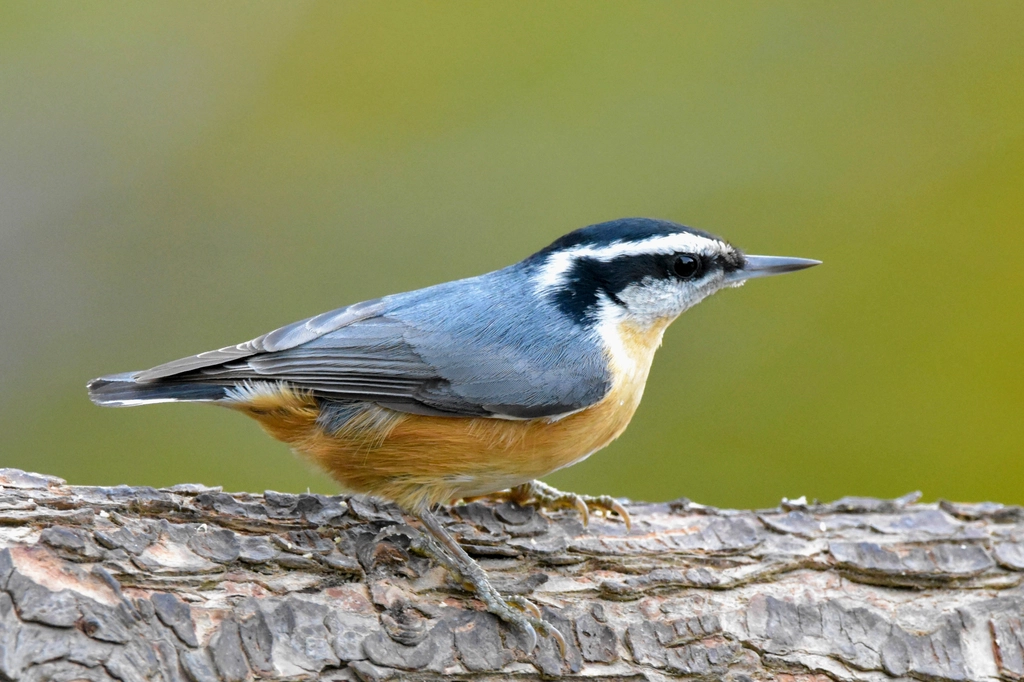 Photo Credit: Rawpixel
In the heart of a sun-dappled forest, the nuthatch, known scientifically as Sitta, flits gracefully among the towering trees. With its striking blue-gray plumage and a distinctive long, pointy beak, this small bird is a marvel of nature. As it scurries up and down tree trunks, often upside down, the nuthatch showcases its remarkable agility, captivating the attention of both scientists and nature lovers alike. Its unique ability to navigate the vertical world of bark and branches sets it apart from many other birds, making it a delightful subject of study.
As the morning sun filters through the leaves, the nuthatch begins its day with a flurry of activity, foraging for insects and seeds hidden in the crevices of the trees. This omnivorous diet not only helps control insect populations but also plays a vital role in the ecosystem, as the nuthatch contributes to seed dispersal. With its curious nature and acrobatic skills, the nuthatch invites us to explore the intricate relationships within its woodland home, revealing the delicate balance of life that thrives in the forest. Join us as we delve deeper into the world of this enchanting bird, uncovering its behaviors, habitats, and the challenges it faces in a changing environment.
The nuthatch is a small but captivating bird that holds a special place in the tree of life. Belonging to the family Sittidae, nuthatches are known for their unique ability to climb down trees headfirst, a skill that sets them apart from many other birds. This acrobatic behavior, along with their distinctive calls and striking plumage, makes them a delightful sight in forests and woodlands. Their taxonomic classification reveals not only their physical traits but also their evolutionary adaptations that have allowed them to thrive in various habitats.
| Taxonomic Rank | Scientific Name | Meaning & Significance |
|---|---|---|
| Kingdom | Animalia | This name means “animals” in Latin, highlighting that nuthatches are part of the vast group of living organisms that are multicellular and capable of movement. |
| Phylum | Chordata | Derived from the Greek word “chordē,” meaning “string,” this classification indicates that nuthatches have a backbone, a key feature of vertebrates. |
| Class | Aves | This term comes from the Latin word for “bird,” emphasizing that nuthatches are warm-blooded, feathered creatures that lay eggs. |
| Order | Passeriformes | Meaning “perching birds,” this name reflects the nuthatch’s ability to perch on branches and its diverse vocalizations, which are characteristic of this large order. |
| Family | Sittidae | This name is derived from the Greek word “sitta,” which refers to the nuthatch itself, highlighting its unique climbing abilities and behavior. |
| Genus | Sitta | Also rooted in the Greek word for nuthatch, this classification underscores the bird’s distinctive traits, such as its stout body and short tail. |
Understanding the nuthatch’s classification provides a glimpse into its evolutionary journey. As members of the passerine order, they share a lineage with many other songbirds, showcasing a rich history of adaptation and survival. Their specialized climbing skills and foraging behaviors have evolved to help them exploit food sources like insects and seeds found in tree bark. This evolutionary path not only highlights their unique adaptations but also connects them to the broader tapestry of avian life, illustrating how diverse and interconnected the animal kingdom truly is.
The evolutionary journey of the nuthatch stretches back millions of years, weaving through the rich tapestry of avian history. These small birds, belonging to the family Sittidae and the genus Sitta, have adapted to their environments in remarkable ways. Their ancestors likely roamed the earth during the late Eocene epoch, around 34 to 56 million years ago, when the world was a very different place, filled with lush forests and diverse wildlife.
Nuthatches are believed to have evolved from tree-dwelling birds that were adept at navigating their arboreal habitats. Over time, they developed specialized features that set them apart from their relatives. One major transition was their ability to climb down trees headfirst, a skill that allows them to forage for insects and seeds in hard-to-reach places. This adaptation likely arose as a response to competition for food and nesting sites, enabling them to exploit resources that other birds could not.
Nuthatches have thrived in diverse habitats thanks to these evolutionary adaptations. Their strong beaks and agile bodies enable them to access food sources that many other birds cannot reach, while their social behaviors enhance their survival in the wild. By mastering the art of climbing and foraging, nuthatches have carved out a niche in the forest ecosystem, showcasing the beauty of evolution in action.
The nuthatch is a small bird that captures the imagination with its agile movements and striking appearance. With a compact body and a sturdy build, it measures just a few inches in length, making it a delightful sight as it flits among the branches. Its short tail and strong legs are perfectly designed for its unique lifestyle, allowing it to hop up and down tree trunks with ease, often even upside down. This acrobatic behavior is not just for show; it helps the nuthatch forage for insects and seeds hidden in the bark.
| Feature | Description |
|---|---|
| Weight | 10 g to about 45 g |
| Skin Type | Feathers |
| Most Distinctive Feature | Hopping up and down trees to forage, often upside down |
These physical traits work together to create a bird that is not only charming but also highly adapted to its environment. The nuthatch’s lightweight body allows it to maneuver quickly through the trees, while its feathers provide insulation and protection from the elements. Its ability to forage in various positions, including upside down, gives it access to food sources that many other birds might miss. This combination of features makes the nuthatch a master of its arboreal domain, showcasing the wonders of evolution in action.
The nuthatch thrives in a variety of wooded environments, where it can be found flitting among the branches and exploring the bark of trees. These charming birds prefer habitats that offer plenty of trees, especially those with rough bark, which provides perfect nooks for foraging. Imagine a sun-dappled forest, where the air is filled with the sounds of rustling leaves and chirping birds. Here, nuthatches can be seen darting up and down tree trunks, their agile bodies perfectly adapted for life in the trees.
Nuthatches are quite adaptable when it comes to climate, but they generally prefer areas with moderate temperatures. They thrive in regions that experience distinct seasons, as these changes provide a variety of food sources throughout the year. In winter, they rely on stored seeds and nuts, while spring and summer bring an abundance of insects. These birds are also known to tolerate colder climates, as long as there are enough trees to provide shelter and food.
Over time, nuthatches have developed remarkable adaptations to their habitats. Their strong feet and sharp claws allow them to grip tree bark securely, while their pointed beaks are perfect for prying open seeds and insects hidden in crevices. This ability to navigate both up and down trees gives them a unique advantage in finding food and avoiding predators. By making the most of their forest homes, nuthatches have carved out a niche that showcases their resourcefulness and agility.
As the sun rises, nuthatches begin their day with a flurry of activity. These diurnal birds, meaning they are active during the day, start by foraging for food. They are known for their impressive acrobatics, often seen climbing down tree trunks headfirst in search of insects, seeds, and nuts. Their agile movements allow them to explore every nook and cranny of the bark, where tasty morsels might be hiding. Throughout the day, nuthatches engage in a variety of behaviors, from feeding to preening their feathers, ensuring they are ready for whatever the day brings.
Nuthatches are social birds that often live in small groups, especially during the breeding season. They exhibit colonial nesting, which means they build their nests close to one another, creating a lively community. This social structure helps them keep an eye out for predators and share information about food sources. Communication is key in their interactions; they use a range of calls and sounds to alert each other to danger or to signal the presence of food. This teamwork not only strengthens their bonds but also enhances their chances of survival in the wild.
| Behavior Type | Description |
|---|---|
| Activity Patterns | Nuthatches are diurnal, foraging for food during the day and engaging in various activities like feeding and preening. |
| Social Structure | They practice colonial nesting, living in close-knit groups that provide safety and support. |
| Communication Methods | Nuthatches use a variety of calls to communicate, alerting each other to food sources and potential threats. |
The behaviors of nuthatches are finely tuned to ensure their survival in the wild. By foraging together and nesting in colonies, they create a network of support that helps them thrive. Their ability to communicate effectively allows them to respond quickly to dangers, while their agile foraging techniques ensure they find enough food to sustain themselves. In the intricate dance of life among the trees, nuthatches exemplify how cooperation and adaptability can lead to success in the natural world.
Nuthatches are omnivores, which means they enjoy a varied diet that includes both plant and animal matter. These clever birds primarily feast on insects, snails, and other invertebrates, making them skilled foragers in their forest homes. With their strong beaks, nuthatches can easily pry open the bark of trees to uncover hidden insects or even crack open seeds and nuts. Their unique ability to climb down trees headfirst allows them to explore every nook and cranny, ensuring they find plenty of tasty treats.
| Dietary Aspect | Details |
|---|---|
| Diet Type | Omnivore |
| Favorite Foods | Insects, snails, seeds, and nuts |
| Prey Items | Various insects and other invertebrates |
| Hunting/Foraging Strategies | Climbing down trees headfirst, prying open bark, and searching for food in crevices |
The nuthatch’s diet plays a crucial role in its daily routine and the ecosystem it inhabits. By consuming insects and snails, these birds help control pest populations, contributing to the health of their forest environments. Their foraging habits also aid in seed dispersal, as they often stash away seeds for later consumption. This behavior not only supports their survival but also promotes plant growth, showcasing the interconnectedness of life in the woods. As nuthatches flit from tree to tree, they embody the vibrant dance of nature, where every meal is a step in the rhythm of the ecosystem.
As spring arrives, nuthatches engage in lively courtship rituals that set the stage for their breeding season. Males often perform acrobatic displays, fluttering around potential mates while singing sweet, melodic calls. This is a time of excitement and competition, as males vie for the attention of females. Once a pair forms, they work together to find a suitable nesting site, often choosing tree cavities or even old woodpecker holes.
| Reproductive Aspect | Details |
|---|---|
| Gestation Period | About 12-14 days |
| Litter Size | 5-8 eggs |
| Age of Maturity | 1 year |
| Name of Young | Chicks |
After the eggs hatch, both parents take on the important role of caring for their chicks. They tirelessly bring food to their young, which are born helpless and rely completely on their parents for survival. As the chicks grow, they develop feathers and learn to flap their wings, preparing for their first flight. This nurturing phase is crucial, as it helps the young nuthatches gain the skills they need to thrive in the wild. Eventually, after a few weeks, the fledglings leave the nest, ready to explore the world and find their own place among the trees.
Nuthatches play an important role in their ecosystem, acting as both foragers and prey. They help control insect populations while also serving as a food source for various predators. This delicate balance places them in the middle of the food web, where they must navigate a range of dangers to survive.
To defend themselves against these threats, nuthatches have developed clever survival strategies. They are agile climbers, able to dart quickly up and down tree trunks, which helps them evade predators. Their ability to hide in crevices and under bark also provides excellent cover. Additionally, nuthatches are known for their alertness, often calling out to warn others of danger. By staying vigilant and using their acrobatic skills, these small birds can navigate the challenges of their environment and thrive despite the risks they face.
A keystone species is a vital part of its ecosystem, meaning its presence and activities have a significant impact on the environment and other living things. The nuthatch, with its unique behaviors and ecological roles, qualifies as a keystone species. By influencing the structure of their habitats and the populations of other species, nuthatches help maintain the balance of their ecosystems.
Nuthatches are known for their foraging habits, which play a crucial role in controlling insect populations. By feeding on insects, snails, and other invertebrates, they help keep these populations in check, preventing any one species from overwhelming the ecosystem. This natural pest control is essential for the health of trees and plants, as it allows them to thrive without excessive damage from herbivorous insects. Additionally, nuthatches are adept at extracting seeds from conifer cones, which helps in seed dispersal. As they move from tree to tree, they inadvertently spread seeds, promoting forest regeneration and diversity.
Moreover, nuthatches engage in colonial nesting, which means they often build their nests in close proximity to one another. This behavior not only provides safety in numbers from predators but also fosters a community dynamic that can enhance the survival of their young. The presence of nuthatches can attract other species, creating a bustling environment that supports various forms of wildlife. Their activities contribute to the overall health of the forest ecosystem, making them an integral part of the community.
If nuthatches were to disappear from their ecosystems, the effects could be profound. Without these birds, insect populations could surge, leading to increased damage to trees and plants. This imbalance could disrupt the entire food web, affecting not only the plants but also the animals that rely on them for shelter and food. The loss of nuthatches would ripple through the ecosystem, highlighting just how interconnected all species are. Their absence would not only diminish the vibrancy of the forest but could also lead to a decline in biodiversity, making it a less resilient environment overall.
The nuthatch occupies a fascinating ecological niche, acting as both a forager and a contributor to the health of its forest habitat. These small birds are known for their unique ability to climb down trees headfirst, which allows them to explore the bark and crevices in search of food. By doing so, they play a crucial role in controlling insect populations and dispersing seeds, helping to maintain the balance of their ecosystem. Their presence is a sign of a healthy woodland, as they thrive in environments rich in biodiversity.
| Ecosystem Service | Impact |
|---|---|
| Insect Control | Nuthatches consume a variety of insects, helping to keep pest populations in check. |
| Seed Dispersal | By foraging for seeds and nuts, nuthatches help spread plant species throughout their habitat. |
| Tree Health | They remove harmful insects from tree bark, promoting healthier trees. |
| Food Source | Nuthatches serve as prey for larger birds and mammals, contributing to the food web. |
Nuthatches influence their environment in several specific ways. For instance, by feeding on insects like caterpillars and beetles, they help reduce the number of pests that can damage trees. This not only benefits the trees but also supports other wildlife that relies on healthy forests. Additionally, when nuthatches cache—meaning they store—seeds and nuts for later consumption, they inadvertently plant new trees. This behavior fosters forest regeneration, ensuring that their habitat remains vibrant and diverse.
The broader ecological importance of nuthatches cannot be overstated. As a keystone species, their activities significantly impact the health of their ecosystem. By controlling insect populations and aiding in seed dispersal, nuthatches help maintain the delicate balance of life in the forests they inhabit. Their presence supports a wide range of other species, from plants to larger animals, making them essential players in the intricate web of life. Observing these agile birds in action reminds us of the interconnectedness of nature and the vital roles each species plays in sustaining our planet’s ecosystems.
In the intricate web of nature, many species form partnerships that enhance their survival and well-being. These relationships can be classified into three main types: mutualism, where both species benefit; commensalism, where one benefits while the other is neither helped nor harmed; and parasitism, where one species benefits at the expense of the other. Nuthatches, with their lively personalities and unique behaviors, engage in various ecological relationships that illustrate the beauty of symbiosis in the natural world.
| Species/Type | Relationship Type | Description |
|---|---|---|
| Woodpeckers | Mutualistic | Nuthatches often follow woodpeckers, benefiting from the insects that are exposed when woodpeckers drill into trees. In return, nuthatches help keep the area free of pests. |
| Tree Fungi | Mutualistic | Nuthatches aid in the dispersal of tree fungi spores by foraging for seeds and insects, which can help the fungi grow and thrive in new areas. |
| Other Birds | Commensal | Nuthatches may share nesting sites with other small birds, providing safety in numbers. The other birds benefit from the nuthatches’ vigilance against predators. |
These relationships have evolved over time, shaped by the needs and behaviors of the species involved. Nuthatches, with their keen foraging skills and social behaviors, have developed partnerships that not only support their own survival but also contribute to the health of their ecosystem. By working together with other species, nuthatches help maintain a balance in their environment, showcasing the interconnectedness of life in the forest.
Nuthatches are small, agile birds that bring a touch of wonder to the forests they inhabit. With their unique behaviors and adaptations, these charming creatures are full of surprises that even seasoned nature enthusiasts might not know.
Throughout history, nuthatches have captured the attention of humans with their acrobatic skills and charming personalities. These small birds, often seen flitting up and down tree trunks, have been featured in folklore and art, symbolizing resourcefulness and adaptability. In many cultures, they are associated with the changing seasons, heralding the arrival of spring with their cheerful calls. Their presence in wooded areas has made them a familiar sight for nature lovers, fostering a connection between humans and the natural world.
In modern times, the relationship between nuthatches and humanity has evolved, particularly in the realms of conservation and habitat preservation. As urbanization encroaches on their natural habitats, efforts are underway to protect these birds and their environments. Birdwatching has become a popular pastime, encouraging people to appreciate and learn about nuthatches and their role in the ecosystem. However, conflicts can arise when these birds nest in human structures, leading to challenges in coexistence. While nuthatches are not domesticated, their adaptability allows them to thrive in various settings, including parks and gardens.
As we look to the future, the relationship between nuthatches and humanity holds promise. With increased awareness of environmental issues, more people are advocating for the protection of natural habitats. This growing appreciation for wildlife can lead to stronger conservation efforts, ensuring that nuthatches continue to thrive alongside us. By fostering a sense of stewardship for the environment, we can create a harmonious coexistence that benefits both these delightful birds and the communities that cherish them.
The nuthatch, a small and agile bird, currently faces significant challenges in its survival, leading to its classification as endangered. This status indicates that the nuthatch’s population is declining, and urgent conservation measures are needed to protect this charming species. While exact population estimates can be difficult to determine, trends suggest that their numbers are decreasing, primarily due to habitat loss and other environmental pressures.
| Conservation Factor | Status/Details |
|---|---|
| IUCN Status | Endangered |
| Population Estimates | Unknown, but declining |
| Trend Direction | Decreasing |
The main threats to nuthatches stem from habitat destruction, particularly due to logging and urban development. As forests are cleared for agriculture or construction, these birds lose their homes and the food sources they rely on. Additionally, climate change poses a growing risk, altering the ecosystems where nuthatches thrive. Changes in temperature and weather patterns can disrupt their breeding cycles and food availability, making survival even more challenging.
Conservation efforts are underway to help protect nuthatches and their habitats. Organizations are working to restore forest areas and promote sustainable land use practices that benefit both wildlife and people. Public awareness campaigns aim to educate communities about the importance of preserving these birds and their environments. With continued dedication and support, there is hope that nuthatch populations can stabilize and even recover, allowing future generations to enjoy their delightful presence in the wild.
| Question | Answer |
|---|---|
| What is the habitat of a Nuthatch? | Nuthatches are commonly found in forests, particularly in areas with a mix of deciduous and coniferous trees. They prefer habitats that provide plenty of tree cover and foraging opportunities, often nesting in tree cavities. |
| What do Nuthatches eat? | Nuthatches are omnivores, meaning they eat a variety of foods. Their diet mainly consists of insects, seeds, and nuts, which they often store for later use, especially in winter. |
| How do Nuthatches behave? | Nuthatches are known for their unique behavior of hopping up and down tree trunks, often even upside down! This allows them to forage for food in crevices and bark, showcasing their agility and adaptability. |
| How do Nuthatches reproduce? | Nuthatches typically mate for life and are monogamous. They build their nests in tree cavities or sometimes in artificial structures, laying around 5 to 8 eggs that both parents help to incubate. |
| What threats do Nuthatches face? | Nuthatches are currently classified as endangered, facing threats from habitat loss due to deforestation and urban development. Climate change also poses a risk, affecting their food sources and nesting sites. |
| What is a distinctive feature of Nuthatches? | One of the most distinctive features of Nuthatches is their ability to forage upside down. This unique behavior helps them access food that other birds might miss, making them fascinating to watch. |
| Are Nuthatches social birds? | Nuthatches are generally solitary or found in pairs, especially during the breeding season. However, they can sometimes be seen foraging in small groups, particularly in winter when food is scarce. |