Taxonomy & Classification
- Kingdom
- Animalia
- Phylum
- Chordata
- Class
- Mammalia
- Order
- Didelphimorphia
- Family
- Didelphidae
- Genus
- Didelphis
- Species
- Didelphis Virginiana

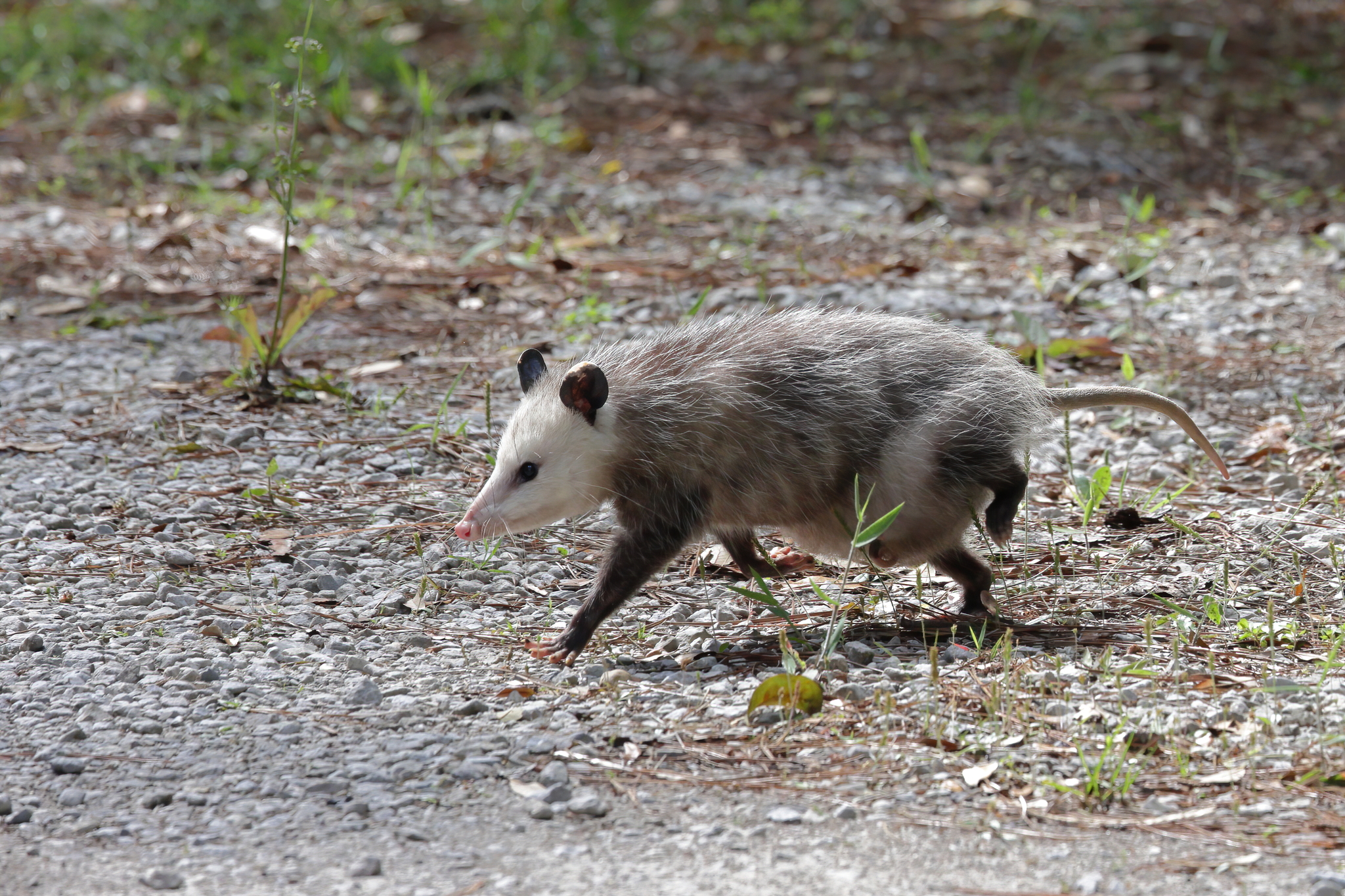 Photo Credit: Lodewicus de Honsvels / Wikimedia Commons
In the quiet hours of dusk, the opossum, scientifically known as Didelphis virginiana, emerges from the shadows of its woodland home. With its pointed snout, large ears, and a tail that resembles a prehensile vine, this marsupial is a curious sight as it scuttles through the underbrush. Its fur, a mix of gray and white, glimmers softly in the fading light, making it both endearing and a little mysterious. Opossums are often misunderstood, but they play a vital role in their ecosystems, acting as nature’s cleanup crew by feasting on pests and carrion.
As night falls, the opossum’s world comes alive. With keen senses, it navigates through forests and farmlands, searching for a meal that might include fruits, insects, or even small animals. This adaptability is what fascinates scientists and nature enthusiasts alike. Opossums are the only marsupials found in North America, and their unique traits, such as their ability to “play dead” when threatened, showcase their remarkable survival strategies. Join us as we delve deeper into the life of the opossum, exploring its behaviors, habitats, and the important role it plays in the natural world.
The opossum holds a special place in the tree of life, showcasing a blend of ancient traits and modern adaptations. As a member of the class Mammalia, it is part of a group known for nurturing their young with milk. What sets the opossum apart is its status as the only marsupial found in North America. Marsupials are mammals that give birth to relatively undeveloped young, which then continue to grow in a pouch. This unique reproductive strategy, along with its ability to play dead as a defense mechanism, makes the opossum a fascinating subject of study in the animal kingdom.
| Taxonomic Rank | Scientific Name | Meaning & Significance |
|---|---|---|
| Kingdom | Animalia | The name “Animalia” comes from the Latin word “animalis,” meaning “having breath” or “living.” This classification includes all living organisms that are multicellular and consume organic material for energy. |
| Phylum | Chordata | “Chordata” is derived from the Latin word “chorda,” meaning “string” or “cord.” This refers to the notochord, a flexible rod that supports the body, which is a key feature in the early development of all chordates, including opossums. |
| Class | Mammalia | The term “Mammalia” comes from the Latin “mamma,” meaning “breast.” This name highlights the defining characteristic of mammals: females possess mammary glands that produce milk to nourish their young. |
| Order | Didelphimorphia | “Didelphimorphia” is derived from Greek, where “di” means “two” and “delphus” means “womb.” This name reflects the two uteri that female opossums have, a distinctive feature among marsupials. |
| Family | Didelphidae | The name “Didelphidae” comes from the same Greek roots as the order, emphasizing the dual wombs of these marsupials. This family includes all opossum species, showcasing their shared reproductive traits. |
| Genus | Didelphis | “Didelphis” translates to “two wombs” in Greek, again highlighting the unique reproductive system of these animals. It underscores the evolutionary adaptations that have allowed opossums to thrive in various environments. |
Understanding the opossum’s classification reveals much about its evolutionary journey. As one of the most primitive groups of marsupials, opossums have retained many ancestral traits that offer insights into the early stages of mammalian evolution. Their ability to adapt to diverse habitats, along with their unique reproductive strategies, showcases the resilience and versatility of life on Earth. By studying opossums, we can learn not only about their biology but also about the broader story of how mammals have evolved over millions of years.
The opossum’s evolutionary journey stretches back millions of years, tracing its roots to the late Cretaceous period, around 70 million years ago. This time frame places the opossum among some of the earliest mammals, evolving alongside the dinosaurs. As the world changed, so did the opossum, adapting to new environments and challenges, ultimately leading to the species we recognize today.
Ancestral forms of opossums were small, tree-dwelling marsupials that roamed the forests of North America and beyond. Over time, they developed key adaptations that allowed them to thrive in diverse habitats. One major transition was the shift from a primarily arboreal lifestyle to a more terrestrial one, enabling them to explore ground-level resources. This adaptability was crucial as they faced competition from other mammals. The opossum’s ability to reproduce quickly and raise multiple young in a pouch also set it apart, ensuring the survival of its lineage even in changing environments.
The adaptations of the opossum have been vital for its survival in a world filled with challenges. Their prehensile tail and ability to play dead provide them with unique strategies to evade predators, while their immunity to venom and low metabolic rate allow them to thrive in various environments. These traits not only showcase the opossum’s resilience but also highlight the intricate dance of evolution that has shaped this fascinating marsupial over millions of years.
The opossum presents a curious blend of features that make it both endearing and intriguing. With a body that can range from about the size of a house cat to a small dog, this marsupial has a compact, elongated shape. Its head is pointed, adorned with a long, hairless snout that gives it a somewhat comical appearance. The opossum’s eyes are large and dark, providing excellent night vision, while its ears are round and often bare, enhancing its ability to hear faint sounds in the night.
| Feature | Description |
|---|---|
| Weight | 0.5-6 kg (1.1-13 lbs) |
| Skin Type | Fur |
| Color | Typically grayish-white with a lighter underbelly |
| Tail | Long, prehensile, and hairless, used for balance |
| Feet | Five toes on each foot, with opposable thumbs on the hind feet |
The opossum’s physical traits are not just for show; they serve vital roles in its survival. Its fur provides insulation, keeping it warm during cooler nights, while its coloration helps it blend into the shadows, making it less visible to predators. The prehensile tail acts like an extra limb, aiding in climbing and navigating through trees. With its keen senses and adaptable body, the opossum is well-equipped to thrive in a variety of environments, from urban areas to dense forests. Each feature works in harmony, allowing this fascinating marsupial to lead a life of exploration and resilience.
The opossum thrives in a variety of habitats, often found in lush forests and sprawling farmlands. These environments are typically near water sources, such as rivers, streams, or ponds, which provide essential resources for survival. Imagine a vibrant landscape where trees stretch high into the sky, their leaves rustling in the gentle breeze, while the ground is dotted with wildflowers and the sounds of chirping birds fill the air. This is the opossum’s home, a place where it can forage for food and find shelter from predators.
Opossums prefer climates that are mild and temperate, which means they enjoy warm summers and cooler winters. They are adaptable animals, able to thrive in both rural and urban settings. These marsupials are often found in areas with plenty of vegetation, as it provides them with food and places to hide. They are also quite comfortable in environments that experience seasonal changes, allowing them to find shelter and food throughout the year.
To survive in their diverse habitats, opossums have developed several clever adaptations. Their ability to climb trees helps them escape from danger and find food, while their nocturnal nature allows them to forage at night when they are less likely to encounter predators. Additionally, their unique immune system enables them to tolerate certain diseases that would be harmful to other animals. This combination of skills and traits makes the opossum a resilient inhabitant of its environment, perfectly suited to thrive in the wild.
The opossum leads a life that is both intriguing and adaptable. As a nocturnal animal, it comes alive at night, embarking on nightly adventures in search of food. Its diet is quite varied, including fruits, insects, small rodents, and even carrion, which is a fancy word for dead animals. During the day, you can find opossums resting in tree hollows, underbrush, or even in abandoned burrows, conserving energy for their nighttime escapades. This pattern of activity helps them avoid predators and makes the most of their foraging skills.
Socially, opossums are generally solitary creatures. Unlike many animals that thrive in groups, opossums prefer to roam alone, which allows them to be more flexible in their search for food. However, they do have some interesting interactions, especially during mating season. When they do come together, they communicate through a variety of sounds, including hisses and growls, to express their feelings or warn others. This solitary lifestyle means that they are quite self-sufficient, relying on their keen senses and instincts to navigate their world.
| Behavior Type | Description |
|---|---|
| Activity Patterns | Nocturnal foraging for food, resting during the day in safe spots. |
| Social Structure | Primarily solitary, with interactions mainly during mating season. |
| Communication Methods | Vocalizations like hisses and growls to express emotions or warn others. |
The behaviors of opossums are finely tuned to ensure their survival in the wild. By being active at night, they avoid many daytime predators and can find food more easily. Their solitary nature allows them to adapt to various environments without the need for competition with others. This combination of clever foraging, effective communication, and a knack for staying out of sight helps opossums thrive in diverse habitats, making them a fascinating part of our ecosystem.
The opossum is an omnivore, which means it enjoys a diverse diet that includes both plants and animals. This adaptability allows it to thrive in various environments. Opossums are known for their scavenging behavior, often foraging for food at night. They have a keen sense of smell and are not picky eaters, which helps them find a wide range of food sources. From fruits to insects, they are always on the lookout for their next meal.
| Dietary Aspect | Details |
|---|---|
| Diet Type | Omnivore |
| Favorite Foods | Fruits, insects, and small animals |
| Prey Items | Frogs, insects, and various fruits |
| Hunting/Foraging Strategies | Nocturnal foraging, scavenging, and using keen sense of smell |
The opossum’s varied diet plays a crucial role in its ecological niche. By consuming a wide range of foods, it helps control insect populations and disperse seeds from the fruits it eats. This not only benefits the opossum but also supports the health of its habitat. Its nightly foraging routine allows it to avoid competition with other daytime feeders, making it a clever survivor in the wild.
When it comes to mating, opossums have a rather interesting approach. The breeding season typically occurs in the spring, when the weather warms up and food becomes more plentiful. During this time, male opossums will compete for the attention of females, often engaging in playful wrestling and vocalizations to impress potential mates. Once a female chooses a mate, they will mate multiple times over a few days to ensure a successful pregnancy.
| Reproductive Aspect | Details |
|---|---|
| Gestation Period | About 12 to 13 days |
| Litter Size | Average of 6 |
| Age of Maturity | About 5 to 6 months |
| Name of Young | Joeys |
After the brief gestation period, the tiny, hairless joeys are born. They are incredibly small, about the size of a jellybean, and immediately crawl into their mother’s pouch. This pouch is a safe haven where they latch onto a teat and continue to develop. For several weeks, the joeys will stay in the pouch, growing and gaining strength. Once they are ready to explore, they will begin to venture out but still return to the pouch for safety and nourishment. As they grow, the mother opossum provides care and protection, teaching them essential survival skills until they are ready to face the world on their own, usually around six months of age.
The opossum occupies a unique position in the food web, acting as both predator and prey. As a scavenger, it helps control insect populations and clean up carrion, which are dead animals. However, this marsupial is also a target for various predators, making it an important player in the balance of its ecosystem.
To survive these threats, opossums have developed some clever defensive behaviors. One of their most famous tricks is “playing dead,” a tactic known as thanatosis. When threatened, they can collapse and emit a foul-smelling odor, making them unappealing to predators. Additionally, their ability to climb trees and their nocturnal habits help them avoid many dangers. With these strategies, opossums continue to thrive in their environments, showcasing their resilience in the face of challenges.
A keystone species is a vital part of its ecosystem, meaning its presence and activities have a significant impact on the environment and other living things. The opossum, often overlooked, qualifies as a keystone species due to its unique role in maintaining ecological balance. By influencing the populations of other species and contributing to nutrient cycling, opossums help keep their habitats healthy and thriving.
One of the most important ways opossums impact their ecosystems is through their diet. As omnivores, they consume a wide variety of foods, including insects, small rodents, fruits, and even carrion, which is the decaying flesh of dead animals. By eating pests like ticks, opossums help control their populations, which can reduce the spread of diseases like Lyme disease. This natural pest control is crucial for maintaining the health of both plants and animals in their environment.
Additionally, opossums play a significant role in nutrient cycling. When they scavenge on carrion, they help break down dead animals, returning nutrients to the soil. This process enriches the ground, promoting plant growth and supporting the entire food web. Furthermore, their foraging habits help disperse seeds, contributing to the regeneration of plant life in their habitats.
If opossums were to disappear from their ecosystems, the consequences could be severe. Without these marsupials, insect populations could explode, leading to increased disease transmission and harm to other wildlife. The absence of scavenging would slow down nutrient recycling, resulting in poorer soil quality and less plant growth. This chain reaction could destabilize the entire ecosystem, demonstrating just how crucial opossums are to the health of their environments.
The opossum plays a crucial role in its ecosystem, acting as a natural cleanup crew and a vital link in the food web. This adaptable marsupial thrives in diverse habitats, including forests and farmlands, often near water sources. By scavenging for food, it helps maintain a balanced environment, ensuring that nutrients are recycled back into the ecosystem. Its unique behaviors and dietary habits allow it to fill an ecological niche that few other animals can.
| Ecosystem Service | Impact |
|---|---|
| Scavenging | Reduces waste by consuming dead animals and organic matter. |
| Pest Control | Helps control insect populations, including ticks and cockroaches. |
| Soil Aeration | Burrowing behavior improves soil health and aeration. |
| Food Source | Serves as prey for larger predators, supporting the food web. |
Opossums are particularly effective at controlling pest populations. For instance, they consume large numbers of ticks, which can carry diseases harmful to humans and pets. By keeping these populations in check, opossums help reduce the risk of tick-borne illnesses. Additionally, their scavenging habits mean they often eat carrion, which not only cleans up the environment but also prevents the spread of disease from decaying animals. Their burrowing can also enhance soil quality, allowing plants to thrive.
The broader ecological importance of the opossum cannot be overstated. As a keystone species, its presence supports a variety of other wildlife and contributes to the overall health of its ecosystem. By fulfilling multiple roles—from scavenger to pest controller—the opossum helps maintain balance in its environment. This unassuming marsupial reminds us that even the smallest creatures can have a significant impact on the world around us, highlighting the interconnectedness of all living things.
In the intricate web of life, symbiosis refers to the close interactions between different species, which can take on various forms. These relationships can be mutualistic, where both species benefit; parasitic, where one benefits at the other’s expense; or commensal, where one benefits while the other is neither helped nor harmed. Opossums, with their adaptable nature, engage in several of these relationships, showcasing the dynamic connections that exist in ecosystems.
| Species/Type | Relationship Type | Description |
|---|---|---|
| Ticks | Parasitic | Ticks attach to opossums to feed on their blood, benefiting from a food source while potentially harming the opossum. |
| Birds (e.g., Cattle Egrets) | Commensal | These birds often follow opossums to catch insects disturbed by their movement, gaining food without affecting the opossum. |
| Microorganisms in the gut | Mutualistic | Beneficial bacteria help opossums digest food, while the opossum provides a habitat and nutrients for these microorganisms. |
These relationships have evolved over time, shaped by the needs and behaviors of the species involved. For instance, the mutualistic bond between opossums and gut bacteria highlights how both parties can thrive together. As opossums forage for food, they inadvertently support the microorganisms that aid in digestion. Meanwhile, the parasitic relationship with ticks illustrates the challenges of survival, where one species can exploit another. Understanding these connections not only reveals the complexity of ecosystems but also emphasizes the importance of every species, including the often-misunderstood opossum, in maintaining ecological balance.
Opossums are often misunderstood creatures, but they are full of surprises that make them truly remarkable. Here are some intriguing facts that showcase their unique traits and behaviors.
Throughout history, opossums have danced in and out of human lives, often leaving a lasting impression. Native Americans revered these marsupials, seeing them as symbols of resourcefulness and adaptability. In folklore, they were sometimes depicted as tricksters, embodying cleverness and survival. As settlers moved across North America, they encountered opossums and began to recognize their role in the ecosystem. These nocturnal creatures, with their unique ability to “play dead” as a defense mechanism, have sparked curiosity and fascination, leading to their presence in stories and cultural references.
In modern times, the relationship between opossums and humans has evolved, marked by both cooperation and conflict. Opossums are often seen as beneficial neighbors, helping to control pests like ticks and cockroaches, which can carry diseases. However, they can also be viewed as nuisances when they rummage through garbage or invade gardens. Conservation efforts are underway to educate the public about the importance of these animals in maintaining ecological balance. While domestication is not common, some people have taken to caring for injured or orphaned opossums, fostering a deeper connection with these misunderstood marsupials.
As we look to the future, the relationship between opossums and humanity holds promise. With increased awareness of their ecological importance, more people are beginning to appreciate these creatures rather than fear them. Education and conservation efforts can help bridge the gap between humans and opossums, fostering a sense of respect and understanding. By recognizing the vital role opossums play in our ecosystems, we can ensure that these fascinating marsupials continue to thrive alongside us for generations to come.
The opossum, a fascinating marsupial, currently holds a conservation status of “Least Concern” according to the International Union for Conservation of Nature (IUCN). This means that, overall, opossums are not facing immediate threats to their survival. Their populations are stable, and they are widely distributed across North America. In fact, these adaptable creatures have thrived in various environments, from urban areas to rural landscapes, showcasing their resilience and ability to coexist with humans.
| Conservation Factor | Status/Details |
|---|---|
| IUCN Status | Least Concern |
| Population Estimates | Stable and widespread |
| Trend Direction | Stable |
Despite their stable status, opossums face several challenges in the wild. Habitat loss due to urban development and agriculture can reduce their living spaces. Additionally, they are often victims of road accidents as they scavenge along highways. Predation from larger animals, such as coyotes and domestic pets, also poses a threat. These factors can impact local populations, especially in areas where their habitats are fragmented.
Conservation efforts for opossums are not as extensive as for more endangered species, but awareness is growing. Educating the public about the ecological benefits of opossums, such as their role in controlling pests and cleaning up carrion, is crucial. Many wildlife organizations promote coexistence strategies, encouraging people to appreciate these creatures rather than fear them. With continued support and understanding, the outlook for opossums remains positive, allowing them to thrive in their diverse habitats for years to come.
| Question | Answer |
|---|---|
| Where do opossums live? | Opossums are commonly found in forests and farmland, especially near water sources like rivers and streams. They are adaptable creatures, which means they can thrive in various environments, including urban areas. |
| What do opossums eat? | Opossums are omnivores, meaning they eat both plants and animals. Their diet includes fruits, insects, small mammals, and even carrion, which is dead animals. This diverse diet helps them survive in different habitats. |
| How do opossums behave? | Opossums are mostly nocturnal, which means they are active at night. They are known for their unique defense mechanism of "playing dead" when threatened, which can confuse predators. They are also solitary animals, preferring to live alone rather than in groups. |
| How do opossums reproduce? | Opossums have a short gestation period of about 12 days, after which the tiny, underdeveloped babies crawl into their mother's pouch. They stay in the pouch for about two months before moving to their mother's back, where they continue to grow and develop. |
| What threats do opossums face? | While opossums are currently listed as "Least Concern" in terms of conservation status, they face threats from habitat loss and vehicle collisions. They are also sometimes hunted by larger predators, but their ability to adapt helps them survive in many areas. |
| What are some interesting characteristics of opossums? | Opossums are the only marsupials found in North America, which means they carry their young in a pouch. They have a unique ability to tolerate snake venom, making them less vulnerable to snake bites. Additionally, they have a prehensile tail, which helps them balance and climb. |
| Can opossums carry diseases? | Opossums are often thought to carry diseases, but they are actually quite resistant to many common illnesses. Their body temperature is lower than that of other mammals, which makes it difficult for diseases like rabies to thrive. This makes them beneficial for controlling pests like ticks. |